
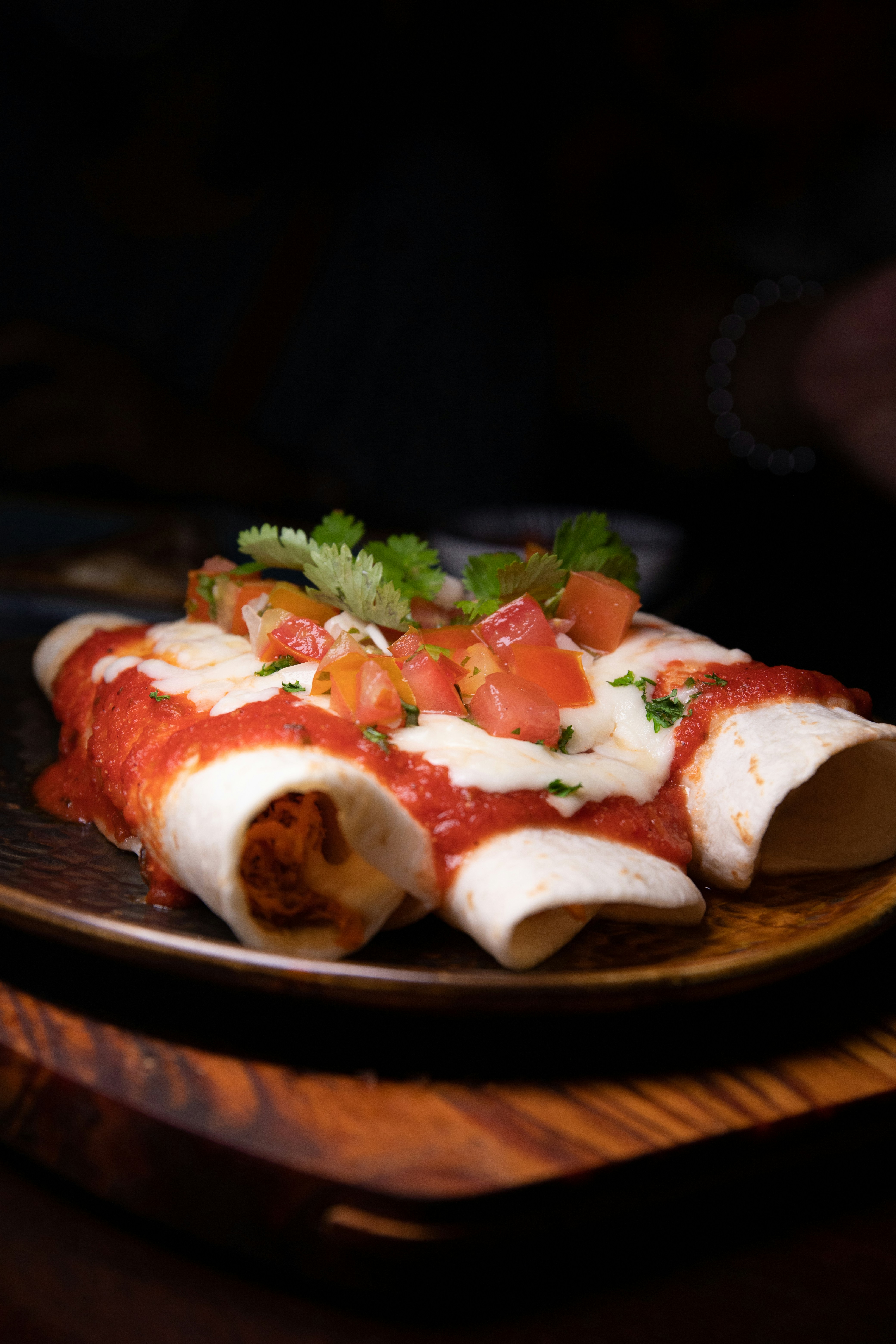
The Origin of Enchiladas
Enchiladas, a staple of Mexican cuisine, have a rich history that dates back to ancient Mesoamerican times. The concept of wrapping food in tortillas is believed to have originated with the Aztecs, who consumed various fillings encapsulated in corn tortillas. The term “enchilada” derives from the Spanish verb “enchilar,” which means to add chili. This indicates that, even in their early forms, enchiladas were characterized by the use of chili sauces, showcasing the prominence of this ingredient in Mexican cooking.
The evolution of enchiladas is closely tied to the agricultural practices of the regions in which they were created. Corn, a staple crop in Mesoamerica, was not just a food source but a cultural cornerstone, influencing the diet and customs of the people. Initially, the fillings were likely made from locally-sourced ingredients such as beans, squash, or meats from hunted animals, reflecting the biodiversity of the region. As Spanish colonization introduced new ingredients, such as cheese and various meats, enchiladas evolved, incorporating these elements while maintaining a connection to traditional practices.
Through the centuries, enchiladas have transformed into numerous regional varieties, each showcasing unique flavors and ingredients. For instance, northern Mexico is recognized for its cheese-filled enchiladas, while southern regions emphasize the use of rich, mole-based sauces. The adaptability of enchiladas signifies not only their importance in Mexican culture but also their ability to absorb influences from various historical contexts. Today, enchiladas are celebrated worldwide, symbolizing a fusion of tradition and innovation in culinary art.
Cultural Significance of Enchiladas
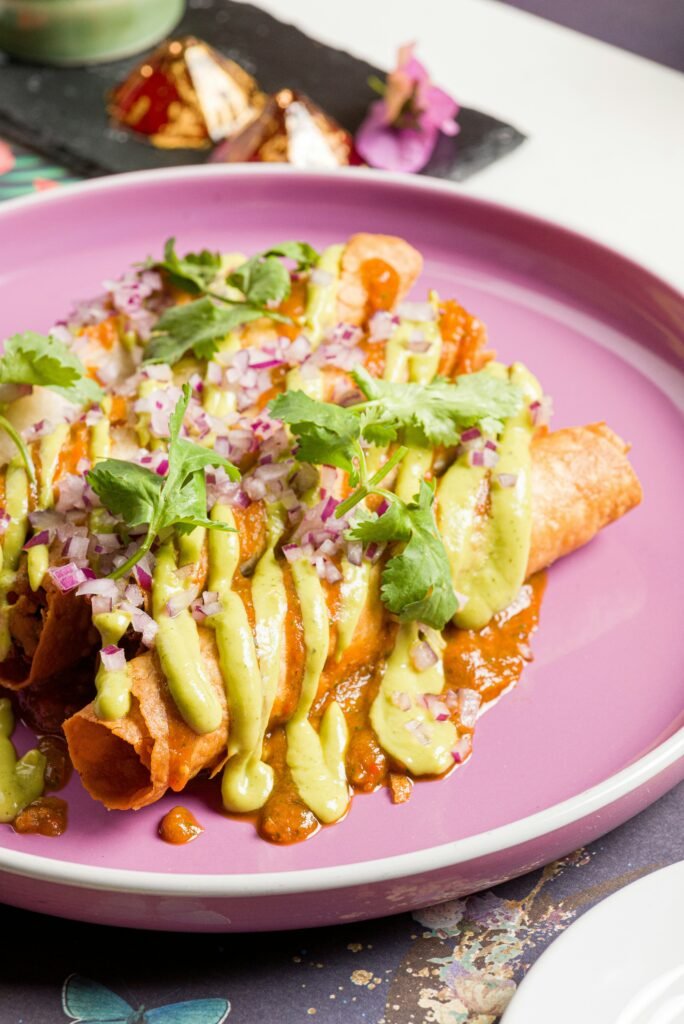
Enchiladas hold a prominent place in Mexican cuisine, exemplifying not only culinary traditions but also cultural identity and community bonding. These delightful rolled tortillas, typically filled with an array of ingredients such as meats, cheese, or vegetables, are often bathed in rich sauces, creating a dish that is both versatile and deeply rooted in Mexican heritage. Their significance transcends mere sustenance; enchiladas are emblematic of the customs and practices that define Mexican society.
Within the context of celebrations and family gatherings, enchiladas serve as a central feature during various festivities. Whether it is a birthday, a wedding, or a traditional holiday such as Día de los Muertos, these flavorful rolls symbolize love, togetherness, and shared experiences among family and friends. The act of preparing enchiladas often involves multiple generations coming together, fostering a sense of unity as recipes are passed down through families. This communal spirit reflects the values embodied in Mexican culture, where food acts as a medium for connection and expression.
Moreover, regional variations of enchiladas highlight the diverse culinary landscape of Mexico. Different states and communities have their unique styles, flavors, and preparation methods. For instance, enchiladas from Oaxaca may be distinct from those in Veracruz, utilizing local ingredients and traditional techniques that signify a rich tapestry of local customs. These variations not only enrich the culinary experience but also illustrate an area’s history, geography, and cultural influences. Consequently, enchiladas become a cultural narrative, showcasing the uniqueness of different regions while still being a unifying dish enjoyed across the country.
Unique Flavors of Enchiladas
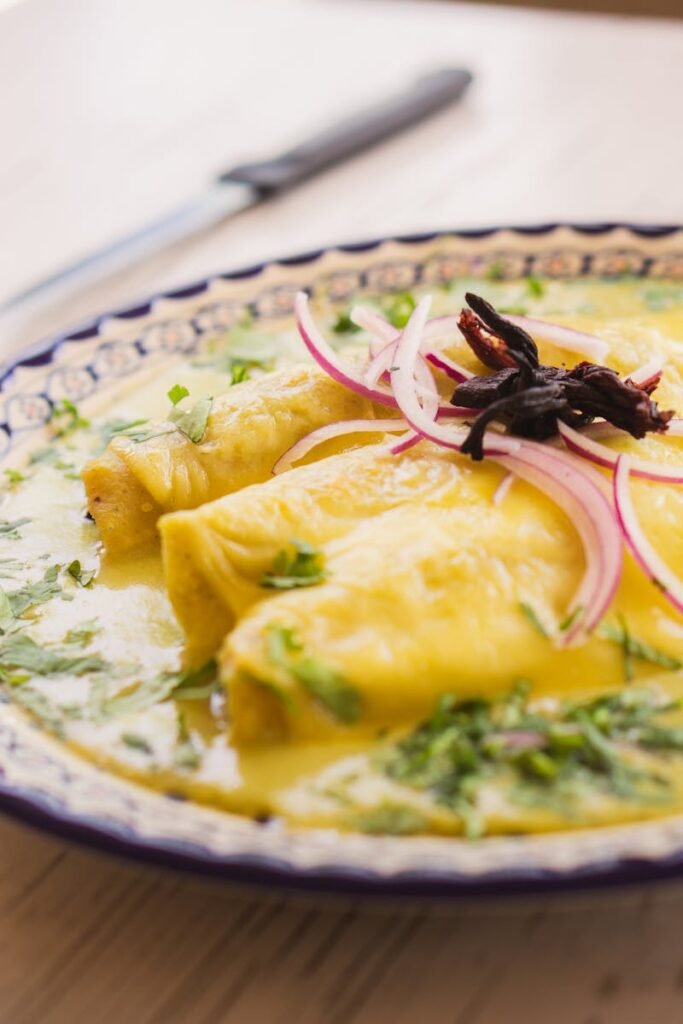
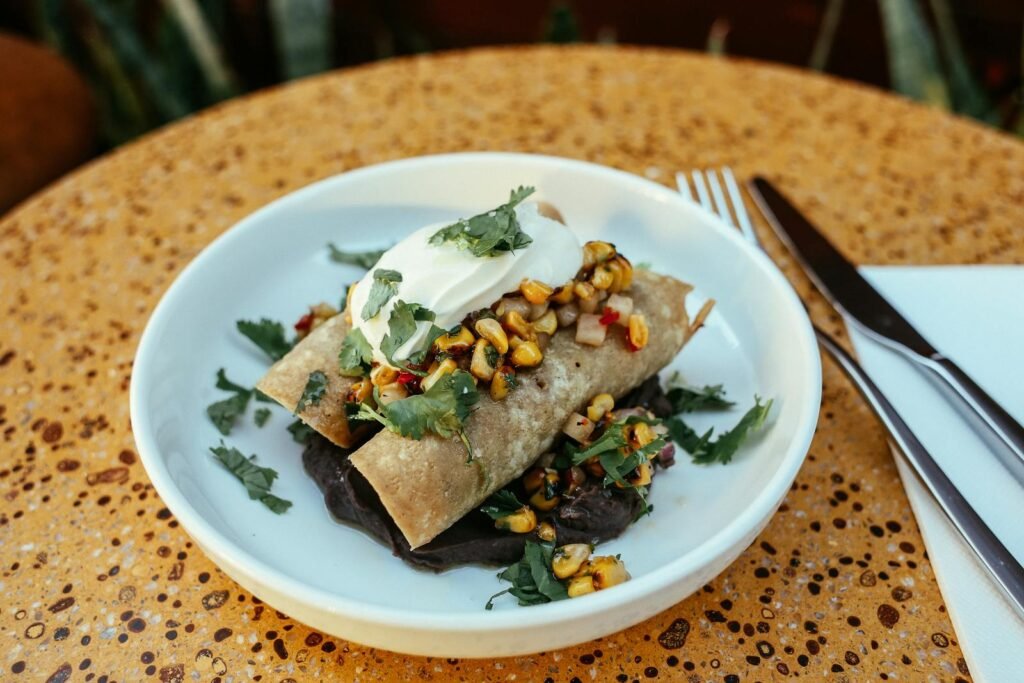
Enchiladas, a quintessential Mexican dish, are celebrated for their diverse and unique flavor profiles. The hallmark of enchiladas lies not only in their fillings but largely in the variety of sauces that adorn them. One of the most traditional sauces used is the red chili sauce, made from dried chilies, garlic, and spices. This sauce imparts a rich, smoky flavor that enhances the enchiladas, signifying its origins from the central regions of Mexico. Alternatively, green sauces, typically derived from tomatillos, provide a tart and refreshing taste, most commonly enjoyed in dishes from southern Mexico.
The choice of filling further diversifies the flavors of enchiladas. While chicken and cheese remain classic options, regional variations showcase a myriad of ingredients such as beef, beans, or even seafood. In Yucatán, for example, enchiladas may be filled with cochinita pibil, a slow-roasted marinated pork, highlighting the traditional cooking methods and local ingredients of the region. Vegetarian versions often incorporate vegetables like zucchini, corn, or spinach, reflecting the availability of seasonal produce and the emphasis on plant-based diets in various areas.
Spices also play a crucial role in crafting the distinctive taste of enchiladas. Commonly used spices include cumin, oregano, and coriander, each contributing to the intricate layers of flavor in the dish. These spices are often complemented by fresh ingredients such as onions and cilantro, which add brightness and depth. Furthermore, the way enchiladas are prepared can significantly influence their taste; for instance, baking or frying enchiladas introduces different textures and flavor nuances. This diverse array of sauces, fillings, and spices encapsulates the regional differences prevalent in Mexican cuisine, making enchiladas a dish celebrated for their uniqueness in flavor across the country.
Texture and Culinary Techniques
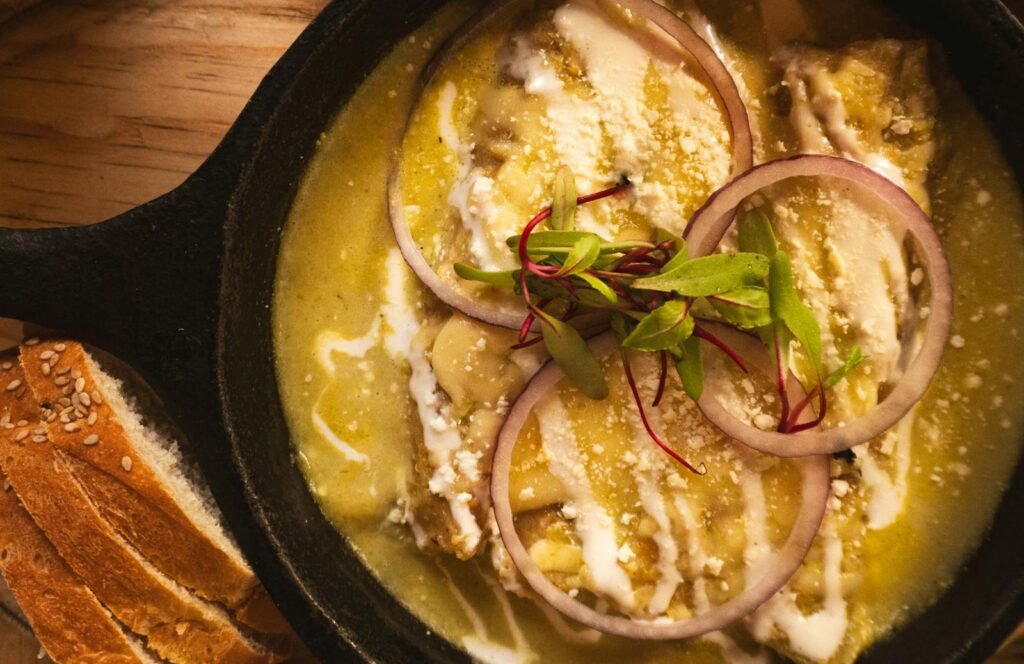
Enchiladas are a quintessential dish that showcases a rich tapestry of textures, making them a delightful experience for the palate. At the foundation of this beloved Mexican dish are the tortillas, which serve as a soft, warm embrace for the ingredients that lie within. Typically made from corn, these tortillas exhibit a pleasing pliability that allows them to be rolled and filled without tearing. When cooked, they develop a slight crispness on the edges while retaining a tender core, contributing significantly to the overall mouthfeel of the enchilada.
As for the fillings, they can vary greatly, introducing various textures depending on the ingredients used. For instance, shredded chicken or beef can lend a hearty, chunky quality, while sautéed vegetables might offer a refreshing crunch. Additionally, the use of creamy components such as cheese or sour cream enhances the overall texture, creating a smooth contrast that balances out the robustness of the proteins and vegetables. This interplay of textures is key to the enchilada experience, ensuring each bite offers something new.
When it comes to the culinary techniques employed in preparing enchiladas, several essential steps are involved. The process often begins with making the sauce, which can be red or green, depending on the desired flavor profile. Utilizing a blend of tomatoes, chili peppers, and spices, the sauce should be simmered to allow the flavors to meld beautifully. Next, individual tortillas are dipped in this vibrant sauce, providing them with both flavor and moisture before they are expertly filled, rolled, and arranged in a baking dish. Baking enchiladas not only melds the flavors but also creates an inviting, slightly crisp top layer, culminating in a dish that is as visually appealing as it is delicious.
Visual Appeal of Enchiladas
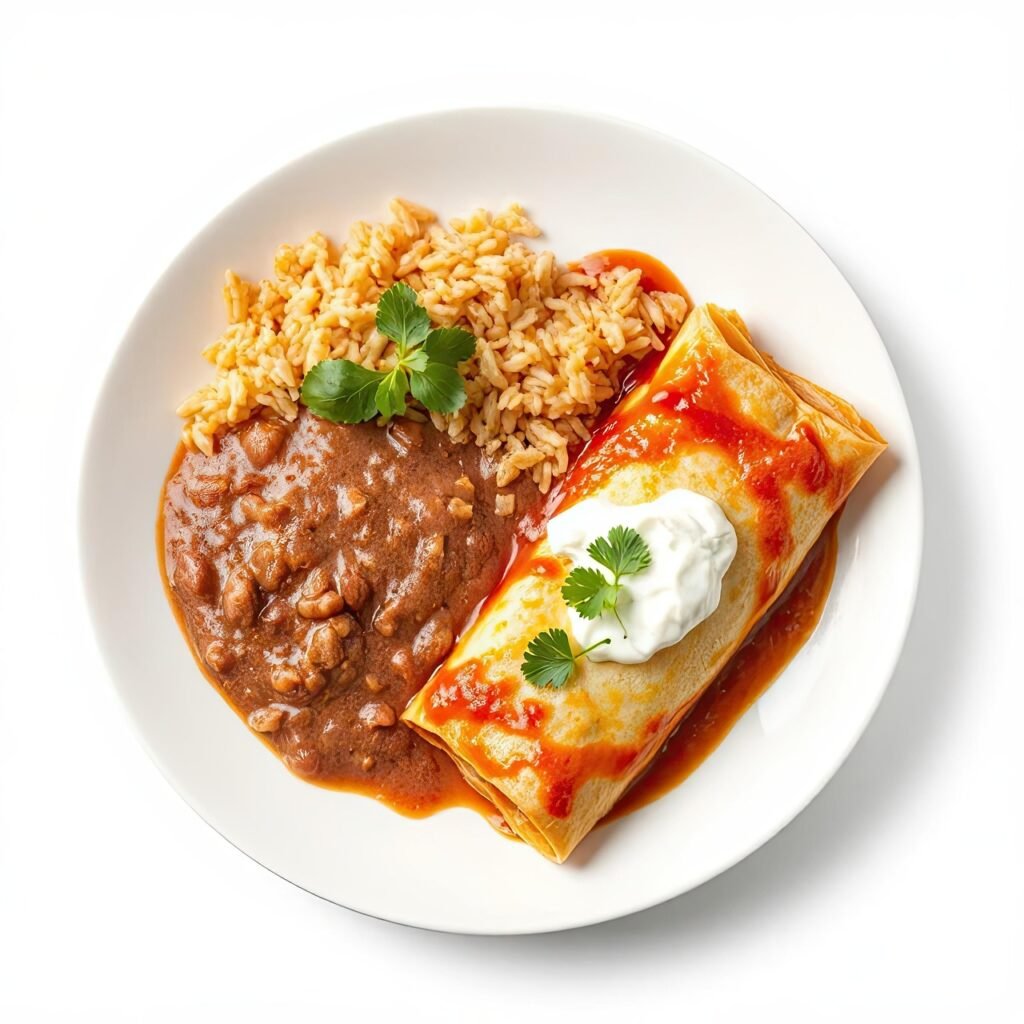
The visual appeal of enchiladas is a significant aspect that contributes to their popularity and cultural importance. These delectable dishes not only entice the palate but also engage the eyes, creating an inviting dining experience. Typically, enchiladas are characterized by their vibrant colors, which are achieved through a combination of rich sauces, fresh ingredients, and artful garnishing. The bright red of a traditional chili sauce, the earthy tones of mole, or the bright green color of salsa verde all lend a striking visual contrast against the golden tortillas that envelop the filling. This colorful presentation is a hallmark of Mexican cuisine, reflecting the diversity and richness of its culinary landscape.
Garnishes play an essential role in enhancing the aesthetic appeal of enchiladas. Common garnishments such as crumbled queso fresco, finely chopped cilantro, and slices of avocado not only add texture but also infuse additional colors and flavors, transforming the dish into a work of art. A sprinkle of fresh lime juice may also accentuate the colors while providing a zesty touch. The careful arrangement of these elements showcases the chef’s respect for the ingredients and tradition, elevating the overall dining experience.
The importance of visual presentation in Mexican cuisine cannot be overstated. It reflects a cultural ethos that values aesthetics as much as taste. Enchiladas, in particular, embody this philosophy, inviting diners not only to enjoy their flavors but to appreciate the artistry behind their assembly. As one savors these vibrant creations, they may also delight in the stories each layer of color and garnish tells, revealing the steadfast connection between culinary practice and cultural expression. The visual appeal of enchiladas thus serves not only as an introduction to their deliciousness but also as a celebration of the rich traditions associated with Mexican food.
Plating Techniques for Enchiladas
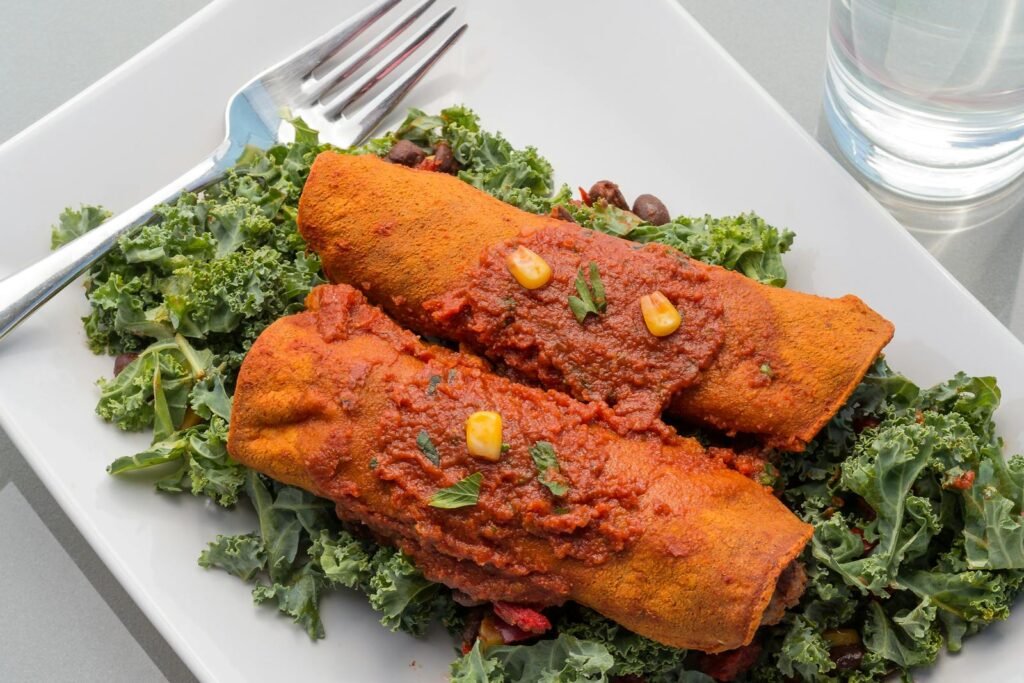
Presenting enchiladas in a visually appealing manner can significantly enhance the dining experience. The process of plating is an art that involves thoughtful arrangement and garnishing to make the dish not only appetizing but also appealing to the eye. First, a well-chosen plate is essential; a white or neutral-toned plate can act as a canvas to showcase the vibrancy of the enchiladas and their accompanying ingredients. The use of contrasting colors can elevate the dish’s appearance, so consider a plate that complements the hues of the enchiladas.
When arranging enchiladas on the plate, consider their orientation. Placing them at a slight angle can create a dynamic presentation, while a straight line may provide a more formal aesthetic. Next, the distribution of the enchiladas is crucial; ensuring they are spaced evenly allows for an unhindered visual appreciation. To further enhance the presentation, adding an appropriate sauce or gravy can add richness to the look. A drizzle of enchilada sauce over the top, or a pool of sauce on the base of the plate, can create depth and texture.
To finish, garnishing plays a pivotal role in enhancing both the appearance and flavor profile of enchiladas. Fresh cilantro offers a burst of color, while a dollop of sour cream or a sprinkling of crumbled cheese adds creaminess, providing a contrast to the dish’s texture. Slices of jalapeño or a sprinkle of black olives can introduce additional layers of color and flavor. These thoughtful plating techniques not only make enchiladas visually striking but also elevate their appeal, transforming a simple dish into a culinary masterpiece that tantalizes the senses.
Enchiladas in Popular Culture
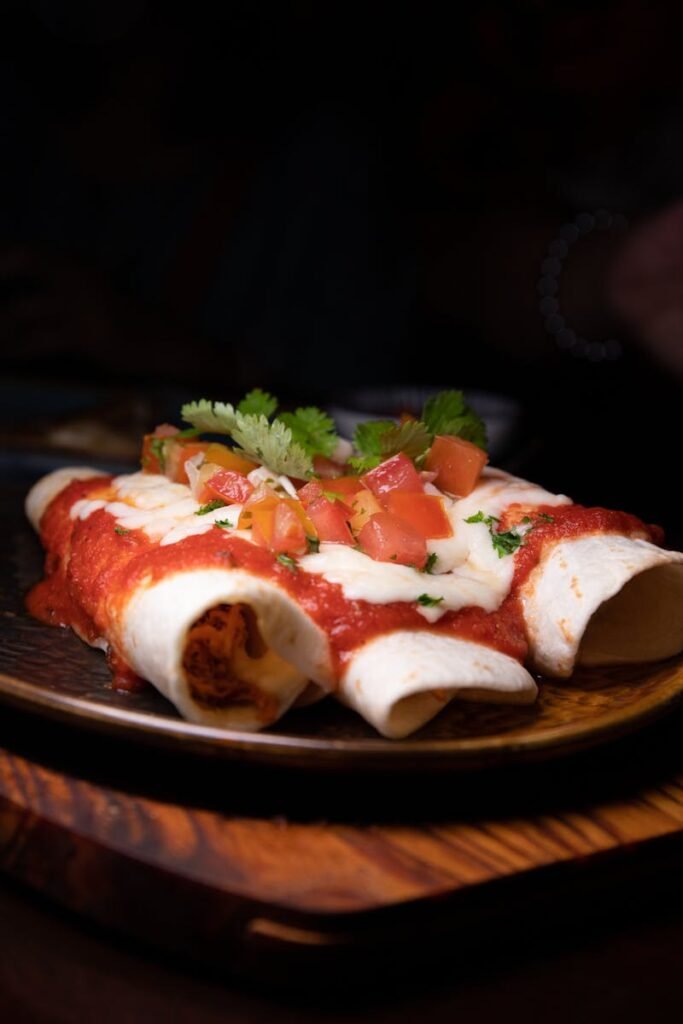
Enchiladas, a quintessential dish from Mexican cuisine, have made a significant impact on popular culture, illustrating their far-reaching influence beyond culinary circles. This delightful dish serves as not just a meal but as a cultural artifact that embodies the rich traditions of Mexico. Their representation in films, literature, and social media is reflective of their status as a symbol synonymous with Mexican heritage and identity.
In cinematic narratives, enchiladas often appear in scenes that emphasize family gatherings, where the sharing of food fosters connections among characters. Such depictions reinforce the idea that food plays a pivotal role in cultural expression and communal experiences. Films that explore Mexican culture frequently feature enchiladas, showcasing their various regional styles and flavors, thus educating broader audiences about the complexity of this beloved dish.
Literature, too, embraces enchiladas as a vessel for storytelling. Numerous authors weave culinary references into their narratives, using enchiladas to evoke nostalgia or to signify a character’s cultural background. The inclusion of such dishes enriches the text, rendering the cultures represented more tangible and relatable to readers. It often reflects themes of home, tradition, and familial ties, enhancing the narrative texture of the works in which they appear.
Social media has also played a revolutionary role in the popularization of enchiladas. Through platforms such as Instagram and TikTok, food enthusiasts worldwide showcase their own innovative takes on this classic dish, incorporating diverse ingredients and flavors that draw from a variety of cultural influences. In doing so, they not only celebrate the traditional enchilada but also blend it with contemporary gastronomy, thus expanding its relevance in today’s culinary landscape.
Overall, the presence of enchiladas in various facets of popular culture underscores their significance as an emblem of Mexican cuisine, while simultaneously allowing for a dialogue between tradition and modernity.
A Culinary Journey Through Regional Variations
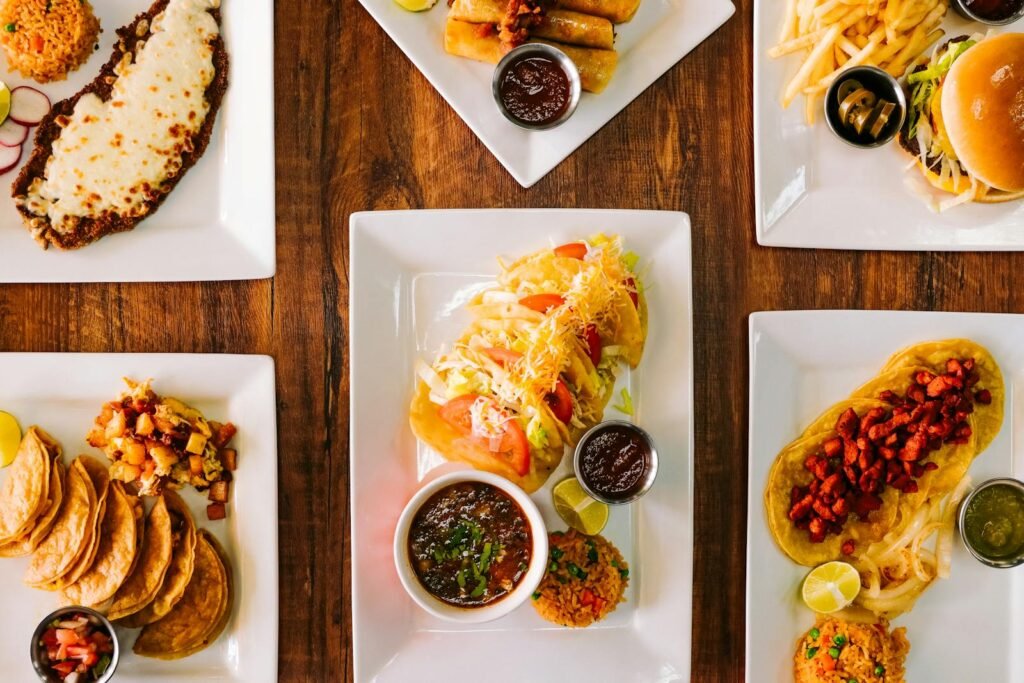
The enchilada, a quintessential Mexican dish, boasts a rich diversity that varies from region to region, each offering a distinctive take that reflects local customs, ingredients, and culinary practices. In Mexico, enchiladas are not merely a meal; they embody the cultural heritage and regional flavors that make Mexican cuisine remarkably diverse and vibrant.
In the northern states, such as Chihuahua and Sonora, enchiladas tend to be filled with robust meats like beef or chicken, often accompanied by a hearty batch of cheese and bathed in a flavorful red sauce made from ripe tomatoes and chilies. The use of flour tortillas is prevalent in these regions, providing a different texture and taste that complements the richly flavored fillings.
Moving towards the central part of the country, particularly in Mexico City, enchiladas can be found in a variety of forms, including the beloved enchiladas suizas. Characterized by a creamy sauce made from blended tomatillos and cheese, this version often features chicken or cheese as the primary filling. The combination of tangy and savory flavors showcases how regional variations are shaped by local tastes and preferences.
In southern Mexico, particularly Oaxaca, enchiladas take on a more complex flavor profile. Often served with a mole sauce—a rich, thick blend of chocolate, spices, and chilies—these enchiladas stand as a testament to the region’s culinary ingenuity. The use of unique local ingredients, such as queso fresco and fresh herbs, elevates the dish, making it a central feature of Oaxacan festivities and family gatherings.
Further along the Pacific coast, states like Guerrero introduce seafood into the enchilada equation. Here, fresh fish or shrimp may be used as filling, melded with vibrant salsas derived from tropical fruits and regional spices, demonstrating the coastal influence on this classic dish.
These regional variations underscore the culinary creativity inherent in Mexican cuisine, where enchiladas transcend their humble beginnings to become a celebration of local flavors and traditions. Each bite offers a glimpse into the heart of Mexican culture, showcasing why enchiladas remain a beloved staple throughout the country.
Conclusion: The Enduring Legacy of Enchiladas
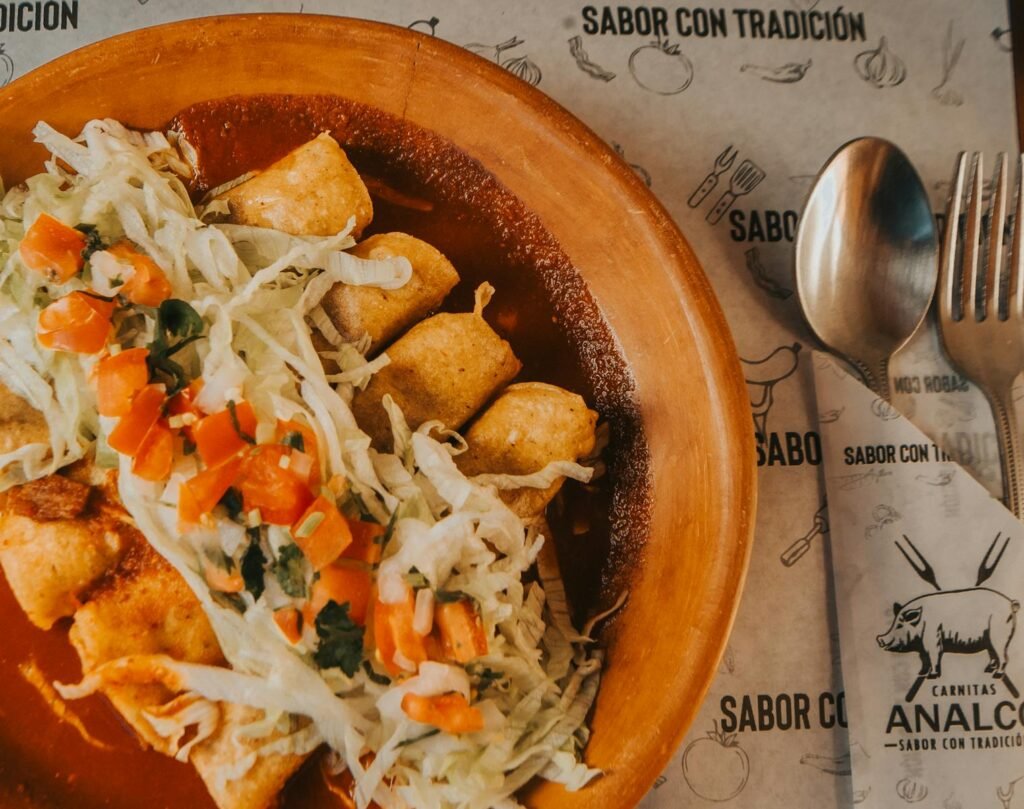
Enchiladas hold a significant place in the tapestry of Mexican cuisine, embodying both cultural heritage and culinary artistry. Their rich history spans centuries, originating from ancient civilizations, and they have since evolved into a beloved dish recognized far beyond the borders of Mexico. These rolled tortillas filled with a variety of ingredients, covered in sauces, are more than just a meal; they serve as a symbol of community, family gatherings, and cultural identity.
The importance of preserving traditional enchilada recipes cannot be overstated. Many families pass down cherished recipes through generations, highlighting the connection between food and cultural memory. These recipes often use authentic ingredients and methods that reflect regional differences and personal histories. However, the culinary landscape is always changing, and modern adaptations of enchiladas showcase the creativity and experimentation of contemporary chefs. From inventive fillings to unique sauces, these variations demonstrate that while enchiladas are steeped in tradition, they are also adaptable to new palates and trends.
Moreover, the evolution of enchiladas reflects broader societal changes and the integration of cultural influences. As more people embrace diverse culinary experiences, enchiladas have found their way into the menus of various restaurants worldwide. This global reach reinforces their status as a versatile dish that resonates with many, far beyond their Mexican roots. Embracing both traditional and modern interpretations promotes an enriched culinary dialogue, allowing future generations to appreciate the complexity and depth of enchiladas. Thus, enchiladas continue to thrive as a cherished dish, celebrating a dynamic legacy that transcends time and borders, ensuring their place in both home kitchens and gourmet establishments.