
Introduction to Bulgogi
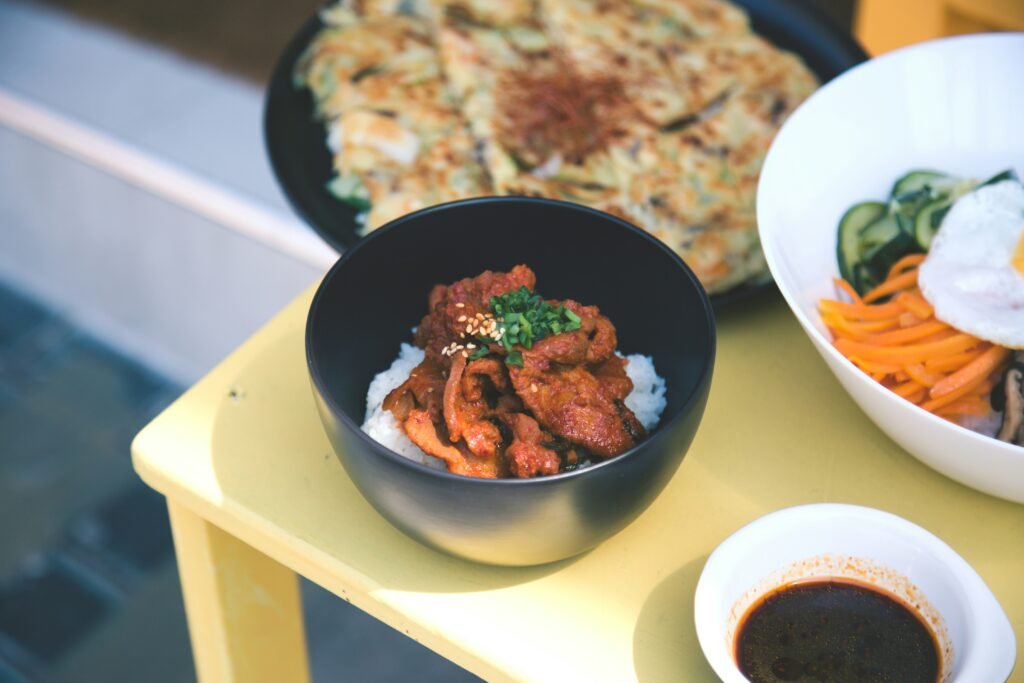
Bulgogi, a traditional Korean dish, is recognized for its exquisite flavor profile and cultural significance. The term “bulgogi” translates to “fire meat,” which aptly describes the method of cooking marinated beef over high heat, typically on a grill or in a pan. This preparation method not only enhances the natural flavors of the meat but also incorporates a harmonious blend of seasonings, including soy sauce, sesame oil, garlic, and sugar, creating a sweet and savory taste that captivates palates around the world.
This dish has a rich history, tracing its roots back to the Goguryeo kingdom (37 BC – 668 AD), where it was originally prepared as a form of marinated meat for grilling. Over the centuries, the preparation of bulgogi has evolved, adopting various regional variations and cooking styles, but it has always remained a beloved staple in Korean cuisine. Today, it is common to find bulgogi on the menu of Korean restaurants globally, reflecting its increased popularity in international culinary circles.
Bulgogi’s significance extends beyond its delightful taste; it is often associated with Korean traditions and communal dining. The act of grilling bulgogi at the table brings an interactive and festive atmosphere to meals, making it a popular choice for celebrations and gatherings. Additionally, it is frequently enjoyed in various forms, such as enveloped in lettuce leaves or served over rice, showcasing its versatility.
In essence, bulgogi is more than just a dish; it represents a connection to Korean culture and heritage, making it a noteworthy topic for exploration in terms of its history, preparation methods, and the role it plays in the dining experiences of both Koreans and food enthusiasts worldwide.
The Origins of Bulgogi
Bulgogi, a beloved dish in Korean cuisine, has a history that intertwines with the rich cultural heritage of Korea. Its origins can be traced back to the Goguryeo era (37 BC – 668 AD), during which a dish called ‘maekjeok’ was enjoyed, consisting of marinated cuts of grilled meat. This early preparation set the foundation for what would eventually evolve into modern-day bulgogi. The influence of military campaigns throughout Korea’s past also played a role in the dish’s development, as soldiers often required portable forms of food that were both energy-dense and easy to prepare.
As the centuries progressed, bulgogi began to take shape under the influence of neighboring cultures, notably Chinese cuisine. This interaction introduced new flavors and methods of preparation, further enriching the dish’s profile. The term ‘bulgogi’ itself, which translates to “fire meat,” emerged during the Joseon Dynasty (1392 – 1910). It was this era that saw the rise of refined cooking techniques and the prominence of meat dishes in the royal court. By incorporating various marinades, including soy sauce, garlic, and sesame oil, bulgogi became more than just a meal; it transformed into a culinary art form.
The transition of bulgogi from a royal delicacy to a staple in Korean households began in the late 20th century, as urbanization and modernization reshaped food culture in Korea. Today, bulgogi is widely enjoyed not only in family kitchens but also in restaurants across the globe, symbolizing the blend of tradition and contemporary dining practices. The dish’s versatile nature allows for various adaptations, reflecting both regional flavors and modern culinary trends. As a result, bulgogi remains a testament to Korea’s rich history and the enduring legacy of its culinary arts.
Cultural Significance of Bulgogi
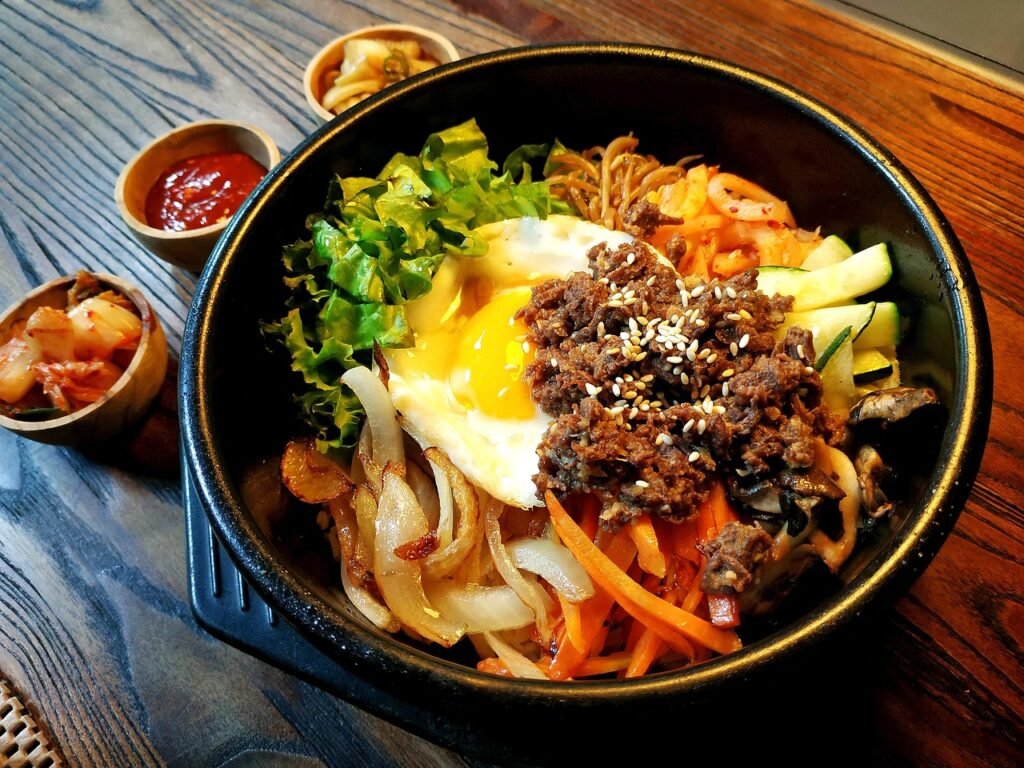
Bulgogi, a marinated beef dish, holds a prominent place in Korean cuisine and culture, reflecting the values and traditions of the society. Its significance extends beyond mere sustenance; it represents a deep-rooted custom of gathering and sharing among family and friends. Celebrations and special occasions, such as birthdays and weddings, often feature bulgogi as a cherished dish, embodying the spirit of togetherness that defines Korean culture.
The dish’s preparation and enjoyment are often communal experiences, signifying an important aspect of social interaction. Families frequently come together to prepare bulgogi, allowing members to bond over the cooking process. This collaboration not only fosters familial ties but also emphasizes the notion of collective labor and shared responsibility in creating a meal. When served, bulgogi facilitates a sense of connection as diners partake in sharing their food, a gesture that is emblematic of hospitality in Korean society.
Bulgogi is also prevalent during traditional festivals and holidays, such as Chuseok, the Korean harvest festival. During these celebrations, families honor their ancestors and celebrate the bounties of the harvest. The dish serves as a staple on the table, reinforcing the idea of gratitude and appreciation for the time spent together. In contemporary settings, it has transcended its traditional roles and is now popular in social settings, such as barbecues and gatherings, further reiterating its role as a unifying dish.
The cultural significance of bulgogi thus lies in its ability to bring people together, serving as a reminder of the importance of communal meals in promoting harmony and unity. As culinary traditions evolve, bulgogi remains steadfastly woven into the fabric of Korean society, showcasing its enduring role in fostering connections through food.
Unique Flavors and Textures
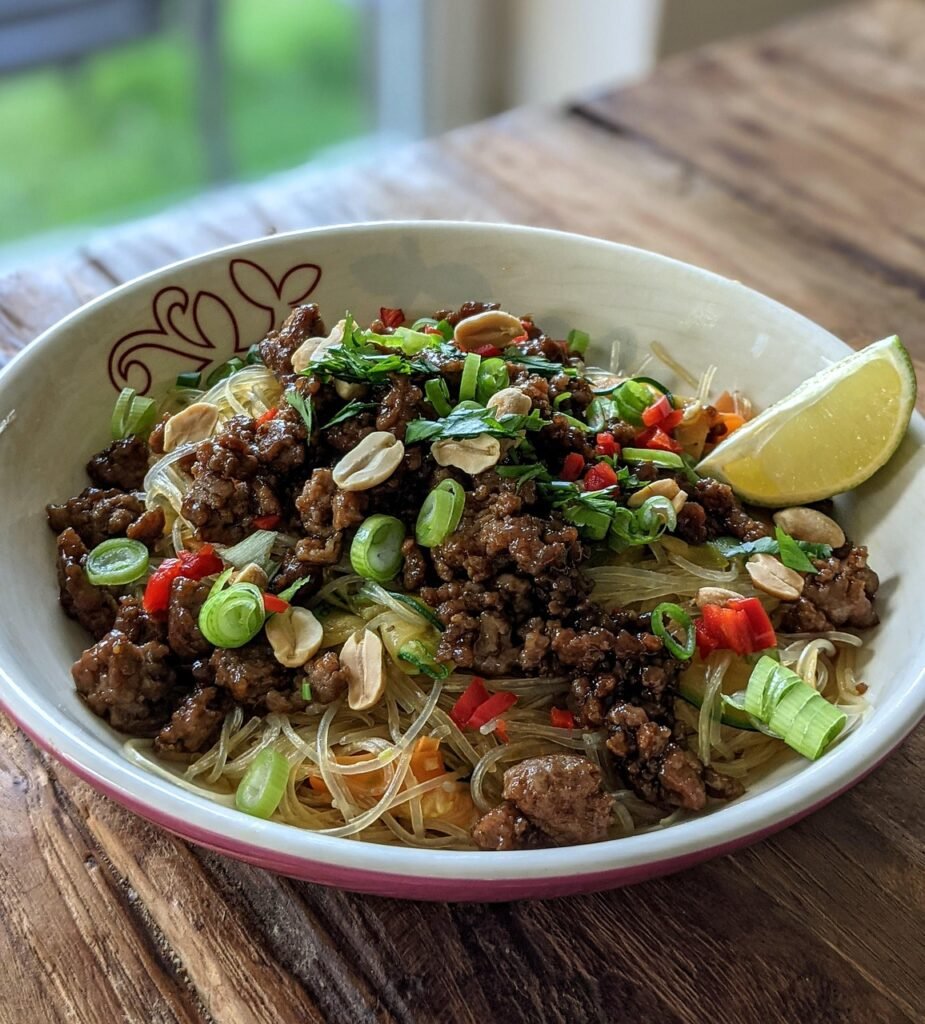
Bulgogi, a celebrated dish in Korean cuisine, is renowned for its unique flavor profile and delightful textures that set it apart from other meat dishes. The heart of bulgogi’s captivating taste lies in its marinade, which is a harmonious blend of essential ingredients such as soy sauce, sesame oil, minced garlic, grated ginger, and sugar. This mixture serves to not only flavor the meat but also tenderize it, creating a succulent experience for the palate.
The balance of sweetness and savory notes in the marinade is pivotal to bulgogi’s appeal. The soy sauce imparts a rich umami taste, while the sugar creates a gentle sweetness that enhances the overall flavor. Sesame oil contributes a toasty aroma, adding depth to the dish. Additionally, fresh garlic and ginger elevate the complexity of flavors, creating an intricate tapestry that lingers on the tongue. When these elements meld together during the marination process, they produce a distinctive flavor fusion that distinguishes bulgogi from other grilled meats.
Moreover, the marination time plays a crucial role in determining the meat’s texture. Typically, bulgogi is prepared using thinly sliced beef, allowing for quick absorption of the marinade. When marinated for a minimum of 30 minutes to several hours, the meat becomes not only flavorful but also tender as the ingredients break down tough fibers. The end result is a melt-in-your-mouth experience that is both satisfying and savory. Overall, the unique flavor and texture profile of bulgogi make it a beloved dish, reflecting a rich cultural heritage and culinary finesse. The expertly crafted marinade is essential in delivering an unforgettable dining experience that celebrates Korean cuisine’s vibrant tastes.
Visual Appeal and Presentation of Bulgogi
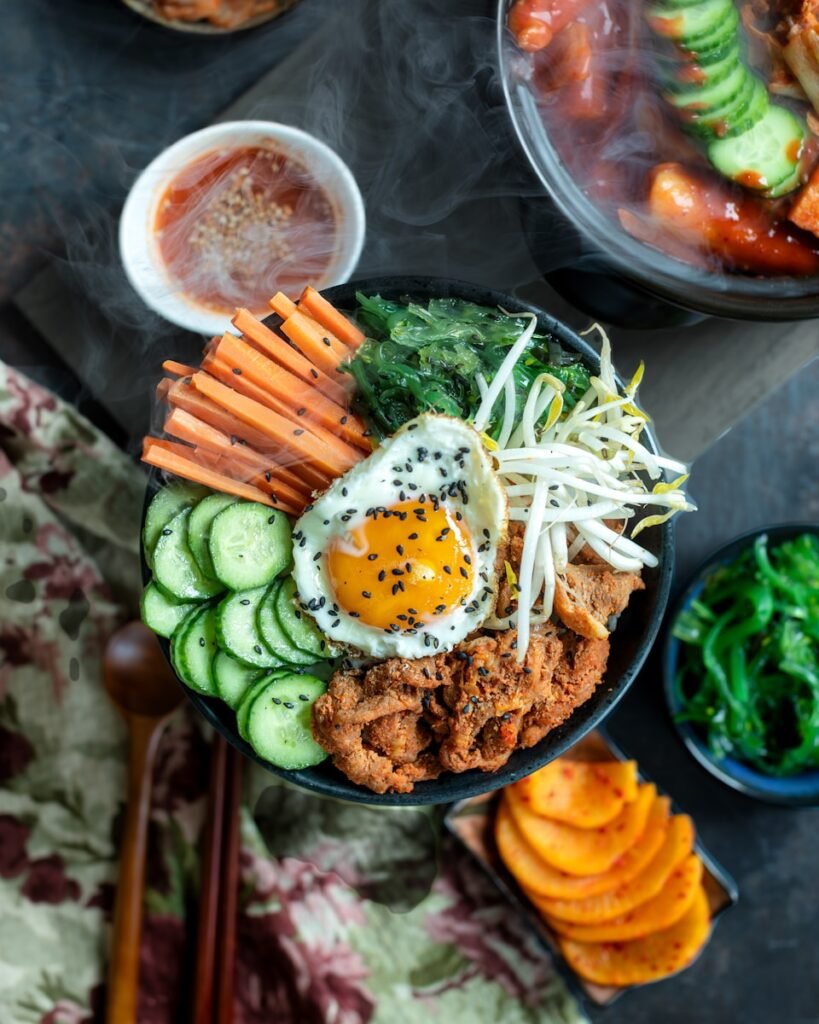
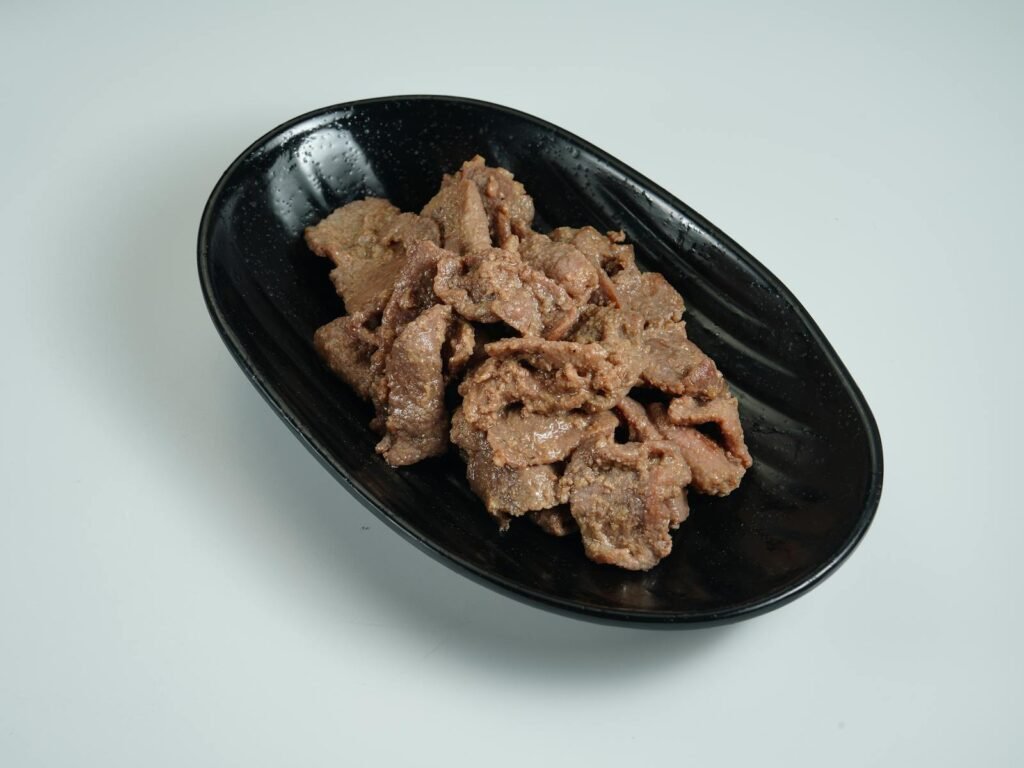
The visual appeal of bulgogi plays a significant role in its overall enjoyment and is a key factor in its cultural significance. Typically, bulgogi features marinated beef that is thinly sliced and beautifully caramelized, showcasing a rich, glossy brown hue that highlights its savory flavor profile. The preparation of bulgogi not only emphasizes the inviting color of the beef but also enhances its presentation through contrasting elements such as fresh vegetables.
Vibrant accompaniments, such as julienned carrots, sliced green onions, and vibrant bell peppers, are often paired with the marinated meat, adding a burst of color to the dish. These colorful vegetables not only contribute to the aesthetic quality but also provide a refreshing crunch that complements the tender beef. Additionally, when the bulgogi is served sizzling on a hot plate or grill, the smoky aroma and the sight of steam rising add to the sensory experience, making it visually enticing.
Garnishing and plating are essential aspects of presenting bulgogi, allowing chefs to showcase their creativity. A sprinkle of sesame seeds or finely chopped green onions not only elevates the dish’s visual allure but also adds an aromatic touch that enhances the flavor. Serving bulgogi alongside lettuce leaves or perilla leaves allows diners to engage in a hands-on eating experience, promoting an interactive dining atmosphere. This method of presentation emphasizes the dish’s cultural roots, as it encourages communal sharing and enjoyment.
When considering the overall appeal of bulgogi, its vibrant colors, careful plating, and interactive elements create an impressive visual display that invites appreciation. The meticulous attention to presentation transforms bulgogi from mere sustenance into a visually stunning centerpiece, reflecting the rich culinary heritage of Korean cuisine.
Different Variations of Bulgogi
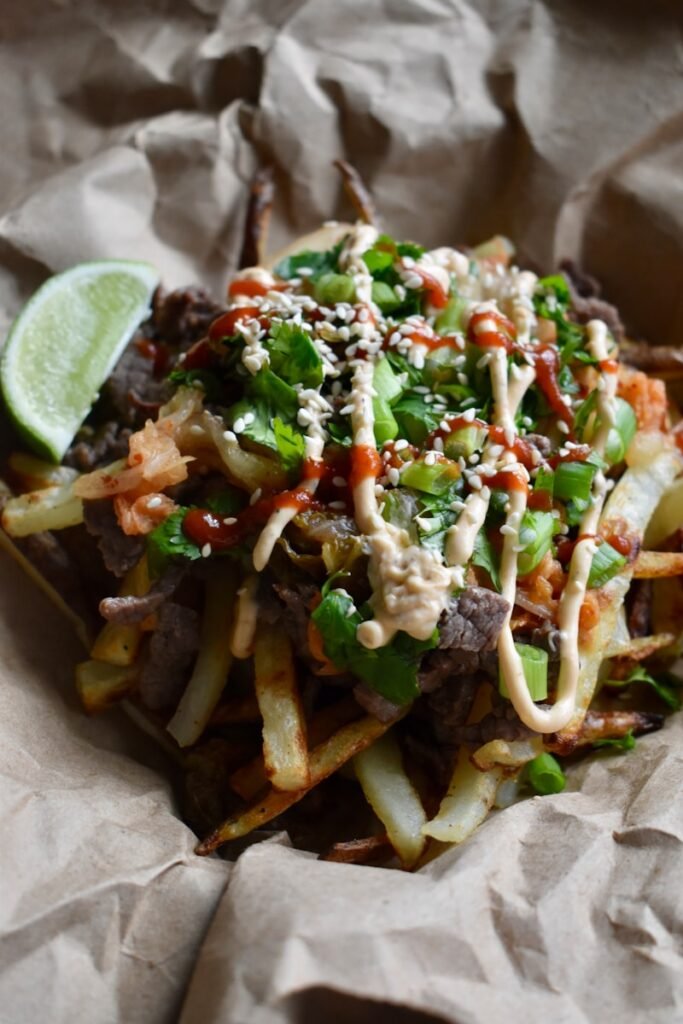
Bulgogi, renowned for its flavorful marinades and tender textures, presents a variety of forms that cater to diverse culinary preferences. The most traditional version is made with beef, typically using cuts such as sirloin or ribeye. The beef bulgogi is marinated in a blend of soy sauce, sugar, sesame oil, and garlic, imparting a sweet yet savory flavor profile that enhances the meat’s natural sweetness. Grill or pan-fry to perfection, and the beef bulgogi emerges tender and juicy, often served over rice or wrapped in lettuce leaves.
In addition to beef, pork bulgogi has gained popularity in recent years. Utilizing cuts like pork belly or shoulder, the marinade often features a similar base, though some variations introduce spicy elements like gochujang (Korean chili paste) to elevate the taste. The result is a more robust flavor, appealing to those who prefer a spicy kick. Pork bulgogi can be equally delicious when grilled, allowing the fats to render while caramelizing the surface, creating a delightful contrast of textures.
For those seeking plant-based options, vegetarian bulgogi has emerged as a versatile alternative. Common substitutions include marinated mushrooms, tofu, or even jackfruit, which provides a similar texture to meat. The marinade remains consistent with the traditional recipe, ensuring that the essential flavors of bulgogi are preserved. Such variations not only cater to dietary restrictions but also introduce those unfamiliar with bulgogi to the dish in a unique way. Overall, whether one opts for beef, pork, or vegetarian adaptations, bulgogi remains a universally beloved staple in Korean cuisine, showcasing its adaptability and widespread appeal.
Accompaniments and Pairings
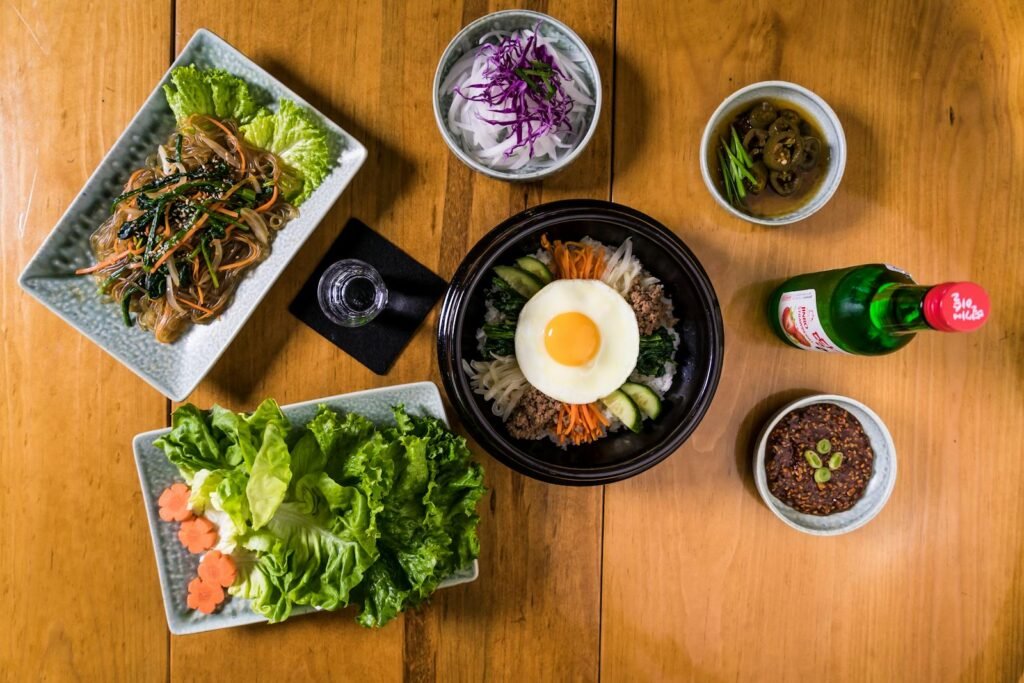
When savoring bulgogi, a dish renowned for its marinated and grilled beef, the experience can be elevated significantly through the selection of appropriate accompaniments. Central to this culinary tradition are banchan, a variety of small side dishes that complement the main course. These side dishes, typically served in small portions, usually include a diverse array such as pickled vegetables, seasoned greens, and bean sprouts, providing a balance of flavors and textures that enhance the enjoyment of bulgogi.
Notably, one of the most traditional accompaniments to bulgogi is kimchi, a fermented vegetable dish commonly made with napa cabbage and radishes, seasoned with chili pepper, garlic, and ginger. The spicy, tangy flavors of kimchi serve as an excellent counterpoint to the sweetness and savory notes of the marinated beef. Together, they create a harmonious interplay of flavors, making the meal more dynamic and satisfying.
Another essential element is steamed rice, which is served alongside bulgogi. The neutral taste and fluffy texture of rice not only help to absorb the rich juices from the beef but also provide a much-needed base that balances the robust flavors of the marinade. Combining bulgogi with rice creates a fulfilling meal that adheres to both taste and tradition.
Furthermore, incorporating various banchan like pickled radishes or seasoned spinach can introduce additional layers of flavor, offering contrasts that keep the palate engaged throughout the meal. Each side dish serves a purpose, whether it’s to cleanse the palate or enhance the overall flavor profile of bulgogi. In essence, the selection of accompaniments and pairings is vital for a truly authentic and enjoyable dining experience that reflects the depth of Korean culinary culture.
Bulgogi in Contemporary Cuisine
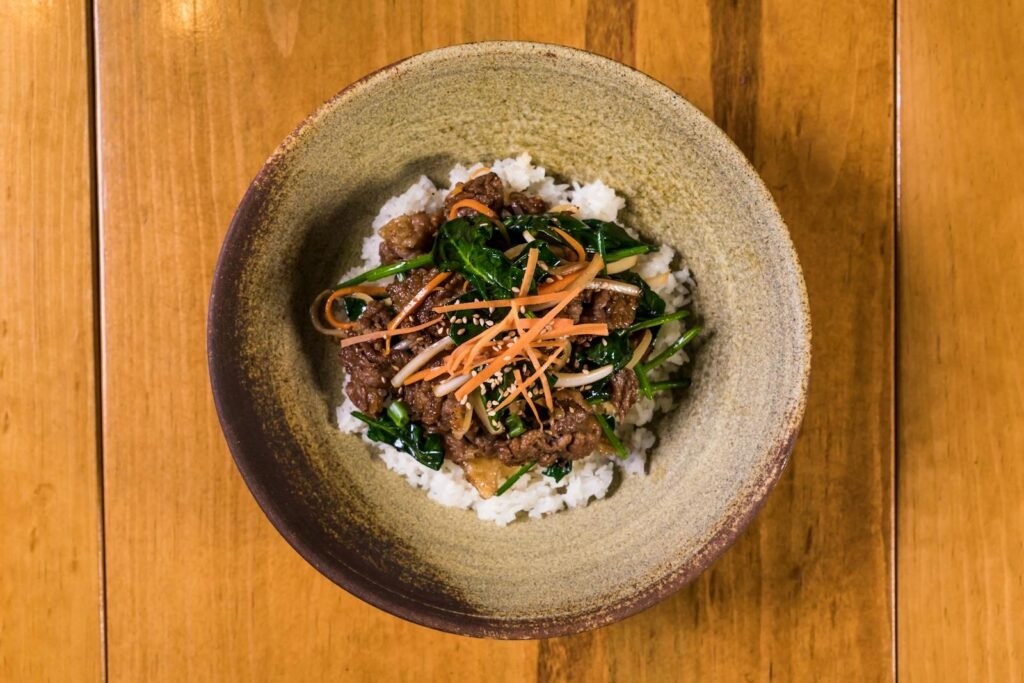
Bulgogi, a traditional Korean dish known for its marinated and grilled beef, has evolved significantly in contemporary culinary contexts. As global palates continue to embrace diverse flavors, chefs have sought innovative ways to incorporate bulgogi into modern cuisine. This adaptation is not merely about fusion; it is a creative reinterpretation that retains the authentic essence of bulgogi while appealing to a wider audience.
One notable incarnation of bulgogi in contemporary cuisine is the bulgogi taco. This dish marries the classic elements of Mexican street food with the savory depth of bulgogi, showcasing how ingredients like marinated beef blend seamlessly with traditional taco fixings, such as fresh cilantro, onions, and spicy salsa. The result is a delightful combination, allowing bulgogi to transcend cultural boundaries and be enjoyed in a familiar format for many. Furthermore, it highlights the versatility of bulgogi, showcasing its potential to adapt to various culinary traditions without losing its core identity.
Bulgogi has also made its mark in the burger domain, where chefs creatively incorporate bulgogi-marinated beef patties as an alternative to standard beef burgers. This approach not only enhances the flavor profile but also introduces diners to a different culinary experience, complete with complementary toppings like kimchi and gochujang aioli. These innovations are a testament to bulgogi’s enduring appeal and the willingness of chefs to experiment while maintaining the fundamental qualities of this cherished dish.
In summary, the expansion of bulgogi into contemporary cuisine, through tacos and burgers, showcases its flexibility and the joyful synthesis of flavors from different cultures. As chefs continue to innovate, bulgogi remains a symbol of culinary evolution, seamlessly bridging traditional Korean flavors with modern dining trends.
Conclusion: The Enduring Appeal of Bulgogi
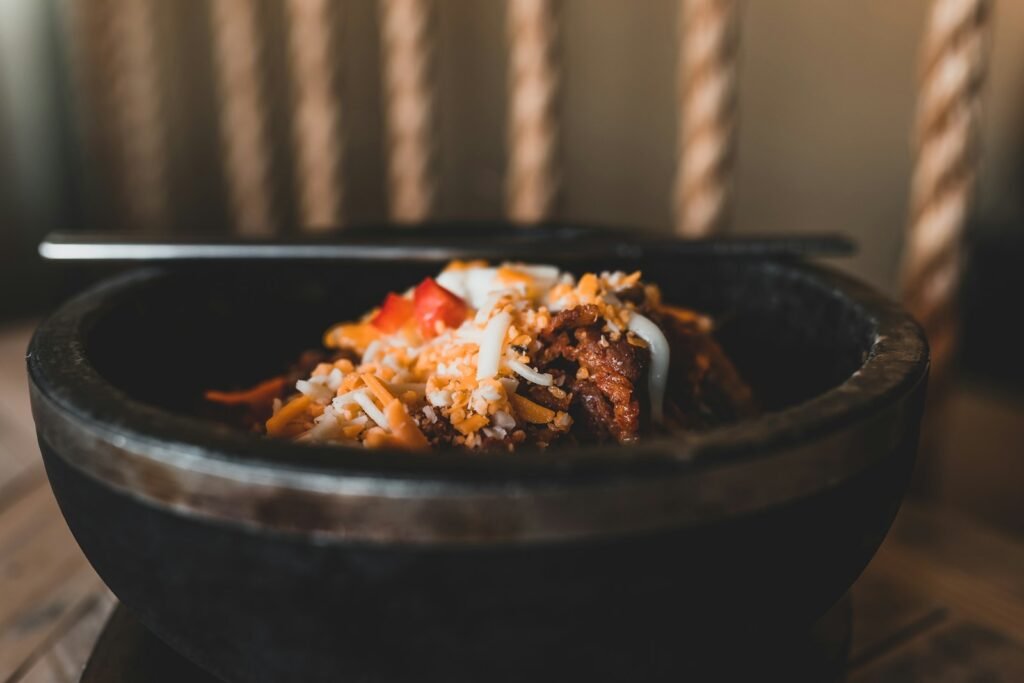
Bulgogi, a dish renowned for its intricate flavors and cultural significance, stands as a testament to the rich culinary tradition of Korea. This marinated beef dish has captured the hearts and palates of many, both within Korea and internationally, due to its unique blend of sweet, savory, and umami flavors. The history of bulgogi dates back centuries, revealing its deep roots in Korean gastronomy and its evolution through time. As one explores the preparation and consumption of bulgogi, it becomes clear that this dish is more than just a meal; it embodies a vital aspect of Korean identity and heritage.
The widespread appeal of bulgogi lies not only in its taste but also in the experience it offers. Dining on bulgogi often involves a communal setting where individuals gather around a grill, preparing and cooking the meat together. This shared experience fosters connection and camaraderie, enhancing the overall enjoyment of the meal. Furthermore, bulgogi’s versatility allows it to be enjoyed in various ways—served on its own, within a wrap, or as part of a larger spread of dishes. This adaptability is a driving factor behind its enduring popularity and the diverse interpretations found in different culinary contexts.
Those interested in exploring Korean cuisine should consider trying their hand at making bulgogi at home or visiting a local restaurant that specializes in this iconic dish. By doing so, one can fully appreciate the depth of flavors, the art of marination, and the cultural narratives interwoven into each bite. Bulgogi exemplifies the beauty of tradition while continuously adapting to modern tastes, making it a dish that will remain relevant and beloved for generations to come. The rich history and unique culinary experience of bulgogi invite everyone to partake in its delicious legacy.