
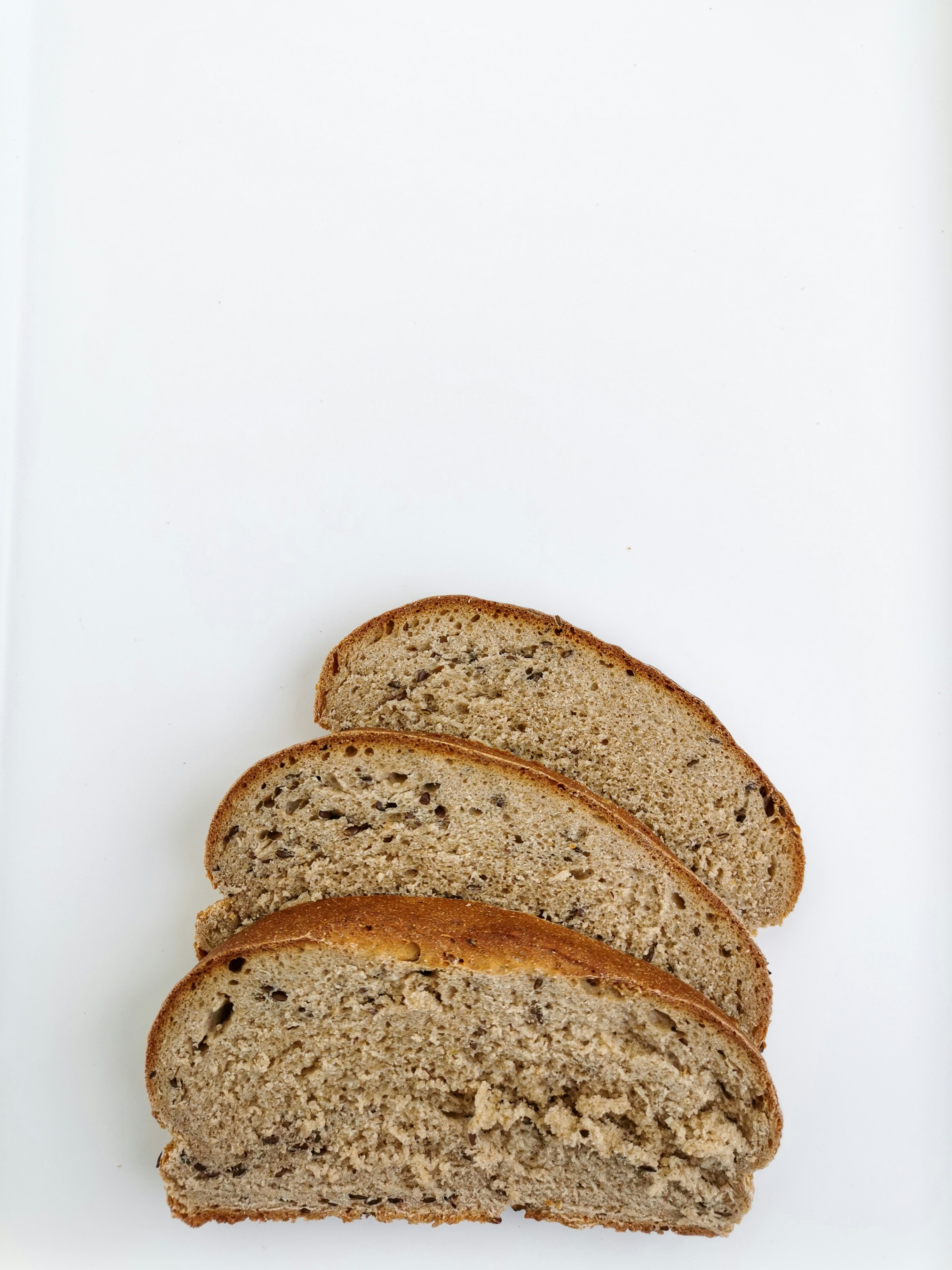
Introduction to Irish Soda Bread
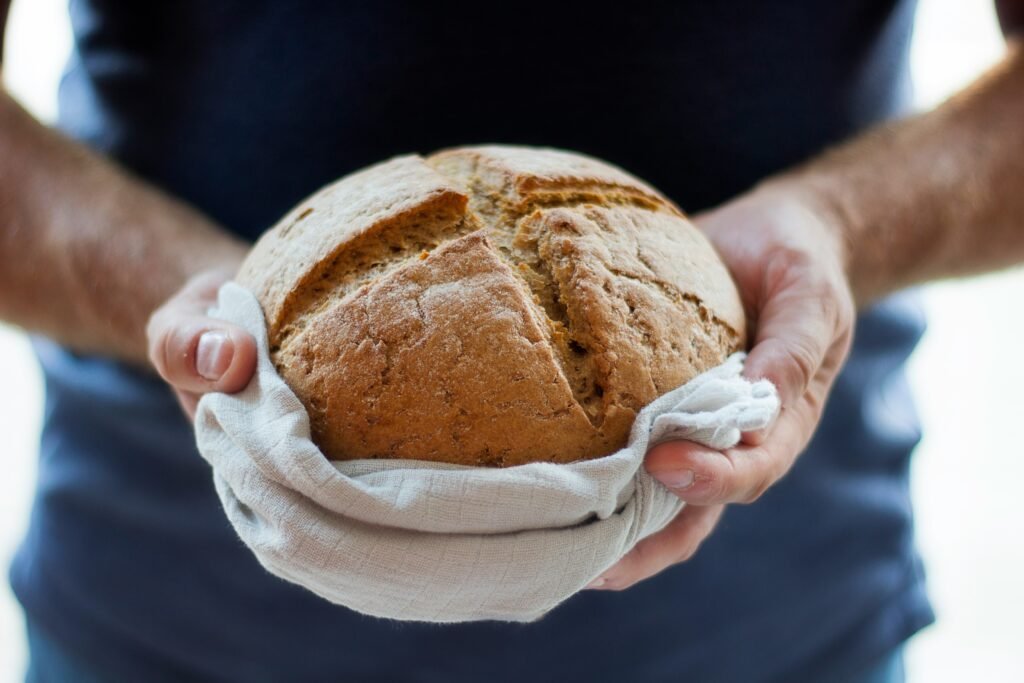
Irish soda bread is a quintessential component of Irish cuisine, renowned for its simplicity and rich history. This traditional bread, made primarily from four basic ingredients—flour, baking soda, salt, and buttermilk—has become a staple in households across Ireland and around the world. While its preparation is straightforward, the significance of soda bread transcends mere sustenance; it embodies a deeper narrative of Irish culture and heritage.
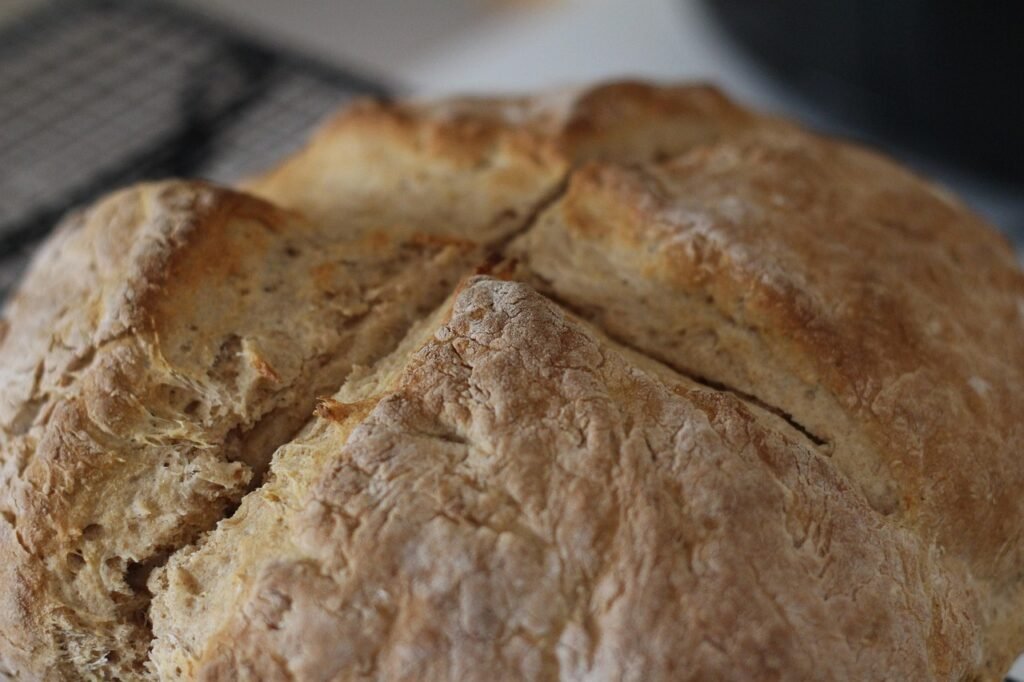
The origins of Irish soda bread can be traced back to the 19th century, a time when the Irish population faced economic hardships. The introduction of baking soda as a leavening agent provided a practical solution to the challenges of baking, especially in regions where commercial yeast was scarce. The use of buttermilk not only added flavor but also aided in the leavening process, reacting with the baking soda to create a light and airy texture. Additionally, the distinct cross cut on the top of the loaf is said to ward off evil spirits, reflecting the blend of practicality and folklore inherent in Irish tradition.
Irish soda bread is typically characterized by its dense, tender crumb and a slightly crispy crust. It often features variations, including the addition of raisins, nuts, or seeds, which enhance its taste and nutritional value. This adaptability has ensured its survival throughout generations, making it a versatile accompaniment to various dishes, from hearty stews to simple butter and jam. Families often gather around the kitchen table to enjoy fresh soda bread, signifying its role in communal and familial bonds.
As we delve deeper into the world of Irish soda bread, we will uncover its historical significance, cultural implications, and the various methods of preparation that have evolved over time. Exploring these aspects will further illuminate how this humble bread has captured the hearts and palates of many, representing not only sustenance but also the spirit of Ireland itself.
The Origins of Irish Soda Bread
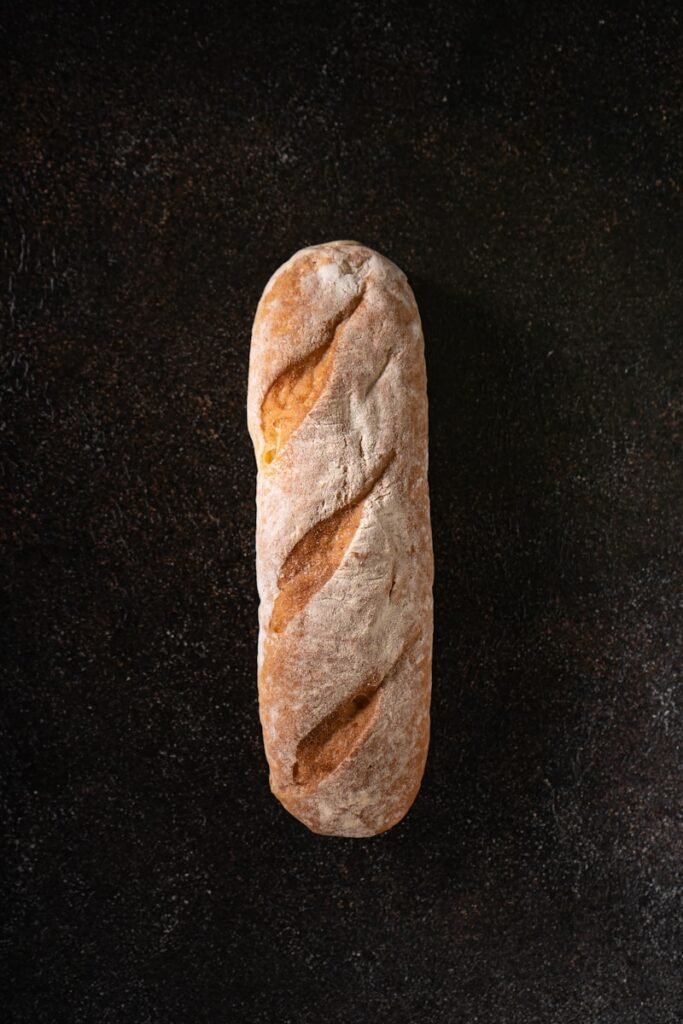
Irish soda bread has a rich history that dates back to the 19th century, a time when significant changes in food production and consumption were taking place across Ireland. The introduction of baking soda as a leavening agent marked a pivotal moment in bread-making practices. Prior to this innovation, traditional yeast-based breads dominated the culinary landscape, requiring time and specific conditions for fermentation and rising. The limitation of these processes posed challenges, particularly for the rural population in Ireland, who often faced difficulties related to climate and availability of yeast.
The advent of baking soda provided a straightforward solution that revolutionized how bread was made in Ireland. Utilizing buttermilk as a natural acid, bakers could combine these ingredients with flour, leading to a quick preparation method that required minimal equipment. This method was particularly advantageous in a country where the agricultural economy often dictated the resources available for cooking. As a result, Irish soda bread became a staple food item among both rural and urban communities, appreciated for its efficiency and adaptability.
Moreover, Irish soda bread’s straightforward recipe aligns with the Irish ethos of practicality and resourcefulness. The basic version often consists of only four ingredients: flour, baking soda, buttermilk, and salt. However, various regional interpretations emerged, with additions such as raisins, caraway seeds, and brown sugar, showcasing the local tastes and innovations. This adaptability contributed to its long-standing presence in Irish culture, reinforcing the narrative that food is not merely about sustenance but also about community identity and tradition.
Cultural Significance of Irish Soda Bread
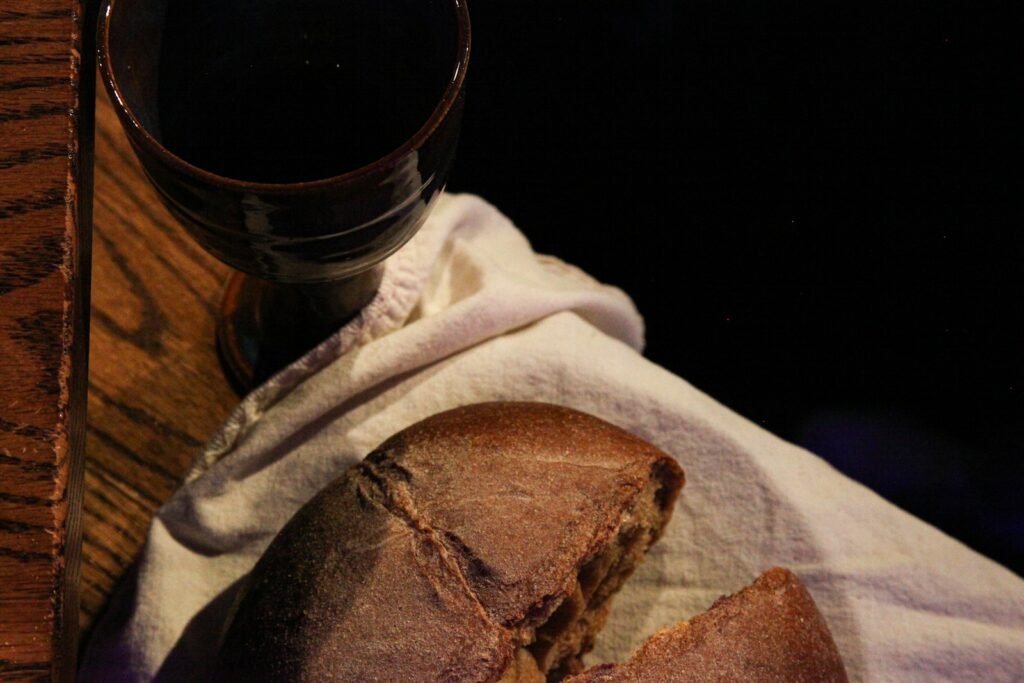
Irish soda bread is more than just a staple food; it holds a significant place in the cultural and social fabric of Ireland. Traditionally, this bread has been a fundamental part of Irish households, symbolizing sustenance and survival, particularly in times of hardship. The very act of baking soda bread is steeped in tradition, often passed down through generations within families. This simple, rustic bread is most often made with just four ingredients: flour, baking soda, salt, and buttermilk, embodying the resourcefulness of Irish cooking.
In many Irish homes, the preparation of soda bread is a communal activity. Families gather in the kitchen, sharing recipes, stories, and laughter, thereby reinforcing familial bonds. This bread is frequently associated with various cultural rituals and gatherings, making it a centerpiece on the table during significant celebrations such as St. Patrick’s Day, religious observances, and festive family gatherings. Its presence during these events serves not only to nourish but also to connect individuals to their shared heritage.
The cultural significance of Irish soda bread extends beyond mere sustenance; it has become a symbol of community and identity. Historically, the bread was a daily food item, consumed alongside meals and enjoyed by all social classes, thus creating a sense of solidarity among the people. Additionally, soda bread represents a connection to the land and its resources, reflecting the agricultural practices of Ireland. It is often seen as a reflection of the resilience and ingenuity of the Irish people, marking their ability to adapt in the face of challenges.
As Ireland continues to modernize, the tradition of making and sharing Irish soda bread remains a cherished practice, serving as both a culinary delight and a powerful symbol of cultural heritage. The communal spirit associated with this beloved bread reinforces its importance not only as a food item but also as a means of celebrating Irish identity.
Unique Flavors and Ingredients
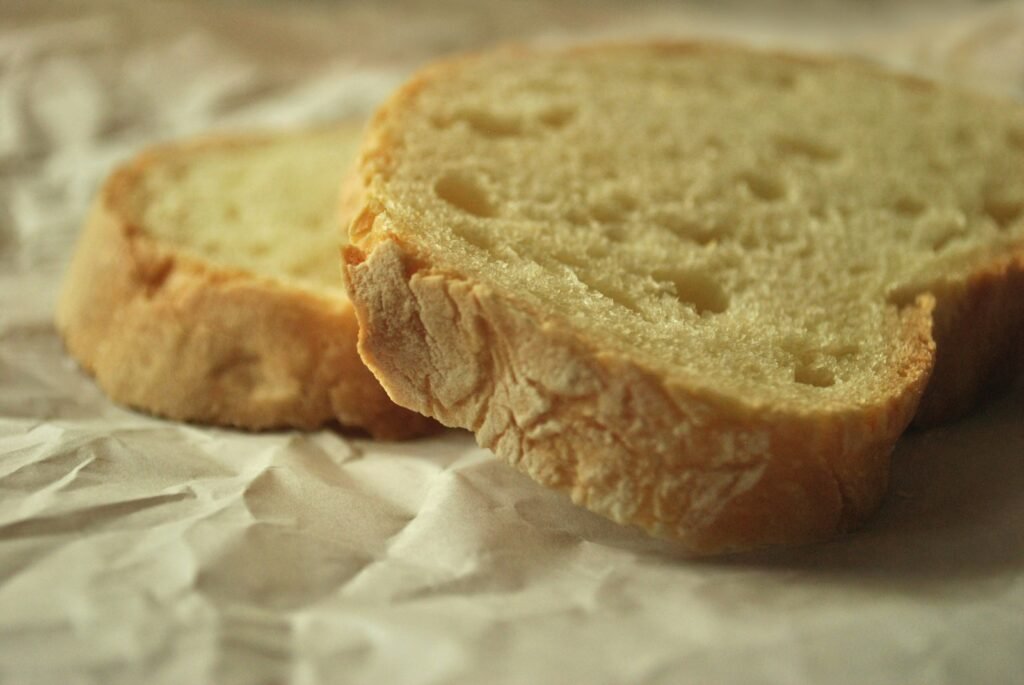
Irish soda bread, a beloved staple in Irish cuisine, is characterized by its distinct flavors and ingredients, which contribute to its unique texture and taste. The fundamental elements of traditional Irish soda bread include simple ingredients such as all-purpose flour, baking soda, and buttermilk. The chemical reaction between the baking soda and the acidity of buttermilk enables the bread to rise without the need for yeast, resulting in a dense yet tender loaf.
The flour used in Irish soda bread serves as the base of the recipe, traditionally varying from refined white flour to more wholesome alternatives. Whole wheat flour is often incorporated, lending a nuttier flavor and a heartier texture. This variation not only enhances the bread’s nutritional profile but also provides a depth of flavor that is often sought after in artisanal baking. Additionally, other forms of flour, such as oat or rye flour, may be utilized in various regional recipes, further expanding the flavor palette of soda bread.
Moreover, many variations of Irish soda bread include the addition of ingredients that cater to personal tastes or seasonal availability. For instance, some bakers incorporate fruits such as raisins or currants, creating a sweeter, more indulgent variation known as “spotted dog” or “railway cake.” Nuts and seeds, like caraway seeds, can also be added to impart an earthy undertone, while the use of herbs can yield a savory approach. These adaptations not only reflect the versatility of Irish soda bread but also highlight regional culinary practices and individual creativity.
In summary, the unique flavors and ingredients employed in Irish soda bread contribute to its rich tapestry of taste experiences. From traditional recipes to modern takes, this beloved bread continues to evolve, capturing the hearts and palates of those who partake in its delightful enjoyment.
Textures and Baking Techniques
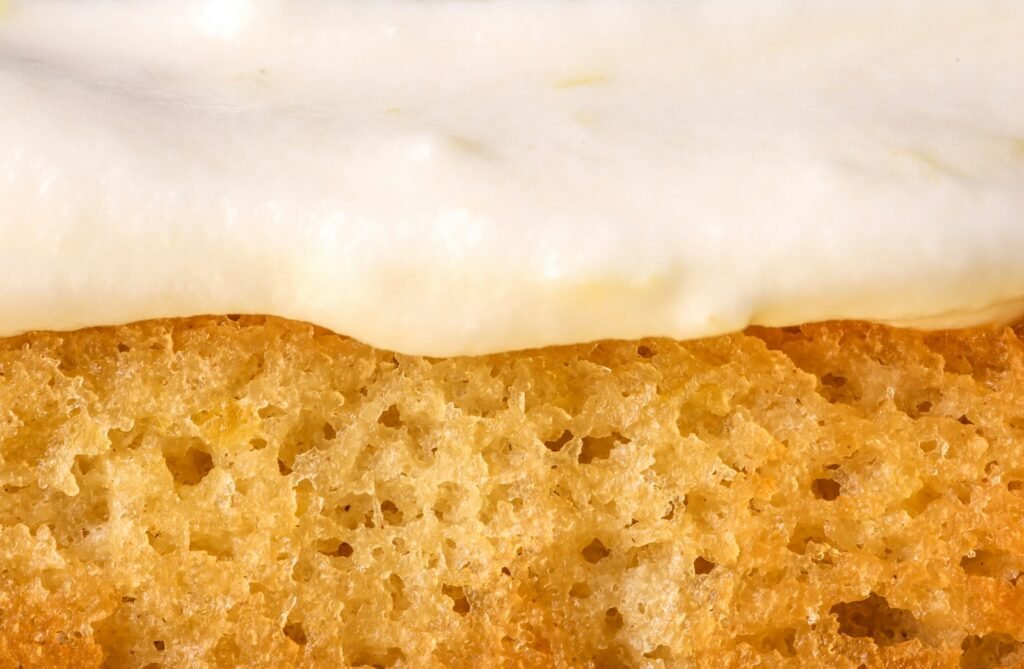
Irish soda bread is renowned for its unique textures, characterized by a distinctive contrast between its crusty exterior and soft, tender interior. This delightful interplay of textures makes each slice not only pleasing to the eye but also a joy to consume. The outer crust is typically thick and golden, exhibiting a hearty crunch that gives way to the light, airy crumb inside. When properly baked, the gentle crumb can feature small, irregular holes that are a hallmark of the bread’s authenticity.
To achieve this perfect texture, several baking techniques are pivotal. One key aspect is the temperature of the ingredients. Using room temperature ingredients ensures that the baking soda activates appropriately, which is crucial for achieving a light and fluffy bread. Cold milk or buttermilk can inhibit this reaction, leading to a denser loaf. Furthermore, the right choice of flour, typically soda bread flour, which is lower in protein than all-purpose flour, also plays a vital role in the final texture. The lower protein content results in less gluten development, contributing to the signature tenderness of the bread.
Kneading techniques also significantly influence the texture of Irish soda bread. Unlike traditional yeast breads, soda bread requires minimal kneading. Overworking the dough can result in a tough texture rather than the desired tender crumb. A gentle folding method is recommended, allowing the ingredients to combine without developing excess gluten. This method preserves the lightness of the bread, ensuring that it remains soft and easy to chew. The baking temperature and time are also important; a hot oven encourages a strong rise and enhances the crust’s texture, creating the satisfying crunch that complements the soft interior.
Visual Appeal and Plating
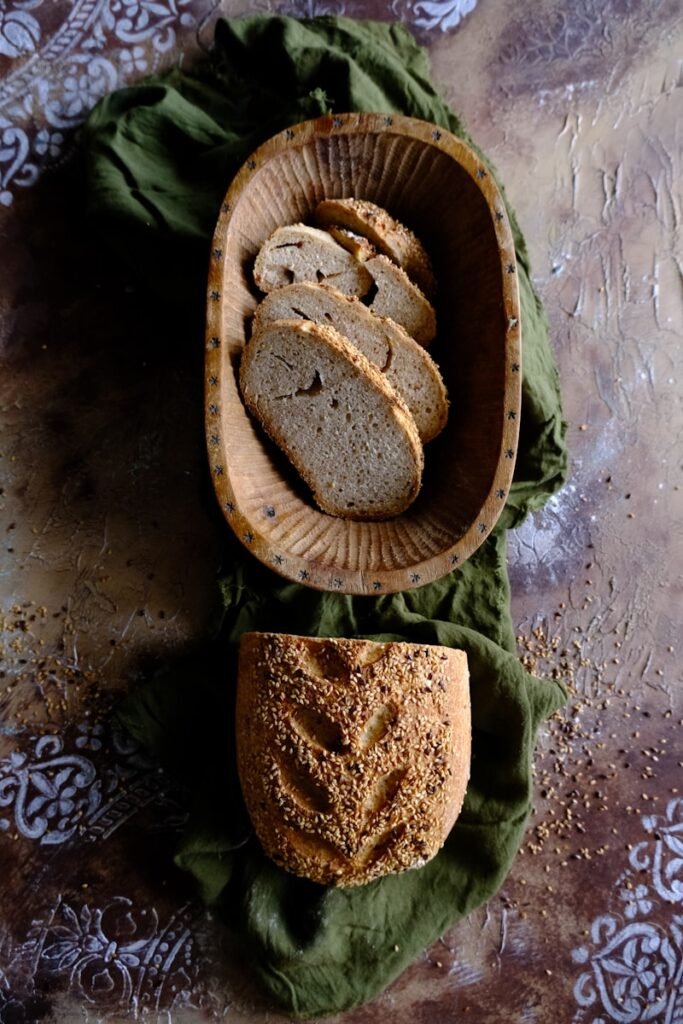
Irish soda bread is renowned not only for its distinctive flavor but also for its rustic visual characteristics that speak to its heritage. The authentic loaves display a rugged appearance, often featuring a crisp, golden crust that contrasts beautifully with the soft, light interior. This rustic charm derives from the simplicity of the ingredients used—flour, baking soda, buttermilk, and salt—often without the embellishments found in more elaborate breads. The natural form of Irish soda bread typically results in round or oval shapes, which contribute to its inviting presentation. Some variations may showcase a deeper score across the top, contributing to both aesthetics and ease of breaking the bread apart.
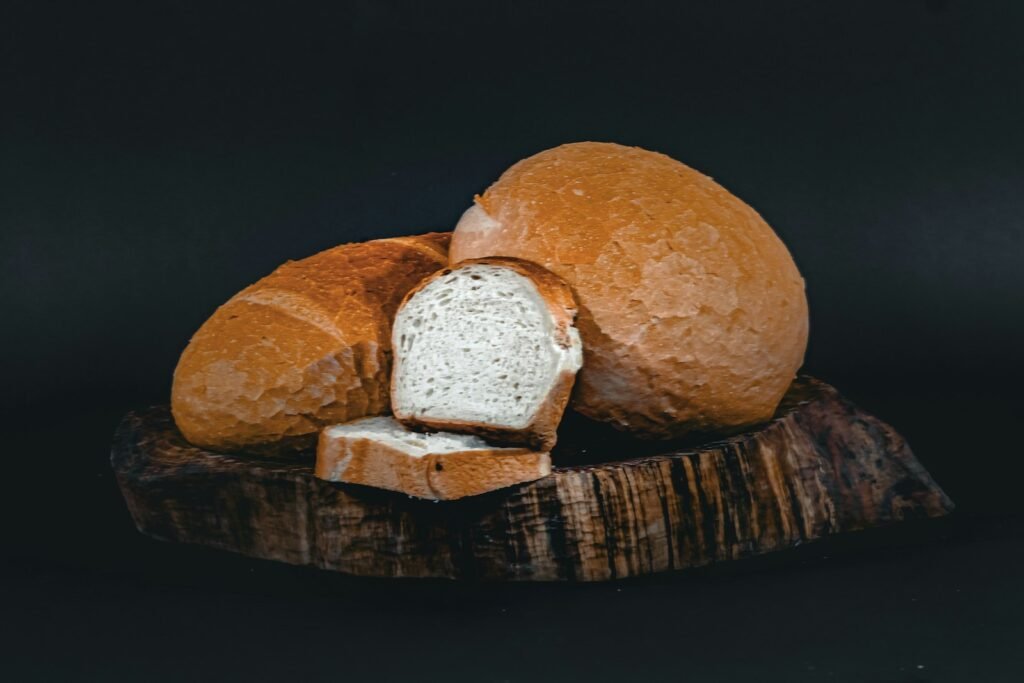
The plating of Irish soda bread enhances its visual appeal significantly, making it an eye-catching centerpiece for any dining occasion. Traditional serving methods emphasize the loaves themselves, often presented on wooden boards or woven baskets, allowing the bread’s textured crust to shine. When paired with accompaniments such as butter, preserves, or cheese, the presentation can evoke a sense of homeliness and comfort. Contemporary plating can elevate this rustic bread, using elegant white plates or slate to create contrast, showcasing its earthy tones. Adding a garnish of fresh herbs or slices of seasonal fruit can provide a modern twist while celebrating the bread’s origins.
Furthermore, the size of the loaves can vary, from small individual portions perfect for a casual meal to larger rounds ideal for sharing at gatherings. This versatility in both shape and size allows Irish soda bread to adapt to different dining occasions, whether served as a simple side or the centerpiece of a more elaborate spread. Ultimately, the visual allure of Irish soda bread, combined with thoughtful plating, serves not only as a feast for the eyes but also as a tribute to its rich cultural heritage.
Pairings and Serving Suggestions
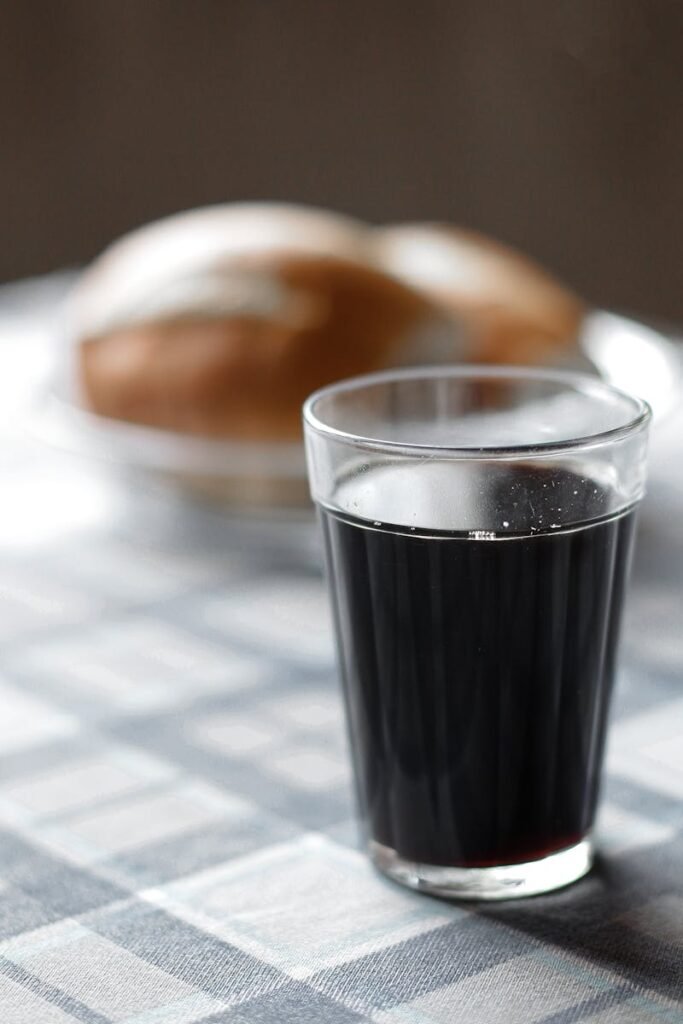
Irish soda bread, with its rich cultural heritage and hearty flavor, offers a multitude of pairing options that can elevate any meal. Traditionally, this bread is enjoyed warm, typically slathered with butter. The creamy richness of butter complements the slightly tangy taste imparted by buttermilk, which is a key ingredient in soda bread. For those seeking a bit of sweetness, adding fruit preserves or jam can create a delightful contrast, enhancing the overall experience. Popular choices include raspberry or strawberry jam, which harmonize beautifully with the bread’s texture and flavor.
In more contemporary settings, Irish soda bread has transcended its original purpose, finding a place at various dining occasions. For instance, it can serve as a perfect accompaniment to robust soups, such as Irish stew or vegetable chowder. The dense, slightly crumbly nature of the bread provides a satisfying dip for sopping up flavorful gravies and broths. Additionally, pairing soda bread with a side salad garnished with vinaigrette can offer a refreshing balance, making it suitable for lighter lunches or brunch gatherings.
During festive occasions, such as St. Patrick’s Day, Irish soda bread can be elevated by serving it alongside artisanal cheeses, cured meats, and pickles. This arrangement not only pays homage to Irish traditions but also introduces an inviting communal aspect to dining. Consider presenting a rustic cheese board featuring local Irish cheeses, complemented by soda bread slices, to create an appealing and interactive dining experience.
Incorporating soda bread into various culinary contexts allows for endless versatility—from casual family meals to elegant dinner parties. By thoughtfully selecting accompaniments and serving suggestions, anyone can enhance the warm, comforting appeal of Irish soda bread, making it a centerpiece of both traditional and modern cuisine.
Personal Experiences and Anecdotes
Irish soda bread has a special place in my heart, as it is associated with cherished family moments and traditions. Growing up in a household where culinary heritage was celebrated, I remember the excitement that filled the kitchen each time my grandmother baked a fresh loaf. The aroma of freshly baked Irish soda bread would waft through the house, drawing us all to the kitchen, eager to partake in her creation. Her recipe, passed down through generations, included a blend of all-purpose flour, baking soda, buttermilk, and a pinch of salt, embodying simplicity yet delivering a profound richness of flavor.
Each bite of her soda bread brought warmth and nostalgia, reminding me of family gatherings where this humble loaf played a central role. Whether served with a bowl of hearty Irish stew or slathered with homemade jams and fresh butter, Irish soda bread was more than just an accompaniment; it was a symbol of togetherness. I recall one particular St. Patrick’s Day, where our entire family gathered, and she had baked multiple loaves to celebrate the occasion. The bread was a natural centerpiece, surrounded by laughter, stories, and the clinking of glasses. This experience reinforced my appreciation for how food fosters connection among loved ones.
Beyond family traditions, I have also come across variants of Irish soda bread in various settings. From local bakeries to community potlucks, each iteration, while rooted in the same fundamental ingredients, offered a unique twist. Some bakers included currants, while others might experiment with seeds or herbs, demonstrating the versatility of this traditional bread. These experiences have taught me that Irish soda bread is not only a staple in Irish cuisine but also a canvas for creativity, uniting people through shared stories and diverse culinary expressions. Each loaf tells a story, each slice brings a memory to life, enriching the social fabric wherever it is shared.
Conclusion: The Legacy of Irish Soda Bread
Irish soda bread holds a significant place in the culinary traditions of Ireland, celebrated not only for its simplicity but also for its rich history and cultural relevance. As we have explored throughout this blog post, this iconic bread has roots that trace back to the 19th century, when it became an essential dietary staple for many Irish families. Its unique leavening process, using baking soda instead of yeast, has allowed it to thrive in a variety of cooking environments, making it both practical and adaptable.
The versatility of Irish soda bread is one of the reasons it has stood the test of time. It can be enjoyed in various forms, be it sweet with currants and sultanas or traditional with just buttermilk and flour. This adaptability allows for a range of flavors and textures, accommodating the palates of many. Not to mention, it is a straightforward recipe, meaning that anyone can attempt to make it at home, cultivating a sense of connection to Irish heritage through culinary practice.
Moreover, the cultural significance of Irish soda bread extends beyond the kitchen. It has become a symbol of Irish folklore, representing hospitality and community. Traditionally, it is baked on special occasions and is often shared with family and friends, reinforcing its role in bringing people together. The bread has transcended geographical boundaries and is now embraced by individuals eager to understand and celebrate Irish culture.
In conclusion, Irish soda bread is more than just a food item; it embodies the spirit and resilience of Ireland. Its legacy is marked by its enduring popularity and vital role in the daily lives of many. As you explore and appreciate this traditional staple, consider not only the flavors it offers but also the stories and history ingrained in each loaf you enjoy.