
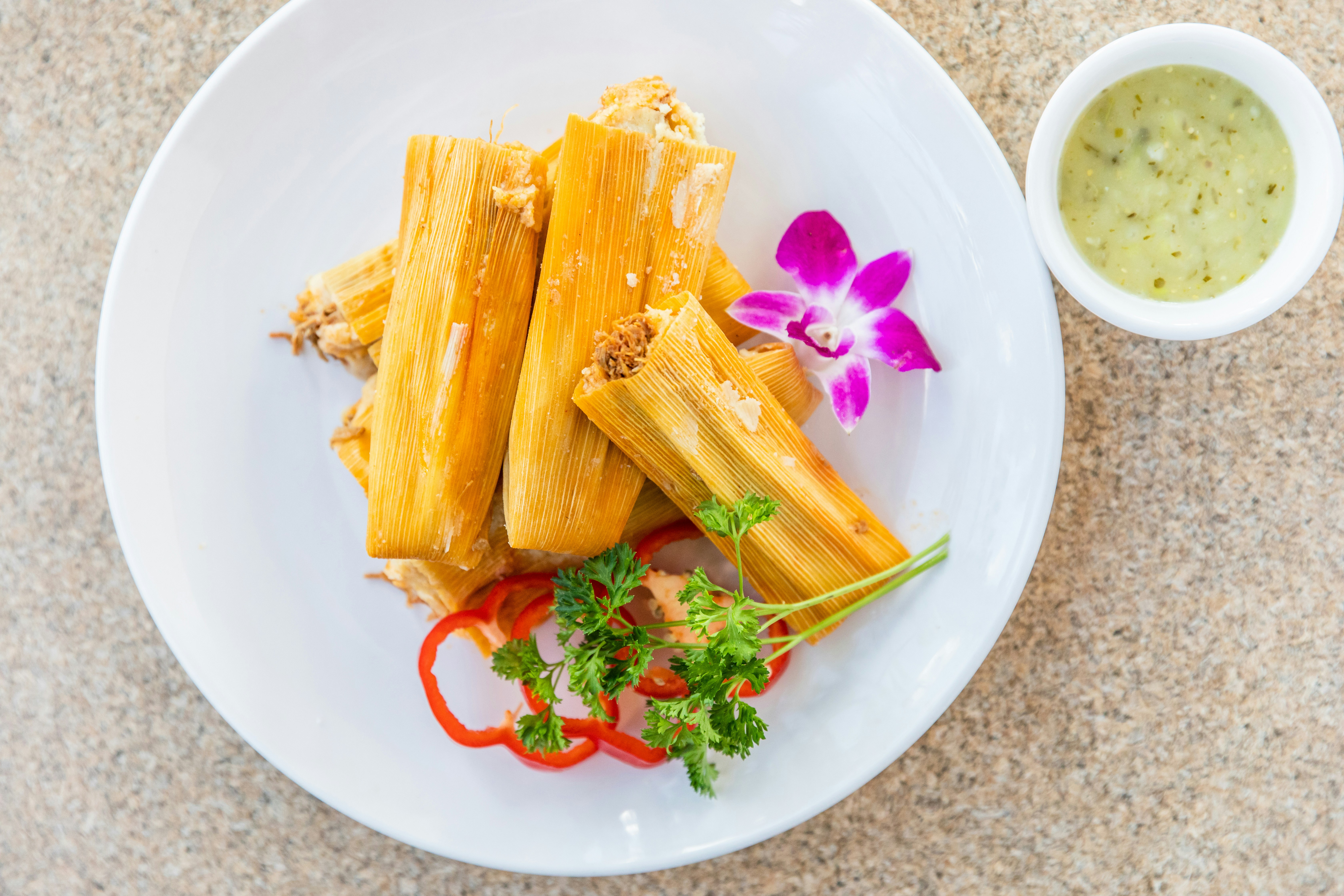
Introduction to Tamales
Tamales are a traditional food that holds a significant place in the culinary landscape of Latin America. Typically made from masa, which is a type of dough made from corn, tamales are often filled with a variety of ingredients, including meats, cheeses, vegetables, or even sweet fillings. Once filled, the masa is wrapped in corn husks or banana leaves and then steamed to perfection. This method of cooking not only helps to infuse the fillings with rich flavors but also preserves the moisture of the masa, resulting in a deliciously soft texture.
The fundamental ingredients of tamales consist mainly of masa harina, which is corn flour treated with lime, and a liquid, such as water or broth. The fillings and toppings vary widely by region and personal preference, reflecting the diverse culinary traditions found throughout Latin America. For instance, in Mexico, tamales can be found filled with spiced meats and served with salsa, while in Central and South America, they may incorporate unique local ingredients that add distinctive flavors to the dish.
Beyond their delightful taste and texture, tamales serve a critical cultural role during festivities and family gatherings. They are commonly prepared for celebrations such as Christmas or Day of the Dead, where the process of making tamales is often a communal activity that brings families together. The sharing of tamales reinforces social bonds and cultural identity, marking significant moments in the lives of those who partake in this time-honored culinary practice. As we delve deeper into the world of tamales, we will uncover not only their historical significance but also the various evolving recipes that showcase their versatility across different cultures.
Historical Origins of Tamales
The history of tamales dates back thousands of years, with their origins rooted in the ancient civilizations of Mesoamerica. Archaeological evidence suggests that tamales were a staple food for various indigenous cultures, including the Aztec and Maya. These early societies utilized tamales as a portable and convenient means of nutrition, which was beneficial for warriors and travelers. The preparation of tamales involved grinding corn into masa, which was then filled with a variety of ingredients such as meats, vegetables, or fruits, wrapped in corn husks, and steamed or boiled to perfection.
Throughout history, tamales have transcended their practical uses to become an integral part of rituals and celebrations. In many indigenous cultures, tamales were prepared during significant events, including religious ceremonies and festivals. For instance, the Day of the Dead (Día de los Muertos) is celebrated in Mexico with the preparation and offering of tamales as a tribute to ancestors. Their role in communal gatherings illustrates the social and cultural significance of tamales beyond mere sustenance, reflecting a shared heritage and identity.
The evolution of tamales can be traced through numerous milestones, particularly during the Spanish colonization of the Americas. The introduction of new ingredients, such as meats from domesticated animals and spices, enriched the traditional tamale recipes, leading to diverse regional variations. For example, in the regions of Mexico, you can find sweet tamales filled with fruits and chocolates, while other countries, like Guatemala, have incorporated distinct flavors into their tamale dishes. Today, tamales remain a beloved food throughout Latin America, showcasing the enduring legacy and adaptability of this ancient dish across generations.
Cultural Significance of Tamales
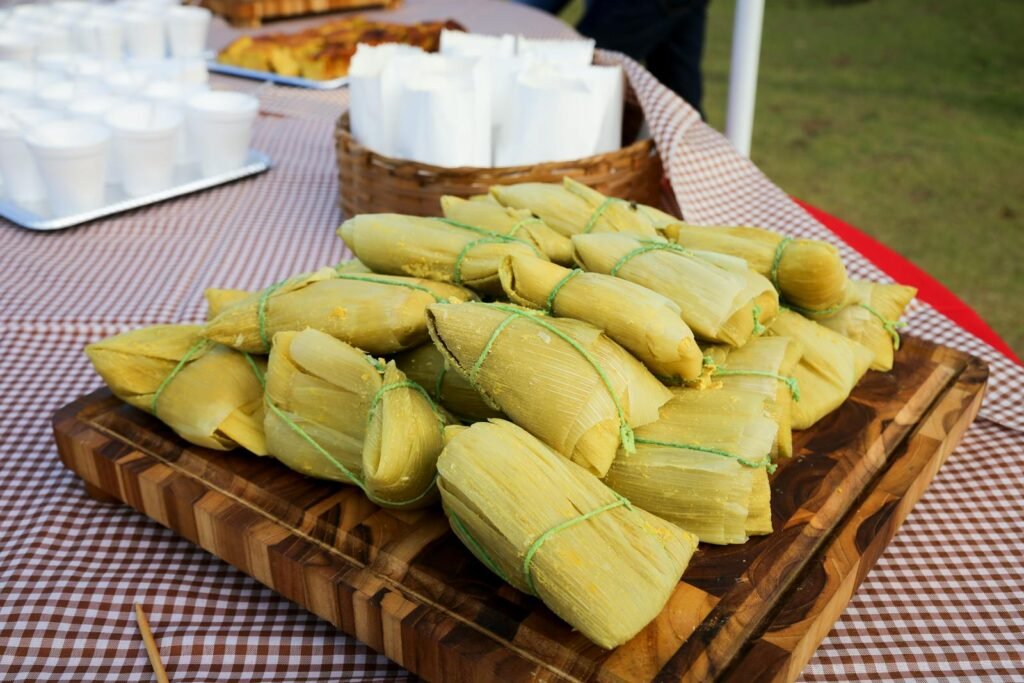
Throughout Latin America, tamales hold a place of prominence that extends far beyond their culinary appeal. In various communities, they are much more than just a meal; they are a cultural symbol that embodies unity, tradition, and familial bonds. During significant celebrations and holidays, such as Christmas and the Day of the Dead, tamales are often prepared in large quantities and shared among family and friends, emphasizing their role as a communal food. These gatherings often transform into collective experiences, where the preparation of tamales becomes a cherished ritual, involving multiple generations working together.
Each region boasts its unique variations of tamales, reflecting local ingredients and cultural influences. For instance, in Mexico, some families prepare sweet tamales, filled with fruits or chocolate, during festivities, while others enjoy savory options filled with meats, cheeses, or even vegetables. This diversity not only highlights the creativity within Latino culinary practices but also reinforces the communal aspects of sharing tamales, as families pass down recipes and techniques through generations.
In contemporary society, the significance of tamales continues to evolve. While they remain a staple during holidays, their popularity has grown in everyday culinary culture as well. Many restaurants and food vendors now offer gourmet tamales that incorporate international flavors and modern cooking techniques. This fusion emphasizes the adaptable nature of tamales and their ability to resonate with both traditional and contemporary audiences, allowing them to maintain relevance in an ever-changing food landscape.
Overall, tamales serve as a powerful reminder of cultural heritage, uniting people around the table and strengthening community ties. Their role in family gatherings, celebrations, and modern cuisine illustrates the ongoing significance of this traditional dish, transcending generations while embracing both history and innovation.
Unique Flavors and Filling Varieties
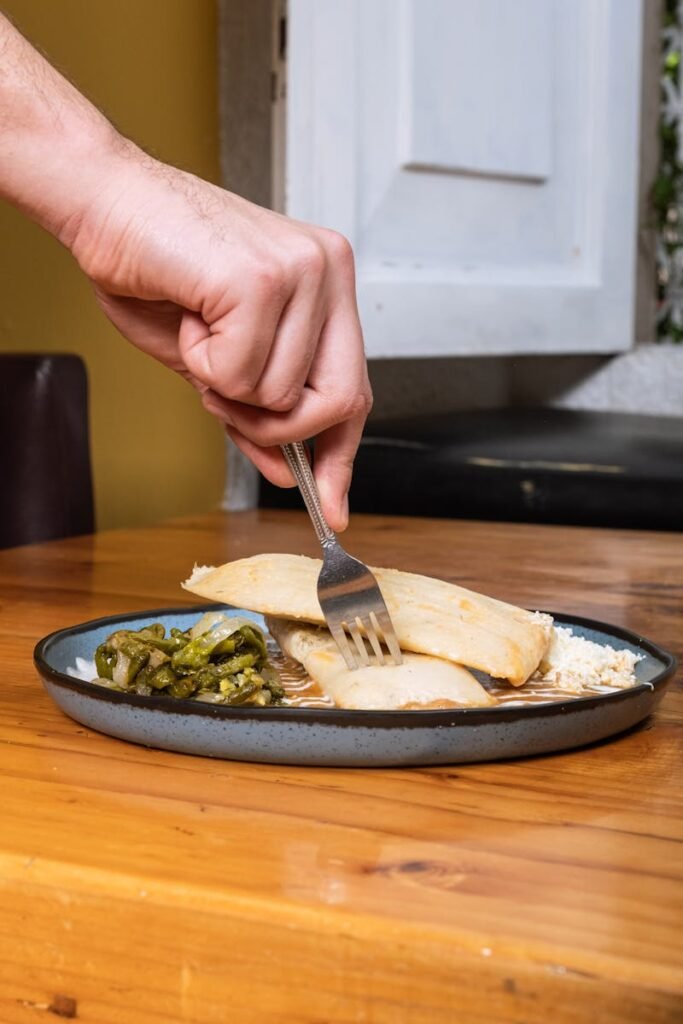
Tamales are a cherished culinary staple across Latin America, noted for their diverse range of flavors and fillings. The traditional preparation involves a masa (corn dough) which is enveloped around various fillings, wrapped in a corn husk, and then steamed to perfection. The fillings can vary significantly by region and even individual preference, showcasing the rich tapestry of culinary creativity associated with tamales.
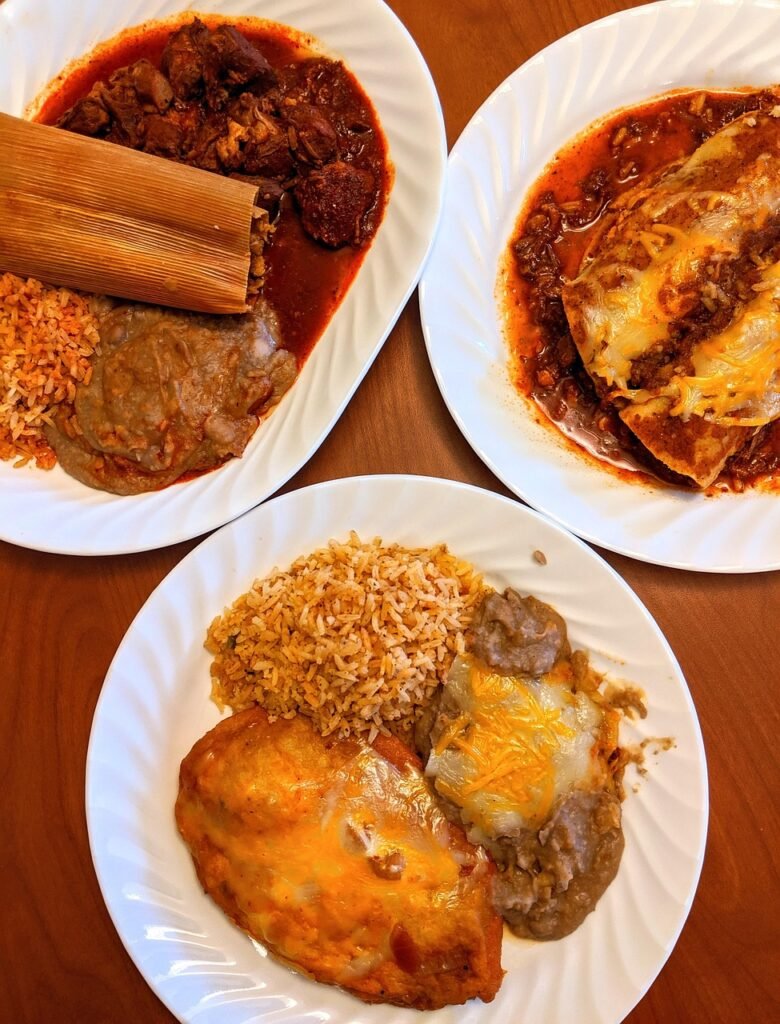
Among the most popular tamale fillings are meats such as pork and chicken, which are often seasoned with regional spices and herbs to elevate their flavor profiles. In Mexico, for example, tamales de puerco (pork tamales) are usually enriched with rich red chili sauces, providing a bold flavor that embodies the culture’s love for spicy foods. Alternatively, tamales de pollo (chicken tamales) can carry milder palate offerings, often enhanced with cilantro and garlic, appealing to those who favor a less intense heat.
Cheese-filled tamales also boast popularity, often complemented with jalapeños or other peppers for a zesty impact. In more modern adaptations, vegetables have taken the spotlight as fillings, with choices ranging from diced potatoes and carrots to sautéed spinach and mushrooms. These vegetarian options appeal to a broader audience and illustrate the versatility of tamales as they adapt to contemporary dietary preferences.
In addition to these classic fillings, regional variations introduce innovative twists—think sweet tamales made with chocolate or cinnamon and filled with fruits such as pineapple or strawberries. The incorporation of spices and aromatic herbs like cumin and oregano elevates the overall experience, allowing each bite to become a delightful explosion of flavor. From traditional to modern, the world of tamales is indeed a celebration of culinary diversity, reflecting rich cultural influences while inviting new interpretations.
Textures and Culinary Techniques
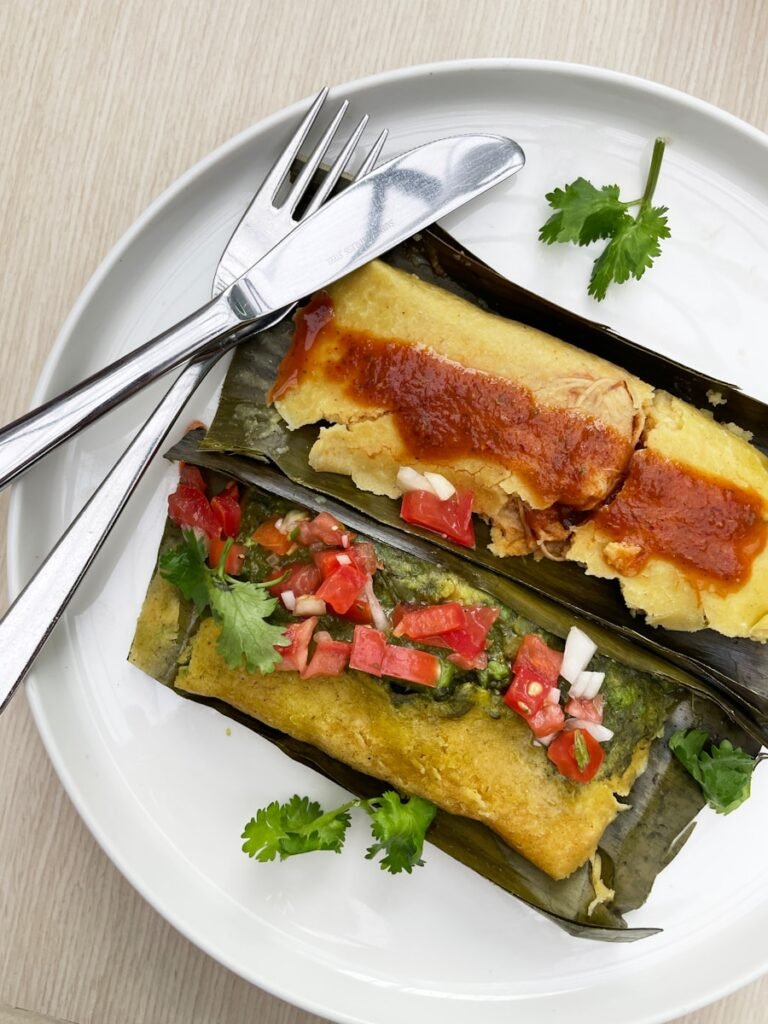
Tamales are celebrated for their diverse textures, which are primarily attributed to the masa, a dough made from nixtamalized corn. The preparation of masa is an art in itself; the texture can vary significantly depending on the grinding process, the moisture content, and the method of mixing. A well-prepared masa should be light and fluffy, creating a pleasant mouthfeel when cooked. This essential dough acts as a foundation, encasing various fillings, ranging from savory to sweet, which also contribute distinct textures to the tamale.
The culinary techniques employed in shaping and cooking tamales play a crucial role in determining their final texture. Traditionally, tamales are steamed, which ensures the masa cooks evenly, resulting in a tender exterior and a moist, flavorful filling. The steaming process is vital as it allows the tamale to retain moisture while developing a slight firmness on the outside. Some regional variations may prefer baking, leading to a drier texture that enhances crispness, providing a different culinary experience. For instance, tamales from the North of Mexico often adopt this baked style, while Southern counterparts focus on steaming for a softer result.
Moreover, the types of wrappers used, such as corn husks or banana leaves, influence the texture and presentation of the tamales. Corn husks result in a firmer outer layer, whereas banana leaves can impart extra flavor and moisture, yielding a softer texture. This diversity exemplifies the significant regional variations in tamale preparation. For instance, Oaxacan tamales often feature a rich, complex filling and a smooth masa, whereas Tex-Mex variations sometimes incorporate additional ingredients like cheese, changing both texture and flavor profiles. Each method contributes to an array of captivating textures, enhancing the overall tamale experience for enthusiasts and newcomers alike.
Visual Appeal and Plating of Tamales
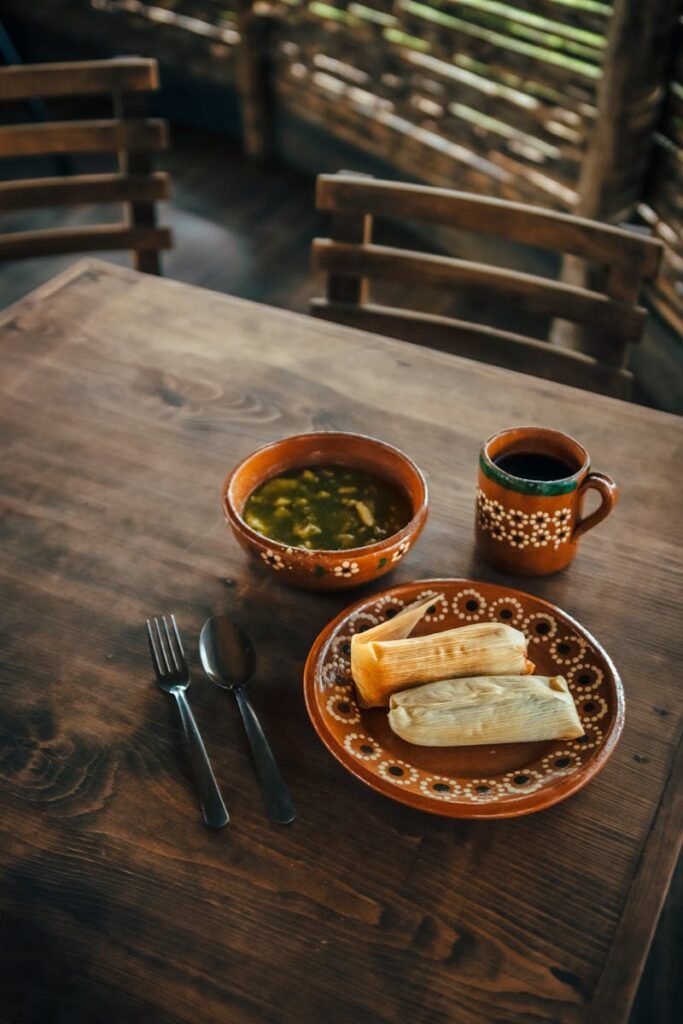
The visual presentation of tamales plays a crucial role in enhancing the dining experience. Traditionally, tamales are wrapped in either corn husks or banana leaves, each contributing not only to the dish’s aesthetic but also to its flavor and moisture retention during cooking. The choice of wrapping material can significantly influence the overall appeal of the tamale. The green hues of banana leaves, for instance, provide a vibrant backdrop that beautifully contrasts with the earthy tones of the corn masa and the assorted fillings inside. Similarly, the rustic appearance of a corn husk adds a traditional touch that pays homage to the cultural origins of this beloved dish.
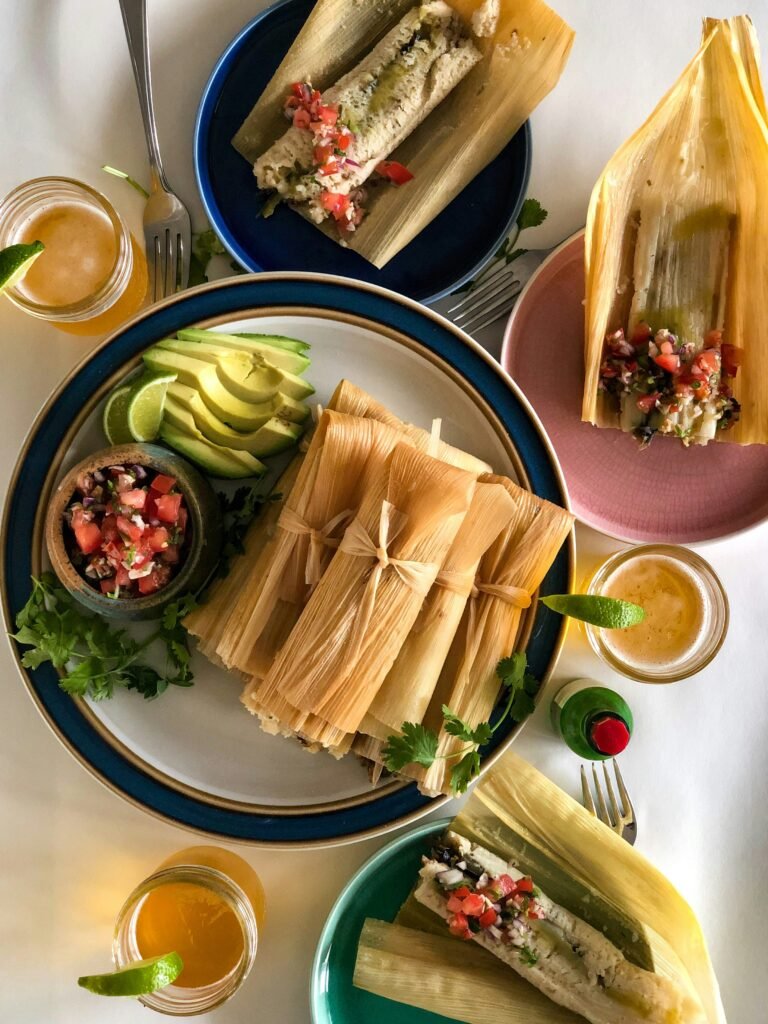
Plating tamales can vary based on occasion and personal preference. For a rustic presentation, tamales can be served directly on a wooden board or plate, allowing the natural beauty of the wrapping to shine through. Alternatively, for a more refined presentation, a white plate can be used to highlight the colors of the fillings. A simple arrangement can include one or two tamales laid horizontally, garnished with fresh cilantro and accompanied by a small bowl of salsa or crema on the side. This method not only elevates the visual appeal but also encourages interactive dining, as guests can customize their tamales to their liking.
To further enhance the experience, consider incorporating complementary sides such as a zesty corn salad or refried beans that echo the flavors of the tamales. Drizzling the dish with vibrant sauces, such as a tangy tomatillo salsa or a rich mole, not only adds depth to the flavor but also creates a colorful visual tapestry that invites diners to indulge. Overall, the art of plating tamales, from the choice of wrapping to the garnishing of accompaniments, transforms this traditional dish into a feast for both the eyes and palate.
Tamales in Modern Cuisine
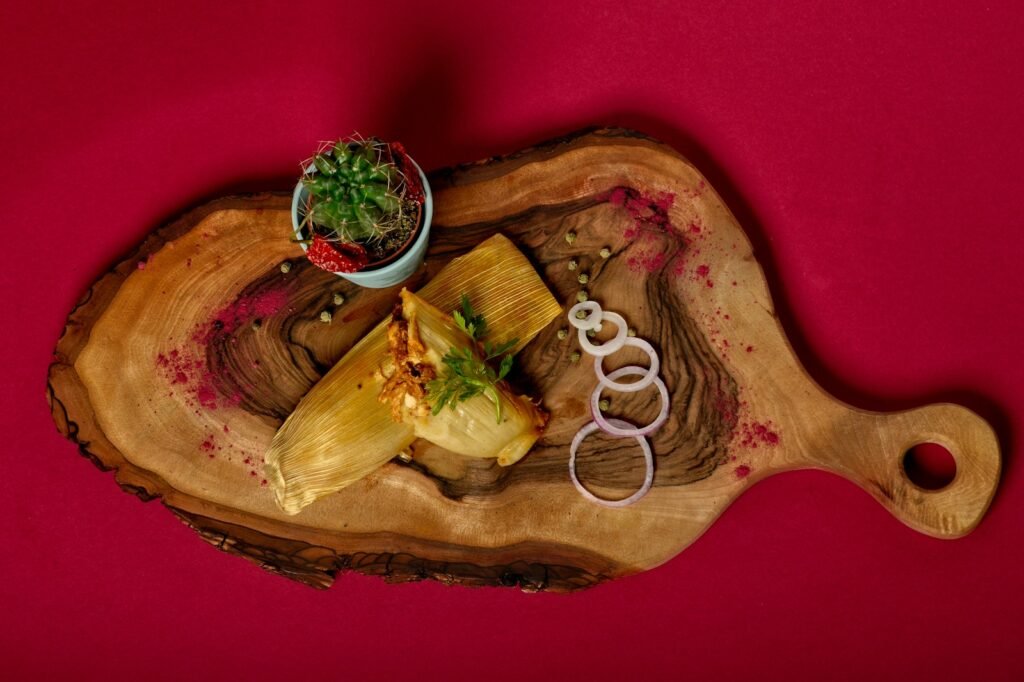
In recent years, tamales have undergone a remarkable transformation, adapting to the contemporary culinary landscape. Once considered a traditional Mexican dish primarily enjoyed during festive occasions, tamales are now finding their place in modern cuisine. This evolution is evident in various gastronomic settings, from upscale restaurants to vibrant food trucks and pop-up eateries. Chefs are creatively reinterpreting tamales, incorporating gourmet ingredients that challenge the conventional perception of this beloved dish.
The rise of gourmet tamales is particularly noteworthy, as culinary innovators experiment with flavors and textures that transcend traditional boundaries. Ingredients such as wild mushrooms, truffle oil, and artisanal cheeses are frequently featured in modern tamale recipes, bringing a sophisticated twist to the classic dish. Additionally, chefs are creatively utilizing non-traditional fillings, like Korean barbecue or Mediterranean-inspired ingredients, resulting in exciting fusion tamales that appeal to a diverse audience. This trend not only enhances the appeal of tamales but also broadens their reach beyond Mexican cuisine enthusiasts to food lovers of all backgrounds.
Furthermore, the emergence of food trucks has played a significant role in the tamale’s modern revival. These mobile kitchens have become a staple of urban food scenes, often serving inventive takes on traditional dishes. Many food truck vendors specialize in tamales, offering quick yet gourmet options that cater to fast-paced lifestyles. Pop-up dining events also contribute to this culinary revolution, showcasing limited-time offerings that entice foodies looking for unique gastronomic experiences.
As tamales continue to adapt and evolve within contemporary culinary settings, they have solidified their status as a versatile dish that resonates with modern diners. Their incorporation into gourmet menus and urban food culture illustrates the dish’s enduring appeal while highlighting the endless possibilities for creativity in modern cuisine.
How to Enjoy and Pair Tamales
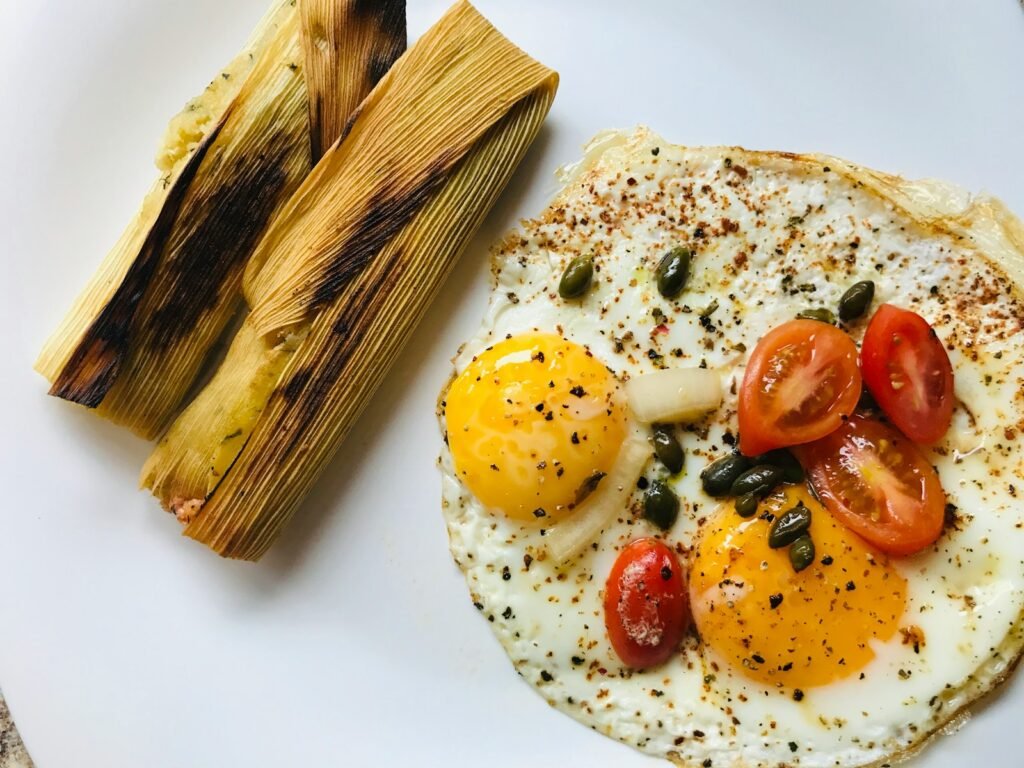
When it comes to enjoying tamales, understanding the best accompaniments and beverage pairings can significantly enhance the overall dining experience. Traditionally, tamales are enjoyed with a variety of side dishes and salsas that elevate their flavor profile and texture. One of the most popular pairings is salsa verde, a tangy and refreshing green sauce made from tomatillos, cilantro, and chili peppers. The acidity of the salsa nicely complements the rich and hearty filling of the tamales. Additionally, you can opt for a red salsa, such as salsa roja, to add a deeper, smoky flavor, particularly if your tamales feature meats or bold fillings.
Incorporating side dishes can further enhance your tamale experience. For instance, a simple side of Mexican rice can absorb the juices from the tamales and provide a satisfying contrast. Furthermore, refried beans, whether black or pinto, offer a creamy texture that pairs well with the masa of the tamales. A side of fresh guacamole or a salad made with diced avocado, tomatoes, and lime can add vibrancy to the meal, making it more visually appealing and refreshing.
When it comes to beverages, the choices are equally important. Traditional drinks such as aguas frescas, which are fruit-infused waters, can provide a light and refreshing complement to tamales. Variants like horchata, a sweet rice milk drink flavored with cinnamon, also pair beautifully with spicier tamale offerings. For those who prefer a more spirited option, a good Mexican beer or tequila can enhance the meal’s flavors and add an element of festivity.
Ultimately, the key to enjoying tamales lies in pairing them thoughtfully with a selection of salsas, side dishes, and beverages that complement their unique qualities. Embracing these accompaniments will allow you to fully appreciate the rich and diverse offerings of this beloved dish.
Conclusion: The Timeless Appeal of Tamales
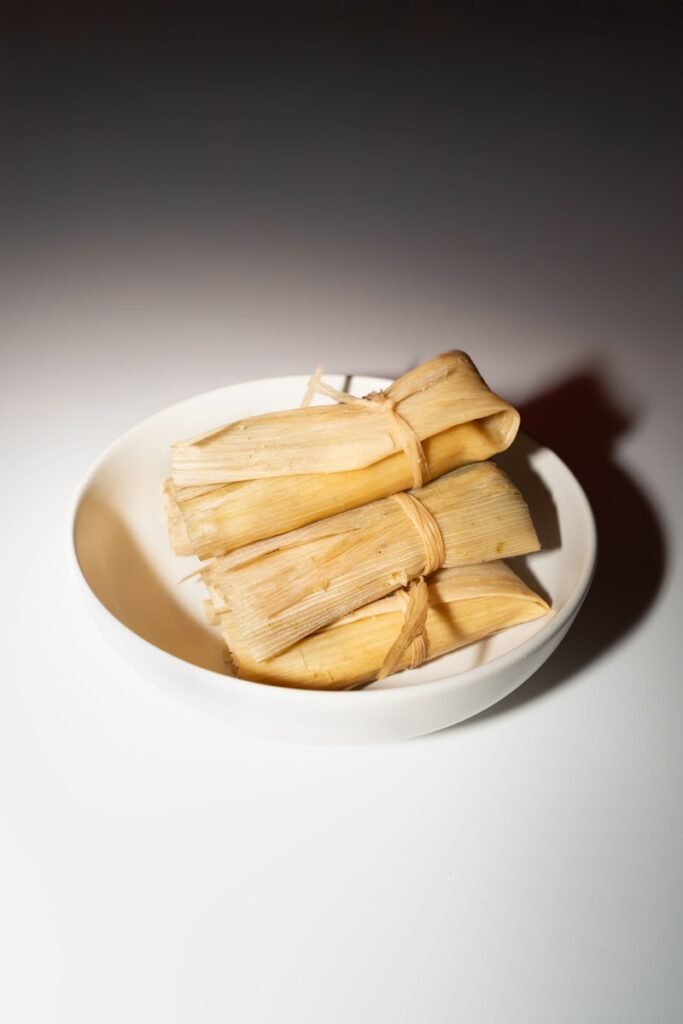
In examining the rich tapestry of flavors and cultural significance surrounding tamales, it becomes clear why this dish has maintained its popularity throughout generations. Rooted in ancient traditions, tamales transcend mere sustenance; they embody a communal experience, rich storytelling, and festive celebrations. The versatility of tamales, with options ranging from savory to sweet fillings, caters to a diverse array of tastes and preferences across different regions and communities.
The preparation of tamales often involves family gatherings where recipes are shared and traditions passed down. This aspect alone plays a significant role in reinforcing the bonds of family and community. Whether the masa is filled with tender meats, fresh vegetables, or sweet fruits, each tamale tells a story, often reflecting the unique culinary heritage of its maker. This shared experience not only enhances the deliciousness of the dish but also underscores its importance as a cultural artifact.
Moreover, tamales serve as a bridge connecting individuals to their past, allowing them to engage with their history and identity. As people savor the flavors of tamales, they simultaneously partake in a heritage that has evolved yet remained steadfast in its core values of togetherness and celebration. With modern influences and innovative interpretations, tamales continue to thrive in contemporary culinary scenes, proving they are not just a relic of the past but a cherished dish for the present and future.
In closing, whether you choose to embark on the journey of making tamales at home or seek out local vendors to sample their offerings, engaging with tamales is an invitation to celebrate culture and flavor. This beloved dish is an enduring symbol of culinary heritage that deserves to be explored by all food enthusiasts, ensuring that the charm of tamales will continue to appetize generations to come.