
- The Origin of Gyros
- Cultural Significance of Gyros
- Understanding the Unique Flavors of Gyros
- Textures That Delight: The Gyros Experience
- The Visual Appeal of Gyros
- Plating and Presentation of Gyros
- Comparative Analysis: Gyros vs. Other Similar Dishes
- Regional Variations of Gyros
- Gyros in Modern Cuisine: Trends and Innovations
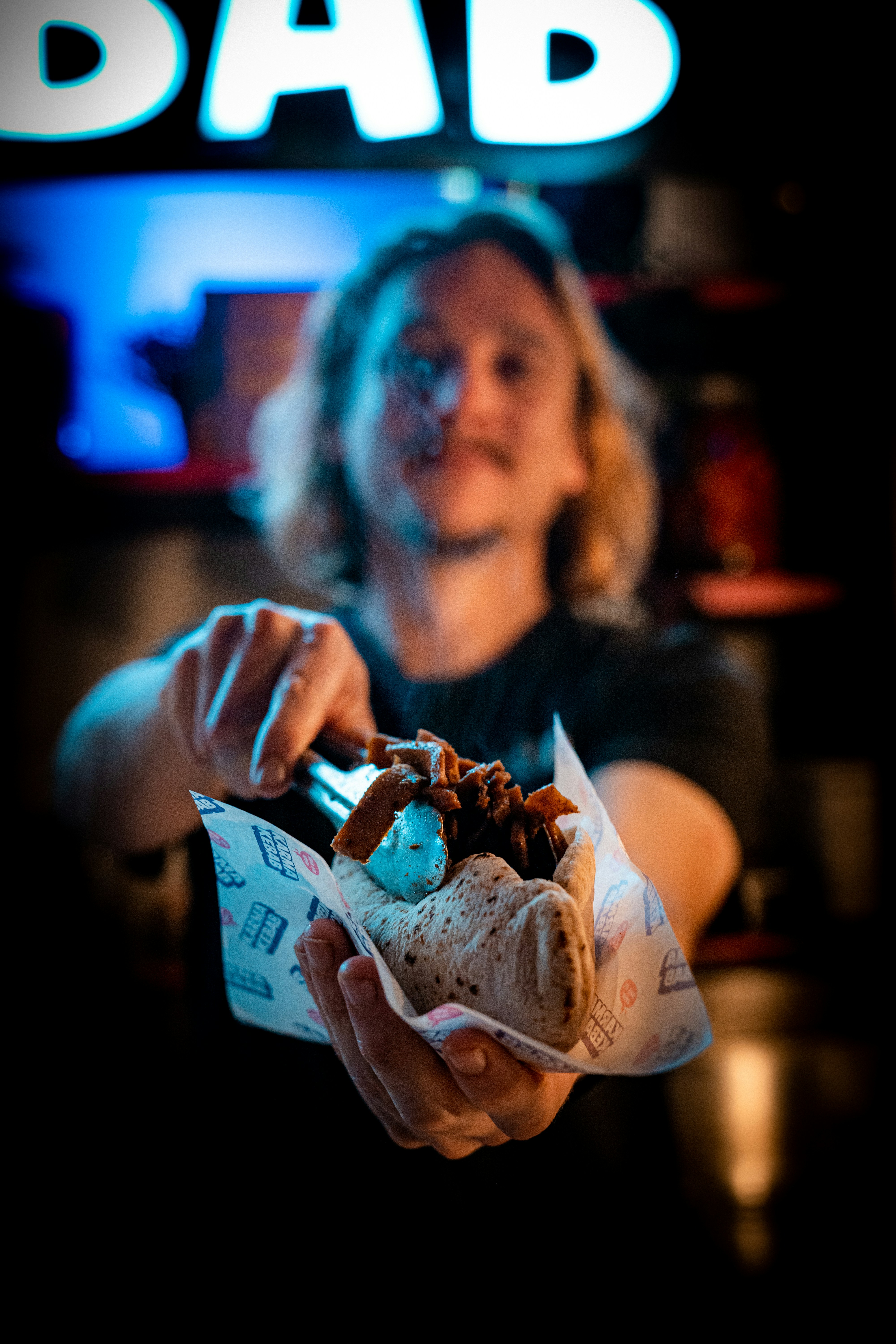
The Origin of Gyros

Gyros, a beloved staple of Greek cuisine, has a rich historical background that intertwines with various culinary traditions. The origins of this delectable dish can be traced back to ancient Greece, where the concept of cooking meat on a vertical spit can be seen. Evidence suggests that the ancient Greeks utilized a similar cooking technique, referred to then as “kebab,” which involved grilling meat over open flames. This method of preparation provided an early glimpse into the foundational elements that would lead to the creation of gyros.
As the centuries progressed, the influence of Middle Eastern cuisine notably shaped the evolution of gyros. The Turkish döner kebab and the Arabic shawarma emerged as counterparts to gyros, featuring similar cooking styles. These dishes utilized marinated meats cooked on vertical spits, served with pita bread and various toppings, laying the groundwork for the modern gyros we know today. The interaction between different cultures during the Ottoman Empire facilitated the exchange of culinary techniques, ultimately leading to the melding of flavors and preparation methods seen in gyros.
Traditional preparation of gyros involves marinating meat, often pork or chicken, with a blend of spices and herbs, then cooking it slowly on a vertical rotisserie. This method allows the outer layer to crisp up, while the inside remains moist and flavorful. Once cooked, the meat is typically sliced thin and served wrapped in pita, accompanied by ingredients such as tomatoes, onions, and tzatziki sauce. Over time, gyros has gained popularity beyond Greece, emerging as a favorite fast food option in various parts of the world, particularly in Europe and North America.
In essence, gyros has evolved significantly from its ancient roots, influenced by diverse culinary traditions. Its journey reflects a melding of flavors and techniques that have culminated in a dish cherished by many. The continuous appreciation for gyros is a testament to its enduring legacy in both Greek cuisine and the global food landscape.
Cultural Significance of Gyros

Gyros, a beloved dish rooted in Greek cuisine, extends beyond mere nutrition to embody the essence of Greek culture, hospitality, and community spirit. Traditionally made with meat cooked on a vertical rotisserie and served in a pita with various toppings, gyros reflects the shared values of family and friendship that are central to Greek society. The origins of gyros can be traced back to ancient times, but it has evolved into a staple of modern Greek culinary identity.
In Greek families, enjoying gyros is often a communal experience, highlighting the dish’s role in fostering connections. It is common to find gyros served during family gatherings, celebrations, and various festivities, making it a symbol of unity and hospitality. In essence, when people come together to savor gyros, they are participating in a deep-rooted tradition that transcends generations. The act of sharing a meal often mirrors the bonds of kinship and community, reinforcing social ties among friends and loved ones.
Moreover, gyros has earned its place as a popular street food, further elevating its status within the social fabric of Greece. Street vendors offer this delicacy, making it accessible to all, rather than just a dish reserved for special occasions. This inclusivity speaks volumes about Greek hospitality, where food is a universal language of welcome and affection. Gyros, therefore, does not merely exist as a meal; it exemplifies the values of generosity and communal enjoyment that define the Greek way of life.
In conclusion, the cultural significance of gyros extends far beyond its delicious taste. As a symbol of hospitality and community, it embodies the spirit of togetherness that is cherished in Greek culture, making it an integral part of both social gatherings and familial traditions.
Understanding the Unique Flavors of Gyros

Gyros, a cornerstone of Greek cuisine, are beloved not only for their convenient serving style but also for their unique and complex flavors. The flavor profile of gyros originates predominantly from the marinade used for the meat, commonly pork, chicken, or lamb. This marinade typically consists of olive oil, vinegar, lemon juice, and a blend of herbs and spices that contribute significantly to the taste. Oregano, garlic, and thyme are often highlighted, each infusing the meat with aromatic nuances that evoke the Mediterranean landscape.
The cooking method also enhances the flavor; gyros are traditionally cooked on a vertical rotisserie, allowing the outer layers of meat to be crispy while the interior remains tender and juicy. As the meat cooks, the drippings cascade down, adding depth to the seasoned layers. This technique creates a rich, savory experience that leaves a lasting impression on the palate.
In addition to the flavorful meat, the toppings served with gyros play a pivotal role in the overall taste experience. A generous dollop of tzatziki sauce—a yogurt-based condiment with garlic, cucumber, and dill—adds a cooling contrast to the warm, spiced meat. Freshly sliced tomatoes and onions contribute both crunch and a burst of fresh acidity, balancing the succulence of the meat. Additionally, traditional gyros are often accompanied by fries, which can be tucked inside the pita, adding a delightful texture and heartiness.
Overall, the combination of the marinated meat, the aromatic spices, and the selected toppings creates a harmonious balance of flavors that defines gyros as a culinary delight. Each bite is a celebration of rich, savory, and refreshing elements that delight food enthusiasts around the world.
Textures That Delight: The Gyros Experience
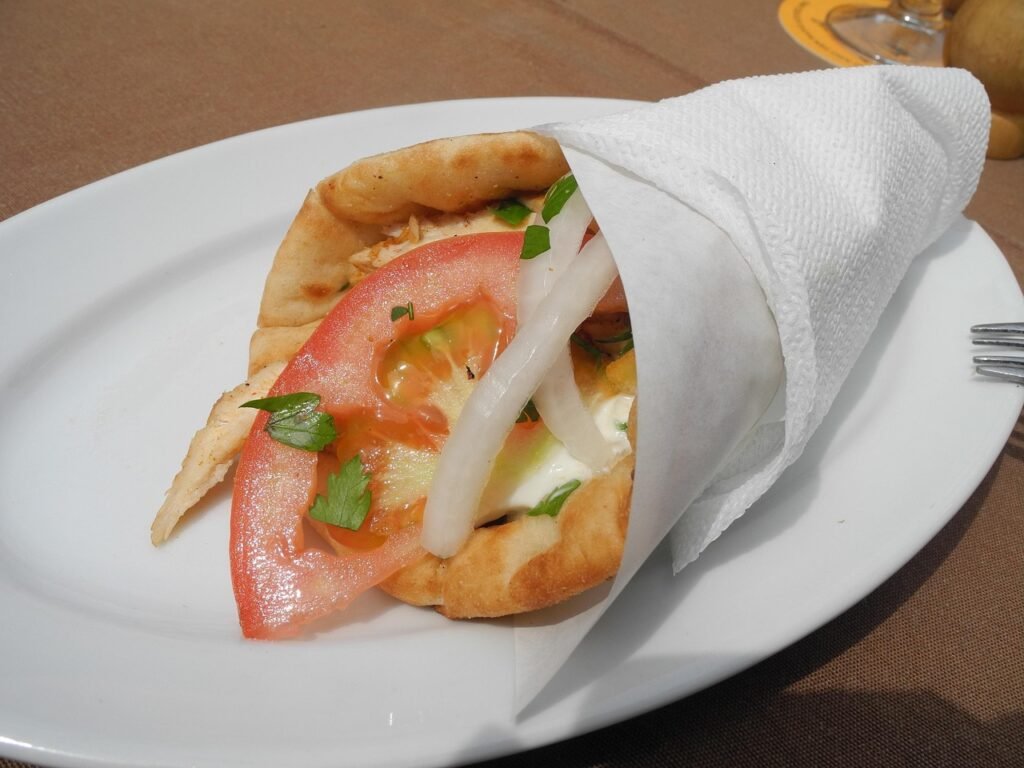
The gyros experience is particularly marked by a harmonious interplay of textures that significantly enhances its overall enjoyment. When one takes their first bite into this iconic dish, they are greeted with the tender, juicy meat, typically made from lamb, pork, chicken, or beef. The meat is often marinated with aromatic spices and cooked to perfection, allowing it to absorb the flavors that make gyros so enticing. This satisfying element provides a succulent base that serves to anchor the dish, creating a delightful contrast with other components.
Another essential texture found in gyros is the crispness of the fresh vegetables that typically accompany the meat. Typically comprising tomatoes, onions, and sometimes cucumbers, these ingredients add a refreshing crunch to the dish. The interplay of the tender meat and the crunchy vegetables not only contributes to a varied mouthfeel but also creates a balance in flavors that is both appealing and satisfying. The inclusion of the vegetables also adds a level of vibrancy and freshness, elevating the overall dining experience significantly.
Furthermore, the creamy dips, such as tzatziki, play a pivotal role in enhancing the gyros texture profile. This sauce, made from yogurt, cucumber, garlic, and herbs, offers a smooth, cooling contrast to the warm, spiced meat. Its velvety texture complements the other components, mitigating the richness of the meat while simultaneously enriching the dish with its aromatic flavors. The combination of these contrasting textures—juicy, crunchy, and creamy—creates a multi-dimensional experience that delights the palate, making each bite of gyros both satisfying and memorable.
The Visual Appeal of Gyros

Gyros, a traditional Greek dish, has gained worldwide popularity not only for its flavor but also for its visual allure. At first glance, a well-prepared gyros plate is a feast for the eyes, inviting diners to indulge in its delectable offerings. The very essence of this dish lies in its vibrant presentation, characterized by a harmonious blend of colors and textures. The foundation of a gyros meal typically consists of warm pita bread, which serves as a welcoming base.
The highlight of gyros is undoubtedly the succulent, grilled meat, often seasoned to perfection. The meat, whether it be pork, chicken, lamb, or beef, showcases a golden brown hue, complemented by a subtle char that hints at the smoky flavors locked within. When layered atop the pita, the juicy slices exude a tantalizing glisten that makes the dish even more enticing. This savory centerpiece is often garnished with finely chopped vegetables, such as ripe tomatoes and crisp lettuce. The rich red and deep green tones not only enhance the overall appearance but also signify the freshness and quality of the ingredients used.
Additionally, the addition of condiments such as tzatziki sauce contributes to the visual tapestry of a gyros plate. The creamy white sauce, often infused with hints of garlic and cucumber, contrasts beautifully against the richer colors of the grilled meat and fresh vegetables. As a result, each element plays a vital role in crafting an appealing presentation. Furthermore, a sprinkle of aromatic herbs like oregano or parsley adds a finishing touch, providing pops of green that enhance the aesthetics of the dish.
In essence, the visual presentation of gyros is a vital component that not only attracts attention but also enhances the overall dining experience. Each ingredient, from the warm pita to the vibrant toppings, works in sync to create a dish that is as pleasing to the eyes as it is to the palate.
Plating and Presentation of Gyros

The presentation of gyros is an integral part of the dining experience, transforming this classic dish into a visual delight that complements its rich flavors. Traditionally, gyros are served in a warm pita bread, which not only holds the succulent fillings but also provides a comforting texture. The assembly begins with a generous spread of creamy tzatziki sauce, which adds moisture and enhances the overall taste profile. The key components of gyros—marinated meat, fresh vegetables, and herbs—are carefully layered to create an inviting appearance.
In addition to the traditional presentation, garnishing plays a crucial role in enhancing the culinary experience. Common garnishes include sliced tomatoes, crisp lettuce, and finely chopped onions, which add a burst of color and freshness. Some chefs elevate the dish by incorporating additional elements such as crumbled feta cheese or kalamata olives, each contributing unique flavors that marry well with the main ingredients. The vibrant colors of these garnishes not only attract the eye but also articulate the freshness of the dish.
Thoughtful plating should also consider the choice of serving dish. Opting for rustic wooden boards or elegant ceramic plates can set the stage for an inviting meal, creating a juxtaposition between the hearty nature of gyros and the sophistication of the dining environment. Furthermore, a drizzle of olive oil or a sprinkle of fresh herbs atop the assembled gyro can introduce an aromatic element while enhancing the overall presentation.
The impact of presentation on the dining experience should not be underestimated. A well-plated gyro not only stimulates the senses but also encourages a deeper appreciation for the culinary traditions behind this dish. By expertly balancing the components, garnishing thoughtfully, and selecting appropriate serving dishes, gyros can become not just a meal, but a memorable experience to be savored and enjoyed.
Comparative Analysis: Gyros vs. Other Similar Dishes
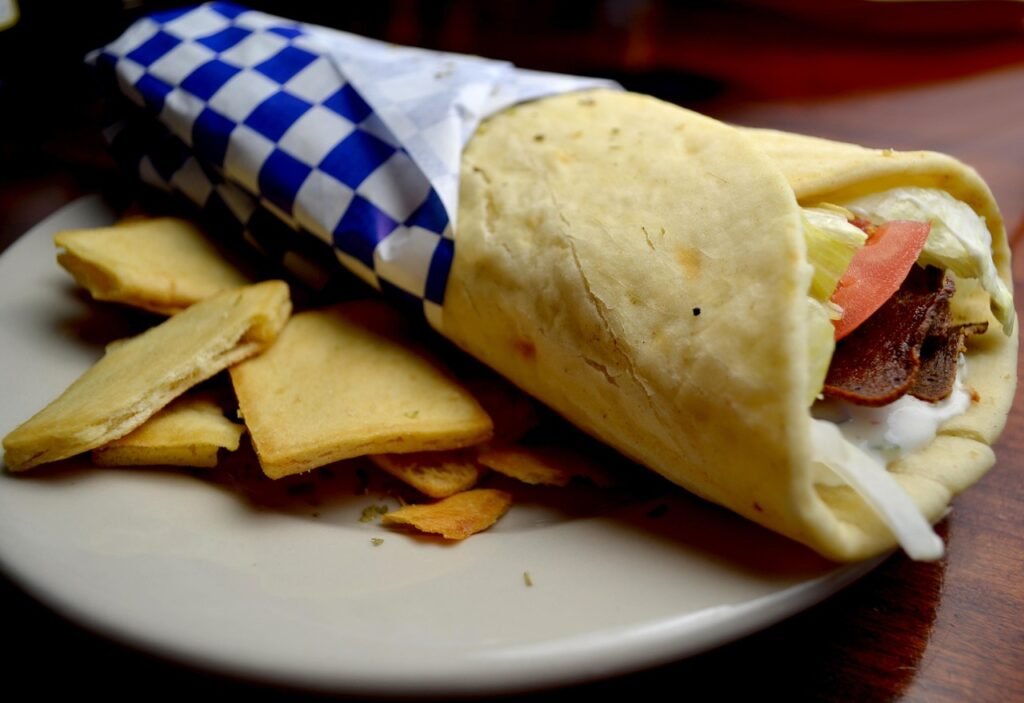
Gyros, a traditional Greek dish, shares several commonalities with other popular street foods, notably shawarma, döner kebab, and souvlaki. Each of these dishes features marinated meat, often served in pita bread or as a plate with accompaniments, yet they differ in origins, preparation methods, and flavor profiles.
Shawarma, hailing from the Middle East, is prepared by stacking marinated meat on a vertical spit, where it is slow-cooked. The meat is typically lamb, chicken, or beef, and is shaved off to create thin slices. Shawarma is often seasoned with a rich array of spices, including cinnamon and cardamom, resulting in a unique flavor that distinguishes it from gyros. While both gyros and shawarma are usually served with fresh vegetables and sauces, shawarma tends to be more heavily spiced and is frequently accompanied by tahini-based sauces.
Döner kebab, which originates from Turkey, similarly features meat cooked on a vertical spit. The term “döner” means “to turn,” reflecting the cooking method. Traditionally, döner kebabs utilize lamb, beef, or chicken, and are typically served in pita bread with yogurt-based sauces. In comparison to gyros, döner kebab may use more robust seasonings and herbs, providing a different taste experience. Furthermore, while gyros often use a blend of spices including oregano, döner kebabs are more likely to incorporate cumin and coriander.
Souvlaki, on the other hand, is quite distinct from gyros despite the commonality of the pita. Souvlaki consists of skewered and grilled meat, unlike gyros which is prepared through the vertical spit method. Typically, it is made from small pieces of marinated pork, chicken, or lamb, and served with pita, fresh vegetables, and dipping sauces. The primary difference lies in the cooking technique and texture, as souvlaki boasts a smoky flavor owing to the grilling process.
In essence, gyros holds its own as a beloved dish with its unique preparation and flavors, while still sharing certain traits with each of these comparable dishes, reflecting a broader culinary tradition.
Regional Variations of Gyros

Gyros, a quintessential dish of Greek cuisine, showcases a remarkable diversity in its preparation, resulting in distinctive regional variations across Greece. The variations are deeply influenced by local ingredients, culinary traditions, and geographical factors. In regions like the Aegean Islands, gyros might feature fresh seafood, incorporating local fish and shellfish into the mix, bringing a unique maritime twist to this well-known dish. Here, one may encounter gyros made from marinated octopus or grilled calamari, providing a refreshing alternative to the traditional meat-based versions.
In mainland Greece, particularly in urban centers like Athens, the classic pork or chicken gyros reign supreme. The meat is typically marinated in a blend of herbs and spices, then cooked on a vertical rotisserie, ensuring a crispy outer layer while maintaining juicy tenderness within. The use of locally sourced pita bread and fresh vegetables contributes to the overall flavor profile. Additionally, in the Peloponnese region, the use of lamb is a favored choice, reflecting the local pastoral traditions. This lends a rich and hearty taste that varies significantly from the lighter preparations found in other areas.
As gyros’ popularity has expanded internationally, numerous adaptations have emerged. In the United States, for example, the dish is often served with a wealth of toppings like pickles, hot sauce, or even melted cheese, showcasing the fusion of Greek flavors with American culinary preferences. Similarly, gyros have been embraced by various countries, evolving into unique renditions that highlight regional tastes and available ingredients. This adaptation emphasizes the dish’s versatility while remaining rooted in its Greek heritage. The global love for gyros is a testament to its enduring appeal, illustrating how this beloved dish continues to evolve while retaining its core identity.
Gyros in Modern Cuisine: Trends and Innovations

In recent years, gyros have evolved significantly, showcasing remarkable adaptability within contemporary cuisine. Chefs and culinary enthusiasts have embraced this traditional Greek dish, infusing it with innovative techniques and flavors that reflect global culinary trends. As the food landscape diversifies, gyros have emerged as a versatile canvas for chefs aiming to offer unique dining experiences.
One notable trend is the incorporation of fusion flavors into gyros, transforming these cherished platters into exciting fusion dishes. Culinary innovators are experimenting with non-traditional proteins, such as lamburger, duck, or even plant-based alternatives, catering to the growing vegetarian and vegan populations. These adaptations align with shifts in dietary preferences, illustrating how traditional gyros can accommodate modern nutritional needs while maintaining their core essence.
Additionally, the presentation of gyros has undergone a transformation. Gourmet establishments are presenting this beloved street food in upscale formats, such as deconstructed versions that highlight individual ingredients. For instance, chefs might serve marinated meats and fresh vegetables artfully arranged, accompanied by homemade sauces served in small containers for dipping, offering diners a tactile and visually appealing experience.
Moreover, the increase in food truck culture has propelled gyros into the limelight, with entrepreneurs launching food trucks specializing in this dish. This trend enables a broader audience to enjoy gyros while exploring unique flavor combinations and innovative recipes that showcase local ingredients. The accessibility of food trucks has played a crucial role in redefining the traditional perception of gyros as a mere street food.
With their rich history and the willingness of chefs to explore new territory, gyros continue to thrive in the culinary realm. As innovative techniques and contemporary flavors become more prevalent, this traditional dish undoubtedly remains a beloved favorite, captivating palates across the globe.