
- Introduction to Pulpo a la Gallega
- The Origin of Pulpo a la Gallega
- Cultural Significance of Pulpo a la Gallega
- Unique Flavors and Textures
- Visual Appeal and Plating
- Serving Suggestions and Pairings
- Variations and Modern Interpretations
- Where to Taste the Best Pulpo a la Gallega
- Conclusion: The Enduring Charm of Pulpo a la Gallega
Introduction to Pulpo a la Gallega
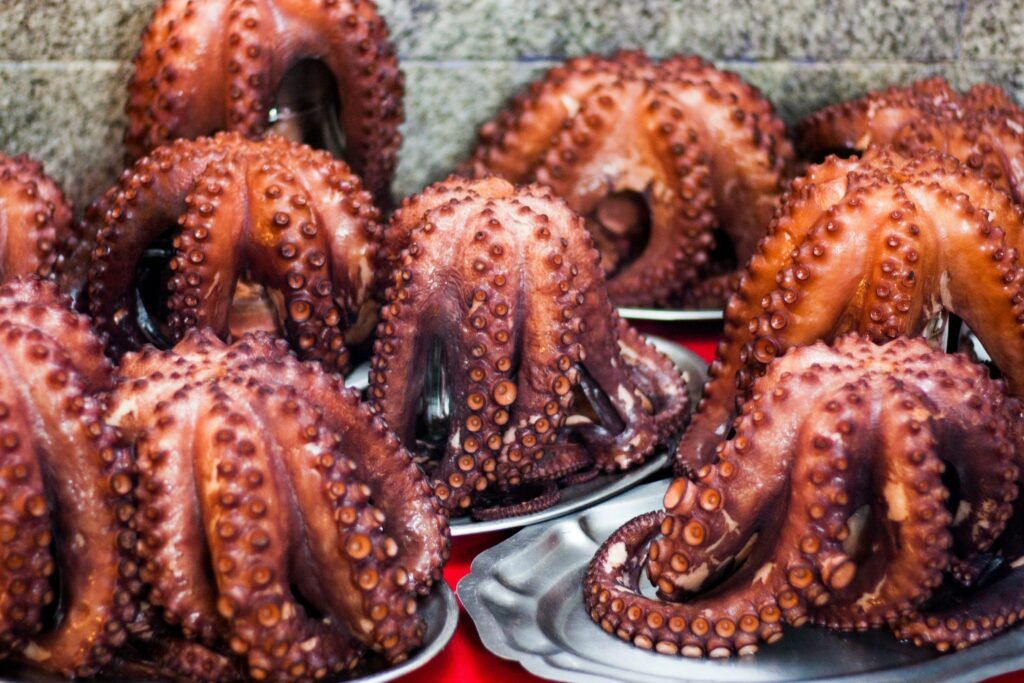
Pulpo a la Gallega, or Galician-style octopus, stands as a remarkable symbol of the rich culinary heritage of the Galician region in northwest Spain. This iconic dish has transcended mere sustenance, becoming a beloved cultural emblem deeply woven into the fabric of Galician identity. The preparation of octopus has been a cherished practice in this coastal area for centuries, influenced by its geographical position along the Atlantic, which provides a robust supply of fresh seafood, including octopus.
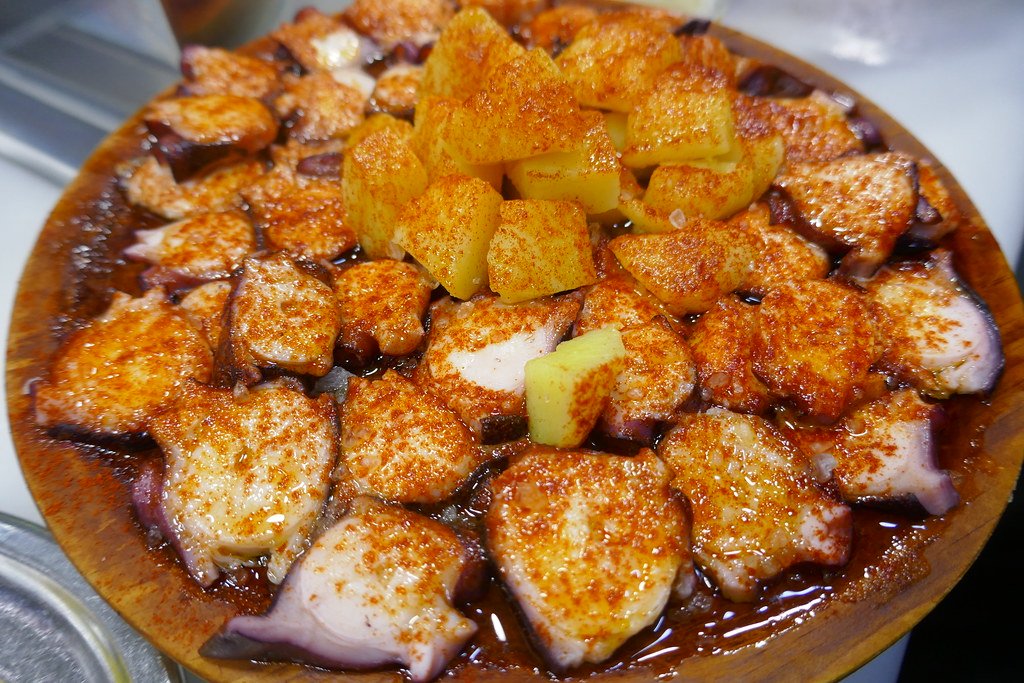
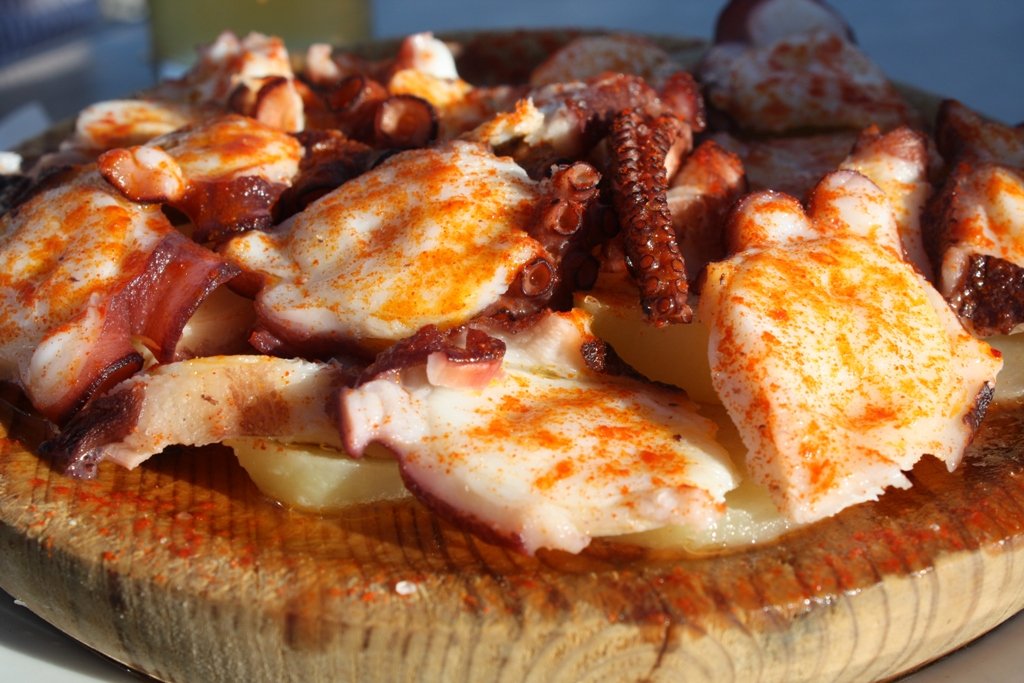
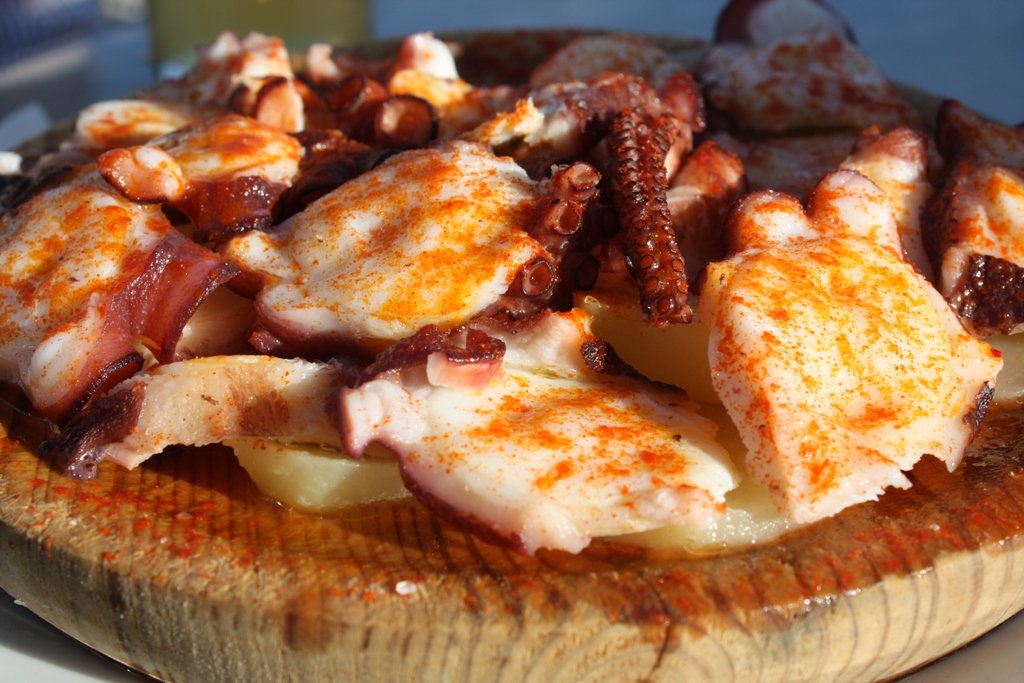
The traditional method of preparing Pulpo a la Gallega typically involves boiling the octopus in a special pot, known as a “caldeira,” until it is tender. Once cooked, the octopus is then sliced into thick, distinctively colored pieces, often onto a wooden platter. It is subsequently drizzled with olive oil, sprinkled with coarse sea salt, and garnished with paprika, creating a dish that tantalizes the taste buds while vividly showcasing the region’s flavorful ingredients. The combination of these elements not only highlights the octopus’s delicate flavor but also reflects the simplicity that is characteristic of Galician culinary philosophy.
Moreover, Pulpo a la Gallega is commonly served at gatherings and festivals, symbolizing community and tradition. It is often accompanied by potatoes, which complement the dish’s flavors and textures. This culinary gem is integral to various celebrations, especially during summer fairs, reinforcing its stature as more than just a meal, but as a symbol of generosity and conviviality among locals and visitors alike.
As one delves deeper into the significance of Pulpo a la Gallega, it becomes clear that this exquisite dish is more than just a staple of Galician cuisine; it is a celebration of the region’s history, culture, and natural bounty.
The Origin of Pulpo a la Gallega
Pulpo a la Gallega, or Galician-style octopus, is a dish that embodies the rich cultural and culinary heritage of the Galicia region in northwest Spain. Its origins can be traced back to traditional fishing practices employed by the local communities along the rugged coastline. The Galician waters are abundant in octopus, which has long been a staple in the diet of those living in this region. Historical records suggest that the consumption of this cephalopod has been prevalent since ancient times, where fishermen would catch octopus using simple nets and traps, often employing techniques passed down through generations.
The method of preparing Pulpo a la Gallega is deeply rooted in Galician traditions. While the dish today is characterized by its simplicity—typically featuring boiled octopus served with olive oil, paprika, and coarse sea salt—its preparation was shaped by the need to preserve and serve the freshest ingredients at hand. Traditionally, octopus was boiled in large copper cauldrons, a practice that remains common in many Galician kitchens, providing an authentic flavor that is quintessentially Galician.
In addition to its culinary significance, Pulpo a la Gallega has acquired cultural importance through various anecdotes and folklore. For instance, local festivals often feature this dish, celebrating the octopus harvest and honoring the contributions of local fishermen. The dish is not only a gastronomic delight but also serves as a symbol of Galician identity, representing a way of life that intertwines community, heritage, and sustenance. Over time, as Galician immigrants have spread across the globe, Pulpo a la Gallega has garnered international acclaim, becoming a testament to the resilience and adaptability of Galician culture.
Cultural Significance of Pulpo a la Gallega
Pulpo a la Gallega, or Galician-style octopus, occupies a cherished place in the culinary landscape of Galicia, reflecting the region’s rich maritime heritage and cultural identity. This dish is not merely a gastronomic delight; it is a symbol of community, tradition, and celebration. Often served during local festivals and gatherings, Pulpo a la Gallega plays a prominent role during events like the Feira do Pulpo in O Carballiño, which attracts both locals and tourists eager to savor this beloved delicacy. These annual festivals celebrate the culinary legacy of Galicia, prominently featuring octopus prepared in this specific style, uniting people in shared cultural pride.
Family celebrations across Galicia frequently highlight Pulpo a la Gallega, particularly during significant milestones such as weddings, christenings, and family reunions. The dish is a staple at the Galician table, fostering a sense of togetherness and continuity among families. It is not uncommon for family members to gather to prepare this dish together, reinforcing bonds and passing down culinary secrets from one generation to the next. The act of cooking and sharing Pulpo a la Gallega becomes a meaningful ritual that embodies traditional values, emphasizing the importance of family and community.
Furthermore, Pulpo a la Gallega represents the identity of Galician people, serving as a culinary emblem that distinguishes their culture from others in Spain and beyond. The simplicity of its ingredients—octopus, olive oil, paprika, and sea salt—paired with its rich flavor profile and vibrant presentation, encapsulates the essence of Galician cuisine, which deeply values freshness and quality. As such, this dish transcends mere nutrition to embody the spirit and heritage of Galicia, making it a vital asset of their cultural expression.
Unique Flavors and Textures
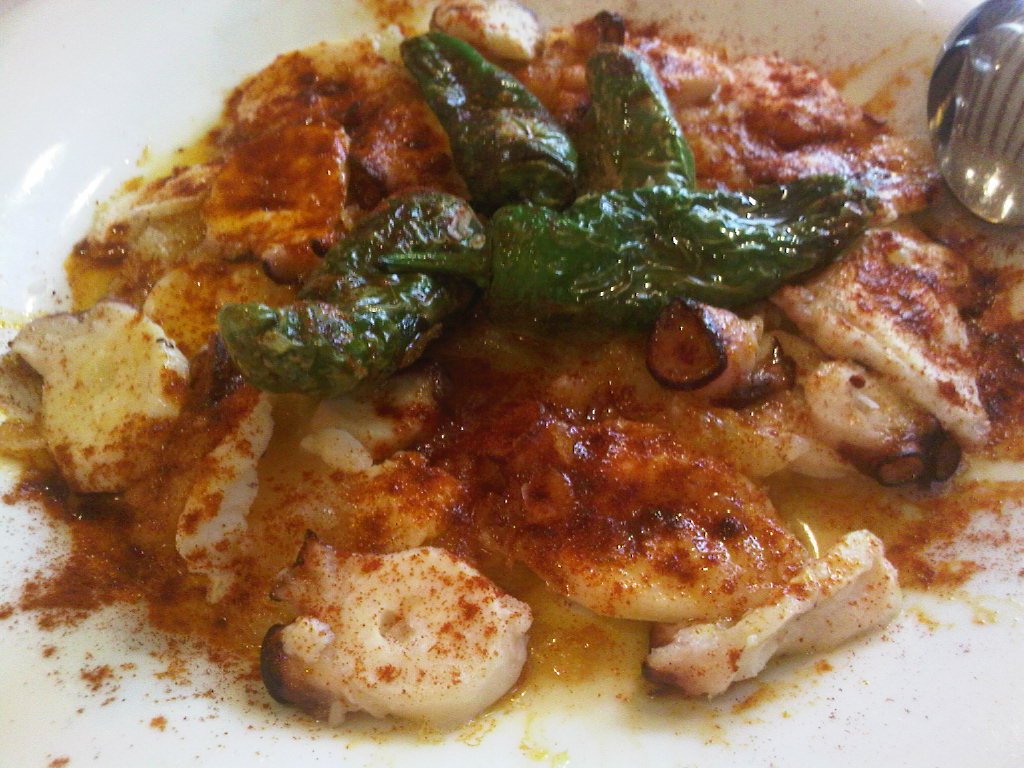
Pulpo a la Gallega, also known as Galician-style octopus, showcases a spectacular array of flavors and textures that sets it apart within Spanish cuisine. The dish’s primary ingredient, octopus, is renowned for its tender and succulent meat, which is achieved through meticulous cooking methods. Traditionally, the octopus is boiled in a large pot of salted water, often seasoned with bay leaves. This technique not only cooks the octopus evenly but also helps to tenderize it, resulting in a dish that is both juicy and pleasantly chewy.
One of the defining characteristics of Pulpo a la Gallega is the seasoning that elevates its natural flavors. The addition of Spanish paprika, particularly the smoked variety known as pimentón de la Vera, imparts a rich depth and a warmth that perfectly complements the oceanic essence of the octopus. This spice is typically sprinkled generously over the octopus just before serving, contributing a brilliant hue and a slightly smoky taste that enhances every bite.
Furthermore, the drizzle of high-quality extra virgin olive oil is essential in achieving the ideal flavor balance. This ingredient not only adds a luscious richness but also envelopes the dish in a fragrant aroma, making it even more enticing. The careful combination of these elements—tender octopus, smoky paprika, and fruity olive oil—results in a beautifully balanced dish that delights the palate. The textures of Pulpo a la Gallega, from the tender bite of the octopus to the smooth, velvety olive oil, create a remarkable eating experience.
In conclusion, the unique flavors and textures of Pulpo a la Gallega stem from both its traditional cooking methods and the thoughtful incorporation of spices and oils, resulting in a dish that is emblematic of Galician culinary heritage.
Visual Appeal and Plating
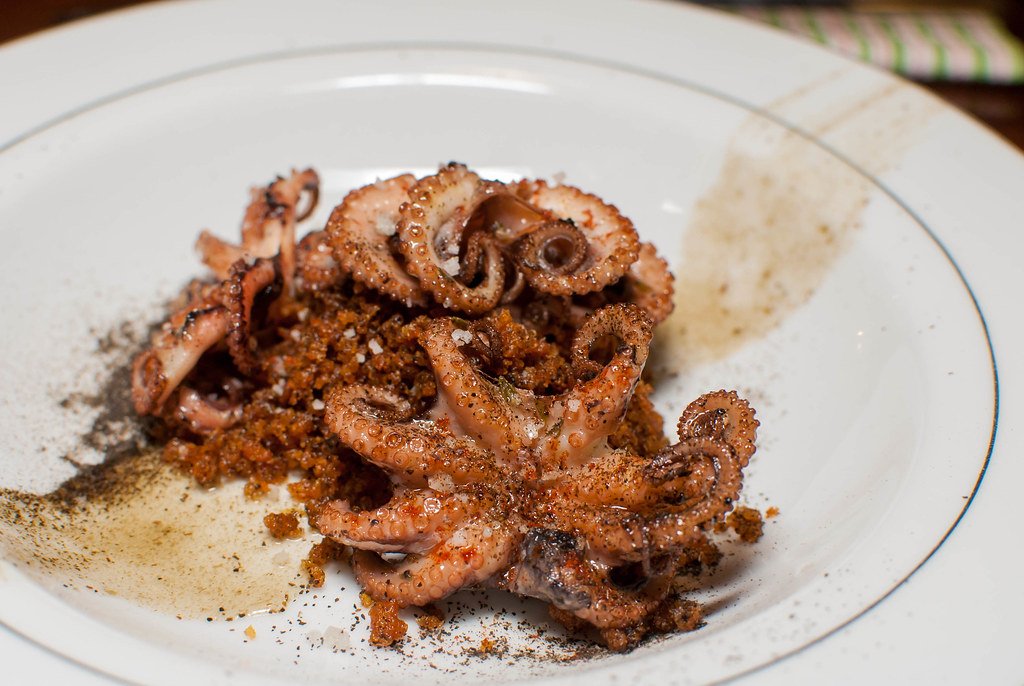
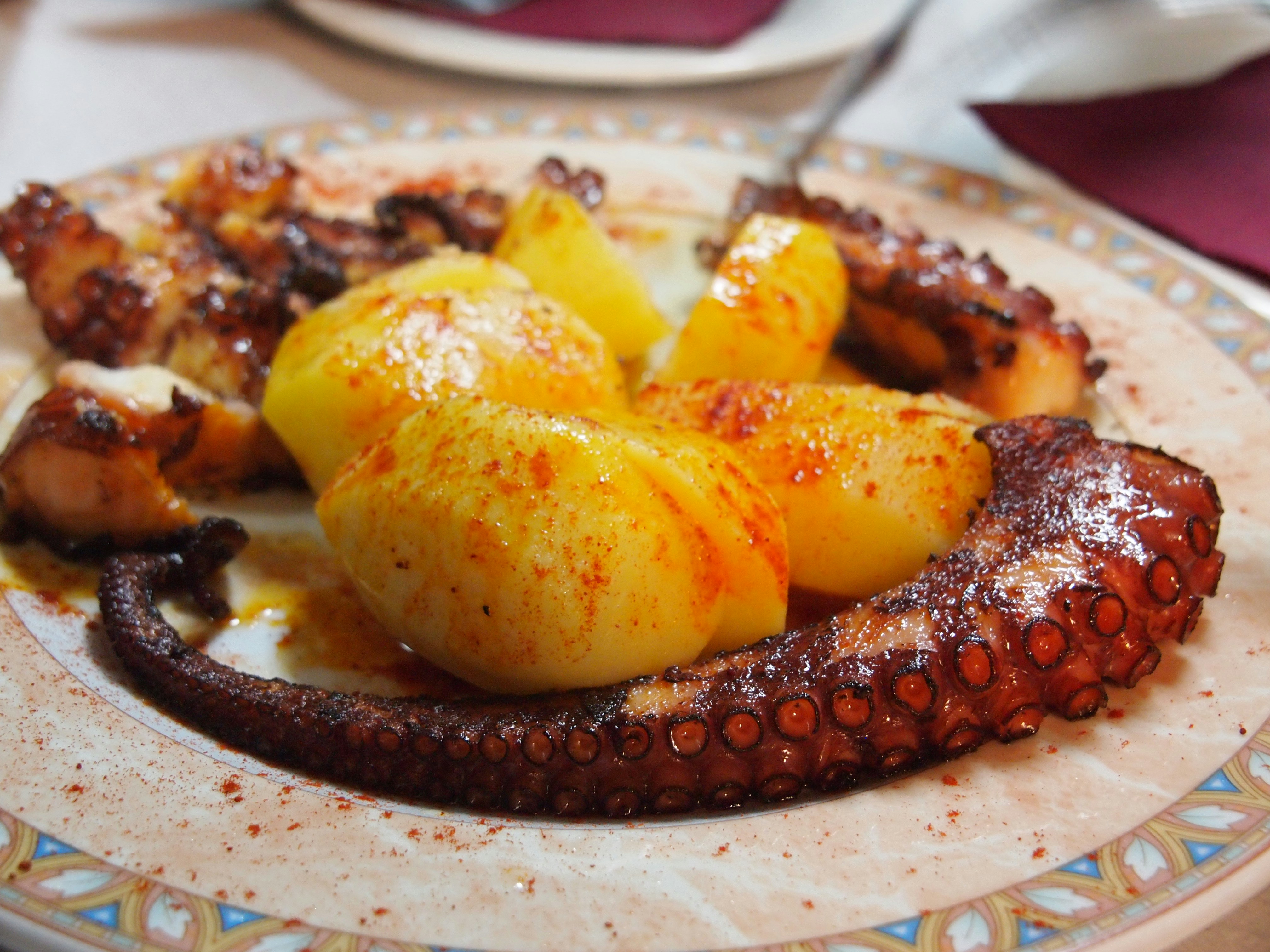
The visual presentation of Pulpo a la Gallega is an integral part of the dining experience, showcasing the richness of Galician cuisine. This traditional dish features octopus cooked to tender perfection, often accompanied by a vibrant display of colors and textures that entice the palate even before the first bite. The deep, rich purple of the octopus contrasts beautifully with the bright reds of paprika and the lush green of olive oil, creating a visually appealing plate that captures the essence of its origins.
When plating Pulpo a la Gallega, the arrangement plays a crucial role in enhancing its appeal. Typically, the octopus is sliced into rounds, which allows its delicate texture to be highlighted. A common technique is to arrange these slices in a circular pattern on a white or light-colored plate, accentuating their vivid hues. Drizzling high-quality olive oil over the dish not only adds a glossy finish but also enhances the overall flavor profile. The final touch of smoked paprika, usually sprinkled on top, adds a dash of color that elevates the dish’s aesthetic value.
The use of garnishes, such as finely chopped parsley or lemon wedges, contributes further to the visual allure of Pulpo a la Gallega. These elements provide contrast and can evoke a sense of freshness. Each component, from the succulent octopus to the carefully chosen garnishes, plays a role in creating a cohesive and inviting presentation that is typical of Galician cuisine. The overall aesthetic appeal not only heightens the anticipation of the meal but also reflects the cultural significance of the dish within Galicia.
The thoughtful plating of Pulpo a la Gallega illustrates how the visual elements and presentation techniques contribute significantly to the dining experience. An appealing presentation transforms a simple meal into an engaging culinary experience, inviting diners to savor the beauty and tradition embedded within this remarkable dish.
Serving Suggestions and Pairings
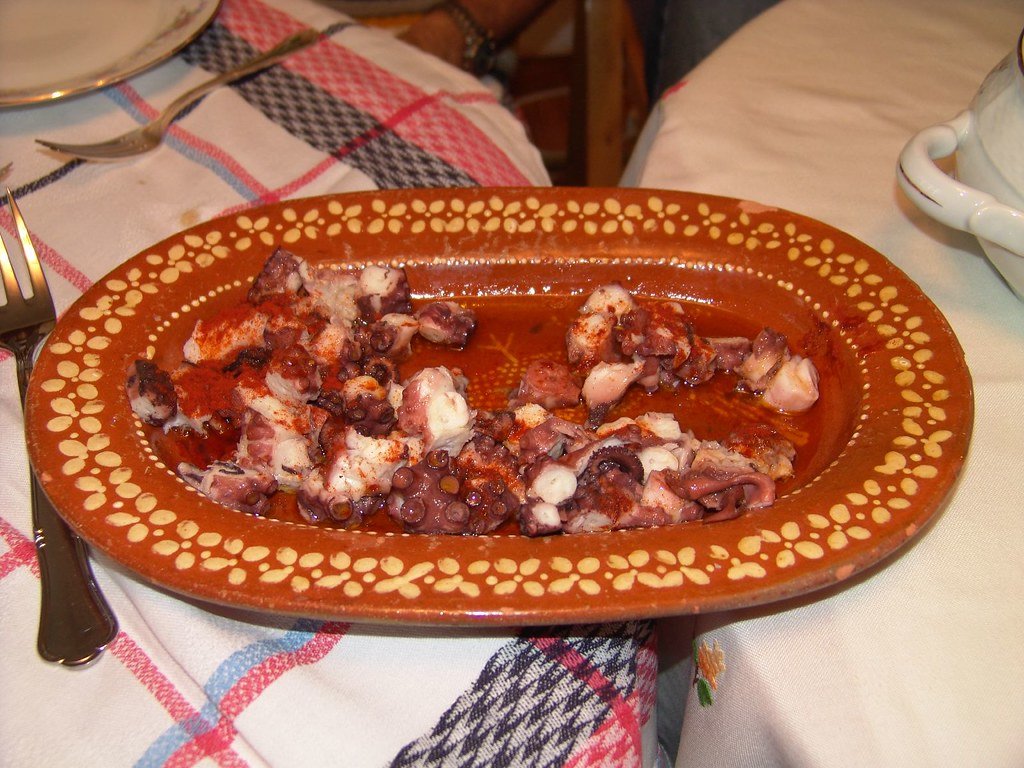
Pulpo a la Gallega, or Galician style octopus, is a dish celebrated not only for its tender texture and robust flavors, but also for its versatility when it comes to accompaniments. To elevate the dining experience, certain traditional pairings can complement the octopus beautifully. One of the most classic accompaniments is the use of Galician potatoes, or “patatas a la importancia.” These potatoes are typically boiled and sometimes lightly fried, enhancing their savory flavor, making them the perfect base for the seasoned octopus.
Additionally, the dish is commonly garnished with a liberal sprinkling of smoked paprika and coarse sea salt, which contribute to its distinctive taste. A drizzle of high-quality extra virgin olive oil can enrich the flavors, providing a luscious mouthfeel that pairs excellently with the natural taste of the octopus. The balance between the spice and the oil accentuates the dish, making it even more appealing.
When it comes to beverages, a glass of Albariño wine is highly recommended. This white wine, hailing from the Rías Baixas region of Galicia, is renowned for its crisp acidity and fruity notes that perfectly complement the maritime flavors of Pulpo a la Gallega. Its refreshing qualities harmonize beautifully with the dish, cleansing the palate without overpowering it. For those who prefer alternatives, a light lager or a dry Spanish cider may also serve as excellent choices.
As for side dishes, consider adding a fresh green salad with a light vinaigrette, which can provide a contrasting texture and a burst of freshness. Another recommended accompaniment is artisan bread, for sopping up any remaining olive oil and seasoning on the plate. Ultimately, the combination of these elements will create a fulfilling and holistic dining experience centered around Pulpo a la Gallega.
Variations and Modern Interpretations
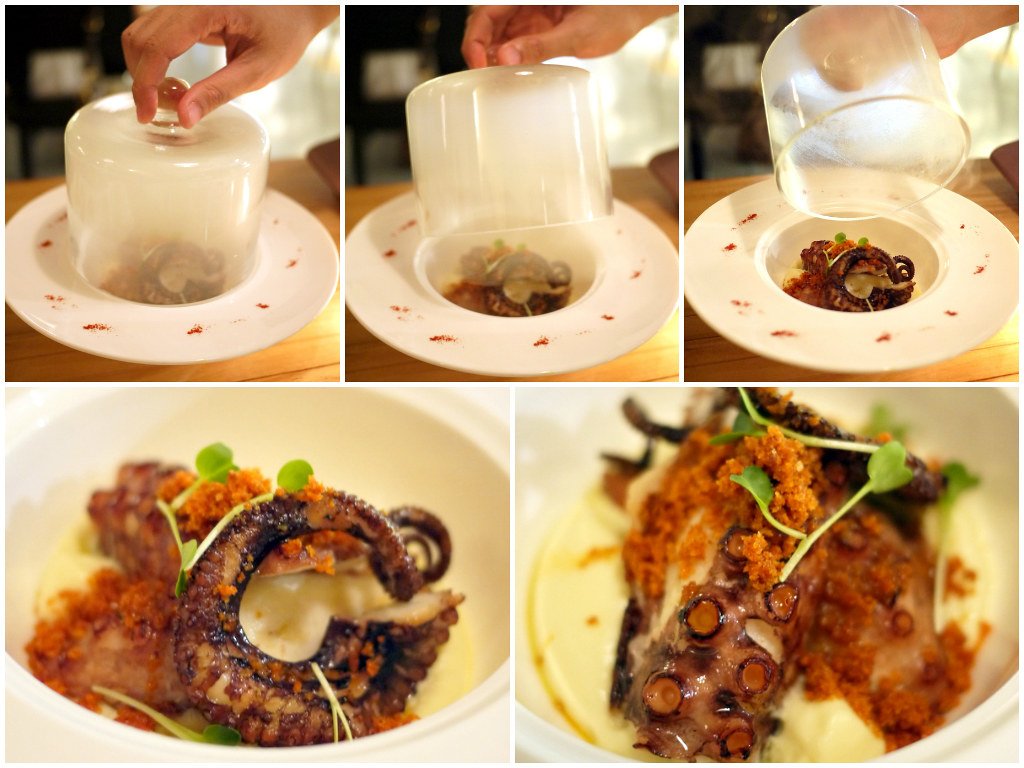
Pulpo a la Gallega, a traditional dish hailing from the northwestern Spanish region of Galicia, has not only retained its classic appeal but has also witnessed various regional variations and modern interpretations. While the quintessential preparation involves octopus, potatoes, olive oil, paprika, and sea salt, chefs across Spain and beyond have begun to experiment with the foundational elements, creating a diverse culinary landscape.
In different regions, Pulpo a la Gallega may be adapted with local ingredients to enhance flavor profiles. For instance, in some areas of Galicia, chefs incorporate cider vinegar or local white wines for an added depth of flavor, transforming the dish into something unique to its environment. Moreover, the presentation may vary, with some modern interpretations opting for deconstructed versions that place each component on the plate artfully, allowing diners to experience the flavors individually before enjoying them together.
Contemporary chefs have also explored innovative combinations by pairing Pulpo a la Gallega with global cuisines. Some have introduced Asian elements, such as sesame oil or soy sauce, while others might incorporate herbs like cilantro or basil, creating a fusion of flavors that respects the original while pushing creative boundaries. This type of innovation not only celebrates the essence of Pulpo a la Gallega but also reflects current culinary trends where traditional dishes are often reimagined to suit modern palates.
Furthermore, the rise in vegetarian and vegan cuisine has also prompted chefs to create plant-based versions of Pulpo a la Gallega, utilizing ingredients such as jackfruit or mushrooms that mimic the texture of octopus. These adaptations ensure that the dish remains accessible to a broader audience, allowing it to evolve without losing its cultural significance. Overall, the variations and modern interpretations of Pulpo a la Gallega demonstrate the adaptability and enduring allure of this iconic dish, bridging the gap between tradition and innovation.
Where to Taste the Best Pulpo a la Gallega
When it comes to savoring Pulpo a la Gallega, Galicia boasts numerous establishments that offer this iconic dish prepared with authenticity and flair. A staple of Galician cuisine, this tender octopus dish is best enjoyed in restaurants and tapas bars that adhere to traditional methods. One of the most renowned spots is Casa de Bueyes in Santiago de Compostela, revered for its expertly cooked pulpo served with a generous drizzle of olive oil and a sprinkle of paprika. The ambiance combined with the culinary finesse makes it a must-visit.
Another highly recommended venue is Bar O’Marino located in the picturesque town of A Coruña. This bar specializes in seafood and has earned a loyal following among locals. Here, diners can enjoy Pulpo a la Gallega in a relaxed setting, often accompanied by a glass of local wine or a refreshing Estrella Galicia beer, enhancing the overall dining experience. The combination of fresh ingredients and a time-honored recipe ensures that every bite is a taste of authenticity.
In addition to these well-known establishments, there are also charming hidden gems worth exploring. A Taberna do Fillo in the lesser-known village of Muros is a perfect example. The quaint atmosphere provides an inviting backdrop, allowing diners to enjoy Pulpo a la Gallega while overlooking the stunning Galician coastline. The proprietor, a passionate chef and local, prepares the dish using age-old techniques that have been passed down through generations.
Venturing beyond Galicia, one can find Pulpo a la Gallega in various Spanish cities, particularly in tapas bars that specialize in traditional fare. However, for an authentic experience that highlights the unique flavors of this beloved dish, it is recommended to indulge in Pulpo a la Gallega directly in Galicia itself. Each venue brings its own twist, ensuring a memorable culinary adventure.
Conclusion: The Enduring Charm of Pulpo a la Gallega
Pulpo a la Gallega stands as a testament to the rich cultural heritage and culinary excellence of Galicia, reflecting the region’s deep connection to the sea and its resources. This traditional dish, often served as a tapas item, exemplifies the simplicity and flavor that characterize Galician cuisine. Made with octopus that is meticulously prepared and seasoned with a blend of paprika, sea salt, and a drizzle of olive oil, Pulpo a la Gallega captivates the palate with its tender texture and vibrant taste.
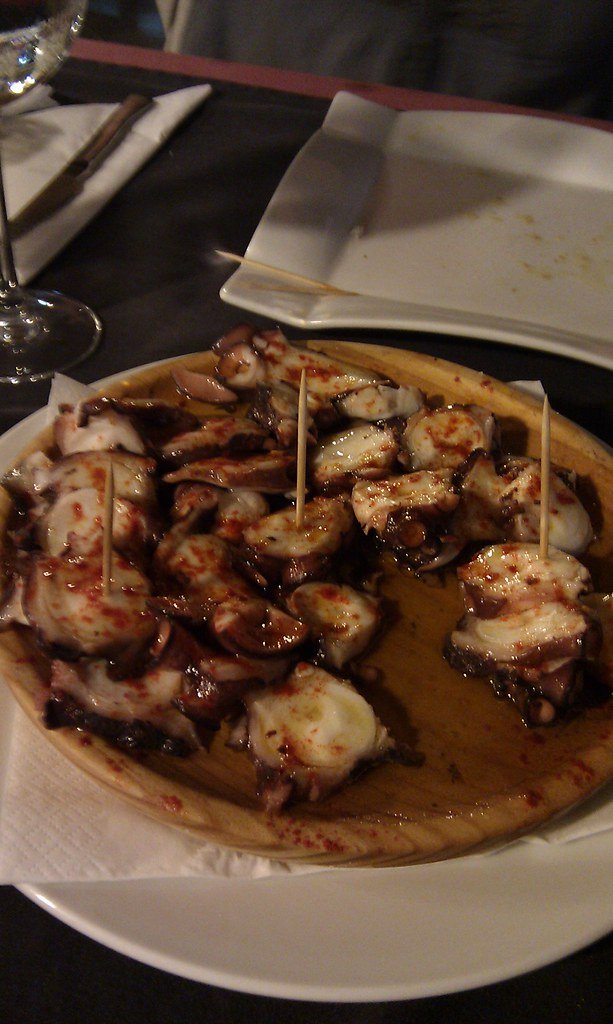
The preparation of Pulpo a la Gallega holds significant importance in Galician traditions. This process often involves boiling the octopus until it reaches the ideal tenderness, followed by slicing and serving it on a wooden plate, a practice that honors the region’s time-honored culinary methods. Accompanied by potatoes, this dish not only showcases the octopus but also highlights the local agricultural traditions, which are equally cherished in Galician culture.
Moreover, Pulpo a la Gallega is more than just food; it represents the communal spirit of Galicia. It is often enjoyed during local festivals, family gatherings, and social events, where the act of sharing this dish brings people together. The symbolic nature of the meal fosters a sense of community, reinforcing its place in the hearts of those who partake in it.
In essence, exploring Pulpo a la Gallega invites individuals to appreciate not just a meal, but the rich history and cultural narratives woven into the fabric of Galician life. Its combination of fresh ingredients, traditional cooking methods, and communal significance makes Pulpo a la Gallega a culinary gem that is deserving of recognition and celebration. Readers are encouraged to try their hand at making this dish or seek it out in local establishments to experience its enduring charm firsthand.