
Origin of Lamb Tagine
Lamb tagine, a quintessential dish of Moroccan cuisine, has a rich and storied history that reflects the cultural diversity of its birthplace. The tagine itself is named after the unique earthenware pot that is used for its preparation, characterized by a conical lid that allows steam to circulate within, enhancing the dish’s flavors. The origins of lamb tagine can be traced back to the Berber tribes of North Africa, who have historically relied on slow-cooking methods to tenderize meats and meld spices into aromatic stews.
Morocco’s geographical location, bridging the Mediterranean and African continents, has significantly influenced its culinary practices. The fusion of Berber, Arab, and Mediterranean influences is evident in lamb tagine, where spices such as saffron, cumin, and cinnamon are blended with local ingredients. Traditionally, the dish features lamb or mutton, often paired with seasonal vegetables, dried fruits, and nuts, embodying the agricultural richness of Moroccan lands. Each region in Morocco has its interpretation of lamb tagine, utilizing local herbs and available produce, which results in a diverse array of flavors and preparations.
Historical records suggest that the Moroccan cooking style evolved during the Islamic expansion from the 7th century onwards, which introduced new ingredients and cooking techniques. The use of preserved lemons and olives reflects adaptations to the Mediterranean climate, allowing for the creation of dishes that resonate with the natural flavors of the region. Lamb tagine has not only maintained its place in traditional Moroccan diets but has also evolved into a culinary symbol enjoyed in various forms around the world. Each bite of this sumptuous dish carries the legacies of the generations that have contributed to its enduring popularity.
Cultural Significance of Lamb Tagine
Lamb tagine, a quintessential dish in Moroccan cuisine, transcends mere sustenance to embody a rich cultural significance deeply rooted in the traditions and social practices of Morocco. This slow-cooked stew, typically prepared in a conical clay pot known as a tagine, represents more than just a meal; it serves as a centerpiece for communal gatherings, celebrations, and family feasts. In Moroccan culture, food is a vital component of hospitality, and lamb tagine is often served as a gesture of welcome and warmth.
During festive occasions such as weddings, religious holidays, and family gatherings, lamb tagine is frequently featured on the menu. The preparation of this dish often involves the participation of family members, making the cooking process a communal activity that fosters relationships and nurtures a sense of unity. The rich, aromatic flavors of lamb tagine are designed to be shared, promoting togetherness and connection among participants. Its presentation reflects the deep respect for culinary art in Moroccan culture, with each ingredient chosen not only for flavor but also for its cultural and familial significance.
Furthermore, lamb tagine exemplifies the impact of cultural exchange throughout history. The blending of various culinary influences has enriched the recipe over centuries, incorporating spices and cooking techniques from across the Mediterranean and Africa. This melding of cultures is particularly evident in the use of spices like cumin, coriander, and saffron, which have traveled along trade routes, each adding its unique flair to the dish. Thus, lamb tagine is not just a meal but a celebration of cultural heritage, showcasing the interconnectedness of culinary traditions. The dish continues to evolve, reflecting both local customs and the global tapestry of influences, making it a cherished symbol of Moroccan hospitality.
Unique Flavors of Lamb Tagine
Lamb tagine is a culinary masterpiece that reflects the rich tapestry of flavors inherent in Moroccan cuisine. At the heart of this dish is lamb, renowned for its tender texture and robust taste, which forms the foundation for an intricate flavor profile. The slow-cooked lamb absorbs an array of spices, resulting in a dish that is both flavorful and aromatic. Common spices used in lamb tagine include cumin, coriander, cinnamon, ginger, and saffron, each contributing to a harmonious balance of warmth and depth.
The sweetness in lamb tagine often comes from the inclusion of dried fruits such as apricots, prunes, and raisins, which provide a gentle contrast to the savory notes of the dish. This blending of sweet and savory is a hallmark of Moroccan cooking and exemplifies the complex flavor layering present in tagine preparations. Moreover, almonds or walnuts might also be added, introducing a delightful crunch and nutty flavor that rounds out the dish.
Herbs play a pivotal role in shaping the aromatic quality of lamb tagine. Fresh cilantro and parsley are frequently sprinkled on top before serving, adding a burst of freshness that enhances the overall taste experience. Seasonal variations of lamb tagine can incorporate local ingredients; for instance, root vegetables such as carrots and potatoes may be added, reflecting the bounty of the harvest. Some regional specialties even feature popular ingredients like olives or preserved lemons, which introduce a tangy bite, further diversifying the flavor profile.
The versatility of lamb tagine allows for endless creative interpretations, making it a favorite among chefs and home cooks alike. Each version reflects personal tastes and local customs, ensuring that this exquisite dish remains a pivotal part of Moroccan culinary tradition. The unique flavors of lamb tagine not only tantalize the palate but also invite those who savor it to embark on a culinary adventure.
Textures of Lamb Tagine
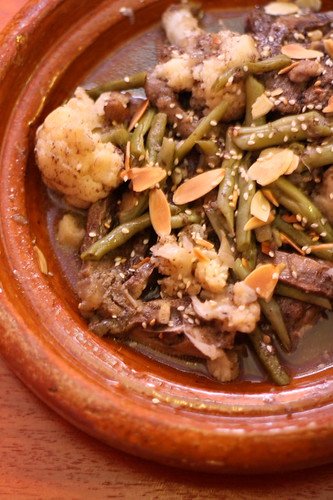
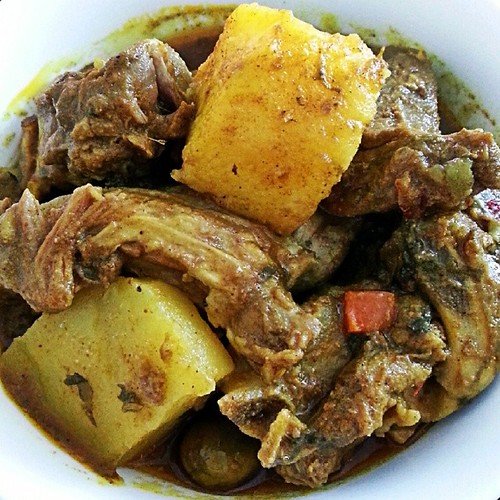
Lamb tagine, a traditional Moroccan dish, is a harmonious composition of various textures that elevate the culinary experience. The centerpiece of this dish, slow-cooked lamb, showcases remarkable tenderness. This succulence is achieved through the methodical cooking process, wherein the lamb is simmered over low heat for several hours. This meticulous preparation breaks down the fibers of the meat, resulting in a melt-in-the-mouth quality that is both comforting and satisfying. The use of spices and moisture-rich ingredients contributes to a succulent texture, enhancing the enjoyment of this rich dish.
Furthermore, the vegetables included in lamb tagine play a crucial role in its textural complexity. Commonly used vegetables such as carrots, potatoes, and bell peppers undergo a gentle cooking process that renders them soft yet retains a bit of bite. This slight firmness juxtaposes the tenderness of the lamb, creating a balance that excites the palate. The inclusion of aromatic herbs, like cilantro and parsley, also adds to the dish’s texture, introducing a fresh, slightly crunchy element that invigorates each bite.
To heighten the sensory experience, many versions of lamb tagine incorporate nuts and dried fruits, such as almonds, apricots, or raisins. These ingredients bring additional textures that contrast with the softness of the lamb and vegetables. The crunchiness of toasted nuts provides a delightful counterpoint to the soft and tender components of the dish, while the chewy dried fruits introduce a burst of sweetness. Together, these elements contribute to a multi-layered mouthfeel, transforming lamb tagine into a texturally dynamic meal that captivates the senses.
Visual Appeal of Lamb Tagine
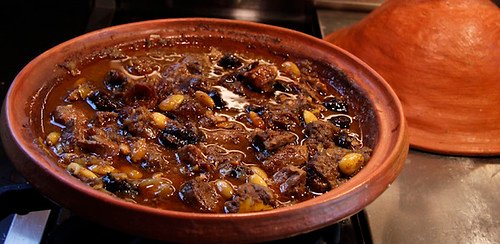
Lamb tagine, a cornerstone of Moroccan cuisine, is not only known for its rich flavors but also for its striking visual appeal. The aesthetic quality of this dish plays a significant role in its overall enjoyment, enticing both the eyes and the palate before the first bite is taken. The vibrant colors characteristic of lamb tagine contribute to its allure, often showcasing deep reds, lush greens, and sunny yellows. These colors are not mere decoration but rather essential components that stimulate the visual appetite and create a mouthwatering presentation.
The base of the tagine typically features tender lamb that is simmered to perfection, emitting a warm, reddish-brown hue that is enhanced by the addition of various spices. Aromatic spices such as cumin and cinnamon lend their warmth to the dish, while complementary ingredients, such as dried apricots and olives, introduce contrasting colors. The absorption of spices into the meat results in a visually stunning dish with depth and character.
An essential aspect of the lamb tagine’s visual appeal comes from an array of fresh herbs and spices used as garnishes. Fresh cilantro and parsley, with their rich green tones, are often sprinkled atop the dish, providing a refreshing contrast that elevates its presentation. The inclusion of toasted nuts, such as almonds, not only adds texture but also introduces a delightful richness that enhances the overall visual landscape.
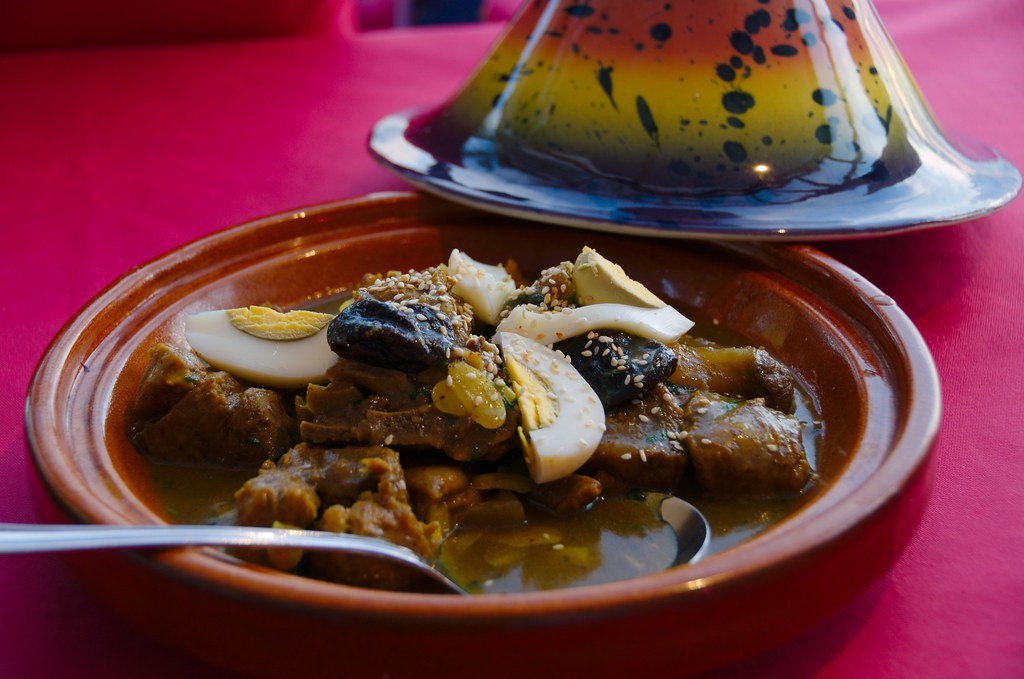
Furthermore, the serving vessel, typically a traditional conical tagine pot, adds to the dish’s charm. The pot itself is often beautifully decorated, reinforcing the cultural significance of the meal. The combination of colors and textures in lamb tagine illuminates the plate, inviting diners to partake in an experience that tantalizes both the senses and the imagination.
Appearance of the Dishes
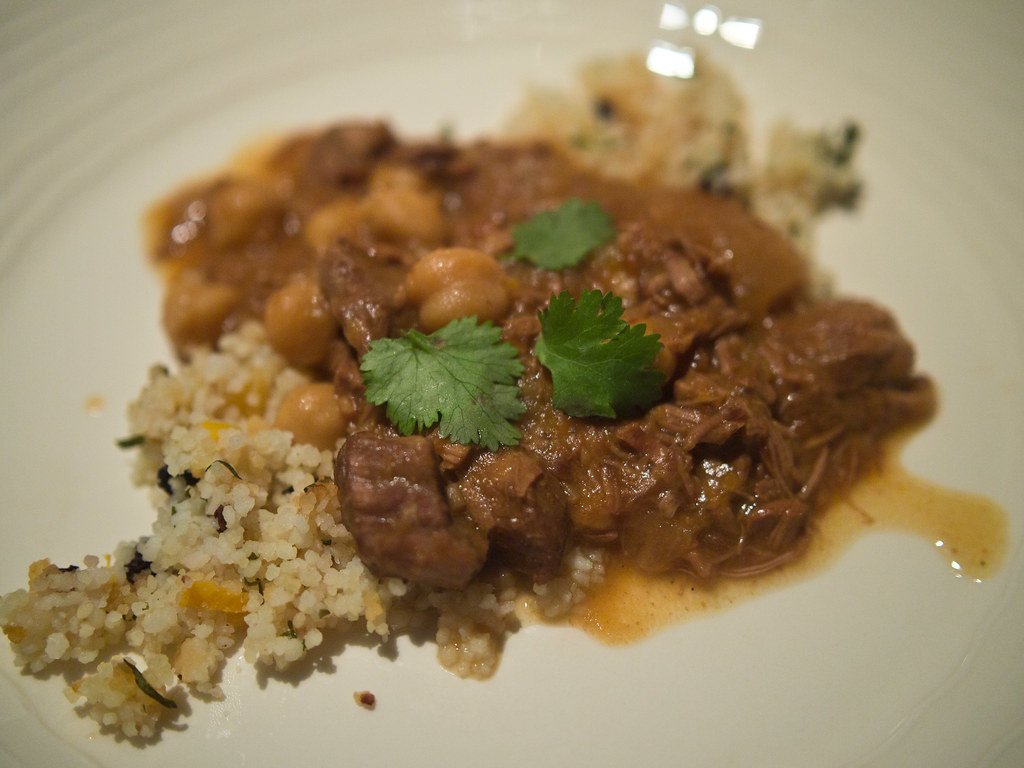
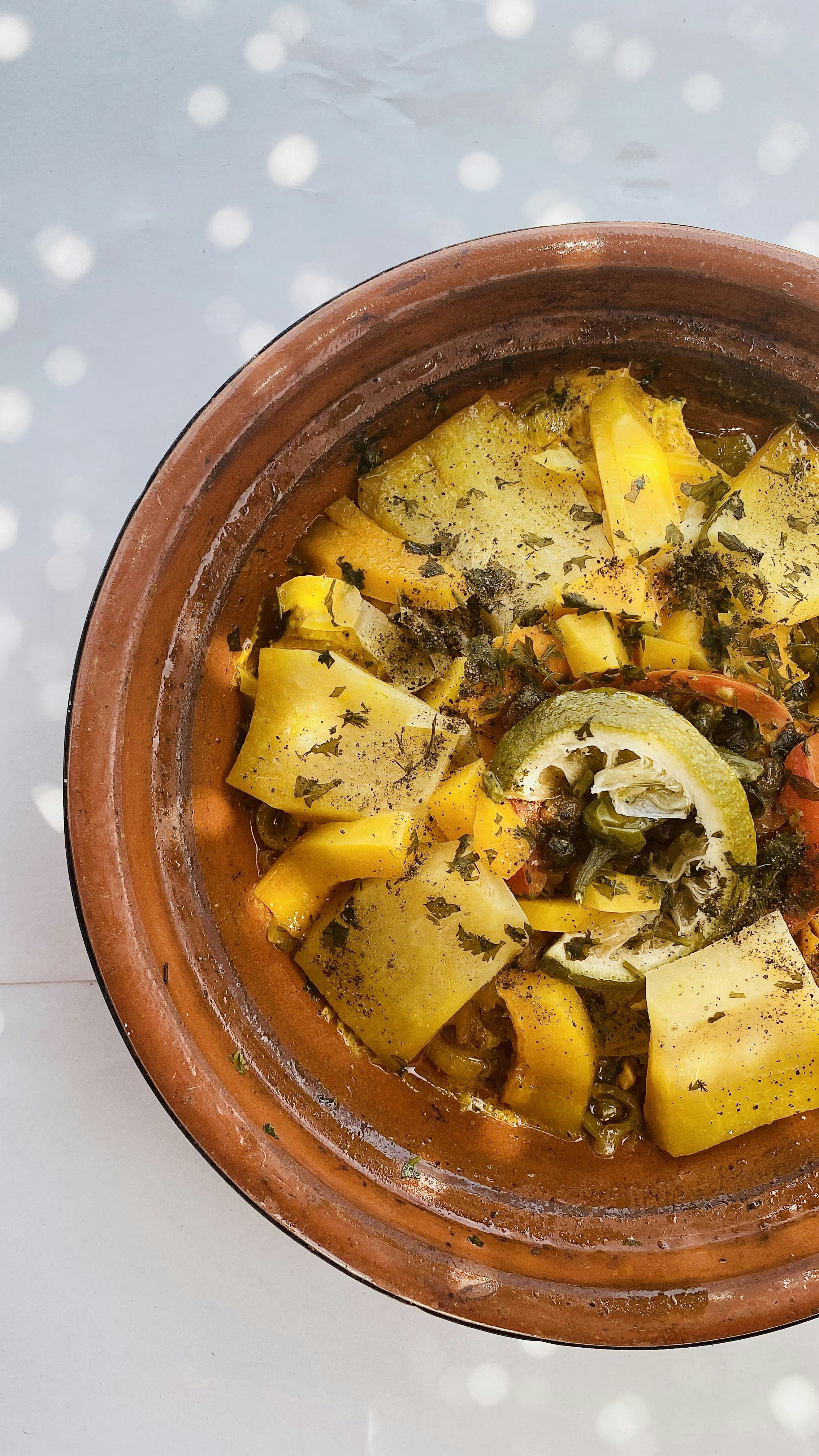
The presentation of lamb tagine is as important as its flavor, and this begins with the unique vessel traditionally employed for cooking and serving this Moroccan dish: the tagine pot. Crafted from clay, a tagine pot possesses a distinctive shape characterized by its wide, shallow base and a tall, conical lid. This design is not merely for aesthetics but is integral to the cooking process itself. The conical lid promotes the circulation of steam, allowing the dish to cook evenly while retaining moisture. Thus, the appearance of a tagine reflects both functionality and tradition.
The earthy tones of the clay, often adorned with intricate hand-painted designs, evoke a sense of authenticity and connection to the cultural roots of the cuisine. The vibrant colors of the ingredients, including tender lamb, aromatic spices, and fresh vegetables, contrast beautifully against the muted hues of the pot, creating a visually appealing dish. When served, the tagine pot becomes a centerpiece, immediately drawing attention and stimulating the appetite of those gathered around the table.
The visual impact of lamb tagine extends beyond its vessel; it influences the overall dining experience. The communal aspect of sharing a dish from the tagine itself fosters a sense of togetherness, inviting diners to engage in conversation and connection. As guests gather around the table, the mere sight of the beautifully presented tagine garners anticipation for the flavors that await, enriching the meal’s emotional significance. A well-displayed lamb tagine not only satisfies the palate but also delights the senses, setting a warm and inviting mood for the entire dining experience.
Plating Techniques for Lamb Tagine
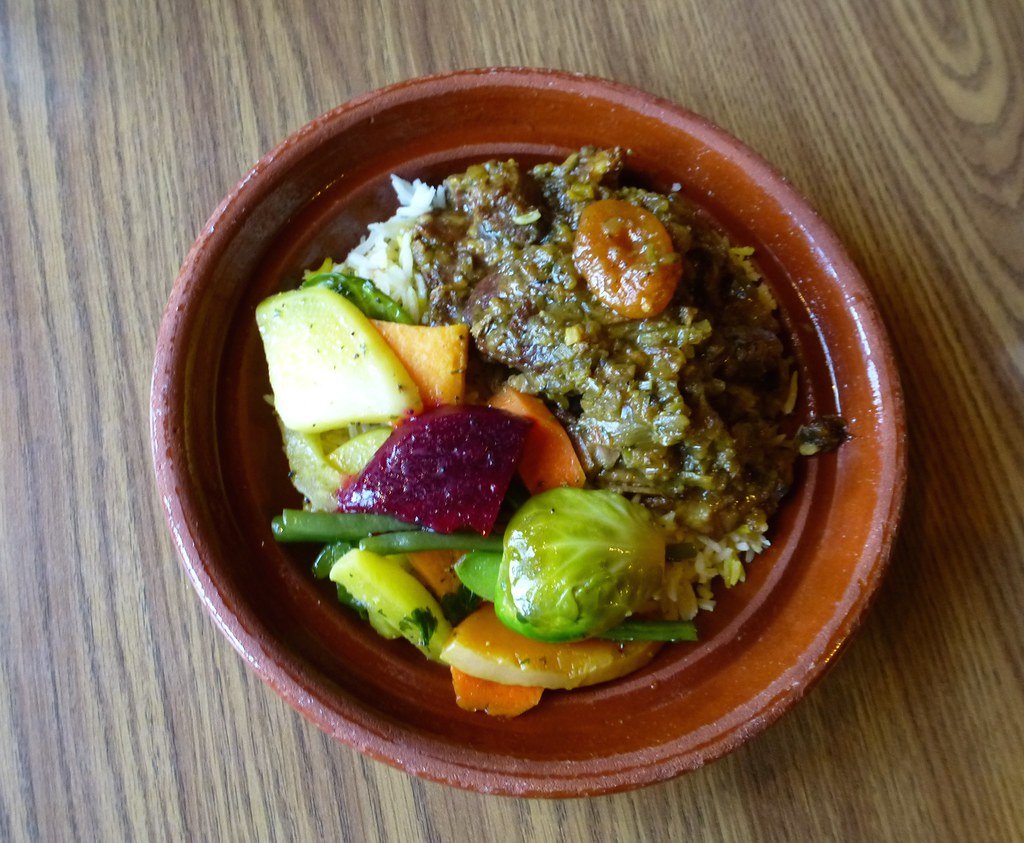
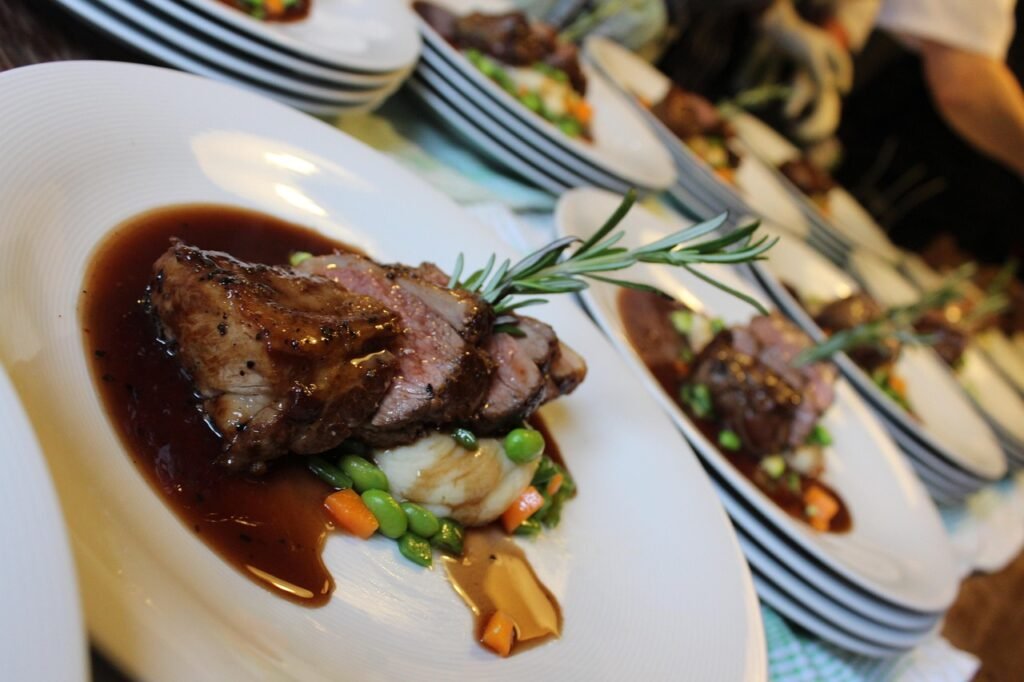
Presenting lamb tagine in a visually appealing way is an art that enhances the dining experience. The plate serves not only as a canvas but also as a platform to highlight the rich flavors and colors of this traditional Moroccan dish. A contemporary approach to plating lamb tagine involves careful consideration of both arrangement and color contrast. The main components, including the tender chunks of lamb and the aromatic vegetables, should be positioned at the center of the plate to create a focal point. The use of wide, shallow plates or deep bowls is effective, as it allows for a more dynamic presentation.
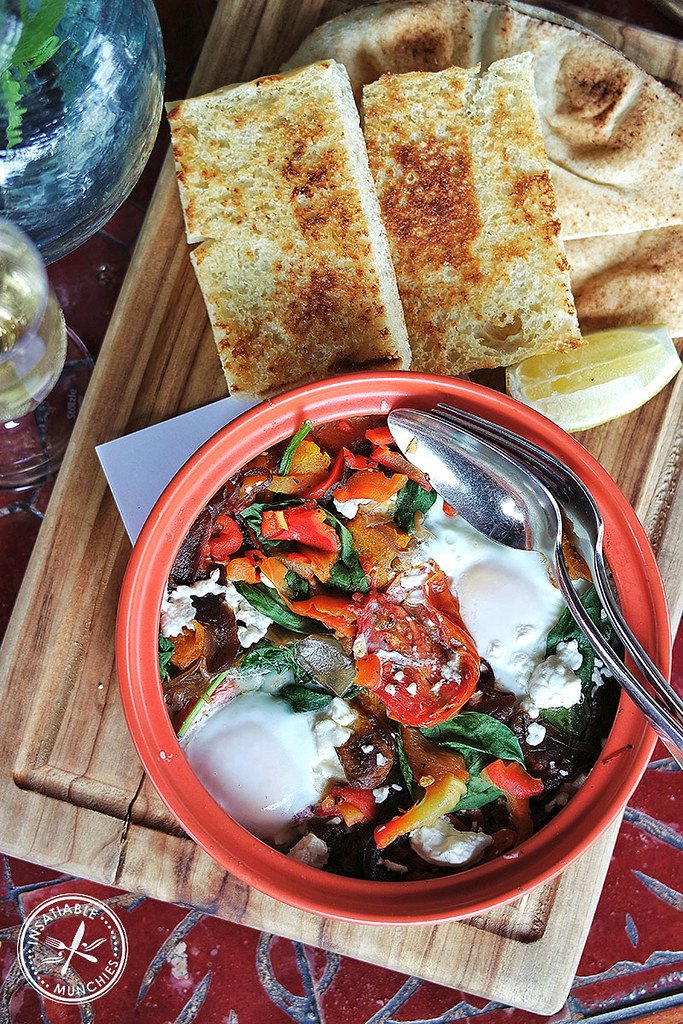
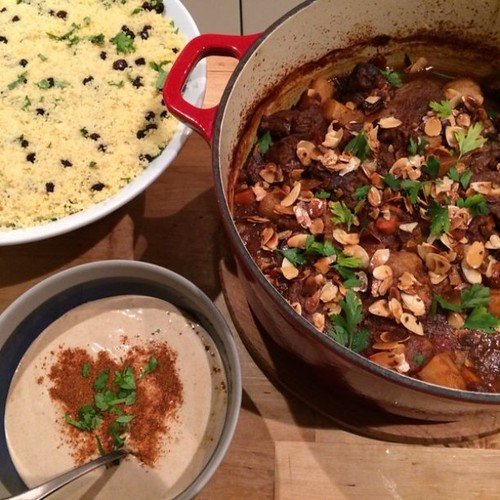
To complement the lamb tagine, a side of fluffy couscous or crusty bread can be elegantly arranged. Couscous, often served in a small mound or demurely spread along one side of the plate, offers a neutral base that balances the vibrant flavors of the tagine. Alternatively, freshly baked bread can be stacked or placed alongside the tagine, inviting diners to dip and savor the rich sauce. Utilizing a variety of textures in the presentation can enhance visual appeal; consider offering crispy, fried vegetables or colorful pickled elements to provide contrast.
Garnishes play a pivotal role in elevating the presentation of lamb tagine. Fresh herbs such as cilantro or parsley can be finely chopped and sprinkled atop the dish, adding a burst of freshness and color. Additionally, a drizzle of spiced olive oil or a sprinkle of toasted nuts can create a captivating visual effect. As colors contrast, such as the earthy tones of the lamb against the bright greens and yellows of the garnish, it invites admiration from diners.
In the realm of modern gastronomy, the aesthetic appeal of a dish like lamb tagine cannot be overlooked. A thoughtful presentation not only enhances the sensory experience but also pays homage to the rich cultural heritage of the cuisine. Chefs have the opportunity to redefine and modernize traditional plating techniques, making it possible to present lamb tagine with both elegance and creativity, ensuring that it captivates the eyes as much as it delights the palate.
Pairing Suggestions
When it comes to enjoying lamb tagine, the selection of complementary beverages is as important as the dish itself. The rich, aromatic flavors of lamb tagine, characterized by its blend of spices, dried fruits, and tender meat, create an opportunity for pairing with various drinks that highlight these elements and enhance the overall culinary experience.
Traditional Moroccan mint tea stands out as a quintessential beverage to serve alongside lamb tagine. The vibrant, fresh mint elevates the dish’s flavors while providing a refreshing contrast to the richness of the lamb. Often sweetened, the tea adds an extra layer of complexity, balancing the spice with its sweetness. Serving mint tea in ornate glasses not only enchants the senses but also showcases the cultural significance of this beverage within Moroccan hospitality.
For those inclined towards wine, there are several options that harmonize beautifully with lamb tagine. A full-bodied red wine, such as a Syrah or Grenache, can beautifully accompany the dish. These wines typically possess fruity and spicy notes that mirror the flavors found in lamb tagine. Alternatively, a dry rosé can provide a refreshing accompaniment, especially during warmer weather. The acidity of rosé cuts through the richness of the lamb, enhancing the overall palate experience.
Additionally, for a non-alcoholic option, consider offering pomegranate juice. This beverage’s natural sweetness and slight tartness pair well with the flavors of the dish, echoing the culinary traditions found in Moroccan cuisine. Whichever beverage you choose, the key lies in finding something that complements the complex flavors of lamb tagine, creating a truly memorable dining experience.
Conclusion and Personal Reflection
Throughout this exploration of lamb tagine, we have delved into the intricate layers of flavor and cultural significance that this dish embodies. Originating from Morocco, lamb tagine is not merely a meal; it is a celebration of culinary artistry that brings together a harmony of spices, tender meat, and seasonal vegetables, all cooked slowly to enhance their natural flavors. As we have seen, the preparation of lamb tagine is an essential part of Moroccan culinary traditions, reflecting the region’s diverse influences and rich heritage.
The use of aromatic spices such as cumin, coriander, and cinnamon undoubtedly plays a crucial role in defining the dish’s unique character. These spices not only elevate the taste profile but also connect diners to Morocco’s vibrant culture. The method of cooking lamb tagine in a conical pot allows for the preservation of moisture and flavors, resulting in an exquisitely tender and juicy dish. It is a remarkable example of utilizing local resources and ancient techniques to create a meal that is both nourishing and soul-satisfying.
On a personal note, experiencing lamb tagine has been nothing short of delightful. The first bite transports one into a world of complex flavors and textures that dance harmoniously on the palate. Each element—from the succulent lamb to the eclectic blend of spices—reflects the heart and soul of Moroccan cuisine. This dish encourages food lovers to embrace culinary adventures, inviting them to step outside their comfort zones and indulge in the richness of different cultural environments. Embracing lamb tagine in your culinary repertoire not only enriches your dining experience but also fosters an appreciation for the diverse legacy that food embodies. Hence, I encourage each reader to embark on their own gastronomic journey by trying this extraordinary dish, whether through preparation at home or by visiting a local Moroccan restaurant. It is a journey worth undertaking.