
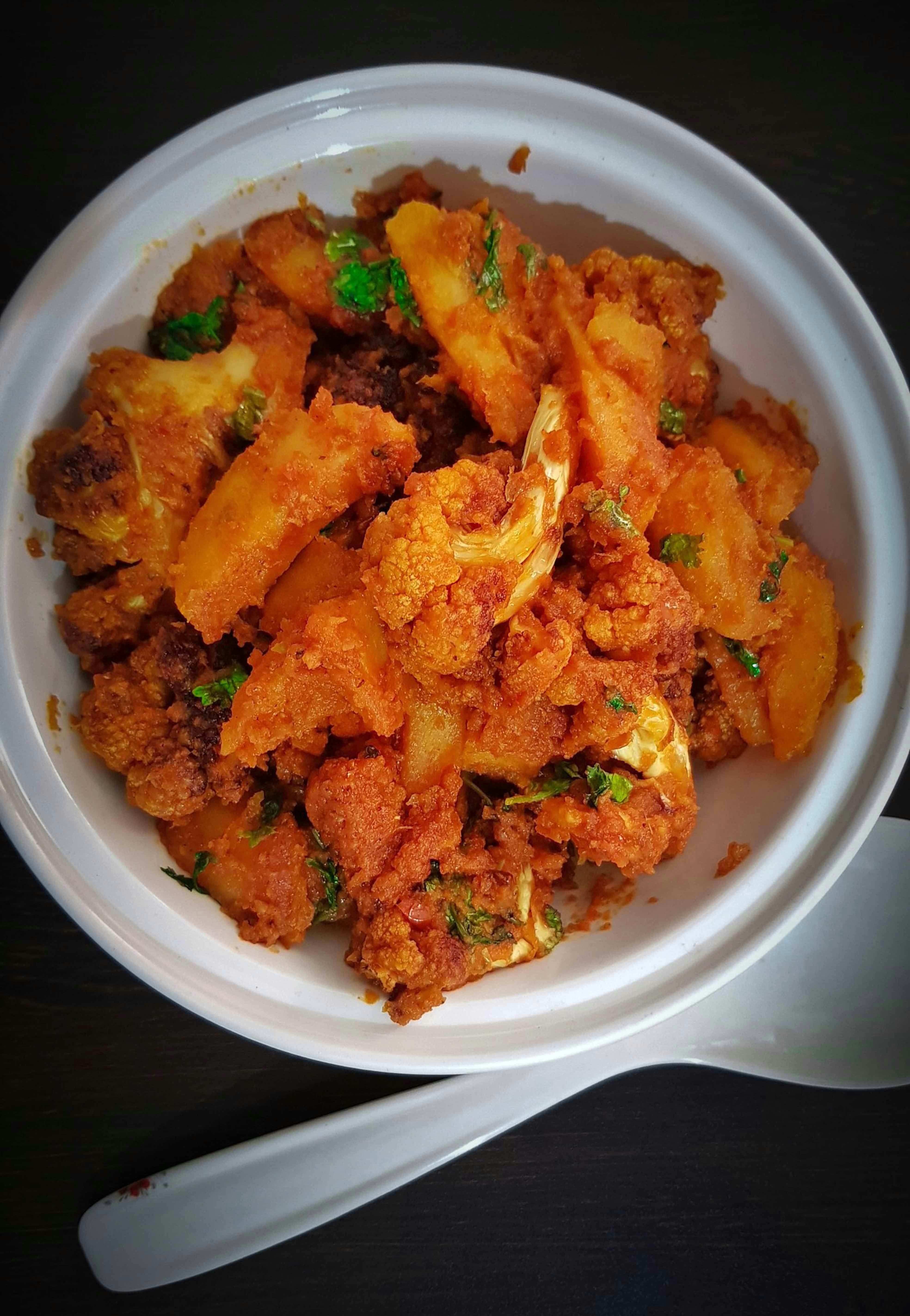
- Introduction to Aloo Gobi
- Origin and History of Aloo Gobi
- Cultural Significance of Aloo Gobi
- Unique Flavors and Textures
- Visual Appeal and Appearance of the Dish
- Plating Techniques for Aloo Gobi
- Variations of Aloo Gobi Across Regions
- Cooking Tips for Perfect Aloo Gobi
- Conclusion: The Enduring Appeal of Aloo Gobi
Introduction to Aloo Gobi
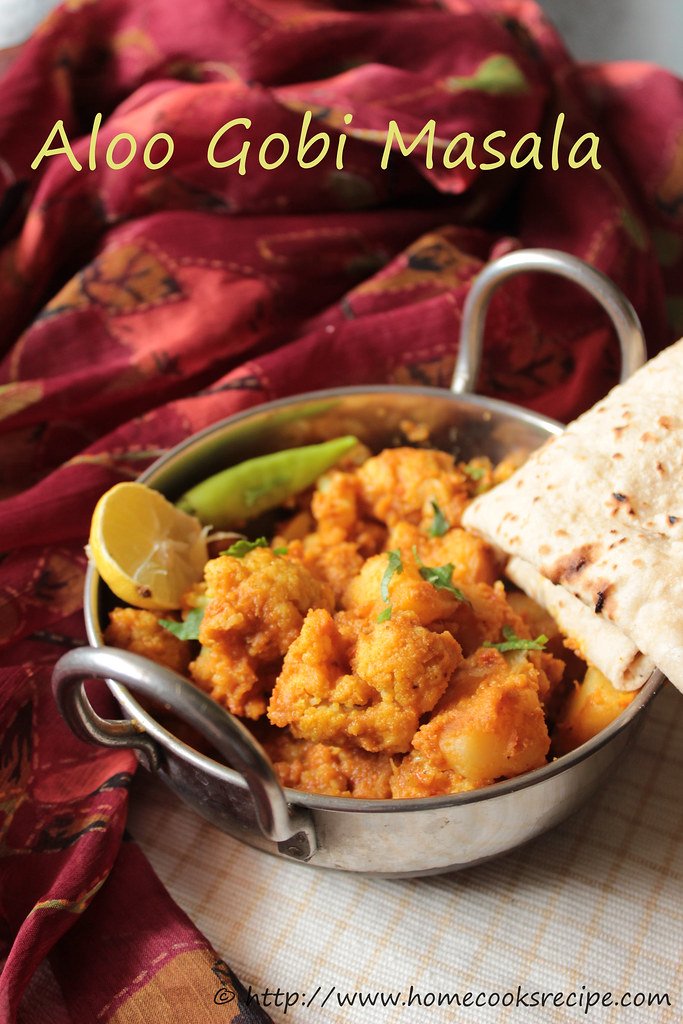
Aloo Gobi is a classic dish that beautifully represents the rich tapestry of Indian cuisine. This vegetarian delight primarily consists of two main ingredients: potatoes, known as “aloo” in Hindi, and cauliflower, referred to as “gobi.” The combination of these vegetables provides a delightful texture and flavor profile, making Aloo Gobi a beloved staple in many households across India and beyond.
The dish is characterized by its vibrant yellow hue, which is typically achieved through the use of turmeric, among other spices. Additional seasonings like cumin, coriander, and garam masala enhance its aromatic qualities, while green chilies can be added for a spicy kick. Beyond its flavor, Aloo Gobi is also celebrated for its nutritional benefits, as it incorporates vegetables that are low in calories yet high in essential nutrients, making it a healthy choice for many.
In the upcoming sections, we will delve deeper into the origins of Aloo Gobi, exploring its historical significance and regional variations that contribute to its status in culinary traditions. Each region in India boasts its own unique twist on this dish, allowing food enthusiasts to appreciate a variety of flavors and cooking techniques that have evolved over generations.
Origin and History of Aloo Gobi

Aloo Gobi, a popular vegetarian dish in Indian cuisine, has a rich history that reflects the cultural diversity of the subcontinent. This dish, primarily featuring potatoes (aloo) and cauliflower (gobi), is believed to have its roots in North India, where it has been enjoyed for centuries. Both ingredients have long been staples in Indian households, and their combination in Aloo Gobi offers a nutritious and flavorful option that has evolved over time.
Historically, the origins of this dish can be traced to the Mughal era, where various spices and culinary techniques were introduced to Indian kitchens. The simplicity of Aloo Gobi allowed it to adapt to regional variations, with each area contributing its unique spices and cooking methods. For example, in Punjab, it is often seasoned with mustard seeds and turmeric, while in Rajasthan, it may include a hint of red chili and garlic. These regional adaptations have helped Aloo Gobi become a common feature across Indian dining tables, transcending geographic and cultural boundaries.
Traditional methods of preparation include sautéing the vegetables with spices, often cooked in a karahi or a heavy-bottomed pan to ensure even heating. Over time, recipes for Aloo Gobi have been passed down from one generation to the next, becoming a cherished family dish. Folklore associated with Aloo Gobi emphasizes its role in community gatherings and festivals, where it is often served alongside other dishes, symbolizing hospitality and friendship.
This cultural importance is reflected in the popularity of Aloo Gobi in many Indian restaurants around the world, where it serves as a gateway for those unfamiliar with Indian cuisine. Its ability to please diverse palates and cater to vegetarian diets further solidifies its place in the culinary history of India, revealing a story of tradition, adaptation, and unity through food.
Cultural Significance of Aloo Gobi
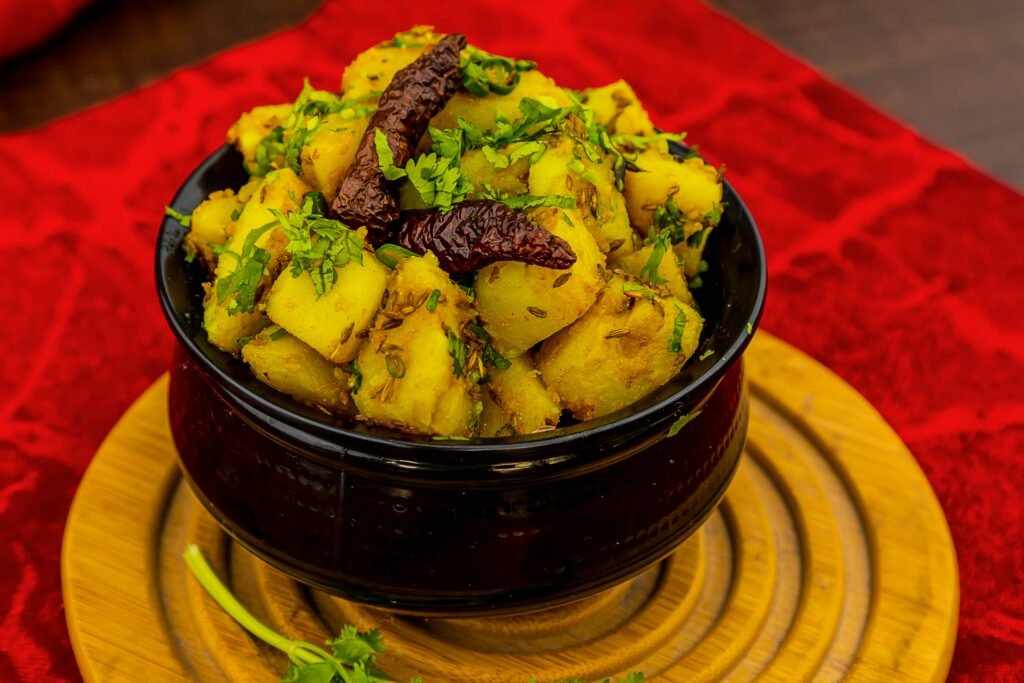
Aloo Gobi, a vibrant dish made from potatoes (aloo) and cauliflower (gobi), holds a significant place in Indian cuisine and culture. This dish is not merely a staple; it represents the heart of many Indian households, exemplifying the essence of home-cooked meals. Often prepared with a blend of spices that tantalize the palate, Aloo Gobi showcases the fusion of flavors and nourishment that characterizes traditional Indian cooking. It is a key feature of vegetarian diets prevalent in India, catering to a large segment of the population that adheres to vegetarianism for cultural, religious, or personal reasons.
The dish is frequently served during family gatherings and daily meals, reflecting its role as a comfort food that brings familiarity and warmth. Moreover, Aloo Gobi plays an essential role during various festivals and celebrations, where it is commonly featured on menus, symbolizing abundance and hospitality. At events such as Diwali and weddings, this dish stands out alongside other traditional fare, reinforcing bond among families and communities. Its presence signifies a sense of togetherness and continuity in cultural traditions, often enjoyed in a communal setting where sharing food fosters social connections.
This humble yet flavorful dish also carries symbolic meanings, often representing unity and love among those who partake in it. In many Indian rituals and practices, the act of sharing Aloo Gobi can symbolize the sharing of joys and sorrows, highlighting its importance beyond mere sustenance. Additionally, for many families, recipes of Aloo Gobi are passed down through generations, thereby enriching the cultural tapestry associated with this dish. It becomes a part of collective memory, enhancing its meaning within family histories and community identities. Aloo Gobi, thus, stands as a testament to the role of food in culture, embodying tradition, togetherness, and the nurturing spirit of home-cooked meals.
Unique Flavors and Textures
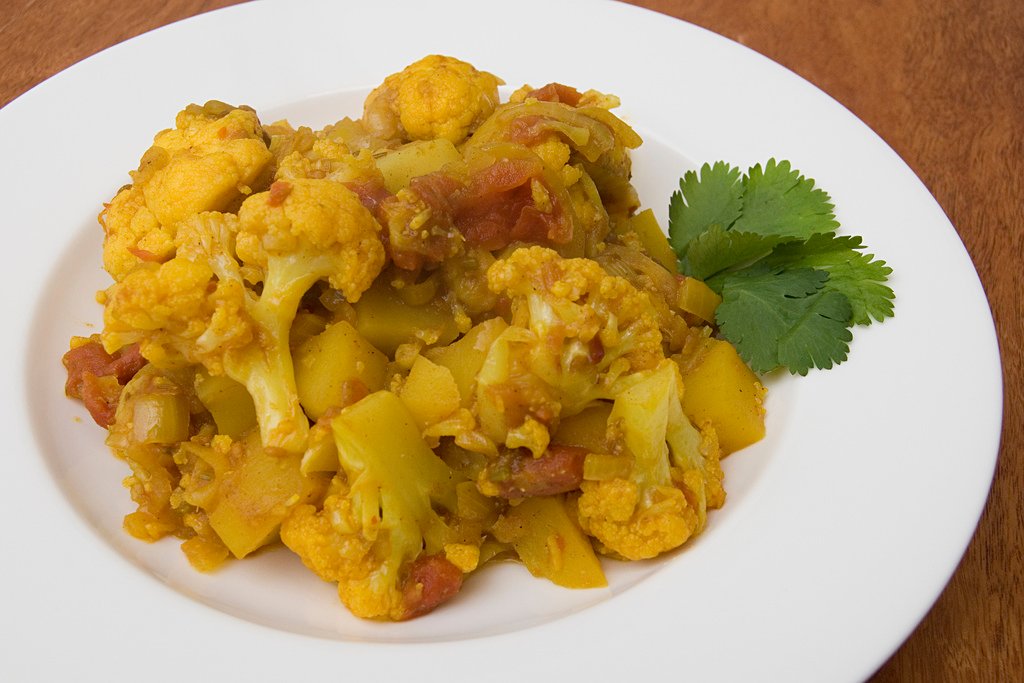
Aloo Gobi, a beloved dish in Indian cuisine, exemplifies the delightful interplay of flavors and textures that contribute to its popularity. At the heart of this dish are two main ingredients: potatoes and cauliflower. The potatoes introduce a natural sweetness that pairs exceptionally well with the slightly nutty and earthy flavor profile of cauliflower. This combination sets the stage for an appealing culinary experience where each bite offers a unique sensation.
The preparation of Aloo Gobi typically involves a careful selection of spices that enhance the dish’s overall flavor. Cumin is a staple in this recipe, providing a warm and aromatic undertone that accentuates the sweetness of the potatoes. Turmeric adds not only a vibrant yellow hue but also a distinct, slightly bitter taste that balances the comforting notes of the potatoes. Similarly, coriander contributes a refreshing citrusy flavor, bringing brightness to the dish and complementing the nuttiness of the cauliflower.
The texture of Aloo Gobi plays a crucial role in its enjoyment. The tender yet firm bite of cooked potatoes contrasts beautifully with the softened florets of cauliflower. This combination creates a satisfying mouthfeel that invites multiple servings. Cooking methods can vary but generally involve sautéing the vegetables, allowing them to absorb the spices fully while retaining their inherent textures. The final presentation often sees the dish garnished with fresh cilantro, which introduces a crisp texture that counterpoints the softness of the main ingredients.
Overall, Aloo Gobi is a masterclass in balancing flavors and textures. The harmonious blend of sweet, nutty, and earthy elements makes it a comforting dish that remains exciting to the palate, ensuring its place as a favorite among many.
Visual Appeal and Appearance of the Dish
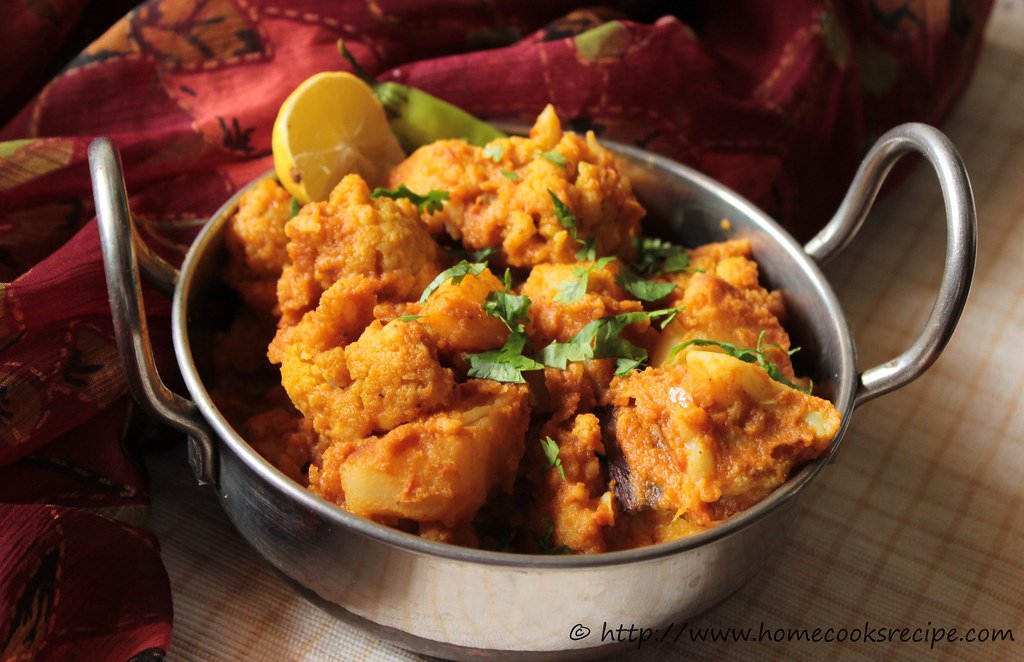
Aloo Gobi is not just a delight for the palate, but also for the eyes. The dish is characterized by its vibrant golden-yellow hue, which is predominantly attributed to the generous use of turmeric. This spice not only imparts a warm, inviting color but also contributes health benefits, such as anti-inflammatory properties. The interplay of colors in Aloo Gobi is striking; the yellow of the turmeric contrasts beautifully against the pale cream of the cauliflower and the earthy tones of the potatoes. This vivid color palette makes the dish visually appealing and inviting, arousing the senses even before the first bite.
The shape and texture of the ingredients further enhance the dish’s overall appearance. The florets of cauliflower, when cooked, exhibit a tender yet firm texture, allowing them to hold their shape while absorbing the flavors of the spices. The potato pieces, diced into appropriate sizes, provide a contrasting softness, lending an appealing variety in texture. This combination of ingredients creates a pleasing visual mosaic on the plate, making Aloo Gobi a centerpiece of any meal.
In addition to the inherent colors and shapes of the ingredients, garnishing can play a critical role in enhancing the aesthetics of Aloo Gobi. Fresh cilantro leaves or a sprinkle of garam masala can add a touch of green, further brightening the dish’s palette. Indian meals often encourage the use of colors to make the dining experience more exciting. As a result, the visual appeal of Aloo Gobi not only elevates its presentation but also sets the stage for an enjoyable culinary experience. The dish, thus, serves as a testament to how appearance can influence one’s anticipation and enjoyment of food.
Plating Techniques for Aloo Gobi
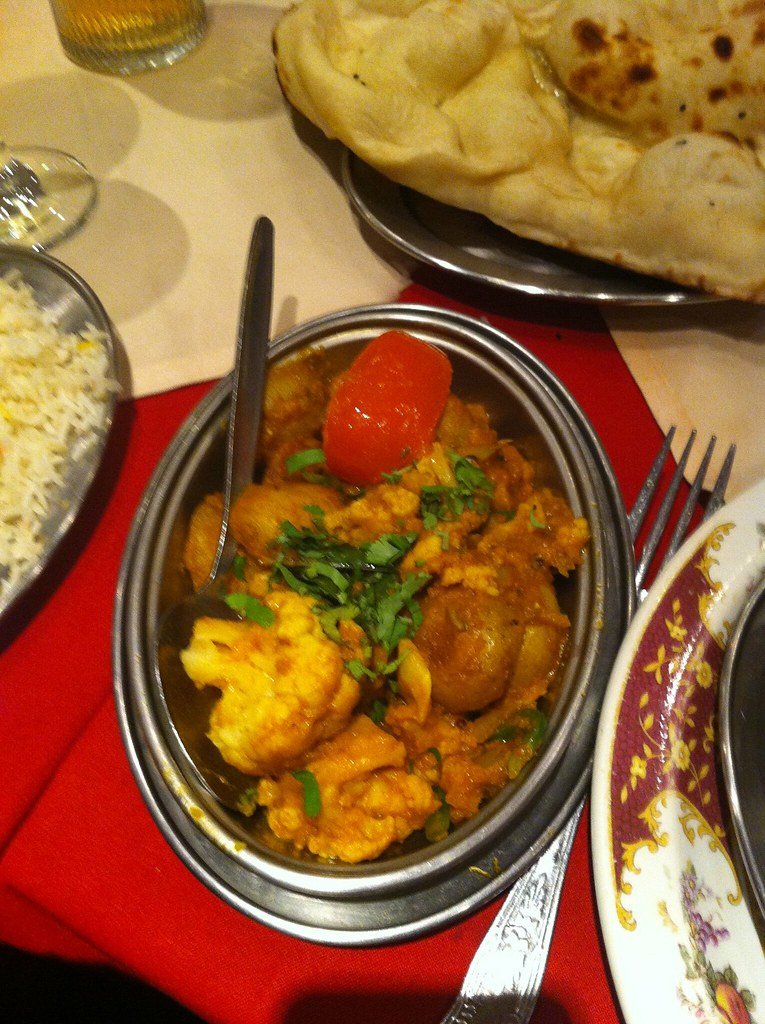
Presenting Aloo Gobi in an appealing manner can elevate the dining experience significantly. The combination of vibrant yellow from the turmeric and the greens from the cilantro can create a visually striking dish. To start, choose the appropriate dishware; a white plate often works best to make the colors pop. Use a shallow bowl or a large plate to showcase the dish, allowing for ample space for garnishment and accompaniments.
When plating Aloo Gobi, portion control is essential. Serve a generous helping in the center of the plate, focusing on the arrangement of the potatoes and cauliflower. To enhance the presentation further, consider using a ring mold to create a tower effect, stacking the vegetables in an organized manner. This not only improves the aesthetic appeal but also allows diners to appreciate the ingredients’ textures more effectively.
Incorporating colorful side dishes can complement the celebration of flavors in Aloo Gobi. Vibrant accompaniments such as mixed vegetable raita or a simple cucumber salad provide contrast and freshness. For those who enjoy naan or rice, a small, well-placed scoop of fragrant basmati rice beside the Aloo Gobi can round out the plate beautifully. You may also drizzle a small amount of yogurt or a tangy tamarind chutney around the dish for an added flourish.
Garnishing is vital to achieving an inviting presentation. Fresh herbs, such as chopped cilantro or mint, can be sprinkled on top for a burst of color and flavor. Consider a squeeze of lime or lemon juice over the dish as a finishing touch that not only enhances flavor but also brightens the visual appeal. The goal is to create a plate that invites diners to dig into the Aloo Gobi while also appreciating the overall aesthetic of the meal, resulting in a more satisfying dining experience.
Variations of Aloo Gobi Across Regions

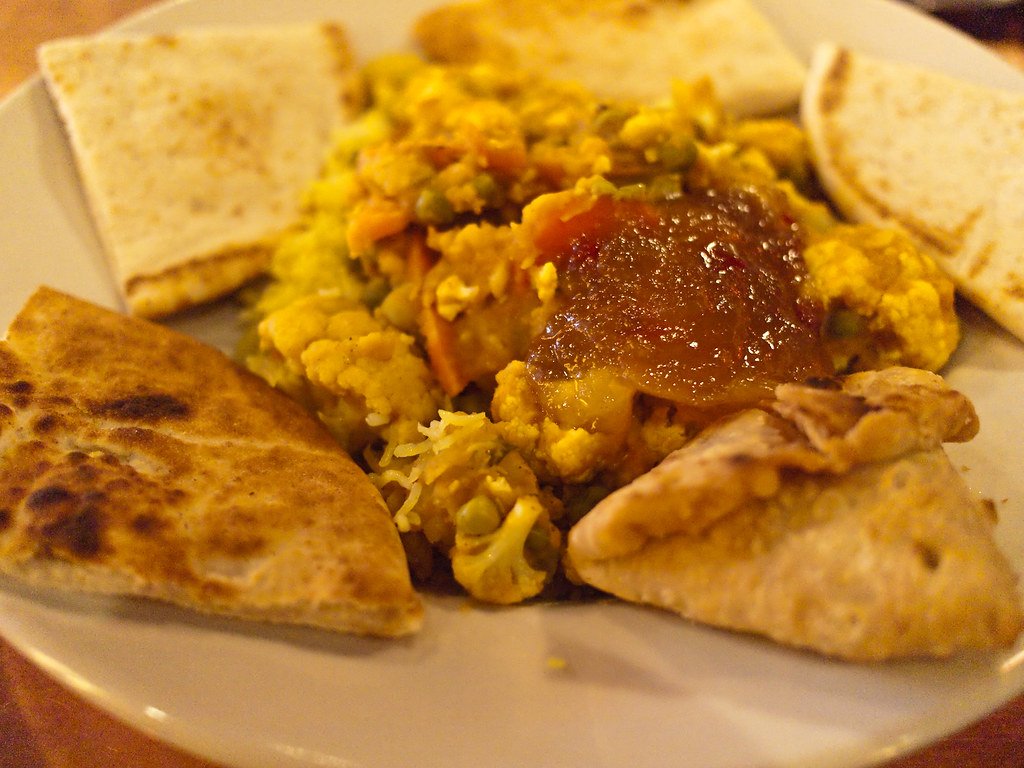
Aloo Gobi, the celebrated combination of potatoes (aloo) and cauliflower (gobi), showcases remarkable versatility, evolving distinctively across different regions. Each locality imbues this dish with its own unique flavors and preparations, significantly influenced by local spices and available ingredients. For instance, in North India, particularly in Punjab, Aloo Gobi is typically prepared with a blend of turmeric, cumin, and sometimes garam masala, lending it a robust flavor profile. This preparation is often accompanied by traditional Indian flatbreads such as roti or paratha.
In contrast, a South Indian rendition may incorporate mustard seeds and curry leaves, imparting a subtle warmth and aroma. The differences in spice usage highlight how regional tastes can modify even the simplest of recipes. Furthermore, some coastal areas may introduce coconut or tamarind, creating a distinctly tropical variation of Aloo Gobi that reflects the local culinary heritage.
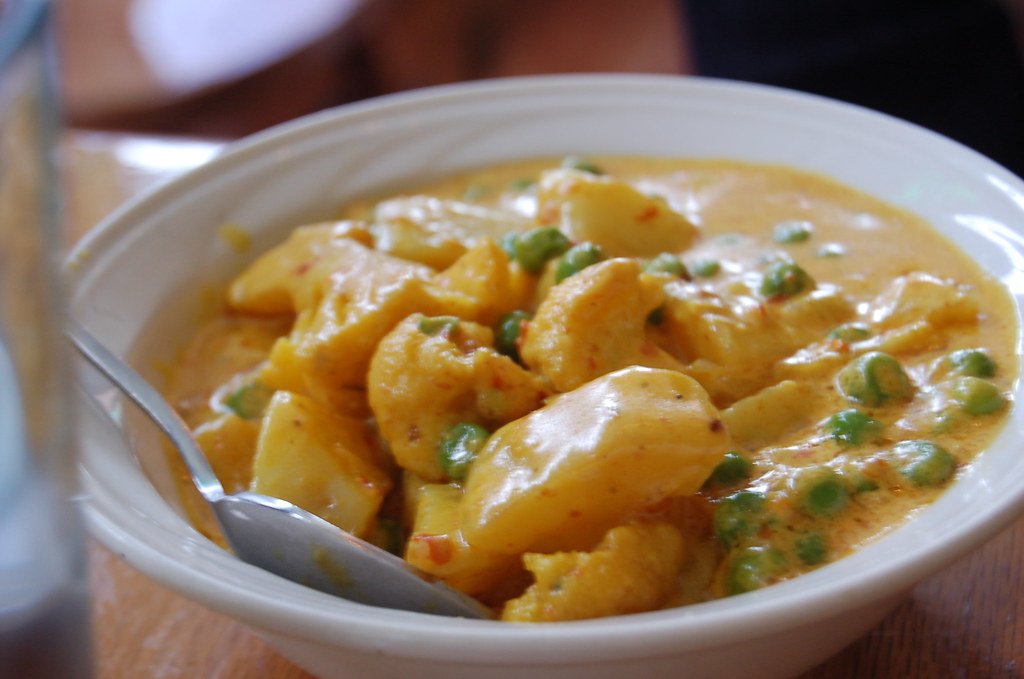
Vegetarian and vegan adaptations of Aloo Gobi are widespread, given the dish’s inherent compatibility with plant-based diets. Many recipes replace dairy ingredients with coconut milk or nut-based cream to achieve a rich texture without compromising on flavor. Additionally, innovative twists on the classic dish have emerged, such as Aloo Gobi tacos in fusion cuisines, combining traditional Indian flavors with global presentation styles. These inventive interpretations showcase the endless possibilities for Aloo Gobi, bridging cultural divides while honoring its roots.
As globalization spreads culinary trends, Aloo Gobi continues to inspire home cooks and professional chefs alike, offering an array of adaptations that cater to diverse palates. This evolution not only celebrates its traditional essence but also invites individuals from various backgrounds to explore and enjoy this beloved dish in new and exciting ways.
Cooking Tips for Perfect Aloo Gobi
Preparing the perfect Aloo Gobi involves several key elements that can elevate this dish from ordinary to exceptional. First and foremost, choosing the right ingredients is crucial. Opt for fresh, firm potatoes and vibrant, fresh cauliflower. The quality of these vegetables will directly affect the final outcome, so sourcing them from a local market or farmer’s market can make a significant difference. Additionally, selecting the right spices and aromatics is essential; cumin seeds, turmeric, coriander powder, and garam masala work harmoniously together, imparting depth of flavor.
When it comes to cooking techniques, start by sautéing spices in oil before adding the vegetables. This method, known as tempering, helps to release essential oils from the spices, thus intensifying their flavors. It is important to cook the vegetables over medium heat to ensure even cooking while retaining their texture. Another tip is to cut the potatoes and cauliflower into uniform sizes, allowing for consistent cooking and avoiding any mushiness. The potatoes should ideally be slightly larger than the cauliflower, as they generally take longer to cook.
Timing is vital for achieving the ideal texture of Aloo Gobi. Begin by adding the potatoes first, allowing them to cook for several minutes before adding the cauliflower; this ensures both vegetables are cooked perfectly without one becoming overly soft. To retain a slight crunch in the cauliflower, consider adding it midway through the cooking process. Always taste as you go to adjust spices according to your preference, as the flavors will develop throughout the cooking. Lastly, watch for common pitfalls such as overcrowding the pan, which can cause steaming rather than sautéing, leading to a less flavorful dish.
By adhering to these essential cooking tips for Aloo Gobi, home cooks can achieve a delightful blend of flavors and textures that is both satisfying and memorable.
Conclusion: The Enduring Appeal of Aloo Gobi
As we reflect on the culinary journey of Aloo Gobi, it becomes evident that this dish is not merely a combination of potatoes and cauliflower; it represents a rich tapestry of cultural heritage that transcends geographical boundaries. Aloo Gobi, with its vibrant colors and aromatic spices, holds a prominent place in Indian cuisine while finding its way into kitchens worldwide. The versatility of this dish allows it to adapt to various dietary preferences and culinary styles, making it appealing to a broad audience.
The exploration of Aloo Gobi highlights the importance of understanding the origins and flavors that define it. Each ingredient—be it the earthy potatoes or the delicate cauliflower—contributes to a harmonious blend that offers both comfort and nutrition. The spices used, such as turmeric, cumin, and coriander, not only enhance the flavor profile but also serve to connect the dish to its historical roots. The preparation methods, whether traditional or modern, allow cooks to infuse their unique touch while paying homage to this classic dish.
Encouraging readers to engage with Aloo Gobi in their own kitchens is essential for appreciating its depth. Whether through a traditional recipe or a contemporary twist, experimenting with this dish fosters creativity and culinary exploration. By incorporating Aloo Gobi into meal planning, individuals can savor not just the taste but also the stories and traditions that accompany it. As we conclude our review, it’s clear that Aloo Gobi will continue to endear itself to those who seek both comforting nourishment and an appreciation of cultural diversity in food. Embracing Aloo Gobi means embracing a slice of history on a plate, inviting everyone to celebrate its enduring appeal.