
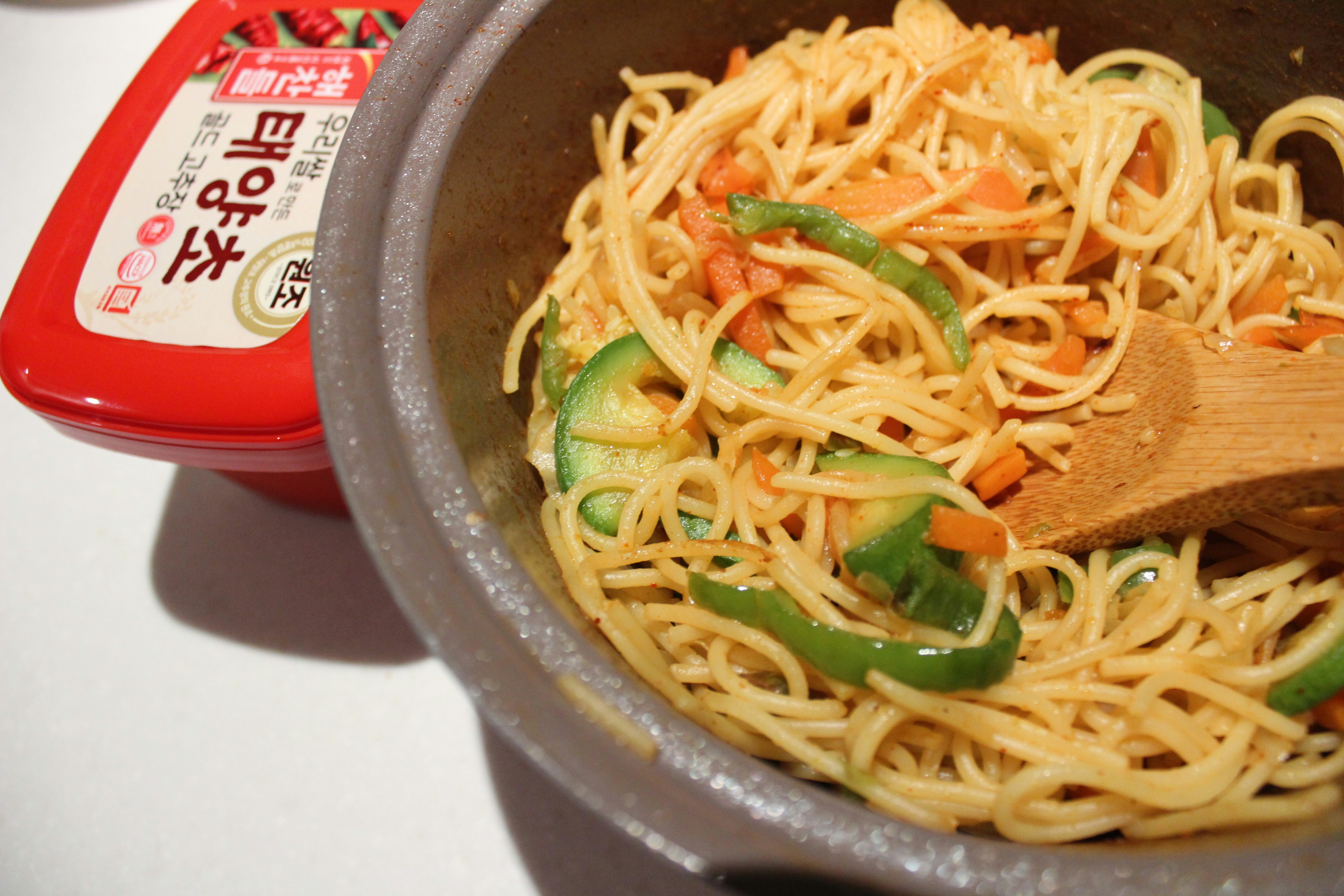
Introduction to Japchae
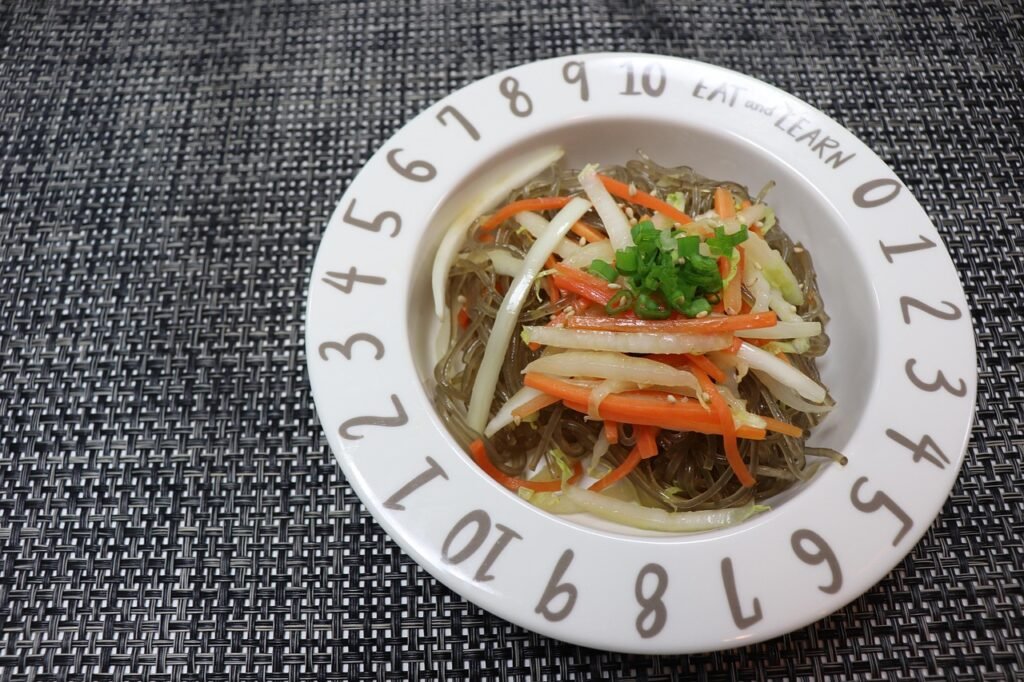
Japchae, a cherished dish in Korean cuisine, is a stir-fried noodle preparation that showcases the harmonious blend of flavors and textures intrinsic to this vibrant culinary tradition. Made primarily from sweet potato starch noodles, known as dangmyeon, japchae offers a unique, slightly chewy consistency that is highly regarded in various Korean meals. This traditional dish is typically stir-fried with an assortment of colorful vegetables, such as spinach, carrots, and bell peppers, which not only enhance its visual appeal but also contribute to its nutritional value.
The preparation of japchae often includes the addition of protein sources, such as beef, pork, or even tofu, making it a versatile option that can cater to various dietary preferences. The dish is seasoned with a blend of soy sauce, sesame oil, and garlic, creating a savory profile that complements the natural sweetness of the noodles. As a result, the interplay of ingredients in japchae creates a delightful balance that is both comforting and satisfying.
In this blog post, we will explore the fascinating history of japchae, its variations, and practical tips for preparing this delightful dish at home, allowing food enthusiasts to appreciate the intricate details that contribute to its status as a beloved culinary gem in Korea.
The Origins of Japchae
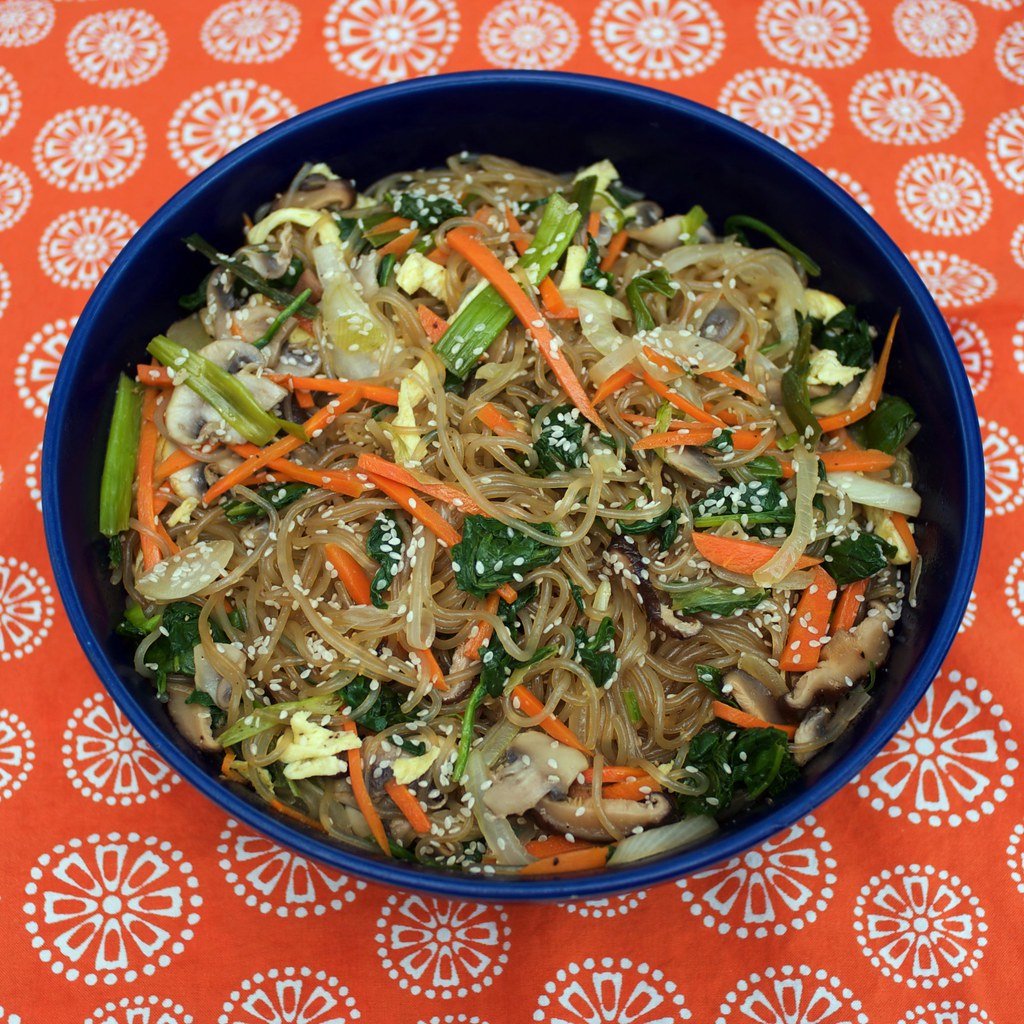
Japchae, known for its delightful combination of stir-fried noodles, vegetables, and often protein, has a rich history that dates back to the Joseon Dynasty (1392-1910) in Korea. Originally, the dish was created for a special royal feast, showcasing the sophistication and culinary artistry of the era. The name ‘japchae’ translates to ‘mixed vegetables,’ which reflects the traditional preparation method where various ingredients are harmonized together. Grain noodles made from sweet potato starch, known as dangmyeon, serve as the foundation of this dish, combining both texture and flavor.
Throughout its history, japchae has been closely associated with celebratory occasions. It was commonly served during birthdays, weddings, and important holidays such as Chuseok and Seollal, where families would gather to enjoy a festive feast. Its vibrant colors and delicate flavors made it a symbol of abundance and prosperity. Over time, as Korea underwent social and cultural transformations, japchae began to evolve, incorporating regional ingredients and variations that reflect local tastes. For instance, in some regions, the dish might include different types of vegetables or protein sources, such as beef, chicken, or tofu, catering to seasonal availability and dietary preferences.
In modern cuisine, japchae has transcended its royal origins and is now a beloved staple in both Korean households and restaurants around the world. It has gained popularity not just as a dish for special occasions, but as a versatile meal that can be enjoyed on any day. Its adaptability and appeal have led to international recognition, allowing this traditional Korean dish to find a place in diverse culinary landscapes. As a result, japchae continues to inspire chefs and home cooks alike, ensuring its legacy remains vibrant while inviting new interpretations.
Cultural Significance of Japchae
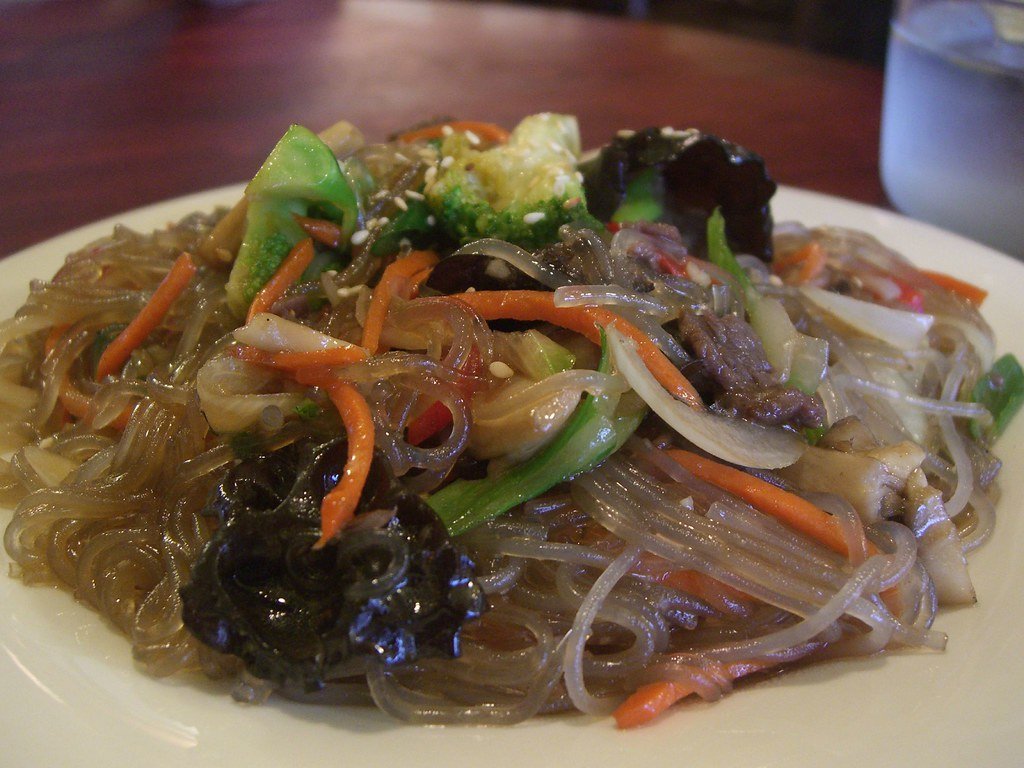
Japchae, a traditional Korean stir-fried noodle dish, holds a prominent place within the cultural tapestry of Korea. Its significance extends far beyond mere sustenance; it embodies a rich history and serves as a symbol of celebration and togetherness. Typically made with sweet potato noodles, assorted vegetables, and often a protein such as beef or tofu, japchae is not only flavorful but also visually appealing, making it a favored dish for various special occasions.
In Korean culture, japchae is commonly associated with significant life events such as birthdays and holidays. At birthday celebrations, particularly for children, it’s customary to prepare japchae as a mark of good wishes for health and prosperity. Similarly, during traditional Korean holidays like Chuseok, the harvest festival, families gather to prepare and enjoy japchae together, reinforcing the spirit of unity and gratitude for the bounty of the earth. This dish transcends mere nourishment; it is a conduit for familial bonds and community gatherings.
Moreover, japchae plays an important role in social events, where it is often served in large platters to foster sharing among guests. The communal nature of this dish enhances the overall dining experience, encouraging conversation and connection among friends and family. The act of sharing japchae at gatherings highlights Korean hospitality, where hosts take pride in offering plentiful amounts of food to their visitors, ensuring that everyone leaves with satisfied appetites.
Through its multi-faceted cultural significance, japchae represents more than just a meal; it serves as a reminder of the importance of family ties, shared experiences, and the cherished traditions that shape Korean identity. The dish’s ability to bring people together continues to make it a staple in both celebratory contexts and everyday family dining.
Unique Flavors of Japchae
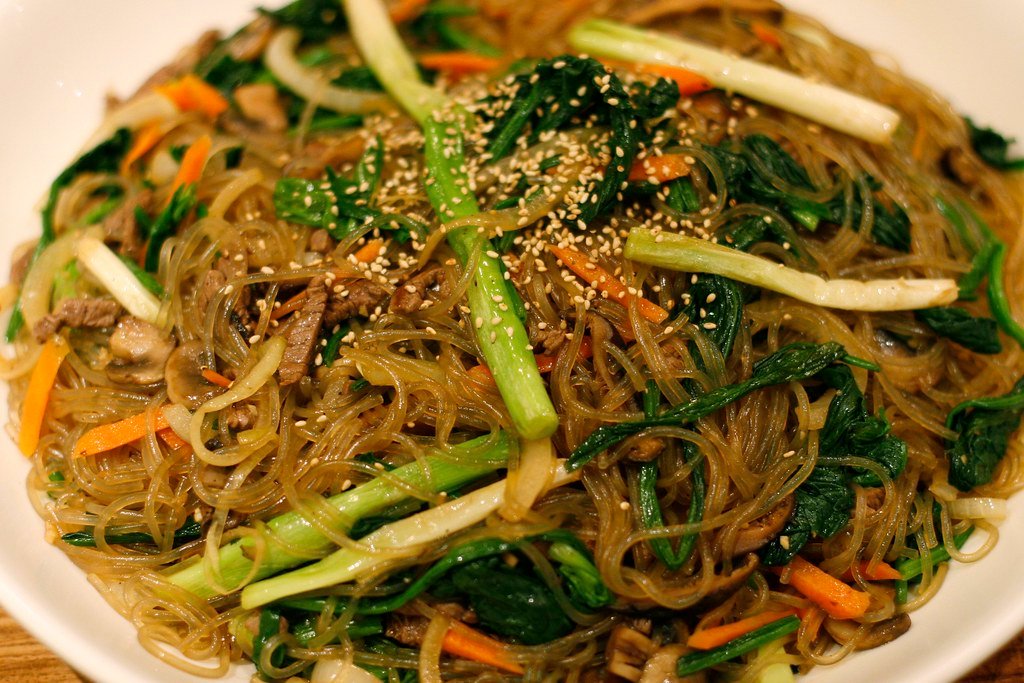
Japchae is a celebrated dish in Korean cuisine, known for its vibrant medley of flavors that reflects a harmonious balance between sweet and savory. The dish primarily consists of sweet potato glass noodles, which provide a delightful chewy texture. One of the defining attributes of japchae is its sauce, a rich concoction of soy sauce, sugar, and sesame oil, which contributes to its distinctive taste. The soy sauce imparts a deep umami flavor, while the sugar adds a subtle sweetness that enhances the overall appeal of the dish. This complex interplay of flavors is what makes japchae a standout option in Korean dining.
Moreover, the incorporation of a variety of vegetables, such as spinach, carrots, and bell peppers, elevates the taste profile even further. Each vegetable not only adds color and texture but also infuses the dish with its unique essence. For instance, the earthy flavor of spinach complements the sweetness, while the crunchy carrots introduce a fresh element that contrasts beautifully with the chewy noodles. Ingredients like shiitake mushrooms can also be included, adding an additional depth of flavor that enriches the entire experience of consuming japchae.
The choice of protein, whether beef, chicken, or a plant-based alternative, also plays a crucial role in the flavor composition. The marination of the protein in a mix of soy sauce and sesame oil enhances the savory notes, further complementing the seasoned vegetables and noodles. This careful balance of sweet, savory, and earthy flavors makes japchae not only a visually appealing dish but also a culinary delight that is satisfying on multiple taste levels. Overall, the unique flavors of japchae create a memorable dining experience, solidifying its status as a beloved staple in Korean cuisine.
Textures of the Dish
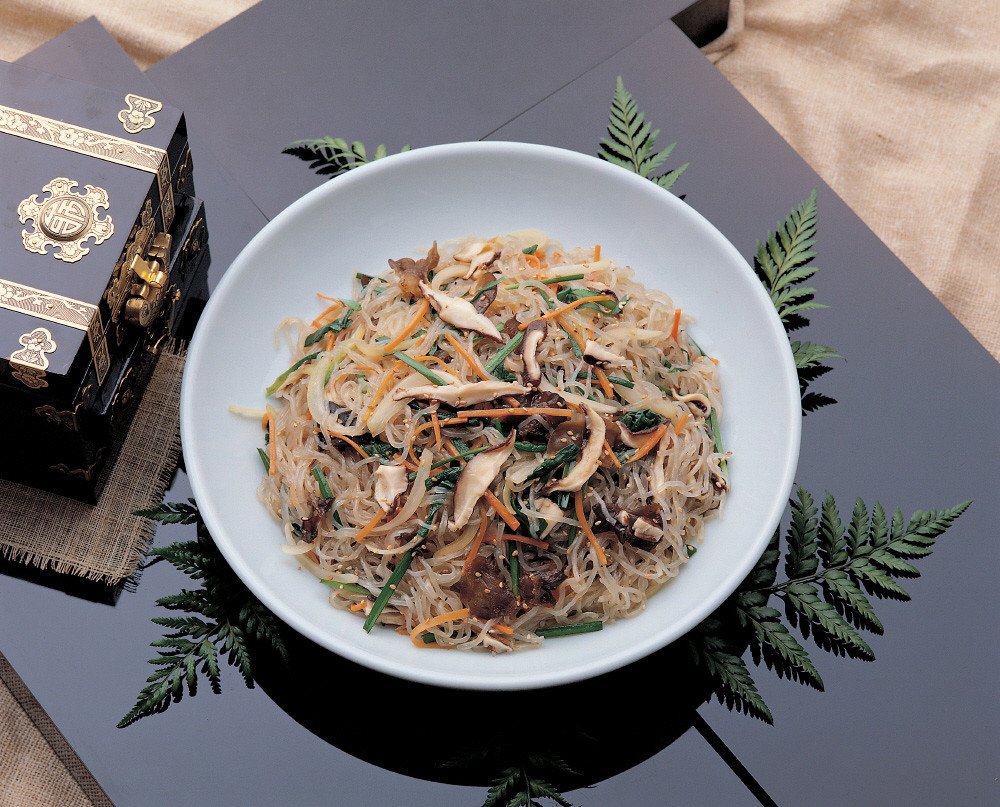
Japchae, a staple in Korean cuisine, offers a rich tapestry of textures that enhance its appeal and complexity. The primary component, sweet potato noodles or “dangmyeon,” exhibit a unique chewy and slightly slippery mouthfeel. This texture is ideal for absorbing flavors, allowing the noodles to soak in the savory essence of the stir-fried ingredients. When cooked to perfection, these noodles become delightfully elastic, creating a pleasant contrast against the crispness of the accompanying vegetables.
The vegetables used in japchae—typically a medley of bell peppers, carrots, spinach, and onions—add a crucial element to the dish’s texture. Each vegetable contributes its own distinctive crunch, providing a refreshing bite that balances the chewiness of the noodles. For instance, the vibrant bell peppers and crunchy carrots not only offer a pleasing visual contrast but also introduce a satisfying crispness that rounds out the overall eating experience. This combination of textures ensures vibrancy in every bite, maintaining interest and engagement throughout the meal.
If included, the addition of meat, such as beef or chicken, introduces tenderness to the dish. The meat, often marinated to heighten flavor, is cooked until it is juicy and soft, complementing the chewy noodles and the crunchy vegetables. This interplay of textures—from the elasticity of the sweet potato noodles to the refreshing crispness of the vegetables, and the melt-in-the-mouth quality of the meat—creates a harmonious balance. Each bite of japchae reveals this delightful complexity, making it not only a feast for the palate but also for the senses. Overall, the textures of japchae play a pivotal role in defining the dish and enhancing its reputation as a beloved culinary delight.
Visual Appeal of Japchae
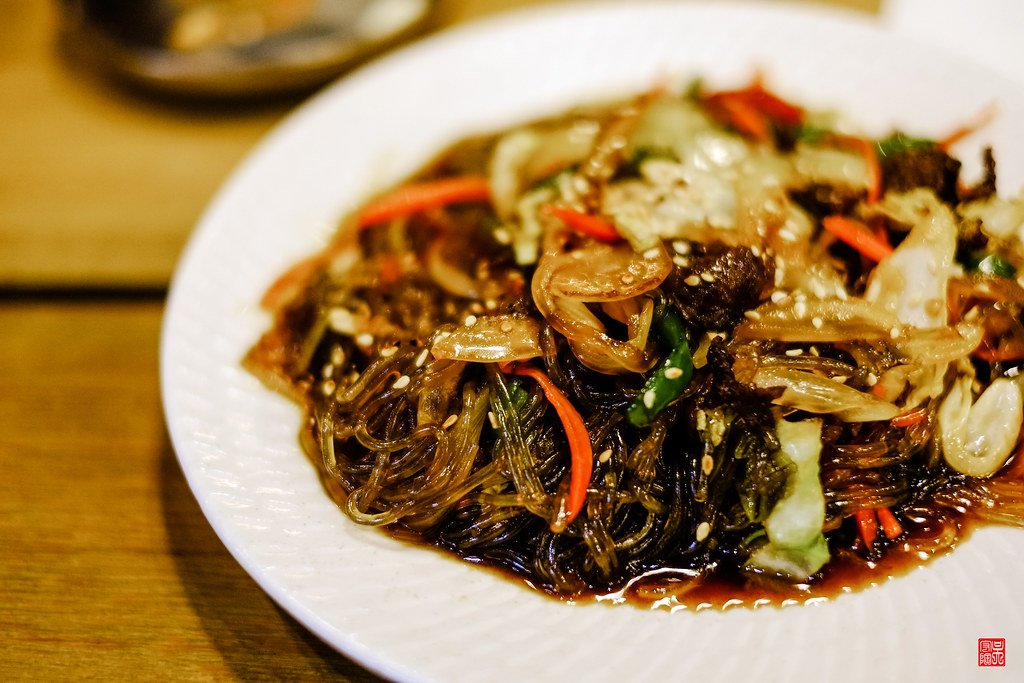
Japchae, a traditional Korean dish, is renowned not only for its delightful flavors but also for its captivating visual presentation. The essence of japchae lies in its vibrant colors, which stem from a diverse selection of ingredients. Typical components include sweet potato starch noodles, stir-fried vegetables such as carrots, spinach, and bell peppers, along with the occasional addition of proteins like beef or tofu. Each ingredient contributes a unique hue, creating an eye-catching array that invites diners to indulge in this culinary masterpiece.
The visual appeal of japchae plays a critical role in enhancing the dining experience. Proper plating techniques can elevate the overall presentation, transforming a simple dish into a work of art. A well-prepared serving of japchae usually features the glossy noodles elegantly intertwined with the colorful vegetables, topped with sesame seeds for an added touch of sophistication. The strategic arrangement of ingredients not only showcases the vibrant colors but also highlights the individual textures of each component, inviting diners to appreciate both the aesthetics and the complexity of flavors.
To create a visually striking plate of japchae, it is essential to focus on balance and contrast. Using a variety of textures and colors can engage the viewer’s senses before they even take the first bite. For instance, the bright green from the spinach beautifully complements the orange of the carrots, while the glossy noodles serve as a neutral backdrop, allowing the vibrant vegetables to take center stage. Furthermore, garnishing the dish with fresh herbs or edible flowers can enhance its appearance, elevating it to a gastronomic experience that is as pleasing to the eyes as it is to the palate.
Plating Techniques for Japchae
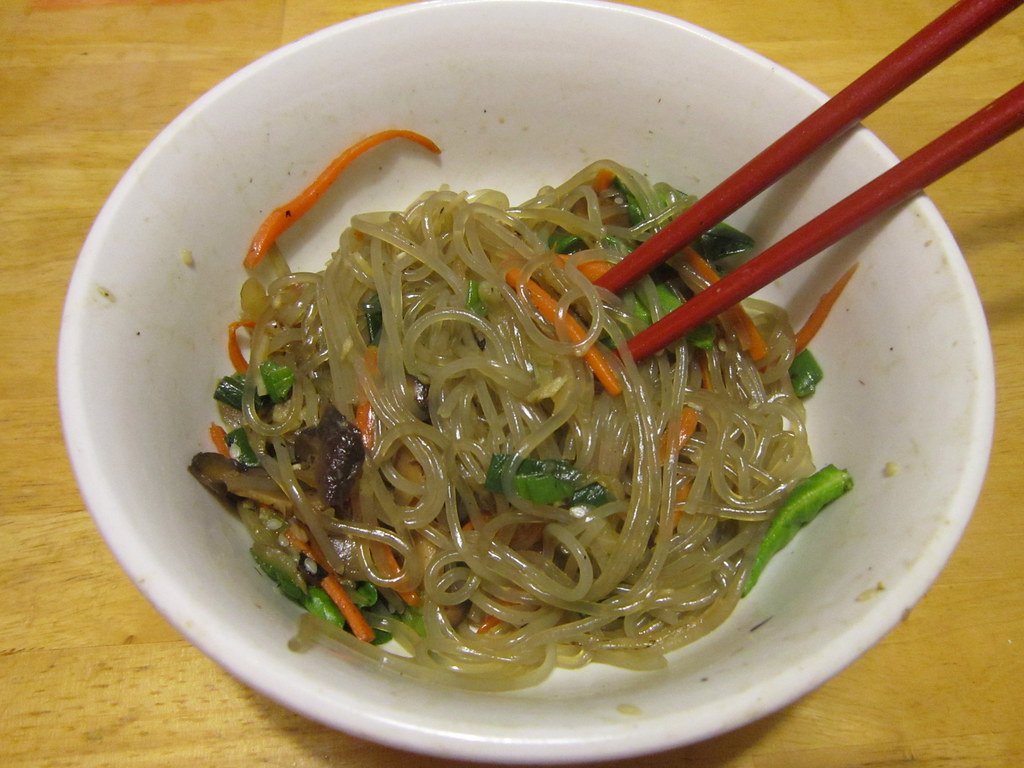
Plating is an essential aspect of culinary presentation, particularly for visually appealing dishes like Japchae. This traditional Korean stir-fried noodle dish can be made more enticing through thoughtful arrangement and garnish. The way Japchae is plated not only enhances its aesthetic appeal but also elevates the dining experience. A well-presented dish draws attention and stimulates appetite, making it crucial to master a few effective plating techniques.
To begin, the foundation of the dish—Japchae itself—should be arranged in a mound or a ring shape at the center of the plate. This method creates a focal point that invites the diner’s gaze. Using a fork or tongs, gently twist the noodles to achieve a spiral effect, creating height and dimension. This technique encourages a sense of movement and draws the eye to the vibrant colors of the vegetables, which mingle beautifully within the stir-fried noodles.
Next, garnishing is essential in achieving optimal visual impact. Adding a sprinkle of sesame seeds not only enhances flavor but also introduces a contrasting texture. A scattering of finely chopped green onions adds a pop of color and freshness to the dish. For a creative flare, consider using edible flowers or herbs like cilantro to give the plate an artistic touch. These garnishes should be thoughtfully applied in a manner that highlights the ingredients without overwhelming the primary components of Japchae.
For an elevated presentation, consider utilizing unique dishware, such as shallow bowls or platters with uneven edges, which can complement the organic feel of the dish. By being mindful of color patterns and varying heights, the final presentation of Japchae can become an inviting centerpiece on any dining table, making the dish as enjoyable to look at as it is to eat.
Pairing Japchae with Other Dishes
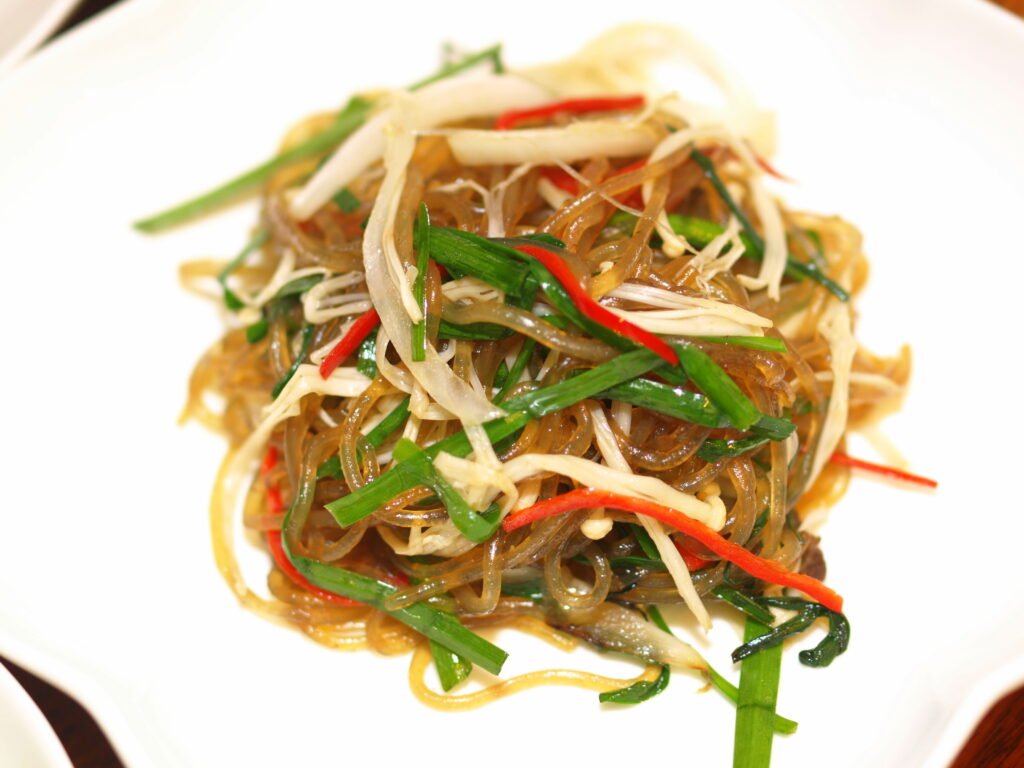
Japchae, a popular Korean stir-fried noodle dish, offers a unique flavor and texture that can be beautifully complemented by various accompaniments. Traditionally, it is paired with several side dishes that enhance its overall culinary appeal and create a well-rounded meal. One of the most common accompaniments is kimchi, which adds a spicy and tangy contrast to the mildly sweet and savory flavors of japchae. The fermentation in kimchi also provides probiotic benefits, making it a nutritious pairing.
Another classic pairing is steamed rice. Serving japchae alongside a bowl of warm, fluffy rice allows diners to enjoy the noodles as part of a more substantial meal. The rice acts as a neutral base, absorbing the delightful sauces from the japchae while providing a comforting starch component. This combination is especially popular in Korean households, where simplicity and balance are highly valued in meal preparation.
In addition to kimchi and rice, various banchan (Korean side dishes) like pickled radishes, seasoned vegetables, and tofu can also complement japchae beautifully. These side dishes not only contribute different flavors and textures to the table but also align with the traditional Korean culinary philosophy of achieving balance through diversity in dishes. Incorporating colorful seasonal vegetables like cucumber, zucchini, or radish can make the presentation more vibrant and appealing.
For those looking to enhance their japchae experience further, consider serving it with protein options such as grilled beef, chicken, or tofu on the side. This adds another layer of richness and satisfying element to the meal. By thoughtfully selecting these accompaniments, one can create a harmonious dining experience that celebrates the essence of Korean cuisine and elevates the enjoyment of japchae.
Conclusion: The Allure of Japchae
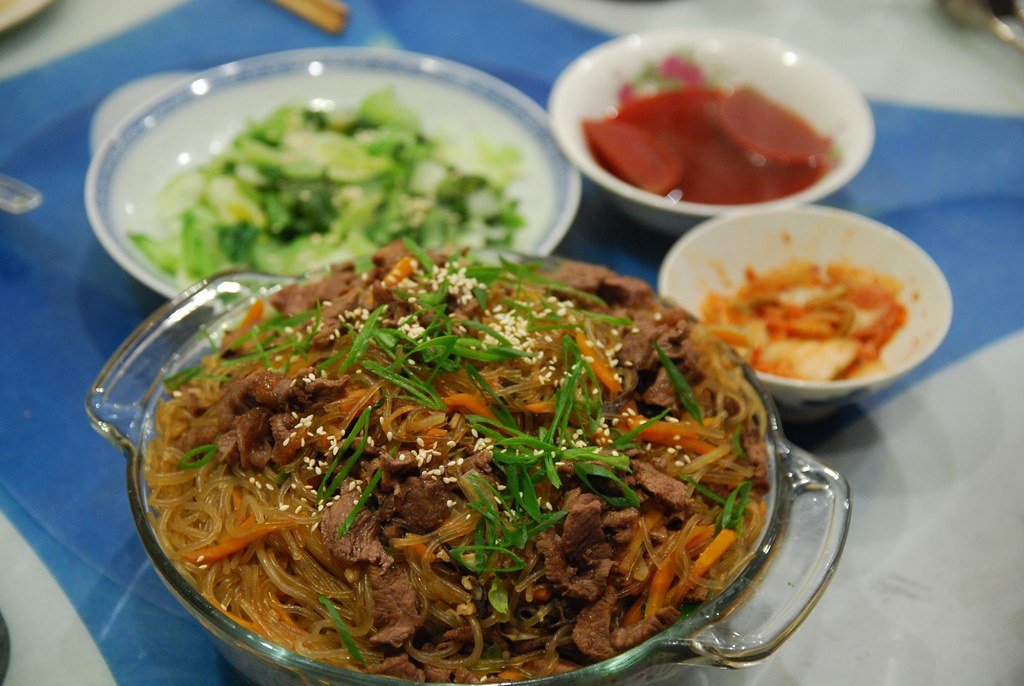
Japchae, a traditional Korean dish made with stir-fried glass noodles, has earned a prominent place in the hearts and palates of people both within Korea and around the globe. The charm of japchae lies not only in its delightful flavor, which combines the umami richness of soy sauce with the sweetness of sesame oil, but also in its vibrant presentation. The harmonious blend of colorful vegetables such as bell peppers, carrots, and spinach makes this dish not only a feast for the taste buds but also for the eyes. This visual appeal contributes significantly to its popularity at celebrations and gatherings.
The versatility of japchae further enhances its allure. It can be enjoyed as a side dish or a main course, accommodating various dietary preferences—vegetarian or with added proteins like beef or chicken. The adaptability of the recipe allows for personal twists, inviting home cooks and professional chefs alike to experiment with different ingredient combinations. This openness to variation ensures that japchae can cater to diverse tastes and culinary styles, making it a beloved choice for all types of eaters.
Moreover, japchae represents a sense of community and tradition in Korean culture. It often accompanies special occasions, symbolizing prosperity and good fortune. This cultural significance adds depth to the dining experience, encouraging diners to appreciate not only the meal but also its historical context. For those looking to explore Korean cuisine, attempting to make or savor japchae is a must. Engaging with this dish allows one to appreciate the balance of flavors and textures, fostering a deeper understanding of what makes Korean food so rich and varied. Therefore, indulging in japchae is more than just a culinary experience; it is an opportunity to connect with tradition and culture through food.