
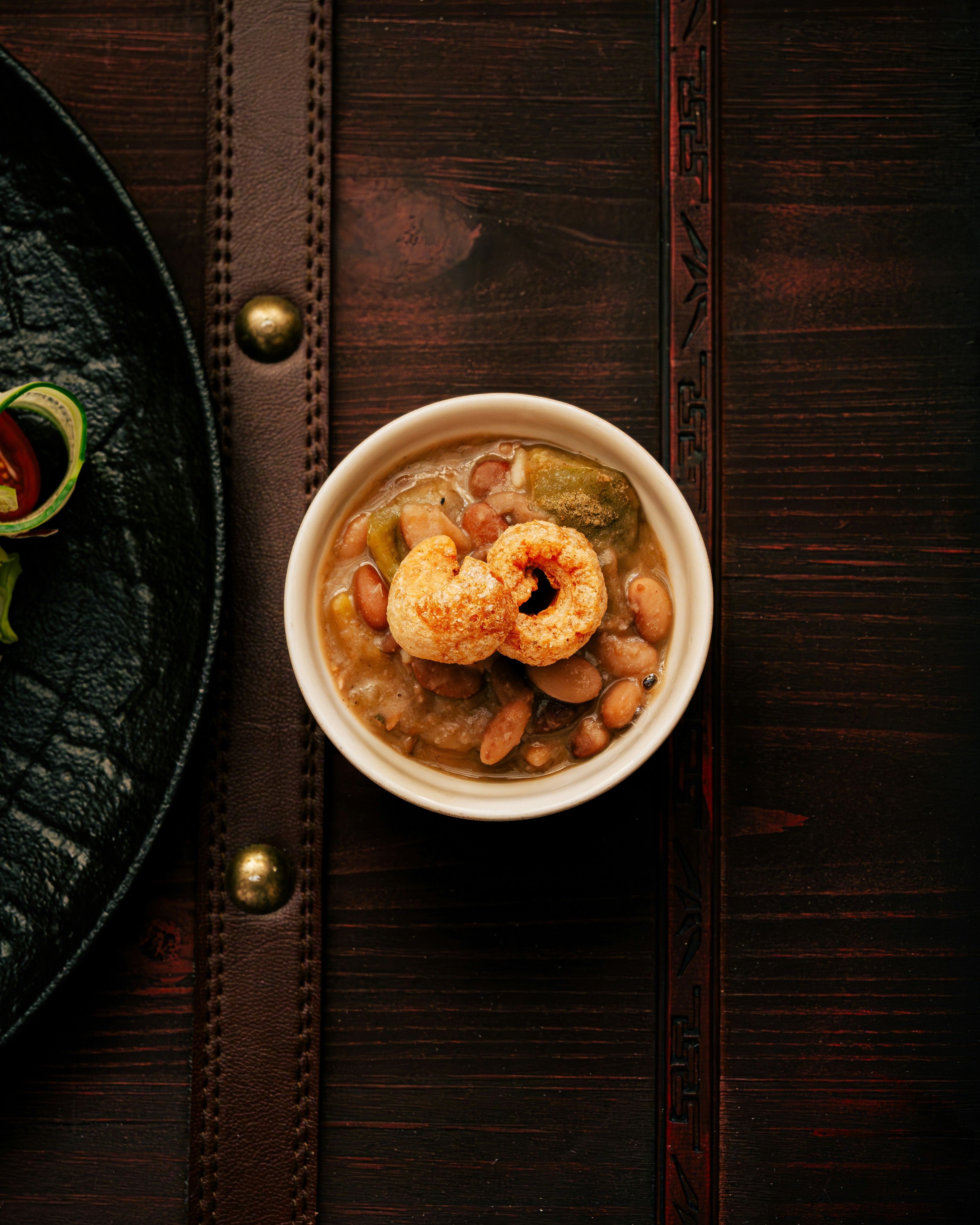
- Introduction to Fabada Asturiana
- Historical Origins of Fabada Asturiana
- Cultural Significance and Traditions
- Ingredients: The Building Blocks of Flavor
- Unique Flavors and Textures
- Visual Appeal and Plating Techniques
- Companion Dishes and Pairings
- Popular Locations to Enjoy Fabada Asturiana
- Conclusion: The Enduring Legacy of Fabada Asturiana
Introduction to Fabada Asturiana
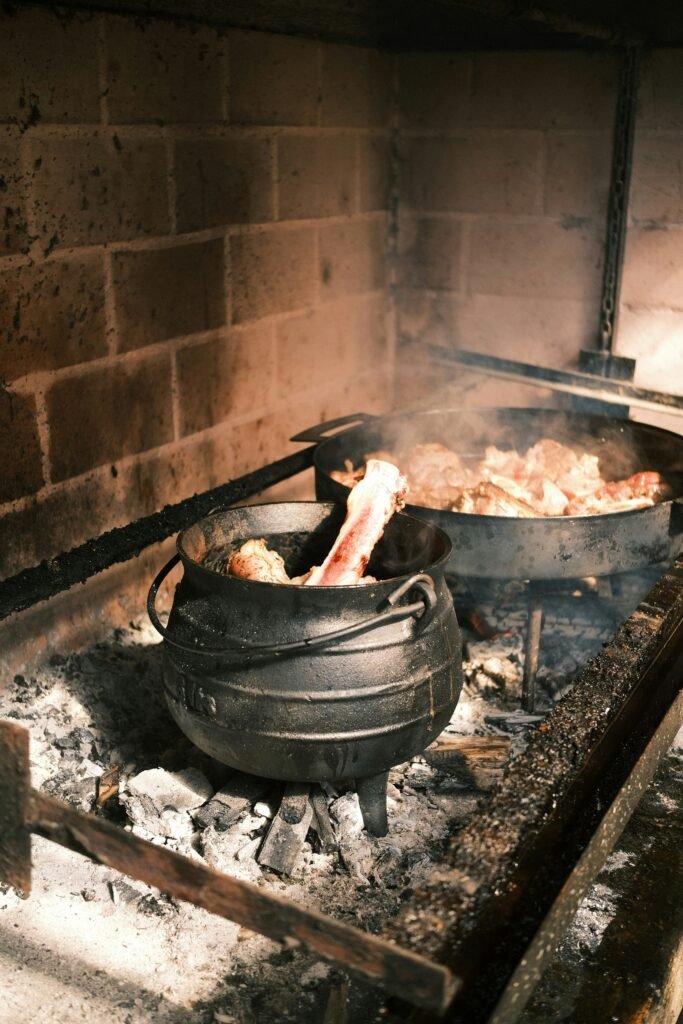
Fabada Asturiana is a traditional Spanish dish that exemplifies the rich culinary heritage of the Asturias region, located in northern Spain. This hearty stew, primarily made with fabes (Asturian beans), chorizo, morcilla (blood sausage), and various spices, holds a significant place in Spanish gastronomy. Its origins can be traced back to the 18th century, where it was primarily consumed by farmers and laborers seeking a nourishing meal to sustain them throughout their long workdays. Over time, Fabada Asturiana has evolved into a beloved dish, celebrated for its unique combination of flavors and historical importance.
Culinary historians often credit the dish with reflecting the agricultural practices of the Asturias region, where the fertile soil and favorable climate contribute to the growth of beans and high-quality meats. The preparation of Fabada Asturiana involves simmering these ingredients together, allowing the flavors to meld into a rich, satisfying dish. Traditionally served in a large pot, this stew showcases the rustic charm of Asturian cuisine, making it a centerpiece for family gatherings and social celebrations.
Beyond just a meal, Fabada Asturiana symbolizes the communal spirit of the Asturias people, as it is often associated with family traditions and cultural festivities. The dish has garnered acclaim not only within Spain but also on an international scale, earning its place as a representative of Spanish culinary identity. Today, Fabada Asturiana exemplifies the heart of Spanish cuisine and serves as an emblem of regional pride, inviting those who experience it to embrace the flavors and traditions of Asturias.
Historical Origins of Fabada Asturiana
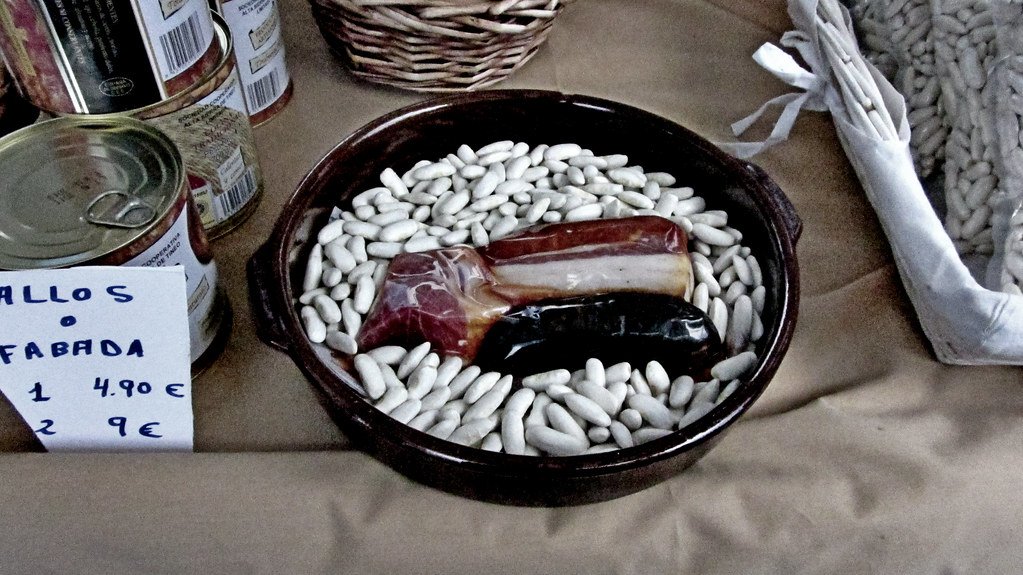
Fabada Asturiana, a traditional bean stew, is a dish deeply rooted in the culinary traditions of the Asturias region in northern Spain. Its origins can be traced back to the mid-19th century, during a period when regional cooking began to gain recognition beyond local borders. The dish’s main ingredient, fabes (Asturian beans), was cultivated in this fertile region, where the climate and soil produced beans of exceptional quality. The socio-economic conditions of the time significantly influenced the creation of this nourishing meal designed to sustain individuals working in the cold and rugged landscapes typical of Asturias.
The heartiness of Fabada Asturiana reflects the agrarian lifestyle prevalent among the locals, who relied heavily on sustenance that could endure long hours of labor. As industrialization commenced, many Asturians transitioned from agriculture to mining, and as a result, meals like Fabada became both a comfort food and a vital source of nourishment for workers enduring harsh conditions. Its preparation incorporated not only the local beans but also various meats, such as chorizo and morcilla (blood sausage), which provided essential fats and proteins to an otherwise simple dish.
As the dish evolved through generations, it became emblematic of Asturian identity, encapsulating the region’s agricultural heritage and communal values. Families cherished the preparation of Fabada Asturiana, often gathering around the stove to partake in this comforting stew. Its rich, savory flavor and warming qualities solidified its role in celebrations and social gatherings. Throughout time, Fabada Asturiana transcended its humble beginnings to become a symbol of pride for the Asturians, ultimately finding its way to menus across Spain and beyond, signifying the hearty spirit of Spanish cuisine.
Cultural Significance and Traditions
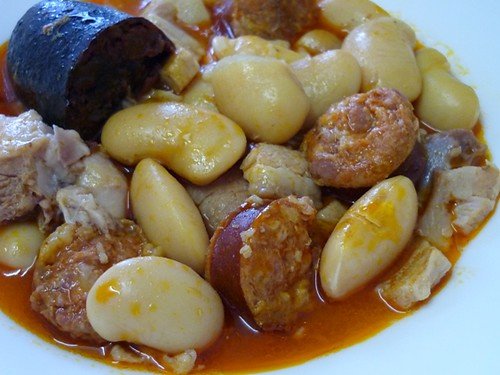
Fabada Asturiana, a traditional dish from the Asturias region of Spain, holds profound cultural significance that transcends mere nourishment. This hearty bean stew, typically made with faba beans, chorizo, and morcilla, is often featured in communal gatherings, festive occasions, and family meals, symbolizing the essence of Asturian hospitality and the spirit of togetherness. In rural communities across Spain, the act of preparing and sharing fabada serves as a pivotal social ritual that reinforces bonds among family and friends.
Historically, the dish is believed to have originated in the 18th century, becoming a staple in the diet of Asturian agrarian society. Its ingredients, sourced locally from fertile lands, reflect the region’s agricultural heritage. As families come together to enjoy this emblematic dish, it is not merely the act of eating that matters, but the opportunity for storytelling and the sharing of personal histories that enrich the experience. This underscores the role of food in preserving cultural identity and fostering connections.
Festivities such as the Semana de Fabada, or Fabada Week, celebrate this iconic dish, highlighting its importance in Asturian cuisine. These events not only feature culinary competitions but also encourage locals and visitors to engage in cultural exchange, reinforcing the significance of fabada in contemporary Asturian life. The dish often finds its way onto tables during significant celebrations such as weddings, religious festivals, and national holidays, marking key moments in the lives of families and communities.
Through these traditions and practices, Fabada Asturiana has evolved into a symbol of unity and cultural pride. As communities gather to savor this rich stew, they are not just partaking in a meal; they are celebrating their heritage, forging stronger ties, and sustaining the vibrant identity of Asturias. The cultural legacy of Fabada Asturiana continues to thrive, making it an enduring emblem of Spanish cuisine.
Ingredients: The Building Blocks of Flavor
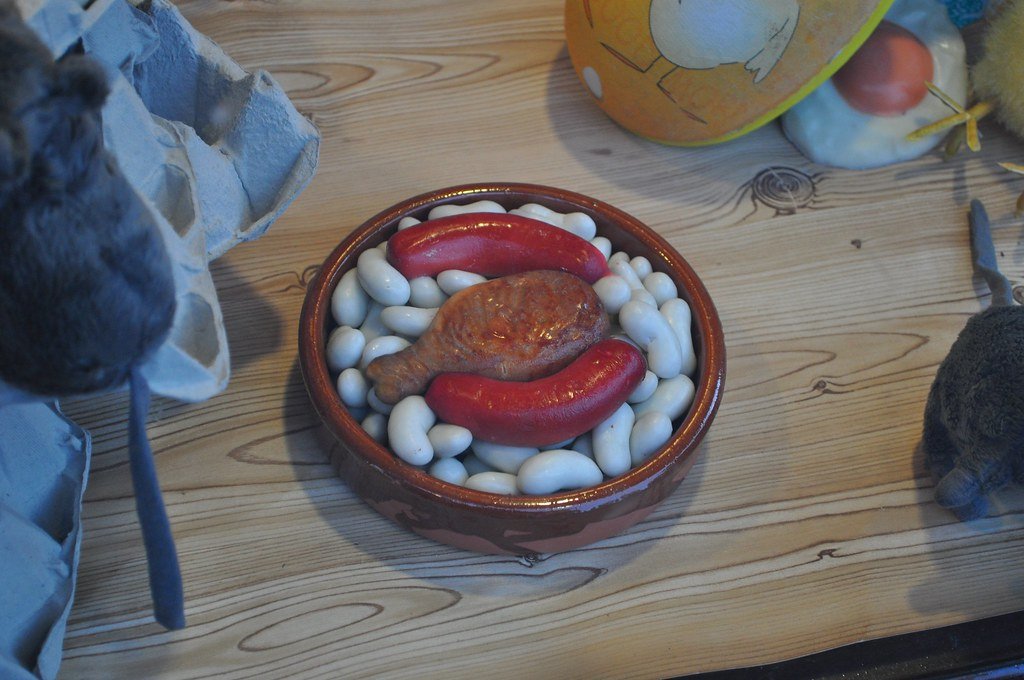
Fabada Asturiana is a traditional Spanish dish renowned not only for its rich flavor but also for its hearty composition. At the core of this delectable meal is the bean, specifically the fabes de la granja, a large white bean native to Asturias. These beans are celebrated for their creamy texture and ability to absorb flavors, making them an essential component in achieving the dish’s signature richness. High-quality beans are crucial; thus, sourcing them from local producers ensures authenticity and enhances the overall dining experience.
Beyond the beans, various sausages play a pivotal role in characterizing the dish. The most notable inclusions are chorizo and morcilla. Chorizo, a smoked sausage flavored with paprika, contributes a robust and slightly spicy profile that elevates the entire dish. Morcilla, a type of blood sausage, adds depth and a unique savoriness that is integral to the flavor balance. Selecting high-quality sausages, ideally sourced from artisanal producers, significantly impacts the taste and authenticity of the Fabada Asturiana.
Moreover, spices and aromatics further imbue Fabada Asturiana with its defining flavors. Saffron, while not traditionally used in every recipe, can provide a subtle fragrance and a hint of color. The addition of garlic and onions is typically standard, enhancing the base flavors and adding layers of complexity. The careful selection of these ingredients, along with the expert combination of spices, ensures that the dish embodies the essence of Asturian cuisine.
Ultimately, the quality and sourcing of these ingredients are paramount. Each component, from the beans to the sausages and spices, interacts harmoniously to create the rich tapestry of flavors that defines Fabada Asturiana, establishing it as a cornerstone of Spanish gastronomy.
Unique Flavors and Textures
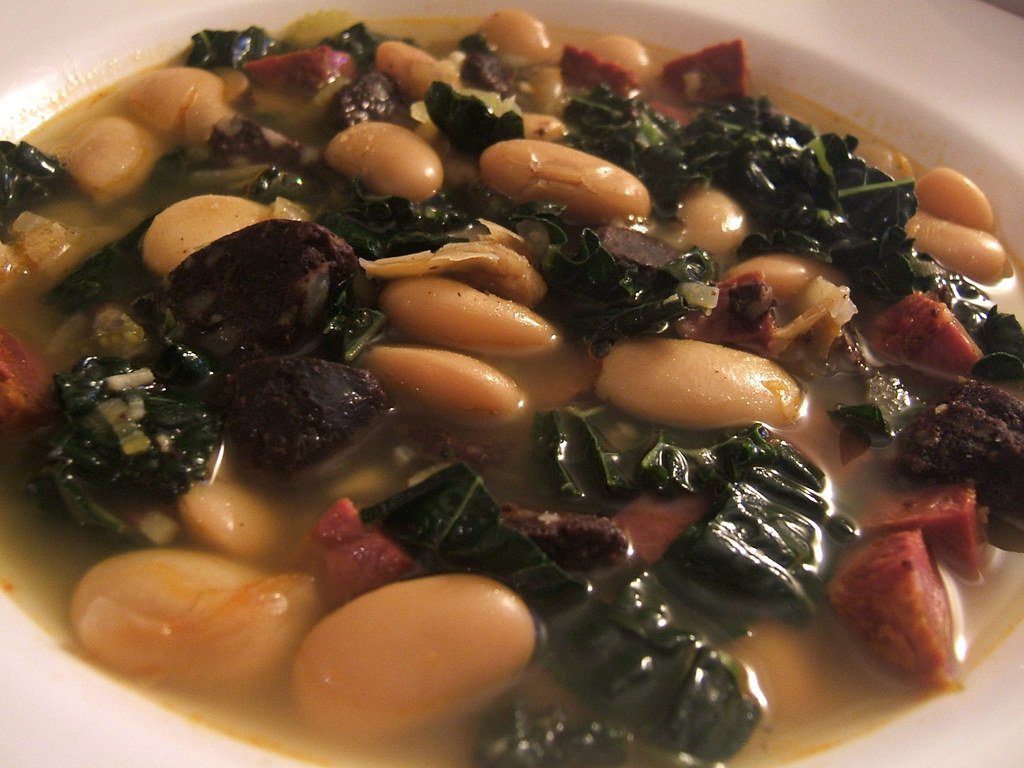
Fabada Asturiana, a traditional dish hailing from the Asturias region of Spain, showcases a distinctive flavor profile that sets it apart from other stews. The foundation of this beloved meal is its carefully selected ingredients, primarily consisting of large white beans known as “fabes.” These beans, when cooked, deliver a creamy and tender texture that cohesively ties the dish together. Each bite offers a satisfying experience that melds with the robust flavors of accompanying meats.
The meats used in Fabada Asturiana, typically including chorizo, morcilla (blood sausage), and pieces of pork shoulder, introduce a range of savory and smoky flavors. As the dish simmers, these meats release their oils and essences, infusing the broth and beans with a richness that elevates the culinary experience. The chorizo lends a slightly spicy and flavorful kick, while the morcilla adds a depth and earthiness that are characteristic of traditional Spanish cuisine.
Another notable aspect of Fabada Asturiana is the aromatic herbs and spices that permeate the dish. Ingredients such as saffron and paprika contribute not only to the flavor but also to the vibrant color of the stew. The subtle warmth from paprika enhances the overall profile, resulting in a meal that is as visually appealing as it is delicious. The combination of flavors and the hearty texture of the beans create a harmonious balance that captivates the palate.
Ultimately, Fabada Asturiana embodies the essence of comfort food, making it a quintessential representation of Spanish culinary tradition. The interplay of creamy beans and rich meats establishes a uniquely satisfying dish that showcases the depth and complexity of flavors. This classic stew continues to be a favorite among both locals and visitors, providing an authentic taste of Spain’s rich gastronomic heritage.
Visual Appeal and Plating Techniques
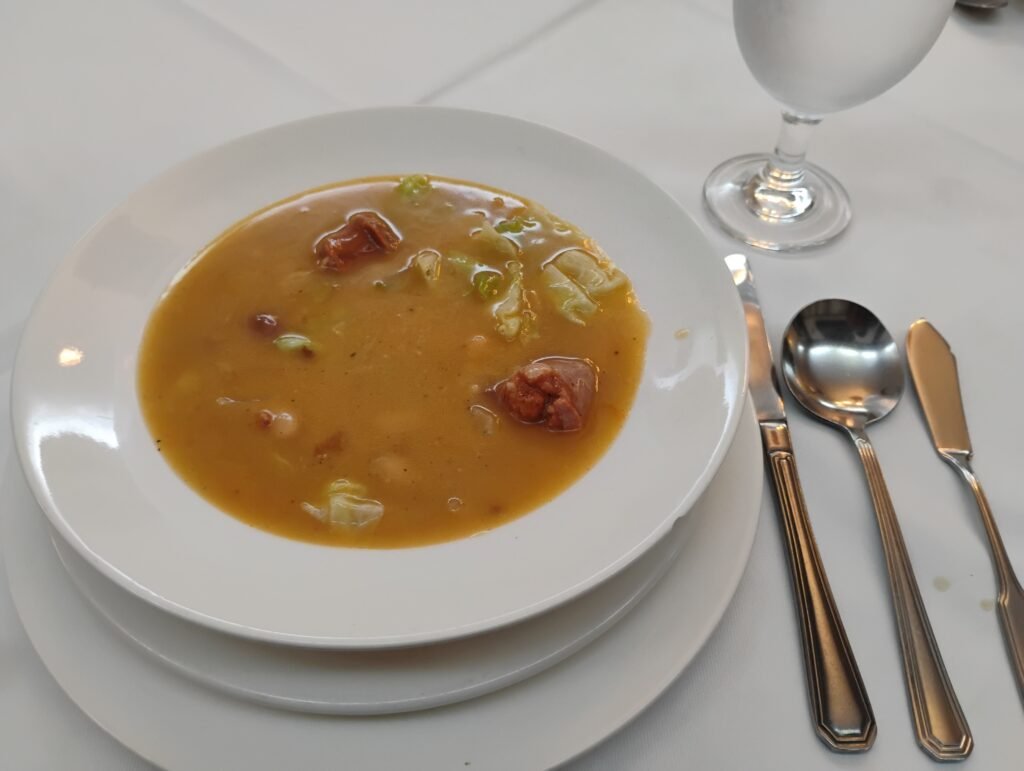
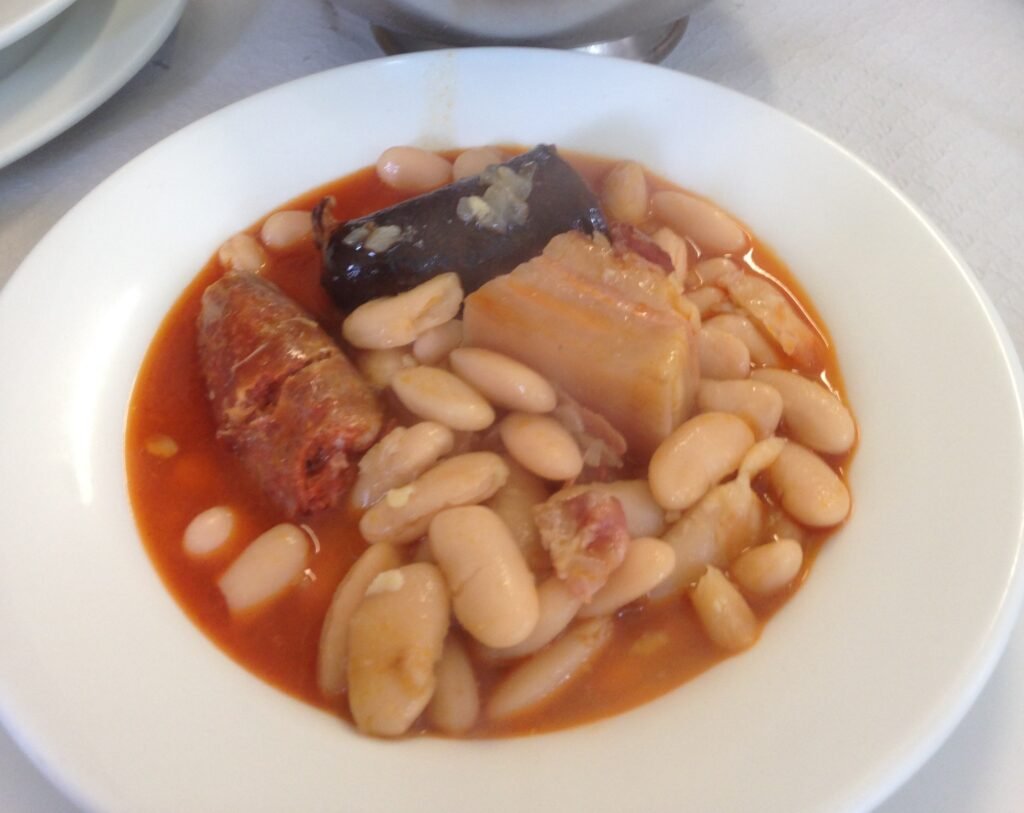
Fabada Asturiana, a quintessential dish of Spanish cuisine, is not only renowned for its rich flavors but also for its visual appeal. The presentation of this traditional Asturian bean stew plays a crucial role in enhancing the dining experience. The vibrant colors that dominate the dish—ranging from the deep reddish hues of the chorizo and morcilla to the earthy tones of the white beans—create an inviting visual tableau that reflects its cultural significance.
The layering of ingredients in Fabada Asturiana contributes to its aesthetic allure. Often served in a rustic earthenware pot, the dish showcases the plump beans nestled amongst chunks of savory meats, including bacon and various sausages. Chefs pay careful attention to the arrangement of ingredients, creating a mosaic of textures and shades. This approach not only celebrates the dish’s hearty nature but also emphasizes the provenance of its ingredients, encapsulating the essence of Asturias itself.
To elevate the presentation of Fabada Asturiana, chefs might consider using contrasting elements to enhance its visual impact. Incorporating fresh herbs, such as parsley or cilantro, as a finishing garnish can introduce a pop of green that offsets the warm tones of the stew. Additionally, serving the dish alongside crusty bread on a wooden board can create a rustic charm, inviting diners to engage with their meal in a tactile manner.
Another technique to enhance presentation is the use of decorative serving dishes that highlight the cultural roots of the dish. Using traditional Spanish pottery not only adds authenticity but also serves as a conversation starter among diners. Ultimately, the visual appeal of Fabada Asturiana lies in its ability to evoke the warmth and hospitality of Spanish culture, inviting food lovers to connect deeply with this culinary tradition while savoring its delicious flavors.
Companion Dishes and Pairings
Fabada Asturiana, a rich and hearty Spanish stew, is enhanced significantly by thoughtful companion dishes and pairings that complement its bold flavors. When considering sides to serve alongside this traditional dish, one might think of a fresh green salad, which adds a refreshing contrast to the robust beans and meats. A simple arugula or mixed greens salad, dressed lightly with olive oil and balsamic vinegar, can provide a crisp texture and vibrancy, balancing the dish’s richness without overpowering it.
Another excellent accompaniment is pan de pueblo, a rustic bread often found in Asturian regions. This type of bread is ideal for soaking up the flavorful broths of Fabada Asturiana, enhancing the overall experience. For those seeking a heartier side, consider serving a plate of roasted seasonal vegetables such as bell peppers, eggplants, or zucchini, which can further add depth to the meal.
When it comes to beverages, choosing the right wine can elevate the dining experience significantly. A full-bodied red wine, such as a Tempranillo from the Rioja region, is an exemplary pairing that stands up to the rich flavors of the dish. Its tannins and acidity harmonize with the dish’s savory elements, creating a pleasant contrast. Alternatively, a lighter white wine, such as a Verdejo, can be refreshing and provide a different taste profile while still working well with the flavors of Fabada Asturiana.
Finally, finishing the meal with a traditional Asturian dessert like arroz con leche, a rice pudding infused with cinnamon and lemon, can provide a sweet end to a comforting culinary journey. Together, these companion dishes and beverages not only enhance the main dish but also create a well-rounded dining experience that reflects the heritage and warmth of Spanish cuisine.
Popular Locations to Enjoy Fabada Asturiana
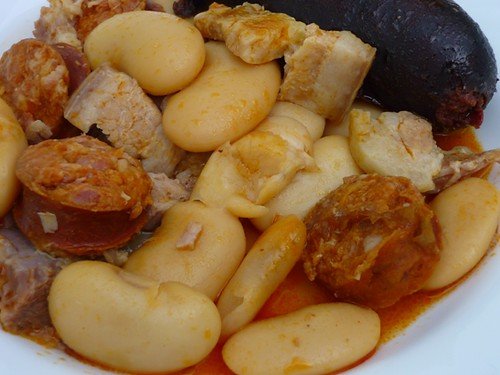
Fabada Asturiana, a traditional bean stew, has garnered a reputation as one of the quintessential dishes of Spanish cuisine, particularly within the Asturias region. Those looking to savor this hearty meal are in luck; there are numerous esteemed establishments in Asturias as well as beyond, where one can relish authentic Fabada. Among the notable locations, several restaurants have consistently garnered praise for their commitment to quality and tradition.
One particularly celebrated venue is Restaurant Casa Gerardo, located in Prendes, Asturias. This Michelin-starred restaurant has perfected the art of preparing Fabada Asturiana, ensuring authentic flavors are preserved. Guests are often treated to a cozy ambiance, where each ingredient is sourced locally, embodying the essence of Asturian culinary traditions.
Another gem in Asturias is La Taberna del Cazador in the town of Cangas de Onís. Known for its rustic charm, this eatery prioritizes local ingredients, offering generous portions of Fabada that are rich in flavor. Diners can expect not only a delicious meal but also warm service that fosters a communal dining experience, reflecting the Spanish ethos of sharing food and company.
Further afield, Restaurante El Pote in Madrid provides a remarkable opportunity for those seeking Fabada Asturiana outside its native region. Here, chefs combine traditional recipes with modern techniques, receiving accolades for consistently delivering authentic tastes. The setting is both casual and inviting, perfect for both locals and tourists alike.
In summary, whether within the heart of Asturias or in bustling Madrid, enjoying Fabada Asturiana is an experience worth seeking. Each establishment mentioned exemplifies the passion and dedication to serving this emblematic dish, promising both quality and an authentic dining experience. A visit to any of these locations will not only satisfy the palate, but also deepen one’s appreciation for this iconic dish of Spanish cuisine.
Conclusion: The Enduring Legacy of Fabada Asturiana
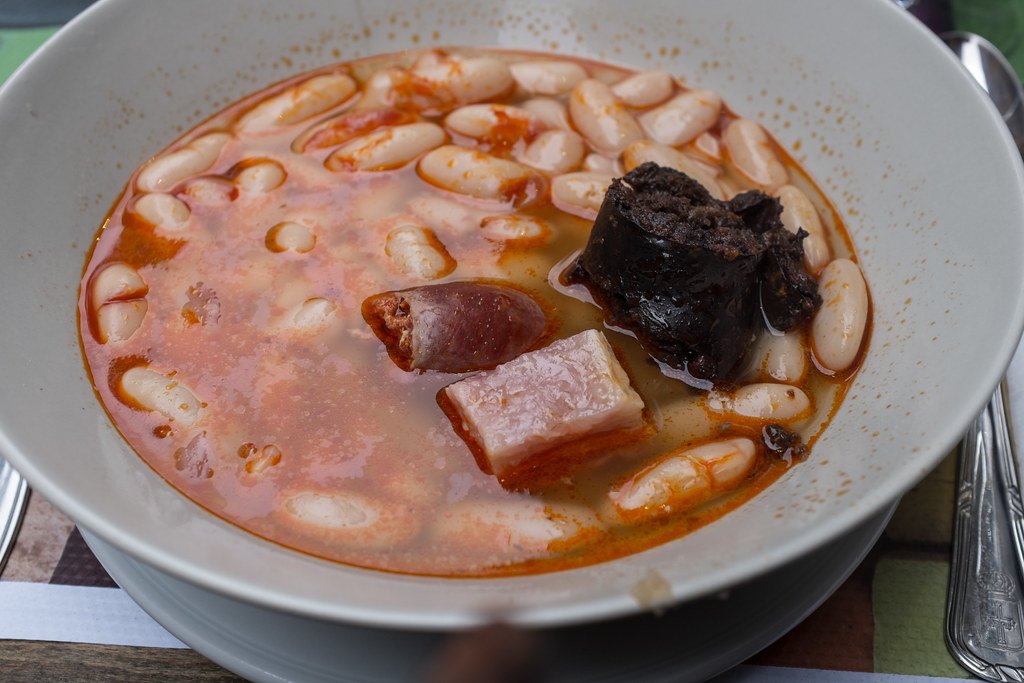
Fabada Asturiana stands as a culinary symbol of pride, epitomizing the rich cultural heritage of Spain, particularly the asturian region. Its origins can be traced back to the rural traditions of Asturias, where the dish was crafted to nourish the hardworking individuals involved in agriculture and livestock. Over the years, Fabada Asturiana has transcended its humble beginnings, becoming a beloved staple not only in Spanish households but also in restaurants across the globe.
This traditional Spanish cassoulet is characterized by a nourishing combination of faba beans, various types of pork, and a repertoire of flavorful condiments. The ingredients merge together to create a hearty meal that is both comforting and satisfying. The slow-cooking process intensifies the flavors, allowing the distinct taste of each ingredient to shine through, making it a memorable experience for anyone fortunate enough to enjoy it. The dish is often served during festive occasions and family gatherings, further embedding it into the social fabric of Spanish culture.
As people explore the diverse landscape of Spanish cuisine, Fabada Asturiana continues to be a delectable representative of the values of simplicity and tradition. Whether one seeks to replicate this labor of love in their own kitchen or embarks on a journey to experience it directly within its cultural heartland, the dish elicits fond memories and evokes a deep appreciation for Spanish gastronomy. It invites culinary enthusiasts and newcomers alike to delve into its flavors, heritage, and the stories it represents. The enduring legacy of Fabada Asturiana underscores its vital role in both contemporary dining and the cultural tapestry of Spain.