
Introduction to Boxty
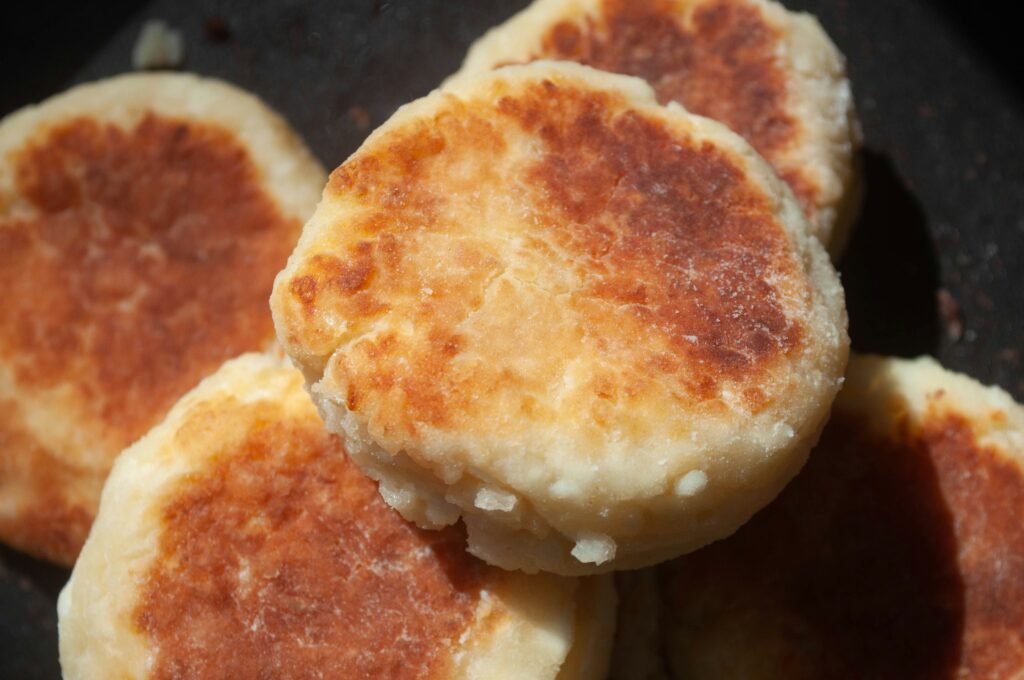
Boxty is a traditional Irish dish whose primary ingredient is the humble potato. Celebrated for its versatility and simple preparation, boxty plays a significant role in Irish cuisine, embodying the resourcefulness and culinary history of the region. This potato pancake has roots deep within the rural communities of Ireland, showcasing how basic ingredients can be transformed into a beloved comfort food.
The quintessential component of boxty is, of course, potatoes. Typically, two forms of potatoes are used: grated raw potatoes and mashed cooked potatoes, combined with flour, baking powder, and, occasionally, buttermilk to create a smooth batter. This combination allows the pancakes to achieve a delightful texture — crispy on the outside while remaining soft and fluffy inside. The batter can be cooked in a variety of ways, from frying on a griddle to baking in the oven, making boxty adaptable to different cooking methods and preferences.
Boxty is not only a staple in many Irish households but also serves as a canvas for culinary creativity. It can be enjoyed plain or enhanced with a range of toppings, such as smoked salmon, sour cream, or an array of seasonal vegetables. The dish is traditionally associated with the north of Ireland, particularly in counties like Leitrim and Sligo, where it has been cherished over generations. However, boxty has gained popularity across Ireland and beyond, often appearing on menus as both a side dish and a main course.
In essence, boxty encapsulates the spirit of Irish cooking: simple yet satisfying, with a rich cultural heritage. As we delve deeper into its origin and significance, one can appreciate how this iconic potato pancake continues to be a beloved dish in contemporary cuisine.
The Origins of Boxty
Boxty, a traditional Irish potato pancake, has its roots deeply embedded in the rich agricultural heritage of Ireland. Its origins can be traced back to the rural and mountainous regions of the country, particularly in the counties of Leitrim, Cavan, and Sligo. The name “boxty” is derived from the Irish term ‘bacstaí,’ which refers to the method of preparing the dish. Historically, boxty emerged as a practical solution for utilizing the locally abundant potato, a staple food that became prevalent in Ireland during the late 16th century.
The preparation of boxty originally involved a combination of grated raw potatoes and cooked mashed potatoes, mixed with flour and baking soda. This mixture was then fried on a griddle or baked in an oven, resulting in a delightful savory pancake. The geography of Ireland, with its suitable climate for potato cultivation, played a vital role in the dish’s evolution. Since potatoes were a primary source of nourishment for many Irish families, boxty became a fundamental part of the peasant diet, not only filling bellies but also offering versatility in meals.
Throughout its history, boxty has diversified regionally, leading to various traditional recipes and cooking techniques. For instance, in some areas, boxty is made with additional ingredients such as buttermilk, which adds a rich flavor and a lighter texture. In contrast, other variations may encompass the addition of herbs or spices, reflecting local agricultural practices and tastes. Today, boxty continues to be enjoyed by many, serving both as a nostalgic reminder of Ireland’s culinary past and as a trendy dish in contemporary cuisine. The evolution of boxty showcases the adaptability of Irish culture, allowing it to thrive amidst changing landscapes and food preferences.
Cultural Significance of Boxty
Boxty, a traditional Irish potato pancake, embodies the rich culinary heritage of Ireland, serving as a link between generations and a symbol of regional identity. Its origins are rooted in the impoverished times of rural Ireland, where potatoes were a staple food. This humble dish has transcended its basic ingredients, evolving into a cherished element of Irish culture that reflects historical resilience and innovation.
The preparation and consumption of boxty often take center stage during traditional Irish celebrations such as St. Patrick’s Day, weddings, and family gatherings. It is not merely a dish but a symbol of community, coming together to share a meal that harks back to the very soul of Irish identity. In many households, boxty recipes have been passed down, providing a means for families to connect with their ancestry while introducing younger generations to the flavors of their heritage. Personal anecdotes about boxty can reveal its profound impact; for many, the act of cooking boxty alongside family members remains a cherished tradition, evoking warm memories of home and belonging.
Furthermore, boxty’s significance extends beyond the home kitchen. It appears in countless Irish restaurants, celebrating local ingredients and traditional cooking methods. Chefs have innovated around the classic recipe, incorporating contemporary flavors to appeal to modern palates while still honoring its traditional roots. Every bite of boxty is a testament to Ireland’s agricultural bounty and a celebration of its past struggles and triumphs. As a result, boxty serves not only as sustenance but also as a cultural artifact, narrating the story of a nation through its relationship with the potato, a food that once symbolized survival. This transformative journey of boxty underlines its role as more than just a food item; it is a cherished aspect of Irish life that continues to foster community and connection.
Unique Flavors and Textures of Boxty
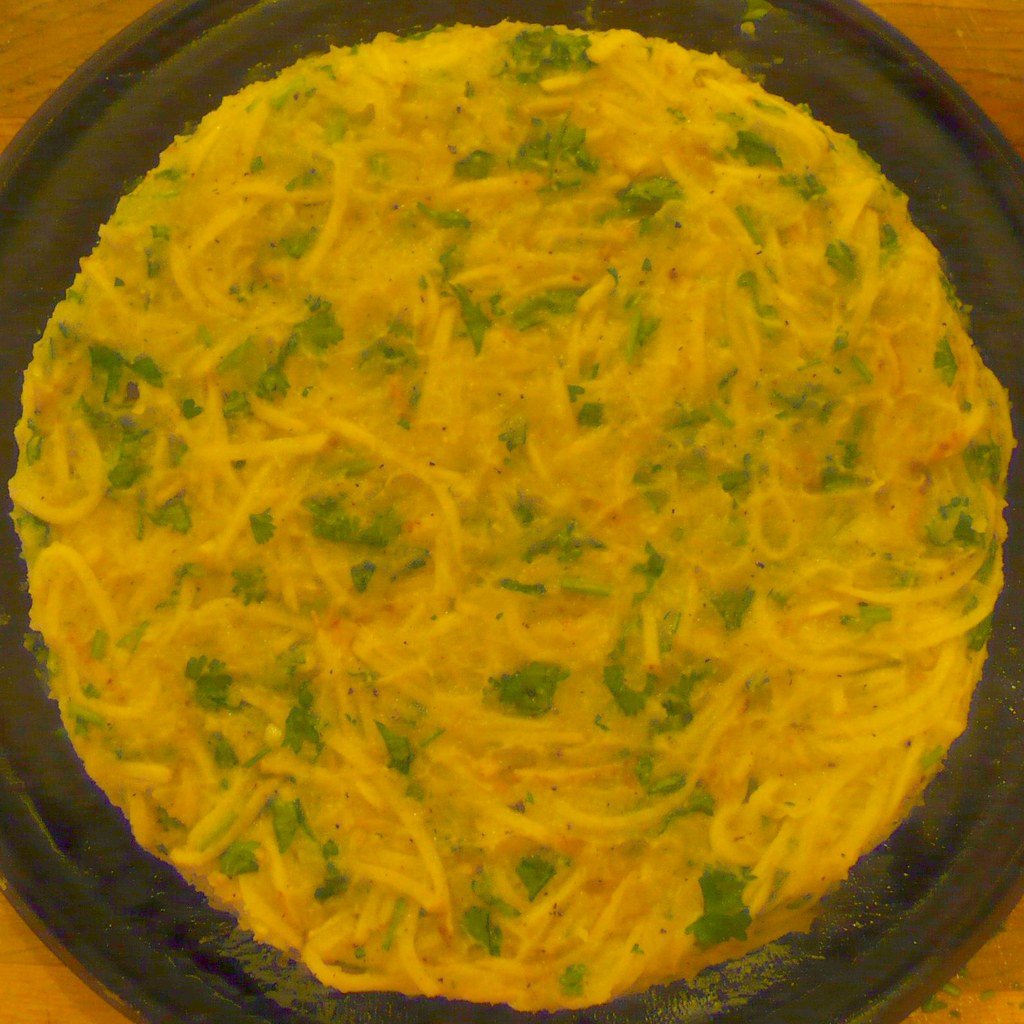
Boxty, the traditional Irish potato pancake, boasts an array of unique flavors and textures that contribute to its popularity among food enthusiasts. The key to this beloved dish lies in the choice of potatoes, which are fundamental to achieving the desired consistency and taste. Two predominant varieties are typically used: floury and waxy potatoes. Floury potatoes, such as Russets, lend a fluffy and soft texture to the boxty, while waxy potatoes, like Yukon Golds, offer a creamier and denser feel. The combination of these potatoes can result in a delightful balance, enhancing the overall eating experience.
The preparation method also impacts the flavor profile of boxty. Traditionally, the potatoes are grated, mashed, or a combination of both, which influences the textureand taste. Grated potatoes provide a more rustic texture, while mashed potatoes seamlessly blend into the batter, creating a smooth pancake. This versatility allows for variations in preparation, accommodating different preferences and enhancing the dish’s appeal.
Moreover, boxty’s flavor can be further enriched through the incorporation of various ingredients and pairings. Common additions include finely chopped herbs, such as chives or parsley, which introduce a refreshing bite. Additionally, the pancake can be served with an array of toppings, ranging from savory options like smoked salmon and sour cream to sweeter choices such as applesauce or maple syrup. These pairings not only complement the intrinsic flavors of the boxty but also provide an opportunity for creativity in serving.
Ultimately, the unique flavors and textures of boxty render it a versatile dish, suitable for a variety of occasions. Whether served as a main course, side dish, or breakfast option, boxty continues to captivate those who experience its comforting appeal.
Visual Appeal and Presentation of Boxty
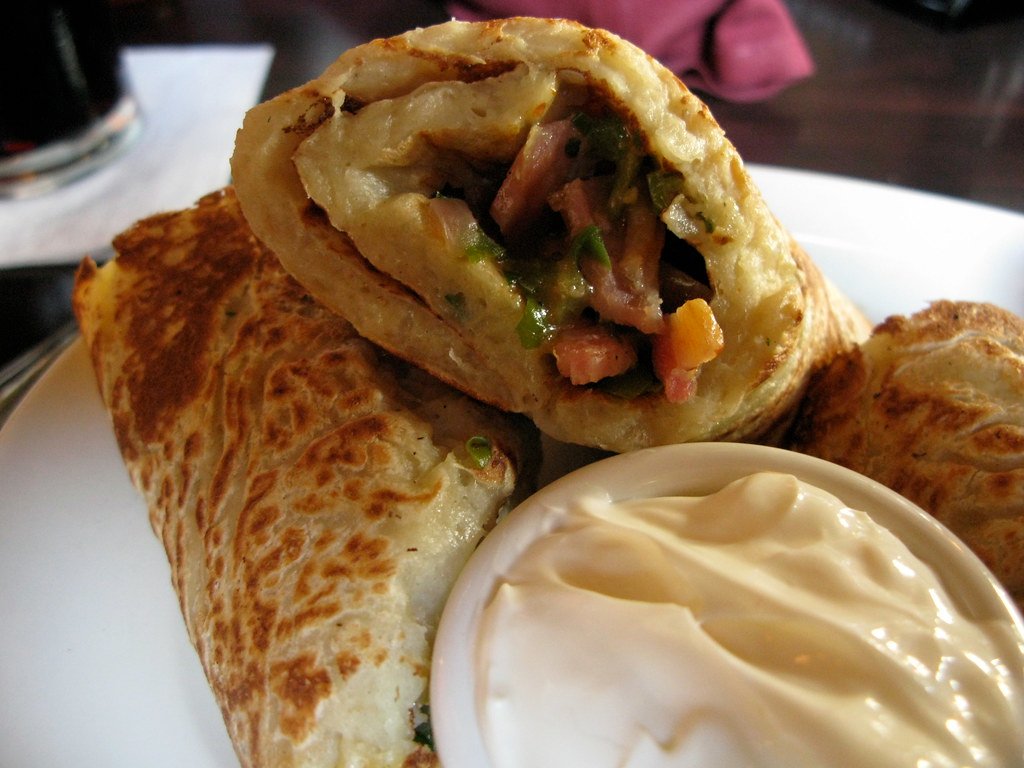
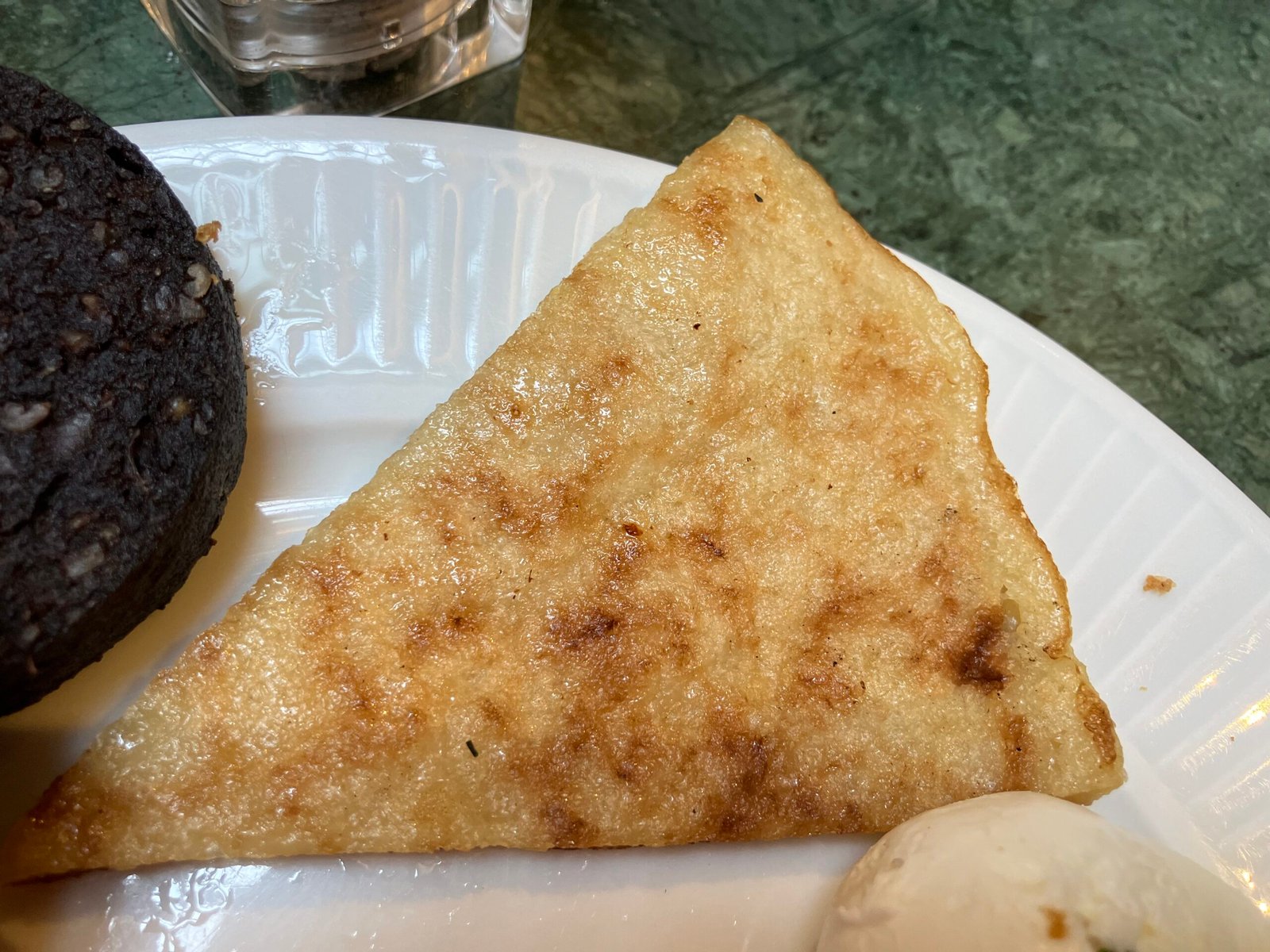
Boxty, the traditional Irish potato pancake, is not only a treat for the taste buds but also a feast for the eyes. The presentation of this dish plays a crucial role in enhancing its overall appeal, significantly influencing the dining experience. The aesthetic charm of boxty can be attributed to its golden-brown crust, which is achieved through careful frying or baking. The contrasting colors of the crispy exterior and the tender, fluffy interior create an inviting visual contrast that appeals to the senses.
In terms of garnishing, the choice of accompaniments can transform a simple serving of boxty into an eye-catching culinary creation. Fresh herbs such as parsley or chives sprinkled on top add a vibrant green touch, while a drizzle of sour cream or yogurt introduces a creamy white accent that enhances not only the flavor profile but also the visual presentation. Additionally, including seasonal vegetables such as roasted cherry tomatoes or sautéed mushrooms alongside the dish can introduce additional colors and textures, further elevating its aesthetic appeal.
Serving styles also play a pivotal role in the overall visual presentation of boxty. Consider placing the pancakes on elegant plates, possibly accompanied by rustic wooden platters or slate serving boards, to create a charming contrast. Stacking the pancakes in an organized yet relaxed fashion or fanning them out on the plate can marry culinary delight with visual finesse. Moreover, integrating complementary items such as smoked salmon, fresh greens, or a poached egg can not only enrich the flavor but also provide an array of colors, making the dish more visually appealing.
To impress guests, attention to detail in the plating of boxty is essential. Using spacious plates that allow the dish to breathe and present it with thoughtful garnishes will undoubtedly enhance the dining experience and allow this Irish delight to dazzle both the palate and the eyes.
Different Types of Boxty Dishes
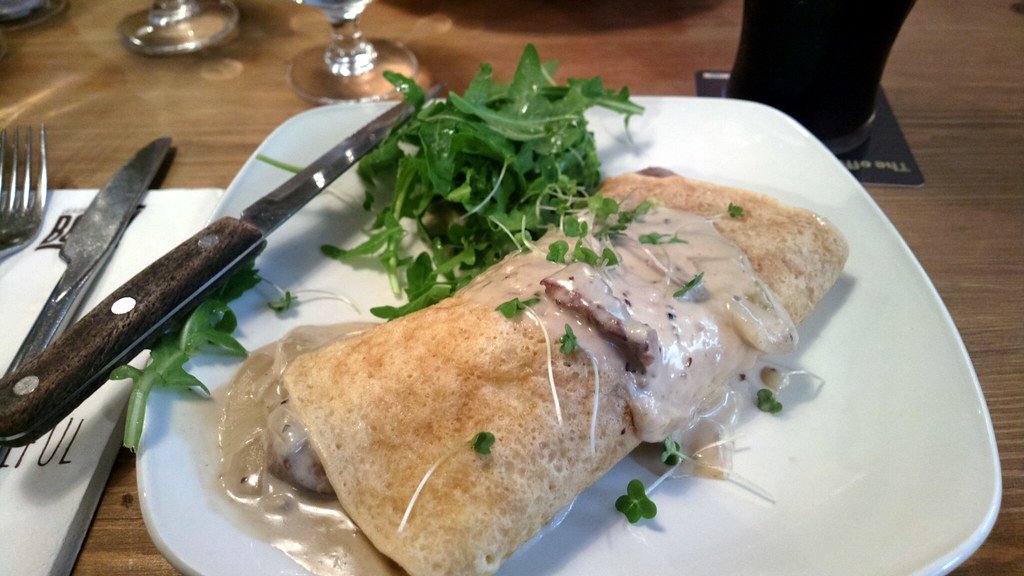
Boxty, a traditional Irish potato pancake, has a rich diversity that is celebrated through various forms, each offering a unique culinary experience. The most recognized variant is the boxty pancake, which is typically prepared by combining grated raw potatoes with flour and baking powder, pan-frying the mixture until it achieves a crispy golden exterior. This variant serves as a delightful accompaniment to breakfast and can be paired with toppings such as sour cream, smoked salmon, or sautéed mushrooms.
Another form of boxty is boxty dumplings, which showcase a different texture and cooking method. These dumplings are often made by mixing mashed potatoes with flour, resulting in a soft, doughy consistency. They are typically boiled or steamed, making them a perfect addition to soups or stews, allowing them to absorb flavors from the broth. These dumplings can also be served as a side dish, complementing hearty meat dishes or vegetable casseroles.
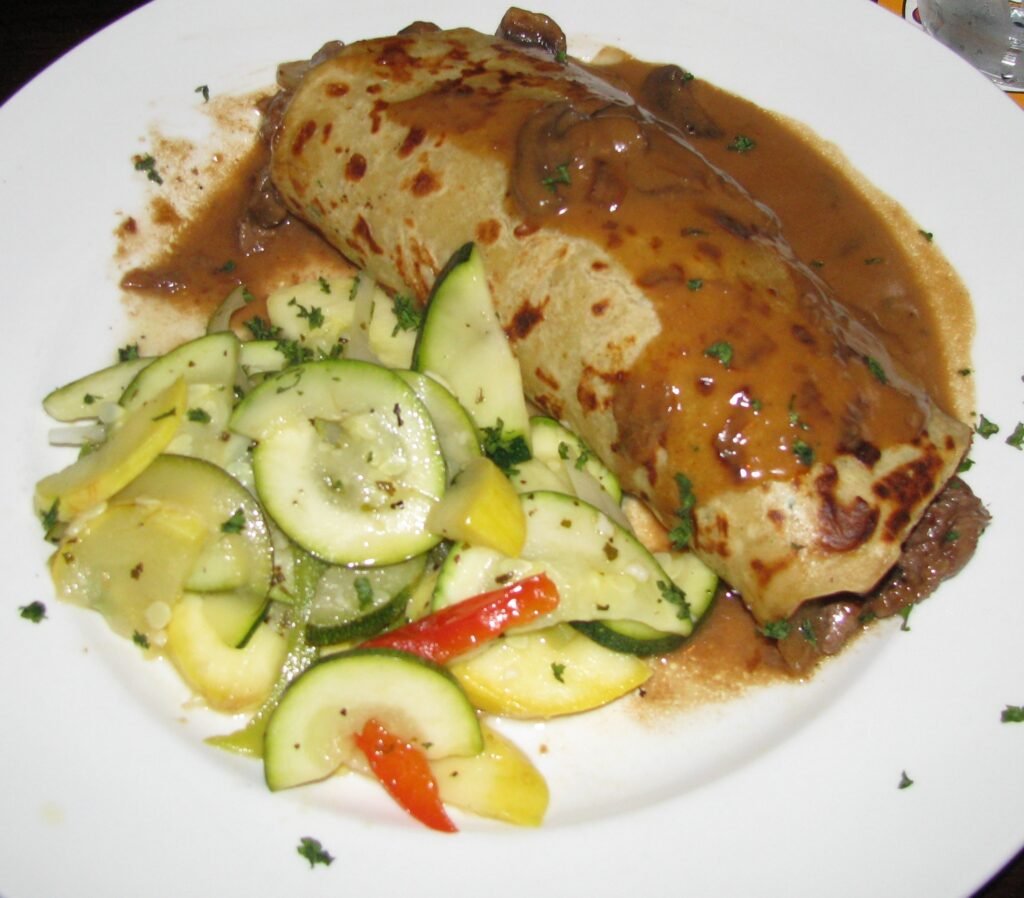
Boxty rolls represent yet another interpretation of this beloved dish. In this variation, the boxty dough is rolled out and typically filled with a variety of ingredients, such as seasoned meats, cheeses, or vegetables. Once filled, the rolled dough is either baked or pan-fried, creating a deliciously savory treat. These rolls can also make for excellent finger food, suitable for parties or casual gatherings. Furthermore, creative chefs often put their own spin on boxty rolls by experimenting with international flavors, proving the dish’s versatility.
In summary, the world of boxty encompasses an array of delightful forms, each showcasing the humble potato in innovative ways. From pancakes to dumplings and rolls, boxty variants allow for a range of tastes and textures that elevate any meal. Understanding these different types not only illuminates the culinary heritage of Ireland but also inspires home cooks to explore the myriad possibilities within this traditional dish.
Boxty in Modern Cuisine
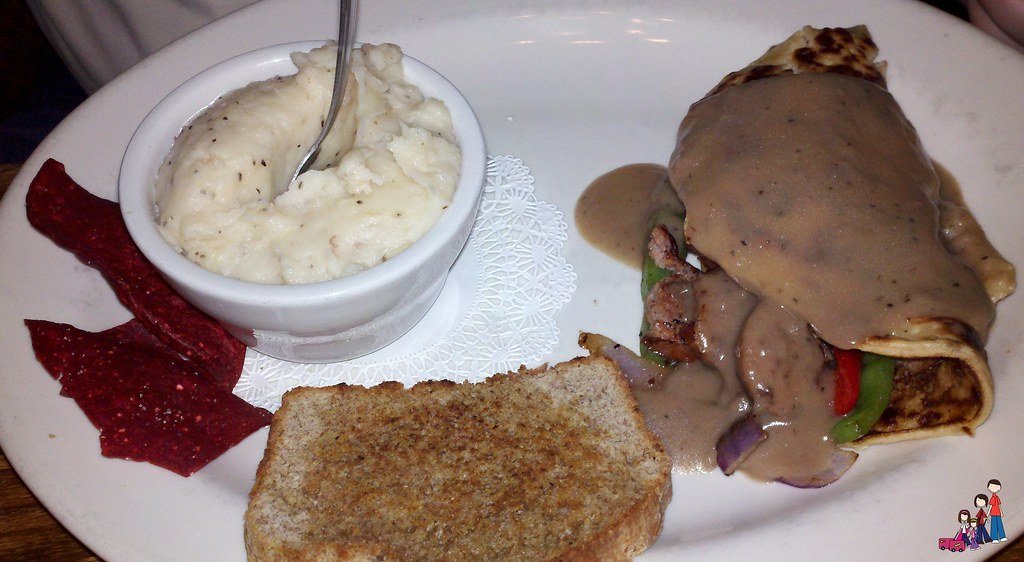
Boxty, the traditional Irish potato pancake, has emerged as a versatile ingredient that transcends its humble origins and finds a place in modern cuisine. Chefs across the globe are reinterpreting this classic dish, brilliantly fusing traditional elements with innovative techniques and global flavors. This creative evolution not only honors the heritage of boxty but also enhances its appeal to contemporary palates.
One notable trend in modern cuisine is the incorporation of diverse ingredients into boxty recipes. Renowned chefs are experimenting by adding ingredients such as smoked salmon, avocado, and even spicy Asian sauces, creating unique twists on the classic pancake. For instance, a popular dish at a Michelin-starred restaurant features boxty filled with braised lamb, infused with Middle Eastern spices and served alongside a tangy yogurt sauce, showcasing how traditional Irish dishes can effectively integrate with international culinary influences.
Moreover, innovative cooking techniques have also transformed boxty preparation. While the traditional method involves grated raw potatoes, contemporary chefs often incorporate cooked potatoes or even sweet potatoes to achieve an enticing variation in flavor and texture. This can elevate the dish, making it softer or adding a hint of sweetness. Specialized kitchen equipment, such as sous-vide cookers or modern griddles, allows for more precise control over cooking conditions, resulting in a consistently perfect pancake.
Prominent restaurants are increasingly showcasing boxty on their menus, reflecting its growing popularity. Establishments in urban centers, particularly in areas with vibrant culinary scenes, have embraced this dish as a creative vehicle for expressing their culinary artistry. Through these methods, boxty continues to evolve while maintaining its integrity, ensuring that it remains a cherished component of Irish cuisine even in the fast-paced world of contemporary gastronomy.
Tips for Making the Perfect Boxty at Home
Creating the perfect boxty requires careful attention to ingredient selection, preparation methods, and cooking techniques. The cornerstone of an exceptional boxty is the use of quality potatoes. Ideally, a combination of both starchy and waxy potatoes yields the best texture. Starchy potatoes, such as Russets, provide fluffiness, while waxy varieties, like Yukon Golds, add moisture. Aim for a mix of approximately two-thirds starchy to one-third waxy potatoes for the most balanced result.
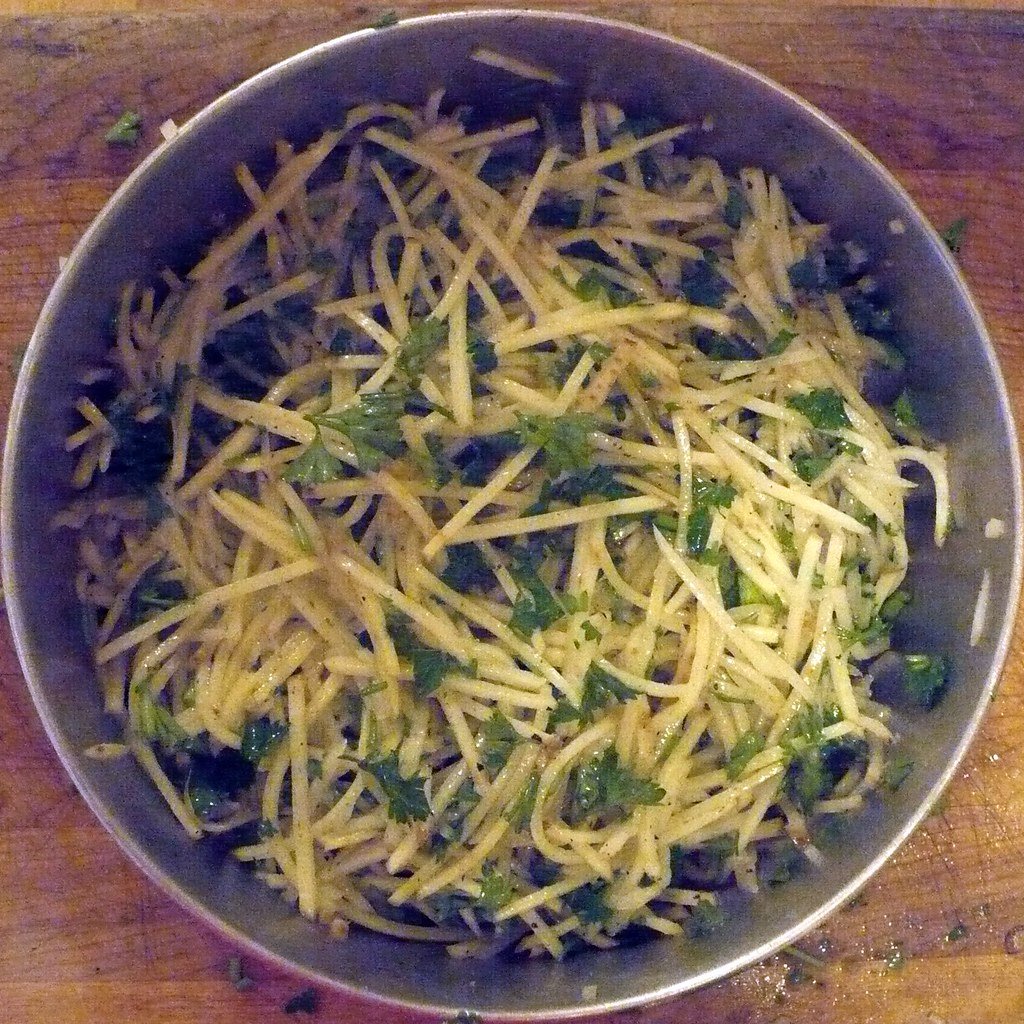
When preparing the potatoes, the traditional method involves grating raw potatoes, which adds a delightful texture to the boxty. To maintain moisture and avoid browning, immerse the grated potatoes in cold water until you are ready to mix the batter. Additionally, you may want to consider using leftover mashed potatoes as part of your recipe. This can enhance the flavor and moisture content of the pancake.
Another essential aspect is the mixing process. It is crucial not to overwork the batter, as this can lead to dense boxty. Combine your grated raw potatoes with the mashed potatoes, flour, baking powder, and salt gently. This will ensure that air pockets form within the boxty, providing a light and fluffy texture during cooking.
When it comes to cooking techniques, a well-heated non-stick skillet is vital. Use enough oil or butter to create a crispy exterior while allowing the pancake to cook evenly throughout. Medium heat is recommended, as it helps to achieve that perfect golden-brown color without burning the outside. Cook each pancake for about 3-4 minutes on each side until crispy. One common pitfall to avoid is flipping the boxty too soon; giving it adequate time to set will yield better results.
By following these tips for ingredient selection, careful preparation, and effective cooking techniques, you can create boxty that rivals those made in traditional Irish kitchens.
Conclusion: Why Boxty Deserves a Place on Your Plate
Boxty, the esteemed Irish potato pancake, stands as a symbol of culinary heritage that deserves recognition in modern kitchens. Throughout this review, we have explored the intriguing history of boxty, which reflects the resourcefulness and creativity of the Irish people, particularly in the context of using simple ingredients to create something truly delightful. Its origins, rooted in necessity, showcase how traditions can evolve and adapt while retaining their essence.
The rich flavors and versatile nature of boxty make it an appealing option for various palates. Whether served as a main dish, a side, or even enjoyed at breakfast, boxty offers a unique texture and savoriness that is hard to replicate. Its adaptability allows for a wide range of toppings and fillings, catering to both traditional and contemporary tastes. This versatility not only makes boxty an exciting dish to explore but also an opportunity for culinary experimentation within your home kitchen.
Furthermore, sharing boxty among friends and family can foster not only a communal dining experience but also serve as a bridge between generations, as stories and memories can be woven into the act of preparing and enjoying this dish together. By embracing boxty, you are not merely cooking a meal; you are partaking in a cultural tradition that has nurtured connections and relationships within Irish society.
In conclusion, boxty is much more than just an Irish potato pancake; it is a celebration of cultural heritage that invites everyone to savor its delightful flavors. By incorporating this traditional dish into your meals, you embrace history and engage in a delightful culinary journey that can be shared and appreciated by all.