
Origin of Nasi Katok
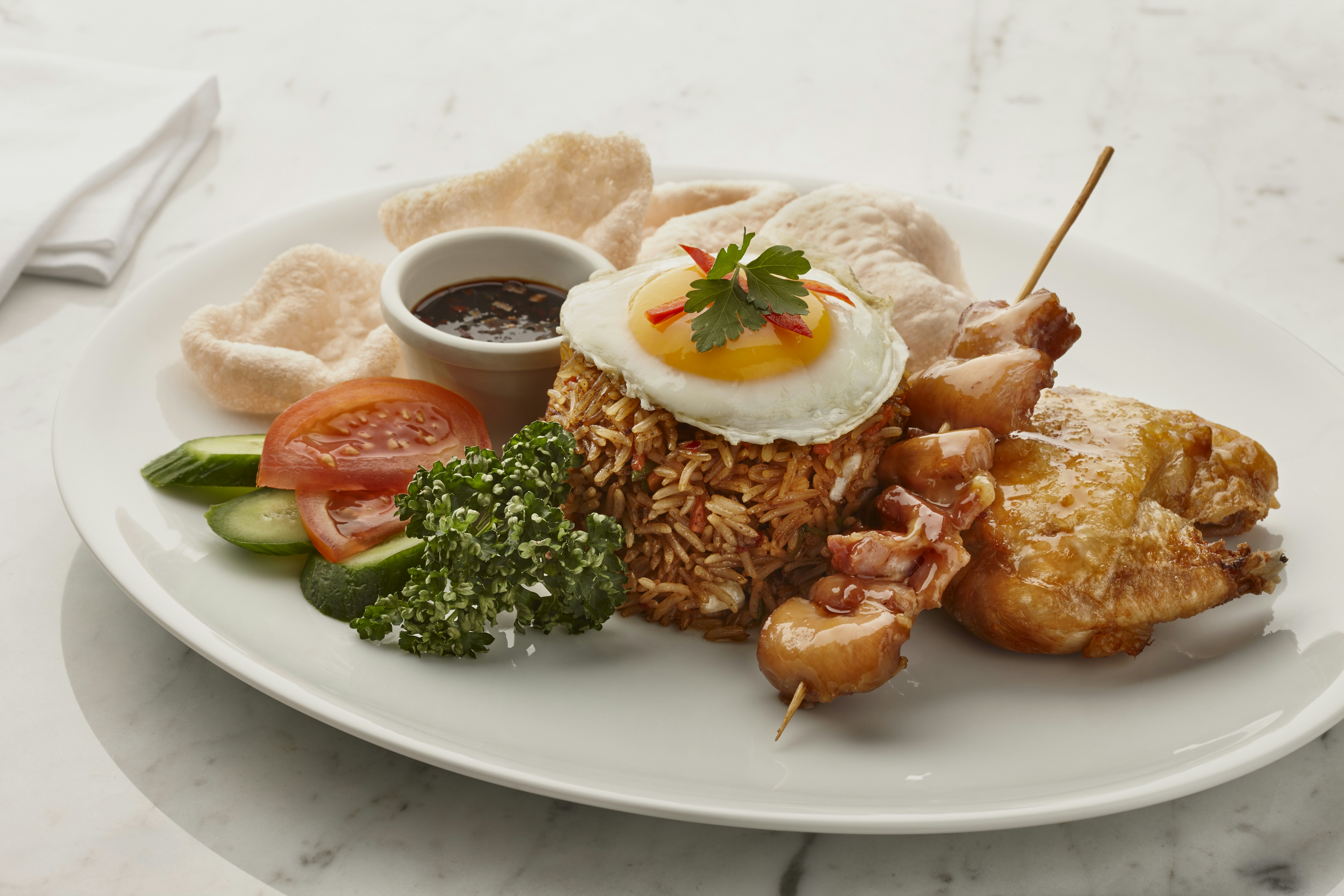
Nasi Katok is a cherished dish that embodies the culinary heritage of Brunei. Its origins can be traced back to the simple meals traditionally consumed by the local population. Nasi Katok, which translates to “knock rice,” is believed to have originated from street vendors who would sell the dish to laborers and passing travelers. This convenience-driven approach to dining allowed it to flourish during the early years of Brunei’s development, making it a staple for many.
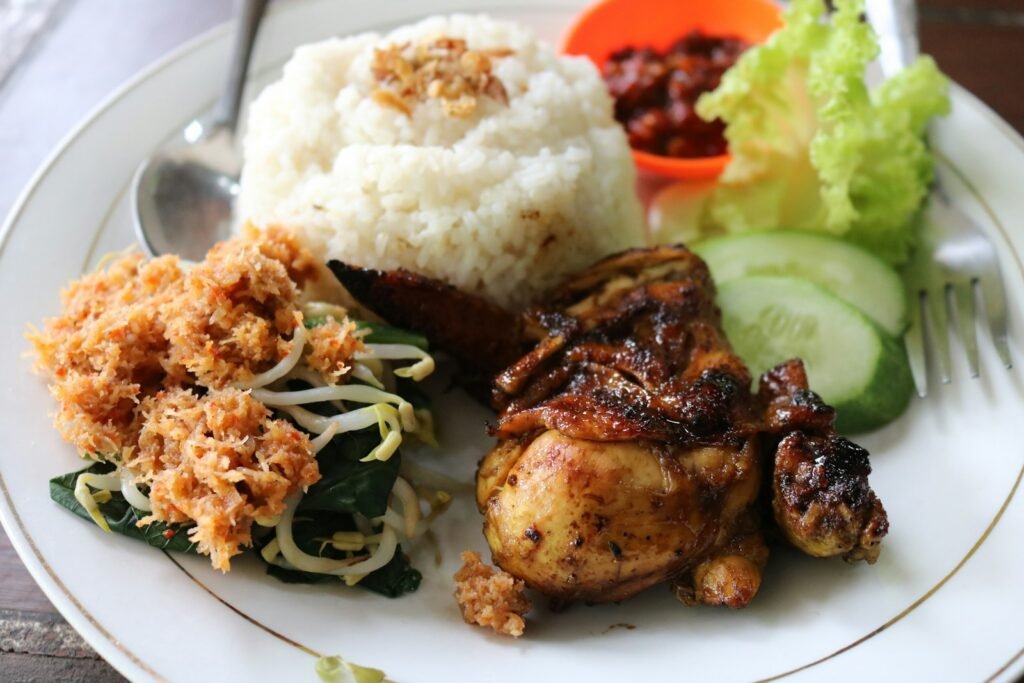
The dish consists of steamed white rice served alongside a portion of fried chicken. The chicken is typically marinated with spices, which are reflective of Brunei’s rich cultural tapestry, influenced by Malay, Chinese, and Indian culinary practices. The fusion of these culinary styles is evident in the spices used, which add a unique flavor profile to the fried chicken. The dish is usually complemented by sambal, a spicy chili paste, enhancing its overall appeal. The use of local ingredients, such as coconut milk and various spices, not only showcases Brunei’s agricultural abundance but also emphasizes the communal aspect of food preparation and consumption.
As the years progressed, Nasi Katok became more than just a meal; it evolved into a symbol of Bruneian identity. The dish has undergone various adaptations while still maintaining its core characteristics, ensuring that it remains relevant to the modern palate. Today, Nasi Katok is often enjoyed in various settings, from casual roadside stalls to more formal dining experiences. Its continuing popularity serves as a testament to Brunei’s rich culinary tradition and the dish’s ability to bring people together over a shared love of food.
The Meaning Behind Nasi Katok
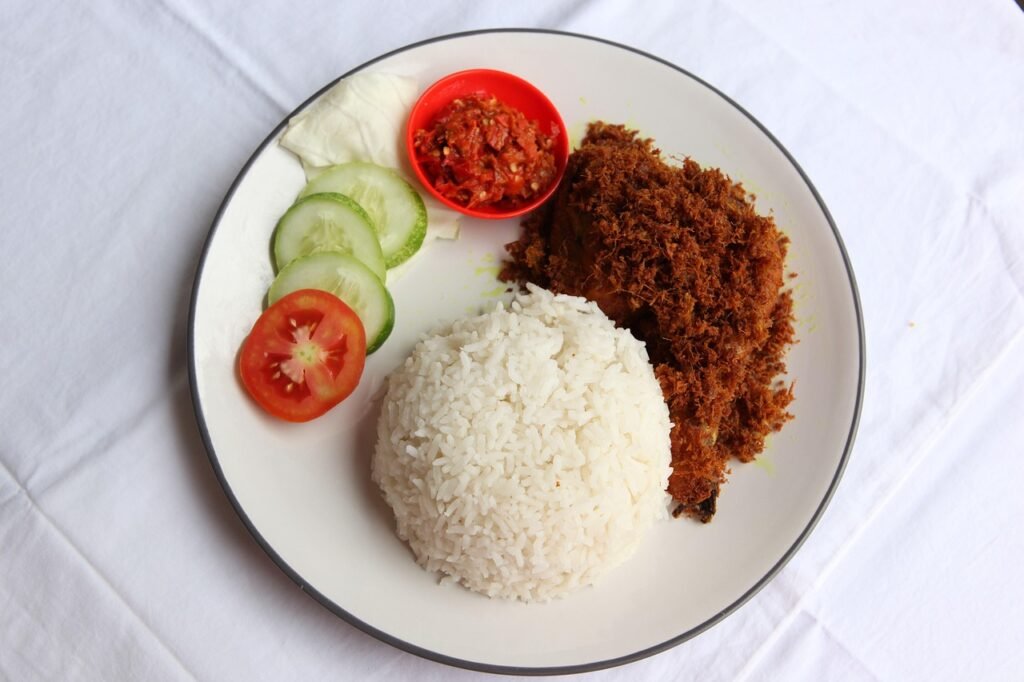
The term “Nasi Katok” embodies rich cultural significance in Brunei, seamlessly intertwining language, tradition, and culinary practices. In the Malay language, “nasi” translates to “rice,” which is foundational to many Southeast Asian diets. The word “katok,” however, derives from the Malay word “ketuk,” which means “to knock” or “to tap.” This interpretation points to a unique cultural practice where vendors traditionally serve the dish by tapping or knocking on the side of the container to indicate its availability, a practice that exemplifies the informal and approachable nature of local dining.
Nasi Katok typically consists of rice served with fried chicken and a side of sambal, a chili-based sauce that adds flavor and spice to the meal. This simplicity of ingredients reflects the Bruneian lifestyle, characterized by a preference for straightforward yet flavorful meals. Eating Nasi Katok is not merely about sustenance; it is a social experience that conveys the warmth of community life in Brunei. It is often enjoyed on the go, making it a popular meal choice among busy individuals and families alike, emphasizing the dynamic rhythm of daily life in the country.
Historical Significance of Nasi Katok

Nasi Katok, an iconic dish from Brunei, holds a considerable place in the nation’s culinary heritage and cultural history. Typically consisting of steamed rice served with fried chicken and sambal, Nasi Katok is more than just a meal; it represents Bruneian identity and tradition. The dish has been a staple in local households for decades, signifying the communal aspect of dining in Brunei. Families often come together to enjoy this beloved meal, reinforcing social bonds and cultural values.
The origins of Nasi Katok can be traced back to the 1980s when it was crafted as a quick, affordable meal option for the working population. Priced traditionally at a modest sum, Nasi Katok became a popular choice for lunch among Bruneians, particularly for those on the go. Its accessibility and satisfying composition ensured its incorporation into daily life and local gatherings. Over the years, Nasi Katok emerged as a beloved dish not only for regular meals but also during celebrations and festivals.
Furthermore, Nasi Katok plays a significant role during local events such as weddings, birthdays, and public holidays. It is often served at gatherings and community feasts, reinforcing its importance in social cohesion. The dish has evolved to include various renditions, with many families adding their unique twists or sides. This adaptability showcases its cultural significance, as it embraces both traditional and contemporary influences. The dish’s ever-growing popularity continues to foster an appreciation for local cuisine among younger generations and tourists alike, ensuring that Nasi Katok remains a prominent fixture in Brunei’s gastronomic landscape.
Cultural Context of Nasi Katok
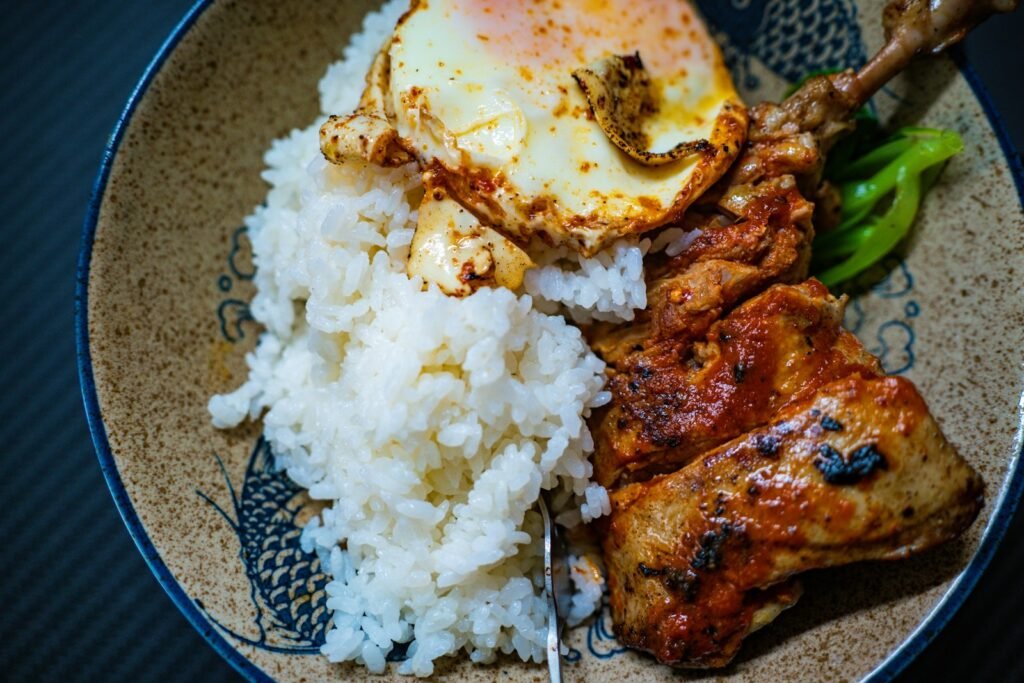
Nasi Katok holds a distinctive place in Bruneian culture, serving not just as a meal but also as a cornerstone of social practices and communal bonding. The dish, comprising steamed rice paired with fried chicken and often accompanied by sambal, has deep-rooted significance that extends beyond mere sustenance. It is commonly enjoyed during social gatherings, family meals, and even during breaks in the workday, emphasizing its role as a unifying factor among people. The convenience and affordability of Nasi Katok further enhance its appeal, making it a favored choice for both locals and visitors.
In food markets across Brunei, Nasi Katok stalls often burst with activity, reflecting the dish’s popularity. These stalls not only serve delicious food but also foster a sense of community as people come together to enjoy a meal. This communal aspect is essential to Bruneian social life, encouraging interactions and the building of relationships over shared culinary experiences. The ambiance of these markets, filled with the aroma of fried chicken and sambal, creates a vibrant atmosphere where Nasi Katok is celebrated not just for its taste but for the connections it facilitates.
Moreover, Nasi Katok has become a cultural symbol for the nation, representing Brunei’s culinary identity to tourists. Many visitors seek out this dish, eager to experience a true taste of Bruneian hospitality. As a result, it is not uncommon for Nasi Katok to be featured at local festivals and events, showcasing its significance in showcasing Bruneian culture to the outside world. By bridging locals and visitors alike through food, Nasi Katok stands as a testament to Brunei’s rich culinary heritage and social fabric.
Taste Profile of Nasi Katok
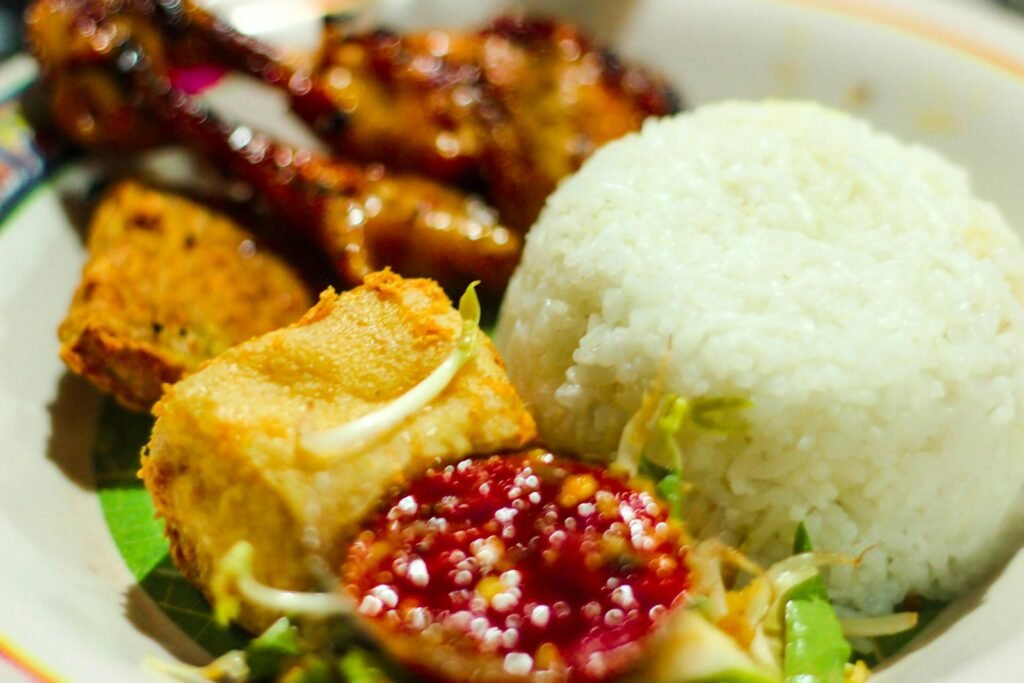
Nasi Katok, a cherished dish in Brunei, provides a unique culinary experience that showcases a harmonious blend of flavors and textures. At the heart of this dish lies the tender chicken, which is typically marinated with a mixture of spices that not only enhance its taste but also reflect the rich cultural heritage of the region. The chicken, often fried to achieve a crispy exterior, is imbued with a savory essence that tantalizes the palate. Commonly used spices include garlic, ginger, and turmeric, each contributing distinct notes that elevate the overall flavor profile.
The rice component of Nasi Katok complements the chicken perfectly. It is usually steamed to achieve a fluffy consistency, often scented with pandan leaves, which adds a subtle fragrance to the dish. This aromatized rice serves as a perfect base, absorbing the flavors from the chicken and accompanying condiments, thereby enhancing the dish’s overall appeal.
Accompanying Nasi Katok is a variety of condiments that further enrich the taste experience. A popular choice is sambal, a spicy chili paste that adds a delightful kick to the dish. The fusion of spicy, savory, and slightly sweet elements creates a complex taste that is both invigorating and satisfying. Additionally, a side of fried egg is often included, which adds creaminess and richness, balancing the spice of the sambal beautifully.
Overall, the taste profile of Nasi Katok is a testament to Brunei’s culinary artistry. Each element plays a crucial role in delivering a robust, flavorful experience that celebrates the balance of spices and textures. The dish not only satiates hunger but also offers a glimpse into Brunei’s culinary traditions, making it a beloved choice among locals and visitors alike.
Texture and Presentation of Nasi Katok
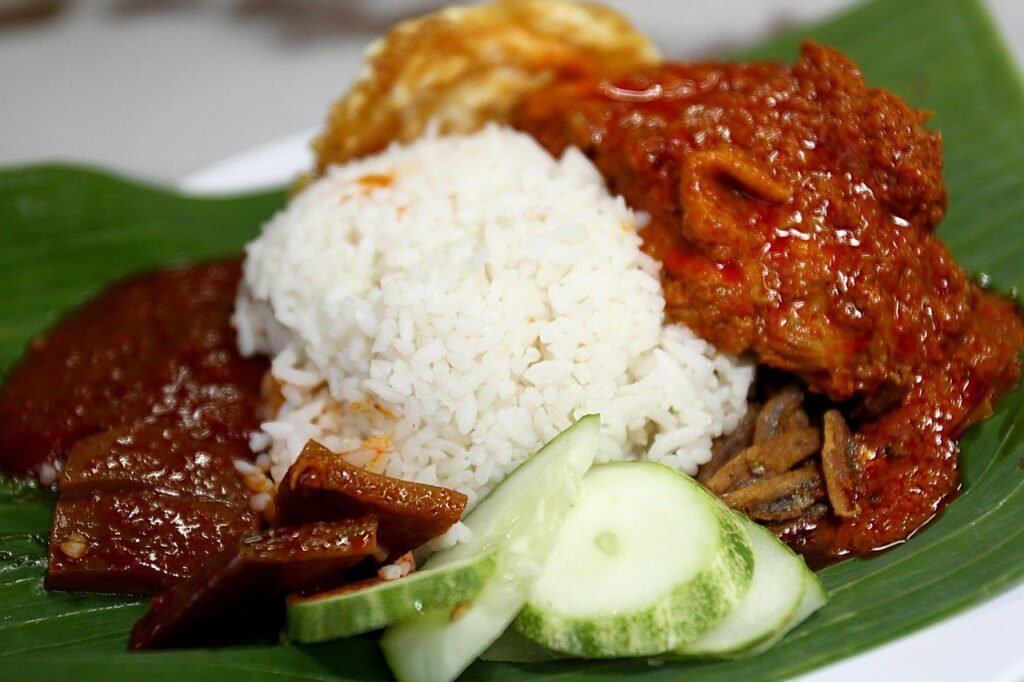
Nasi Katok, a cherished culinary delight from Brunei, is distinguished by its harmonious blend of textures that elevate the dining experience. The tender chicken, often marinated in a blend of spices, is the star of the dish. Upon biting into the chicken, one is greeted with a succulent and juicy interior, which reflects a well-executed cooking technique. The marinade imparts depth and flavor while ensuring that the meat remains moist and delectable. This tenderness contrasts beautifully with the accompanying components of the meal.
The rice in Nasi Katok is known for its fluffiness, which serves as a perfect base for the dish. Often steamed to perfection, the grains are light, airy, and separate easily, allowing them to absorb the flavors of the accompanying sauces and chicken. This not only enhances the overall taste but also contributes to the enjoyable mouthfeel. Each spoonful of rice provides a satisfying texture that complements the softness of the chicken.
Furthermore, Nasi Katok often features crunchy side elements, such as fried shallots or crispy vegetables, which add an exciting dimension to the overall presentation of the dish. These components offer a delightful contrast to the tender chicken and fluffy rice, making for a well-rounded meal. The interplay of textures—smooth, fluffy, and crispy—creates a sensory experience that is both satisfying and memorable.
Regarding presentation, Nasi Katok is typically served in a simple manner, often wrapped in banana leaves or placed on a plate that showcases the chicken atop a generous serving of rice. Accompanying chili sauce or sambal serves both as a taste enhancer and a striking visual element, often adding a vibrant splash of color to the dish. The minimalist approach allows the quality of the ingredients to shine, making Nasi Katok a beloved staple in Bruneian cuisine.
Popular Variations of Nasi Katok
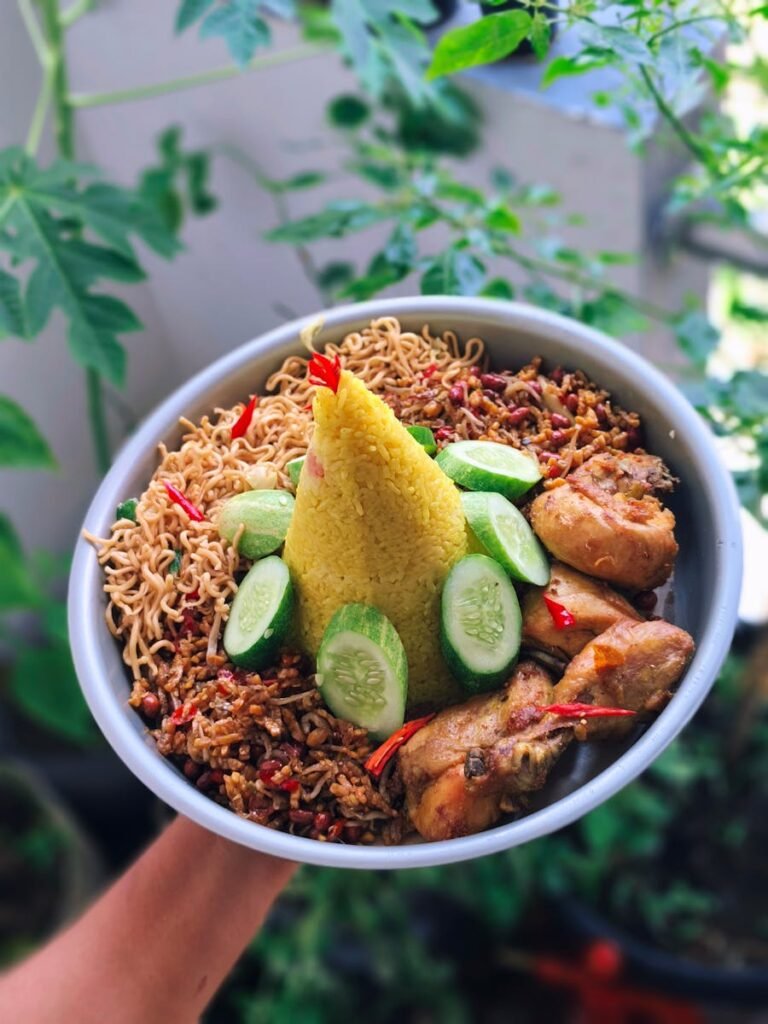
Nasi Katok, a staple dish in Brunei, showcases a variety of popular adaptations that highlight the culinary diversity found within the region. Traditionally, Nasi Katok consists of steamed rice served with fried chicken and sambal, but several variations cater to the preferences of locals and visitors alike.
One common variation features different styles of the chicken, offering options such as grilled, roasted, or even curry-flavored chicken. These adaptations allow for individual taste preferences to be accommodated, illustrating the creativity of local chefs. Additionally, some establishments serve Nasi Katok with a choice of side dishes such as fried egg, pickled vegetables, or keropok (crispy crackers), further enhancing the meal and allowing diners to personalize their experience. Each accompaniment adds a unique flavor profile, making every serving of Nasi Katok distinct.
In addition to variations found in preparation methods, there are also regional adaptations that reflect the multicultural fabric of Bruneian society. For instance, in certain areas, Nasi Katok may be offered with a side of rendang, a spicy meat dish known for its rich flavor. This inclusion appeals to those seeking a heartier meal and showcases the influence of neighboring Southeast Asian cuisines on Bruneian food. Furthermore, some food stalls experiment with modern twists, such as incorporating international flavors or utilizing alternative proteins like tofu or grilled fish as substitutes for chicken.
The diversity of Nasi Katok variations exemplifies how individual preferences, cultural influences, and culinary creativity converge within Brunei’s food scene. As people continue to explore and enjoy this beloved dish, the scope of Nasi Katok is likely to expand, encouraging further innovation while still celebrating its traditional roots.
Where to Find Authentic Nasi Katok
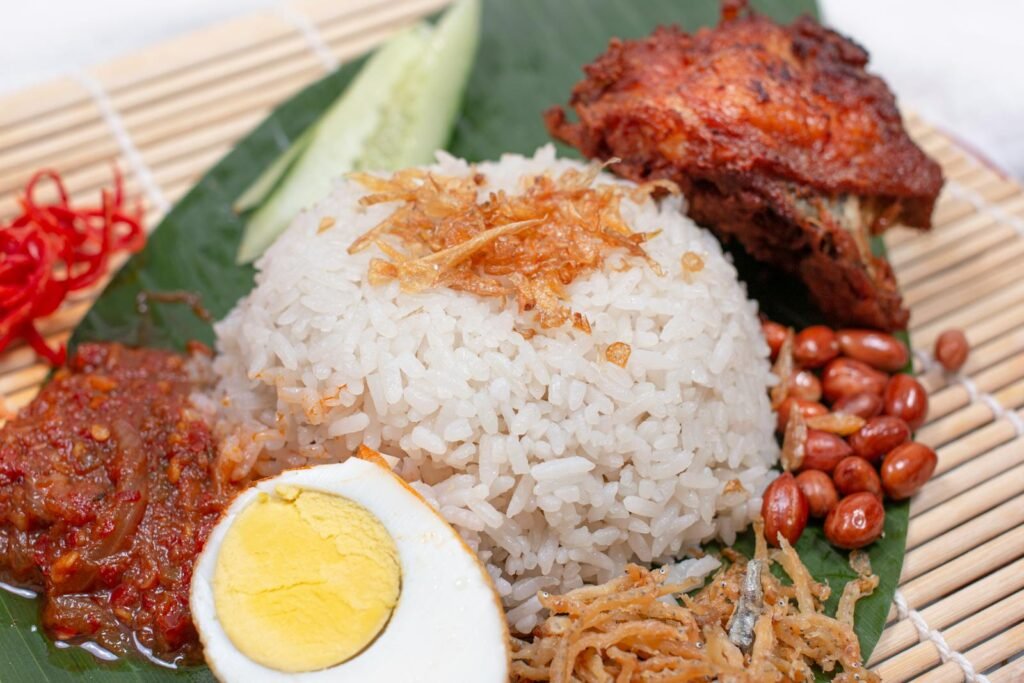
Finding authentic Nasi Katok in Brunei is an exciting culinary adventure, as the dish can be discovered in various locations across the country. The uniqueness of this simple yet flavorful meal results from the different regional preparations and the distinct twists added by various vendors. Understanding where to enjoy the most authentic versions of Nasi Katok can significantly enhance your gastronomic experience.
One of the most renowned places to savor Nasi Katok is at the popular stall known as *Nasi Katok Ayam Penyet*. Located in the bustling Gadong area, this food stall is famous for its perfectly fried chicken paired with fragrant rice and a spicy sambal that brings out the flavor of the dish. Their commitment to traditional cooking methods ensures that customers enjoy an authentic taste reminiscent of home-cooked meals.
Another excellent option is *Restoran Zaman Asri*, which has garnered a loyal following among locals. This restaurant serves Nasi Katok with a variety of sides, providing customers with options that cater to different palates. The inviting atmosphere and friendly service make it a great spot to indulge in the full Nasi Katok experience while enjoying the communal feel of Brunei’s dining culture.
For those seeking a more modern interpretation, *Kedai Kopi dan Makanan 88* offers a creative twist on the classic dish. This establishment is known for incorporating local ingredients and innovative flavors, providing a unique take on the beloved Nasi Katok. With its strategic location and casual setting, it attracts both locals and tourists alike.
Lastly, keep an eye out for food trucks or pop-up vendors that often appear during local fairs or markets. These mobile kitchens frequently offer authentic Nasi Katok prepared with fresh ingredients and traditional techniques. Here, one can discover personal and unique styles of this beloved dish. Enjoying Nasi Katok from these various vendors allows for a truly comprehensive culinary exploration of this integral part of Brunei’s food heritage.
Conclusion: The Enduring Appeal of Nasi Katok
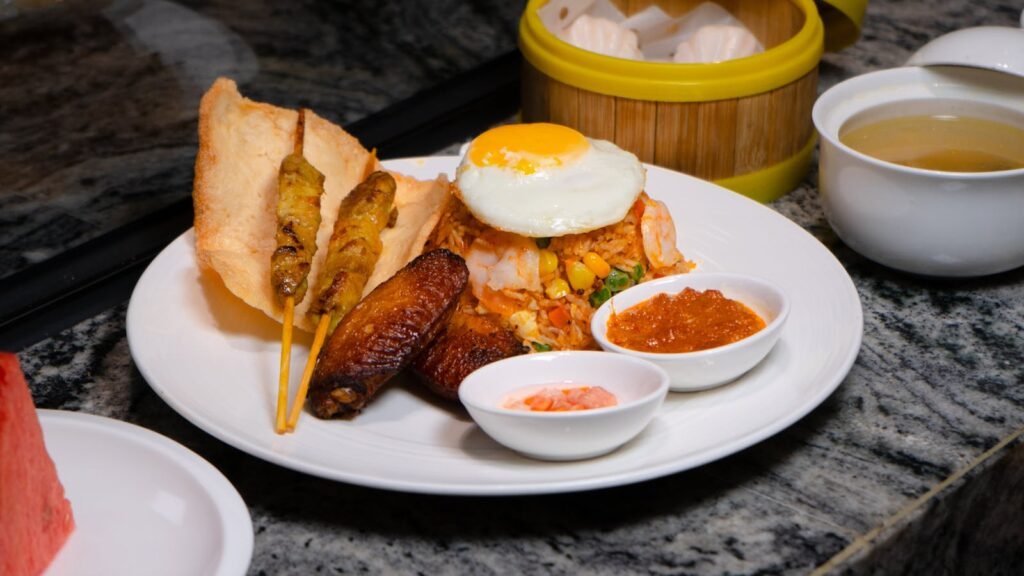
Nasi Katok has firmly established itself as a culinary emblem of Brunei, deeply embedded in the cultural fabric of the nation. This beloved chicken dish is not only a staple for the locals but also a point of attraction for visitors seeking to explore authentic Bruneian cuisine. Its simplicity, affordability, and delightful flavors contribute significantly to its enduring appeal. Nasi Katok is more than just a meal; it is a representation of Brunei’s rich culinary heritage and social connectivity.
The combination of tender chicken, rice, and sambal chili creates an accessible yet satisfying dining experience. This comfort food evokes a sense of nostalgia and familiarity among the Bruneian population, making it a popular choice across various demographics. The communal aspect of enjoying Nasi Katok also plays a vital role in fostering social interactions. It is often shared among family and friends, and served at events, strengthening community bonds and cultural identity.
Additionally, the rise of food stalls dedicated to selling Nasi Katok signifies the dish’s popularity and versatility. These establishments often thrive in both urban and rural settings, ensuring that Nasi Katok remains widely available and appreciated. As Brunei continues to modernize, the dish retains its traditional roots, reminding both locals and tourists of the nation’s culinary identity.
This balance between tradition and modernity highlights Nasi Katok’s vital role in Brunei’s gastronomy. Its continued relevance in the local food scene exemplifies the pride that the citizens take in their cuisine. As such, Nasi Katok will likely remain a cherished dish for generations to come, serving as a delicious reminder of Brunei’s unique cultural tapestry.