The Origin of Chicken Karahi
Chicken Karahi is a quintessential dish that hails from the Indian subcontinent, particularly cherished in the regions of Pakistan, India, and parts of Afghanistan. The term “Karahi” refers to the wok-like vessel in which this savory chicken dish is traditionally prepared. The origins of Chicken Karahi can be traced back to rural communities, where cooking methods emphasized simplicity and the use of fresh, local ingredients.
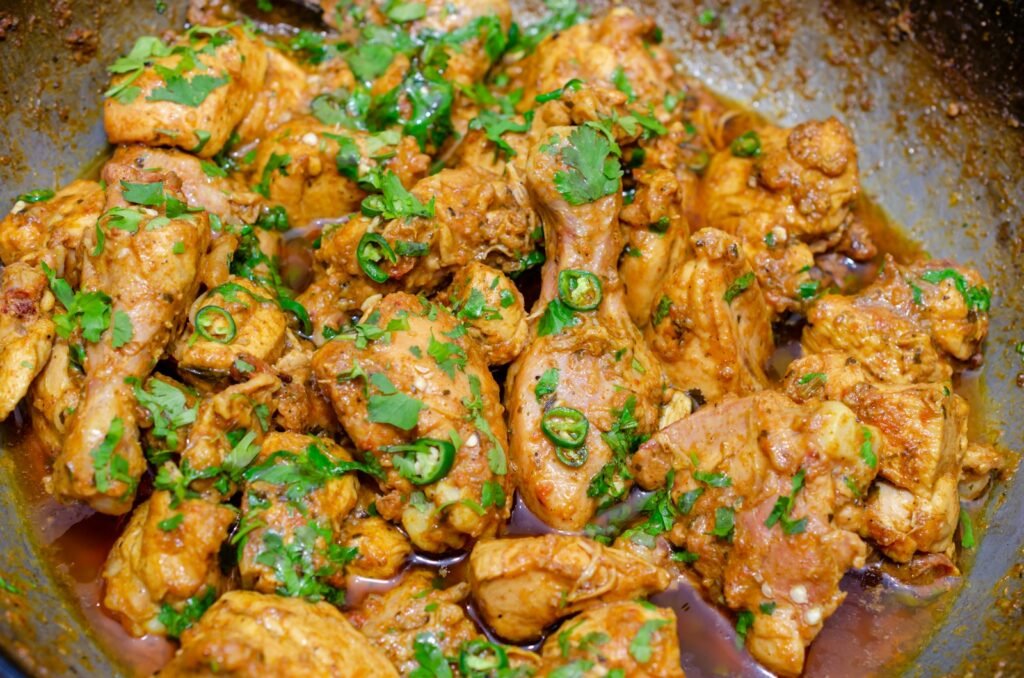
Historically, Chicken Karahi emerged as a staple among nomadic tribes and peasant communities who sought to make efficient use of available resources. The dish is believed to have been developed in the 18th and 19th centuries when various culinary influences began to blend in the region. Certain culinary historians suggest that the method of cooking chicken in a karahi may have descended from earlier forms of meat preparations, often involving slow-cooked stews. Local spices and herbs contributed to the hearty flavors that characterize this dish today.
As time progressed, Chicken Karahi evolved, leading to notable regional variations across the subcontinent. In Punjab, for instance, the dish is often enriched with a medley of spices, reflecting the local palate’s preference for bold flavors. Conversely, in Sindh, the preparation may feature tamarind or other tangy elements, showcasing distinct cultural tastes. In urban centers, this curry has found its place in restaurants and culinary gatherings, highlighting its significance in South Asian cuisine.
The dish has transitioned from traditional family kitchens to contemporary dining establishments while retaining its authentic roots. Today, Chicken Karahi not only represents a culinary delight but also embodies a rich tapestry of cultural heritage, signifying unity in diversity within the South Asian gastronomy.
The Historical Significance of Chicken Karahi
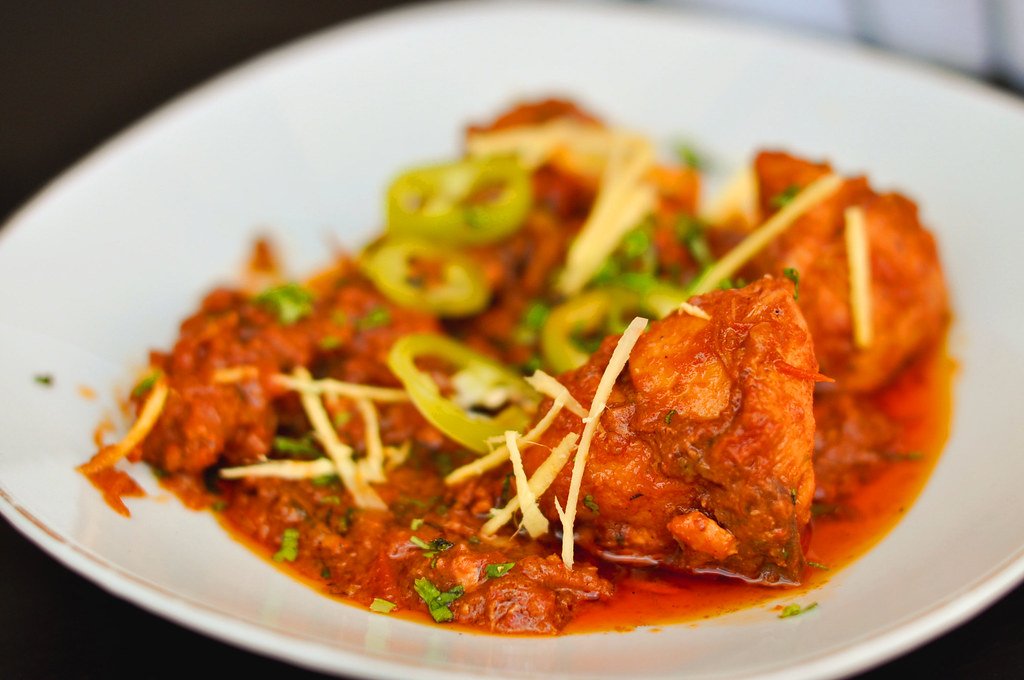
Chicken Karahi is far more than just a popular dish in South Asian cuisine; it embodies a rich tapestry of history and cultural evolution that has unfolded over centuries. Originating from the Indian subcontinent, this flavorful curry has drawn influence from various dynasties, including the Mughal Empire, which significantly contributed to the region’s culinary heritage. It reflects the confluence of local ingredients and royal preferences, thereby creating a dish that has stood the test of time.
Historical texts dating back to the Mughal period provide insights into how dishes like Chicken Karahi were prepared and served. Influences from Persian cuisine, characterized by aromatic spices and slow cooking methods, can be observed in the preparation techniques of Chicken Karahi. The communal aspect of eating, prevalent during the Mughal era, is another cultural hallmark associated with this dish, which was often prepared in large quantities for feasts and gatherings to delight guests.
As the dish evolved, regional variations emerged, each with distinctive flavors influenced by local customs and available ingredients. For instance, in Pakistan, Chicken Karahi is prepared with a blend of heat and tanginess, often complemented by the fresh aroma of coriander and ginger. This adaptation illustrates the dish’s fluid nature, demonstrating how historical shifts in trade, invasion, and cultural exchange have crafted it into a beloved culinary staple today.
Moreover, Chicken Karahi’s enduring legacy is evident in contemporary society, where it continues to be a favorite at family gatherings and celebratory events. Its inclusion in modern restaurant menus, both domestically and internationally, serves as a testament to its cultural relevance and gastronomic appeal. The continued reverence for Chicken Karahi not only reflects its historical significance but also highlights its place in the heart of communal dining and cultural identity.
Understanding the Meaning of ‘Karahi’
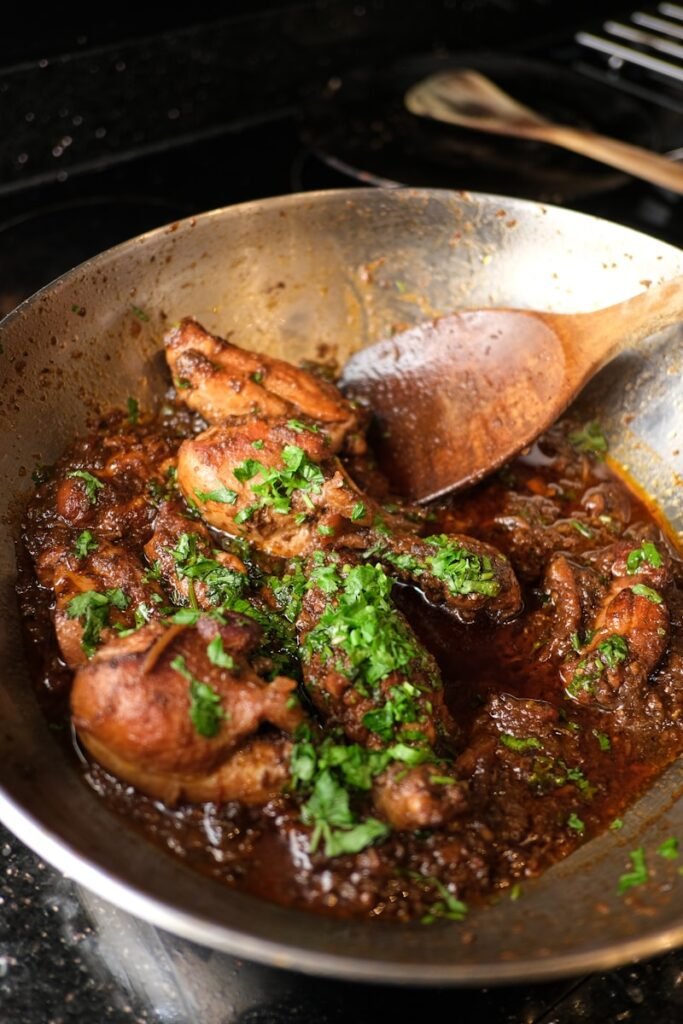
The term ‘Karahi’ refers to a type of cooking vessel that is both traditional and essential in South Asian culinary practices. Generally made from cast iron, stainless steel, or aluminum, a Karahi has a deep, circular shape with high sides, providing the ideal environment for a variety of cooking techniques. This iconic cookware is commonly used for frying, sautéing, and simmering, making it an indispensable tool in many South Asian kitchens.
The primary purpose of a Karahi is to facilitate the cooking of rich and flavorful dishes, such as Chicken Karahi, by allowing for even heat distribution and excellent moisture retention. Unlike more superficial pans, the depth of the Karahi ensures that the spices and ingredients can blend harmoniously, resulting in an intense and aromatic flavor profile. The design of this utensil also allows for a energetic cooking method, which often involves stirring and tossing, enhancing the dish’s overall texture.
The connection between the Karahi cooking method and the flavor profile of Chicken Karahi is notable. Food prepared in a Karahi tends to develop a unique, almost smoky flavor due to the intense heat that can be easily achieved. Furthermore, the high sides of the Karahi help contain the splatter of oil while cooking, maintaining a cleaner workspace and a safer environment. This specific cooking style, characterized by rapid frying and the fusion of spices, contributes significantly to the richness and depth of Chicken Karahi, which makes this dish popular among food enthusiasts.
In understanding the Karahi’s role in South Asian cuisine, one gains insight into the cultural significance of this cooking method, as it is often tied to the communal experience of sharing meals, thereby reinforcing connections between family and friends.
Cultural Importance of Chicken Karahi
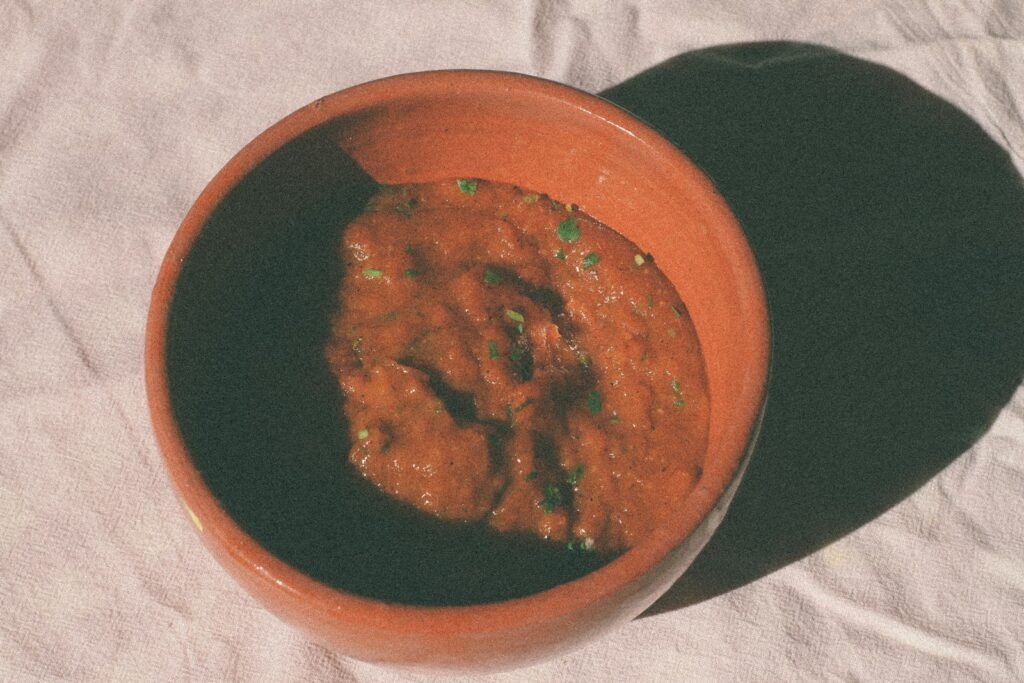
Chicken Karahi holds significant cultural importance in South Asian communities, representing more than just a popular culinary delight. This dish, with its robust flavors and rich history, is often a centerpiece during various social gatherings and celebrations. It is commonly prepared during festive occasions such as weddings, Eid celebrations, and family reunions. The act of cooking and serving Chicken Karahi not only enhances the communal dining experience but also reinforces familial bonds, making it an integral part of the communal culture.
During special occasions, the preparation of Chicken Karahi embodies a deep-rooted tradition where families come together to create a feast. The vibrant aroma of the spices combined with the sizzle of chicken being cooked in a traditional wok (karahi) fills the household, signifying an atmosphere of joy and togetherness. This dish is often accompanied by naan or rice, further enriching the cultural experience as families share meals while recounting stories and traditions that are passed from one generation to the next.
In everyday meals, Chicken Karahi is a staple that transcends regional boundaries, showcasing the diversity of South Asian cuisine. It serves as a comfort food for many, symbolizing home and warmth. Additionally, it is frequently featured in the menus of local eateries and restaurants, signifying its popularity among people of all ages. Societal norms often dictate the sharing of this dish among friends and family, enhancing its cultural significance. The preparation and serving of Chicken Karahi not only nourish the body but also foster connections among individuals, underscoring its pivotal role in shaping communal identities.
Taste Profile of Chicken Karahi
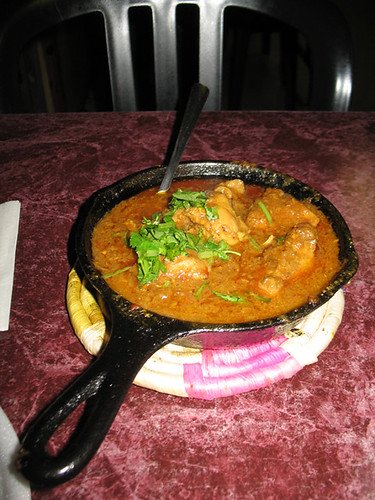
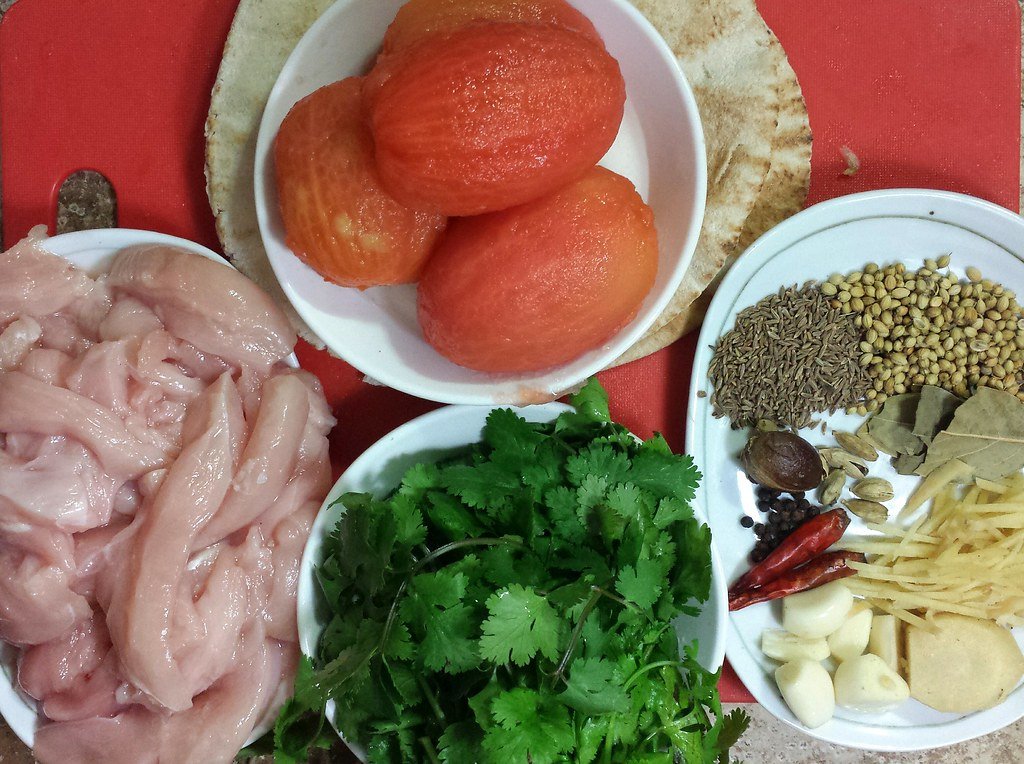
The taste profile of Chicken Karahi is a remarkable blend of flavors that reflect the rich culinary heritage of South Asia. At the heart of this dish lies chicken, which is cooked in a wok-like vessel known as a “karahi.” This cooking method offers a unique opportunity for the spices and chicken to meld together, creating a complex and harmonious flavor experience. The dish typically features a combination of spices including cumin, coriander, and garam masala, which not only enhance the overall taste but also contribute to its aromatic qualities.
The balance of spices in Chicken Karahi is essential for achieving the dish’s characteristic depth of flavor. The spices are usually tempered in oil before the chicken is added, a technique that helps release their essential oils and intensifies the overall scent. This initial step sets the foundation for a flavorful outcome, ensuring that each bite is infused with the spices’ essence. The use of tomatoes in the dish adds a refreshing acidity, balancing the heat from green chilies and the intensity of the spices. This marriage of ingredients leads to a delightful explosion of taste, making every serving a rewarding experience.
Moreover, the complexity of Chicken Karahi goes beyond its spices. Personal narratives from those who have enjoyed this dish often describe an interplay of smoky undertones derived from the high-heat cooking method. Traditionally, open flame cooking is preferred, imparting a distinct charred flavor that elevates the dish’s appeal. Each aspect—from the selection of spices to the cooking technique—contributes to an impressive tapestry of tastes that delight the palate. Ultimately, Chicken Karahi exemplifies a culinary tradition where flavor and technique converge to create something memorable.
Texture of Chicken Karahi
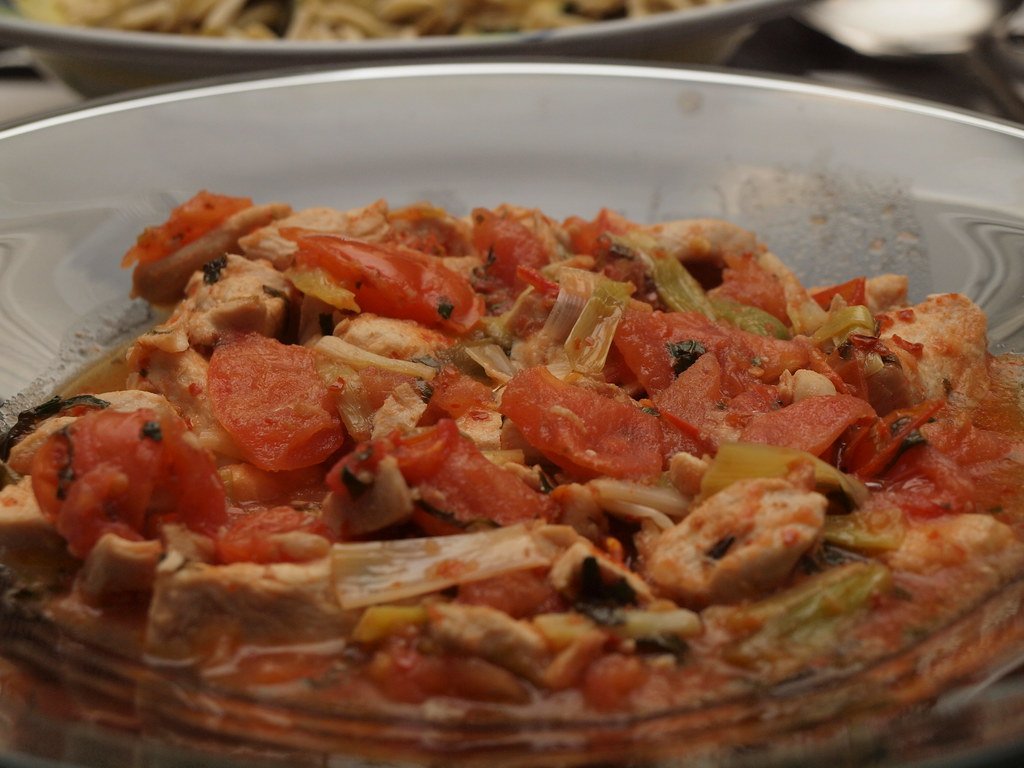
The texture of Chicken Karahi is a fundamental aspect that sets it apart from other chicken dishes often featured in South Asian cuisine. The characteristic tenderness of the chicken is achieved through the cooking process, which typically involves a balance of high heat and a short cooking duration, allowing the meat to remain juicy while fully absorbing the rich flavors of the spices used. Unlike other preparations where chicken may be stewed over long periods, the quick stir-frying method employed in Chicken Karahi ensures that each piece of chicken remains delectably tender yet firm to the bite.
The sauce that envelops the chicken plays a significant role in the overall texture of the dish. Characterized by its thick and slightly chunky consistency, the sauce consists of crushed tomatoes, finely diced onions, and aromatic spices, which meld together beautifully during cooking. The incorporation of tomatoes not only adds a slight acidity but also contributes to a smooth yet textured coating that complements the succulent chicken pieces. Furthermore, the addition of green and red bell peppers introduces a contrasting crispness, elevating the dish’s textural profile. The peppers, when sautéed, retain their shape and crunch, providing a delightful bite that balances the tender chicken.
Moreover, the garnishing ingredients, such as fresh cilantro and green chilies, bring an additional layer of texture and flavor. The cilantro offers a refreshing crunch, while the green chilies can introduce a subtle heat that enhances the overall eating experience. Each element, from the tender chicken to the robust sauce and the fresh garnishes, contributes to the delightful interplay of textures in Chicken Karahi. This complexity in textural elements not only distinguishes Chicken Karahi from other chicken dishes but also enriches the overall culinary experience, making it a beloved choice for many.
Popular Variations of Chicken Karahi
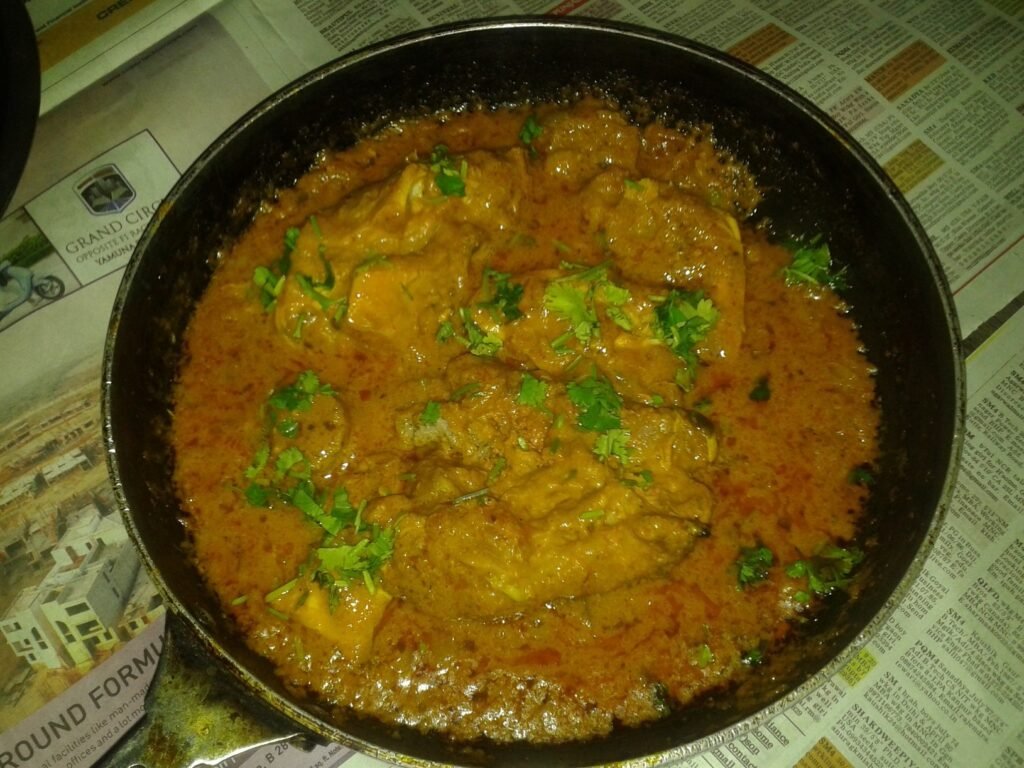
Chicken Karahi is a beloved dish that has garnered numerous interpretations across different regions, each presenting unique flavors and preparation methods that reflect local culinary traditions. Regional variations not only showcase the diversity of ingredients but also embody the essence of the culture from which they originate.
In the Punjab region of Pakistan, Chicken Karahi is often distinguished by its robust flavors, highlighted through the use of garlic and ginger, along with a generous addition of freshly chopped tomatoes. This variation places a strong emphasis on the “bhunao” technique, where the spices and meat are cooked over high heat until they adhere to the bottom of the pan, developing a rich, caramelized flavor. A sprinkle of coriander and green chilies just before serving enhances both the aroma and the visual appeal, presenting a dish that is both vibrant and hearty.
Conversely, Karachi’s Chicken Karahi features a milder flavor profile, with a noticeable incorporation of seafood spices, paying homage to the city’s coastal influences. This variation may also include a side of yogurt or a drizzle of lemon juice, which balances the dish’s spice level and adds a creaminess that complements the tender chicken pieces. Additionally, the use of coconut in some regional recipes provides a unique, tropical twist to the overall flavor.
Vegetarian variations have also emerged, appealing to those who prefer to enjoy the flavors of Karahi without meat. Vegetable Karahi combines seasonal vegetables such as bell peppers, peas, and carrots with the traditional spice blend, offering a colorful and nutritious alternative. Furthermore, some recipes substitute chicken with paneer or tofu, reflecting contemporary dietary preferences while maintaining the essence of Karahi’s flavors.
This vast array of Chicken Karahi variations not only demonstrates the culinary flexibility of the dish but also emphasizes cultural influences, regional preferences, and evolving dietary trends within the rich tapestry of South Asian cuisine.
Pairing Options with Chicken Karahi
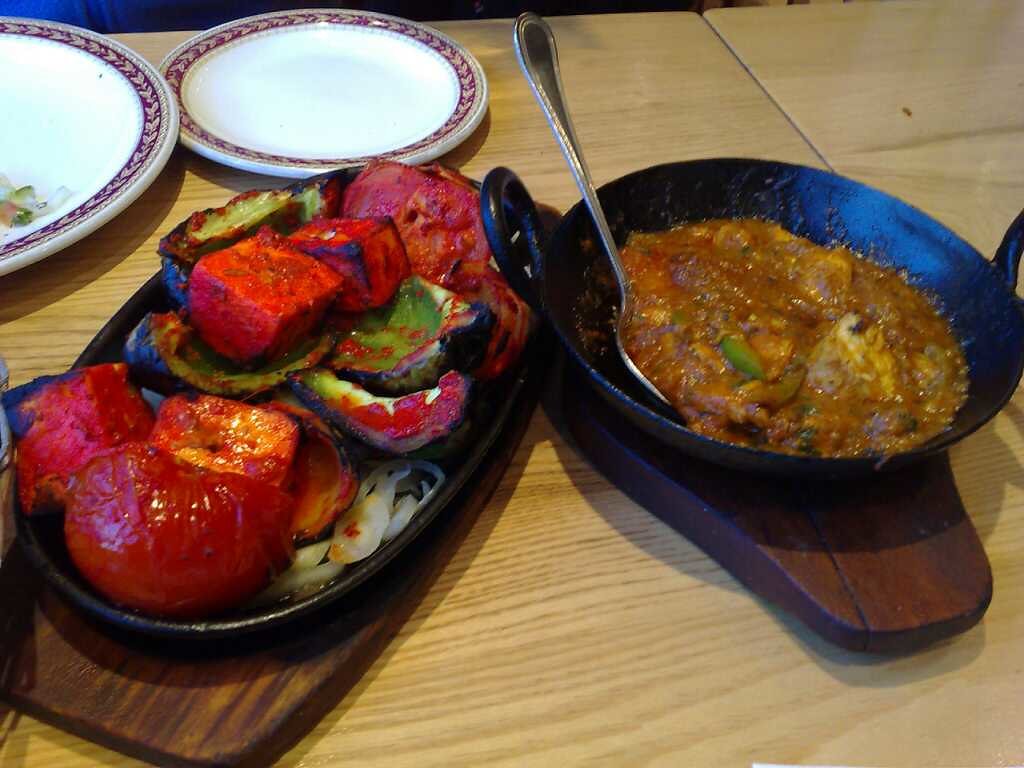
When it comes to enjoying Chicken Karahi, the right pairing can elevate the dining experience significantly. Traditionally, this flavorful dish is complemented by a variety of side dishes and beverages that enhance its rich taste and aromatic profile.
One popular choice is to serve Chicken Karahi with various types of bread. Naan, particularly garlic naan or butter naan, is a favored accompaniment. The soft, pillowy texture of naan is perfect for scooping up the tender pieces of chicken and absorbing the spicy gravy. Additionally, chapati or paratha can also be enjoyed, offering a slightly different texture and flavor that harmonizes with the spices in the dish.
Rice is another excellent option when pairing with Chicken Karahi. Basmati rice, with its long grains and fragrant aroma, provides a light and fluffy base that balances the robust flavors of the curry. Some diners opt for biryani rice on special occasions, which can add an extra layer of complexity due to its fragrant spices and vegetables. For a more traditional option, plain steamed rice can serve as a simple yet effective accompaniment.
To further enhance the meal, side condiments such as pickles or chutneys play a crucial role. Mango chutney, for instance, brings a sweet and tangy element that contrasts the heat of the Chicken Karahi. Similarly, a cucumber raita can introduce a cooling effect, balancing the spiciness and providing a refreshing palate cleanser between bites.
Lastly, beverage choices such as lassi, a yogurt-based drink, or mint lemonade can wonderfully complement the meal, quenching thirst while adding a refreshing twist. These options not only harmonize with the flavors of Chicken Karahi but also enrich the overall dining experience, making it truly memorable.
Conclusion
In summarizing the enduring appeal of Chicken Karahi, it becomes evident that this dish is much more than a culinary delight; it is a significant part of cultural identity and heritage for many communities. Originating from the Indian subcontinent, Chicken Karahi is not only beloved for its rich, spicy flavor and tempting aroma but also for its deep-rooted significance in social interactions and celebrations. This dish often graces the tables during family gatherings, festivals, and special occasions, acting as a symbol of hospitality and togetherness.
The unique preparation method, using a karahi or wok, allows for the development of complex flavors that can vary by region and individual recipe, showcasing the culinary diversity within the Chicken Karahi tradition. This adaptability to local tastes and ingredients contributes positively to its lasting popularity. Furthermore, the dish has successfully transitioned into modern culinary landscapes, earning a place on restaurant menus worldwide, thus embracing a global audience who appreciate its vibrancy and taste.
Additionally, Chicken Karahi embodies an evolution within the food culture—where traditional methods meet contemporary dining experiences. As more people engage in exploring different cuisines, Chicken Karahi stands out as a dish that unites flavors and traditions. Its significance goes beyond just food; it reflects the essence of shared meals, family bonds, and cultural storytelling. As we continue to enjoy and celebrate such dishes, it becomes clear that Chicken Karahi’s legacy will endure, reminding us of the rich flavors and cultural connections that it represents.