
Introduction to Baba Ganoush
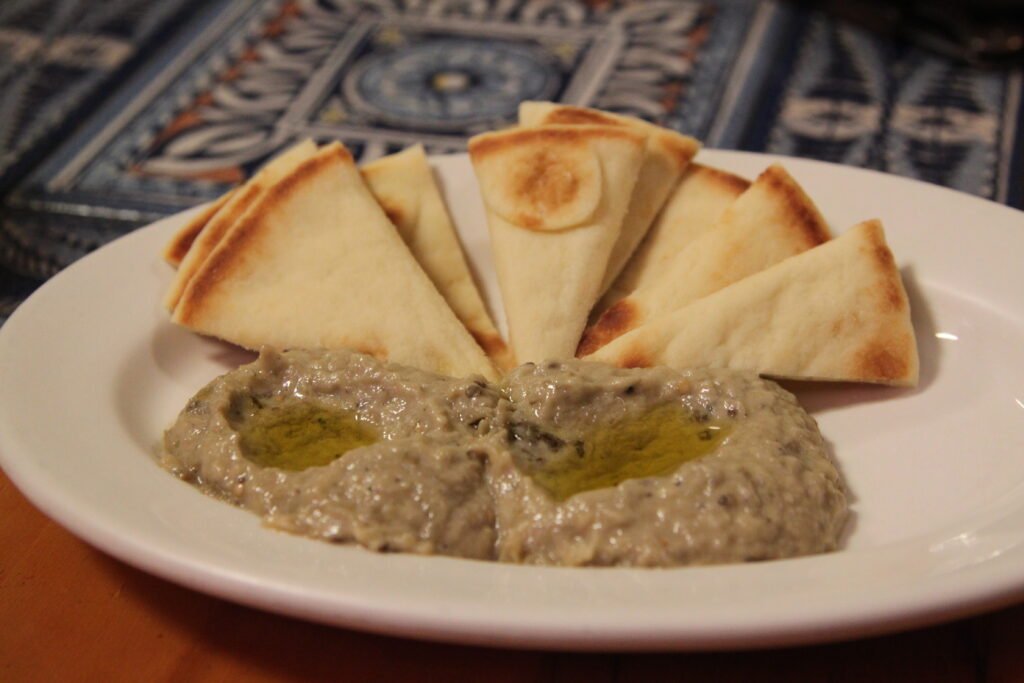
Baba Ganoush is a beloved dish that epitomizes the rich culinary traditions of the Middle East. This delectable dip is primarily made from roasted eggplants, which contribute to its unique smoky flavor and creamy texture. It often serves as an appetizer or a side dish, paired with warm pita bread or fresh vegetables, making it a staple at various gatherings and meal occasions.
The popularity of Baba Ganoush extends well beyond its country of origin, enjoying widespread acclaim across various cultures and cuisines. Its appeal lies not only in its delightful taste but also in its versatility, as it can be enjoyed as part of a mezze platter or as a satisfying component of a larger meal. Each region has its own variation of the dish, resulting in a delightful array of flavors influenced by local ingredients and culinary practices. Some recipes include tahini, lemon juice, and garlic, which enhance the overall flavor profile.
This dip has gained traction in contemporary dining, especially among health-conscious individuals, due to its high nutritional value. Eggplants are low in calories yet rich in vitamins, minerals, and antioxidants, making Baba Ganoush an appealing choice for those seeking a nutritious option without sacrificing taste. Furthermore, the use of natural ingredients aligns with the growing trend of plant-based diets, allowing it to retain significant relevance in today’s food landscape.
Baba Ganoush not only satisfies the palate but also represents a connection to Middle Eastern culture and hospitality. The act of sharing this dish among friends and family embodies the vibrant and welcoming spirit that characterizes the region’s culinary traditions. As we delve deeper into the intricacies of Baba Ganoush, we will uncover the nuances of its preparation, variations, and its importance in cultural contexts.
Origins and History
Baba Ganoush, a popular dip renowned for its smoky flavor and creamy texture, has a rich historical background that traces back to the Middle East. The dish, primarily made from roasted eggplant, is believed to have originated in the Levant region, which includes countries such as Lebanon, Syria, and Palestine. Its exact origins are somewhat ambiguous, with several cultures claiming to be the birthplace of this delectable spread. Historical records suggest that Baba Ganoush’s roots can be linked to ancient Middle Eastern cooking techniques, where roasting vegetables over open flames was a common practice.
Traditionally, Baba Ganoush was prepared by charring the eggplant on the grill or over an open flame, a method that imparted a distinct smoky flavor to the dish. The roasted eggplant is then blended with tahini, olive oil, garlic, and lemon juice, creating a smooth and flavorful dip. This preparation reflects the culinary traditions of the region, where fresh ingredients and bold flavors are integral to everyday dining.
The name “Baba Ganoush” itself evokes imagery of family gatherings and shared meals, with “Baba” often interpreted as “father” in Arabic or “sippy” in reference to the dip’s consistency. Over time, as cultures intermixed through trade and migration, variations of Baba Ganoush began to emerge. Different regions introduced local spices and ingredients, resulting in diverse renditions of the authentic recipe. For instance, in some areas, cumin or pomegranate seeds might be added, while others may emphasize a more garlic-forward flavor.
Today, Baba Ganoush is enjoyed worldwide, not only as a traditional Middle Eastern dish but also as a popular appetizer in Mediterranean and contemporary cuisine. Its adaptability and rich historical narrative continue to secure Baba Ganoush a cherished place at dining tables across various cultures.
Cultural Significance
Baba Ganoush holds a prominent place within Middle Eastern culinary traditions, serving as a symbol of communal sharing and hospitality. This eggplant-based dip is often seen gracing tables during various cultural and family celebrations, including weddings, religious holidays, and festive gatherings. The dish embodies the spirit of togetherness, as it is commonly shared among guests, encouraging conversation and camaraderie.
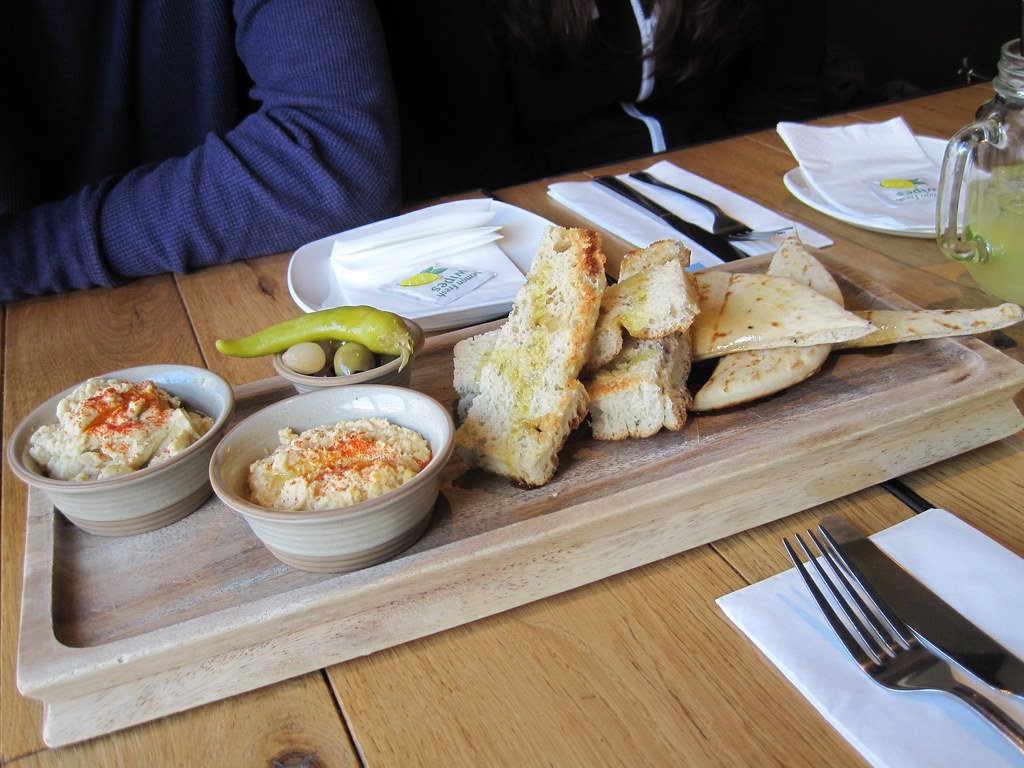
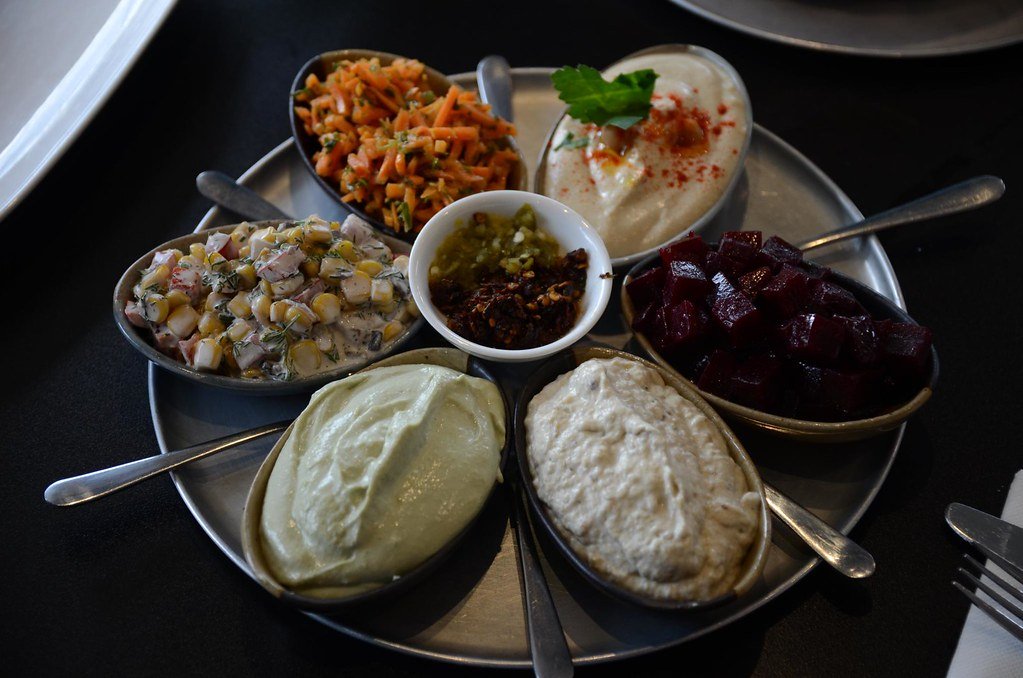
In the context of social gatherings, Baba Ganoush is frequently featured as part of a meze platter, which includes a variety of small dishes meant to be enjoyed collectively. This practice is prevalent in countries such as Lebanon, Turkey, and Israel, where food plays a crucial role in fostering relationships. The act of dipping bread or vegetables into Baba Ganoush not only promotes interaction but also allows individuals to sample different flavors, showcasing the richness of Middle Eastern cuisine.
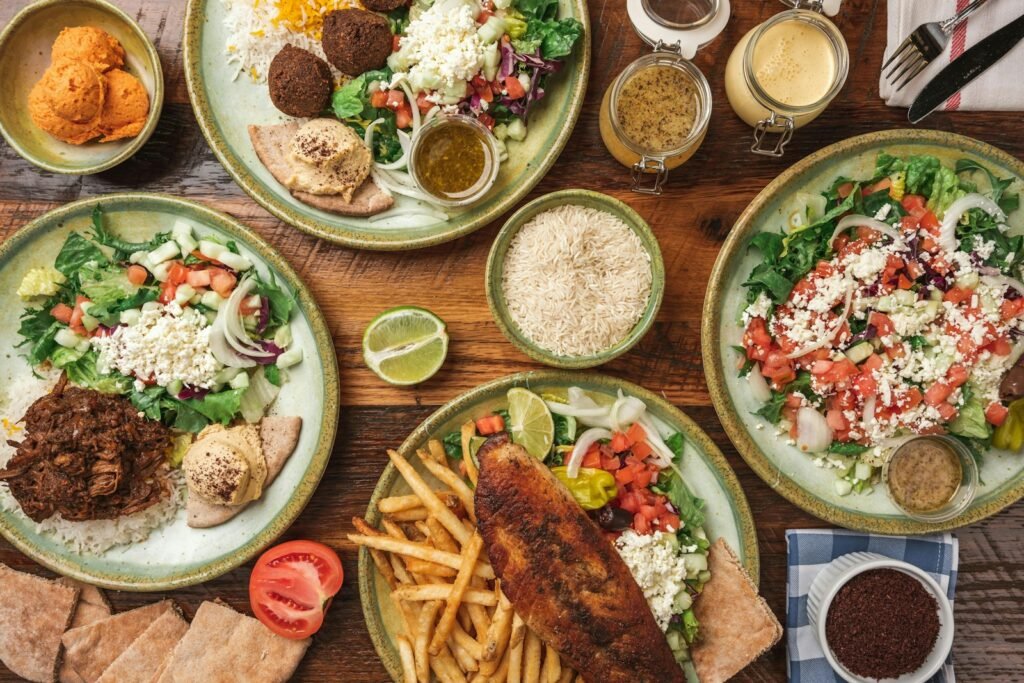
Beyond family and social events, Baba Ganoush has transcended cultural boundaries, gaining popularity in various parts of the world. Its versatility has made it a staple in vegetarian and vegan diets, appealing to a broader audience. Restaurants and food festivals often highlight this eggplant delight, showcasing its adaptability in modern culinary practices. Furthermore, it is regularly featured in international cuisine, often paired with falafel or grilled meats, underscoring its significance in diverse culinary contexts.
The preparation and serving of Baba Ganoush can vary from region to region, reflecting local tastes and traditions. Despite these variations, the core components—eggplant, tahini, garlic, lemon juice, and olive oil—remain the same. This consistency reinforces the dip’s identity as a comforting and familiar dish, anchoring it firmly in the cultural fabric of the Middle East and beyond. Through its enduring presence, Baba Ganoush continues to be a cherished element of cultural identity, celebrating the warmth and shared experience of food.
Ingredients and Preparation
Baba Ganoush is a beloved Middle Eastern dish known for its creamy texture and smoky flavor, primarily derived from its key ingredient, eggplant. The preparation of Baba Ganoush typically begins with the selection of high-quality eggplants. Varieties such as the Italian or globe eggplant are commonly used due to their rich flavor and ability to absorb seasoning well. The eggplants are often roasted or grilled to perfection, which enhances that distinct smokiness and adds depth to the final dish. This cooking method not only softens the flesh but allows the skin to char, contributing to the overall flavor profile of the Baba Ganoush.
Beyond eggplant, a traditional Baba Ganoush contains several essential ingredients. Tahini, a creamy paste made from ground sesame seeds, adds richness and a nutty flavor that complements the eggplant. Fresh lemon juice is often incorporated, providing acidity that balances the dish’s heaviness. Garlic is another vital component, bringing a delightful sharpness that elevates the flavor complexity. Finally, olive oil is drizzled in, both during the mixing process and as a finishing touch, enriching the Baba Ganoush’s smoothness and shine.
Variations of Baba Ganoush can include different herbs and spices, such as cumin or smoked paprika, which can add additional layers of flavor. Some regions may incorporate roasted peppers or pine nuts, further diversifying this dish’s appeal. The preparation techniques may differ as well, with some culinary traditions opting for a food processor while others prefer a more rustic approach, mashing ingredients by hand using a fork or mortar and pestle. This diversity in preparation methods and ingredients contributes to the wide array of flavors and textures found in Baba Ganoush across the Middle East, highlighting its adaptability and enduring popularity.
Taste Profile
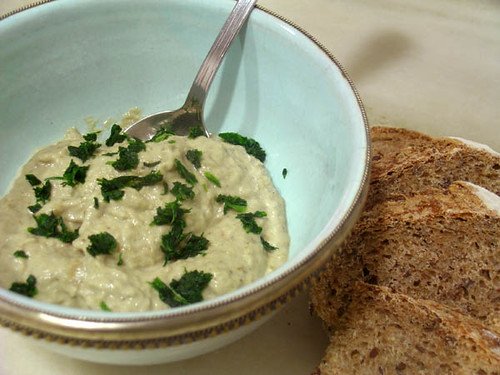
Baba Ganoush offers a uniquely appealing taste profile that captivates the palate with its complex flavor nuances. The primary ingredient, roasted eggplant, provides a smoky undertone that is both rich and savory. The process of roasting infuses the eggplant with a deep, caramelized flavor, which serves as the foundation for this delightful spread. This distinctive smokiness is a hallmark of authentically prepared Baba Ganoush and sets it apart from other dips.
In addition to the smoky quality of the eggplant, the incorporation of tahini—the creamy paste made from ground sesame seeds—adds a luxurious texture that enhances the overall mouthfeel. The tahini not only contributes a nutty flavor but also integrates seamlessly with the roasted eggplant, creating a harmonious blend that is both smooth and satisfying. The combination of these two primary ingredients results in a spread that is both hearty and light, making it versatile for various culinary applications.
Furthermore, the addition of herbs and spices serves to elevate the taste experience of Baba Ganoush. Commonly utilized ingredients such as garlic, lemon juice, and olive oil enhance the dish’s flavor profile, adding freshness and acidity that balance the richness of tahini and the smokiness of eggplant. Depending on regional variations or personal preferences, herbs like parsley or mint may be incorporated, providing additional layers of flavor that enrich the overall experience. These components work in tandem to create a dip that is not only delicious but also inviting and complex.
In conclusion, the taste profile of Baba Ganoush is a harmonious blend of smoky, creamy, and aromatic elements that converge to form a delightful culinary experience. The interplay between roasted eggplant and tahini, complemented by flavorful herbs and spices, ensures that this dish remains a treasured staple in various cuisines around the world.
Texture of Baba Ganoush
Baba Ganoush is renowned for its unique and appealing texture, which plays a significant role in the overall dining experience. This Middle Eastern dip primarily features roasted or grilled eggplant as its base. The method of preparation greatly influences its consistency, leading to varying textures that can enhance or alter its traditional characteristics. The ideal Baba Ganoush is often described as creamy and smooth, resulting from the eggplant being pureed or blended thoroughly. This smoothness is further enriched by the addition of tahini, garlic, olive oil, and lemon juice, all contributing to a luxurious mouthfeel.
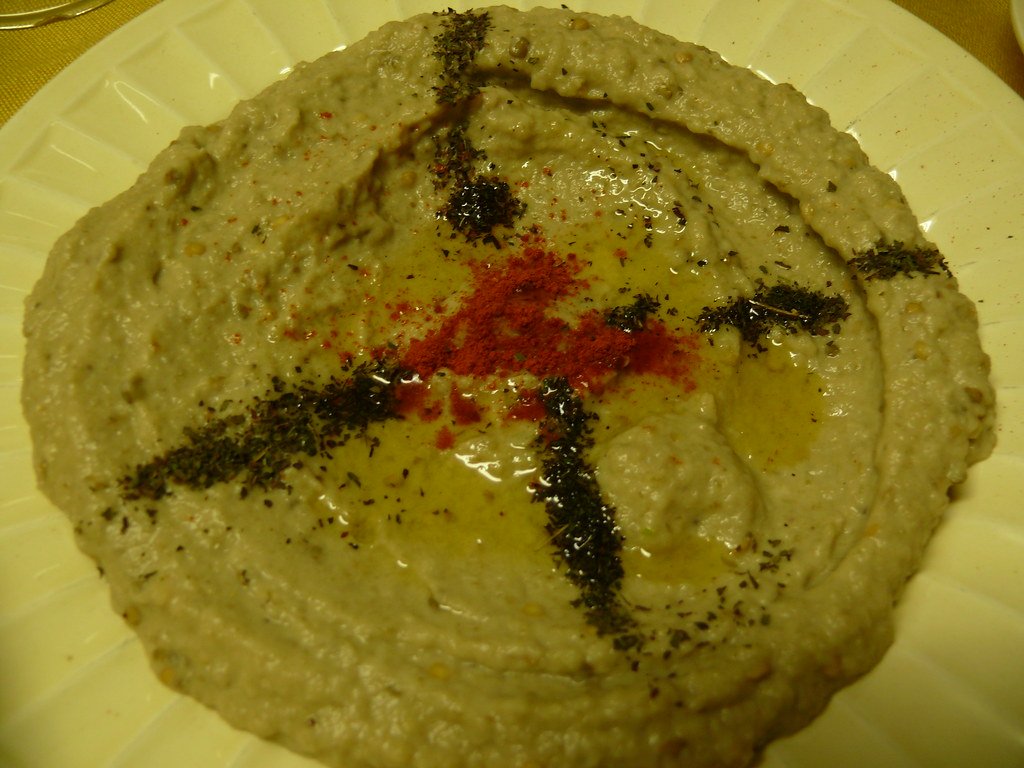
However, depending on the specific preparation techniques, one may encounter differing textures within the same dish. For instance, some recipes may call for a coarser blending process, which can introduce small chunks of eggplant. This approach creates a delightful contrast between the creamy base and the textured elements, offering both visual and gustatory interest. The incorporation of various toppings can further influence the overall texture of Baba Ganoush. Common garnishes such as chopped parsley, pomegranate seeds, or toasted pine nuts introduce additional crunch, balancing the dip’s smoothness with an inviting crunch.
The interplay between the creamy base and any added textural elements is crucial to the enjoyment of Baba Ganoush. When expertly prepared, the dip not only serves as a flavorful accompaniment to pita or fresh vegetables but also as a stand-alone delight. The varying textures within this versatile dip allow for multiple interpretations, catering to different palates and preferences. Thus, the texture of Baba Ganoush is an essential aspect that defines its appeal, making it a beloved choice in Middle Eastern cuisine.
Health Benefits
Baba Ganoush, a traditional Middle Eastern dip made primarily from roasted eggplant, is not only a savory delight but also a nutritious option for those seeking a healthier diet. This dish is highly regarded for its rich content in dietary fiber, which is essential for maintaining good digestive health. The fiber in Baba Ganoush helps in promoting regular bowel movements and can mitigate the risk of constipation, contributing to overall gastrointestinal well-being.
In addition to fiber, Baba Ganoush is an excellent source of vitamins and minerals, particularly vitamins C and B6. Vitamin C is a powerful antioxidant that aids in the immune system’s functioning, helping the body fend off infections and stay healthy. Meanwhile, Vitamin B6 plays a critical role in various metabolic processes, including the protein metabolism and the cognitive development of the brain, underlining the dish’s suitability for individuals looking to enhance their nutritional intake.
The healthy fats present in Baba Ganoush, primarily derived from tahini (sesame seed paste) and olive oil, are beneficial for heart health. These monounsaturated fats can help lower bad cholesterol levels and reduce the risk of cardiovascular diseases. Additionally, the presence of antioxidants in roasted eggplant benefits skin health and may have anti-inflammatory properties, making Baba Ganoush appealing to those seeking both taste and health in their culinary choices.
For individuals adhering to plant-based diets, Baba Ganoush serves as a versatile dip that pairs well with various fresh vegetables or whole-grain pita bread. Its creamy texture and rich flavor profile make it a satisfying alternative to traditional dips that may be high in unhealthy fats or sugars. Overall, Baba Ganoush not only offers a burst of flavor but also delivers a treasure trove of health benefits that cater to diverse dietary needs.
Serving Suggestions
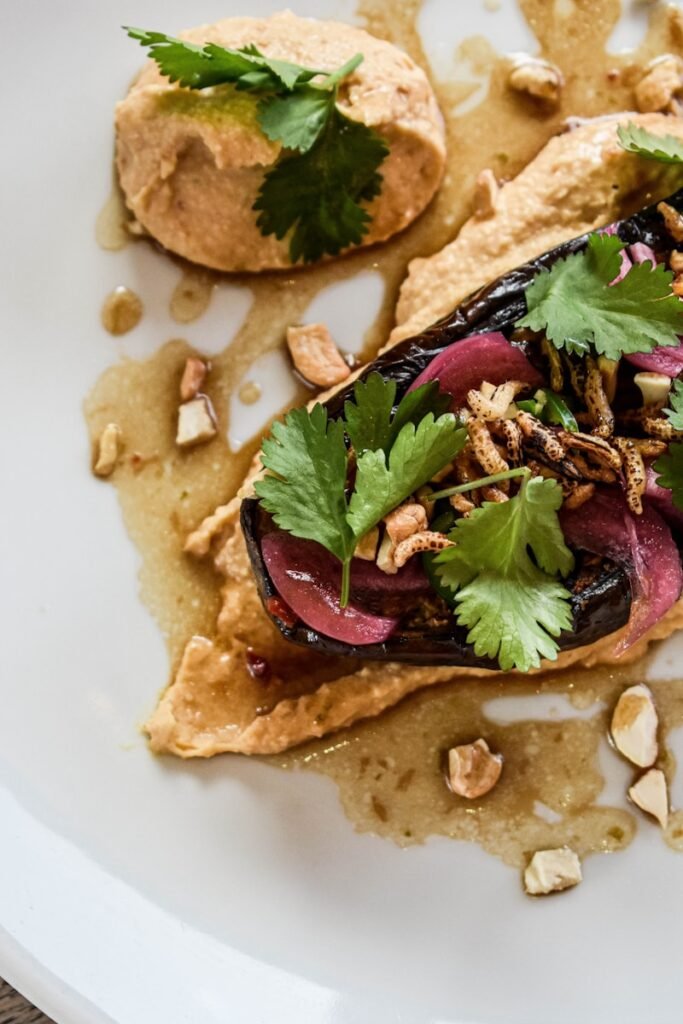
Baba Ganoush, with its rich and smoky flavor, offers a plethora of serving suggestions that elevate any meal. Traditionally, this eggplant-based dip is served alongside pita bread, enhancing the experience of indulging in this savory dish. Providing a warm, fluffy texture, pita serves as the perfect vessel for scooping up the Baba Ganoush, allowing diners to enjoy its creamy consistency. Alternatively, you can present it with an assortment of fresh veggies such as cucumber, carrot sticks, or bell pepper slices; these options provide not only color but also a satisfying crunch that complements the dip’s smoothness.
In addition to being a delightful appetizer, Baba Ganoush proves versatile enough to act as a spread for sandwiches or wraps. Incorporating this dip into your lunchtime routine can elevate a simple meal to new heights. For instance, layering Baba Ganoush on a whole-grain wrap filled with grilled vegetables or roasted chicken adds depth and fosters a harmonious blend of flavors. On the brunch table, it can also be served alongside eggs, creating a unique Middle-Eastern twist to the classic dishes.
For those looking to create a more elaborate spread, consider pairing Baba Ganoush with other mezze dishes such as hummus, tabbouleh, and stuffed grape leaves. This collection of diverse flavors and textures presents an appealing option for entertaining guests. Additionally, those interested in enhancing their culinary experience can drizzle the dip with olive oil and sprinkle it with pomegranate seeds or fresh herbs, providing a touch of elegance to any presentation. Overall, Baba Ganoush is a multifaceted dip that can be enjoyed in countless ways, making it an integral addition to various meals.
Conclusion
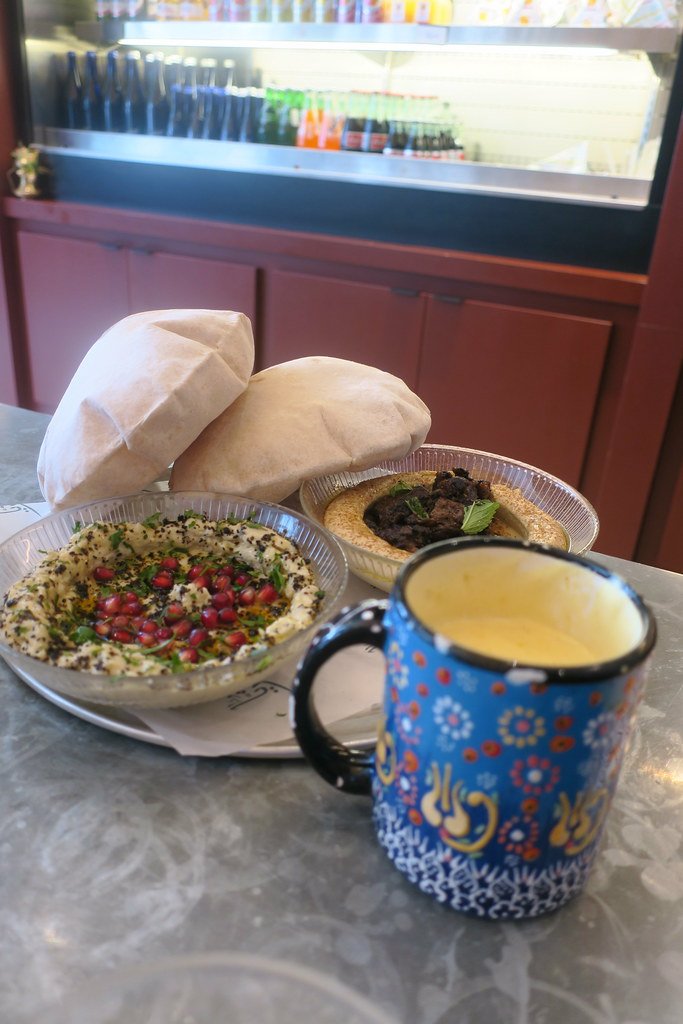
In reviewing Baba Ganoush, it becomes clear that this eggplant-based dish holds a prominent place in various culinary traditions, particularly in Middle Eastern cuisine. Its creamy texture and smoky flavor profile are achieved through the meticulous preparation methods that involve roasting or grilling eggplants, which enhances the natural sweetness of the vegetable. Baba Ganoush is not only delicious but also nutritious, as it typically incorporates wholesome ingredients such as tahini, garlic, lemon juice, and olive oil, making it a healthy choice for many dietary preferences.
The significance of Baba Ganoush transcends its taste; it symbolizes community and hospitality. Often served as part of a mezze platter, it encourages sharing and social interaction, embodying cultural values that prioritize togetherness. This dish’s versatility makes it suitable for various occasions, whether as an appetizer at a gathering or a dip for casual snacking. Furthermore, as culinary trends shift towards plant-based and health-conscious eating, Baba Ganoush remains relevant, appealing to those seeking flavorful alternatives.
It is essential to appreciate the role of Baba Ganoush within the broader context of Mediterranean cuisine, where it serves as both a staple dish and a cultural artifact. By preparing and enjoying this eggplant delight, individuals can engage with flavors that have been cherished for centuries. We invite readers to explore the world of Baba Ganoush, whether through a traditional recipe or a modern twist, and experience the joy of this beloved dish in their own homes.