
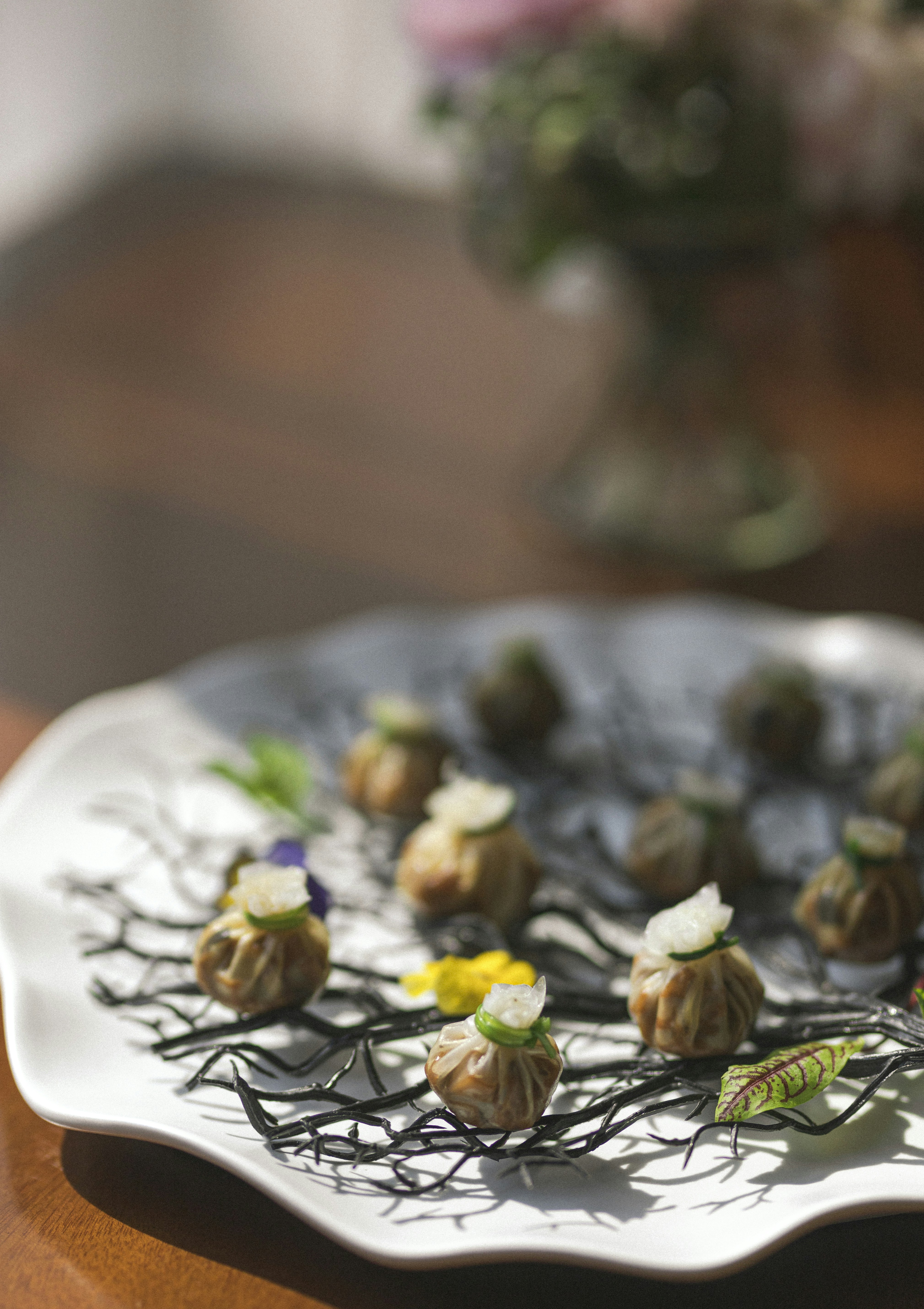
- Introduction to Dumplings
- The Origin and History of Dumplings
- Cultural Significance and Symbolism
- Varieties of Dumplings Around the World
- Taste Profiles: What to Expect
- Texture: A Key Element of Dumplings
- Popular Fillings and Ingredients
- Culinary Techniques: Cooking Dumplings
- Conclusion: The Enduring Appeal of Dumplings
Introduction to Dumplings
Dumplings represent a cherished culinary tradition that transcends geographical boundaries, offering a delightful array of flavors and textures. Found in various cultures around the globe, dumplings are essentially pieces of dough filled with ingredients ranging from vegetables and meats to cheeses and spices. These versatile delights can be boiled, steamed, fried, or baked, showcasing their adaptability to numerous cooking methods.
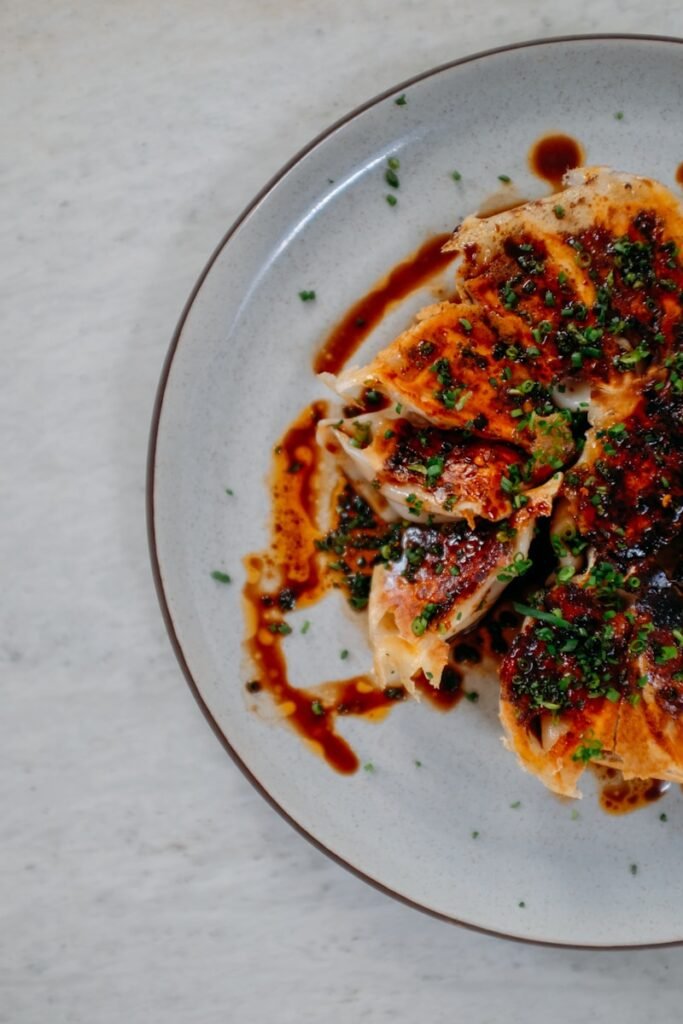
The origins of dumplings can be traced back centuries, with evidence suggesting that they were first created in ancient China. Over time, different cultures have embraced this simple yet satisfying food, leading to the development of unique dumpling varieties. For instance, the Italian ravioli, Polish pierogi, and Japanese gyoza illustrate how local ingredients influence the shape, filling, and preparation of dumplings. As a result, they are not only a nourishing meal option but also a cultural expression of local culinary traditions.
The Origin and History of Dumplings
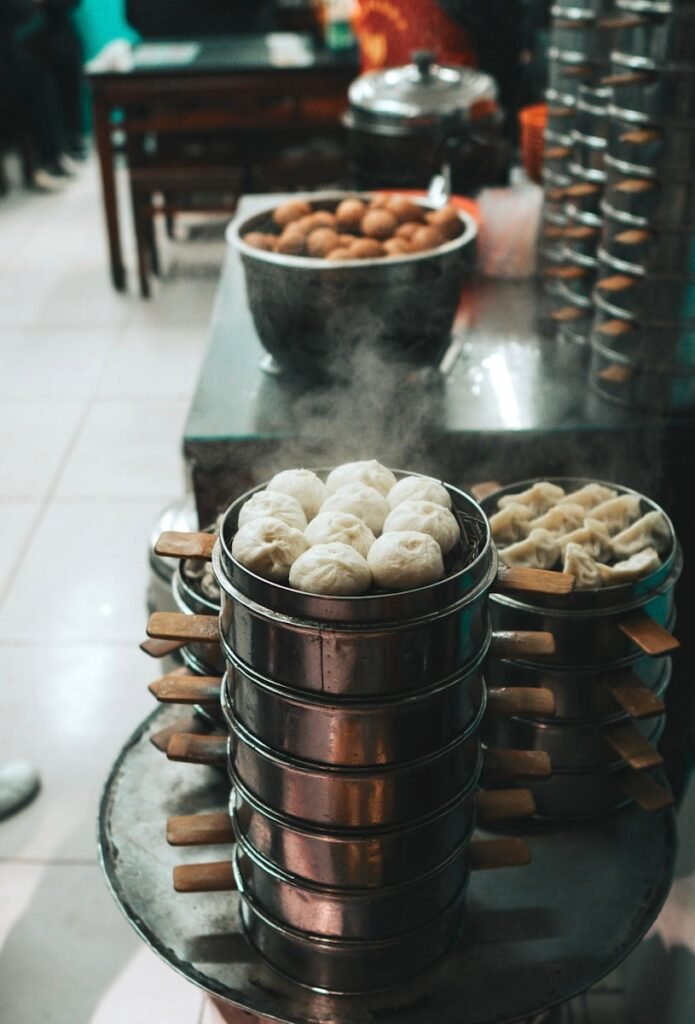
Dumplings, a beloved staple across various cultures, boast a rich history that can be traced back several millennia. Their origins are often linked to the ancient practices of wrapping food in dough, which not only preserved but also enhanced the taste of various fillings. While their precise beginnings are hard to pinpoint, many anthropologists suggest that dumplings emerged independently in numerous regions, with the earliest records appearing in China around 1700 BCE.
The traditional Chinese jiaozi is frequently recognized as one of the first forms of dumpling. Historical accounts indicate that workers would prepare these delicate parcels using dough made from wheat flour, filled with an assortment of meats and vegetables. As trade routes expanded, particularly during the Silk Road period, the dumpling concept spread to different Asian countries, each culture adding its unique twist. For example, in Japan, gyoza took form with a focus on a pan-fried technique, while Korea presented mandu, often filled with vegetables and meats in a thinner dough.
In Europe, the concept of dumplings would also evolve dramatically. Various adaptations like the Eastern European pierogi and Italian ravioli illustrate the versatility of this culinary technique. The basic principle remains unchanged—food is encased in pasta or dough, offering a delightful combination of flavors and textures. As global migration continued, newfound recipes and variations emerged, leading to the fusion cuisine we see today. The evolution of dumplings reflects a history of cultural exchange and culinary creativity, demonstrating how a simple concept can transcend geographical boundaries and evolve into countless delightful forms.
Cultural Significance and Symbolism
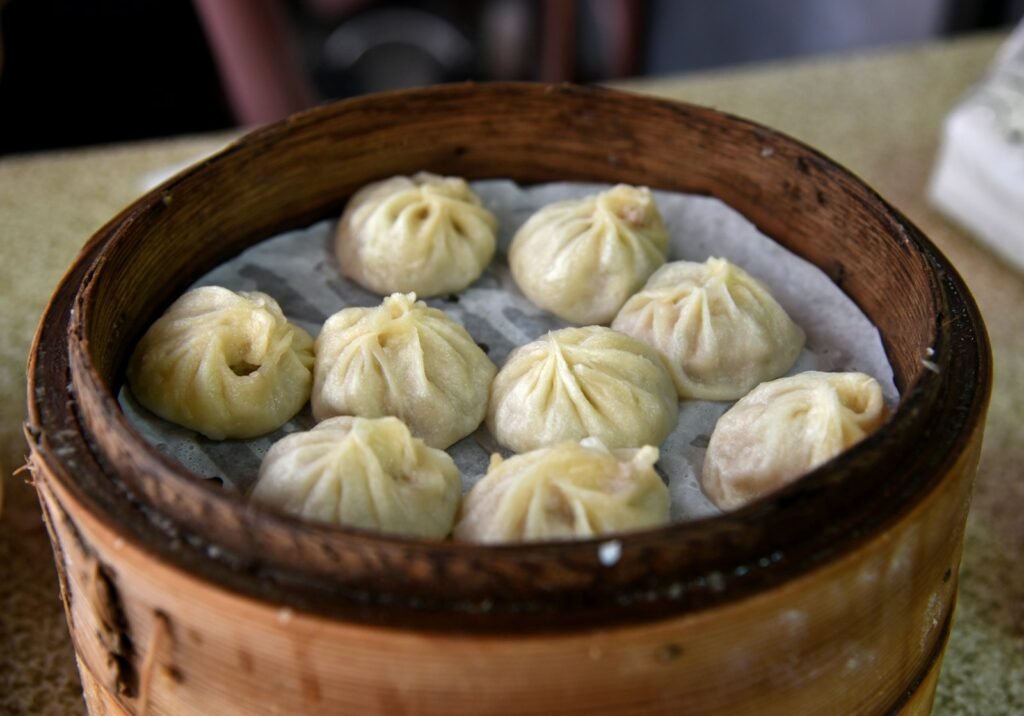
Dumplings hold a prominent place in the cuisines of many cultures around the world, often symbolizing unity, prosperity, and familial bonds. Their cultural significance is particularly pronounced during family gatherings, festivals, and celebrations, where communities come together to prepare and enjoy these comforting dishes. In many Asian cultures, dumplings are a staple during the Lunar New Year, representing wealth and the hope for a prosperous year ahead. The shape of the dumpling, reminiscent of ancient gold or silver ingots, further reinforces this symbol of affluence.
In China, the tradition of making dumplings during family reunions underscores their role in strengthening familial relationships. The process of crafting these delicious morsels can be a communal activity, allowing families to bond while sharing stories and laughter. Similarly, in Eastern European cultures, pierogi are often served during festive occasions, signifying togetherness and the importance of family traditions. Each region boasts its unique stuffing and preparation methods, reflecting local ingredients and culinary preferences, yet the overarching theme remains the same: dumplings serve as a vessel for connection.
Beyond family and prosperity, dumplings also embody the rich tapestry of culture and tradition within various societies. For instance, in Jewish culture, matzah balls, a type of dumpling, are traditionally served during Passover, highlighting the intersection of culinary practices with religious customs. Each bite of a dumpling can evoke memories and narratives, linking individuals to their heritage and communal identity. Thus, the dumpling transcends mere nourishment; it is a potent symbol of culture, sharing, and the bonds that tie families and communities together.
Varieties of Dumplings Around the World
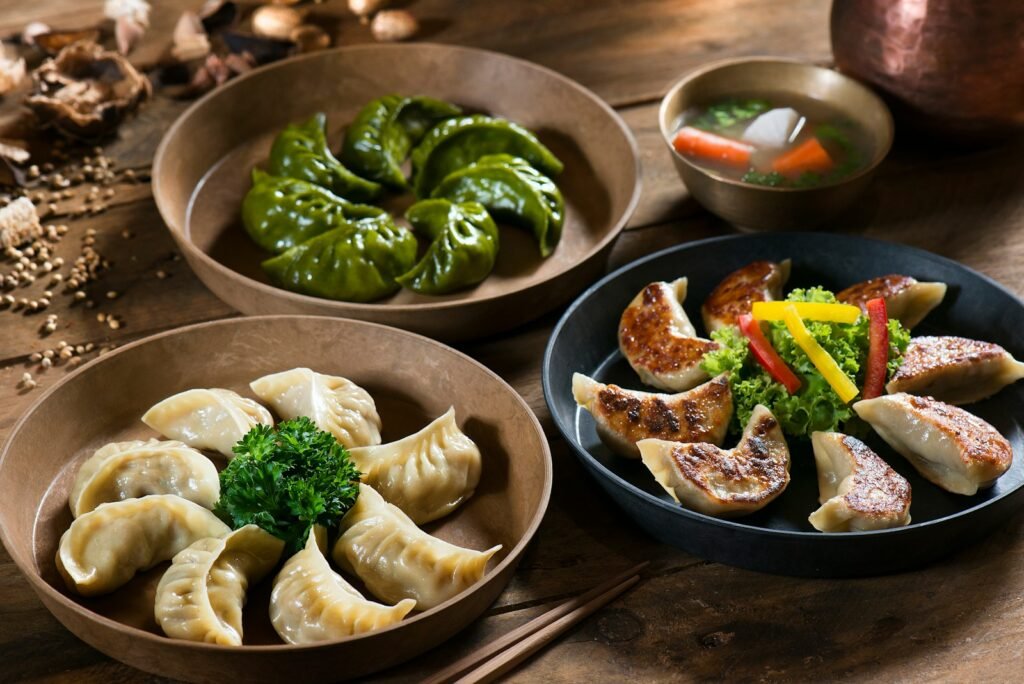
Dumplings, a versatile culinary delight, manifest in various forms across the globe, illustrating the rich tapestry of cultural traditions. Each region has its unique take, influenced by local ingredients, preparation methods, and historical contexts. Some of the most notable varieties include Chinese jiaozi, Polish pierogi, and Italian ravioli, each offering a distinct taste experience.
Starting with Chinese jiaozi, these dumplings are typically made from a simple dough of wheat flour and water. They can be filled with diverse ingredients, ranging from minced pork and chives to vegetables and seafood. Jiaozi are often boiled or pan-fried and are especially popular during Lunar New Year celebrations due to their shape, symbolizing wealth and prosperity.
In Eastern Europe, Polish pierogi hold a special place in traditional cuisine. They are made from unleavened dough, often filled with potatoes, cheese, sauerkraut, or meat. Pierogi are usually boiled before being sautéed in butter with onions, adding a rich flavor that complements their hearty fillings. They are commonly served with sour cream and are cherished during festive occasions and family gatherings.
Italian ravioli presents another distinctive approach to dumpling preparation. Ravioli consists of thin pasta envelopes filled with various ingredients, such as ricotta cheese, spinach, or minced meat. They are typically served in a flavorful broth or with a sauce, showcasing the simplicity yet elegance of Italian cooking. The artistry of hand-making ravioli is part of its charm, often passed down through generations.
Other notable varieties include Japanese gyoza, which are pan-fried dumplings filled mainly with ground meat and vegetables, and Indian momos, typically filled with spiced vegetables or meat and steamed to perfection. Each type of dumpling not only serves as a meal but also embodies the cultural nuances of its origins, contributing to the global appreciation of this beloved dish.
Taste Profiles: What to Expect
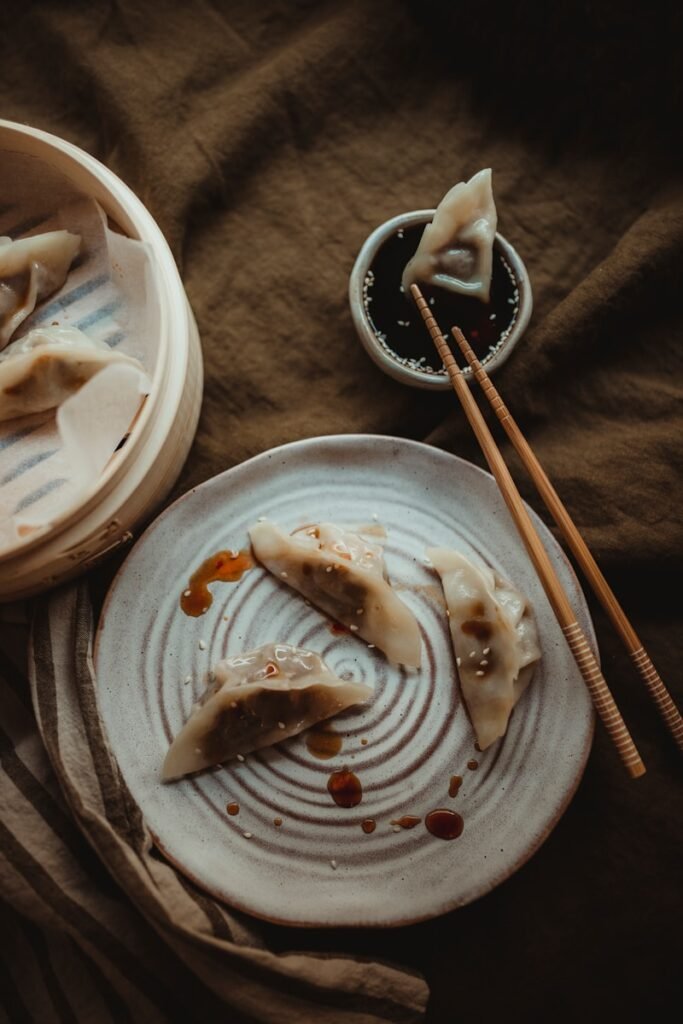
Dumplings are truly diverse in their flavor profiles, presenting a wide array of taste experiences that cater to various palates. The savory varieties, perhaps the most popular, often feature fillings like seasoned meats, vegetables, or seafood, combined with spices that evoke warmth and familiarity. These dumplings tend to showcase umami flavors, owing to ingredients such as soy sauce, garlic, and ginger, creating a rich taste that often leaves a lasting impression.
On the other end of the spectrum, sweet dumplings offer a delightful contrast. These can be filled with fruit, sweetened bean paste, or even chocolate, making them a popular choice for dessert. The sweetness is often balanced with textures, such as a crispy outer layer or a soft dough, enhancing the overall sensory experience. Cultural influences play a significant role in shaping the sweetness of these dumplings, presenting variations that can range from delicately flavored to intensely sweet.
Spicy dumplings, prevalent in various cuisines, introduce a different layer of complexity. Ingredients such as chili oil, pepper, and fermented sauces can elevate the overall flavor, appealing to those who appreciate heat. These dumplings often feature fillings that are complemented by a spiced broth or dipping sauce, offering a robust experience that can invigorate the taste buds.
Personal preference significantly influences one’s appreciation of dumpling flavors. While some individuals may gravitate towards the bold, spicy iterations, others may prefer the comforting notes of savory or the indulgent sweetness of dessert dumplings. Ultimately, the versatility of dumplings allows for a unique culinary exploration where flavors can be adjusted or experimented with, making them a favorite dish across differing cultural contexts.
Texture: A Key Element of Dumplings
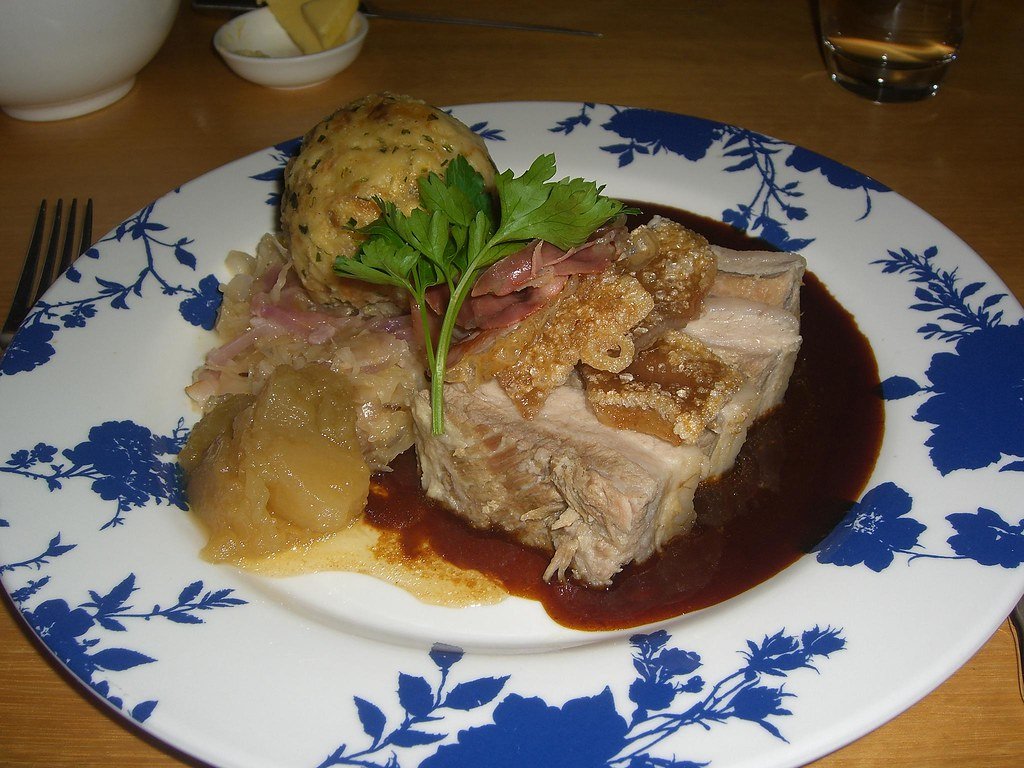
The texture of dumplings plays a vital role in defining the overall culinary experience. Dumplings can exhibit a range of textures, each contributing uniquely to their appeal. The primary methods of preparation—steaming, boiling, and frying—significantly influence the dumpling’s final texture and, consequently, the sensory experience for the consumer.
Steamed dumplings, for example, tend to have a delicate and tender texture. The gentle cooking process retains moisture, leading to a soft outer layer that complements the filling inside. This tenderness is often heightened with the use of high-quality flour, which enhances the dumpling skin’s elasticity. The chewiness associated with certain types of steamed dumplings, such as bao, can create an engaging contrast, allowing consumers to enjoy a satisfying mouthfeel.
Boiled dumplings, often characterized by a slightly firmer texture compared to their steamed counterparts, offer a different sensory experience. The act of boiling allows the dumpling to expand, resulting in a plump shape while maintaining a chewy exterior. This texture works well with various fillings, from meat to vegetables, as the contrasting textures between the dumpling skin and the inner ingredients heighten overall flavor perception. The balance of tenderness and chewiness is particularly important in boiled dumplings like jiaozi, which are beloved across many cultures.
Fried dumplings introduce an additional level of texture complexity. The crispy, golden-brown exterior offers a striking contrast to the soft and flavorful filling. This crunchiness contributes to the overall enjoyment, providing an element of surprise with each bite. The interplay of textures between the crispy shell and tender filling can create a delightful experience that encourages pairing fried dumplings with various dipping sauces, further enhancing their appeal. Therefore, the texture of dumplings is not merely an attribute; it is a foundational component that significantly shapes the pleasure derived from them.
Popular Fillings and Ingredients
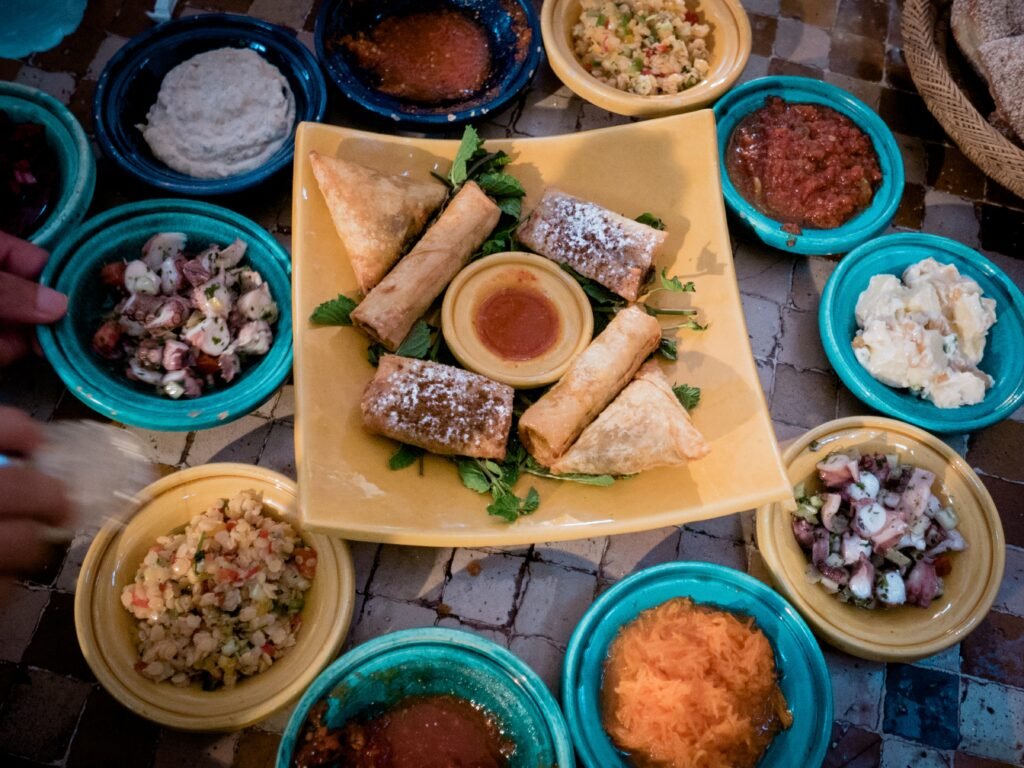
Dumplings, a cherished staple in various cuisines around the world, feature a diverse array of fillings that enhance their appeal. Common ingredients include meats such as pork, beef, and chicken, which are often accompanied by finely chopped vegetables. Pork and chives, for example, create a classic combination in Chinese dumplings, whereas beef and onion might be favored in Eastern European variants. The specific choice of meat can exhibit strong regional influences, as local farming practices and culinary traditions dictate the availability of certain ingredients.
In addition to meats, vegetarian options abound, leveraging ingredients like mushrooms, tofu, and an assortment of fresh vegetables. These fillings not only cater to various dietary preferences but also highlight regional agricultural products. In Asia, dumplings might include ingredients such as shiitake mushrooms and bok choy, while Mediterranean dumplings might incorporate spinach and feta cheese, demonstrating the adaptability of dumpling fillings to regional tastes and resources.
Moreover, some cultures utilize unique ingredients that offer distinct flavors and textures. For instance, in Mongolian cuisine, dumplings may incorporate local game meats along with root vegetables, reflecting the nomadic lifestyle and environmental influences. Similarly, some Latin American dumplings, like empanadas, may be filled with cheese and spicy peppers, showcasing bold flavor profiles characteristic of the region.
The artistic nature of dumpling-making allows for endless creativity, as chefs experiment with unexpected combinations, like seafood and herbs or sweet variants featuring fruits and sugary fillings. Such experimentation is a testament to the global evolution of dumplings, offering a delicious reflection of cultural diversity and culinary innovation across regions. Ultimately, the fillings found within dumplings serve not only to satisfy the palate but also to narrate the intricate stories of the cultures from which they originate.
Culinary Techniques: Cooking Dumplings
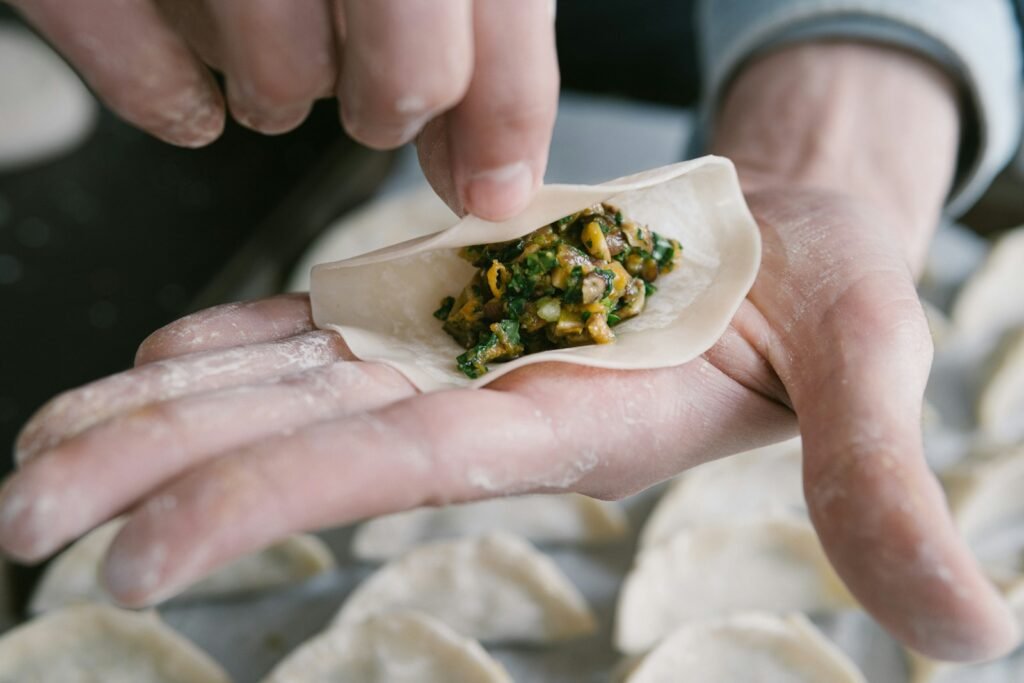
Dumplings are a versatile dish found in various cultures, and their preparation involves several cooking techniques that significantly influence their flavor and texture. The three most common methods employed to cook dumplings are steaming, boiling, and frying, with baking being less prevalent but still noteworthy for certain variants.
Steaming dumplings is one of the most popular techniques, particularly in East Asian cuisines. This method retains moisture and flavor, allowing the dumpling filling to become tender while the exterior remains soft and chewy. The use of a bamboo steamer or a metal steaming rack ensures even cooking and helps preserve the dumpling’s integrity. As a result, steamed dumplings often have a delicate texture, making them an ideal choice for ingredients that benefit from gentle cooking.
Boiling is another common technique, especially for dumplings such as pierogi or Italian gnocchi. When boiled, dumplings achieve a tender consistency, as the water hydrates the dough and fills it with steam. This method is straightforward and allows for quick preparation. However, it’s crucial to monitor the cooking time to prevent overcooking, which can lead to a mushy texture. Boiling also provides an excellent opportunity to infuse the dish with additional flavors, such as using broth instead of water.
Frying offers a contrast in texture, creating a crispy outer layer while maintaining a tender interior. Pan-fried dumplings, or potstickers, are cooked in a small amount of oil, allowing them to caramelize and gain a rich flavor profile. This technique is particularly favored in Asian cuisines, resulting in dumplings that are both crunchy and juicy. Finally, baking dumplings provides an alternative that can yield a different texture and is ideal for doughy wrappers, like those found in certain Western cuisines.
Conclusion: The Enduring Appeal of Dumplings
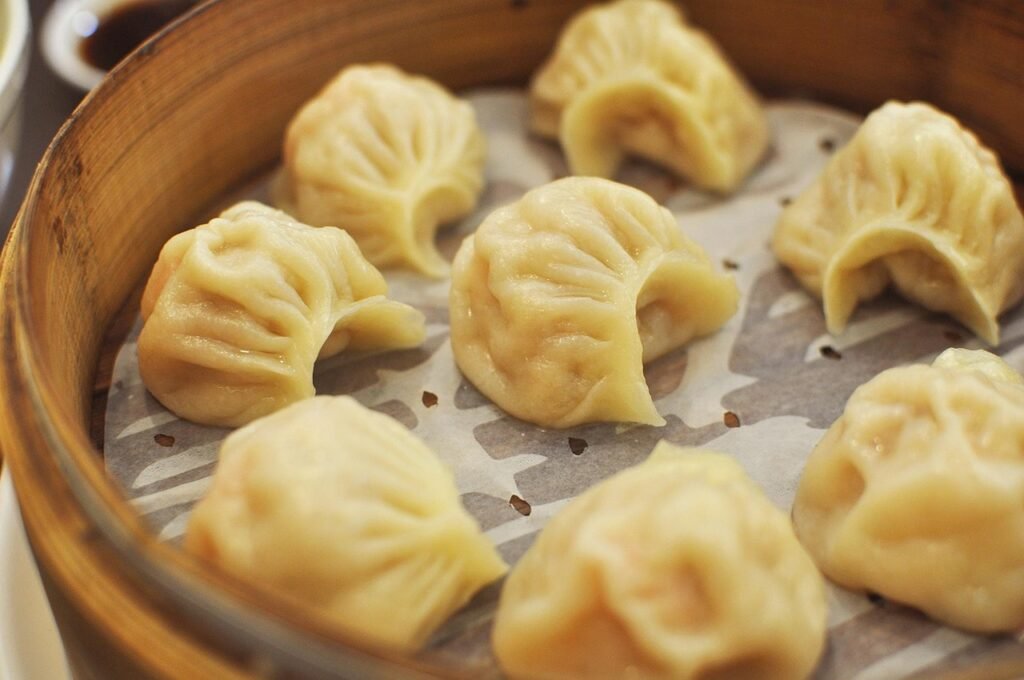
Dumplings have woven themselves into the fabric of global cuisine, embodying a rich tapestry of cultural significance and culinary diversity. Originating from various regions around the world, these delightful morsels reflect the unique traditions and flavors of their respective cultures. From the delicate Japanese gyoza to the hearty Polish pierogi, dumplings come in countless variations, each offering a distinctive taste and texture that resonates with people of all backgrounds.
One of the most compelling aspects of dumplings is their versatility. They can be steamed, boiled, fried, or baked, allowing for various flavor combinations and culinary styles. This adaptability has contributed to their widespread popularity across continents. For instance, in Chinese cuisine, dumplings are often enjoyed during family gatherings and festivals, symbolizing wealth and prosperity. In contrast, Eastern European countries often serve them as comfort food, evoking nostalgia and warmth during communal meals.
The enduring appeal of dumplings can also be attributed to their communal nature. Preparing dumplings often involves participation from family and friends, enhancing social bonds and fostering a sense of togetherness. This shared experience of crafting and savoring dumplings affirms their role in cultural celebrations and everyday gatherings.
Furthermore, as the world becomes increasingly interconnected, dumplings continue to evolve, incorporating influences from various culinary traditions. This fusion results in innovative new recipes that honor their origins while appealing to contemporary palates. Consequently, as diners seek authentic and meaningful food experiences, dumplings remain relevant in today’s culinary landscape, serving as a bridge between cultures and generations.