
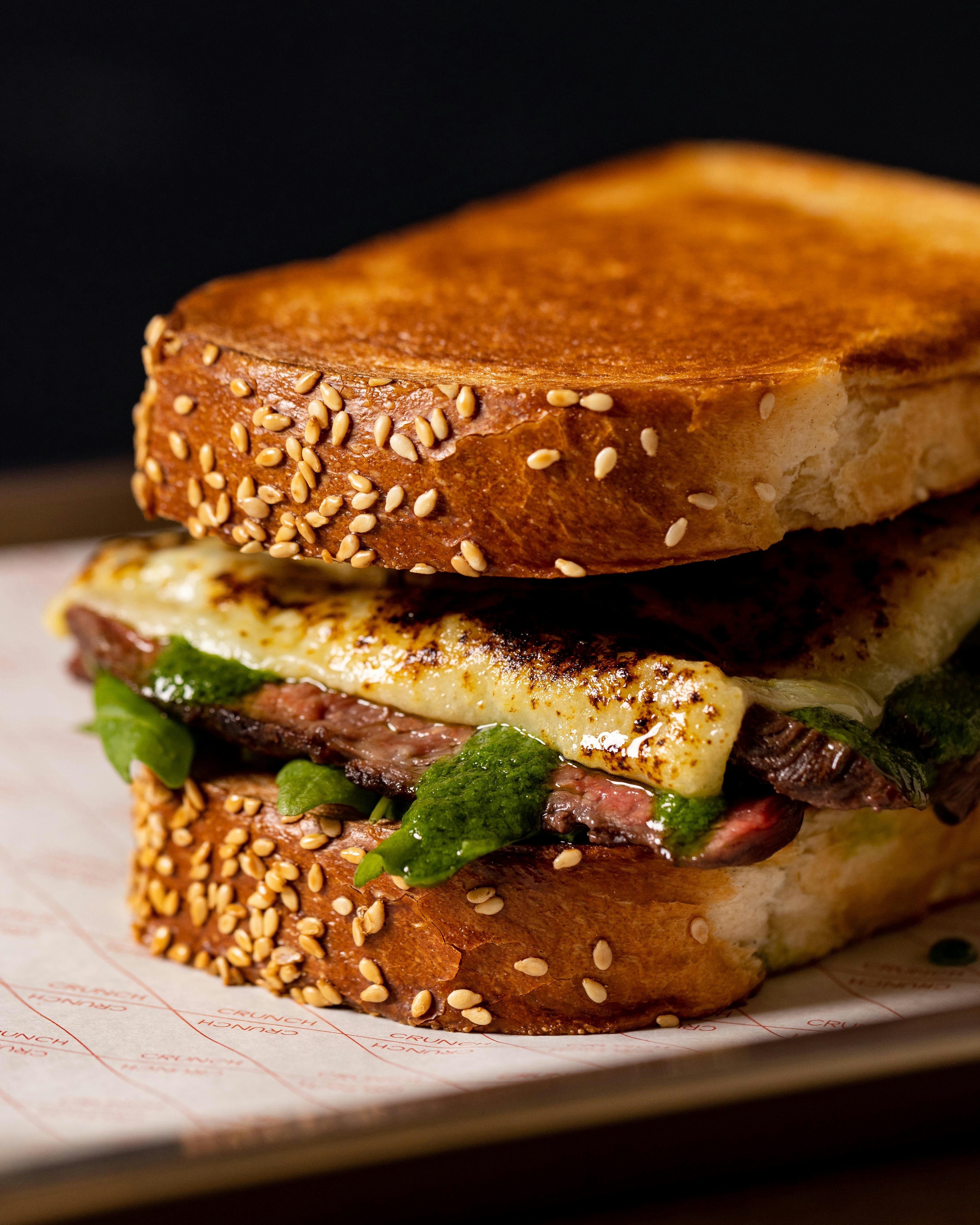
Introduction to Chivito
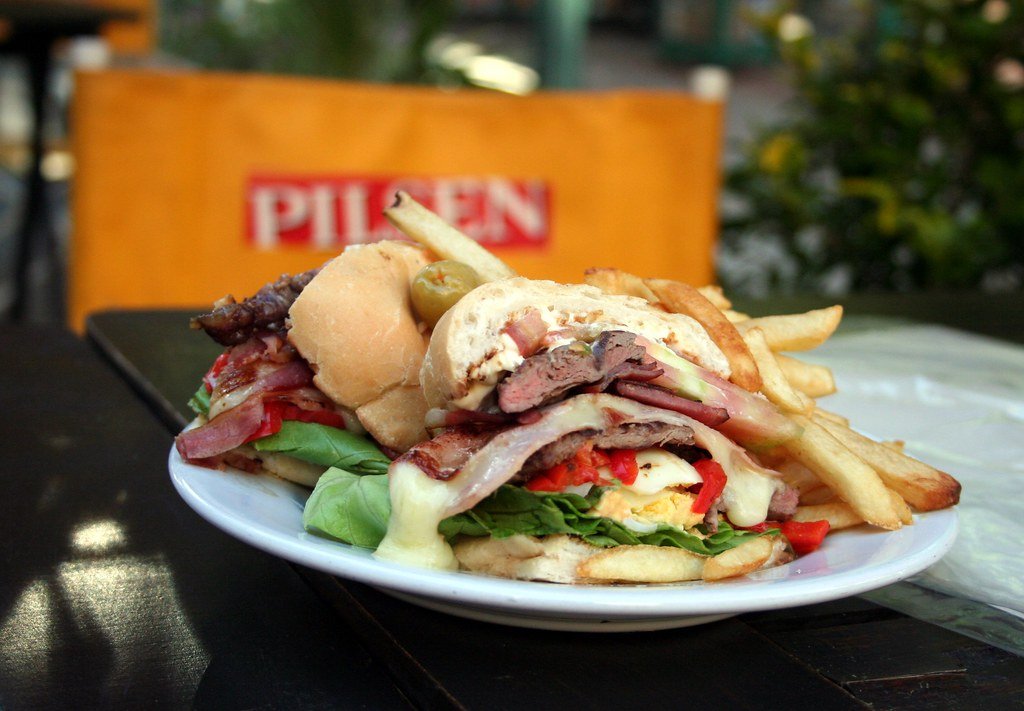
Chivito is an iconic dish that represents the heart and soul of Uruguayan cuisine. Originating from Uruguay, this hearty sandwich has grown to become a national favorite and is celebrated for its rich flavors and satisfying ingredients. Chivito, which means “little goat” in Spanish, was initially created in the 1940s and has since evolved into a complex and flavorful meal that can be found in eateries throughout the country.
Traditionally, this sandwich consists of a juicy beef steak, usually topped with a combination of lettuce, tomato, mayonnaise, and often eggs or bacon, creating a unique interplay of textures and flavors. Additionally, many variations of Chivito exist, allowing for customization with different toppings and proteins, such as chicken or even vegetarian options, appealing to a wide range of tastes. This versatility has played a significant role in the dish’s sustained popularity, not only in Uruguay but also across South America. The Chivito is not just food; it is a cultural symbol, often enjoyed during family gatherings or as a late-night snack after a day of festivities.
The significance of Chivito extends beyond its immediate appeal. It showcases the culinary history of Uruguay, reflecting a blend of influences from various immigrant communities alongside traditional local ingredients. As we delve deeper into the fascinating narrative of Chivito, we will explore its origins, evolution, and the distinctive flavors that have made it a stalwart in Uruguayan gastronomy. This journey promises to highlight not only the recipe but also the communal experience surrounding this beloved dish, ensuring a comprehensive understanding of Chivito’s treasured place in Uruguay’s culinary landscape.
The Origin of Chivito

Chivito, a beloved sandwich originating from Uruguay, offers a fascinating exploration of culinary tradition and cultural significance. Its history dates back to the mid-20th century in the city of Punta del Este, where it is said to have been created by a local restaurateur. This dish was established as a fulfilling meal catering to the growing tourism that marked the region during that period. The name “Chivito,” which translates to “little goat” in Spanish, is not directly related to the recipe itself, as the sandwich primarily features beef, not goat meat.
Despite its meat-centric focus, the Chivito embodies the essence of Uruguayan gastronomy, showcasing an array of local ingredients. Alongside the essential beef, the sandwich often incorporates a variety of components such as ham, fried eggs, fresh vegetables, and a selection of sauces, further enhancing its flavor and texture. Each element reflects the rich agricultural bounty of Uruguay, where excellent quality beef is abundant due to the country’s extensive cattle ranching practices. The integration of local produce and goods highlights the symbiotic relationship between Chivito and the regional food culture.
Geographically, Chivito is particularly popular in urban centers like Montevideo and coastal towns, where the influx of tourists has contributed to its widespread recognition. It has transformed beyond a mere local delicacy into a staple of Uruguayan cuisine, showcasing the blend of diverse cooking influences that have shaped its evolution. Today, Chivito represents not only a flavorful sandwich but also a symbol of national pride, celebrating the heritage and culinary legacy of this South American country. The dish’s varied interpretations across restaurants continue to honor the foundational recipe while allowing for innovative adaptations.
The History Behind Chivito

The Chivito, a beloved culinary staple in Uruguay, boasts a rich history that reflects the diverse cultural influences present in the region. Its origins date back to the 1940s in the small coastal city of Punta del Este, where the dish was first created by a local restaurateur. The original Chivito consisted of a grilled beef sandwich, originally made with thinly sliced beef, topped with various accompaniments such as cheese, lettuce, and tomato. Over the years, it evolved into a meal that showcases the fusion of Italian and Spanish culinary traditions, which are prominent in Uruguayan cuisine.
As more visitors flocked to the beaches and restaurants of Punta del Este, the popularity of Chivito skyrocketed, prompting local chefs to innovate and put their unique spin on the recipe. The introduction of additional ingredients, such as bacon, fried eggs, and even avocado, can be attributed to creative adaptations aimed at accommodating diverse palates. Consequently, this has resulted in numerous variations of the Chivito across the country. Each region in Uruguay has developed its interpretation of the dish, incorporating local ingredients and flavors, making it a source of pride for many culinary enthusiasts.
The Chivito’s rise to fame has not been limited to Uruguay. It has crossed international borders and gained recognition in neighboring countries, where it has been embraced and further adapted. For instance, in Argentina, the Chivito has been modified to feature different types of bread and garnishes, demonstrating its versatility. Over time, this iconic dish has transcended its humble beginnings to become synonymous with Uruguayan cuisine, cherished by locals and travelers alike. Thus, the history of Chivito is a testament to the adaptability and vibrancy of culinary traditions, which continue to evolve while maintaining a deep connection to their roots.
The Meaning of Chivito
The term “Chivito” holds significant cultural and linguistic importance in Uruguay, encapsulating both a culinary tradition and a sense of national identity. Linguistically, the word “Chivito” translates to “little goat” in Spanish, deriving from the term “chivo,” which refers to a young goat. This nomenclature, however, is somewhat misleading when referring to the dish itself, as the traditional Chivito is not made from goat meat but rather features grilled beef, typically accompanied by an assortment of toppings.
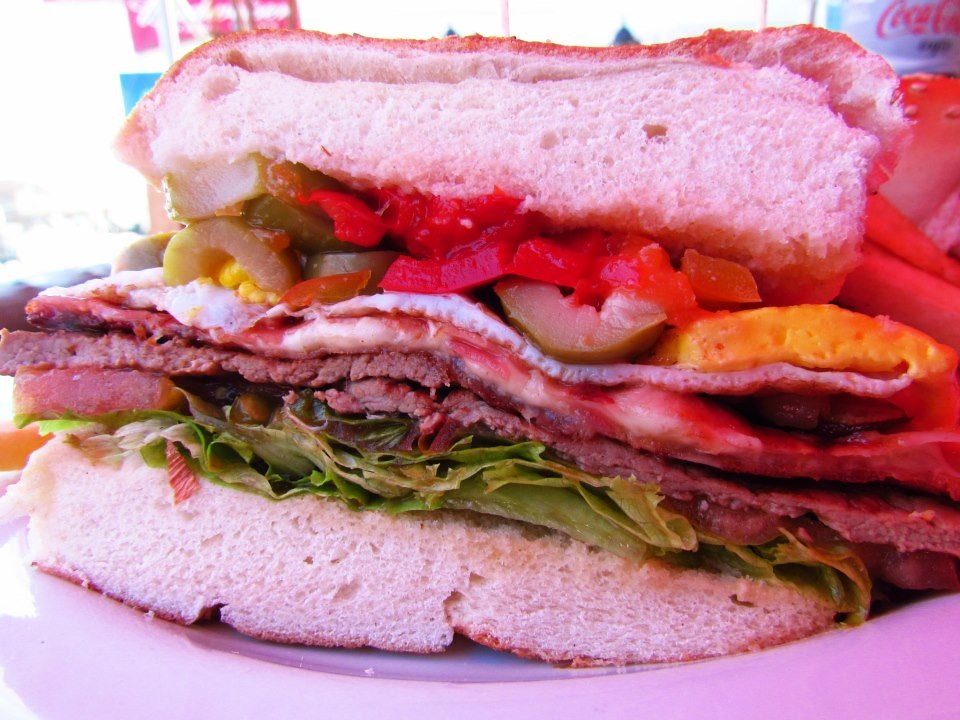
Historically, the Chivito originated in the mid-20th century, purportedly created in the city of Punta del Este. It was initially conceived as a sandwich featuring a cut of tender meat influenced by the concept of a traditional Italian sandwich. Over time, different variations emerged, incorporating diverse ingredients such as ham, cheese, lettuce, tomatoes, and a fried egg. This has led to numerous interpretations across various regions of Uruguay, showcasing the adaptability of the dish within the democratic culinary landscape of the nation.
Beyond its savory appeal, the Chivito acts as a cultural symbol that represents the Uruguayan way of life. It is often enjoyed during social gatherings, family celebrations, or casual encounters with friends, establishing a sense of communal experience. The dish is often featured at barbecues known as “asados,” strengthening its association with Uruguayan identity. As locals celebrate their gastronomic heritage, the Chivito continues to symbolize the diverse flavors and traditions that reflect the country’s rich culinary landscape, ensuring its place in the hearts and homes of many Uruguayans.
Cultural Significance of Chivito
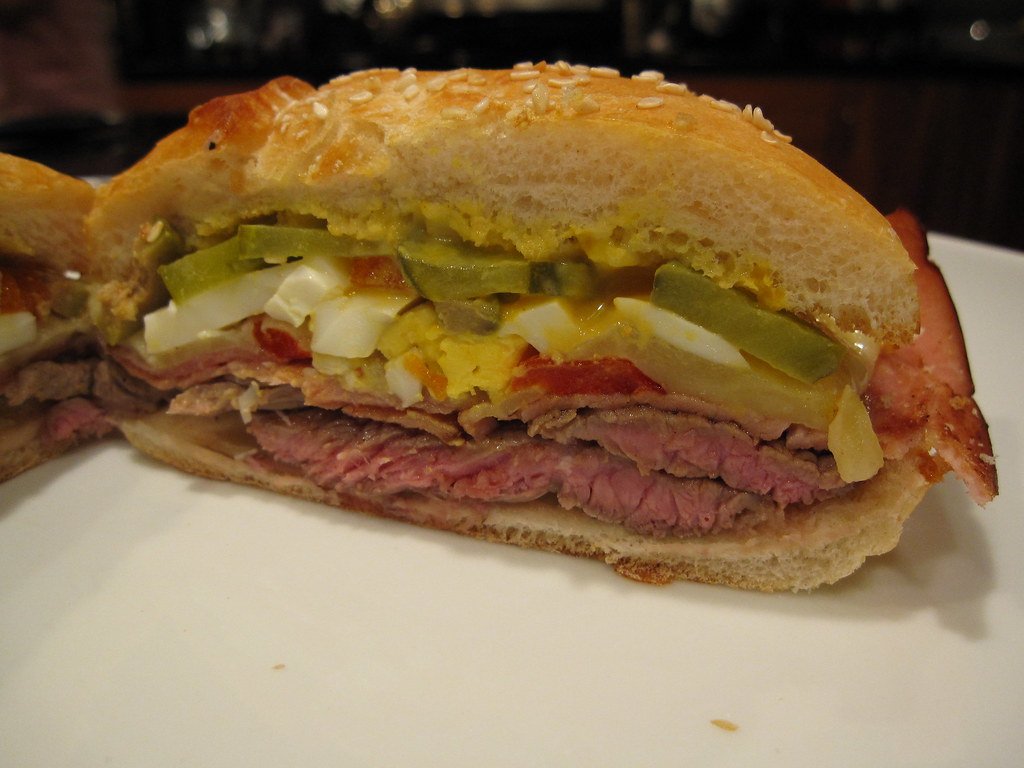
Chivito holds a unique position within the culinary landscape of Uruguay, transcending its role as just a meal to embody cultural importance and social connection. As a quintessential Uruguayan dish, it is often enjoyed during national celebrations, family gatherings, and casual get-togethers. Its presence at parties and festivals showcases not only its popularity but also its capacity to foster communal experiences, making it a staple of shared enjoyment across various demographics.
During festive seasons, Chivito is frequently featured in outdoor barbecues and family reunions, where friends and relatives come together to relish the flavors of this heartwarming dish. Its preparation often becomes a communal activity, with family members participating in grilling and assembling the sandwich, thus strengthening bonds and creating lasting memories. The dish exemplifies the spirit of togetherness that defines many gatherings in Uruguayan culture.
In contemporary food culture, Chivito has seamlessly adapted to modern culinary trends while preserving its traditional roots. It can now be found on the menus of upscale restaurants, where chefs creatively reinterpret the classic recipe, enhancing it with gourmet ingredients. Conversely, street food vendors offer a more accessible iteration, attracting both locals and tourists alike, eager to indulge in authentic Uruguayan flavors. This versatility allows Chivito to appeal to a broad audience, showcasing its enduring relevance in both casual and fine dining settings.
Tourists seeking an authentic taste of Uruguay often discover Chivito as a must-try dish, further solidifying its status as an emblem of Uruguayan cuisine. Its ability to adapt across various social contexts while maintaining its rich heritage underscores the cultural significance of Chivito in contemporary society. As such, it continues to captivate the palates of many, reflecting a pride in national identity and culinary tradition.
Taste Profile of Chivito
The chivito, a celebrated Uruguayan sandwich, boasts a complex taste profile that comes from its diverse ingredients. At the core of this dish is the primary protein, which is usually a tender cut of beef steak, often grilled or pan-fried to a juicy perfection. The grilling process imparts a smoky flavor that enhances the natural richness of the meat. Accompanying the beef is a variety of condiments and toppings that contribute to a layered taste experience.
One of the defining features of a traditional chivito is the inclusion of ham, which adds a salty, savory depth to the sandwich. This combination of beef and ham creates a delightful contrast between the robust flavors of the steak and the milder, yet equally indulgent, profile of the cured meat. Furthermore, the addition of melted cheese, commonly a slice of mozzarella or similar varieties, introduces creaminess that balances the savory elements, making each bite satisfying.
Alongside the proteins, fresh vegetables such as lettuce, tomato, and occasionally slices of avocado provide a refreshing crunch that helps to cut through the richness of the meat and cheese. The pickles add a tangy note, enhancing the overall flavor profile and contributing to the sandwich’s complexity. Additionally, olives are sometimes included, lending a briny flavor that complements the other components.
These ingredients work in harmony to create a symphony of flavors that is both rich and satisfying. The blend of savory meat, creamy cheese, and fresh vegetables, enhanced by tangy and salty condiments, means that every chivito is an explosion of taste, setting it apart from other sandwiches. This delightful amalgamation of flavors not only defines the chivito but also exemplifies the culinary creativity inherent in Uruguayan cuisine.
Texture Profile of Chivito
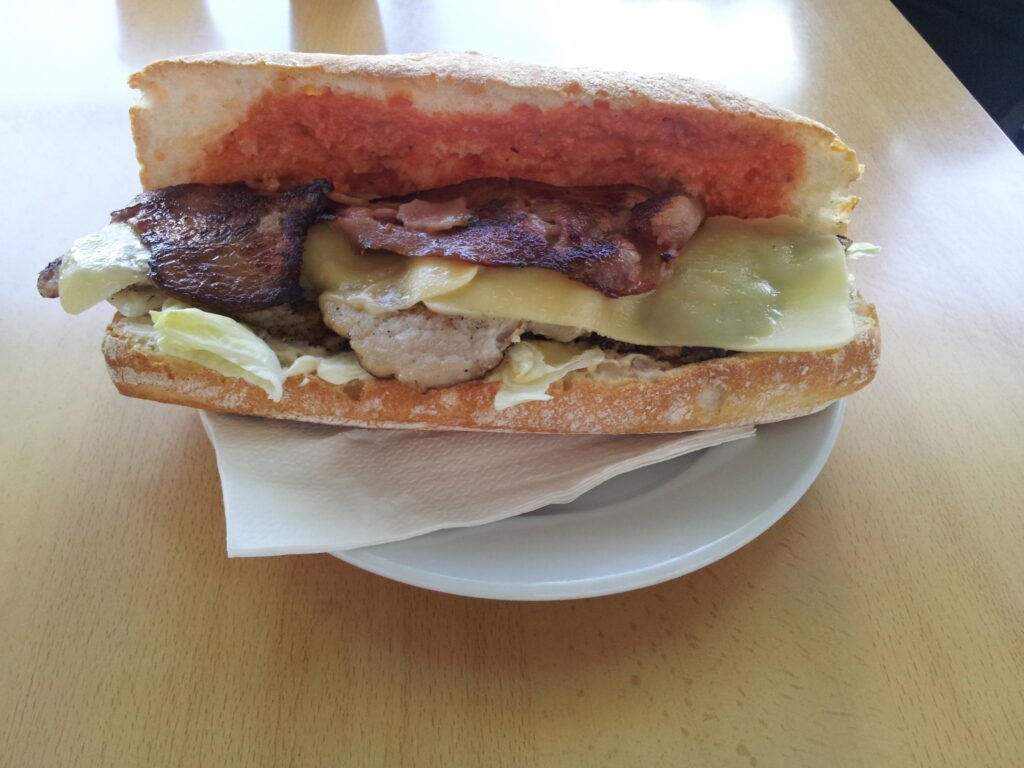
The Chivito is a dish that artfully combines layered textures, creating a delightful mouthfeel that enhances its overall flavor profile. The primary component of this Uruguayan meal is the cooked meat, which is typically pork, beef, or chicken. Each choice of meat contributes a unique texture; for instance, grilled beef offers a robust firmness while marinated chicken delivers a tender, juicy bite. The cooking method ensures that the meat remains succulent, with a slight char that adds a pleasing crispness to the outer layer. This interplay of textures presents an exciting contrast to the dish.
Alongside the cooked meat, fresh vegetables play a crucial role in elevating the texture profile of Chivito. Ingredients such as lettuce, tomatoes, and onions introduce a refreshing crunch, balancing the richness of the meat. The crispness of the greens complements the juicy tomatoes, providing a contrast that is not only texturally pleasing but also visually appealing. When combined, these fresh elements bring an invigorating quality to each bite, serving as an essential counterpoint to the denser components of the dish.
The bread that encases the Chivito is another vital element in this culinary experience. Typically, a soft yet crusty bread is used, offering a satisfying crunch that envelops the entire sandwich. This contrast between the crispy exterior and the fluffy interior creates a textural harmony with the ingredients it houses. Adding to this complexity, the melted cheese, often provolone or mozzarella, engenders a creamy richness that binds the flavors. Dressings, such as mayonnaise or chimichurri, further enhance the texture by imparting a luscious, smooth character, enveloping each ingredient in flavor. Together, these textures weave a captivating narrative that significantly enhances the enjoyment of Chivito.
Common Variations of Chivito
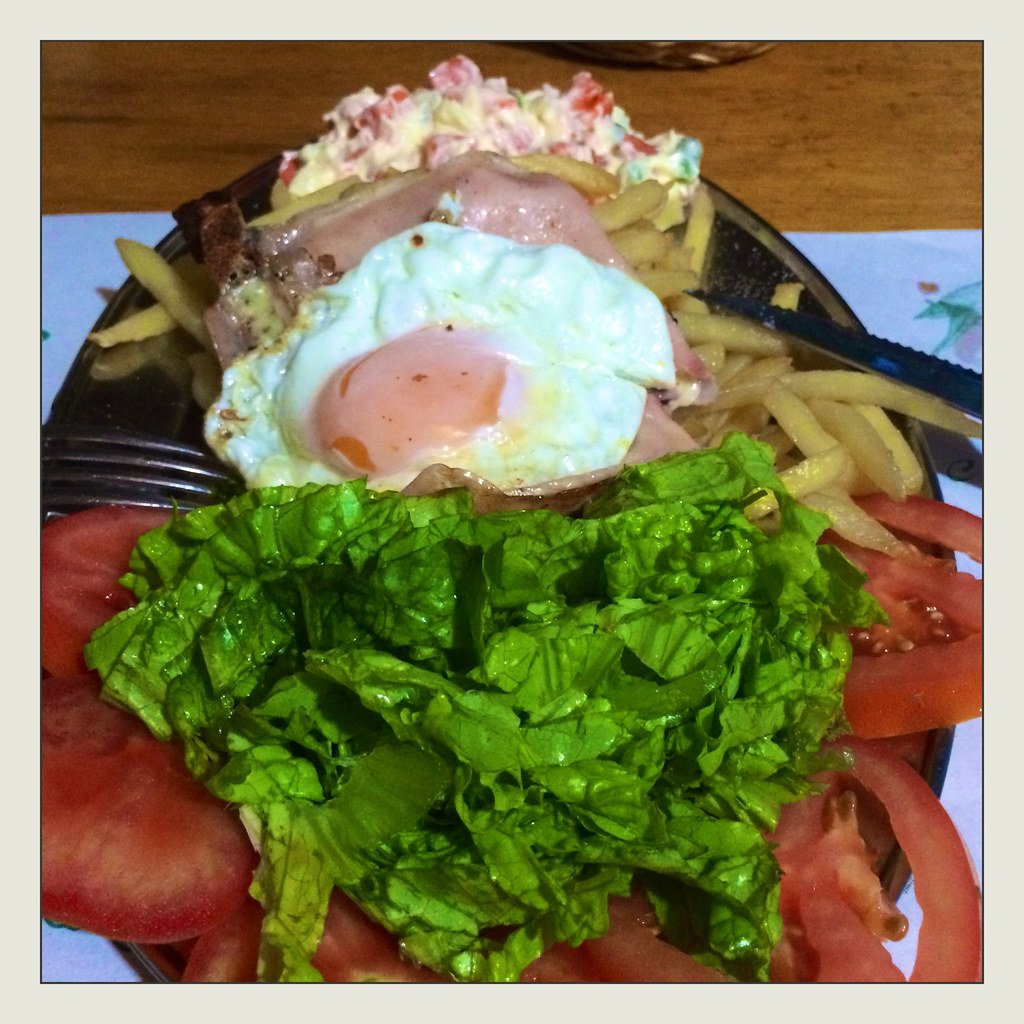
The chivito, a quintessential Uruguayan sandwich, is celebrated for its versatility and the range of adaptations it has inspired both within Uruguay and beyond its borders. While its classic preparation typically features juicy beef steak, ham, cheese, lettuce, tomato, and mayonnaise, different regions and establishments have crafted their own versions, each adding unique elements and flavors that reflect local preferences.
In Uruguay, variations may include the addition of toppings such as crispy bacon, fried eggs, or even avocado, which add further richness to this already indulgent dish. Some establishments experiment with different types of meat, such as chicken or pork, catering to a variety of dietary preferences. The use of sauces can also differ significantly; while mayonnaise is a staple, some variations may incorporate chimichurri or spicy aioli, giving the chivito an exciting twist.
Beyond Uruguay, the chivito has found its way into other countries where culinary traditions intersect. In parts of Argentina, it’s common to see variations that highlight regional ingredients, such as provolone cheese or local herb-infused sauces. In the United States, many food trucks and restaurants have adopted the chivito, often adjusting the portion size or bread type to suit local tastes. A common adaptation may feature a ciabatta roll instead of the traditional soft bread, catering to the artisanal bread trend.
Furthermore, home cooks around the world have embraced the chivito, experimenting with various preparations and ingredients. Some might opt for a vegetarian version incorporating grilled vegetables and plant-based patty substitutes, showcasing the dish’s adaptability. Whether enjoyed from a local street vendor or prepared at home, exploring these variations encourages enthusiasts to appreciate the diverse interpretations of this beloved sandwich.
Conclusion: The Allure of Chivito
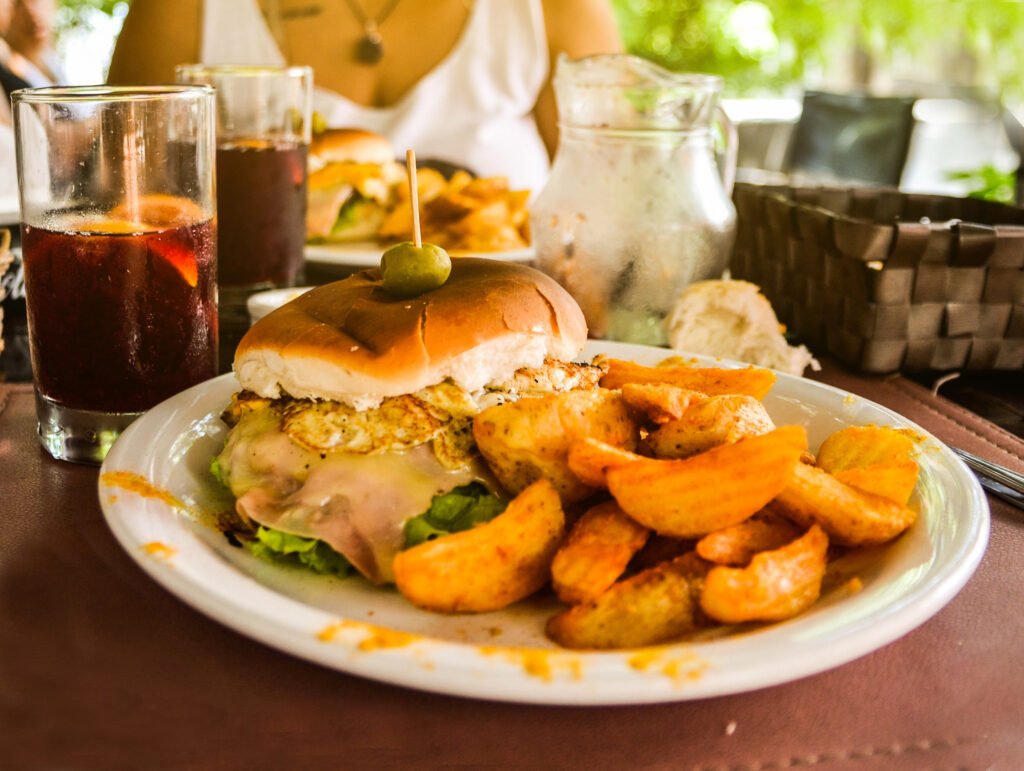
Chivito embodies the essence of Uruguayan cuisine, seamlessly melding history, tradition, and flavor. This iconic sandwich, characterized by its generous layers of beef, bacon, cheese, and a myriad of fresh toppings, has not only won the hearts of locals but has also captured the imagination of culinary enthusiasts worldwide. Its origin, deeply rooted in Montevideo during the 1940s, reflects a time when high-quality ingredients were combined with a spirit of innovation, leading to the creation of a dish that is both satisfying and rich in flavor.
The historical significance of Chivito, linked to a tale of love and culinary adventure, enhances its allure further. As it evolved from a simple street food option to a beloved national dish, Chivito became a symbol of Uruguay’s vibrant food culture. Each bite offers a glimpse into the country’s past, showcasing a unique blend of indigenous ingredients and European culinary influences. This cultural melting pot is a testament to Chivito’s charm, as it continues to be a staple at family gatherings, social events, and local eateries throughout Uruguay.
Moreover, the taste profile of Chivito is undoubtedly one of its most alluring features. The combination of flavors—from the succulent grilled meat to the creamy textures of cheese and the crunch of fresh vegetables—creates an unforgettable dining experience. The versatility of Chivito allows for endless variations, making it accessible to diverse palates and dietary preferences.
As the culinary world continues to discover and celebrate global dishes, Chivito stands out as a must-try for anyone seeking to explore the rich flavors of Uruguayan cuisine. Whether enjoyed in its homeland or recreated through authentic recipes around the globe, Chivito remains an enduring favorite, inviting all to partake in its delicious journey.