
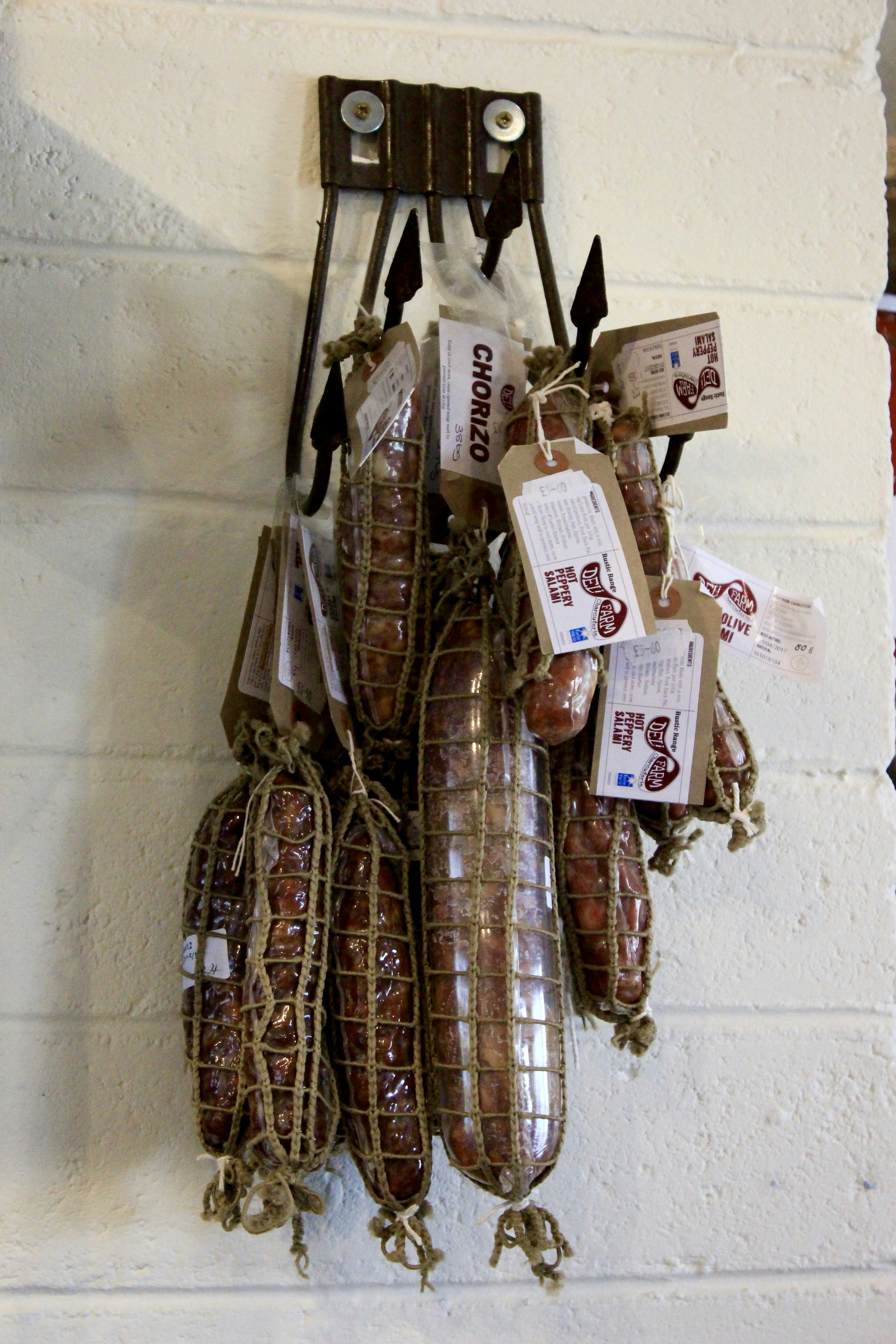
Introduction to Alheira de Mirandela
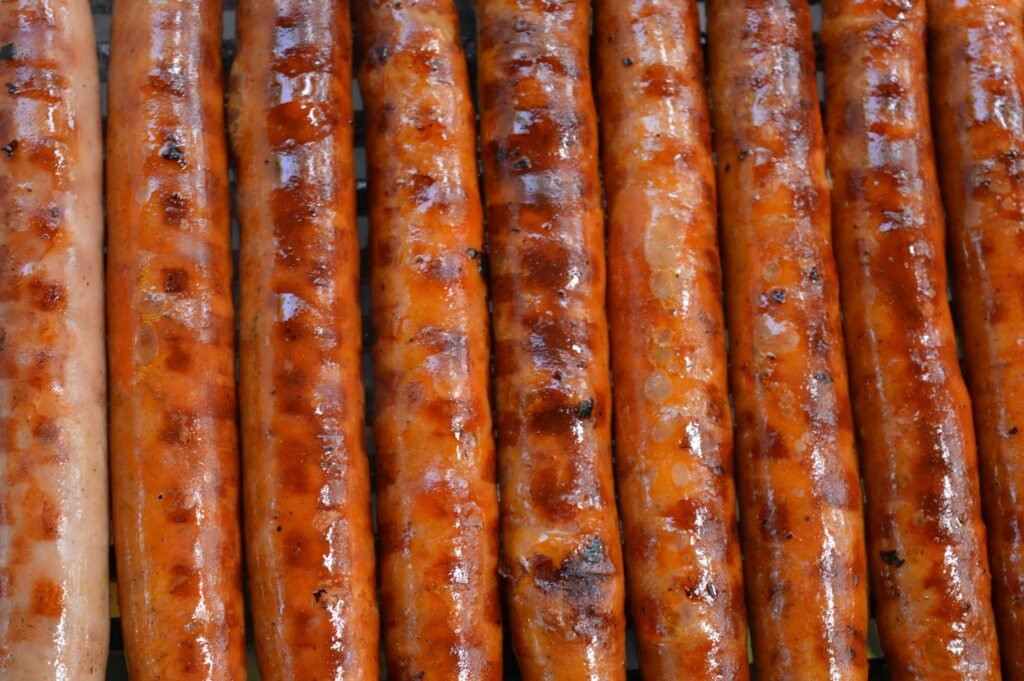
Alheira de Mirandela is a traditional Portuguese sausage that has gained prominence not only for its unique flavor but also for its rich historical context. Originating from the Mirandela region, located in the northeastern part of Portugal, this culinary delight is steeped in the traditions and customs of the area. The recipe for alheira typically includes a mix of meats, often including chicken and pork, alongside garlic, spices, and breadcrumbs, which lend it a distinctive taste and texture.
The creation of alheira is believed to date back to the Jewish communities in Portugal, particularly during the late Middle Ages. The sausages were a clever adaptation to help maintain dietary laws, allowing Jewish families to present a dish that visually resembled traditional pork sausages while actually containing alternative meats. This historical significance adds a layer of depth to alheira, linking it to the cultural interplay of the times.
Alheira de Mirandela is not just a dish; it represents a network of social and familial traditions. Often served during family gatherings and special occasions, it plays a key role in Portuguese gastronomy. Its preparation and consumption foster a sense of community, as families come together to enjoy the flavors that are reminiscent of their ancestry. Over the years, alheira has evolved, adapting to modern tastes while still respecting its authentic roots. Today, it can be found in various forms across Portugal, from restaurants to street food vendors, each offering a unique interpretation of this cherished sausage.
The geographical region of Mirandela, with its rich agricultural landscape, contributes to the quality of ingredients used in alheira. The local farms provide fresh produce and meats, ensuring that each sausage embodies the essence of the land. Thus, Alheira de Mirandela is not merely a food item but a representation of cultural identity and heritage, deeply woven into the fabric of Portuguese culinary practices.
Flavor Profile and Texture

Alheira de Mirandela is a distinctive Portuguese sausage renowned for its complex flavor profile and unique texture. This traditional dish is characterized by a blend of meats, typically including pork, poultry, and sometimes game, which are meticulously combined with spices and other ingredients. The incorporation of bread is particularly notable, as it not only enhances the flavor but also contributes to the sausage’s characteristic consistency.
The preparation of Alheira involves smoking the sausage, imparting a rich, smoky flavor that complements the inherent savory notes from the various meats. This smokiness is often accompanied by a hint of garlic and a medley of spices including paprika, which elevates the depth of flavor, creating a harmonious balance between spiciness and umami. The subtle sweetness from the seasoned bread further enriches the taste, weaving together the contrasting elements to form a well-rounded culinary experience.
Texture plays a crucial role in the enjoyment of Alheira de Mirandela. The sausage is typically encased in a natural sausage skin that holds the mixture together while providing a satisfying snap when bitten into. The interior is distinctively coarse, yet remarkably tender, allowing it to melt in the mouth. This contrasts with other types of sausages, which may lean towards being either excessively soft or overly firm. The combination of finely minced meat and bread not only impacts the mouthfeel but also allows for a delightful chew, making each bite an engaging sensory experience.
Overall, Alheira de Mirandela stands out with its savory, smoky notes and satisfying texture, offering a unique tasting experience that differentiates it from other cured meats and sausages found in various cuisines. This remarkable dish has rightfully earned its place in the hearts of food enthusiasts, both in Portugal and beyond.
The Cooking Process: How to Prepare Alheira de Mirandela

Preparing Alheira de Mirandela is a delightful culinary experience that pays homage to traditional Portuguese cooking methods. This iconic sausage, known for its rich flavors, can be cooked in various ways, each offering a unique approach. The most common methods to prepare Alheira include grilling, frying, and baking. Each method enhances the sausage’s distinct taste and texture.
For grilling, preheat your grill to medium heat. Place the Alheira sausages directly on the grill grates. It is essential to turn them occasionally to ensure an even cook. Typically, grilling takes about 12 to 15 minutes, allowing the skin to develop a crispy exterior while the interior remains juicy and flavorful. To elevate this experience, consider pairing grilled Alheira with a simple side salad drizzled with olive oil and vinegar.
Frying is another popular and straightforward method. In a skillet, add a small amount of oil and bring it to medium-high heat. Carefully add the Alheira and fry for approximately 8 to 10 minutes, turning frequently. The key to perfect frying is to achieve a golden brown color on the outside, indicating that the sausage is adequately cooked. This method works well when served with sautéed vegetables or as a stuffing for hearty breads.
Baking is a more hands-off approach that allows for evenly cooked Alheira. Preheat the oven to 200°C (392°F). Place the sausages on a baking tray lined with parchment paper. Bake for about 20 to 25 minutes, turning halfway through. This preparation method retains moisture and creates an inviting aroma in your kitchen. Baking pairs wonderfully with roasted potatoes or a selection of seasonal vegetables.
Regardless of the preparation technique chosen, Alheira de Mirandela is best enjoyed with a glass of Portuguese red wine or craft beer, which complements its savory profile. By following these cooking methods and tips, both novice and experienced cooks can achieve delightful results while enjoying this beloved delicacy.
Where to Enjoy Alheira de Mirandela: Best Places and Pairings
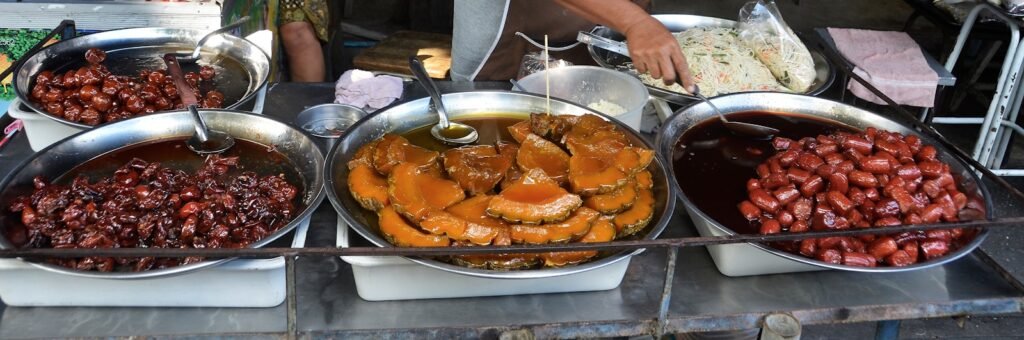
When exploring the culinary landscape of Mirandela, few dishes are as iconic as Alheira de Mirandela. It’s a flavorful sausage made from a blend of meats and sometimes game, accompanied by a unique mix of spices and bread. For those wishing to savor this local delight, several establishments stand out as the best places to enjoy Alheira de Mirandela.
One notable location is **Restaurante O Caseiro**, known for its dedication to traditional Portuguese cuisine. The restaurant’s Alheira de Mirandela is prepared with meticulous care, often served grilled to perfection, allowing the rich flavors to shine through. Guests frequently praise the warm ambiance and the restaurant’s focus on locally sourced ingredients. Another refined choice is the **Terra da Luz**, which offers gourmet twists on traditional dishes. Here, the Alheira is paired with seasonal vegetables and a drizzle of locally made olive oil, creating a dish that marries rusticity with contemporary flair.
For those seeking a more casual experience, **Taberna do Luar** is a beloved eatery frequented by locals. The cozy setting ensures a genuine Portuguese experience, where customers often share anecdotes of their Alheira adventures. The restaurant often features live music, making it a convivial spot for enjoying food. When it comes to drink pairings, a glass of **Douro red wine** complements the flavors of Alheira particularly well. Alternatively, the local beverage known as **água-pé**, a type of fermented drink, offers a refreshing contrast to the dish’s richness.
Incorporating the recommendations of food enthusiasts enhances the experience of trying Alheira de Mirandela. A traveler recalls enjoying the sausage accompanied by a side of grilled vegetables and chests of freshly baked bread at a local festival. Such traditions and flavors contribute to the alchemical magic of savoring Alheira in its home region, making every bite a celebration of Mirandela’s culinary heritage.