

Introduction to Aji de Gallina
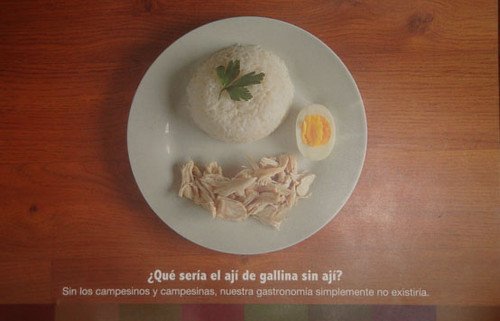
Aji de Gallina is a cherished dish within Peruvian cuisine, known for its rich flavors and comforting texture. The origins of this dish can be traced back to the colonial era, where local ingredients were combined with European cooking techniques. The name “Aji de Gallina” translates to “hen chili,” reflecting the primary ingredient of chicken, which is simmered in a spiced sauce made from aji amarillo, a distinct Peruvian chili pepper known for its vibrant color and mild heat. This dish embodies the fusion of traditional Andean and Spanish culinary elements, marking its significance in Peru’s gastronomic landscape.
The cultural importance of Aji de Gallina extends beyond mere sustenance; it serves as a symbol of familial gatherings and celebrations. Often prepared for special occasions and Sunday lunches, this dish is a staple on many Peruvian tables. Its preparation varies among regions and families, showcasing the diversity of Peruvian cooking. Over time, Aji de Gallina has evolved, with each cook adding personal touches, whether through the incorporation of unique spices or variations in the sauce’s consistency.
Key ingredients of Aji de Gallina include shredded chicken, aji amarillo peppers, walnuts, and bread. The combination of walnuts not only enriches the dish’s flavor but also provides a creamy texture that complements the spiced chicken. Additionally, the sauce is typically thickened with soaked bread, which gives it a distinct mouthfeel, setting it apart from other traditional Peruvian dishes. This blend of flavors and textures ensures that Aji de Gallina remains a favorite, standing the test of time while embodying the heart of Peruvian culinary heritage.
The Making of Aji de Gallina
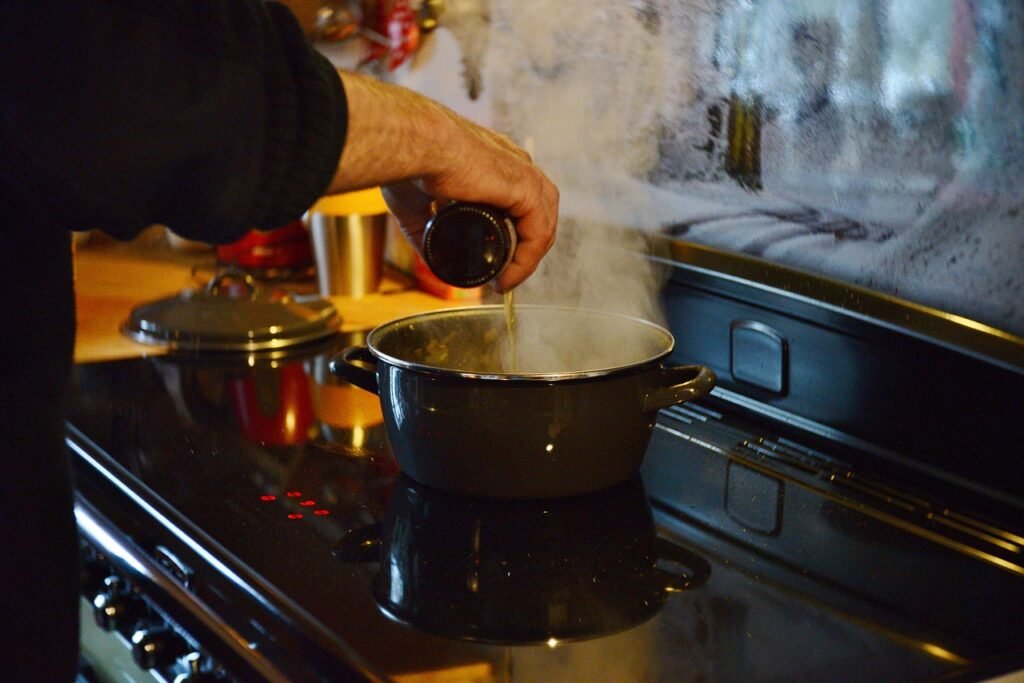
Aji de Gallina is a delightful Peruvian dish characterized by its rich and creamy sauce that envelops tender strips of chicken. The preparation begins with marinating the chicken, which is typically a whole bird or chicken parts, in a mixture of spices such as cumin, garlic, and salt. This step not only enhances the flavor but also helps to ensure a moist and tender texture during cooking. Ideally, the chicken should marinate for at least an hour, allowing the spices to penetrate the meat.
Next, the chicken is cooked until fully done, often by boiling or steaming, which preserves moisture. After cooking, the chicken should be shredded into manageable pieces and set aside. The star of the dish is the sauce, which is primarily made from ají amarillo peppers, a key ingredient that imparts a distinctive flavor and vibrant color to the dish. To make the sauce, the peppers are blended with nuts, typically walnuts or pecans, alongside garlic, onion, and a bit of bread to achieve the desired consistency.
While the traditional recipe calls for a straightforward approach, many cooks have developed variations that incorporate additional ingredients like lime juice or oregano to elevate the flavor. The sauce must be simmered until it thickens to a luscious, creamy texture. At this stage, the shredded chicken is integrated back into the sauce, ensuring that each piece is thoroughly coated.
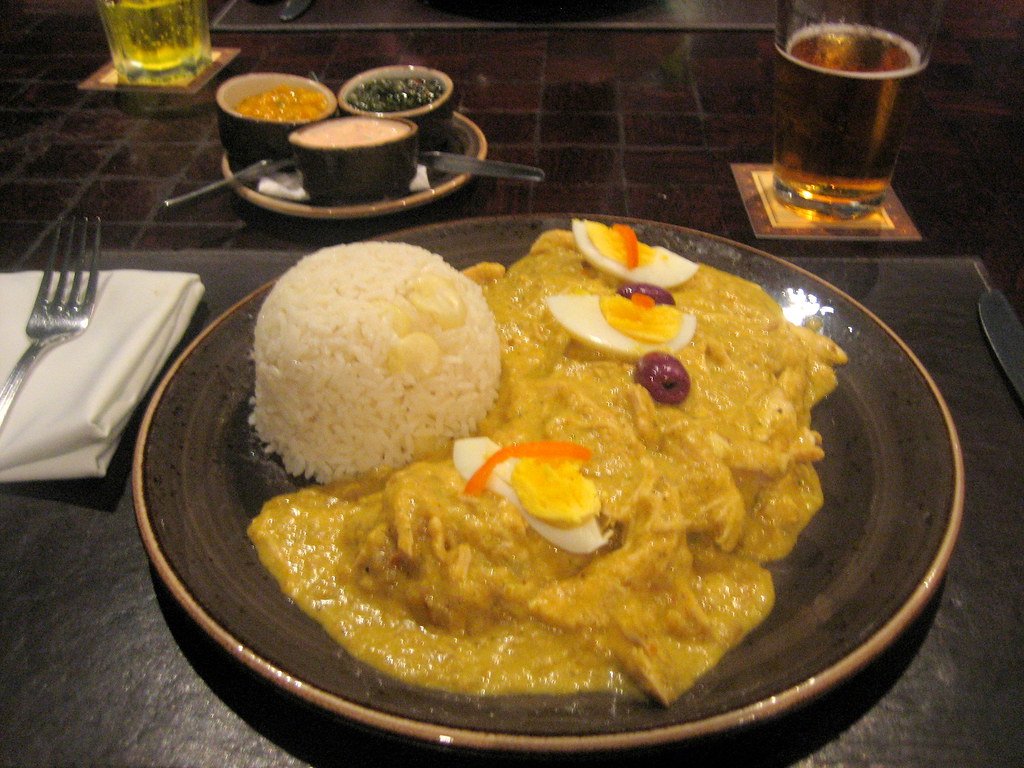
To delve deeper into presentation, Aji de Gallina is often served over rice or with boiled potatoes, garnished with olives or hard-boiled eggs for added texture and flavor. Achieving the perfect balance of creaminess and spice is paramount, and it may take a few attempts to master the ideal proportions of ingredients. Nonetheless, once perfected, Aji de Gallina is guaranteed to be a crowd-pleaser.
Taste and Presentation Experience
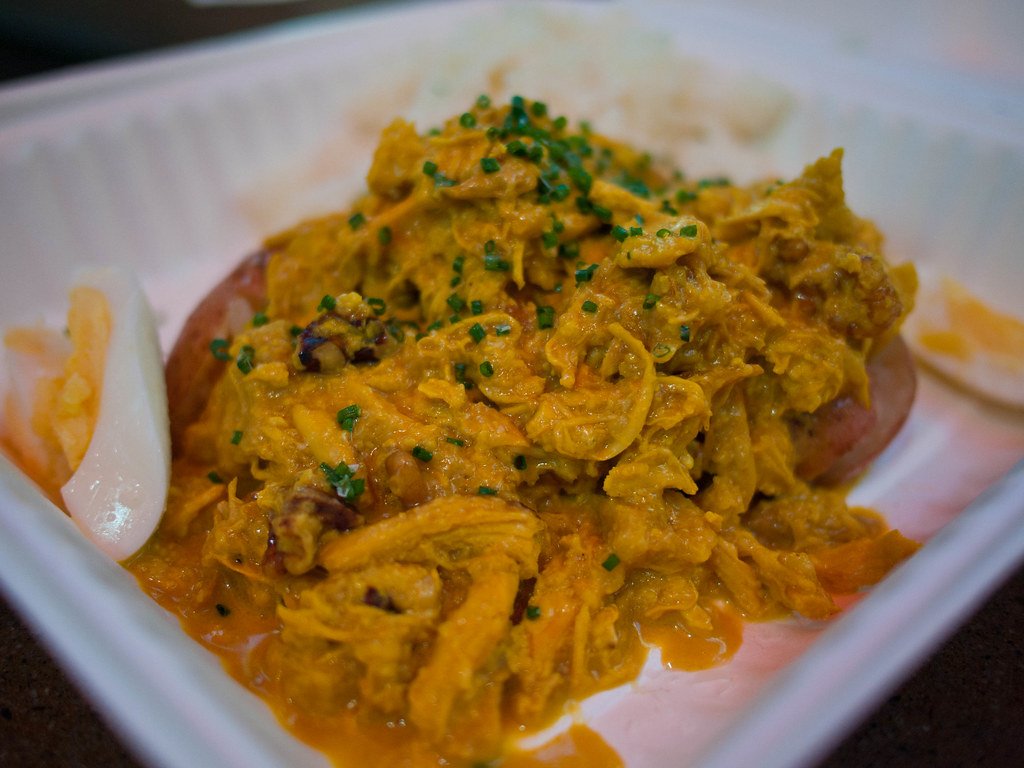
Aji de Gallina is renowned for its unique combination of flavors and textures, making it a beloved dish in Peruvian cuisine. The centerpiece of this meal is the tender chicken, which is typically shredded and enveloped in a rich, creamy sauce. This sauce is mainly composed of ají amarillo (yellow chili pepper), which provides a distinctive warmth and subtle heat. The balance between the spiciness of the ají and the creaminess of the sauce creates an inviting experience that captivates the palate. The creamy consistency is achieved through the incorporation of ingredients such as walnuts, cheese, and milk, further enriching the overall flavor profile.
The presentation of Aji de Gallina plays a crucial role in enhancing the dining experience. Traditionally, the dish is served in a generous portion on a white plate, allowing the vibrant yellow-orange hue of the sauce to stand out. The shredded chicken is delicately spread across the plate, with the sauce poured generously over it. Accompaniments such as steamed rice, sliced boiled potatoes, and a few olives and hard-boiled eggs are strategically placed to create an appealing visual ensemble. Each element adds not only to the aesthetics but also to the variety of textures and flavors experienced while dining.
The aroma of Aji de Gallina adds another level to its allure, with the scent of spices and the creamy richness wafting through the air, enticing diners even before the first bite. This fragrant dish invites experimentation as diners mix the components together—combining creamy sauce with fluffy rice or enjoying the sauce with each forkful of chicken. Every aspect, from flavor to presentation, contributes to an overall satisfying experience that embodies the essence of Peruvian culinary tradition.
Comparisons and Recommendations
Aji de Gallina is a beloved dish that holds its own among a diverse range of culinary offerings, both within Peruvian cuisine and globally. When compared to other traditional Peruvian dishes, such as Pollo a la Brasa or Causa Rellena, Aji de Gallina stands out due to its creamy texture and unique flavor profile, largely attributed to its combination of shredded chicken, aji amarillo peppers, and walnuts. While Pollo a la Brasa is characterized by its smoky taste resulting from the whole roasting technique, Aji de Gallina offers a rich, comforting sauce that coats the chicken beautifully, making it a satisfying meal for many. In contrast, Causa Rellena, with its cold presentation and vibrant layers, serves a different purpose; it is often enjoyed as a refreshing appetizer rather than a hearty entrée.
When seeking the best Aji de Gallina, various establishments in Peru and even abroad serve this delectable dish with their own unique twists. Noteworthy restaurants, such as La Mar and Pardo’s Chicken, have garnered accolades for their authentic renditions of Aji de Gallina. Additionally, local favorites often thrive at smaller, family-run establishments where traditional recipes are passed down through generations. These venues may provide a more homely and authentic taste, which is often highlighted by locals. Dining out has its advantages, especially when enjoying the nuances of chef-prepared dishes alongside the chance to experience the vibrant atmosphere of Peruvian eateries.
Alternatively, preparing Aji de Gallina at home can be a rewarding endeavor for those who enjoy cooking. The recipe allows for personalization, whether in the seasoning level or the choice of side dishes. However, recreating the authentic taste might require acquiring specific ingredients, particularly aji amarillo. Ultimately, whether one opts to enjoy this dish at a restaurant or attempts to prepare it at home, both approaches offer their own sets of benefits, allowing Aji de Gallina to maintain its status as a cherished component of Peruvian gastronomy.