
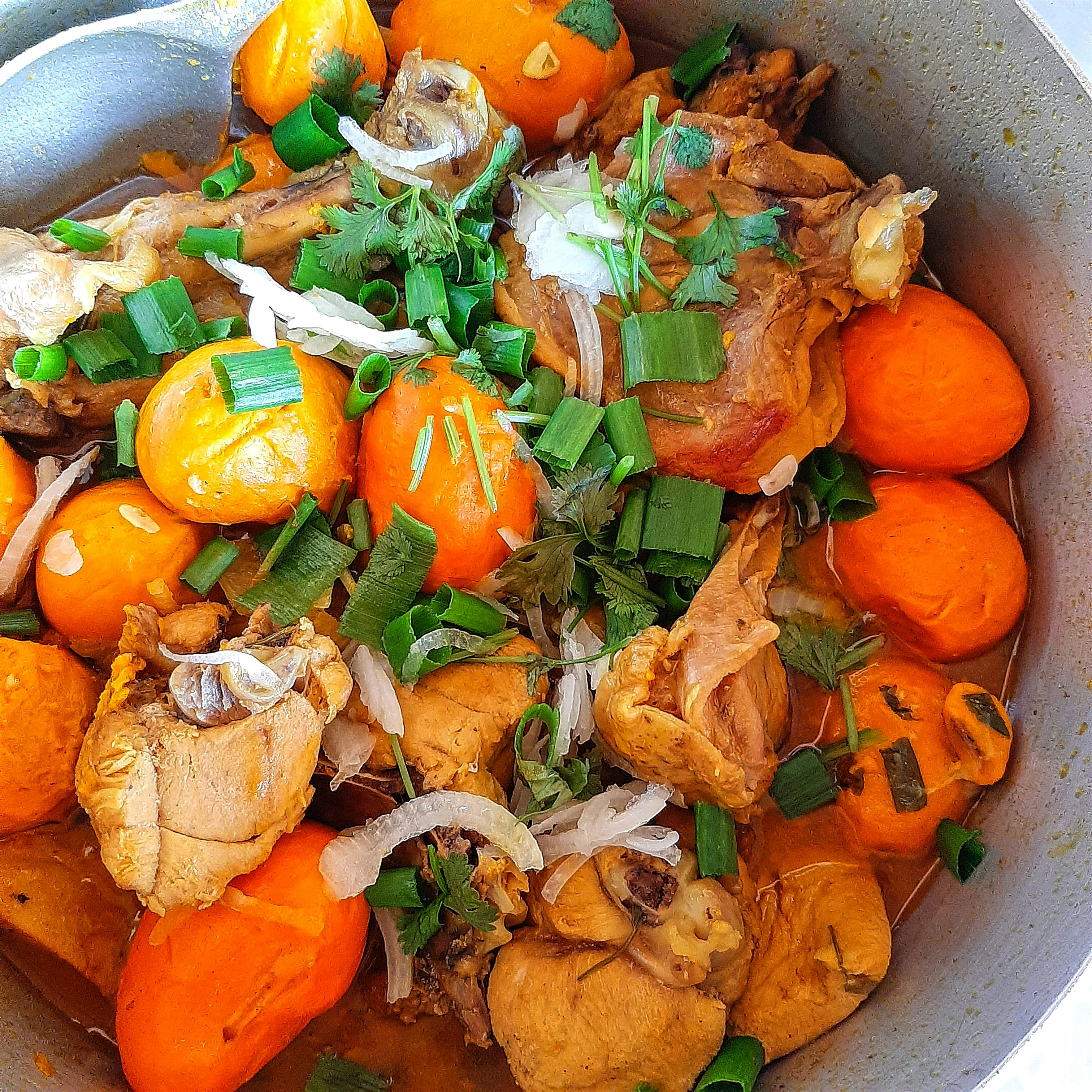
Introduction to Ajiaco and Sancocho
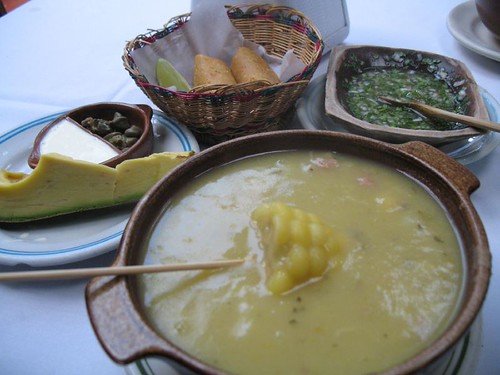
Ajiaco and sancocho are two quintessential traditional soups that embody the rich culinary heritage of Latin America, particularly prevalent in Colombian and Caribbean cuisines. Both dishes are celebrated for their distinctive flavors, cultural significance, and the unique ingredients that characterize them. Ajiaco is a widely popular Colombian dish, primarily originating from the Andean region, particularly in Bogotá. It showcases the fusion of indigenous ingredients, such as various types of potatoes and corn, with influences brought by Spanish colonizers. The soup traditionally features a savory chicken broth enhanced by the addition of guascas, a herb native to Colombia, which imparts a unique earthy flavor that is essential to its taste profile.
Sancocho, on the other hand, is a hearty stew that has its roots in Afro-Caribbean traditions and is known for its versatility and regional variations. This dish often incorporates a variety of meats, including chicken, beef, or pork, simmered together with root vegetables like yucca, plantains, and potatoes. The blend of these ingredients creates a rich and flavorful broth, which is commonly served with rice and avocado. While both ajiaco and sancocho can be found in different Latin American countries, the specific preparations and ingredients may vary significantly, reflecting local tastes and agricultural practices.
The historical significance of these soups extends beyond mere nourishment; they serve as a representation of community and familial bonds. Often prepared during gatherings and celebrations, ajiaco and sancocho are emblematic of cultural identity, where recipes are passed down through generations. Both dishes not only highlight the region’s agricultural bounty but also the rich tapestry of influences that have shaped Latin American cuisine over the centuries. This overview lays the groundwork for appreciating the depth of tradition and love that goes into making these beloved soups.
Ingredients and Preparation
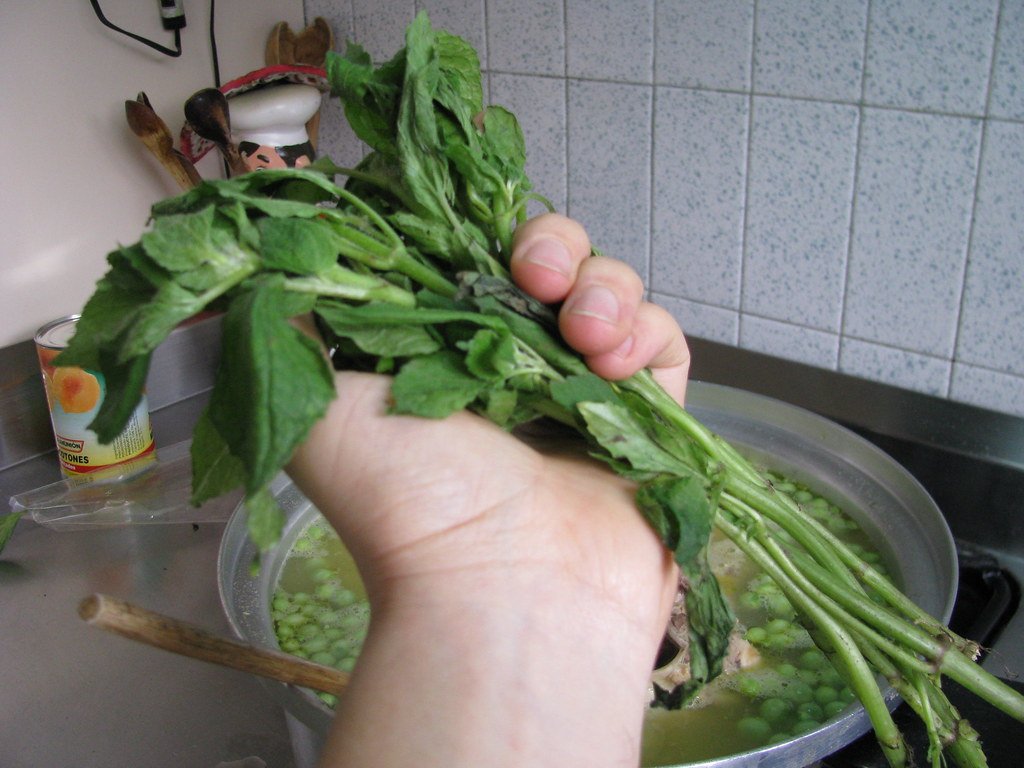
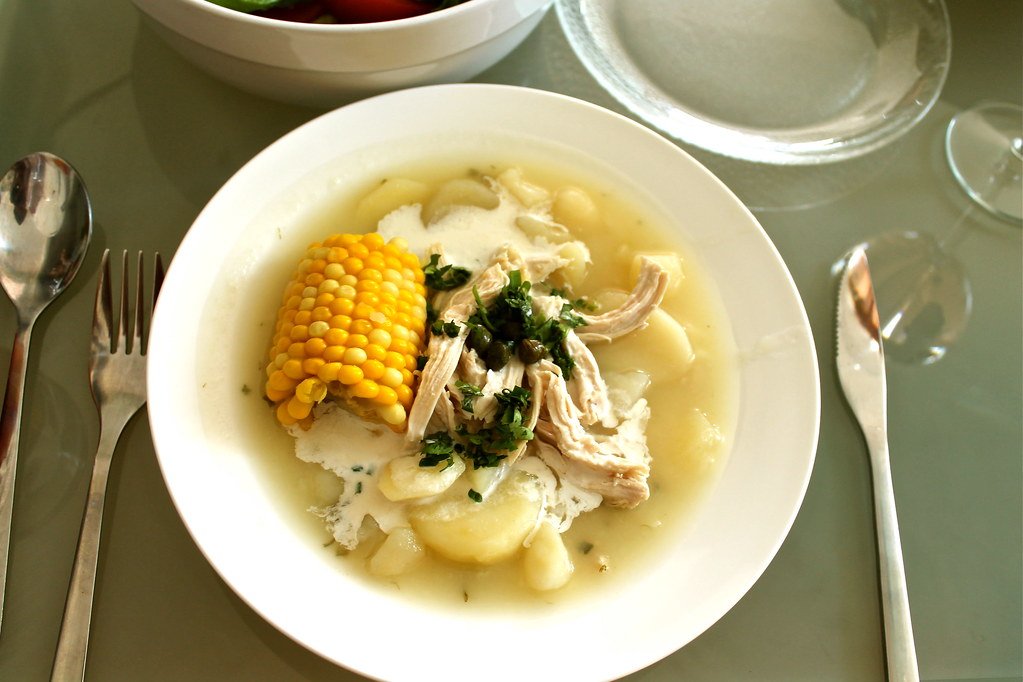
Ajiaco and sancocho are two traditional Latin American soups that embody rich flavor profiles and cultural significance. The fundamental components of these dishes include a variety of meats, vegetables, and spices, each contributing to their unique characteristics. In ajiaco, a prime ingredient is the chicken, typically combined with two specific types of potatoes: the criolla, which adds a creamy texture, and the pastusa, which brings a thicker consistency to the soup. Corn on the cob is another key addition, offering sweetness and crunch, while herbs such as guascas are essential for the distinctive flavor that defines ajiaco.
On the other hand, sancocho is known for its hearty, rustic style. This dish usually features a combination of meats, such as beef, pork, and chicken, which can vary significantly depending on regional preferences. The incorporation of starchy vegetables like plantains, yuca, and potatoes not only enhances the dish’s texture but also contributes to its nutritional value. The overarching flavor of sancocho is often enriched with the use of spices, including garlic, onion, and cilantro, further elevating the taste experience.
As for preparation methods, both soups are made from scratch, often involving simmering the proteins to extract deep flavors, followed by the addition of vegetables and spices at the appropriate stages. Ajiaco is generally cooked slowly to allow the guascas to infuse their aroma, while sancocho is often prepared in a single-pot method, where the ingredients are added in layers to maintain their integrity. Family recipes often showcase regional variations, such as the addition of specific herbs or even different meats, allowing for a range of flavors and textures. Achieving the perfect taste and consistency requires careful attention and an understanding of the balance between ingredients, ensuring that both ajiaco and sancocho provide a warm, comforting experience with each bowl served.
Flavor Profile and Presentation
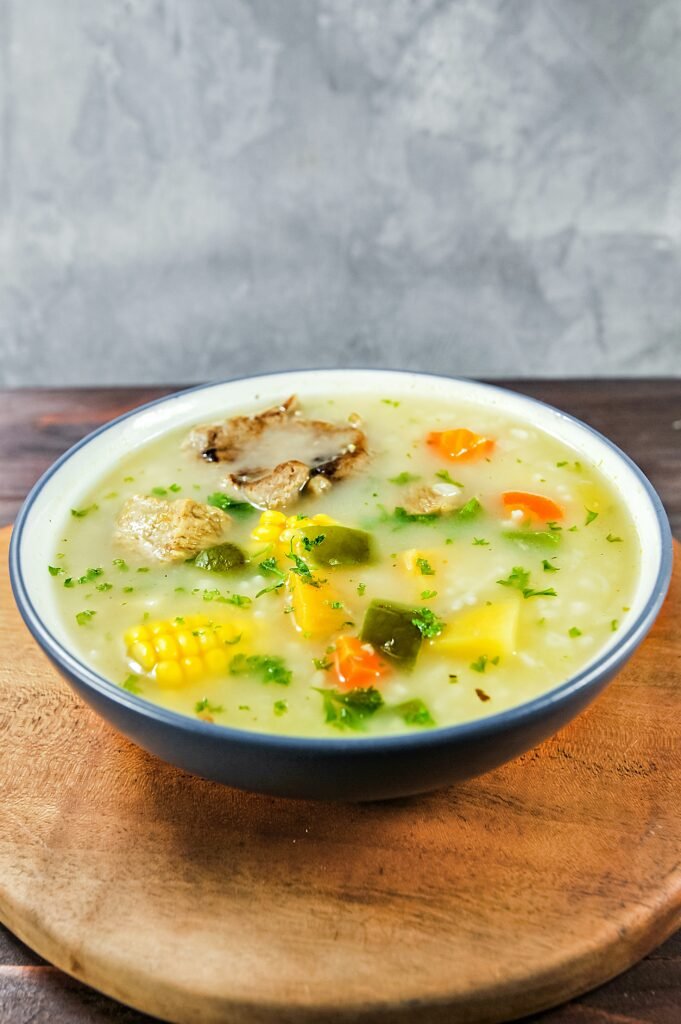
Ajiaco and sancocho are two quintessential dishes in Latin American cuisine, each boasting a distinct flavor profile that captures the essence of tradition and comfort. Ajiaco, a Colombian chicken and potato soup, is renowned for its earthy and savory notes. The primary ingredients—chicken, multiple varieties of potatoes, and corn—meld together harmoniously, creating a rich and creamy consistency. The addition of guascas, a traditional herb, imparts an aromatic quality that enhances its flavor. On the other hand, sancocho, a hearty stew prevalent in several countries, is characterized by its complex layering of tastes. This dish often features a variety of meats, vegetables, and tubers, such as yuca and plantains, allowing for a robust and flavorful experience. The use of fresh herbs like cilantro and a generous seasoning of spices contribute to its savory depth.
The presentation of these dishes varies across regions, each showcasing cultural significance and culinary pride. Ajiaco is commonly served in a deep bowl, garnished with slices of avocado and accompanied by capers and cream, which add a contrasting richness to the soup. The vibrant colors of the ingredients create an inviting visual appeal, making it a centerpiece dish during family gatherings or special occasions. Sancocho, with its assorted meats and vegetables, is often presented in a large serving pot, ideal for communal dining. The colorful medley of ingredients, along with the inviting aroma, captivates diners before the first bite. It is usually accompanied by a side of rice and avocado, enhancing the overall dining experience and highlighting the dish’s heartiness.
Experiencing ajiaco and sancocho goes beyond mere consumption; it is a sensory journey that evokes nostalgia and warmth. The scent of simmering herbs and spices, coupled with the taste of wholesome ingredients, embodies the very essence of comfort food, making these dishes integral to Latin American gastronomic heritage.
Cultural Significance and Personal Experiences
Ajiaco and sancocho are more than mere dishes; they are cultural icons that encapsulate the essence of their respective origins. These traditional soups are deeply rooted in Colombian and Dominican culinary heritages, often associated with family gatherings, celebrations, and communal events. Ajiaco, with its hearty mix of potatoes and chicken, is a staple in Bogotá, where it is frequently served during chilly weather, offering comfort and warmth. Meanwhile, sancocho, a flavorful stew made from assorted meats, tubers, and spices, is prevalent in various Caribbean cultures, celebrated for its ability to bring families together around the dinner table.
Personal anecdotes abound regarding the sharing of ajiaco and sancocho, illustrating the profound connections formed through these beloved dishes. Food lovers recount experiences of gathering with family members in the kitchen, chopping vegetables, and sharing stories while a steaming pot of sancocho simmers on the stove. Chefs, too, reflect on their first encounters with these traditional soups, often describing how the rich aromas and flavors remind them of their childhoods and familial traditions. It is this shared experience that helps to bind communities and generations together, as each pot of ajiaco or sancocho tells a unique story.
The evolution of these classic recipes also merits attention. Modern interpretations see chefs incorporating contemporary ingredients or new cooking techniques while still honoring the traditional framework. This dynamic exchange allows ajiaco and sancocho to flourish in today’s culinary landscape, appealing to both traditionalists and adventurous eaters alike. By embracing change while respecting tradition, these dishes continue to resonate with people worldwide, affirming their role not just as food, but as integral components of cultural identity and communal spirit.