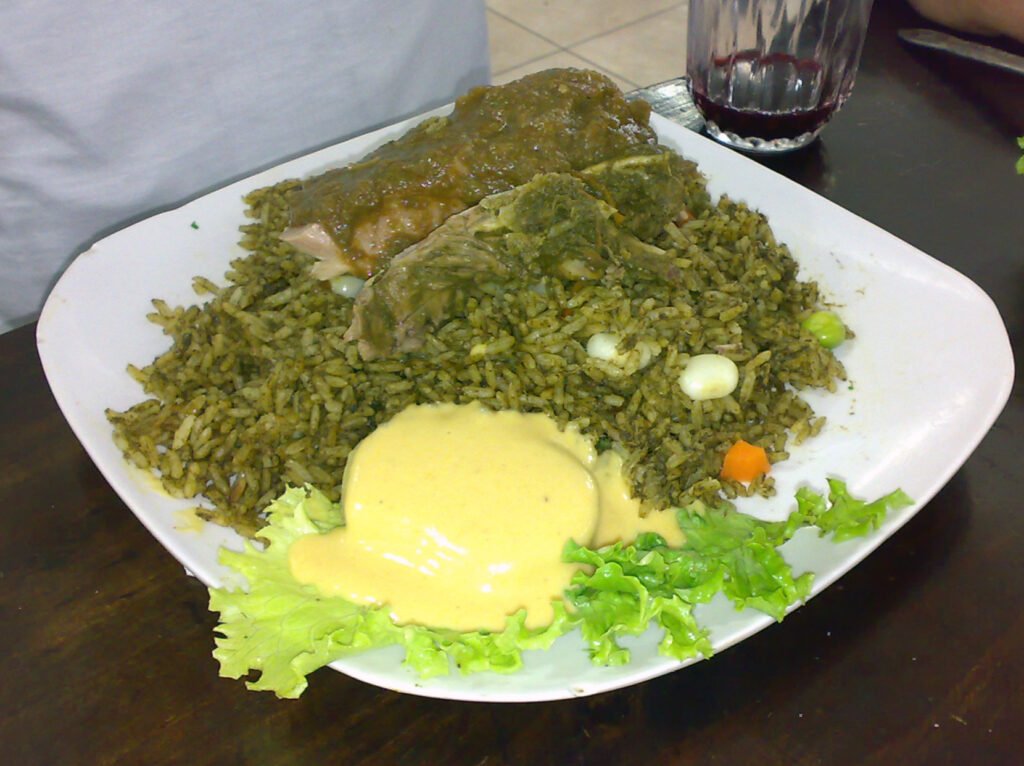
Introduction to Arroz con Pato
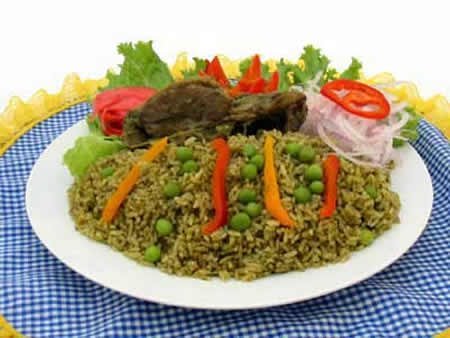
Arroz con Pato, a cherished dish from Peruvian cuisine, embodies the rich culinary traditions and flavors that reflect the country’s diverse cultural heritage. This delectable dish translates to “rice with duck,” and it is found prominently in the gastronomic repertoire of various regions in Peru, especially in the coastal areas. The combination of ingredients, preparation techniques, and cultural significance makes Arroz con Pato a fascinating topic for exploration.
The primary components of this dish include luscious duck, vibrant green rice, and an array of seasonings, which typically feature cilantro, garlic, and a touch of beer or wine. The duck is often marinated before being braised to tender perfection, allowing its savory flavor to infuse the surrounding rice. The use of cilantro not only imparts a beautiful shade of green to the rice but also elevates the dish with its aromatic qualities. Other vegetables such as peas and carrots might be included, adding color and texture to the presentation.
Beyond its delightful taste and appealing appearance, Arroz con Pato holds a significant place in Peruvian culture. Traditionally, it is served during festive occasions and family gatherings, symbolizing unity and celebration. The dish showcases the artistry of Peruvian cooking, where distinct ingredients come together to create a harmonious and satisfying experience. Arroz con Pato also reflects the country’s agricultural bounty, utilizing locally sourced produce and grains that contribute to its unique character.
In the following sections, we will delve deeper into the history and the flavors that define Arroz con Pato, enriching our understanding of this remarkable dish. Join us on this culinary journey to uncover the essence of one of Peru’s beloved gastronomic treasures.
Origin and Historical Background
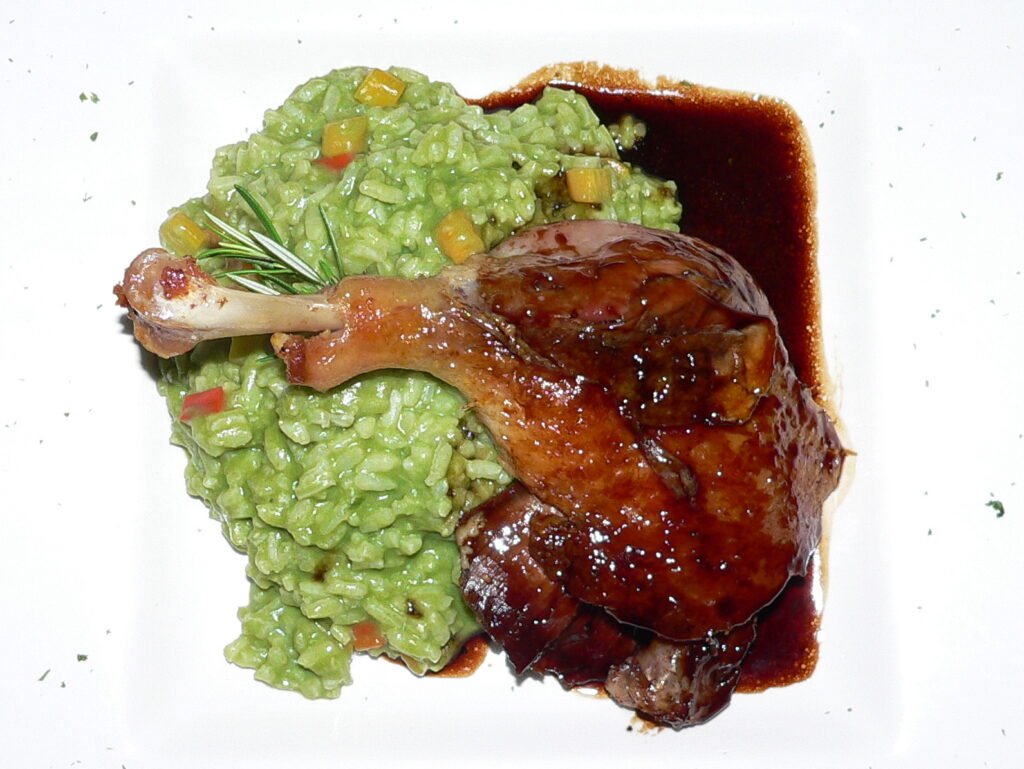
Arroz con Pato, a beloved dish in Peruvian cuisine, encapsulates the rich tapestry of the nation’s history and cultural integration. This hearty meal, often made with rice and duck, is believed to have its roots in the coastal regions of Peru, particularly around the 19th century. The choice of duck, or “pato”, and the preparation methods were influenced heavily by indigenous ingredients and cooking techniques, presenting a culinary narrative that intertwines both pre-Columbian and colonial influences.
The indigenous peoples of Peru utilized local grains and proteins, with rice being introduced by the Spanish during the colonization period. The blending of these two worlds gave rise to traditional dishes like Arroz con Pato. The preparation typically involves marinating the duck in a variety of local spices and herbs, giving the dish a unique flavor profile that showcases the diversity of Peruvian agriculture. This melding of flavors is emblematic of how Peru’s cuisine has historically embraced and adapted foreign influences while retaining its indigenous essence.
As time progressed, Arroz con Pato became associated with festive occasions and communal gatherings, elevating its status as a traditional meal. The dish’s evolution has been marked by regional variations, with different areas of Peru putting their own spin on the recipe, thus contributing to a rich culinary heritage. Furthermore, the ingredients and methods have seen adaptations reflecting both modern tastes and the availability of resources.
The significance of Arroz con Pato transcends mere sustenance; it represents a historical narrative that showcases the dynamic interactions between indigenous populations and Spanish colonizers. Today, it stands as an essential part of Peru’s culinary identity, celebrated not only for its flavor but also for its story, which continues to evolve in the hearts of those who prepare and savor it.
Cultural Significance and Meaning
Arroz con Pato, a traditional Peruvian dish consisting of rice and duck, holds a prominent position in the culinary landscape of Peru, symbolizing not just sustenance but also a deep connection to cultural identity. This dish is often associated with festive occasions and family gatherings, marking it as a staple during celebrations such as weddings, birthdays, and national holidays. It is during these moments that families come together, sharing stories and memories, all while indulging in this beloved and flavorful meal.
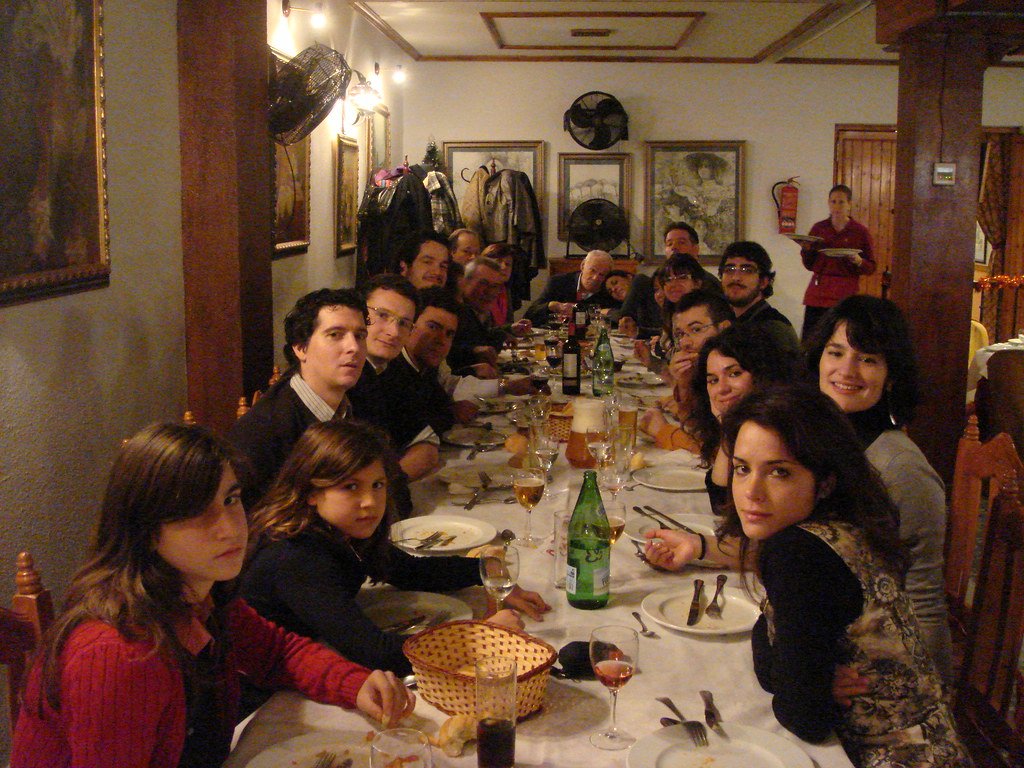
The preparation of Arroz con Pato is often seen as a communal activity, wherein family members collaborate to create the dish. This process emphasizes the importance of unity and cooperation within Peruvian culture, demonstrating how food can bridge generational divides and foster relationships. Moreover, the ingredients used in this dish, such as cilantro, duck, and local spices, reflect the rich biodiversity and agricultural heritage of Peru, highlighting the significance of local produce in traditional cooking.
Beyond its culinary appeal, Arroz con Pato represents pride in Peruvian heritage. It is a dish that resonates with locals, as it encapsulates the essence of regional flavors and the influence of historical events on modern gastronomy. The identity of Peruvian cuisine, greatly shaped by indigenous practices and Spanish influence, finds a compelling representation in this dish. Consequently, Arroz con Pato serves as a culinary ambassador for Peru, inviting both locals and visitors to experience the vibrant culture and deep-rooted traditions that define this South American nation.
Ultimately, Arroz con Pato transcends its role as a mere meal; it is a symbol of togetherness and a celebration of the diverse cultural fabric of Peru.
Ingredients: A Closer Look
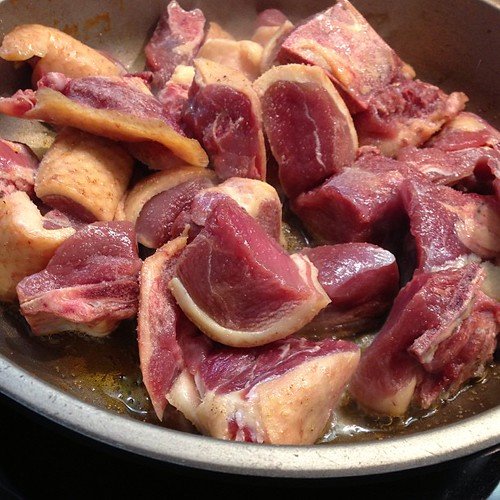
Arroz con Pato, a beloved dish in Peruvian cuisine, is a delightful combination of ingredients that contribute to its unique flavor profile. The primary ingredient is duck, which provides a rich, savory taste that is integral to the dish. Traditionally, the duck is marinated with a blend of spices, allowing it to absorb flavors before cooking. The tenderness of the duck meat, combined with its slightly oily texture, enriches the overall experience of the dish.
Rice is another essential component of Arroz con Pato. Short-grain or medium-grain rice is preferred as it absorbs the delicious broth and spices effectively. The rice becomes infused with the flavors of the duck and the accompanying sauces, creating a harmonious blend that is both satisfying and flavorful.
Cilantro adds a fresh and vibrant touch to the dish. Known for its distinct aroma and flavor, cilantro elevates the taste of Arroz con Pato with its herbal note. It is often used both as a part of the cooking process and as a garnish, ensuring that its lively flavor is prominent in every bite.
Additionally, beer plays a crucial role in this dish. The use of beer enhances the depth of flavor in the duck, as it tenderizes the meat and adds a subtle bitterness that balances out the richness of the dish. It is typically dark beer, which complements the savory elements, making the overall taste more complex.
Lastly, a carefully selected array of spices, including garlic, onions, and various peppers, ensures that the final presentation of Arroz con Pato is aromatic and deeply flavorful. These ingredients, combined in a meticulous manner, underscore the importance of each element in crafting this Peruvian classic, illustrating how they all come together to create a memorable gastronomic experience.
Taste Profile: Flavor Combinations
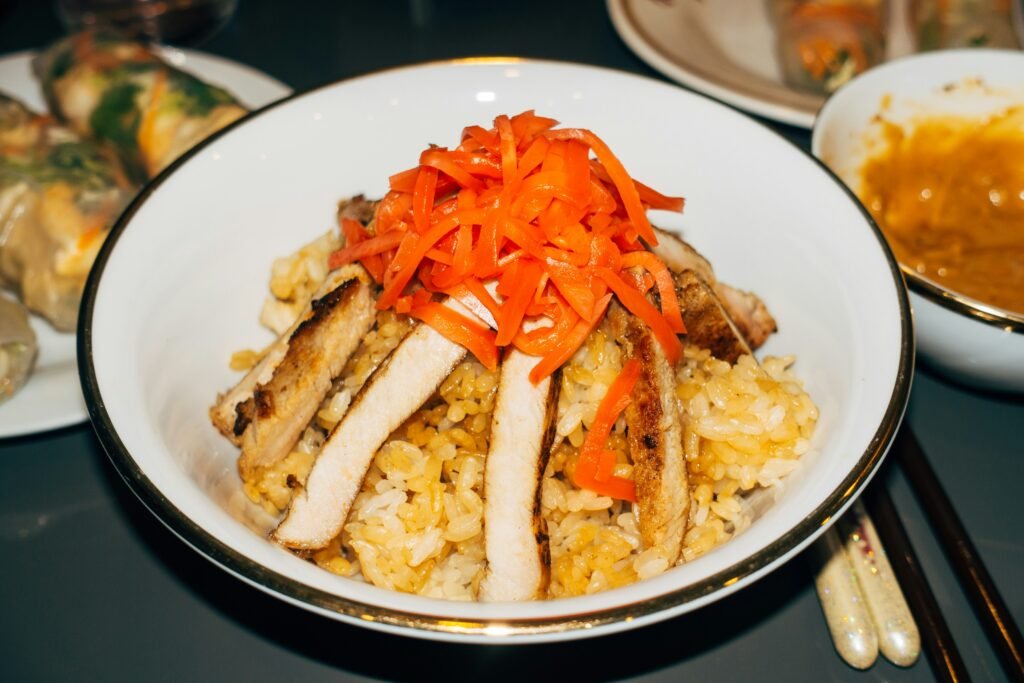
Arroz con Pato presents a captivating medley of flavors that derive from its carefully selected ingredients, culminating in a rich and harmonious taste experience. Central to this dish is the duck, which imparts a deep, savory essence due to its natural fats and unique gamey profile. When cooked, the duck releases juices that infuse the rice, creating a sumptuous base that is both hearty and satisfying.
The incorporation of cilantro serves to elevate the flavor to new heights. Its bright and slightly peppery notes cut through the richness of the duck, adding a refreshing contrast. This herb not only enhances the overall taste but also contributes a vivid green hue that appeals to the eyes. Additionally, the addition of aji amarillo—the famed Peruvian chili pepper—introduces subtle heat while maintaining a fruity undertone, enriching the complexity of the dish.
Complementing these primary ingredients are the aromatic elements such as garlic and onions, which lay the foundation for a robust flavor profile. The natural sweetness of sautéed onions harmonizes beautifully with the savory garlic, providing a balanced backdrop against which the duck and rice can shine. Furthermore, the careful use of spices such as cumin and bay leaves lends an earthy quality to the dish, grounding the lighter notes of the cilantro and aji amarillo.
The overall experience of Arroz con Pato unfolds with each bite, showcasing the interplay of savory, aromatic, and earthy flavors. The tender duck, the fragrant rice, and the seasoning work in unison, creating a dish that is both comforting and exciting. As one delves deeper into this Peruvian classic, the layered flavor combinations reveal themselves, inviting one to savor every element that contributes to its remarkable taste.
Texture and Presentation
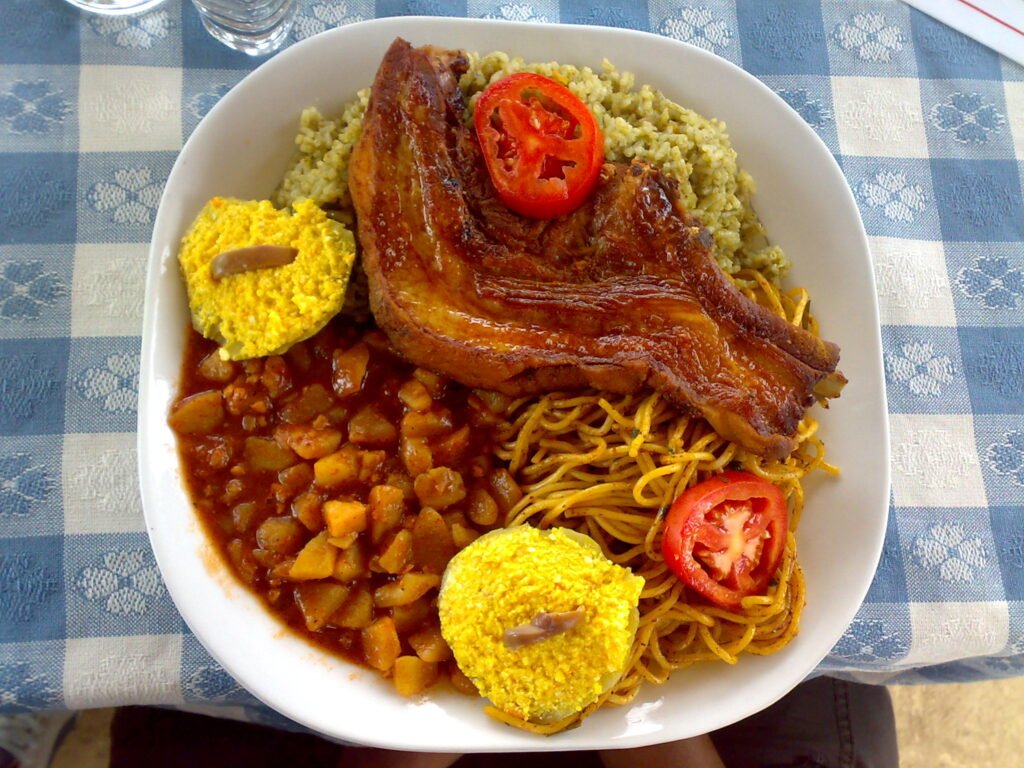
Arroz con Pato is renowned not only for its flavors but also for its appealing texture and presentation. At the heart of this Peruvian classic lies the stunning contrast between the tender duck meat and the fluffy rice. The duck is typically slow-cooked with herbs and spices until it reaches a melt-in-your-mouth tenderness, absorbing a rich depth of flavor. This method allows the meat to retain its juiciness while achieving a slight crispiness on the outside, creating a delightful balance that invites diners to savor each bite.
The rice in Arroz con Pato is traditionally prepared in the same pot as the duck, absorbing the savory broth along with a distinct green hue derived from cilantro and other aromatic ingredients. This cooking technique results in fluffy rice grains that are light yet flavorful, complementing both the texture and taste of the duck. The harmony between the textures of the succulent duck and the airy rice is a defining characteristic of this dish, offering a satisfying mouthfeel that enhances the overall dining experience.
Furthermore, the presentation of Arroz con Pato plays an essential role in its appeal. It is often served in a vibrant bowl, showcasing the bright greens of the herbs and the golden-brown hues of the duck. Garnishes such as sliced lime or fresh cilantro add a pop of color and freshness, elevating the visual impact. In many cases, the dish is accompanied by additional sides like spicy salsa or crispy potatoes, adding a dynamic visual element while matching the dish’s rich composition. The thoughtful arrangement and use of color not only enhance the aesthetic pleasure but also invite diners to engage more intimately with this beloved Peruvian dish.
Regional Variations of Arroz con Pato
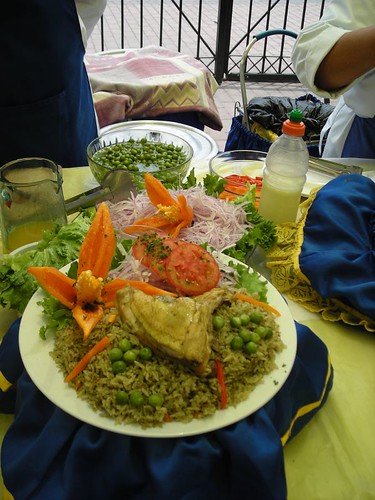
Arroz con Pato, a cherished Peruvian dish, showcases a myriad of regional variations that reflect the diverse culinary landscape of Peru. Each region infuses its unique cultural heritage and local ingredients into this classic dish, resulting in delightful variations that have garnered appreciation from food enthusiasts worldwide.
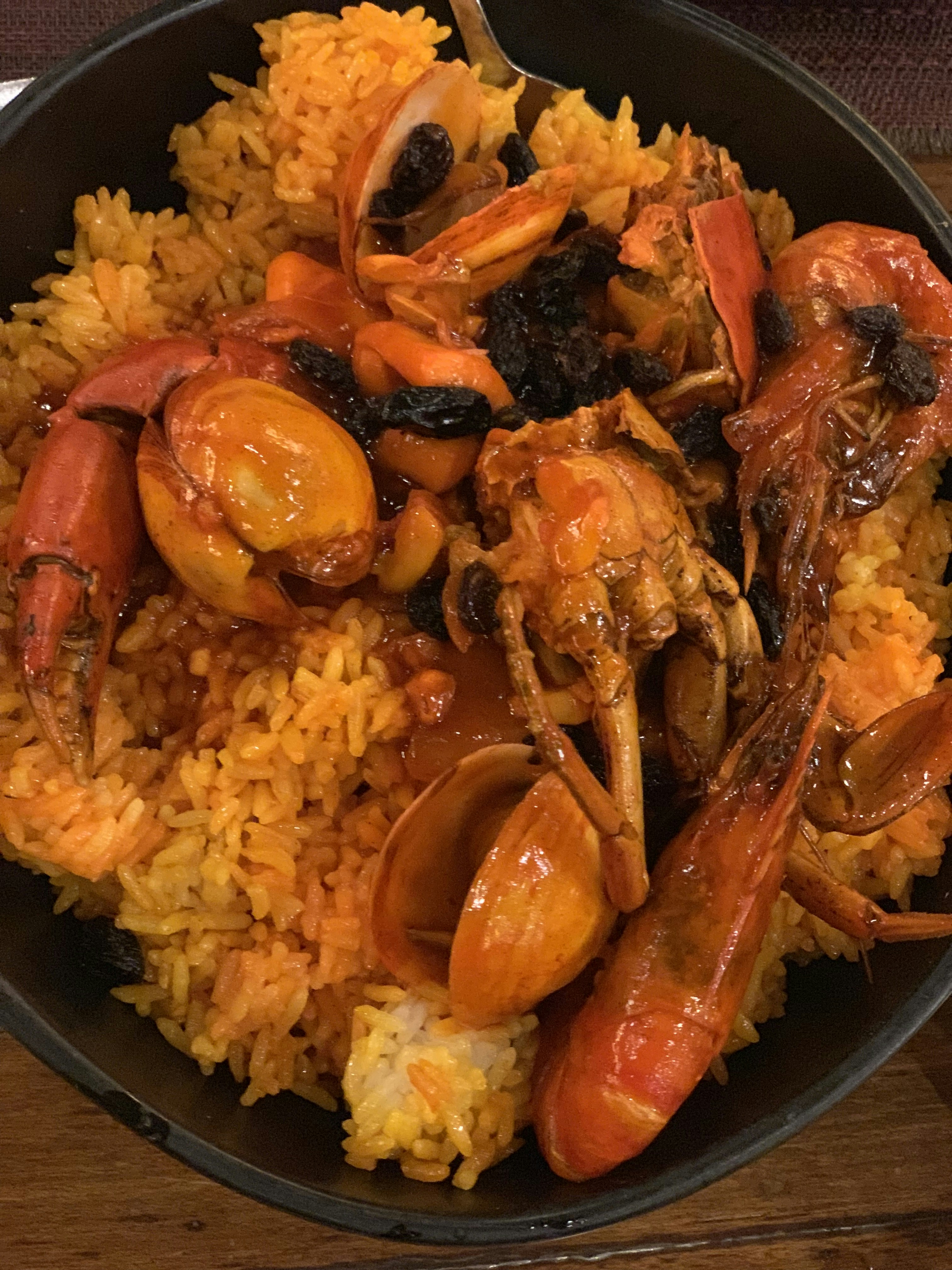
In the coastal regions, for instance, chefs often incorporate seafood elements, showcasing the abundance of fresh fish and shellfish available in the Pacific Ocean waters. They may enhance the traditional chicken and duck with local delicacies such as shrimp or calamari, offering a coastal twist that enhances the dish’s flavor profile while highlighting the region’s bountiful marine resources.
Meanwhile, in the highlands, Arroz con Pato is frequently cooked with an array of regional herbs and spices that are locally sourced. Ingredients like huacatay (black mint) and aji amarillo (yellow chili) are often utilized, contributing to the dish’s vibrant color and distinct flavor. The highland variations may also include rustic elements such as locally raised ducks and indigenous grains, presenting a hearty and comforting rendition that resonates with the region’s agricultural practices.
In the Amazonian region, the incorporation of tropical ingredients sets this variant apart. Dishes may feature unique spices native to the jungle as well as fruits such as plantains, which add a different dimension to the traditional rice. The lush biodiversity of the Amazon not only enhances the flavors but also reflects the culinary creativity of local food traditions.
Each regional adaptation of Arroz con Pato encapsulates the rich tapestry of Peruvian culture and cuisine. These variations demonstrate how local preferences, available ingredients, and traditional cooking practices come together to create a dish that is not only versatile but also a celebration of Peru’s culinary identity.
How to Prepare Arroz con Pato at Home
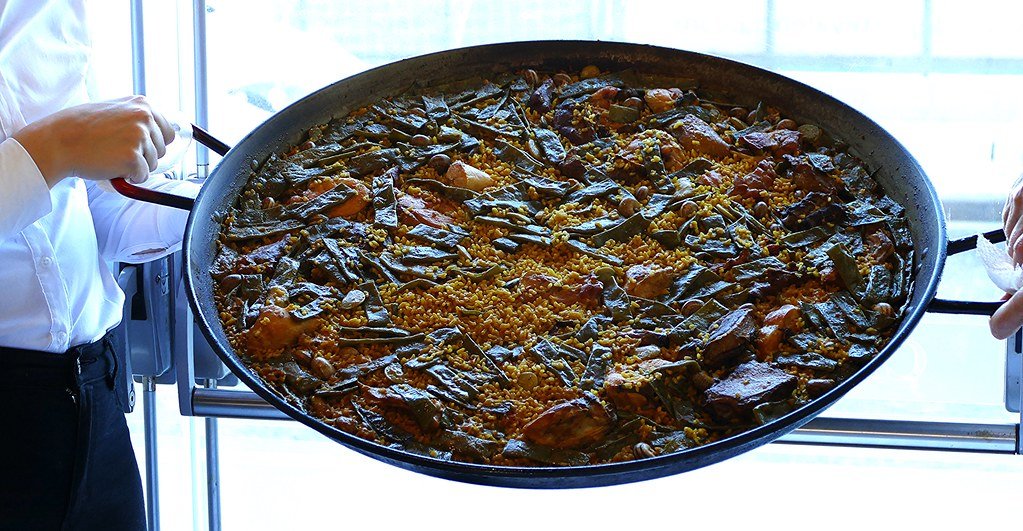
Preparing Arroz con Pato at home entails a series of methodical steps that highlight the essential cooking techniques and timing crucial for achieving an authentic dish. To begin this culinary endeavor, gather the necessary ingredients, which typically include duck, rice, cilantro, beer, vegetables, and spices such as cumin and black pepper. Selection of high-quality duck is vital as it directly influences the flavor profile of the dish.
Commence by marinating the duck to enhance its taste. A simple marinade consisting of garlic, cumin, and beer allows the flavors to permeate the meat. Allow the duck to marinate for at least one hour, or preferably overnight, to achieve optimal flavor absorption. Once marinated, sear the duck pieces in a pot with hot oil until golden brown. This step not only adds depth to the dish but also seals in the juices.
Next, remove the duck from the pot and set it aside. In the same pot, sauté a mix of chopped onions, bell peppers, and garlic until they become fragrant and soft. Incorporate the soaked and chopped cilantro into the mixture, which is essential in bringing the vibrant green color and fresh aroma of Arroz con Pato. Following this, add the rice and allow it to toast briefly, coating it with the flavors present in the pot.
To achieve fluffy rice, add the proper amount of liquid—typically a combination of duck broth and beer. Return the duck to the pot, cover it, and let it simmer on low heat. Timing is critical here; the rice takes about 20 to 25 minutes to cook fully while absorbing all the aromatic flavors. Once completed, let the dish rest for a few minutes before serving, allowing the flavors to meld together harmoniously.
By adhering to these key steps and techniques, anyone can create a delicious and satisfying Arroz con Pato that pays homage to its Peruvian roots.
Conclusion: Embracing the Flavors of Peru
In conclusion, Arroz con Pato stands as a significant culinary treasure within Peruvian gastronomy, embodying the rich cultural heritage and distinctive flavors of the region. This dish, characterized by its delightful combination of succulent duck and aromatic rice, offers a unique glimpse into Peru’s agricultural bounty and culinary traditions. The preparation method, which typically involves slow-cooking the duck to achieve an exquisite tenderness, is a testament to the artistry involved in Andean cooking.
The vibrant incorporation of local ingredients, such as cilantro, beer, and spices, further elevates Arroz con Pato, making it not just a meal, but a flavorful experience that connects diners to the Peruvian landscape and its diverse ecosystems. By savoring this dish, one appreciates not only the harmony of flavors but also the history and stories that accompany each bite. It is an excellent representation of Peru’s ability to blend indigenous and colonial culinary influences, celebrating its unique identity through food.
For those unfamiliar with this iconic dish, it is highly recommended to seek out local Peruvian restaurants or even attempt a recipe at home to fully immerse oneself in its rich taste profile. Exploring Arroz con Pato offers not only a culinary experience but also an opportunity to understand the values and resources that shape Peru’s food culture. As more people become acquainted with this dish, its prominence in the global culinary arena is likely to grow, solidifying its status as a must-try for food enthusiasts and cultural explorers alike. Engage with the vibrant flavors of Peru by embracing Arroz con Pato; it is an invitation to celebrate a remarkable facet of the country’s heritage.