

Introduction to Beef Korma
Beef korma is a rich and aromatic dish that holds a significant place in South Asian cuisine. This culinary delight has origins that can be traced back to the Mughal era in India, where it was developed as a royal dish characterized by its luxurious ingredients and elaborate cooking techniques. The term “korma” derives from the Urdu word ‘qormah,’ which means to braise or stew, a fitting description of the dish’s preparation method that involves slow-cooking beef in a blend of spices, yogurt, and sometimes nuts, resulting in a tender and flavorful meat dish.
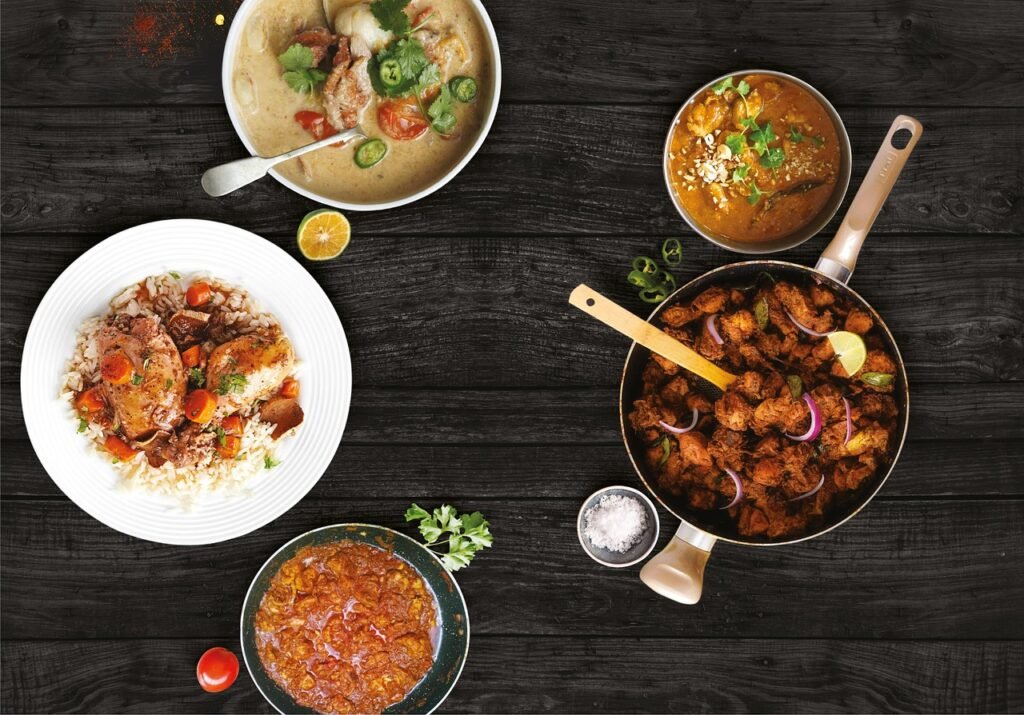
This dish exemplifies the fusion of culture and cuisine, where indigenous ingredients meet various influences from different regions. Traditionally, beef korma is prepared with essential components such as yogurt, which not only tenderizes the meat but also integrates a subtle tanginess. Additionally, spices such as cardamom, cinnamon, and cloves are used, enhancing the dish’s depth and complexity. The inclusion of nut pastes, like almonds or cashews, reflects the Mughal penchant for opulence, often making beef korma a celebratory dish served at weddings and feasts.
Over the years, beef korma has evolved to include various regional variations, reflecting local tastes and ingredient availability. In regions like Pakistan and India, cooks might add regional spices or incorporate seasonal vegetables, showcasing the dish’s adaptability. The legacy of beef korma continues to thrive, becoming a staple in restaurants and households alike, applauded for its rich flavor profile and comforting qualities. As one delves deeper into beef korma, it becomes evident that this dish is not merely food; it is a reflection of historical artistry in cooking that connects generations through shared culinary experiences.
The Art of Preparing Beef Korma
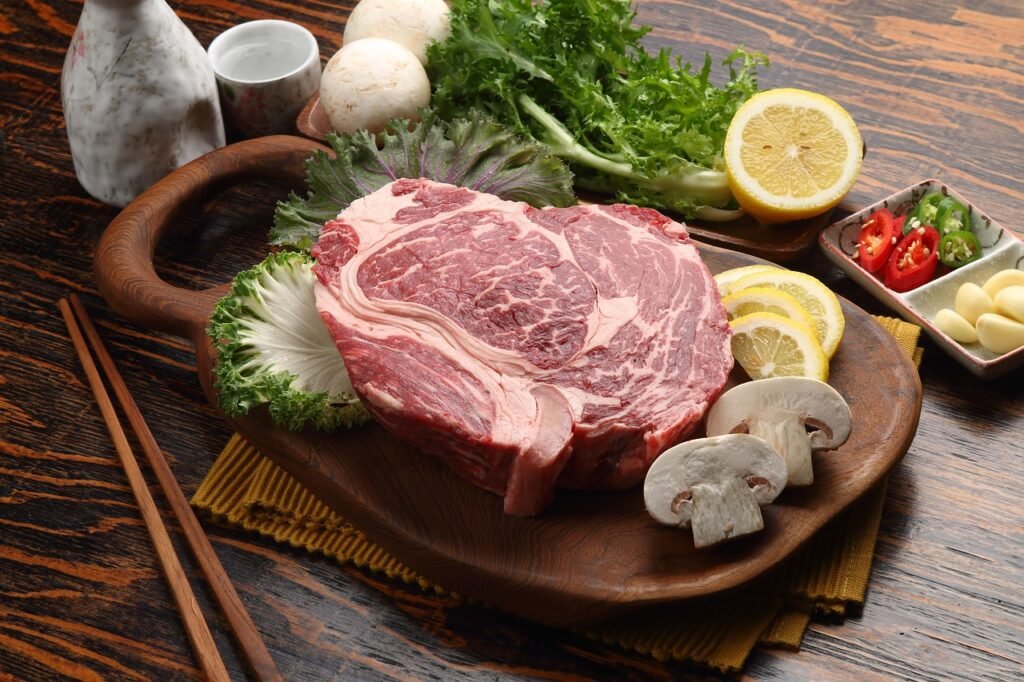
Beef Korma is a celebrated dish in many culinary traditions, known for its rich flavors and creamy texture. The preparation of this exquisite dish requires a careful selection of ingredients and a mastery of cooking techniques. Key components of Beef Korma include well-marinated beef, a blend of aromatic spices, and creamy elements such as yogurt or coconut milk, which contribute to its signature taste.
The initial step in crafting a remarkable Beef Korma is selecting high-quality beef, typically cut into bite-sized pieces. Marinating the beef is crucial, as it allows the flavors to penetrate deeply. Common marinade ingredients include yogurt, ginger, garlic, and a mixture of spices like cumin, coriander, and garam masala. This marinade not only enhances the flavor but also tenderizes the meat, resulting in a succulent dish.
Once the beef is sufficiently marinated, the cooking process begins. A traditional method involved in preparing Beef Korma is slow cooking. This technique allows the flavors to develop over time, yielding a rich and aromatic sauce. In practice, the marinated beef is first seared in a hot pan to create a depth of flavor before being combined with finely chopped onions and additional spices. After sautéing until golden brown, a slower cooking method is implemented, often with the addition of water or stock, to ensure the meat becomes tender and fully infused with the spices.
Layering flavors is essential in achieving a well-rounded Beef Korma. Chefs often recommend adjusting the spice levels to cater to personal preferences, making the dish versatile. For home cooks, it is important to regularly taste while cooking to achieve the desired balance of flavors. Engaging with culinary resources or cooking classes can offer invaluable tips and personal anecdotes from seasoned chefs, helping novices replicate this traditional treasure successfully.
Taste and Flavor Profile
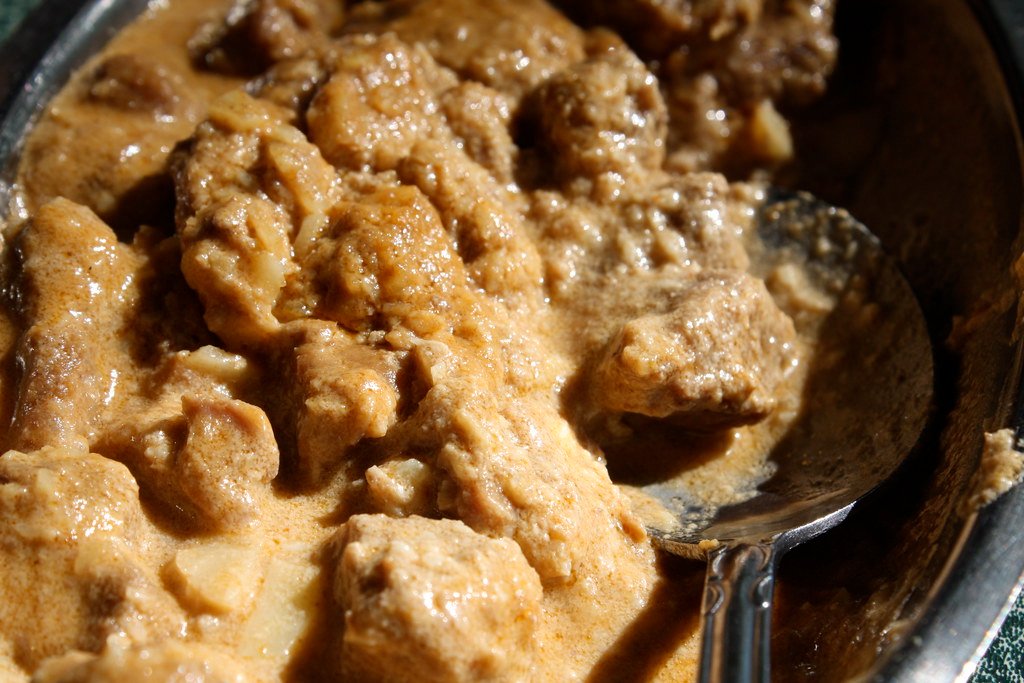
Beef korma presents a symphony of flavors that deliver a unique culinary experience, characterized by its rich and complex taste. The preparation begins with tender beef that is marinated in a mixture of yogurt and spices, allowing the meat to absorb the aromatic profiles deeply. The spicy essence is paramount, with common spices including cumin, coriander, and cardamom, which contribute layers of warmth and complexity. The inclusion of nuts, such as cashews or almonds, further enriches the dish, imparting a subtle nuttiness alongside a creamy texture.
The creamy sauce plays a crucial role in balancing the robust spices used in beef korma. Typically, this sauce is made from a blend of yogurt, cream, and sometimes coconut milk, allowing the dish to achieve a luxurious mouthfeel. As one indulges in this curry, the creamy base envelops the beef, enhancing its savoriness while mellowing the heat of the spices. This balance creates a delightful contrast, elevating the overall experience. Additionally, the addition of fresh herbs, like cilantro, not only enhances the visual appeal but also contributes a refreshing note that cuts through the richness of the dish.
When comparing beef korma to other curry dishes, its distinctive flavor profile stands out. While many curries can lean towards being overtly spicy or tangy, beef korma presents a more nuanced flavor equilibrium. It invites a lengthier appreciation of each ingredient, allowing the diner to savor the complexities as they unfold with each bite. Overall, beef korma is not just a meal; it is a celebration of culinary tradition, flavor intricacies, and the art of balance in a gourmet context.
Pairing and Serving Suggestions
Beef korma, with its rich and aromatic flavor profile, is a dish that can be elevated through careful pairing and serving. To complement the creamy and spiced curry, consider serving it with traditional accompaniments such as naan, rice, or a fresh salad. Naan, particularly garlic naan, absorbs the sauce beautifully and adds a distinctive texture. Basmati rice, known for its fragrant aroma and long grains, is an ideal base for soaking up the flavorful korma sauce, enhancing the overall dining experience. A simple cucumber and yogurt salad can provide a refreshing contrast and balance the richness of the beef korma.
In addition to side dishes, the choice of beverages can significantly enhance the meal. For those who appreciate wine, a medium-bodied red, such as a Shiraz or Grenache, can complement the spices and flavors hidden within the korma. Alternatively, a crisp lager or an IPA can also stand up to the richness of the dish, providing a refreshing palate cleanser between bites. For a non-alcoholic option, a mango lassi is an excellent choice; its sweetness and creamy texture pair wonderfully, soothing the palate while enhancing the korma experience.
The presentation of beef korma plays a crucial role in not only its aesthetic appeal but also in creating an inviting dining atmosphere. Serving the korma in a traditional copper pot or a decorative bowl adds an element of cultural authenticity. Garnishing with fresh cilantro or a sprinkle of toasted nuts can add visual interest and textural contrast. When preparing this dish for special occasions or gatherings, planning is advisable. Consider the layout of your table, ensuring each guest has easy access to the side dishes, and serving utensils, creating a seamless dining experience that allows everyone to appreciate the flavors of beef korma to the fullest. This attention to detail can leave a lasting impression on your guests, making any meal memorable.