
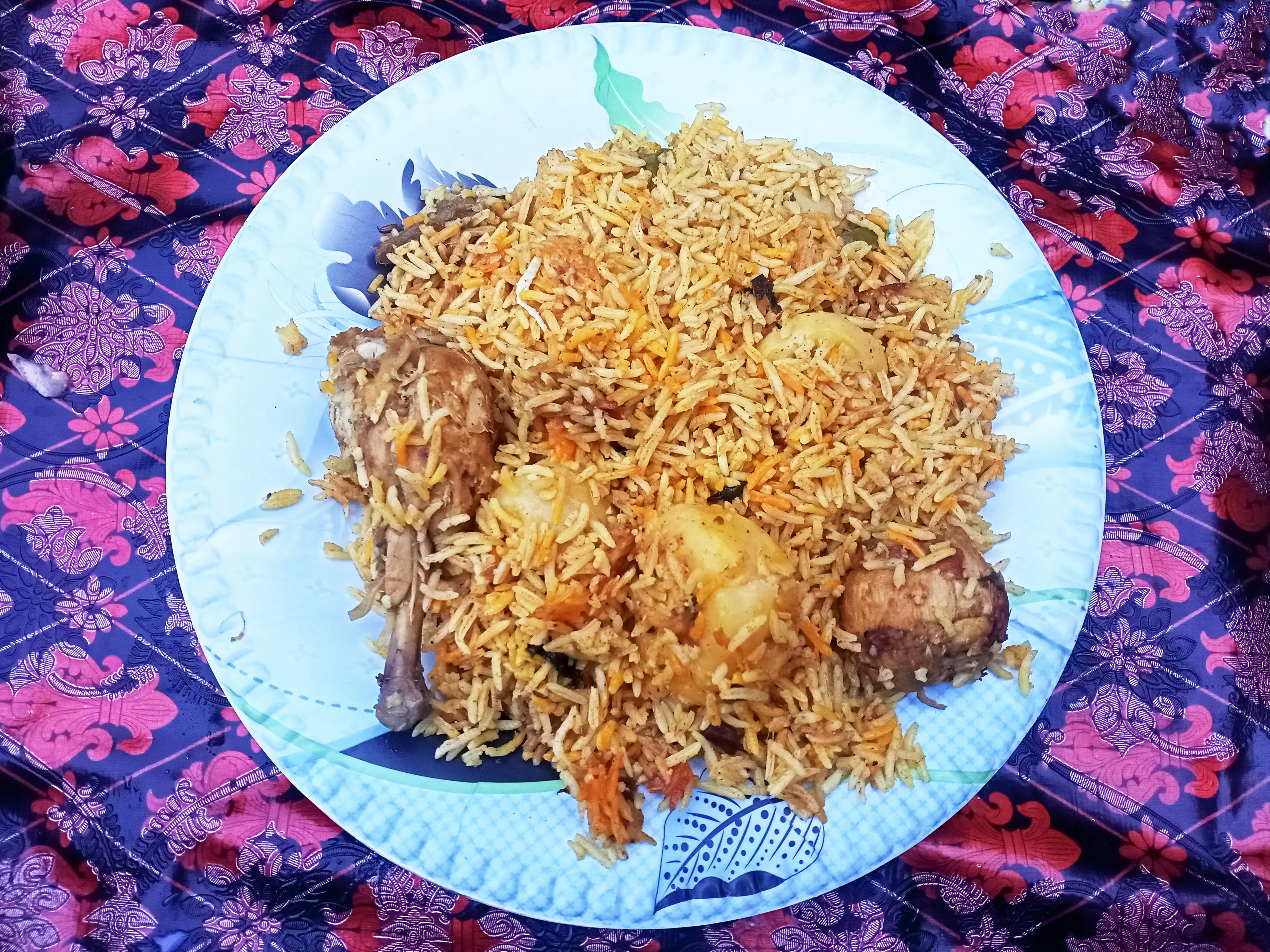
Introduction to Bukhari Rice
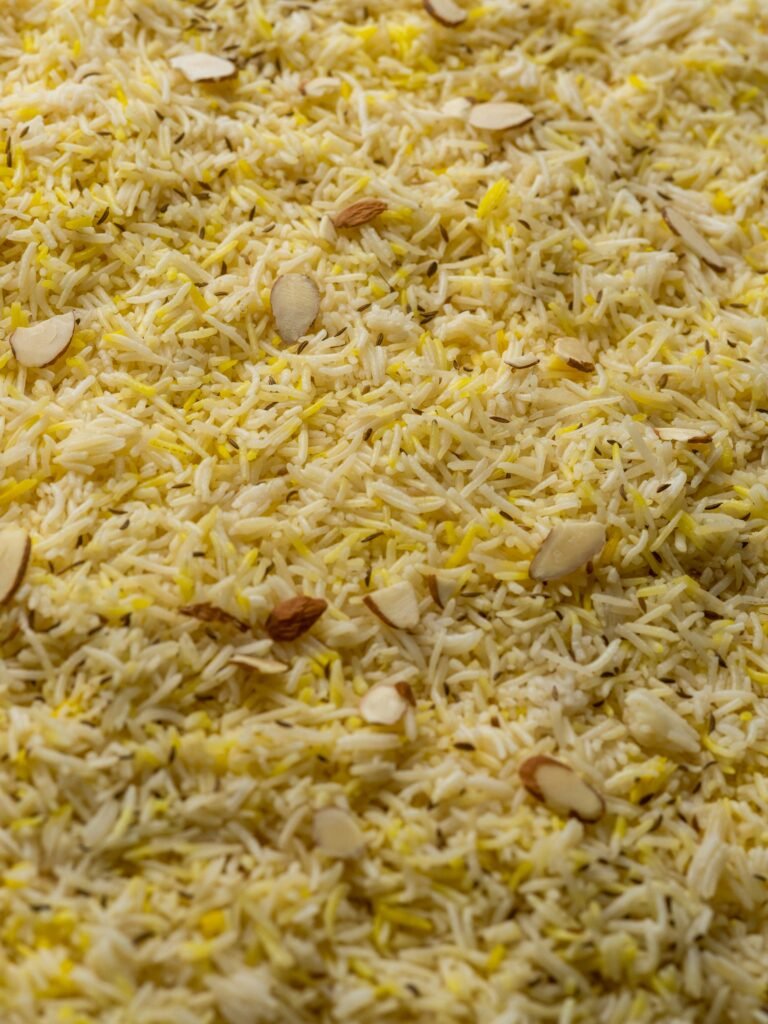
Bukhari rice is a renowned dish that holds a significant place within the culinary traditions of many regions, particularly in the Middle East and South Asia. Known for its aromatic flavors and vibrant presentation, this rice variety is more than just a meal; it is a symbol of hospitality and cultural heritage. The origins of Bukhari rice can be traced back to the culinary practices of the Arabian Peninsula, where spices and herbs have always been integral to the culinary culture.
This dish is traditionally prepared using long-grain rice, often basmati, which is combined with a variety of ingredients, including meat, vegetables, and an array of spices such as cardamom, saffron, and cumin. The enhancement of these flavors is often achieved through a slow-cooking method that allows the rice to absorb the rich tastes of the ingredients. Bukhari rice is frequently served during festive occasions, family gatherings, and ceremonial events, making it a timeless favorite for special celebrations.
The culinary process involved in making Bukhari rice can vary from one region to another. In some places, it is cooked in a single pot, where all ingredients are layered and simmered together, creating a harmonious blend of tastes. In other regions, it may be prepared by first frying the meat and spices before adding the rice, resulting in a deeply flavored dish that captures the essence of its cultural influences.
The popularity of Bukhari rice is not limited to its delightful taste; it serves as a focal point in many social gatherings, representing unity and community. As we delve deeper into the various aspects of this beloved rice dish in the upcoming sections, we will explore its variations, preparation techniques, and even the secrets that make it a cherished meal in households around the world.
Flavor Profile and Ingredients
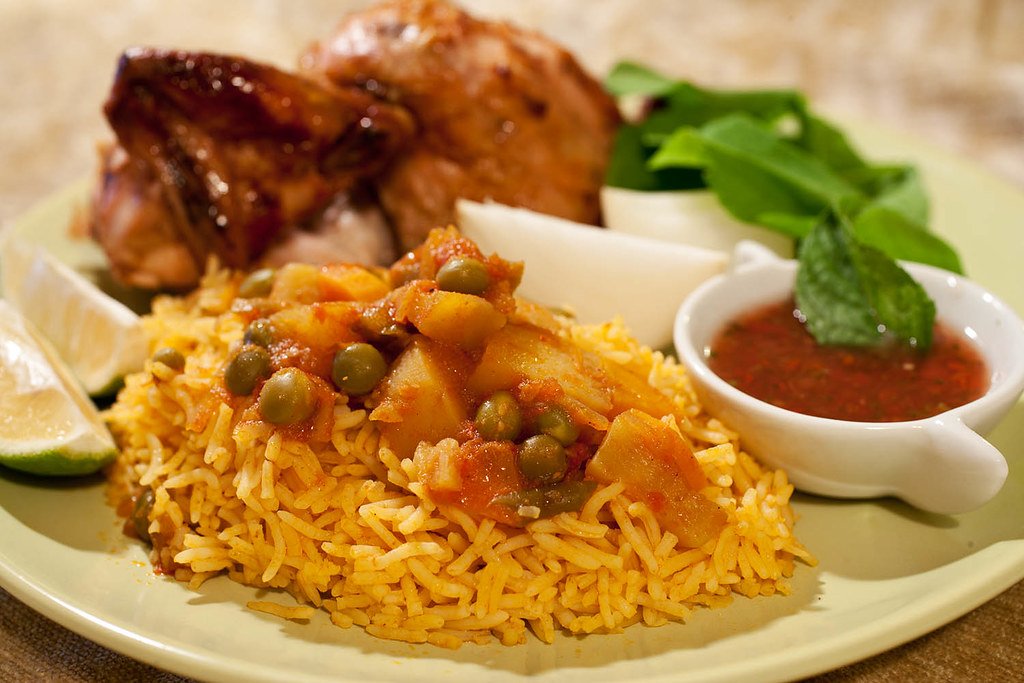
Bukhari rice is a dish renowned for its intricate flavor profile, characterized by a harmonious blend of spices, meats, and vegetables. The core of this dish lies in its use of long-grain rice, which is often fragrant, providing a perfect base that absorbs the various flavors during cooking. Traditional spices such as cumin, coriander, and cardamom play a crucial role in crafting the depth of flavor associated with Bukhari rice. These spices not only elevate the overall taste but also impart a delightful aroma that entices the senses.
Meats, typically chicken or lamb, significantly enhance the richness of Bukhari rice. The choice of meat influences the flavor, with marination techniques involving yogurt and an array of spices creating tender and flavorful pieces that complement the rice. The cooking method—often involving slow cooking or steaming—further develops the meat’s umami, allowing it to blend seamlessly with the grains. Additionally, the inclusion of vegetables such as carrots and raisins adds a subtle sweetness and texture contrast, which is essential for achieving a balanced dish.
Culinary experts emphasize the importance of layering flavors through proper timing and technique. For instance, to achieve an optimal taste, spices are typically sautéed before adding the rice, allowing the grains to absorb their essence fully. Renowned chef Mohammed Al-Farsi notes, “The key to a perfect Bukhari rice lies in the careful selection of spices and the love poured into its preparation.” Such insights underline the significance of quality ingredients and their preparation in creating an exemplary Bukhari rice experience.
In essence, the beauty of Bukhari rice lies in its complexity. Each ingredient plays a vital role in contributing to the overall flavor, ensuring that every bite offers a delightful journey through a spectrum of tastes, textures, and aromas.
Cultural and Social Aspects
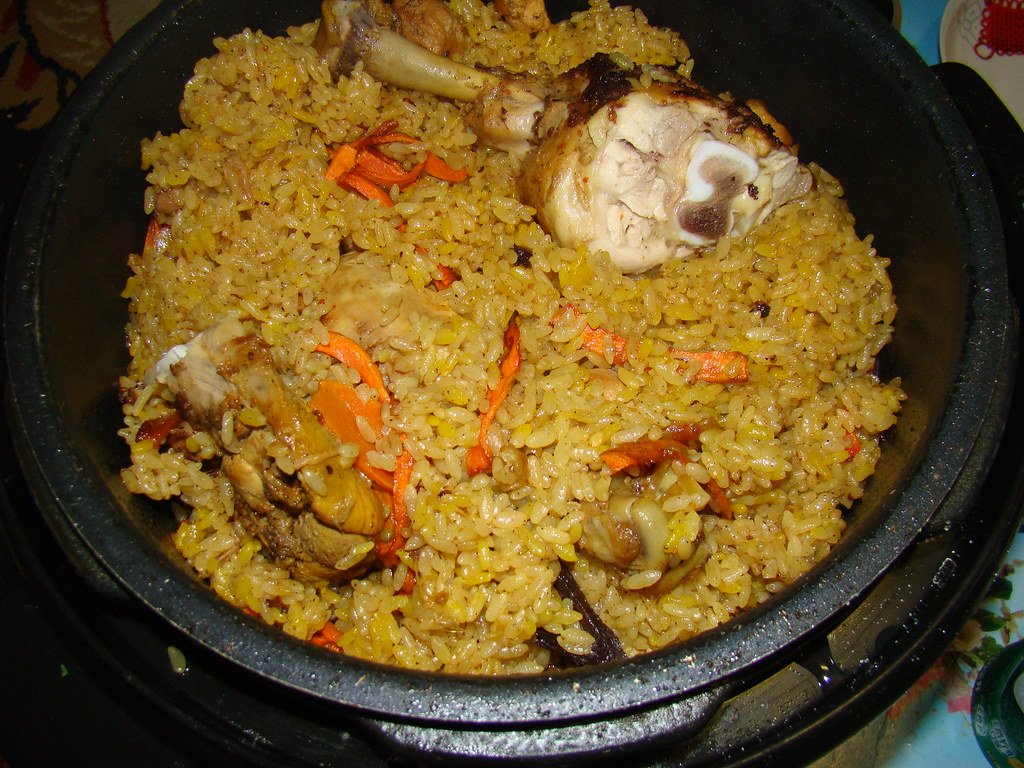
Bukhari rice holds an esteemed position across various cultures, particularly in the Arabian Peninsula and South Asia, where it is not just a meal but a symbol of hospitality and communal harmony. Its preparation often involves intricate processes, showcasing the cook’s skill, which enhances its cultural significance. Traditionally, Bukhari rice is served during significant celebrations—such as weddings, Eid festivities, and family reunions—being a centerpiece that brings people together. The rich flavors and vibrant presentation make it not only a culinary delight but also a source of joy and festivity.
During family gatherings, the act of preparing Bukhari rice often becomes a communal activity, with family members participating in various roles, from measuring spices to stirring the pot. This collaborative effort fosters strong familial bonds and creates lasting memories. Beyond festivities, Bukhari rice is frequently present in everyday life, where it serves as a comfort food. Its warm, fragrant characteristics have a soothing effect that resonates with many, providing a sense of nostalgia and connection to home.
The dish also embodies generosity; offering Bukhari rice to guests signifies respect and willingness to share. In many communities, serving this delectable rice dish showcases one’s hospitality, reflecting the deep-rooted traditions of generosity that characterize various cultures. Because of its nutritional value and delicious flavor, Bukhari rice plays a vital role in family meals, enhancing the overall dining experience. An essential ingredient at celebratory feasts and intimate gatherings, it continues to unite people across different cultures, reinforcing the importance of community and togetherness.
How to Enjoy Bukhari Rice: Serving Suggestions
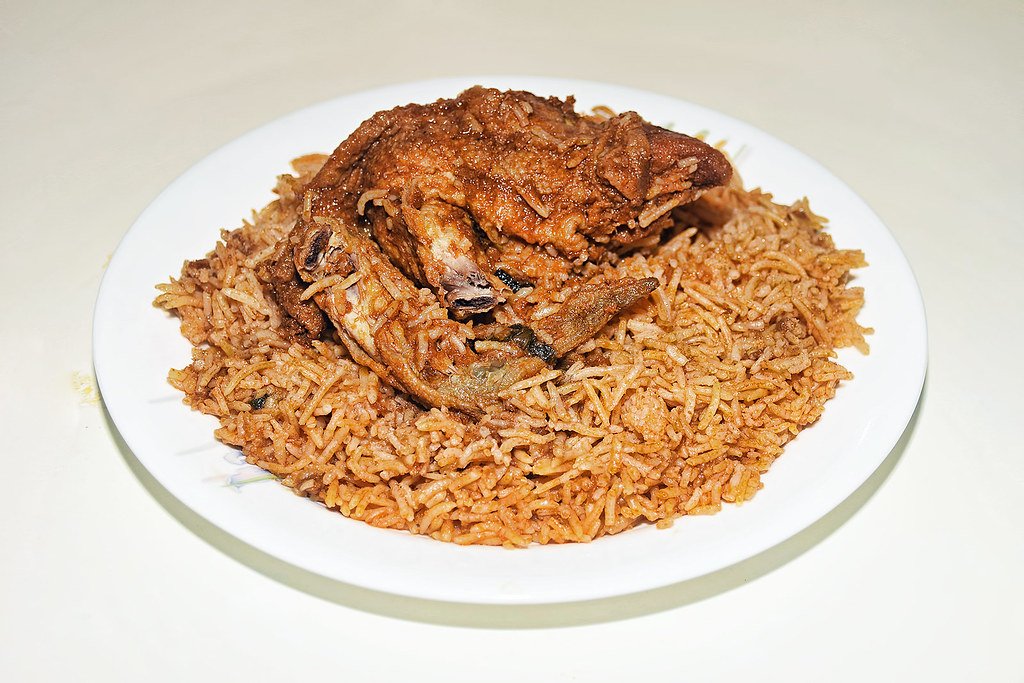
Bukhari rice is a flavorful and aromatic dish that can elevate any meal when served correctly. To begin with, consider serving Bukhari rice alongside well-seasoned meats such as grilled chicken, lamb, or beef. These protein options complement the rich spices utilized in the rice preparation, enhancing the overall dining experience. For those preferring vegetarian options, a delicious vegetable kebab or a side of grilled vegetables can provide a delightful contrast to the savory rice.
When it comes to side dishes, traditional Middle Eastern salads such as tabbouleh or fattoush are excellent choices, adding freshness and crunch that balance the meal’s flavors. Additionally, a yogurt-based dip like tzatziki can offer a cooling effect that pairs well with the spiced Bukhari rice. Do not forget to include pickles or olives, as their tanginess can be a delightful accompaniment to cut through the dish’s richness.
Presenting Bukhari rice elegantly can enhance your dining experience. Consider serving it in a large, shallow dish, adorned with fresh herbs like parsley or cilantro for a pop of color. You might arrange the rice in the center, topped with your choice of meat, allowing the vibrant hues of the spices to create an appetizing visual. Garnishing with toasted nuts or raisins can add texture and a hint of sweetness.
For those seeking to experience Bukhari rice prepared by experts, numerous local Middle Eastern restaurants or food festivals proudly showcase this dish. Researching the best venues that specialize in authentic cuisine can lead to a memorable meal. Furthermore, exploring food festivals allows you to not only savor Bukhari rice but also engage in a community atmosphere filled with culinary delights. By incorporating these serving suggestions, you can enhance your enjoyment of Bukhari rice, whether cooking at home or dining out.