
- Introduction to Butter Chicken
- The Origin of Butter Chicken
- Historical Context of Butter Chicken
- Cultural Significance of Butter Chicken
- Taste Profile of Butter Chicken
- Texture and Presentation of Butter Chicken
- Ingredient Breakdown: What Makes Butter Chicken Unique
- Variations of Butter Chicken Around the World
- Conclusion: The Legacy of Butter Chicken
Introduction to Butter Chicken
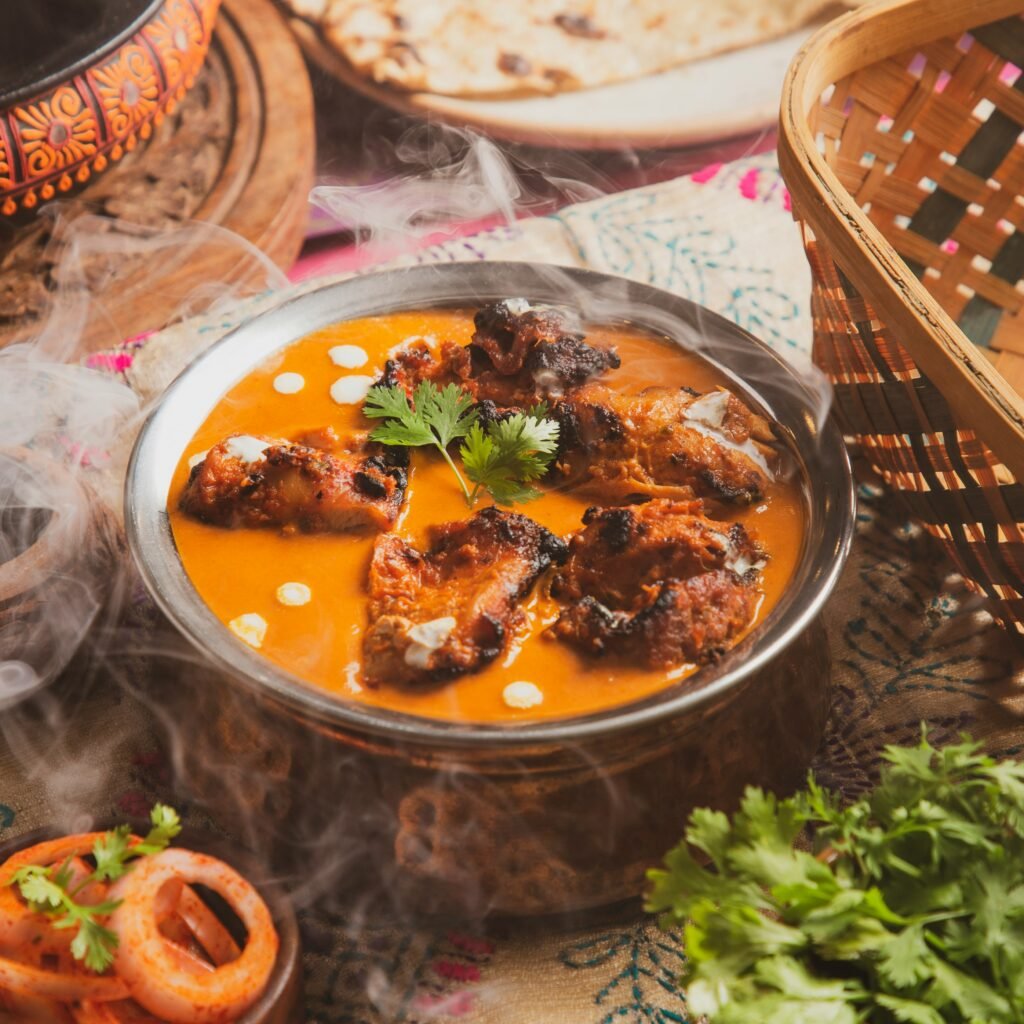
Butter Chicken, or Murgh Makhani, is a dish that embodies the rich culinary heritage of Indian cuisine. Originating from Delhi, this dish has transcended regional boundaries, gaining prominence on menus worldwide. The combination of tender, marinated chicken cooked in a creamy tomato-based sauce makes Butter Chicken a favorite among food enthusiasts. It exemplifies the magic of Indian flavors, where spices are blended harmoniously to create a rich and savory experience.
The evolution of Butter Chicken can be traced back to the 1950s when it was created by the chefs at the Moti Mahal restaurant. This dish was originally devised to utilize leftover chicken, cooking it in a sauce made from tomatoes, butter, and a range of spices. Remarkably, this simple innovation quickly became a staple not only in Indian kitchens but also in Indian restaurants globally. Its appeal lies in the flavorful sauce that perfectly complements the tender pieces of chicken, making it an irresistible option for diners.
This iconic dish has managed to capture the hearts of both locals and tourists. Its creamy texture and mildly spiced flavor profile cater to a vast audience, ensuring that it is suitable for those who may be new to Indian cuisine. Additionally, Butter Chicken has become a symbol of culinary indulgence, often showcased in festive gatherings and special occasions. As a representative of Indian heritage, it also plays a vital role in introducing diverse palates to the country’s rich food culture.
As we delve deeper into the details surrounding Butter Chicken, its origin, and its growing international popularity, we will explore what makes this dish a beloved choice for many and how it has secured its place as a highlight of Indian culinary tradition.
The Origin of Butter Chicken
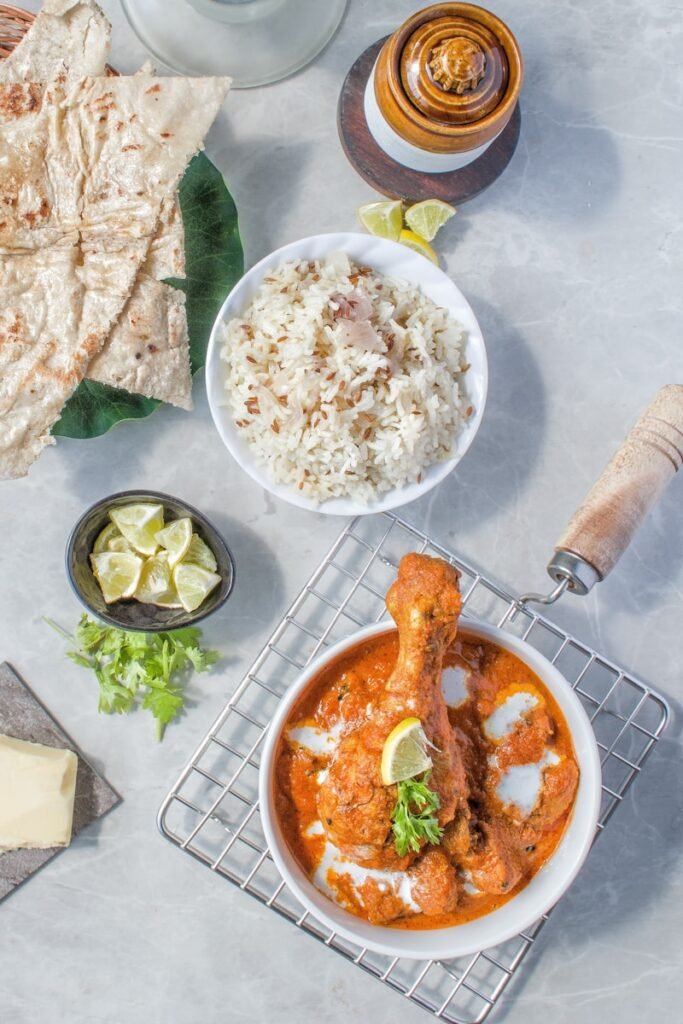
Butter Chicken, known as “Murgh Makhani” in Hindi, is an emblematic dish of Indian cuisine that originated in Delhi in the 1950s. Its inception is often attributed to the chefs at the Moti Mahal restaurant, who were innovative in repurposing leftover chicken. The combination of tandoori chicken—marinated in spices and yogurt—left unused at day’s end was transformed into a rich curry, marked by a creamy tomato-based sauce.
The creation of Butter Chicken was serendipitous, resulting from the need to minimize food waste while enhancing flavors. The recipe ingeniously blends spices, tomatoes, cream, and butter, embodying the culinary ethos of using ingredients that might otherwise be discarded. This dish was designed to be hearty and comforting, reflecting the preferences of urban diners at the time. Over the years, Butter Chicken evolved into a staple not only in North Indian households but also in restaurants worldwide, showcasing its widespread appeal.
Regionally, the influences on Butter Chicken are manifold. The use of spices such as cumin, coriander, and garam masala is indicative of North Indian culinary traditions. Additionally, the cooking techniques employed, like grilling in a tandoor oven, are rooted in Punjabi cuisine. Butter Chicken’s creamy texture and aromatic flavors signify the prevalent use of dairy in Indian gastronomy, particularly in the northern states of India, where rich curries are prevalent.
As globalization took hold in the late 20th century, Butter Chicken transcended its local beginnings, gaining international fame and variations. Today, it is often featured on menus across the globe, embodying both authentic Indian cuisine and the adaptability that allows it to resonate with diverse palates. The dish remains a testament to the creativity and resourcefulness of its creators, representative of India’s rich culinary heritage.
Historical Context of Butter Chicken
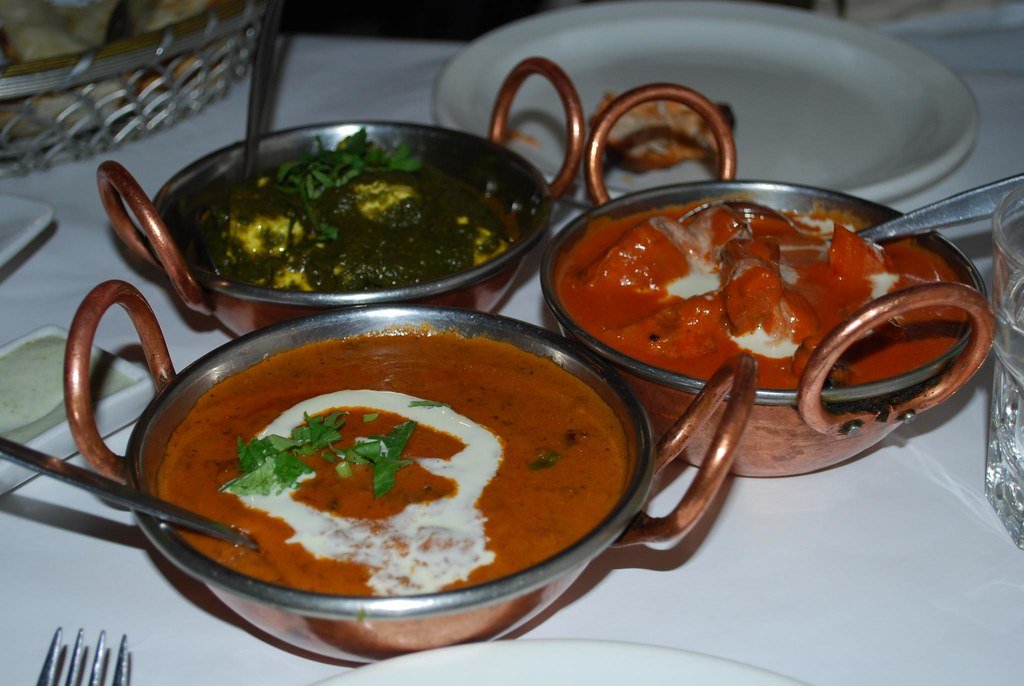
Butter Chicken, known as “Murgh Makhani” in its native language, has a rich and storied history that reflects the socio-cultural dynamics of India. The dish originated in the early 1950s at the Moti Mahal restaurant in Delhi, formulated by the chefs who sought to utilize leftover chicken in a novel way. By incorporating tomatoes, butter, and a unique blend of spices, they crafted a dish that would soon become emblematic of Indian cuisine.
Initially, Butter Chicken was a product of necessity. The use of leftover meat often led to the creation of new recipes that could appeal to a diverse palate. This innovative approach not only helped to reduce food waste but also contributed to the evolution of Indian culinary traditions. The resulting concoction soon gained popularity, not just for its savory taste but also for its rich and creamy texture that appealed to diners in the northern parts of India.
As the dish grew in fame, it crossed geographical boundaries, gaining traction in Indian diaspora communities around the world. The demand for Butter Chicken surged in various international locations, often adapted to cater to local tastes while maintaining its essential Indian character. In restaurants, it became a staple, celebrated for both its flavor and the artistry involved in its preparation.
Moreover, the rise of curry houses and Indian eateries during the late 20th century played a crucial role in promoting Butter Chicken beyond Indian borders. As globalization facilitated cultural exchanges, the dish became a vital part of the Indian food narrative globally. Its evolution reflects not only the culinary preferences of diasporic Indian populations but also highlights how food can serve as an ambassador of cultural heritage.
Cultural Significance of Butter Chicken
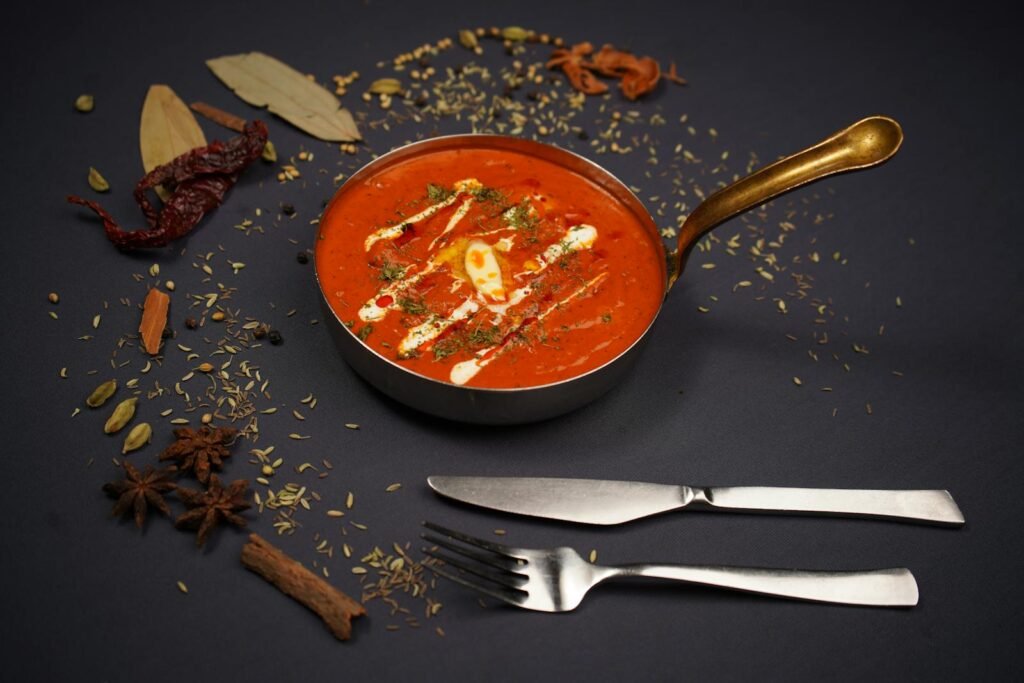
Butter Chicken, known as “Murgh Makhani” in Hindi, is more than just a dish; it embodies the rich culinary traditions of India and holds significant cultural importance. Originating from the Indian subcontinent, this iconic preparation showcases a delightful fusion of diverse flavors and cooking techniques. Its creation can be traced back to the 1950s in Delhi, where the combination of leftover chicken, buttery gravy, and spices became a symbol of innovation in Indian cuisine.
At its core, Butter Chicken represents the harmonious blending of various regional influences. The use of marinated chicken cooked in a rich tomato-based sauce enriched with cream and butter highlights the traditional Indian practice of balancing flavors. This dish combines elements from Mughlai cuisine, which is characterized by its sumptuous use of meat and aromatic spices, with regional Indian cooking styles that focus on fresh ingredients and robust flavors. This fusion not only exemplifies the vast biodiversity of India’s food landscape but also celebrates the culinary interconnections within its culture.
Moreover, Butter Chicken plays an integral role in Indian communal dining and celebrations. It is commonly featured during festive occasions, family gatherings, and restaurants, where it is often served alongside naan or rice, enabling shared experiences among diners. The dish’s warmth and comfort mirror the hospitality ingrained in Indian culture, often creating an inviting atmosphere for friends and family to come together. As a result, Butter Chicken transcends its status as a mere meal and evolves into a cultural emblem that represents unity, celebration, and love, fostering interactions among people across different backgrounds.
Taste Profile of Butter Chicken
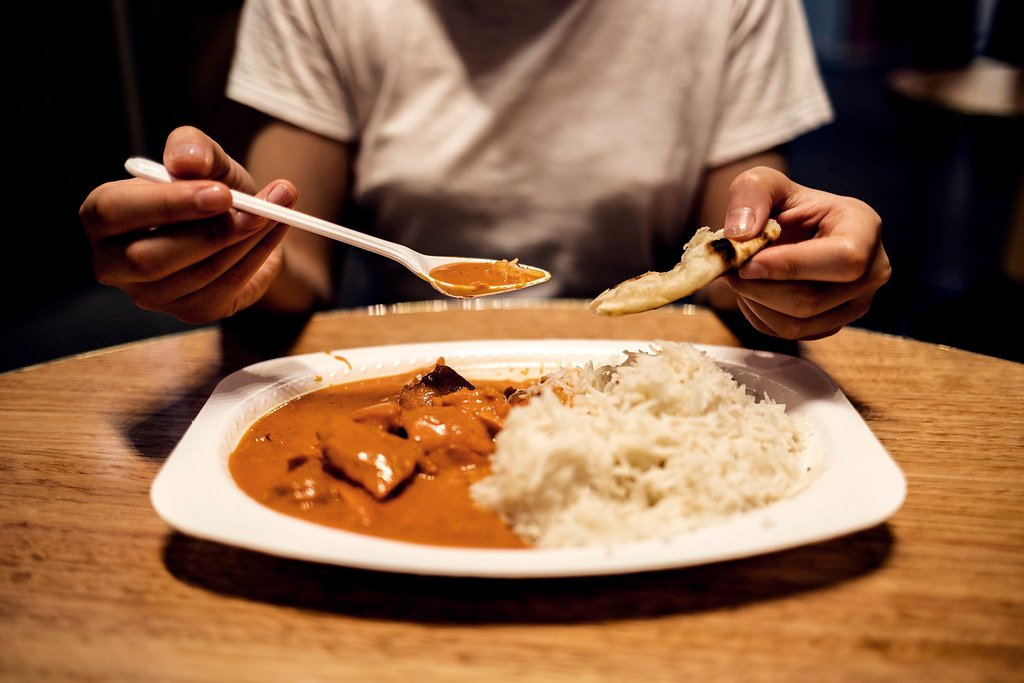
Butter chicken, also known as murgh makhani, is a beloved dish that exquisitely balances a melange of flavors, which come together to create an indulgent culinary experience. Central to its appeal is the rich, creamy tomato sauce that envelops tender pieces of marinated chicken. The sauce is a harmonious blend of flavors, characterized by its deep, savory notes complemented by a subtle sweetness.
The spices used in butter chicken play a pivotal role in shaping its taste profile. Common spices include garam masala, cumin, coriander, and turmeric, which contribute warmth and complexity to the dish. Garam masala, a mixture of ground spices, often includes cloves, cardamom, and cinnamon, which enhance the dish’s aromatic quality. The heat levels are generally mild, ensuring that the spices do not overpower the rich creaminess of the sauce but rather work in concert with it.
The sweetness of the cream and butter is an essential aspect that defines the butter chicken experience. The added cream lends a luxurious texture, softening the acidity of the tomatoes while enriching the overall flavor profile. This velvety sauce glides over succulent chicken pieces, making each bite a delightful marriage of creamy and savory sensations. Additionally, the use of butter provides a richness that elevates the dish further, which is fitting given its name.
Notably, the taste of butter chicken can vary based on regional interpretations and personal recipes. Some versions may incorporate a hint of tang from yogurt or include varying degrees of spice to cater to different palates. Regardless of the specific preparation, butter chicken remains a notable dish celebrated for its delectable combination of flavors, ensuring a memorable experience for those fortunate enough to indulge in it.
Texture and Presentation of Butter Chicken
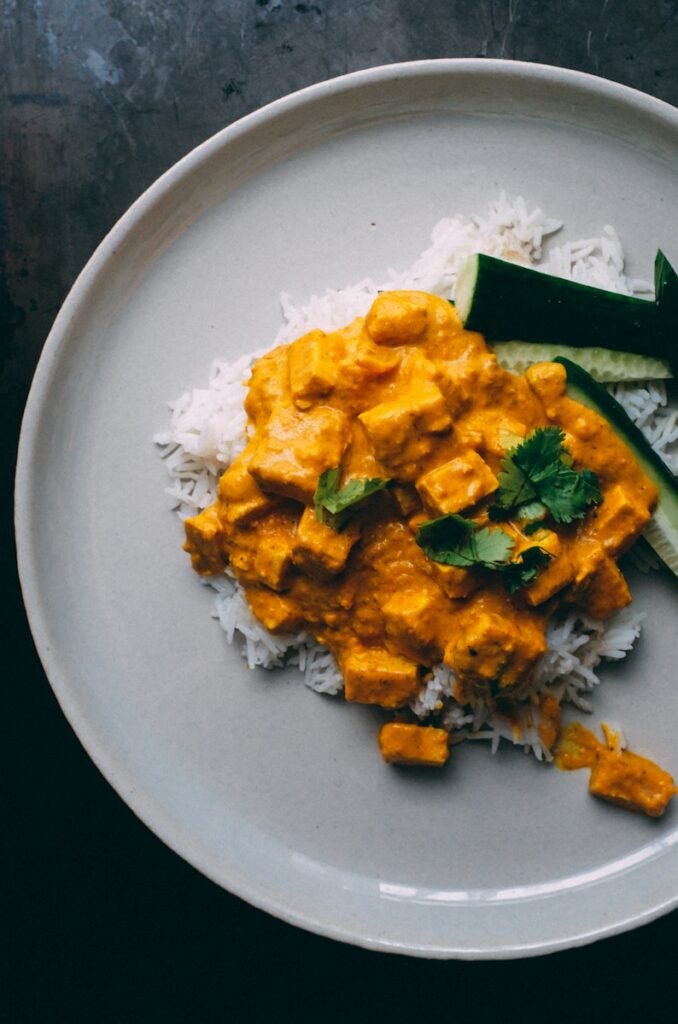
Butter Chicken, or Murgh Makhani, is celebrated for its remarkable texture, which plays a pivotal role in the overall dining experience. The primary component of this dish, the chicken, is typically marinated in a mixture of yogurt and an array of spices such as garam masala, ginger, and garlic. This process not only infuses the meat with flavor but also contributes to its tenderness. When cooked properly, the chicken emerges succulent and moist, easily yielding to the fork with each bite. This delicate consistency is vital, as it contrasts wonderfully with the rich sauce that envelops it.
The sauce itself exhibits a luxurious creaminess, achieved through ingredients like butter and heavy cream. This velvety texture enhances the sensation of richness and is essential to the dish’s identity. The interplay between the tender chicken and the smooth, thick sauce creates a delightful mouthfeel, fostering an indulgent experience. Each spoonful is an invitation to savor the depth of flavor provided by the melange of spices.
In terms of presentation, Butter Chicken is often served in a shallow bowl, showcasing the vivid orange-red hues of the sauce, which signify its richness and warmth. Typically, a garnish of fresh cilantro is delicately sprinkled on top, adding a touch of color and freshness that complements the dish. It is common for restaurants to serve Butter Chicken alongside naan or basmati rice, both of which aid in savoring the sauce. Accompanying side dishes may include a cooling raita or pickles, offering balance to the richness of the meal. This overall presentation not only makes the dish visually appealing but also enhances the overall dining experience, setting the stage for a satisfying culinary journey.
Ingredient Breakdown: What Makes Butter Chicken Unique
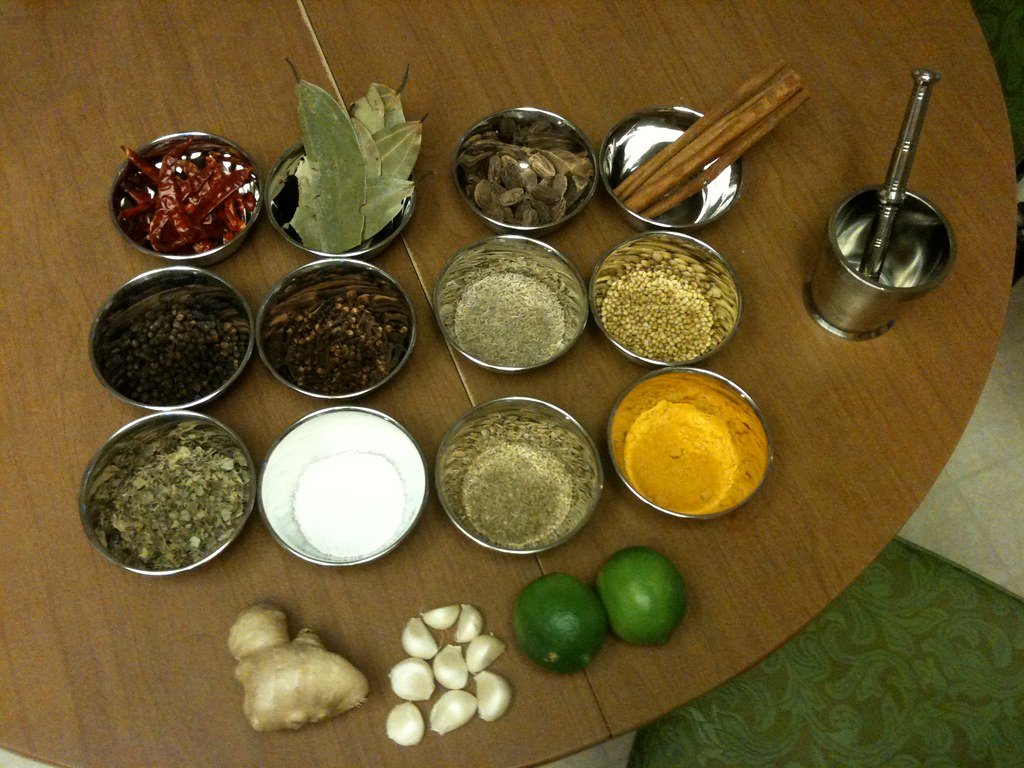
Butter chicken is a renowned Indian dish that captivates food enthusiasts with its rich flavor and creamy texture. The distinctive taste of butter chicken arises from a harmonious blend of key ingredients that play critical roles in its preparation. One of the primary components is the use of high-quality spices, which are essential in creating the dish’s signature aroma and flavor profile. Commonly used spices include garam masala, turmeric, cumin, coriander, and red chili powder. Each spice contributes to the overall complexity of the dish, ensuring that every bite is both fragrant and flavorful.
In addition to spices, yogurt serves as a vital ingredient in the marination process. The use of yogurt not only tenderizes the chicken, but it also infuses it with subtle tanginess. The lactic acid in yogurt helps break down the meat fibers, resulting in a tender and juicy outcome. Marinating the chicken in a mixture of yogurt and spices for several hours, or ideally overnight, enhances the depth of flavor significantly, ensuring that the spices penetrate the meat thoroughly.
Furthermore, the richness of butter chicken is primarily attributed to the use of ghee or butter. Ghee, a type of clarified butter, provides a nutty flavor and luxurious texture, elevating the overall experience of the dish. This ingredient is responsible for the signature creamy sauce that envelops the chicken, making each spoonful indulgent. The combination of these essential ingredients not only creates the unique flavors associated with butter chicken but also reflects the culinary traditions that have been passed down for generations. Utilizing high-quality and authentic ingredients is crucial to achieving the true essence of this beloved dish, ensuring that every component harmonizes perfectly on the palate.
Variations of Butter Chicken Around the World
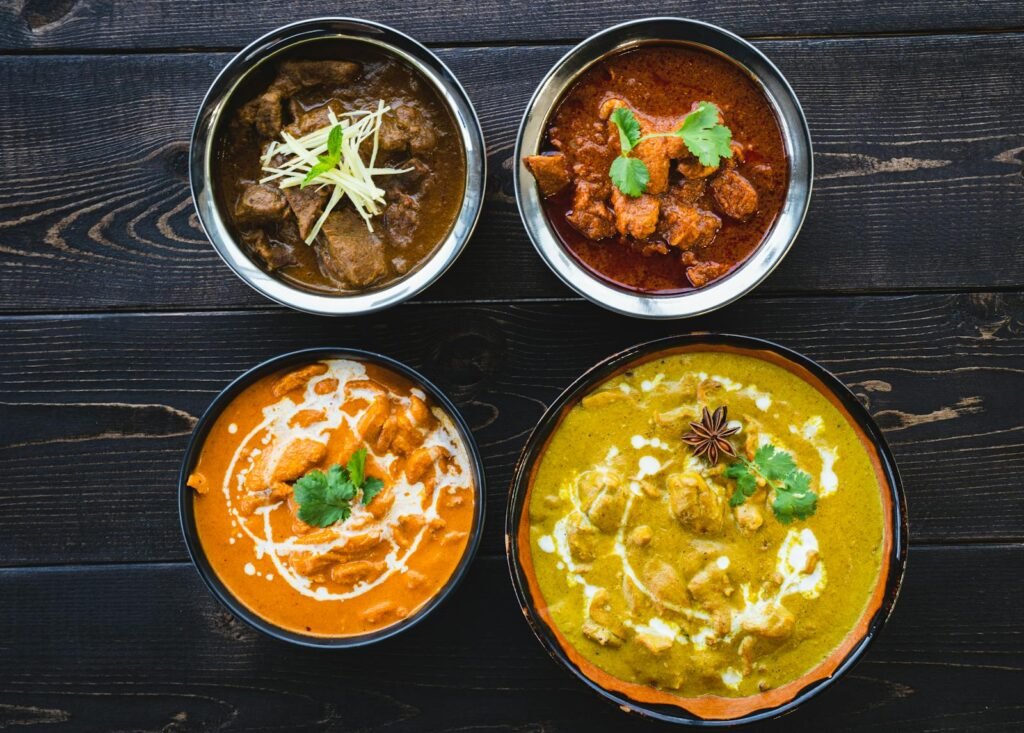
Butter Chicken, originally known as Murgh Makhani, boasts a rich history, yet it has evolved significantly across various cultures and regions. As it spread internationally, this celebrated Indian dish adapted to local palates, resulting in a diverse array of variations. In North America, for instance, Butter Chicken has gained immense popularity as a staple in Indian restaurants. Canadian interpretations often incorporate unique flavors, sometimes featuring a sweeter sauce along with local ingredients like maple syrup, which adds a distinct touch that differentiates it from the traditional recipe.
In the United Kingdom, Butter Chicken has also undergone a transformation, blending with other culinary traditions. The addition of cream and spices reflects a preference for richer, more indulgent versions. Many British chefs experiment with local herbs and spices to enhance the dish further, leading to intriguing combinations that offer a unique take on the classic Butter Chicken.
Moving to Australia, one can find Butter Chicken readily available in a variety of formats, from luxurious restaurant plates to convenient supermarket-ready meal options. Australian variations might include the use of fresh, local produce, emphasizing seasonal vegetables to complement the dish’s vibrant flavors. The fusion of traditional Indian spices with Australian ingredients creates an eclectic palette that appeals to diverse taste preferences.
Moreover, in parts of the Caribbean, Butter Chicken is sometimes blended with local spices, introducing a tropical flair to the dish. These adaptations reflect the cultural melting pot inherent in these regions, showcasing how Butter Chicken transcends its origins and embraces new influences while maintaining its core essence.
Each regional variation demonstrates the versatility of Butter Chicken as a dish. It continues to be reinterpreted by chefs and home cooks alike, ensuring its place in global gastronomy. The constant evolution of Butter Chicken highlights not only its appeal but also the creativity of culinary professionals worldwide.
Conclusion: The Legacy of Butter Chicken
Butter Chicken, a dish that has its origins in Indian cuisine, is more than just a meal; it symbolizes cultural fusion and culinary evolution. Over the decades, this dish has transcended geographical boundaries, appealing to palates worldwide and becoming a staple in many households far from its native land. The unique blend of spices, creamy texture, and succulent chicken pieces create an irresistible combination that resonates with food enthusiasts, making Butter Chicken not only a favorite among Indian dishes but also a beloved global cuisine entity.
The legacy of Butter Chicken is marked by its ability to adapt and inspire. Restaurants around the globe have put their own creative spin on the dish, redefining its presentation while honoring its traditional roots. This adaptability has allowed Butter Chicken to maintain its cultural essence while embracing new culinary influences, demonstrating the dish’s versatility and timeless appeal. Each variation reflects the local ingredients and traditions, inviting a new generation of food lovers to experience the rich flavors of Indian cooking.
As we look toward the future, Butter Chicken is likely to continue its journey as a globally appreciated dish, with an increasing number of chefs and home cooks experimenting with innovative interpretations. From vegan adaptations to health-conscious versions, the evolution of Butter Chicken will persist, ensuring that it remains relevant in the ever-changing landscape of global cuisine. The dish will undoubtedly inspire more culinary exploration, bridging cultural gaps and fostering an appreciation for diverse food traditions. Ultimately, Butter Chicken is not just a dish; it is a cultural phenomenon that will likely endure for generations to come.