
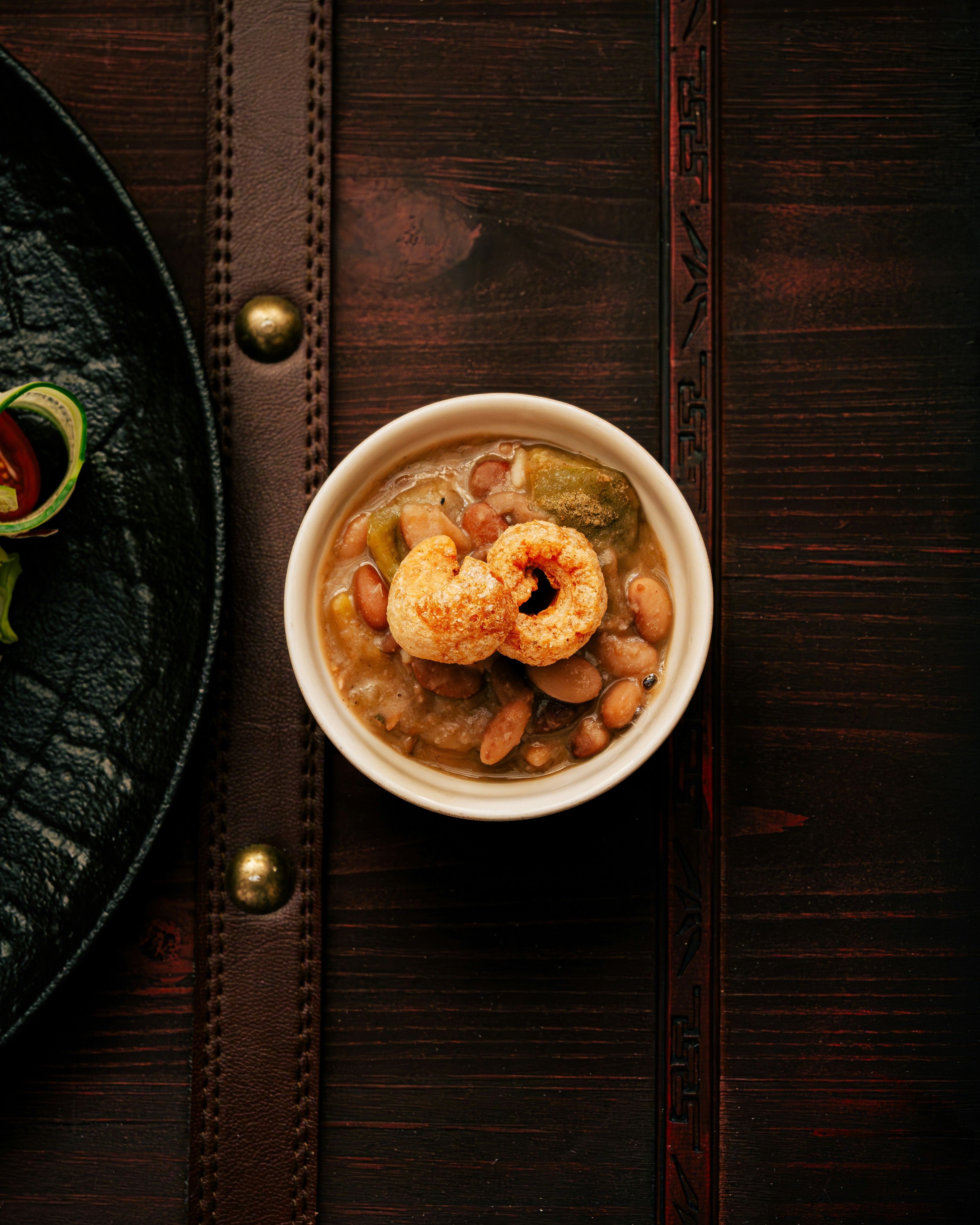
Introduction to Cocido Madrileno
Cocido Madrileno is a traditional Spanish stew that has its roots deeply embedded in the culinary heritage of Madrid. This hearty dish is more than just a meal; it represents a significant aspect of the region’s cultural and social history. The origins of Cocido can be traced back to the 16th century, when it was commonly served to people of all classes, making it a staple in Madrid’s gastronomic landscape. Over time, it has evolved but continues to reflect the communal and familial values of sharing a meal.
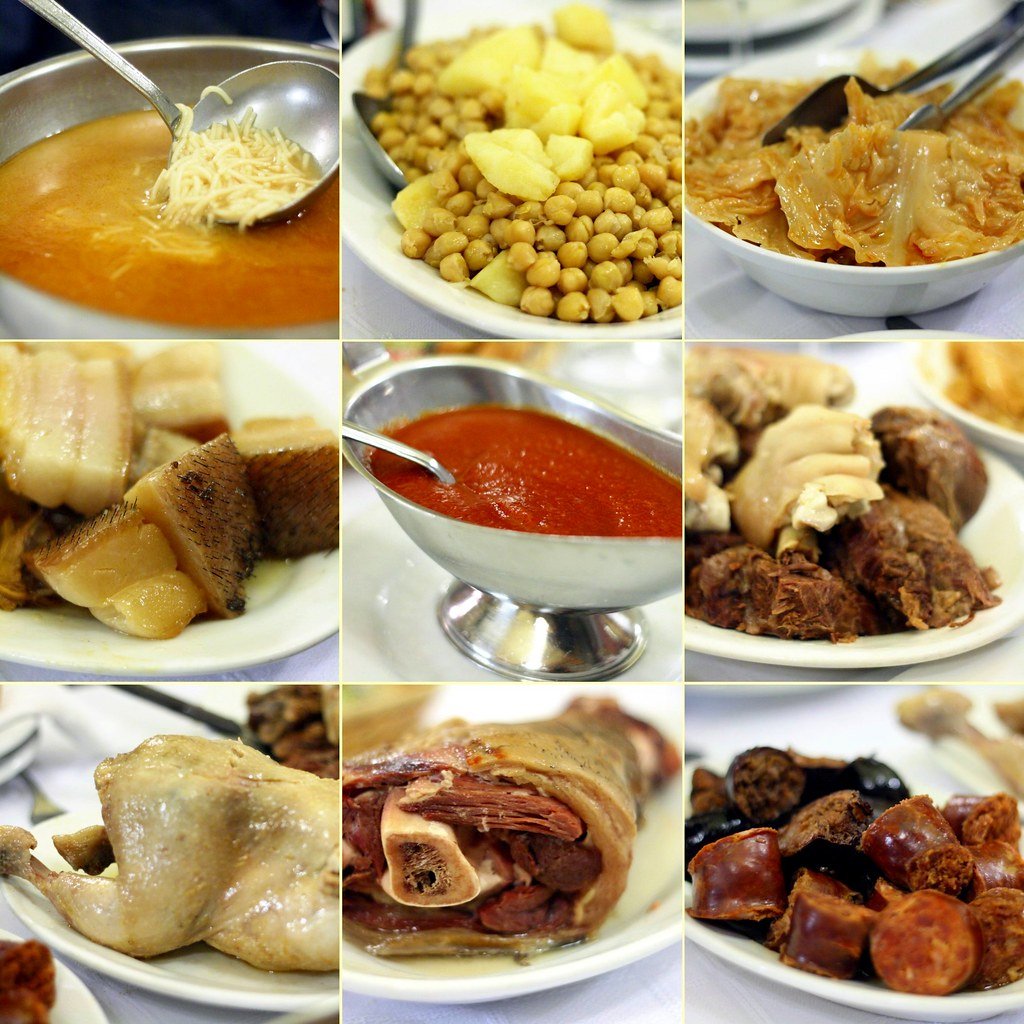
What sets Cocido Madrileno apart from other Spanish stews is its distinctive layering of flavors and ingredients. The dish typically features a rich combination of meats, including beef, pork, and chicken, along with various vegetables such as chickpeas, potatoes, carrots, and greens. These ingredients are slowly cooked together, allowing their flavors to meld beautifully. In addition to the main components, the use of rich broth enhances the overall taste, making it a warming and satisfying dish, especially during colder months.
Preparation of Cocido Madrileno is a meticulous process that involves several stages. Traditionally, the dish is prepared in a large pot, where meats and vegetables are cooked separately before being combined. This allows each ingredient to retain its unique flavor and texture. The stew is often served in multiple courses; first, the broth is enjoyed as a soup, followed by the vegetables and proteins served on a separate plate. This multi-course approach is what makes Cocido Madrileno a unique culinary experience, showcasing the rich traditions of Madrid’s cuisine.
Ingredients and Preparation Methods
Cocido Madrileno is a traditional Spanish dish originating from the region of Madrid, celebrated for its hearty and wholesome nature. At its core, the dish features a base of chickpeas, often complemented by an array of meats including beef, pork, and chicken. The choice of meat varies based on personal preference and regional variations; common selections include fleshy cuts of beef, chorizo, and morcilla (blood sausage). Such a combination ensures a balanced flavor profile that is richly meaty and satisfying.
Alongside the proteins, Cocido Madrileno is enriched with a variety of vegetables. Typical additions include carrots, turnips, and potatoes, which not only enhance the dish’s nutritional value but also contribute to its visual appeal. Seasoning is key, with garlic, bay leaves, and paprika often utilized to deepen the flavor, reflecting the culinary traditions of the region.
Preparation methods for Cocido Madrileno can differ significantly. A common technique involves simmering the ingredients in a large pot, which allows the flavors to meld as the chickpeas absorb the rich meat broth. Another popular method is the two-step preparation, where the chickpeas and vegetables are cooked separately from the meats before all components are combined. This practice varies according to individual taste and influences the overall texture and taste of the final dish.
Using seasonal and local ingredients is essential to achieve the best flavor in Cocido Madrileno. Fresh, high-quality products not only enhance the dish but also support local farmers and sustainable practices. This commitment to local produce ensures the dish remains authentic and deeply connected to its cultural roots. Overall, the variety of ingredients and methods showcases the adaptability of Cocido Madrileno, making it a beloved staple in Spanish gastronomy.
Tasting Experience: Flavor Profile and Serving Styles
Cocido Madrileno, a quintessential dish from Madrid, offers a remarkable tasting experience characterized by its rich and hearty flavor profile. This traditional Spanish stew is typically crafted from a diverse selection of ingredients, including a variety of meats, vegetables, and chickpeas, resulting in a depth of flavor that is both comforting and satisfying. The main components, such as beef, pork, and chicken, release their savory essence into the broth during the cooking process, creating a wonderfully aromatic base that enhances the overall taste of the dish.
The texture of Cocido Madrileno adds another layer to its appealing nature. Each element within the stew maintains its unique consistency; the chickpeas are tender but still hold their shape, while the vegetables become soft and flavorful. The meats, after several hours of slow cooking, become succulent, allowing diners to relish bites that are both juicy and rich in flavor. This juxtaposition of textures creates a fulfilling dining experience, captivating the palate with every mouthful.
In terms of serving styles, Cocido Madrileno is traditionally presented in a sequence that enhances the overall experience. The meal typically begins with a hearty broth, known as ‘caldo,’ served in a bowl. Following this, the meats and vegetables are plated separately, accompanied by an array of condiments. One of the most popular is ‘salsa de tomate,’ a tomato-based sauce that adds an extra kick to the dish. Additionally, diners often enjoy Cocido with a side of ‘ensalada’ (salad) for balance, making the meal both wholesome and nourishing. This ceremonial presentation and the accompanying flavors provide an immersive introduction to the cultural significance of Cocido Madrileno, making it more than just a dish but a culinary tradition deeply rooted in Spanish cuisine.
Where to Find the Best Cocido Madrileno in Madrid
Madrid’s vibrant culinary scene boasts a multitude of options for those seeking to indulge in Cocido Madrileno, a traditional Spanish stew that perfectly embodies the region’s rich gastronomic heritage. For an authentic experience, one may consider visiting Casa Lucio, a staple in Madrid known for its savory Cocido. This eatery has remained a favorite among locals and tourists alike for decades, offering a deeply flavorful version of the dish that retains the essence of its origins.
Another must-visit is La Taberna de Antonio Sanchez, famous for its hearty Cocido, which is prepared using age-old recipes and the finest ingredients. The warm atmosphere and traditional decor further enhance the dining experience, drawing in enthusiasts of this classic meal. Additionally, Malacatin, located in the Lavapiés neighborhood, offers a unique take on Cocido Madrileno, with generous portions and a rich broth that are sure to delight any palate.
Modern interpretations of Cocido can be found at establishments such as El Club Allard, where innovative chefs reimagine the dish with a contemporary flair. The restaurant’s tasting menu often features Cocido in various forms, allowing guests to appreciate the diversity and adaptability of this beloved stew.
During the winter months, food lovers should also look out for Cocido-related events and festivals, such as the Cocido de los Once festival, which celebrates the dish with tastings from various renowned chefs across Madrid. These gatherings not only provide an array of Cocido variations but also foster a sense of community around this cherished meal.
Exploring Madrid for the best Cocido Madrileno reveals a tapestry of traditional and modern dining experiences that celebrate this iconic dish, ensuring that both locals and visitors can savor its warmth and flavors. From age-old taverns to contemporary restaurants, the city offers something for everyone, reflecting the enduring popularity of Cocido in the heart of Madrid.