

- Introduction to Couscous
- The Historical Journey of Couscous
- Cultural Significance of Couscous
- Unique Flavors and Textures
- Visual Appeal and Appearance of Couscous Dishes
- Plating and Presentation Techniques
- Pairing Couscous with Other Ingredients
- Couscous in Contemporary Cuisine
- Conclusion: The Timelessness of Couscous
Introduction to Couscous
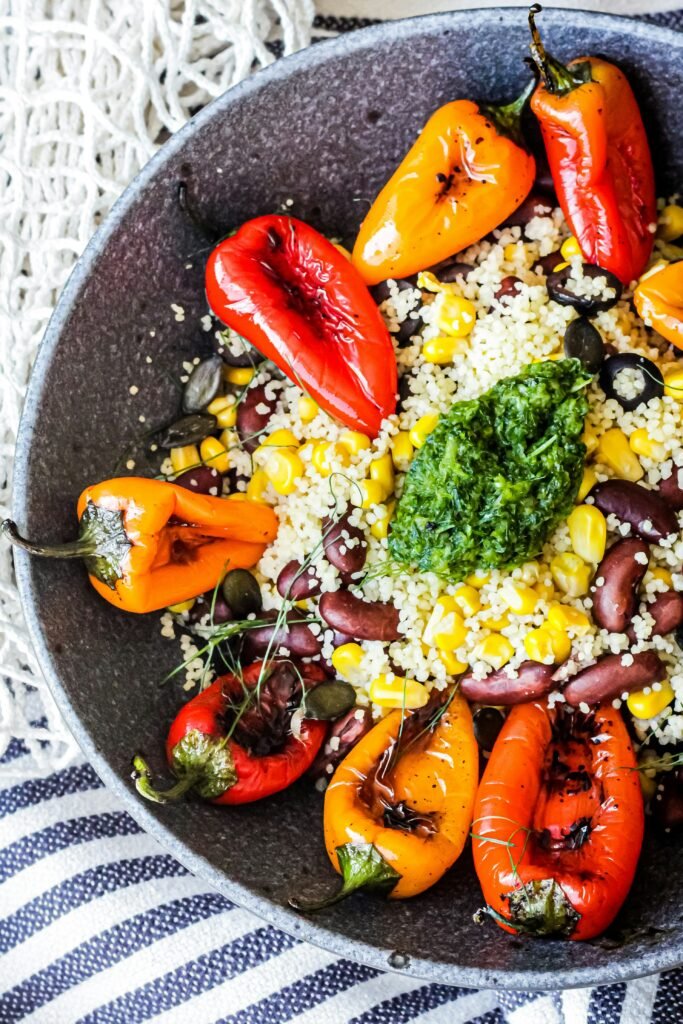
Couscous is a traditional dish originating from North Africa, comprised of small granules of semolina wheat that are steamed and often served with a variety of accompaniments. This staple food has garnered international recognition due to its versatile nature and unique textural qualities. Couscous is not only a culinary delight but also a reflection of the rich cultural heritage of the regions where it is predominantly consumed. Its preparation and serving methods vary widely, often influenced by local customs and available ingredients.
The history of couscous dates back centuries, with evidence suggesting its creation in the Berber regions of present-day Morocco, Algeria, and Tunisia. Throughout history, couscous has evolved alongside the cultures that embraced it, transitioning from a modest meal to a celebrated dish honored at various occasions, particularly in festive settings. The introduction of couscous to different parts of the world can be attributed to trade routes and migration patterns, which facilitated the exchange of culinary practices. As a result, it has become a beloved dish not only in North Africa but also in Mediterranean and Middle Eastern cuisines.
The Historical Journey of Couscous
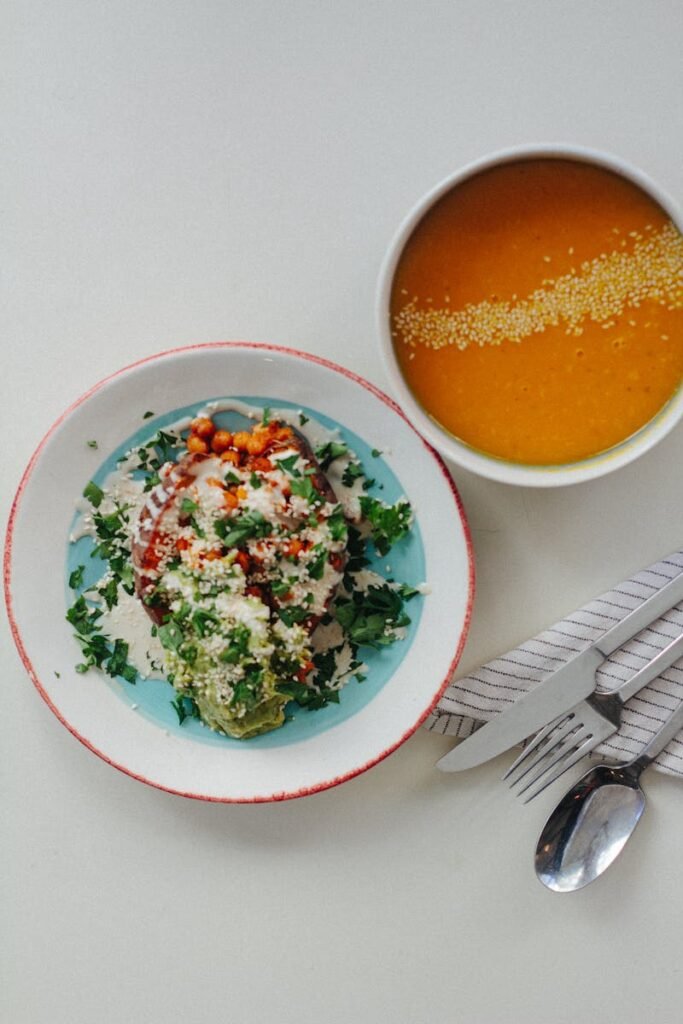
Couscous, a staple food of North Africa, has a rich historical narrative that traces back to the Berber people, the indigenous inhabitants of the Maghreb region. Archaeological evidence suggests that couscous has been consumed for over a thousand years, with its origins believed to be in the mountainous regions of what is now Algeria and Morocco. The term “couscous” itself is derived from the Berber word “kuskus,” indicating its deep-rooted cultural significance among these communities.
Initially, couscous was prepared as a simple dish from semolina wheat and water, formed into tiny granules and steamed in a special pot known as a couscoussier. As trade routes expanded during the medieval period, couscous began to acquire influences from various regions, integrating spices and flavors from the Middle Eastern and Mediterranean cuisines. This fusion of culinary practices not only transformed the taste and texture of couscous but also cemented its importance in various cultural traditions.
Throughout history, couscous has transcended its humble beginnings. It became a symbolic dish for celebrations and rituals, often served at weddings, Eid festivities, and family gatherings. In many North African communities, the preparation of couscous is a communal activity, signifying togetherness and cultural identity. As immigrants spread across the globe, couscous gained international attention, evolving into a modern culinary favorite while retaining its historical ties.
Today, couscous embodies both tradition and innovation, serving as a canvas for diverse culinary expressions. Its enduring presence in daily meals highlights its versatility, accommodating various ingredients that cater to local tastes and dietary preferences. The historical journey of couscous is a testament to its adaptability and significance, not only as sustenance but also as a cultural emblem that continues to unite people across generations.
Cultural Significance of Couscous

Couscous is not merely a staple food; it holds a profound cultural significance in various communities, particularly in North Africa. It often plays a pivotal role in communal gatherings, festivals, and significant life events. For many families, couscous is synonymous with hospitality and unity. This dish has managed to transcend its culinary boundaries to become a cultural emblem, representing communal bonds and heritage.
In Morocco, couscous is traditionally served on Fridays after the midday prayer, underscoring its significance as a dish of communal sharing. Families gather around a communal plate, where it is not only a meal but an occasion for strengthening familial ties. “Couscous is our way of reflecting love and care. It brings everyone together,” says Fatima, a grandmother who has been preparing couscous for her family for decades. This emphasizes how the act of sharing food like couscous enriches relationships and fosters a sense of belonging.
Additionally, couscous is integral to various celebrations, including weddings and religious festivals such as Eid. It symbolizes prosperity and affluence within these settings. In Algeria, for instance, couscous is a staple for the feast that follows a wedding ceremony, often accompanied by a rich meat stew, serving both as nourishment and a display of cultural pride. Anecdotes of such events reveal how the preparation and sharing of couscous enhance the festive spirit, providing a delicious focal point for social interactions.
Moreover, couscous has gained significance beyond its regional origins, being embraced by various cultures worldwide. Its versatility allows it to adapt to diverse palates while retaining its roots. In contemporary society, couscous is often celebrated at community events, potlucks, and multicultural festivals, reinforcing its status as a symbol of hospitality and cultural exchange. As families and friends gather to enjoy couscous, they strengthen connections across generations and cultural backgrounds.
Unique Flavors and Textures
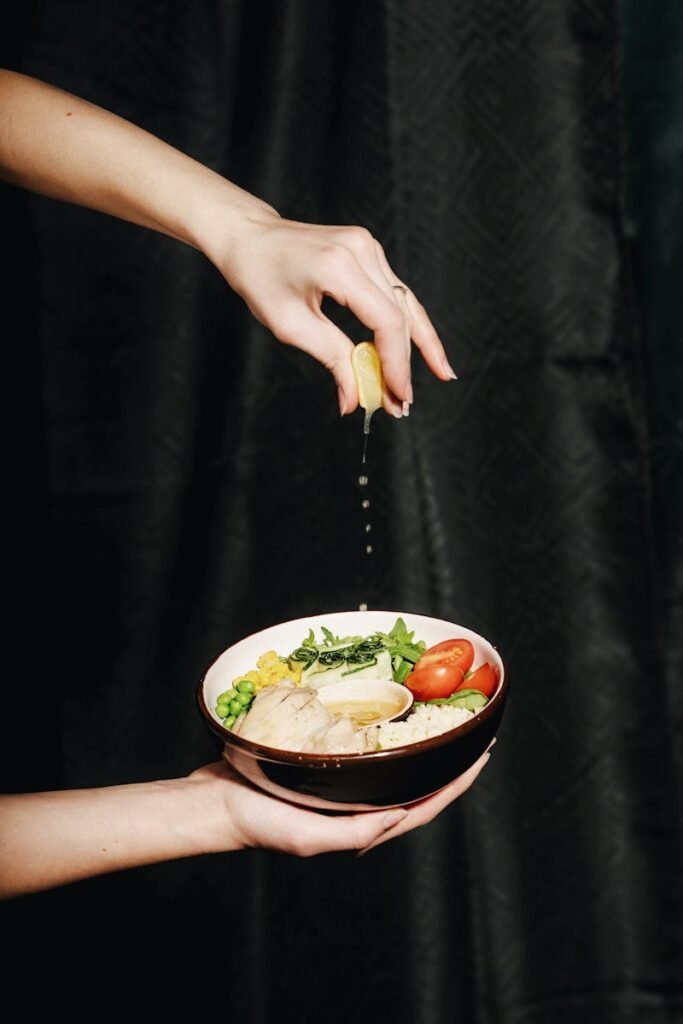
Couscous is a versatile dish renowned for its unique flavors and textures, originating from North Africa. The primary types of couscous include Moroccan, Israeli, and Lebanese, each offering distinct culinary experiences influenced by regional ingredients and traditional preparation methods. Moroccan couscous, the most well-known variety, consists of fine granules steamed over a flavorful stew, often featuring a mélange of spices such as cumin, coriander, and saffron. This preparation method infuses the couscous with rich, aromatic flavors, creating a light and fluffy texture that easily absorbs surrounding liquids.
Conversely, Israeli couscous, also known as pearl couscous, distinguishes itself with its larger, chewy grains that provide a satisfying bite. Originally developed in Israel as a substitute for rice, its robust structure allows it to hold up well in salads and cold dishes. Israeli couscous is often paired with fresh herbs, vegetables, and a drizzle of olive oil, which brings out its inherent nuttiness and enhances its overall flavor profile. Additionally, traditional spices and ingredients can offer further variations; for instance, the inclusion of fresh lemon juice or zesty harissa can elevate an Israeli couscous dish, providing a refreshing contrast to its inherent creaminess.
Lebanese couscous, known as Moghrabiah, is even larger than its Israeli counterpart and is commonly prepared with chicken or lamb, and various spices such as allspice or cinnamon. The cooking process involves soaking the grains, followed by a lengthy boiling period, resulting in a chewy and hearty texture that serves as an excellent base for savory meat stews. The diverse selection of spices, accompanied by the unique shapes and sizes of couscous types, contributes to the overall experience, ensuring each preparation retains its cultural essence and flavor significance.
Visual Appeal and Appearance of Couscous Dishes
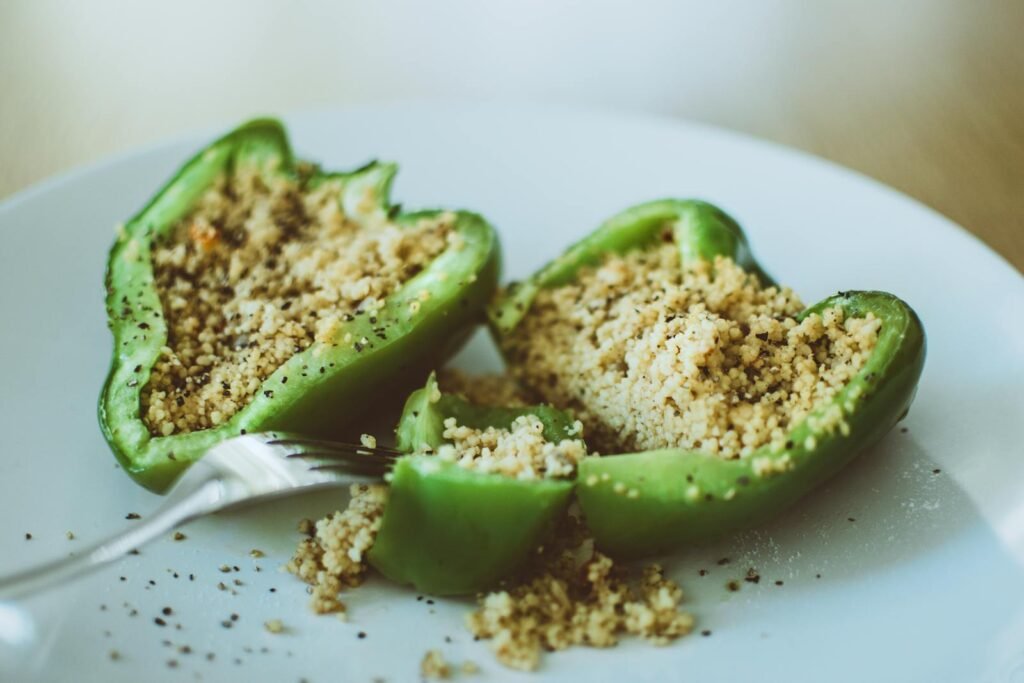
The visual appeal of couscous dishes plays a critical role in stimulating the appetite and enhancing the overall dining experience. With its fluffy texture and versatility, couscous serves as an excellent foundation for a dazzling array of colors and flavors. The intrinsic qualities of couscous allow it to pair beautifully with a variety of vegetables, proteins, and sauces, thus creating visually striking meals that are as pleasing to the eye as they are to the palate.
When considering the plating of couscous, the arrangement of ingredients is paramount. A well-structured plate might feature a central mound of couscous, accented with vibrant vegetables like roasted cherry tomatoes, sautéed bell peppers, and fresh herbs. The contrast of colors—golden couscous juxtaposed with greens and reds—creates an attractive presentation. Furthermore, incorporating elements such as toasted nuts or seeds can add a delightful crunch while also increasing the visual contrast, enhancing the appeal of each dish significantly.
Garnishing is another important aspect to consider when aiming to elevate the aesthetic merit of couscous meals. A sprinkle of finely chopped parsley, coriander, or mint not only introduces fresh colors but also provides a burst of flavor that can complement the dish. Drizzling a vibrant sauce—such as a saffron-infused broth or a zesty harissa—over the couscous garnishes the dish in a visually appealing manner while simultaneously boosting its flavor profile.
Utilizing different serving dishes can also augment the visual allure. Traditional tagines are not only functional but serve as an eye-catching centerpiece, while colorful bowls can be effective for family-style serving. Ultimately, when it comes to couscous dishes, the combination of thoughtful arrangement, contrasting colors, and strategic garnishing can create a feast that entices and delights both the eyes and the senses.
Plating and Presentation Techniques
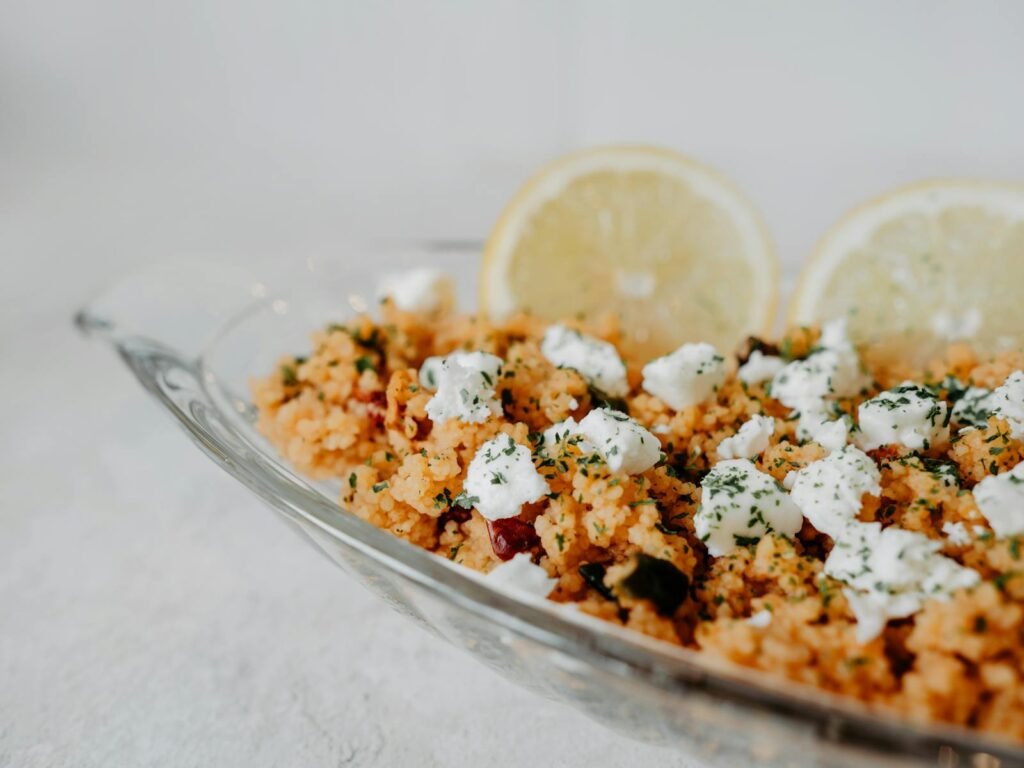
When it comes to presenting couscous, the visual appeal plays a significant role in enhancing the dining experience. The way this North African staple is plated can transform a simple dish into an eye-catching centerpiece. One effective technique is to use colorful and textured ingredients to complement the couscous, allowing each element to contribute to the overall aesthetic. Fresh herbs, roasted vegetables, and nuts can be strategically scattered on top or around the plate to add both color and crunch.
When serving couscous, consider the style of serving: family-style or individual portions. Family-style presentations often involve heaping the couscous onto a large, decorative platter. This can be accompanied by a selection of side dishes arranged artistically around the couscous. The communal aspect not only highlights the dish’s cultural origins but also encourages sharing and conversation. On the other hand, individual servings allow for more detailed styling. Use shallow bowls or plates that allow the couscous to be stacked high or spread in a theatrical arc.
Moreover, garnishing is an essential aspect of plating couscous. A drizzle of extra virgin olive oil or a sprinkling of fresh lemon zest can enhance flavors while adding a glossy finish to the dish. When pairing couscous with side dishes, such as grilled meats or vibrant salads, think about the color contrast. A bright tomato salad or a deep green tahini dressing can create an aesthetic balance that draws the eye. Incorporating contrasting shapes, like using round bowls for salads and rectangular plates for couscous, can further enhance visual interest.
Ultimately, when plating couscous, the goal is to create an inviting and cohesive presentation that reflects its rich culinary heritage, engages the senses, and captivates the diner’s attention.
Pairing Couscous with Other Ingredients
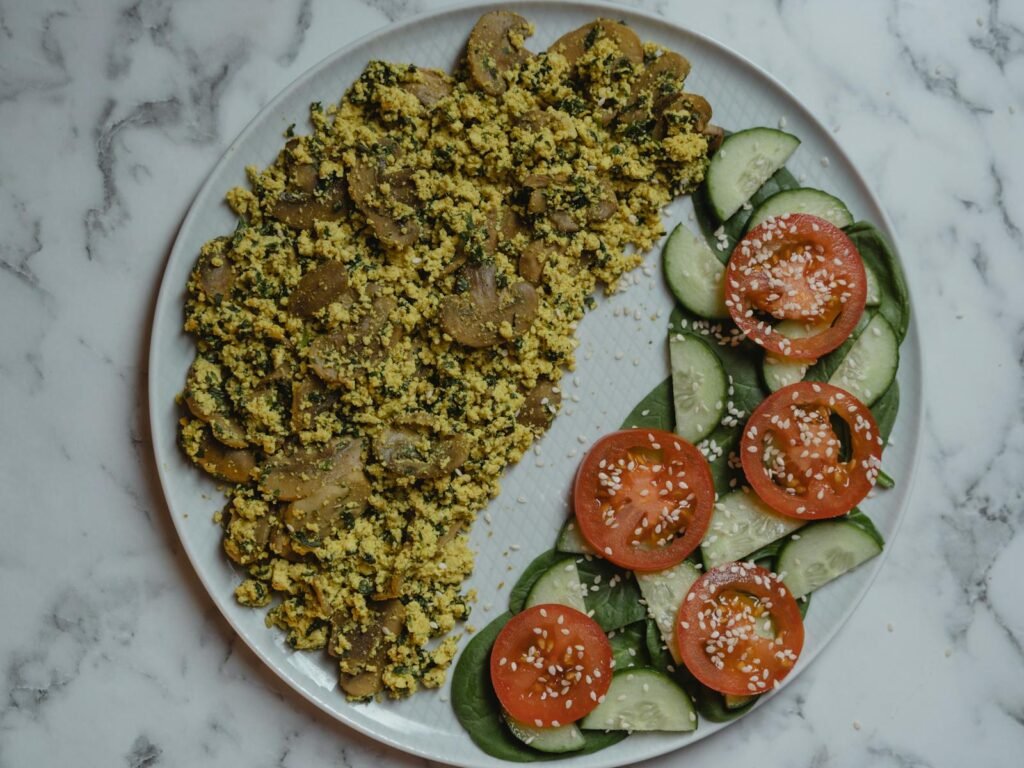
Couscous, a staple of North African cuisine, serves as a highly versatile base that complements a vast array of ingredients. Its fine granules have a neutral flavor, making it an ideal canvas for diverse pairings that elevate culinary experiences. To appreciate couscous fully, one must explore the various ingredients that enhance its taste and texture.
Vegetables play a significant role in the world of couscous. Roasted vegetables such as bell peppers, zucchini, and carrots provide richness and sweetness that contrast beautifully with the grain’s mild essence. Additionally, fresh herbs like parsley and cilantro can add a burst of freshness, invigorating the overall dish. For those seeking a heartier option, incorporating legumes such as chickpeas and lentils not only enriches the flavor but also boosts the nutritional profile, making it an appealing choice for both vegetarians and vegans.
When considering meat pairings, couscous effortlessly complements various proteins. Grilled chicken, lamb, or beef, often seasoned with spices and herbs, elevates the dish by introducing savory notes. Moreover, seafood lovers can enhance couscous with shrimp, scallops, or fish, prepared with citrus zests and spices to bring a Mediterranean flair to the plate.
Moreover, sauces take the culinary experience to another level. Rich, aromatic sauces like harissa, a North African chili paste, or a simple olive oil and lemon dressing can transform couscous into a robust and flavorful dish. Alternatively, yogurt-based sauces, such as tzatziki, create a cooling contrast, further enriching the palate.
Incorporating diverse ingredients with couscous allows for unlimited creativity in the kitchen. Its adaptability to various flavors makes it an excellent choice for those who wish to explore different culinary traditions while celebrating its cultural significance. Embracing combinations with vegetables, meats, seafood, and sauces enhances not only flavor but also the dining experience itself.
Couscous in Contemporary Cuisine
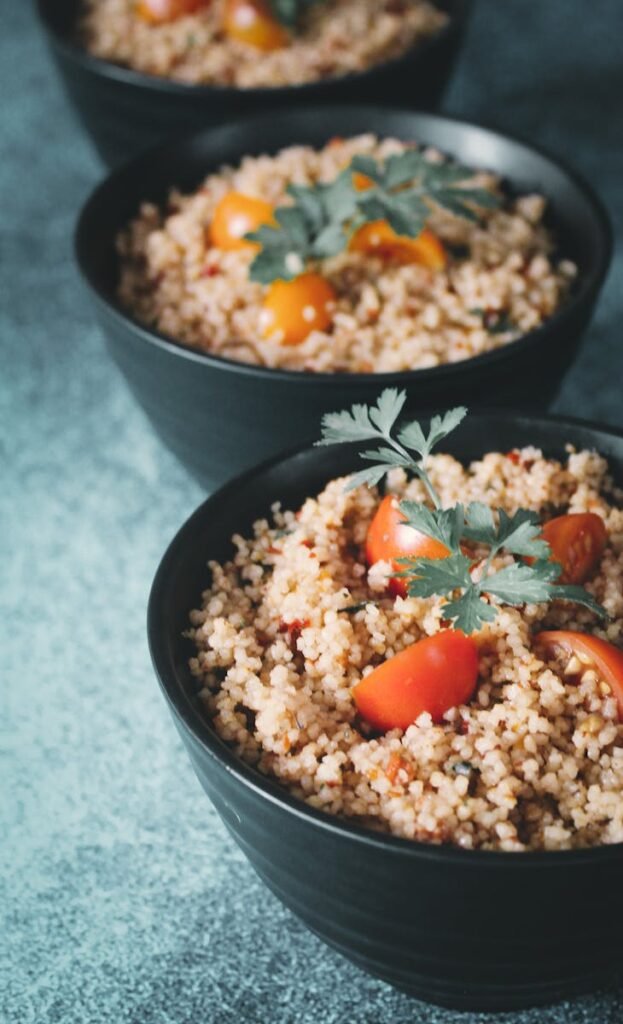
Couscous, a traditional North African staple, has witnessed a remarkable resurgence in contemporary cuisine, emerging as a versatile ingredient embraced by chefs and home cooks alike. Its fine granules made from semolina flour allow for an array of culinary possibilities, enabling innovative recipes that blend global flavors with this age-old grain. The recent culinary trend of incorporating couscous into diverse dishes highlights its adaptability and appeal in modern gastronomy.
Many chefs are exploring the use of couscous beyond its conventional preparation, often integrating it into fusion dishes that reflect contemporary tastes. For instance, couscous salads have become popular as a light, yet satisfying meal option, often featuring vibrant ingredients such as roasted vegetables, herbs, and citrus vinaigrettes. Such recipes not only celebrate the grain’s texture but also promote a refreshing take on traditional salads, appealing to health-conscious diners looking for nutritious and flavorful offerings.
Moreover, couscous is being utilized in more elaborate culinary creations, such as stuffed vegetables or as a base for protein dishes. Chefs are creatively using flavors drawn from various cuisines, such as Mediterranean, Asian, and even Latin American, to create unique couscous dishes that reflect the growing trend of global influences in cooking. For instance, a Moroccan spiced couscous may be paired with a Thai-inspired coconut curry or combined with Japanese miso for a distinct twist.
Additionally, the adaptability of couscous in accommodating different dietary needs—including gluten-free options—has propelled its popularity as various consumer trends emerge. As more people seek convenient yet wholesome dining choices, the resurgence of couscous in contemporary cuisine is set to continue, further melding its rich heritage with the vibrant diversity of global flavors. This cultural reconciliation not only brings forth a unified appreciation for the grain but elevates its status as a valuable ingredient in modern cooking.
Conclusion: The Timelessness of Couscous

Couscous stands as a remarkable testament to culinary tradition, intertwining rich history with cultural essence. Originating from North Africa, this grain has travelled across borders, evolving through the centuries while retaining its core identity. Rooted deeply in Berber culture, couscous has transcended mere sustenance to become a symbol of hospitality and community during gatherings and celebrations. Its preparation often involves not only skillful hands but also the sharing of stories and traditions, reinforcing the bonds between generations.
The versatility of couscous allows it to adapt seamlessly to various regional flavors and cooking styles. From North African tagines to Mediterranean salads and gourmet dishes, couscous can be paired with an array of ingredients, making it a staple in diverse cuisines. Its ability to absorb flavors enhances its culinary appeal, presenting endless possibilities for chefs and home cooks alike. This adaptability not only showcases couscous’s gastronomic value but also highlights its interconnection with cultural identity, establishing it as a cross-cultural food.
While couscous has maintained its beloved status, the future of this ancient grain appears promising. As culinary innovation advances, chefs worldwide are experimenting with couscous in novel ways, incorporating it into contemporary dishes and global cuisines. This evolution invites a new generation to appreciate its history while exploring its potential in modern gastronomy. For those yet to experience couscous, its rich textures and flavors encourage a culinary journey ripe for exploration. Embracing couscous means celebrating its historical significance and its role in shaping communal experiences across cultures.