
Introduction to Fattoush
Fattoush is a vibrant salad that holds a cherished place in Lebanese cuisine, reflecting the region’s rich agricultural heritage and culinary traditions. This dish has origins that can be traced back to the Levant, where it has served as a staple in Middle Eastern diets. Characterized by its colorful presentation and fresh ingredients, Fattoush is not merely a salad but a cultural emblem, embodying the flavors of the land and the customs of its people.
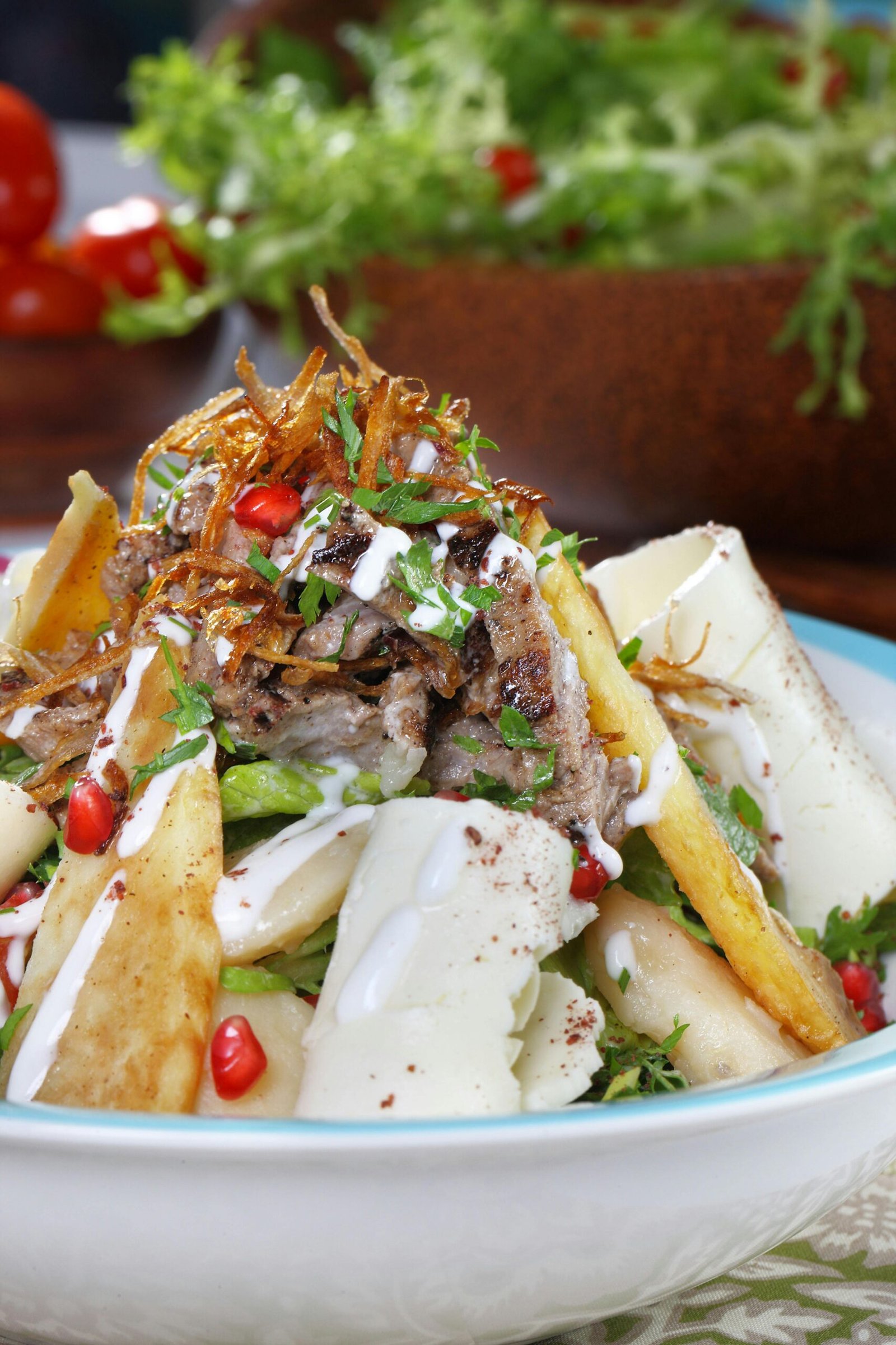
The primary components of Fattoush include a variety of greens, commonly romaine lettuce, along with a medley of vegetables such as tomatoes, cucumbers, and radishes. A distinctive feature of this salad is the inclusion of toasted or fried pieces of pita bread, which add a delightful crunch and texture. The dressing, typically made from olive oil, lemon juice, and sumac, provides a zesty flavor that enhances the fresh ingredients. The use of sumac is particularly significant, as it is a traditional spice in the region that imparts a tart taste and deepens the overall flavor profile of the salad.
Fattoush is especially prominent during festive occasions and gatherings, embodying the spirit of hospitality that is central to Lebanese culture. It is often served alongside other dishes, contributing to a diverse spread of flavors and textures enjoyed during meals. Additionally, variations of Fattoush can be found across different regions, showcasing local ingredients and culinary practices. Each version offers a unique interpretation of the classic salad, demonstrating the flexibility and adaptability of Fattoush in various culinary contexts.
As both a symbol of communal eating and a reflection of regional diversity, Fattoush continues to be celebrated not only for its deliciousness but also for its ability to bring people together over a shared love of food.
Ingredients and Preparation
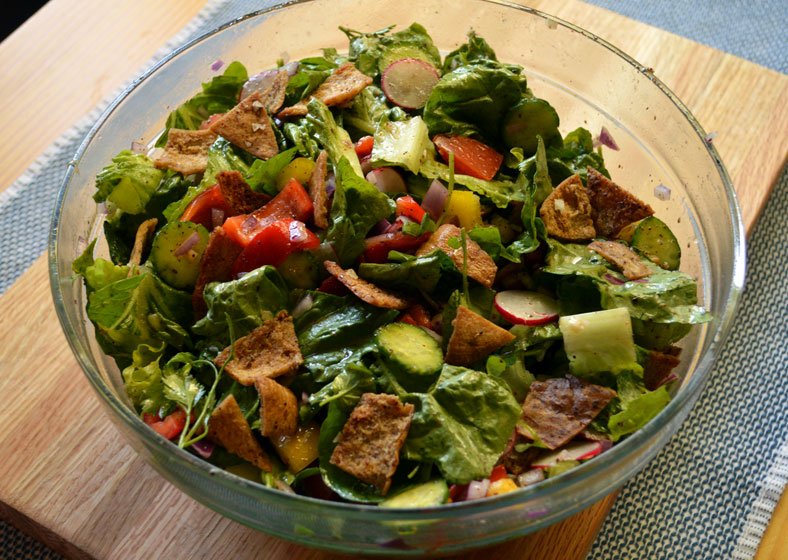
The Fattoush salad is a vibrant and refreshing dish that draws heavily on the abundance of fresh vegetables and herbs found in Lebanese cuisine. At its core, Fattoush typically includes ingredients such as crisp romaine lettuce, ripe tomatoes, crunchy cucumbers, radishes, sweet bell peppers, and parsley. Each of these vegetables not only adds a distinct flavor profile but also contributes to the salad’s overall texture, creating a harmonious blend of softness and crunch.
One of the standout features of Fattoush is the inclusion of toasted pita bread, which introduces an element of earthiness and a delightful crunch. The bread is usually torn into bite-sized pieces and toasted until golden brown, allowing it to soak up the salad’s dressing without becoming overly soggy. This unique combination of ingredients is essential to achieving the characteristic balance of flavors found in an authentic Fattoush salad.
When preparing Fattoush, selecting the freshest ingredients is paramount. Opt for seasonal vegetables, as they offer the best flavor and texture. For the dressing, a mixture of olive oil, fresh lemon juice, and sumac is commonly used, providing a zesty brightness that complements the earthy notes of the toasted pita. It is crucial to combine these elements carefully, ensuring that the vegetables maintain their crunch while the bread remains adequately infused with flavor.
In terms of preparation, start by chopping the vegetables into uniform pieces to ensure even distribution in the salad. Toast the pita bread separately, and once all components are ready, toss them together with the dressing just before serving. This method prevents the pita from becoming too soggy while allowing the flavors to meld seamlessly. By paying attention to the balance of flavors and textures, one can create a delightful Fattoush that is both satisfying and refreshing.
Taste Profile and Health Benefits
Fattoush, a vibrant Lebanese salad, showcases a remarkable blend of flavors that contributes to its popularity. The taste profile of Fattoush can be characterized by its crispy texture, tangy notes, and refreshing elements. The salad typically includes a variety of fresh vegetables such as romaine lettuce, tomatoes, cucumbers, radishes, and green onions. These ingredients are often enhanced with a rich medley of herbs, particularly mint and parsley, which impart invigorating aromas and flavors. A defining feature of Fattoush is the inclusion of toasted or fried pieces of pita bread, which add a satisfying crunch, contrasting brilliantly with the salad’s tender greens.
The tanginess in Fattoush primarily originates from the use of pomegranate molasses and fresh lemon juice. These components not only elevate the flavor but also provide a delightful acidity that balances the richness of the olive oil frequently used in the dressing. The result is a harmonious combination of crispy, tangy, and refreshing elements, making Fattoush a unique offering compared to traditional salads.
From a nutritional perspective, Fattoush boasts a wide array of health benefits due to its wholesome ingredients. The vegetables in Fattoush are packed with vitamins and minerals, such as vitamin C and potassium, supporting overall health and well-being. The fresh herbs are also known for their antioxidant properties, while the olive oil contributes healthy monounsaturated fats, promoting heart health. With a significant content of fiber from the vegetables and pita bread, Fattoush aids in digestion and can help maintain a feeling of fullness.
Compared to other salads, Fattoush stands out not only for its flavor but also for its range of health benefits derived from diverse ingredients. This unique combination makes it a nutritious option suitable for various dietary preferences and occasions, enhancing its appeal in the realm of modern cuisine.
Serving Suggestions and Variations
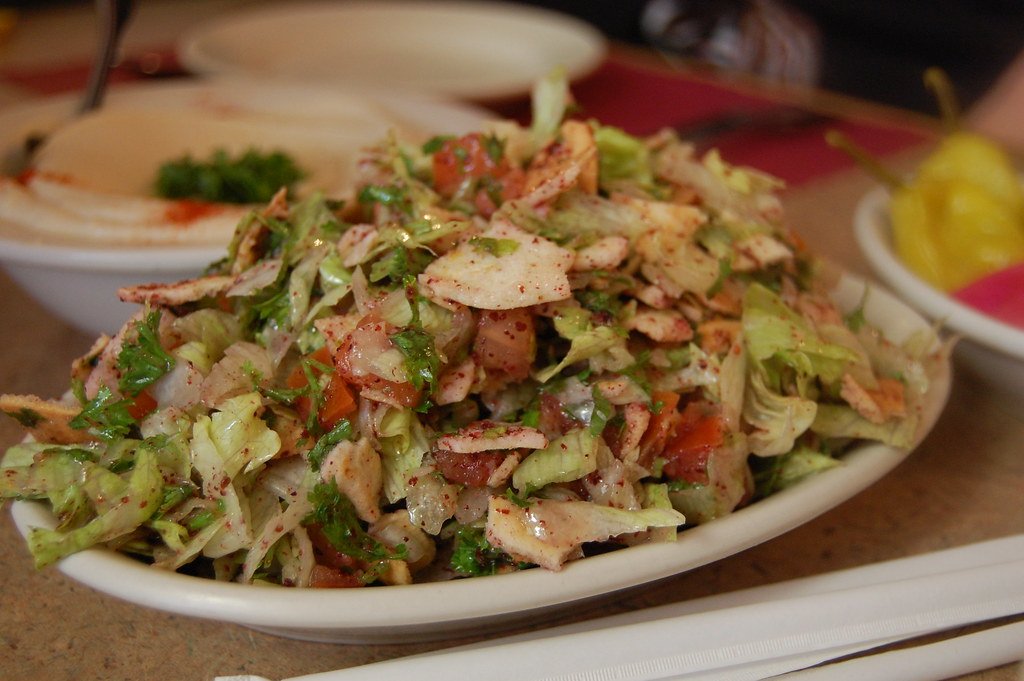
Fattoush, a delightful Lebanese salad, not only embodies fresh flavors but also lends itself to a multitude of serving suggestions and variations. To enhance its presentation, consider serving Fattoush in a large, shallow bowl, allowing the vibrant colors of the ingredients to shine through. A sprinkling of pomegranate seeds or toasted pine nuts on top adds an appealing visual element as well as a complementary crunch.
For those looking to intensify the experience, consider pairing Fattoush with a range of complementary dishes. It can beautifully accompany grilled meats, most notably grilled chicken or lamb skewers, enhancing the meal with its zesty and refreshing qualities. Alternatively, Fattoush can serve as a side to rich Mediterranean dishes, such as kebabs or a simple grilled fish, balancing out heavier flavors with its lightness.
Regional variations of Fattoush offer a fascinating glimpse into the adaptability of this salad. While the classic recipe features ingredients like romaine lettuce, tomatoes, cucumbers, and radishes, some regions incorporate alternative greens like arugula or spinach for a peppery twist. Additionally, deft chefs may experiment with the dressing, swapping the traditional sumac and lemon vinaigrette for tahini-based dressings, which impart a creamy texture without overshadowing the salad’s inherent freshness.
Moreover, ingredient substitutions can serve to personalize Fattoush according to local availability or dietary preferences. Absorbing the essence of the season, summer versions might include fresh seasonal fruits like figs or watermelon, while winter adaptations can employ roasted root vegetables, offering a heartier touch. Encouraging creativity in the kitchen, Fattoush remains a versatile and adaptable cornerstone of Lebanese cuisine, inviting experimentation and celebration of its flavors in various forms.