
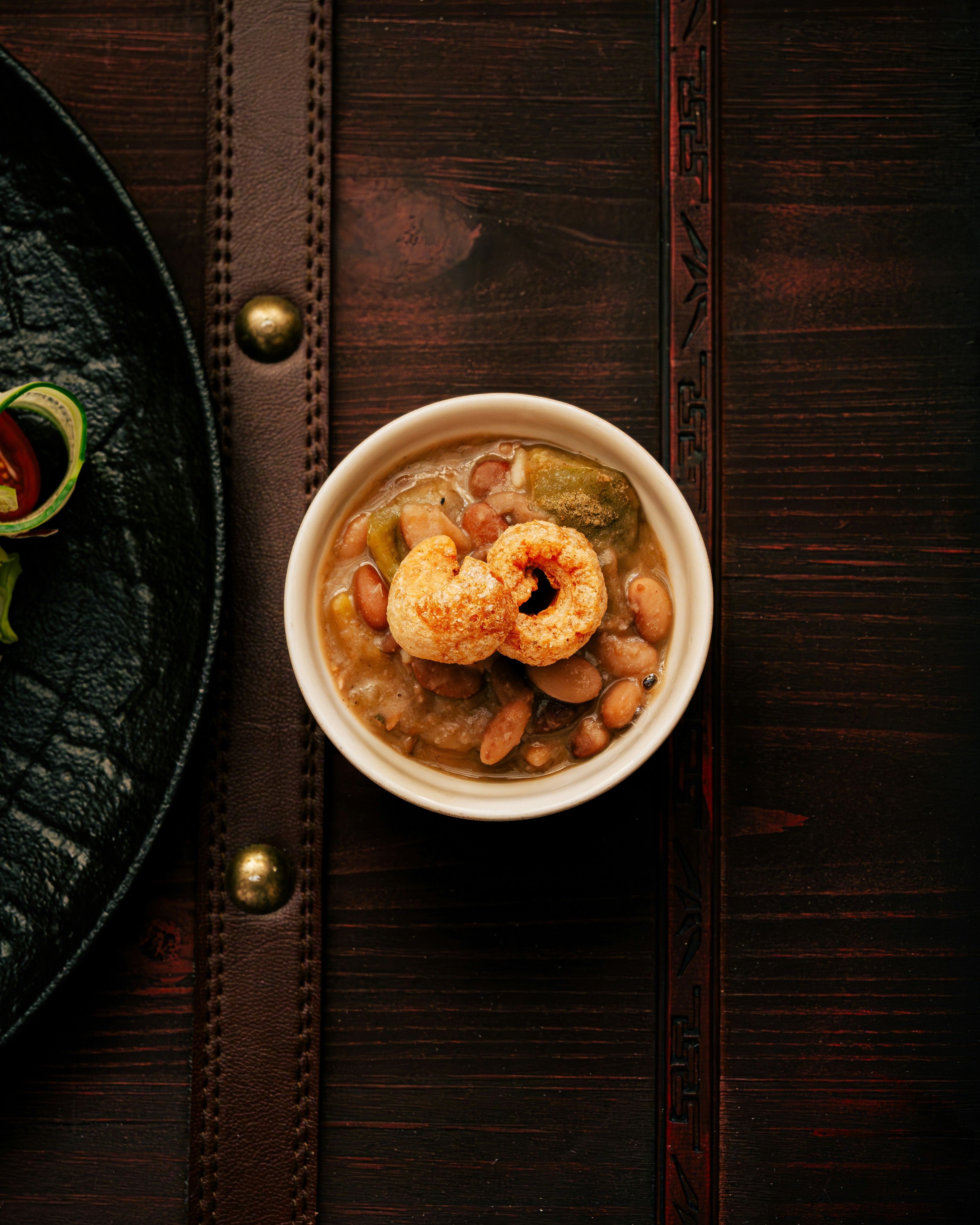
Introduction to Feijoada: The Soul of Brazilian Cuisine
Feijoada is more than just a culinary dish; it serves as a cultural emblem that symbolizes Brazil’s rich heritage and diverse culinary traditions. The origins of feijoada can be traced back to the early 19th century, where it is believed to have been influenced by Portuguese stew recipes and African culinary traditions. This fusion of flavors and techniques reflects the multifaceted nature of Brazilian history, showcasing a society shaped by various cultural backgrounds and regions.
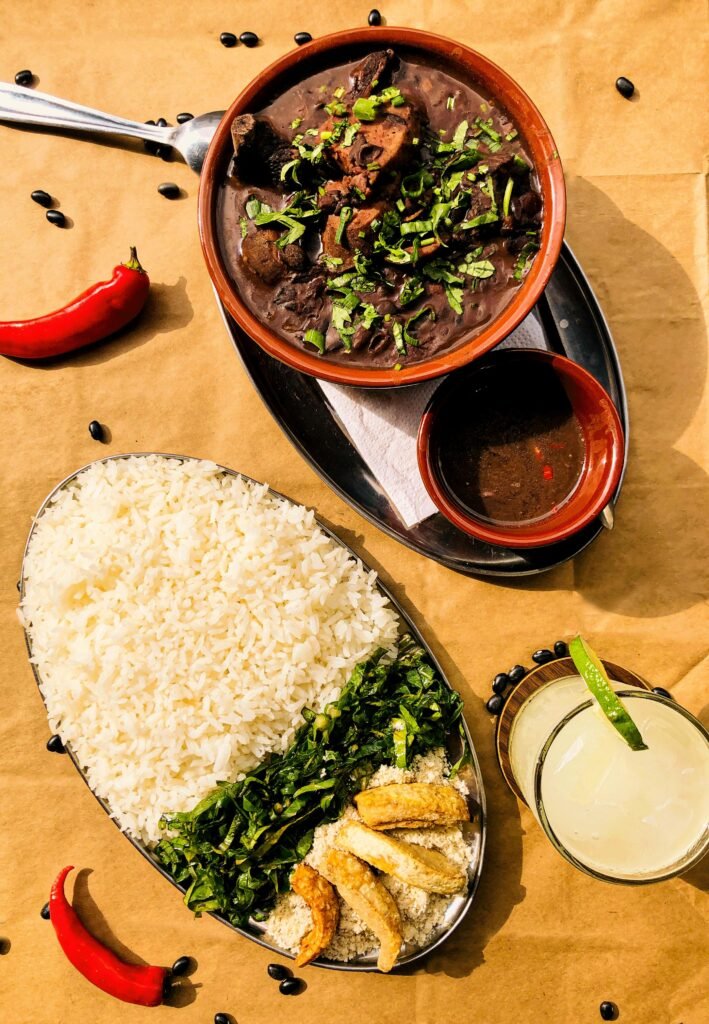
At its core, feijoada is a hearty stew primarily made with black beans and an assortment of salted pork or beef products. Its preparation often includes ingredients such as sausage, ribs, and smoked meats, all simmered to perfection. The amalgamation of these components not only results in a richly complex flavor profile but also embodies the spirit of community and celebration. Brazilian families frequently gather around the table to enjoy feijoada, fostering connections and togetherness with each hearty serving.
This national dish varies across different regions of Brazil, as local ingredients and cooking practices contribute to unique adaptations. In Rio de Janeiro, it is common to serve feijoada with accompaniments like rice, collard greens, and orange slices, each element playing a role in enhancing the overall dining experience. However, in the southern parts of Brazil, variations may lean more towards the use of different cuts of meat, demonstrating the versatility and regional diversity of this beloved dish.
Feijoada not only serves as a testament to Brazil’s culinary richness but also showcases its communal ethos. Whether enjoyed in a large family gathering or a casual dining setting, feijoada stands as a symbol of Brazil’s vibrant culture, celebrating its past while remaining a staple of contemporary cuisine. This dish invites both locals and visitors to partake in its flavors, reinforcing its place in the heart of Brazilian food culture.
Ingredients and Preparation: A Delectable Blend
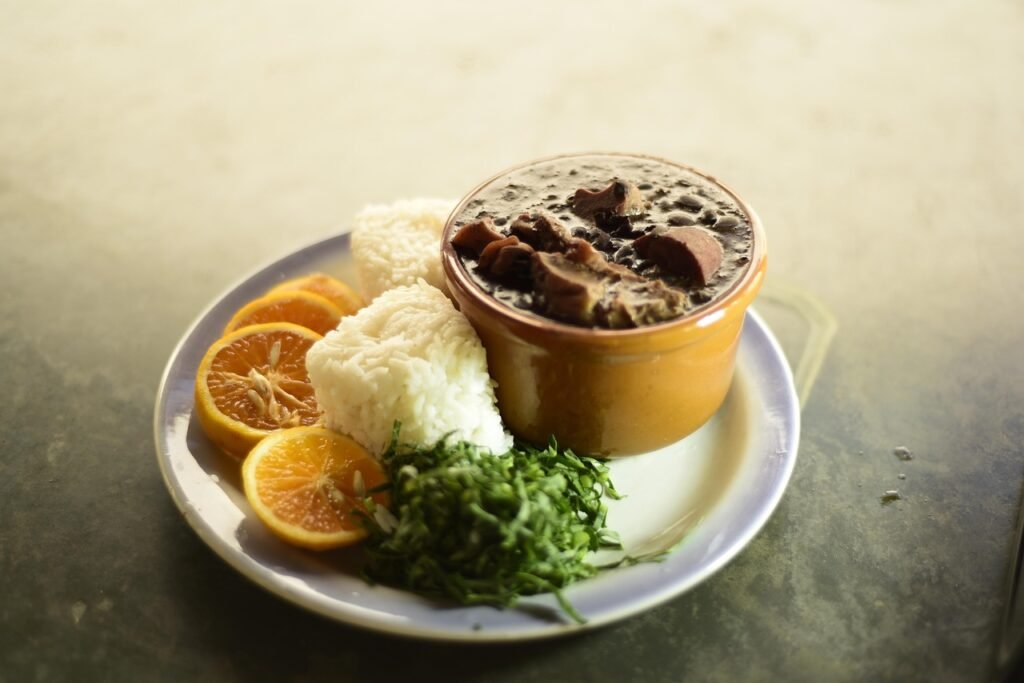
Feijoada, often considered the national dish of Brazil, is a savory stew that showcases a harmonious blend of flavors and ingredients. At its core, the dish relies heavily on black beans, which serve as the foundation. These beans provide a rich, earthy flavor, absorbing the essence of the various meats and spices used during cooking. Traditionally, a mix of meats is employed, including pork shoulder, bacon, and smoked sausage, each contributing unique textures and tastes. It is common to find additional proteins such as beef and even lamb in some regional variations, showcasing the flexibility of this beloved dish.
The preparation of feijoada is a meticulous process that emphasizes patience and care. Typically, the beans are soaked overnight to ensure a tender consistency. After the soaking, the meats are sautéed with aromatic ingredients such as garlic and onions, releasing deep flavors that permeate the dish. Following this, the beans are added to the pot, along with ample water or broth, and the mixture is allowed to simmer slowly. This slow-cooking method is crucial as it allows the flavors to marry and develop over several hours, resulting in a rich, hearty stew.
Regional variations of feijoada also play an important role in its culinary heritage. For instance, in Rio de Janeiro, the dish is commonly served with white rice, collard greens, and orange slices to balance the richness. In contrast, in the South of Brazil, variations may include different types of sausages, or even seafood, reflecting the diverse influences across the country. This adaptability not only highlights the dish’s versatility but also its importance as a communal meal that brings people together during gatherings and celebrations.
Tasting Experience: Flavors, Textures, and Pairings
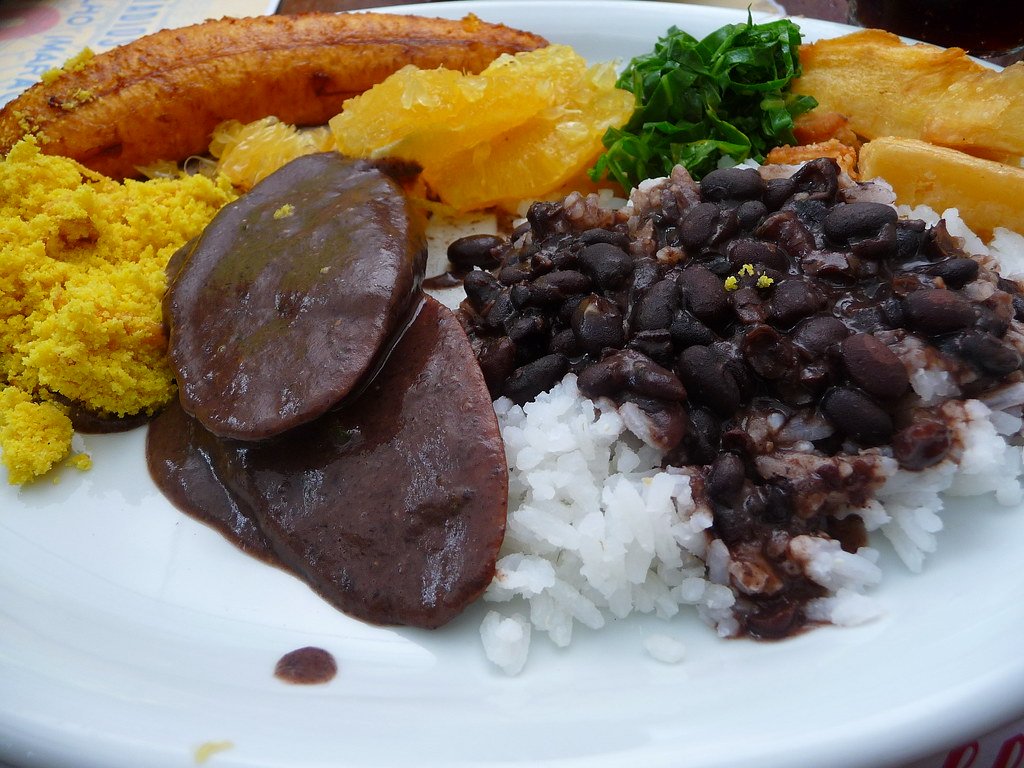
Feijoada, often celebrated as Brazil’s national dish, offers a complex tapestry of flavors and textures that tantalize the palate. The base of this stew is composed of black beans and a variety of meats, including pork, beef, and sausage, creating a harmonious blend that epitomizes savory and smoky notes. As one indulges in feijoada, the first bite reveals a rich, earthy flavor that is both comforting and satisfying. The cooking process allows the spices, particularly garlic, bay leaves, and cumin, to meld seamlessly, enhancing the dish’s overall aroma and depth.
The texture of feijoada is equally intriguing. The beans are tender yet retain their shape, while the meats become exquisitely succulent. Each spoonful offers a delightful contrast, where the creaminess of the beans complements the hearty, mouthwatering chunks of protein. This balance creates an engaging eating experience that invites diners to explore every aspect of the dish.
To maximize the tasting experience of feijoada, traditional accompaniments play a crucial role. Fluffy white rice acts as a neutral base, allowing the robust flavors of the stew to shine. Additionally, sautéed collard greens provide a slight bitterness that cuts through the richness, making for a well-rounded meal. Fresh orange slices, often served alongside, introduce a burst of citrus that brightens the palate and offsets the dish’s heavier elements. This combination not only adds a layer of freshness but also enhances the overall dining experience.
When it comes to beverages that pair well with feijoada, options such as a light lager or a fruity caipirinha are often recommended. The refreshing qualities of these drinks complement the hearty nature of the stew, providing a perfect balance that completes this iconic Brazilian meal. Ultimately, the tasting experience of feijoada is a celebration of flavors, textures, and thoughtful pairings, inviting both new and seasoned palates to indulge in its culinary richness.
Cultural Impact and Modern Interpretations
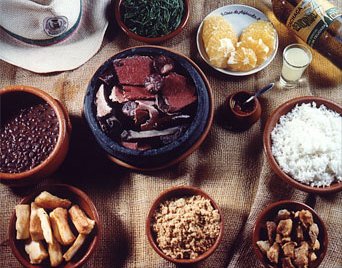
Feijoada is more than just a dish; it represents a rich tapestry of Brazilian culture and identity. This traditional stew of beans, pork, and beef has become a symbol of community and connection, embodying the spirit of togetherness that characterizes Brazilian society. Often enjoyed during significant festivities such as Carnival, feijoada serves as a central dish at family gatherings, reinforcing social bonds among loved ones. These celebrations highlight not only the culinary aspects of feijoada but also its role as a catalyst for communal interaction and cultural pride.
The culinary landscape has seen various modern interpretations of feijoada, as both seasoned chefs and home cooks seek to innovate while respecting the dish’s roots. Restaurants across Brazil and beyond have begun experimenting with diverse ingredients and presentation styles, creating unique versions that maintain the essence of the original while introducing new flavors. For instance, some contemporary recipes integrate elements such as quinoa or exotic spices, elevating feijoada into a gourmet experience. These adaptations illustrate the versatility of the dish, allowing it to appeal to a broader audience, including those who prioritize health-conscious eating or ingredient experimentation.
The globalization of cuisine has further amplified feijoada’s popularity, as it travels beyond Brazil’s borders. As people embrace international flavors, feijoada has started appearing on menus worldwide, symbolizing the growing appreciation for diverse culinary traditions. This phenomenon highlights how cultural exchange can lead to richer, more dynamic interpretations of traditional dishes. The blending of culinary practices fosters innovation while respecting the original cultural significance. Therefore, feijoada continues to evolve, showcasing its resilience and relevance in today’s globalized world.