
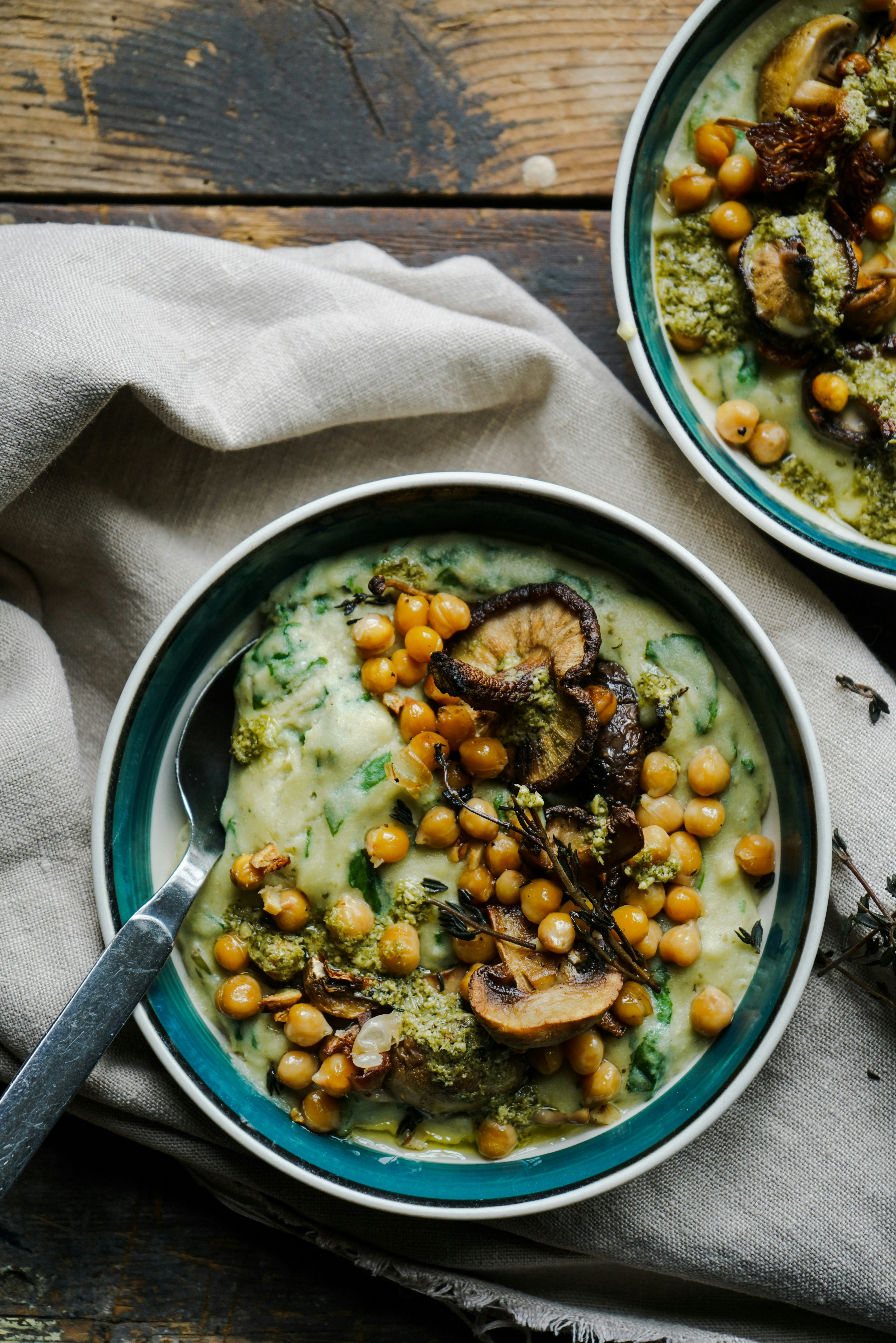
Introduction to Harira: A Symbol of Moroccan Culture
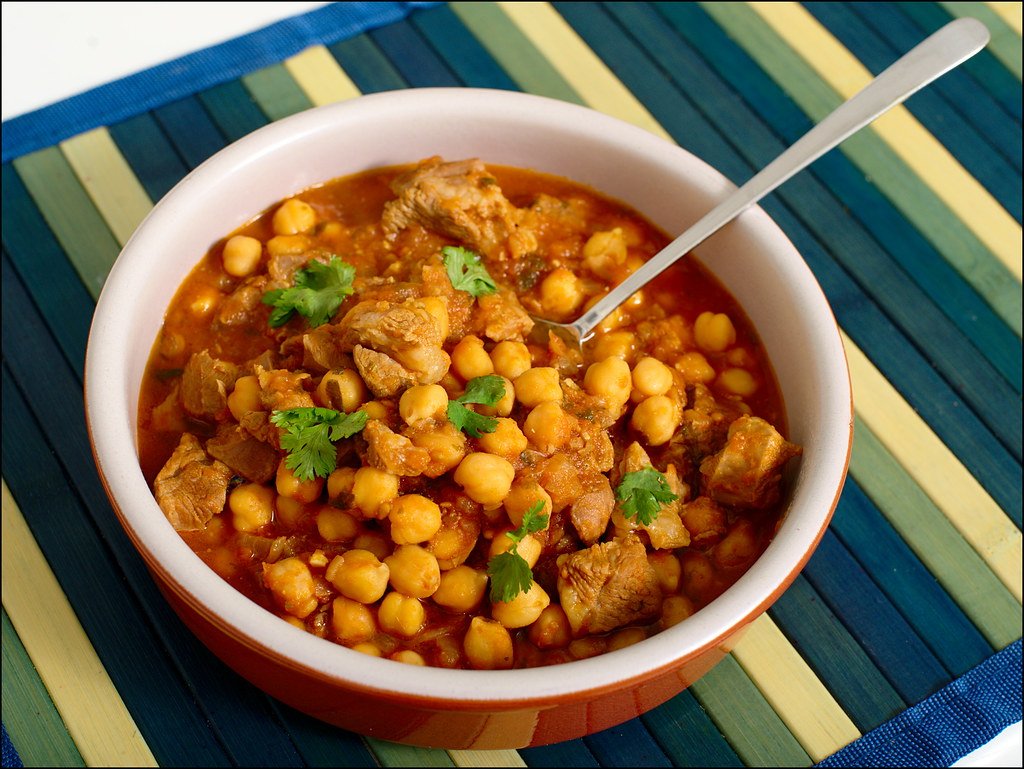
Harira is a traditional Moroccan soup that holds a significant place in the culinary landscape of Morocco and serves as a cultural emblem. Long celebrated for its rich flavors and diverse ingredients, Harira is particularly revered during the holy month of Ramadan. As Muslims around the world observe fasting from dawn until sunset, Harira emerges as a staple choice for breaking fast, offering nourishment and comfort after a day of abstinence. The ritual of consuming this hearty soup, often accompanied by dates and other delights, encapsulates both familial bonding and cultural heritage.
The origins of Harira are deeply embedded in Morocco’s intricate history, showcasing a blend of Berber and Arab culinary traditions. The Berbers, indigenous to North Africa, developed a cuisine that emphasized the use of locally sourced ingredients such as lentils, chickpeas, and various herbs. The Arab influence, introduced during the Islamic expansion, enriched this foundational soup with spices and flavorings, making Harira a telling symbol of Morocco’s multicultural identity. This fusion not only reflects the historical interactions between different cultures but also showcases the adaptability of local culinary practices to incorporate new influences.
Key Ingredients and Preparation Techniques
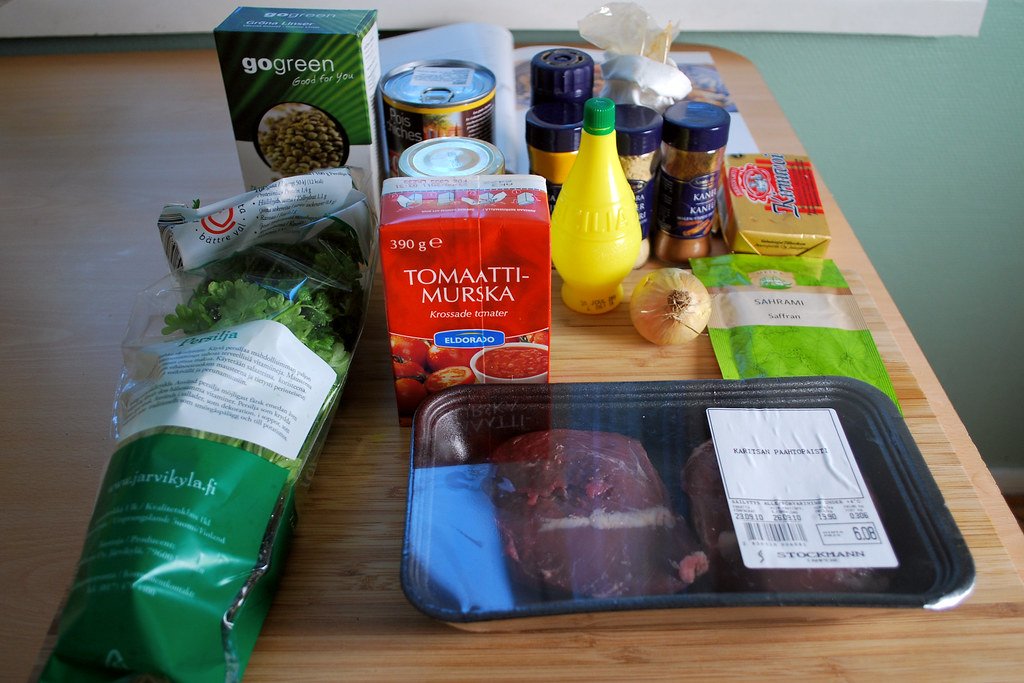
Harira, a traditional Moroccan soup, is renowned for its rich flavors and nutritional value, stemming from its carefully selected ingredients. The primary components of Harira include tomatoes, lentils, and chickpeas. Tomatoes provide a fresh, tangy flavor that serves as the base for the soup, often incorporated in both pureed and diced forms to achieve varying textures. Lentils, which are a staple in many Moroccan dishes, contribute to the soup’s heartiness and protein content, while chickpeas add a creamy richness that enhances the overall mouthfeel.
A distinctive feature of Harira is its intricate blend of spices, which typically includes cumin, coriander, turmeric, and cinnamon. This combination not only elevates the flavor profile but also reflects the deep culinary heritage of Morocco. The spices can be adjusted according to personal taste, allowing for a spectrum of flavors that cater to individual preferences. Additionally, fresh herbs such as parsley and cilantro are often added just before serving, providing a burst of freshness that balances the dish.
The preparation of Harira is equally important in creating its signature taste. Traditionally, the soup is slow-cooked to allow the ingredients to meld beautifully, resulting in a rich, aromatic dish that is comforting and satisfying. The simmering process enables the lentils and chickpeas to soften while absorbing the flavors from the spices and tomatoes, creating a harmonious blend. Moreover, variations of Harira exist, accommodating different dietary needs. For instance, a vegetarian version can exclude meat, while still maintaining depth through additional legumes and vegetables. Various types of meat, such as lamb or beef, can be added for those who prefer a heartier option. These adaptations ensure that Harira remains a beloved staple suitable for diverse palates and dietary preferences.
Flavor Profile and Culinary Experience
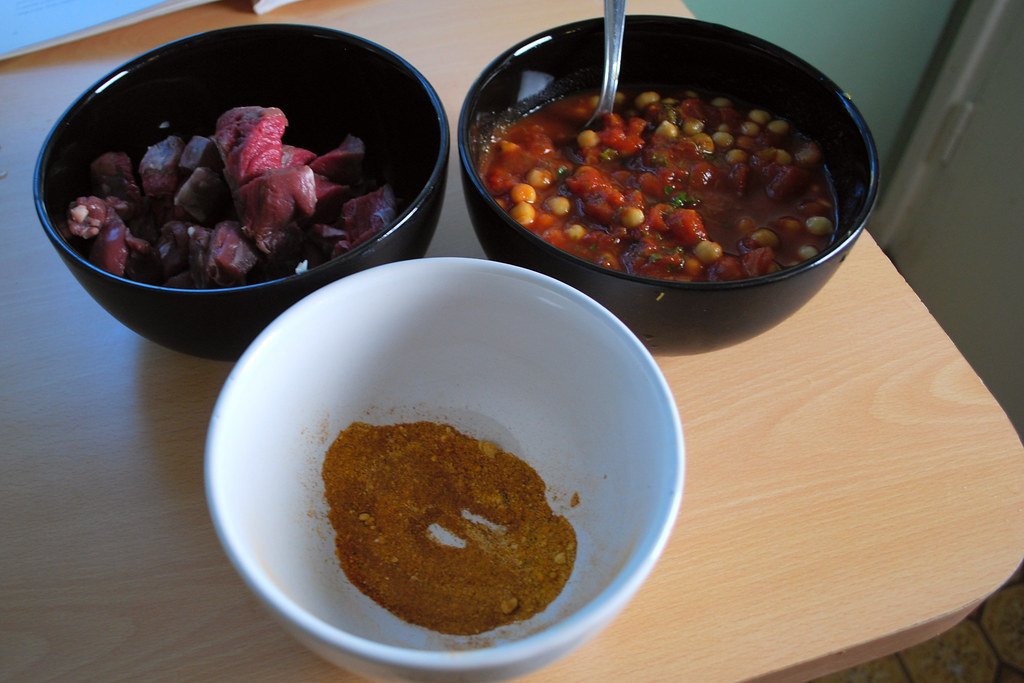
The flavor profile of Harira, a quintessential Moroccan soup, is a celebration of contrasting yet harmonious tastes that reflect the richness of Moroccan culinary traditions. At its core, Harira is characterized by a heartiness derived from key ingredients such as lentils, chickpeas, and tender pieces of meat, typically lamb or beef. This combination provides a substantial base that is both filling and nutritious. The addition of tomatoes introduces a subtle acidity, balancing the earthiness of the legumes and meat.
The real magic of Harira, however, lies in its intricate blend of spices, which include cumin, coriander, cinnamon, and ginger. These spices not only elevate the soup’s flavor but also impart a warm and comforting quality that is particularly inviting. Cumin offers a warm, nutty undertone, while cinnamon adds an unexpected sweetness that rounds out the savory notes. This complex layering of flavors makes each spoonful a delightful experience, both comforting and invigorating at once.
The texture of Harira is another significant aspect of its culinary appeal. The soup is thickened with flour or a roux, creating a velvety consistency that envelops the ingredients. Each component retains its integrity, allowing for a satisfying combination of textures with every bite. When served hot, the presentation often includes a garnish of fresh herbs such as cilantro or parsley, enhancing both the visual and aromatic aspects of the dish.
Traditionally, Harira is presented in a communal bowl, encouraging sharing and togetherness—a hallmark of Moroccan dining culture. The moment the dish is served, the aroma wafts through the air, beckoning those nearby to partake in this hearty meal. Such sensory experiences, combined with its rich flavors and inviting presentation, truly elevate Harira to a culinary delight steeped in tradition.
Harira in Context: Serving Traditions and Modern Adaptations
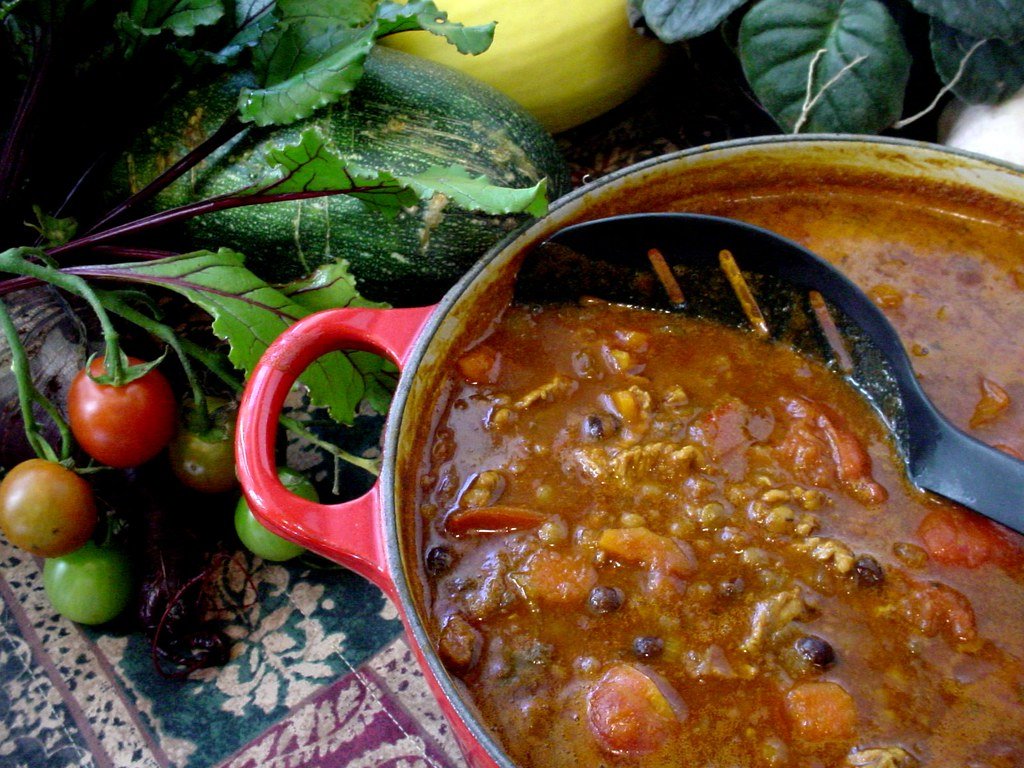
Harira, a rich and flavorful Moroccan soup, holds a significant place in the culinary and cultural fabric of Morocco. Traditionally served during the holy month of Ramadan, it is enjoyed as a nourishing meal to break the fast at sunset. The customary serving of Harira is often accompanied by dates and chebakia, a sweet pastry, offering a holistic culinary experience. This soup is not only a source of sustenance but also a vital element of family gatherings and special occasions, fostering a sense of community and celebration among those who partake in it.
Modern adaptations of Harira have emerged as kitchens around the world diversify and innovate. In today’s fast-paced society, many people lean towards rapid cooking methods, such as pressure cooking or slow cookers, which significantly reduce the time needed to prepare this traditional dish. Additionally, contemporary cooks often seek to accommodate various dietary preferences by exploring alternative ingredients. For instance, some may substitute lentils for chickpeas or include a larger variety of vegetables, thus adjusting the flavor and texture while still honoring Harira’s essence.
Furthermore, the accessibility of global spices has allowed home chefs to experiment with unconventional flavors, making this traditional recipe fit within modern culinary trends. Heritage does not relinquish its grip as families continue to cherish the ritual of sharing Harira during gatherings, reinforcing bonds among loved ones. Each bowl of Harira signifies not just a meal, but a celebration of Moroccan culture, hospitality, and togetherness that transcends generations. Ultimately, Harira represents a blend of tradition and innovation, showcasing its ability to adapt while remaining a timeless dish cherished by many.