
- Introduction to Barmbrack
- Historical Origins of Barmbrack
- Cultural Significance and Traditions
- Unique Flavors and Textures
- Visual Appeal and Plating Techniques
- Variations of Barmbrack Around Ireland
- Pairing Suggestions for Barmbrack
- Homemade vs. Store-bought Barmbrack
- Conclusion: The Timeless Appeal of Barmbrack
Introduction to Barmbrack
Irish Barmbrack, also known as “Bairín Breac,” is a traditional fruit bread that holds a special place in the hearts of many throughout Ireland. Primarily associated with Halloween, this delectable treat is not only a culinary delight but also a significant cultural symbol imbued with rich history and age-old traditions. Barmbrack is made from a yeast-leavened dough that is often enhanced with a variety of dried fruits such as raisins, sultanas, and candied peel, resulting in a sweet, moist bread that has captured the affection of many.
What sets Barmbrack apart from other breads is its unique incorporation of seasonal flavors and the customs that surround its consumption. Traditionally enjoyed on Halloween night, it is customary to include small objects within the loaf, each bearing its own significance and fortune for the coming year. These items often include a ring, a coin, or a piece of cloth, and they serve as an integral part of Halloween festivities in many Irish households. The anticipation of discovering these items while cutting into the Barmbrack adds an element of excitement to the experience, reinforcing its role in festive celebrations.
Barmbrack’s connection to Irish culture extends beyond its flavors and textures. It serves as a reminder of communal gatherings, shared joys, and the passing down of traditions across generations. The act of baking and consuming this bread is steeped in folklore and rituals, emphasizing the importance of seasonal celebrations in Irish society. As we delve deeper into the history, flavor profiles, and enduring significance of Barmbrack, it becomes clear that this traditional Irish fruit bread embodies much more than a simple recipe; it represents a cherished part of Ireland’s cultural heritage.
Historical Origins of Barmbrack
Barmbrack, a traditional Irish fruit loaf, traces its origins back to ancient Ireland, where it was initially known as “bairín breac,” meaning ‘speckled bread’ in Irish. This dish has profound historical significance, as its roots can be linked to the Celtic festival of Samhain, which marks the end of the harvest season and the beginning of winter. During Samhain, the bread was prepared as an offering, symbolizing the connection between the living and the spirit world.
As the centuries progressed, Barmbrack evolved into a staple at various festivities, particularly during the autumn months. The practice of using Barmbrack for fortune-telling became prominent over time. Traditionally, various items, each with a specific meaning, would be hidden within the loaf. For example, a ring signified impending marriage, while a coin indicated wealth. This practice solidified Barmbrack’s association with Halloween, allowing it to transition from being a simple bread to a celebratory item rich with symbolism.
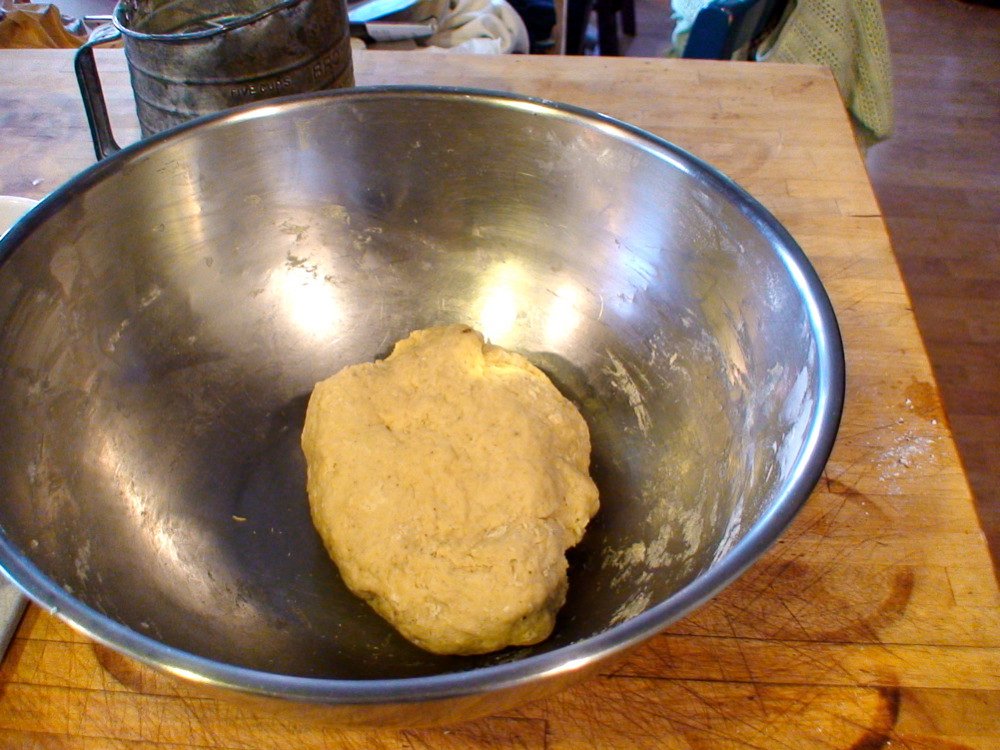
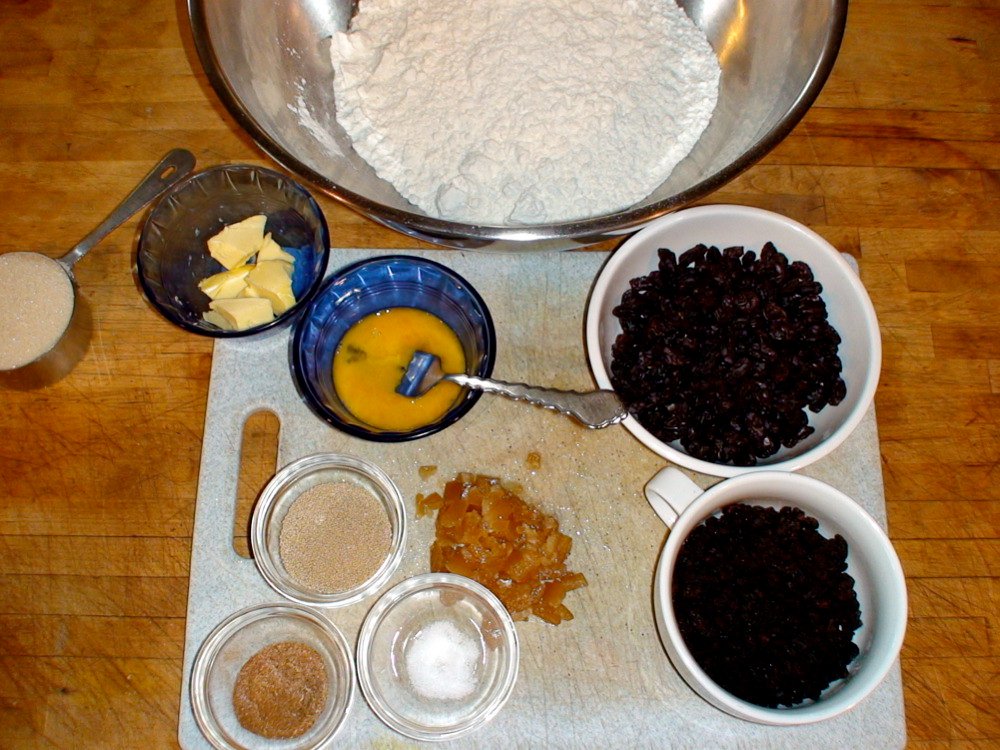
Over the years, the recipe for Barmbrack has transformed significantly. Originally, the loaf was made with a basic mixture of flour, water, and yeast, emphasizing simplicity. However, as trade introduced new ingredients, such as dried fruits, spices, and sugar, Barmbrack began to reflect the evolving palate of the Irish. The incorporation of sultanas, raisins, and currants eventually became the hallmark of the modern Barmbrack, contributing to its beloved sweet flavor.
Today, Barmbrack is not only a symbol of Irish heritage but also a delicious embodiment of the country’s agricultural bounty. Its historical roots remind us of a time when food played a pivotal role in cultural traditions and community bonding. Understanding Barmbrack’s journey enriches our appreciation for this treasured bread, making it a notable focus of both culinary and historical exploration in contemporary Ireland.
Cultural Significance and Traditions
Barmbrack, a fruit-studded bread, serves not only as a culinary delight in Ireland but also embodies rich cultural traditions, particularly during Halloween. Its name derived from the Irish word ‘Bairín Breac’, meaning ‘speckled loaf’, reflects its distinct appearance and the various ingredients it contains. While enjoyed year-round, Barmbrack holds special cultural significance during the Halloween season, where it has transformed into a symbolic part of Irish heritage.
The most notable tradition associated with Barmbrack involves the inclusion of hidden items within the loaf. Traditionally, these items consist of a ring, a coin, a thimble, and a piece of fabric, each bearing a unique meaning. For instance, the ring signifies future marriage, while the coin symbolizes wealth and prosperity. The thimble denotes spinsterhood, and the piece of fabric represents a life of poverty. Families would gather around the table, slicing up the Barmbrack in anticipation of discovering their fortunes, creating a lively atmosphere filled with excitement and folklore.
Barmbrack also plays a vital role in communal gatherings, fostering connections among friends and family. During Halloween, it is customary for people to share this festive bread with neighbors, symbolizing togetherness and hospitality. Beyond its delightful taste, Barmbrack enhances communal celebrations, bringing people together to reminisce about the significance of the hidden symbols and the stories that accompany them.
In essence, Barmbrack is more than just a traditional bread; it encapsulates the heart of Irish culture, offering a unique glimpse into the customs and values of the community. Its integration into Halloween festivities illustrates how food can be a powerful medium for conveying cultural stories and traditions, maintaining a vibrant connection with Ireland’s rich heritage.
Unique Flavors and Textures
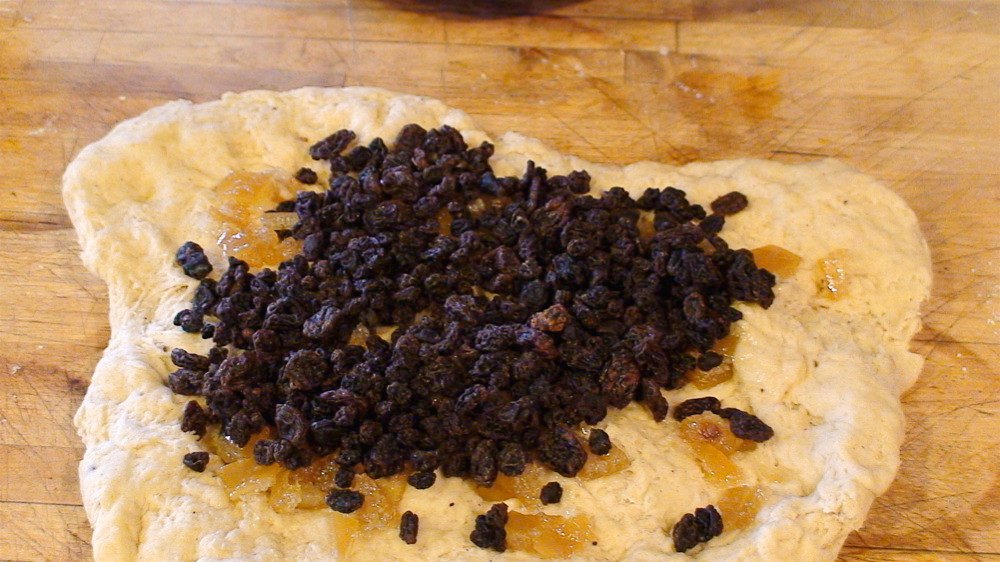
Barmbrack, an Irish bread with deep cultural significance, offers a sensory experience that excites both the palate and nose. The traditional recipe incorporates a medley of dried fruits, such as sultanas and raisins, which impart a natural sweetness to the bread. Each bite reveals the nuanced interplay of flavors where the fruitiness melds seamlessly with subtle notes of warm spices like cinnamon and nutmeg, enhancing its overall taste profile. The addition of these spices not only elevates the flavor but also adds an aromatic dimension, filling the air with a wholesome, inviting scent that will draw you in.
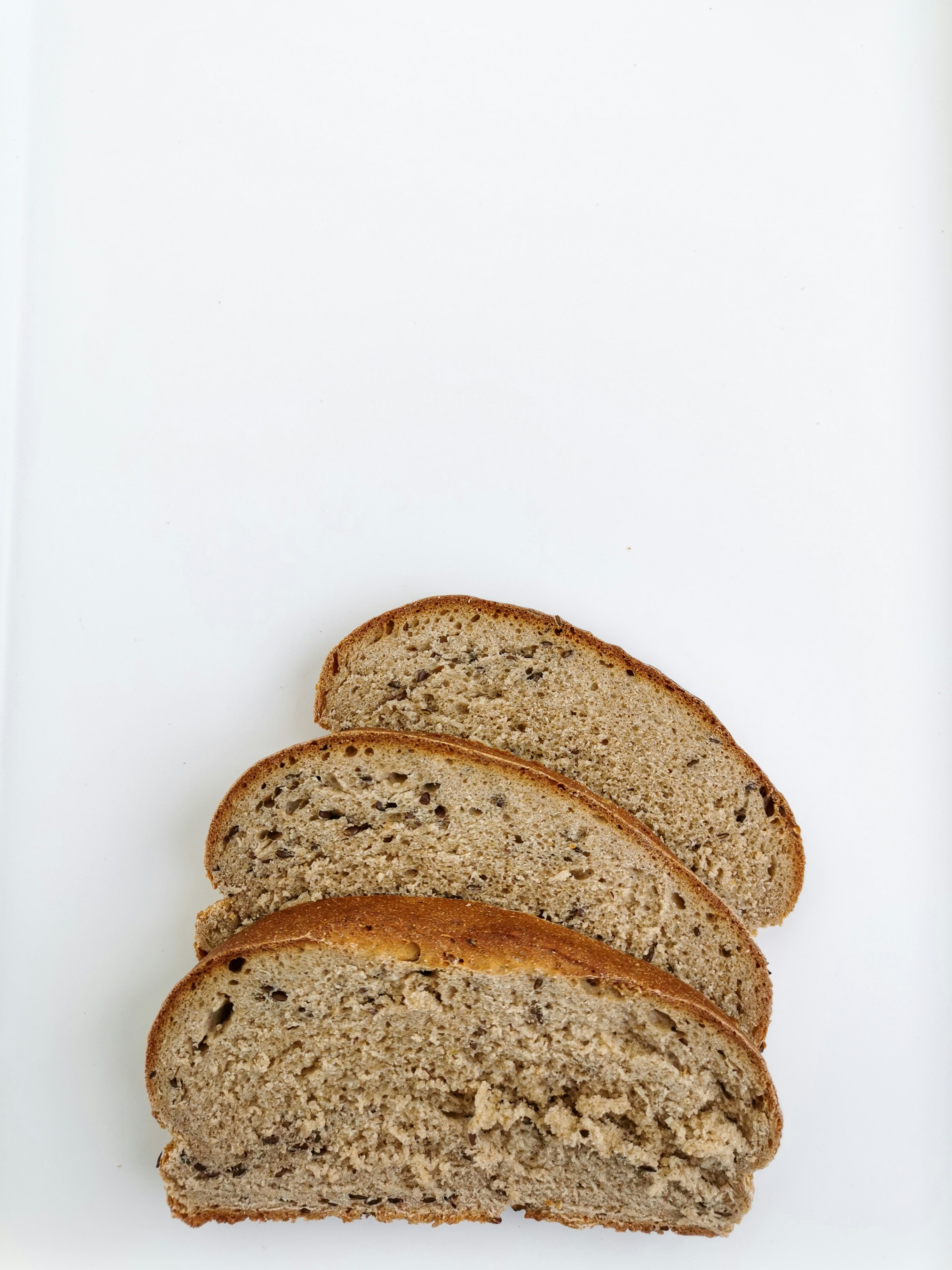
Once you take a slice of Barmbrack, it becomes apparent that the bread possesses a unique textural contrast. The moist, soft interior is complemented by a slightly chewy crust, which adds an interesting element to the overall sensory experience. The moisture from the fruit ensures that the inside remains tender, making each bite soothingly lush. This harmonious balance between the tender, sweet center and the firmer exterior creates a delightful mouthfeel that enhances enjoyment.
Furthermore, the dough itself contributes significantly to Barmbrack’s appeal. Made from a basic dough that is enriched with milk and butter, it serves as a comforting foundation that carries the more vibrant elements, such as the dried fruits and spices. The resulting bread is not just a simple loaf but a complex culinary experience where each flavor and texture performs its role well. Together, these aspects create a well-rounded product that embodies tradition while satisfying modern tastes. When savoring a piece of Barmbrack, one can appreciate the depth of flavors and textures, making it a truly unique aspect of Irish heritage.
Visual Appeal and Plating Techniques
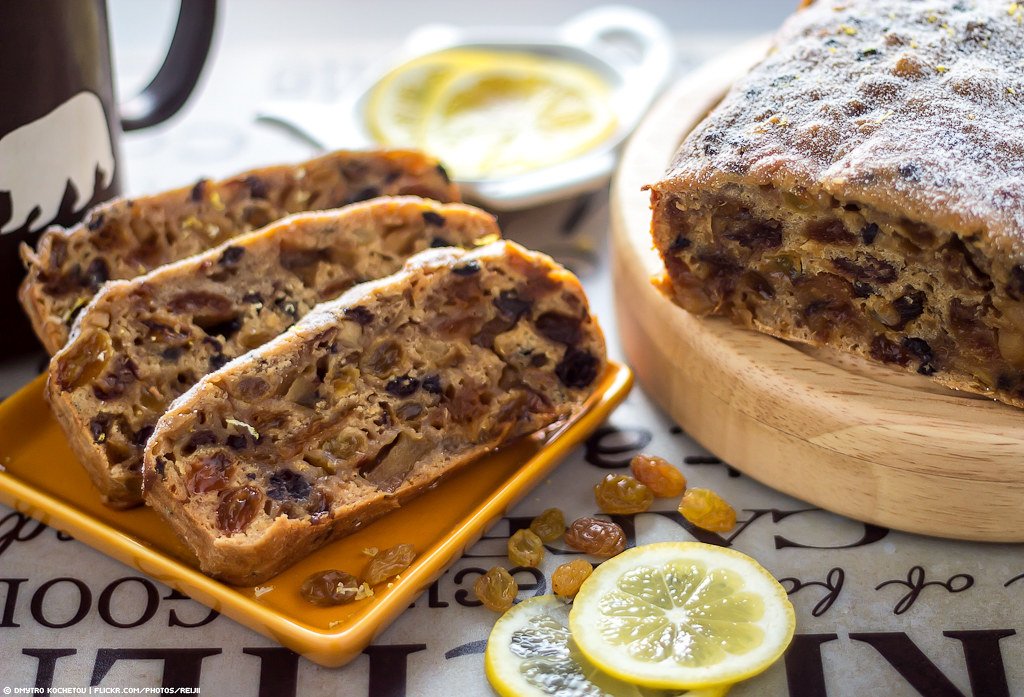
The visual appeal of Irish Barmbrack is one of its most striking characteristics, captivating both the eye and the palate. This traditional baked good is typically presented with a delightful golden-brown crust, inviting users to cut into its soft interior. The texture contrasts between the crisp crust and the moist, tender bread are complemented by the vibrant bursts of color from the assorted fruits embedded within. These fruits, which often include raisins, sultanas, and currants, peek through the surface, creating an inviting and festive appearance that reflects the spirit of its cultural significance.
Plating techniques play a vital role in elevating Barmbrack from a simple treat to an attractive dessert fit for any occasion. When serving this dish, presentation should be carefully considered to enhance its appeal. One effective method is to slice the Barmbrack into even portions, revealing the beautiful arrangement of fruits within each slice. This not only showcases the colorful hints of fruit but also encourages diners to indulge in this delightful treat.
To further enhance the overall presentation, one may consider using garnishes such as a dusting of powdered sugar on top of the Barmbrack, which creates a delicate, visually pleasing contrast against the golden crust. Fresh fruits, like sliced oranges or berries, can be placed alongside the Barmbrack on the plate, further brightening the dish and adding an additional textural element. Additionally, a dollop of whipped cream or a side of sweet butter can elevate the indulgence factor while maintaining the rustic charm of this traditional bread.
By employing thoughtful plating techniques and embracing the inherent visual allure of Barmbrack, one can create a memorable dining experience that highlights this cherished Irish tradition.
Variations of Barmbrack Around Ireland
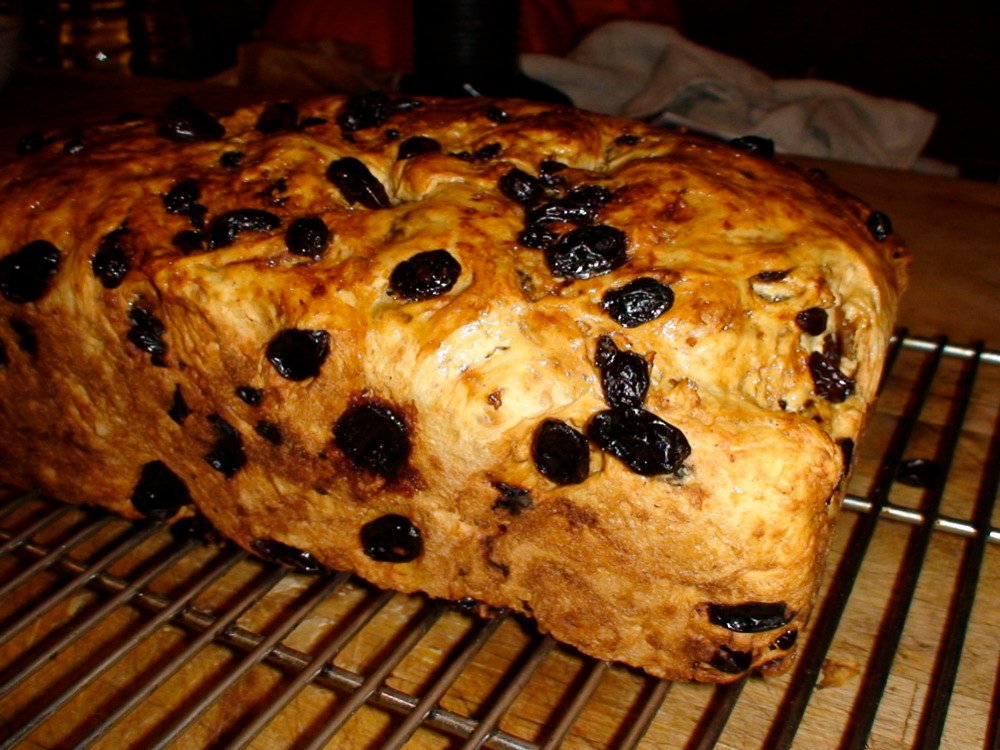
Barmbrack, the beloved traditional Irish bread, exhibits remarkable diversity across various regions of Ireland. While it fundamentally consists of a sweet, spiced bread enriched with dried fruits, the specific ingredients and preparation methods can differ significantly, revealing the regional tastes and baking practices unique to each area. In County Dublin, for instance, bakers often incorporate a blend of both sultanas and currants along with a hint of citrus zest, enhancing the barmbrack with a layer of freshness. This variation serves as a testament to the innovative twists that local traditions impart on this classic recipe.
Moving towards the west, County Galway boasts its own unique take on barmbrack, where bakers sometimes include a splash of Irish whiskey in the dough. The addition of whiskey not only amplifies the flavor but also ties the barmbrack to the rich heritage of Irish distilling. Such alterations in recipes, while maintaining the essence of barmbrack, illuminate how local culture can influence culinary practices and preferences throughout the country.
In contrast, Northern Ireland’s approach to barmbrack may involve the use of various nuts, further enriching the bread’s texture and depth of flavor. In some rural areas, bakers have taken the liberty of incorporating spices such as nutmeg and allspice, which impart a different aromatic profile. These regional variations exemplify the adaptability and creativity found in the baking tradition of barmbrack, allowing each community to leave its unique imprint on this cherished dish.
Ultimately, regardless of the regional specifics, traditional barmbrack holds a special place in Irish culture, frequently enjoyed during festivities, particularly around Halloween. Each version tells a story, reflecting the local flavors and communal bonds that define the rich tapestry of Ireland’s gastronomy.
Pairing Suggestions for Barmbrack
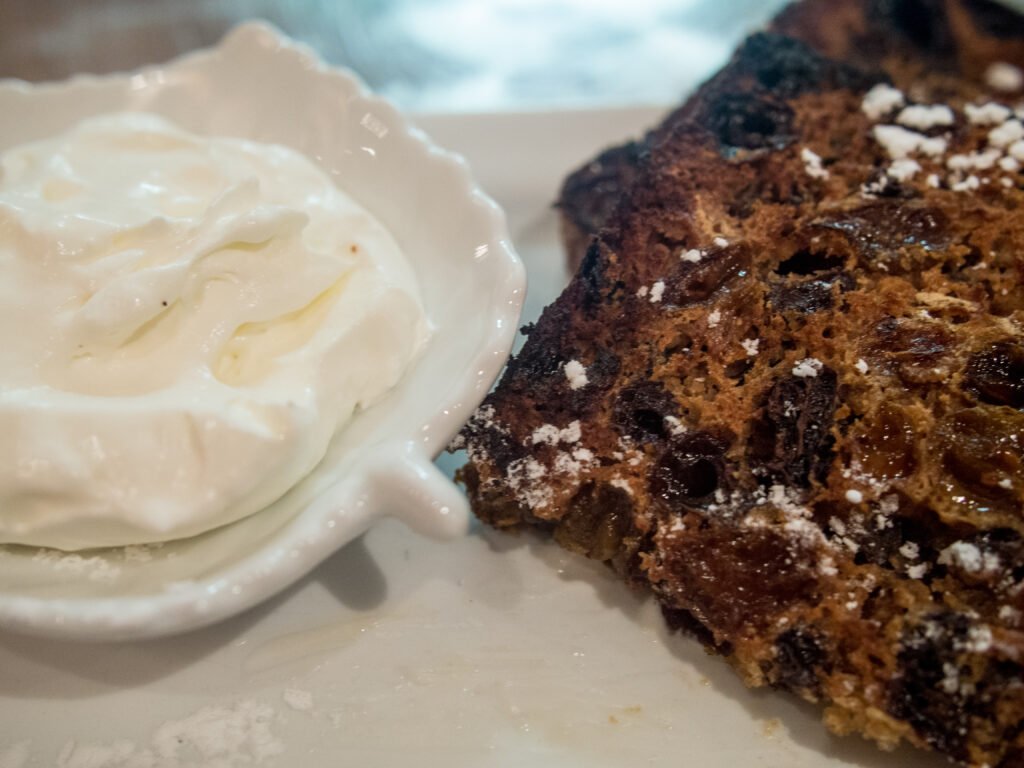
When it comes to enjoying Irish Barmbrack, the right accompaniments and beverages can elevate the experience, complementing the bread’s sweet and fruity notes. Traditionally, Barmbrack is often paired with a cup of tea. The classic Irish breakfast tea, with its robust flavor profile, serves as an excellent counterpart to the dense and sweet qualities of Barmbrack. The tannins in black tea enhance the richness of the bread while providing a refreshing contrast to its sweetness.
For those who prefer a lighter beverage, green tea can also be an excellent choice. Its subtle flavors and antioxidant properties balance well with the sugary content of Barmbrack and can help cleanse the palate, allowing the flavors of the bread to shine through. When exploring coffee options, a medium-roasted brew can complement the richness of Barmbrack without overpowering its delicate sweetness. A latte, with its creamy texture, may also work well, providing a smooth backdrop to the fruitiness of the bread.
In terms of accompaniments, traditional spreads such as butter and fruit preserves can enhance the overall taste of Barmbrack. A light spread of salted butter adds a rich, creamy texture that not only enhances flavor but also creates a delightful mouthfeel. For a fruitier option, a dollop of orange marmalade or berry preserves can amplify the bread’s fruity undertones, seamlessly blending the flavors. Additionally, a side of fresh fruit, such as slices of apple or pear, can provide a refreshing crunch that complements the softness of the Barmbrack. Overall, these pairing suggestions ensure a fulfilling gastronomic experience while enjoying this beloved Irish treat.
Homemade vs. Store-bought Barmbrack
When it comes to enjoying the traditional Irish Barmbrack, one significant decision arises: should one opt for homemade or store-bought varieties? Each option presents distinct advantages and drawbacks that cater to different preferences and lifestyles. Understanding these can enhance one’s culinary experience while honoring the rich heritage associated with this delightful bread.
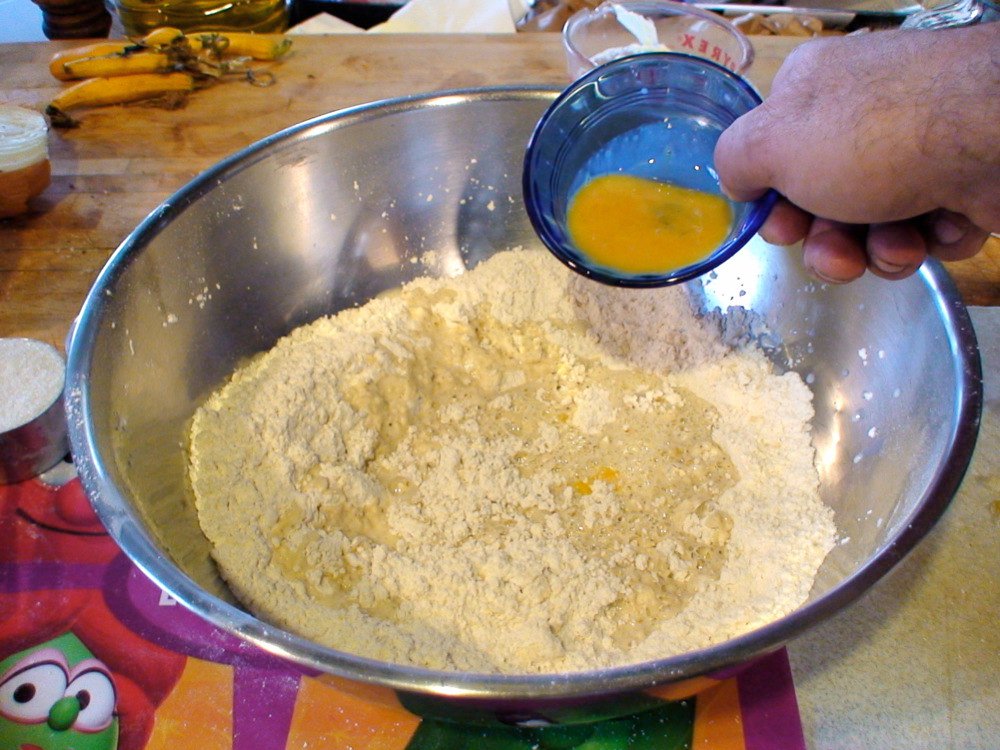
Homemade Barmbrack allows for a personal touch that store-bought versions often cannot replicate. The experience of mixing, kneading, and baking the bread serves as a creative outlet for many, enabling individuals to infuse their unique preferences into the recipe. From selecting specific dried fruits to adjusting spice levels, cooking at home invites customization. Additionally, baking Barmbrack creates an aromatic experience that fills the kitchen with the scents of cinnamon and rich molasses, adding nostalgia and warmth to the ambiance. However, the process requires time and effort, which may be a significant drawback for those leading busy lives.
On the other hand, purchasing Barmbrack from a bakery offers convenience that homemade bread cannot match. With the fast-paced nature of modern life, grabbing a loaf from a local vendor eliminates the need for preparation and allows individuals to enjoy this traditional bread without the effort of baking. Moreover, many skilled bakers use high-quality ingredients and follow traditional recipes that can yield results appealing to the palate. However, while store-bought Barmbrack offers convenience, it may lack the personal touch and nuanced flavor profiles achieved when making the bread at home.
In encouraging readers to try their hand at baking, it is essential to consider the rewarding experience it brings. Both homemade and store-bought Barmbrack have their distinct charms, allowing individuals to choose their own culinary adventure.
Conclusion: The Timeless Appeal of Barmbrack
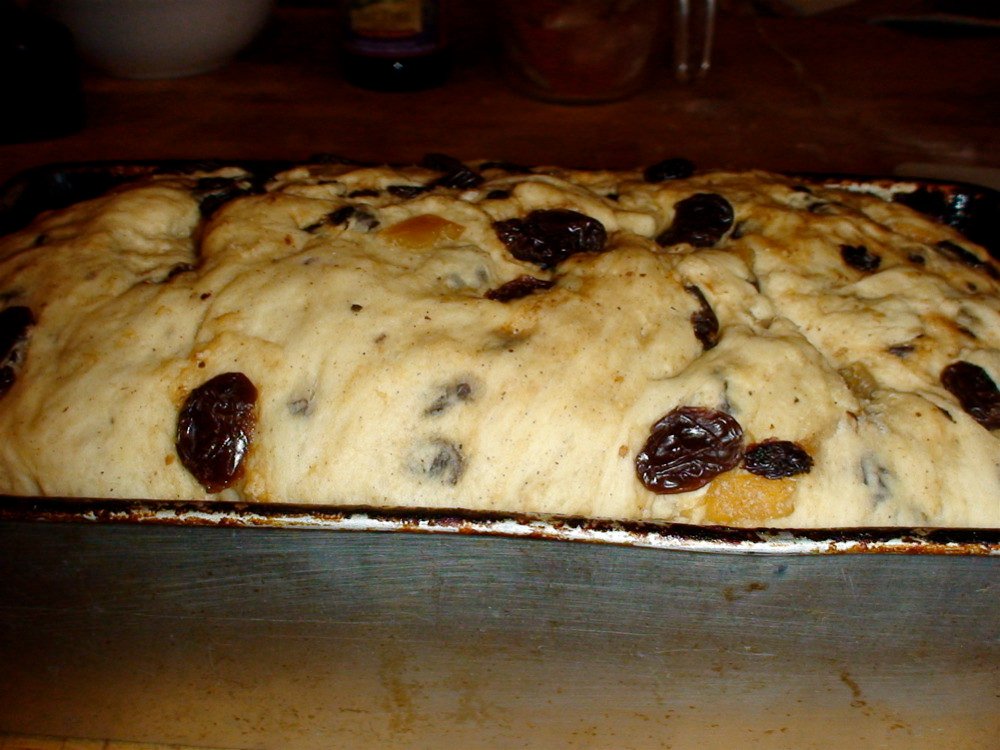
Irish Barmbrack holds a distinctive place within the tapestry of Irish culture, representing not just a delicious baked good, but a profound symbol of tradition and togetherness. This traditional bread, enriched with dried fruits and spices, is often recognized for its unique significance during Halloween celebrations, where it is customarily served with an array of charms tucked within. Each charm, which includes a ring or a coin, carries its own meaning and adds a layer of excitement and mystique. This practice encapsulates the spirit of anticipation and joy that surrounds the sharing of Barmbrack.
In contemporary Irish society, Barmbrack transcends its seasonal roots to become a cherished element in various festivities and gatherings. Families and friends come together, often reminiscing about past experiences while savoring each slice of this traditional bread. Whether enjoyed with a cup of tea on a chilly autumn day or as a highlight during a festive celebration, Barmbrack encourages a sense of community. This shared culinary experience fosters bonds and enhances the joyful atmosphere, showcasing the bread’s enduring legacy.
The craft of making Barmbrack has also seen a revival, with many contemporary bakers honoring traditional recipes while experimenting with new ingredients and flavors. This balance of honoring tradition while embracing innovation ensures that Barmbrack remains relevant in modern culinary practices. As such, its timeless appeal illustrates the adaptability and resilience of cultural foods, bridging generations and creating timeless memories. Through the act of sharing Barmbrack, families and friends participate in a tradition that not only nourishes the body but also strengthens their connection to one another, ensuring that this beloved bread will indeed endure for years to come.