
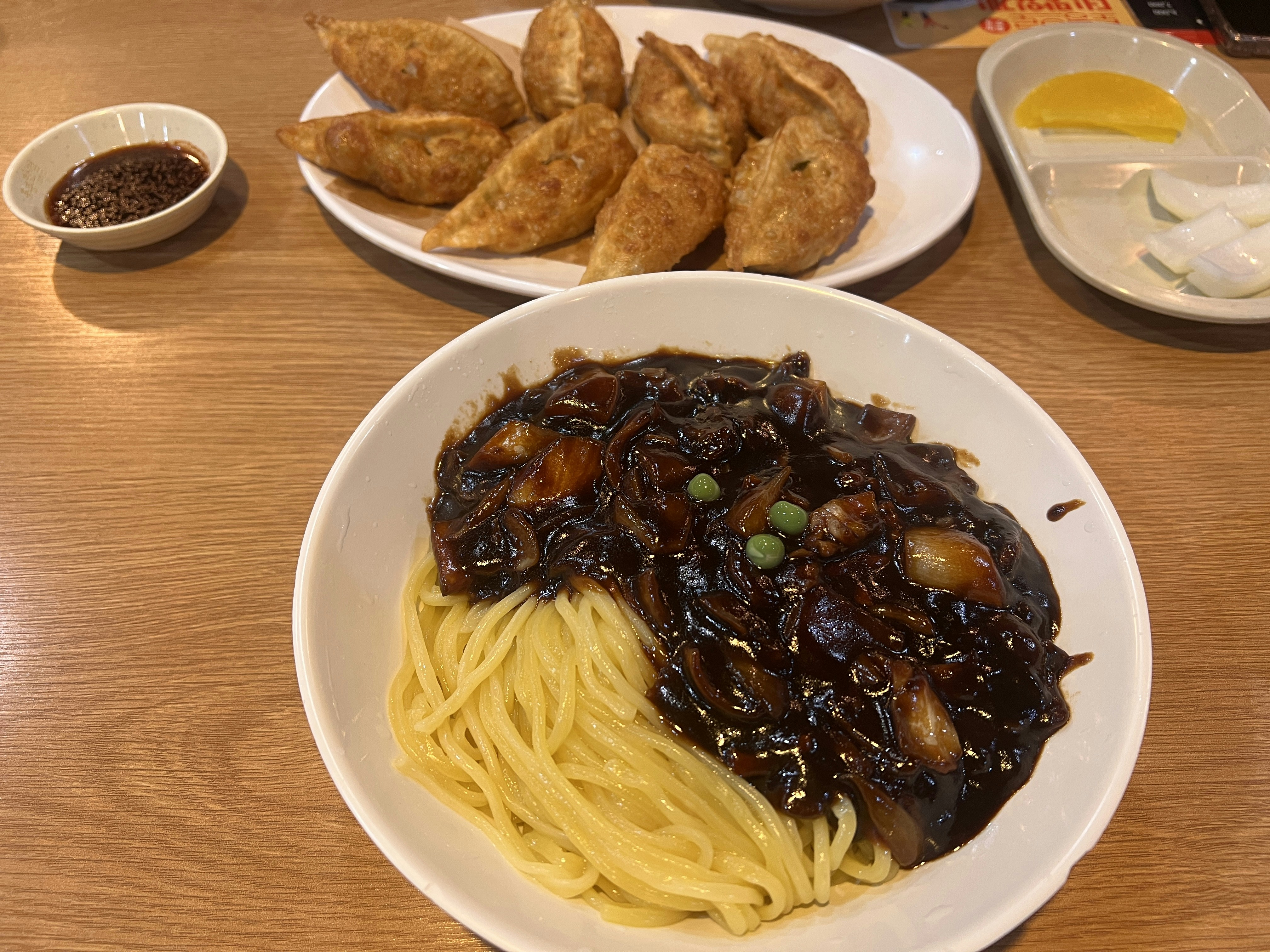
Introduction to Jajangmyeon
Jajangmyeon, a popular dish in Korean-Chinese cuisine, serves as an excellent example of cultural blending through culinary practices. With roots traced back to the late 19th and early 20th centuries, jajangmyeon emerged as Chinese immigrants settled in Korea, bringing with them distinctive flavors and cooking techniques. This dish has evolved over time, intertwining traditional Chinese influences with local Korean adaptations, making it a cherished staple in many households.
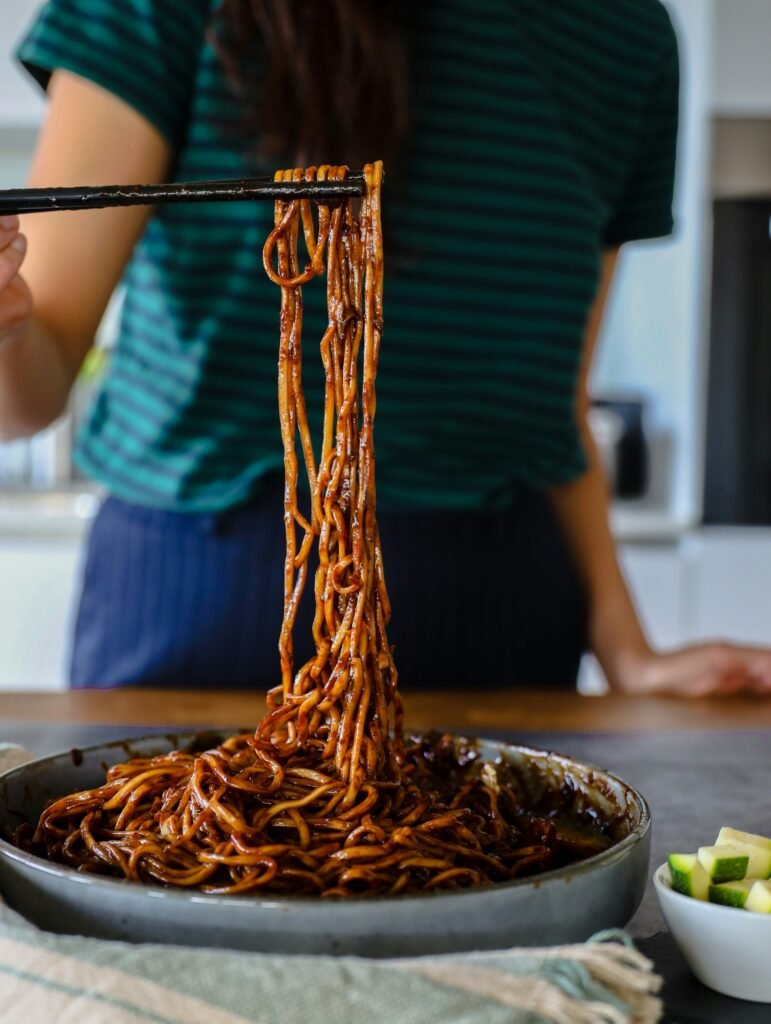
The primary components of jajangmyeon include wheat noodles, which provide a chewy texture that contrasts beautifully with the robust flavors of the sauce. The defining element of this dish is the black bean paste, known as chunjang, which imparts a deep umami flavor and a characteristic dark hue. Fresh vegetables such as onions, zucchini, and potatoes are typically included, offering a pleasant crunch and enhancing the overall nutritional profile. Some variations may also incorporate proteins like pork or seafood, catering to diverse palates.
Jajangmyeon holds a prominent place in Korean culture, often celebrated during special occasions, such as birthdays and festive gatherings. It is seen not only as a delicious meal but also as a symbol of happiness and prosperity. Many families have adopted the custom of consuming jajangmyeon on Black Day, celebrated on April 14, to commemorate singles who did not receive gifts on Valentine’s Day or White Day.
This dish has successfully permeated both everyday dining and celebratory meals, illustrating its versatile nature and widespread appeal. As we delve deeper into its history and preparation, we will uncover how jajangmyeon continues to captivate people of all ages with its unique flavors and rich cultural significance.
Exploring Flavors and Textures
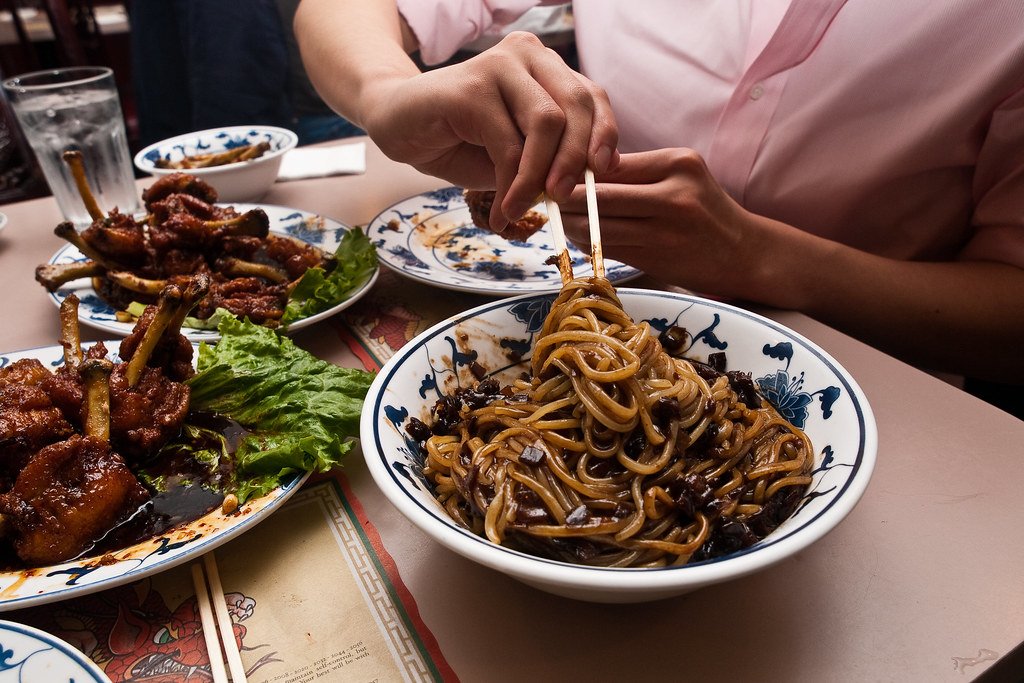
Jajangmyeon, a popular Korean noodle dish, offers a delightful combination of flavors and textures that contribute to its widespread appeal. At the heart of jajangmyeon is the fermented black bean sauce, known as chunjang, which provides a rich, savory flavor that is both deep and slightly sweet. The umami notes from the fermented beans create a complex taste profile that is both satisfying and comforting. This distinct sauce serves as the centerpiece of the dish, coating each strand of the chewy wheat noodles, allowing them to absorb the bold flavors that define jajangmyeon.
The texture of the noodles plays a significant role in the overall eating experience. Typically, the noodles used in jajangmyeon are thicker and chewier than standard pasta, providing a satisfying bite that contrasts beautifully with the sauce. The consistency of the noodles, combined with the thickness of the black bean sauce, results in a harmonious blend that enhances the enjoyment of every mouthful. The addition of fresh vegetables, such as crisp cucumber and sweet onion, introduces layers of texture and freshness, offering a crunchy counterpoint to the rich, silky sauce.
Preparation methods vary, leading to distinctive renditions of the dish. Some prefer the traditional approach, where the black bean sauce is stir-fried with diced pork and vegetables before being mixed with the noodles. This often results in a slightly caramelized flavor that further elevates the dish. Others may opt for quick, homemade versions, simplifying the process and allowing for personalization in ingredient selection. No matter the method, the interplay of flavors and textures remains a constant, making jajangmyeon a beloved comfort food among those who savor its unique profile.
Jajangmyeon Variations and Regional Differences
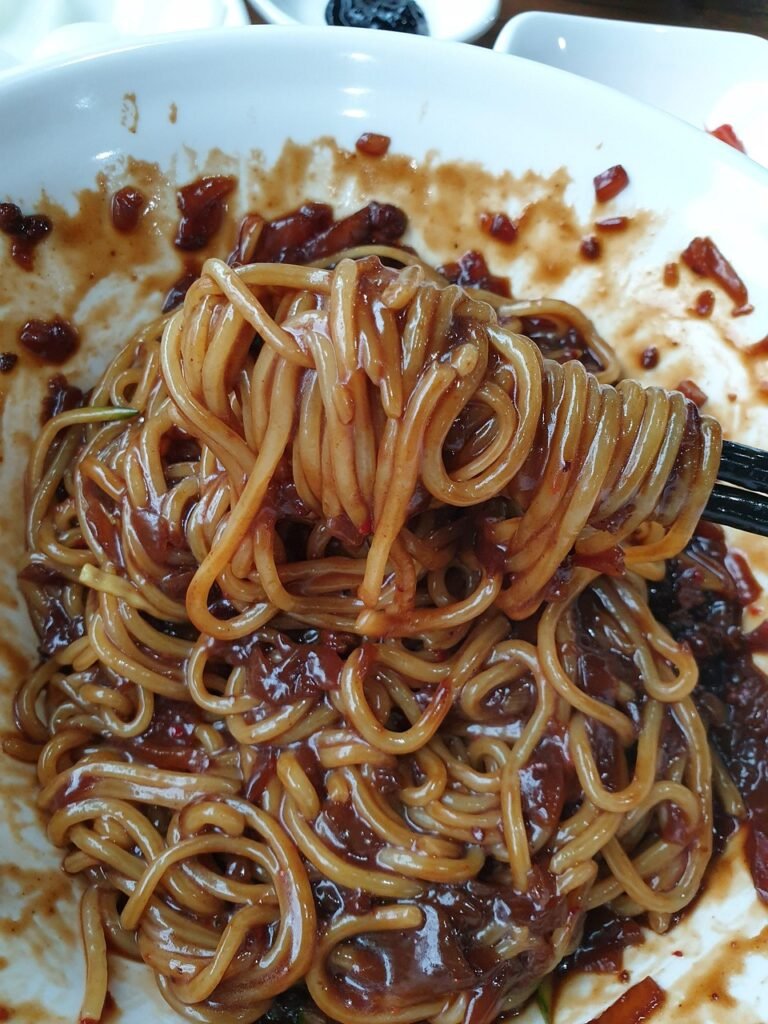
Jajangmyeon, a beloved Korean noodle dish, showcases a rich tapestry of regional variations that reflect local tastes, ingredients, and culinary traditions. Each area in Korea brings its personal touch to this iconic dish, with Incheon, the birthplace of jajangmyeon, being particularly notable for its distinctive interpretation. In Incheon, the dish retains its traditional characteristics, featuring a thick black bean sauce made from chunjang, alongside diced pork and a medley of fresh vegetables. This version is often celebrated for its well-balanced flavor and texture, creating a hearty and satisfying meal.
Beyond Incheon, other regions of Korea have developed their unique adaptations of jajangmyeon, incorporating locally available ingredients and distinct cooking styles. For instance, in the Jeju region, seafood, particularly clams and shrimp, may be added to the dish, creating a fusion of flavors that highlights the island’s bountiful marine resources. Conversely, areas with a strong agricultural presence might incorporate various vegetables, intensifying the dish’s nutritional profile and offering a different bite altogether.
Modern culinary trends have also played a significant role in the evolution of jajangmyeon. With increasing popularity for vegetarian and vegan diets, many restaurants now provide plant-based versions of this classic dish. These contemporary interpretations often replace meat with tofu or an array of vegetables, while still retaining the essential flavor profiles through the use of high-quality black bean sauce. Additionally, fusion dishes have emerged, marrying jajangmyeon with other cuisines, such as spicy Korean-Chinese options that include ingredients like chile paste or even Italian influences like pesto. The diversity in jajangmyeon’s preparation and presentation showcases its adaptability and charm, making it a continual favorite among diners.
Where to Enjoy the Best Jajangmyeon
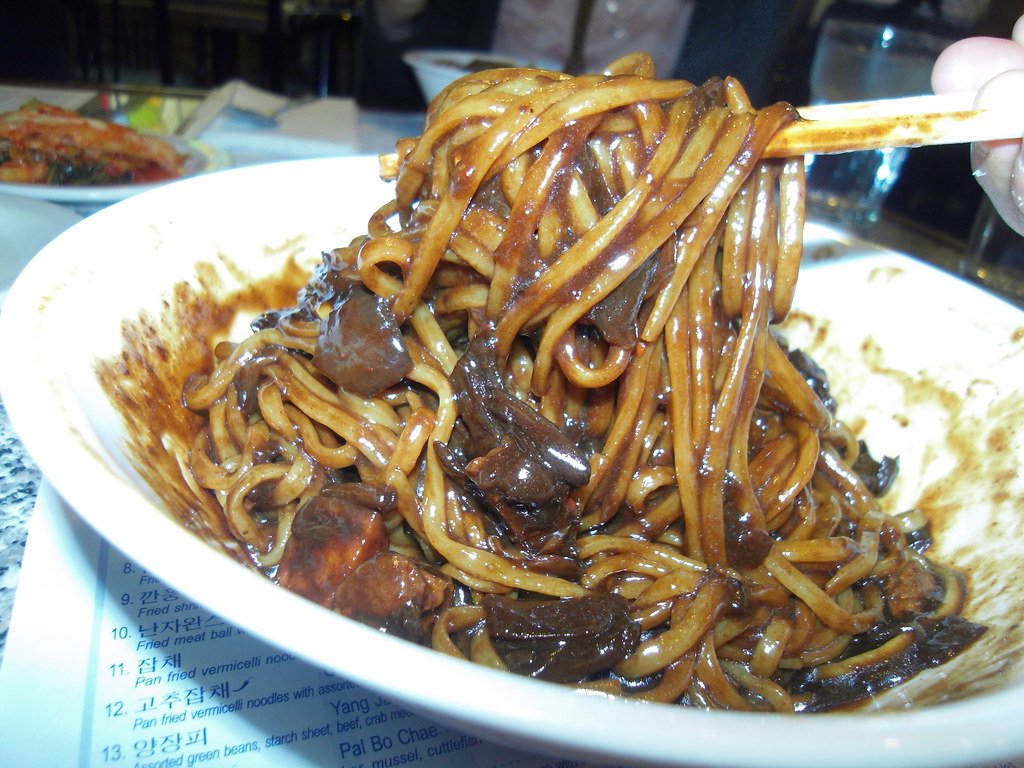
When it comes to savoring authentic jajangmyeon, the choice of restaurant can significantly enhance your culinary experience. One of the most renowned places to try this traditional Korean dish is in the bustling neighborhoods of Seoul, particularly in areas such as Itaewon and Dongdaemun. Restaurants like Myeongdong Kyoja and Waon are praised for their rich black bean sauce, chewy noodles, and overall sumptuous flavors that keep locals and tourists coming back for more.
For those seeking a unique experience, visiting Korean food markets is an excellent option. These markets often feature stalls or small eateries offering freshly made jajangmyeon. Gwangjang Market and Tongin Market are two of the most popular spots where visitors can enjoy not only jjajangmyeon but also other delectable side dishes like kimchi and pickled radish, creating a well-rounded meal.
When selecting a place to dine, it’s essential to look for establishments that are known for their consistent preparation and quality ingredients. Restaurants that prioritize fresh vegetables, homemade black bean paste, and properly cooked noodles tend to stand out. It’s advisable to ask locals or refer to recent online reviews to find the hotspots where the flavors truly shine. Pay attention to scents and presentation; a well-crafted jajangmyeon typically features a glossy, dark sauce, generous portions of onions and pork, and a side of refreshing cucumber.
To elevate your jajangmyeon experience, consider pairing this dish with a cold beverage, such as Korean beer or sweet iced tea. Alternatively, side dishes like pickled radish (danmuji) can provide a pleasant contrast to the rich, savory notes of the noodles. This approach not only enhances flavors but also immerses you in the culturally rich experience of enjoying jajangmyeon in its many forms.