
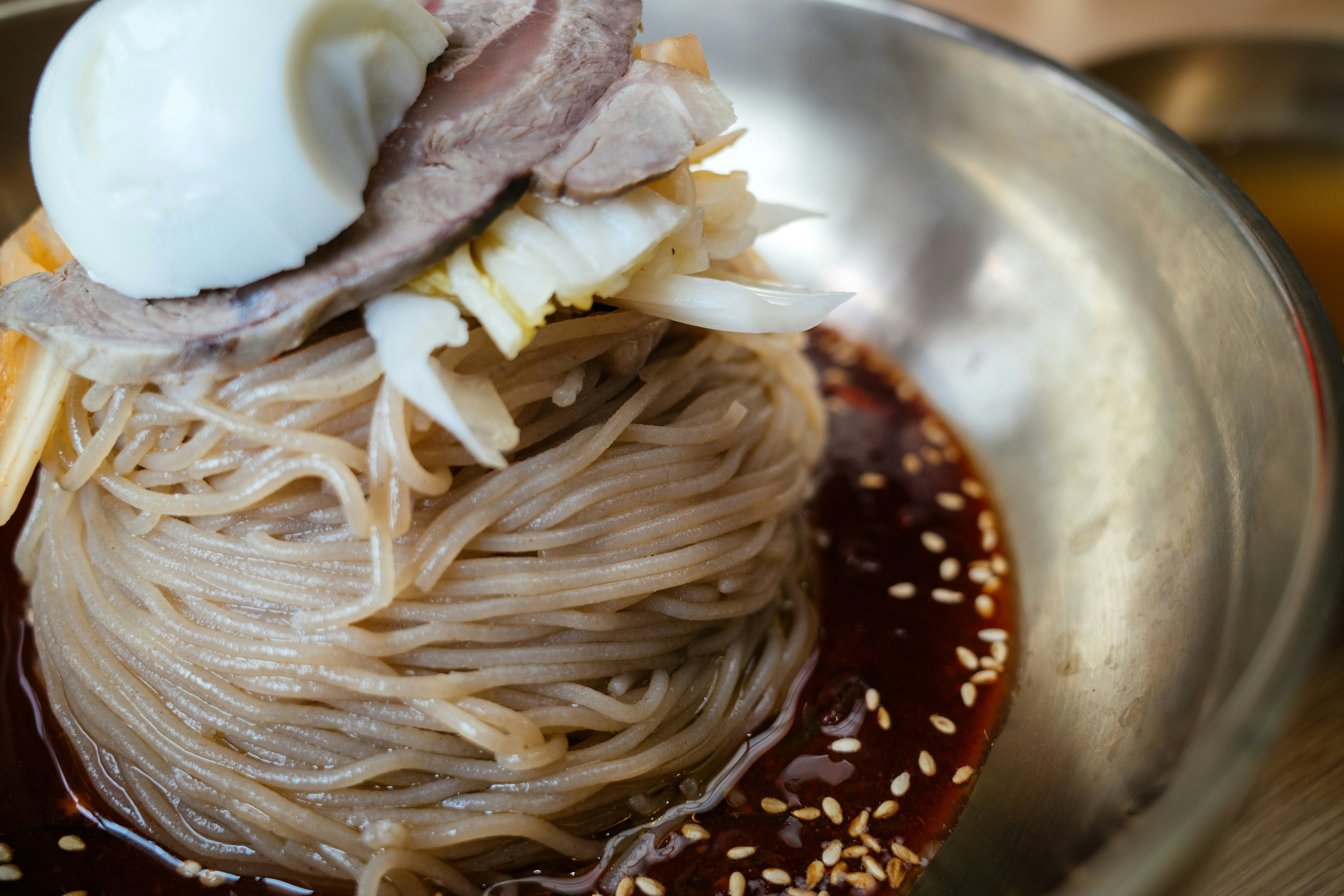
Introduction to Kalguksu
Kalguksu, a traditional Korean noodle soup, is celebrated for its comforting qualities and rich culinary history. The term “kalguksu” translates to “knife noodles,” a name derived from the unique method of preparing the dough. Handmade wheat noodles are sliced with a knife, resulting in a distinctively chewy texture that differentiates kalguksu from other noodle dishes. This technique showcases the craftsmanship involved in Korean culinary practices and emphasizes the deep-rooted traditions that surround this dish.
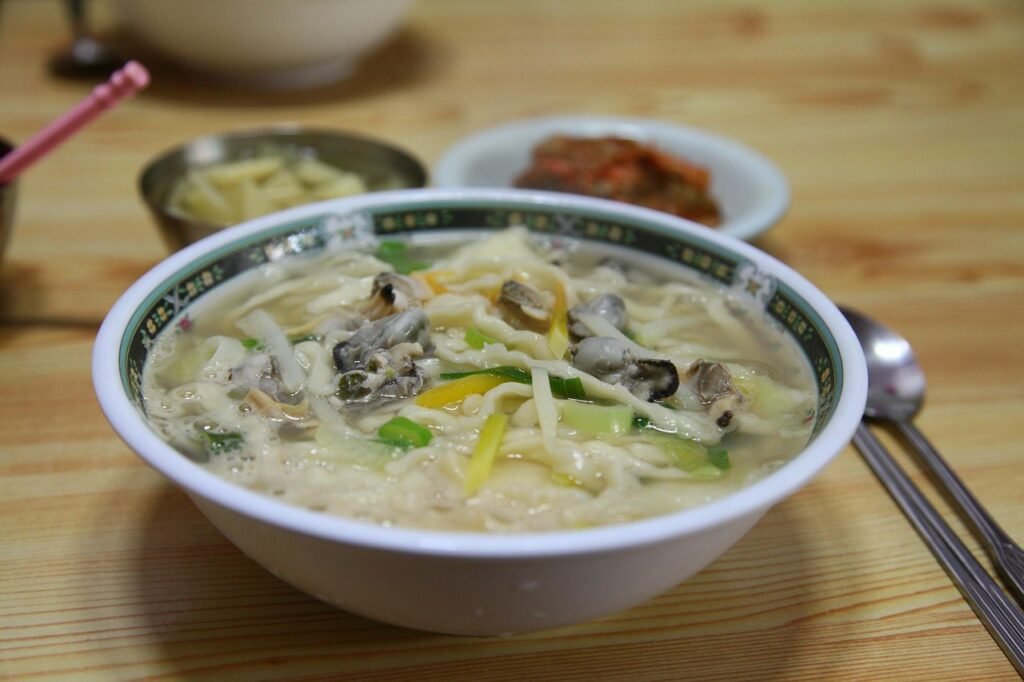
The origins of kalguksu can be traced back to the Goryeo Dynasty (918–1392), where it was regarded as a meal for special occasions. Traditionally, kalguksu was prepared during the rainy season, as the warm broth and nourishing ingredients offered comfort and sustenance during adverse weather conditions. Today, this dish is often served as a comforting meal during various cultural festivities and family gatherings, highlighting its significance in Korean social customs.
The preparation of kalguksu generally involves simmering a rich, flavorful broth that serves as the foundation of the dish. Common ingredients include anchovies, kelp, and beef, which meld to create a savory base. Accompanying the noodles are fresh vegetables, such as zucchini and potatoes, that add a textural contrast and aesthetic appeal. Additionally, kalguksu may include seafood or meat, further enhancing its nutritional profile. The simplicity of the ingredients complements the handmade noodles, emphasizing the notion that wholesome, fresh components create a satisfying meal.
In Korean culture, kalguksu embodies warmth and hospitality, often served to guests as a gesture of care. The soup’s hearty nature makes it a quintessential comfort food, sought after during cold weather or periods of illness. As such, kalguksu holds a treasured place not only in the culinary landscape but also in the hearts of many Koreans, symbolizing community and nurturing in every bowl.
Tasting Experience: Flavors and Textures
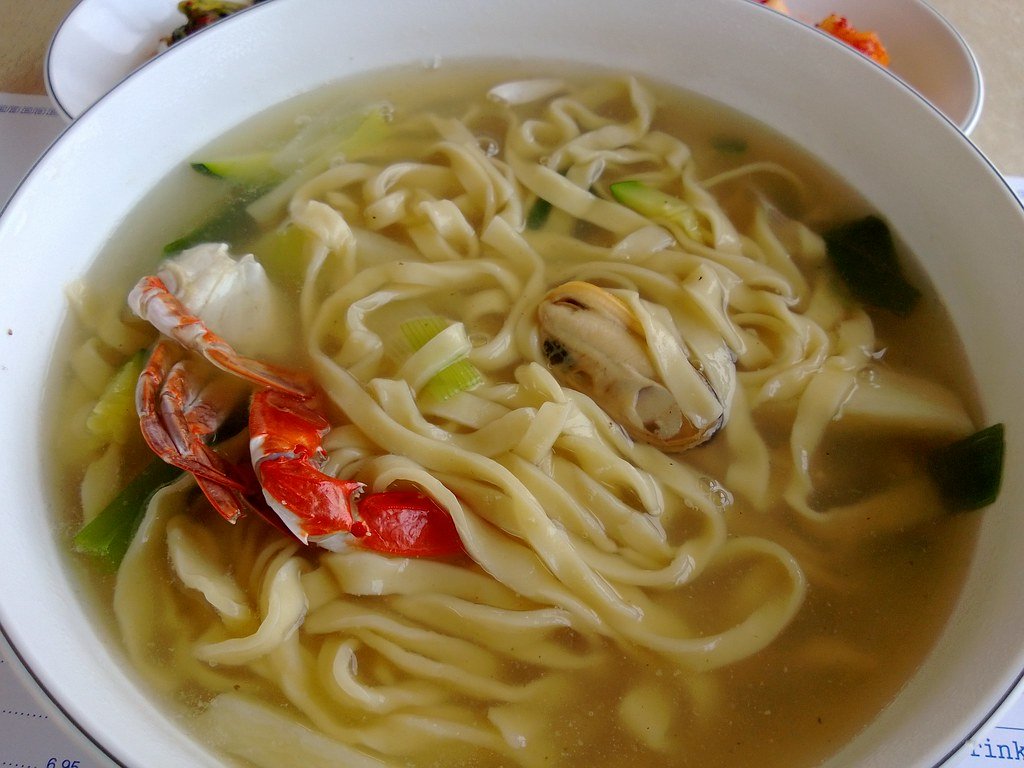
Kalguksu, a beloved Korean noodle soup, captivates the palate with its rich, savory broth and unique texture. The foundation of the dish lies in its deeply satisfying broth, which is often crafted from a harmonious blend of vital ingredients such as garlic, soy sauce, and anchovy. These components meld together to create a flavorful base that envelops the noodles and enhances each bite. The umami notes from the anchovy, paired with the aromatic essence of garlic, form a delicious tapestry of flavors that beckons interest and satisfaction.
The noodles in kalguksu, known as knife-cut noodles, are crafted by hand, resulting in a distinct texture that is both chewy and hearty. These noodles typically possess a slightly thick and flat shape, which allows them to hold the broth beautifully. The physicality of these hand-cut noodles adds to the overall eating experience, as they contrast with the lighter broth, providing a substantial counterpart to the subtly flavored soup.
In addition to the classic preparations, kalguksu showcases a variety of regional adaptations that reflect the diverse landscapes of Korea. Each region infuses its local ingredients and traditions, giving rise to unique flavor profiles. For instance, in Jeonju, one might find kalguksu enriched with seasonal vegetables, while in Busan, seafood influences the dish, resulting in a refreshing, briny taste. These regional variances not only enhance the flavor experience but also showcase the adaptive nature of Korean cuisine across different locales.
Overall, the tasting experience of kalguksu offers a delightful exploration of contrasting textures and layered flavors, making it a dish that resonates with many who venture into the warm embrace of this traditional Korean soup.
Nutritional Aspects and Health Benefits
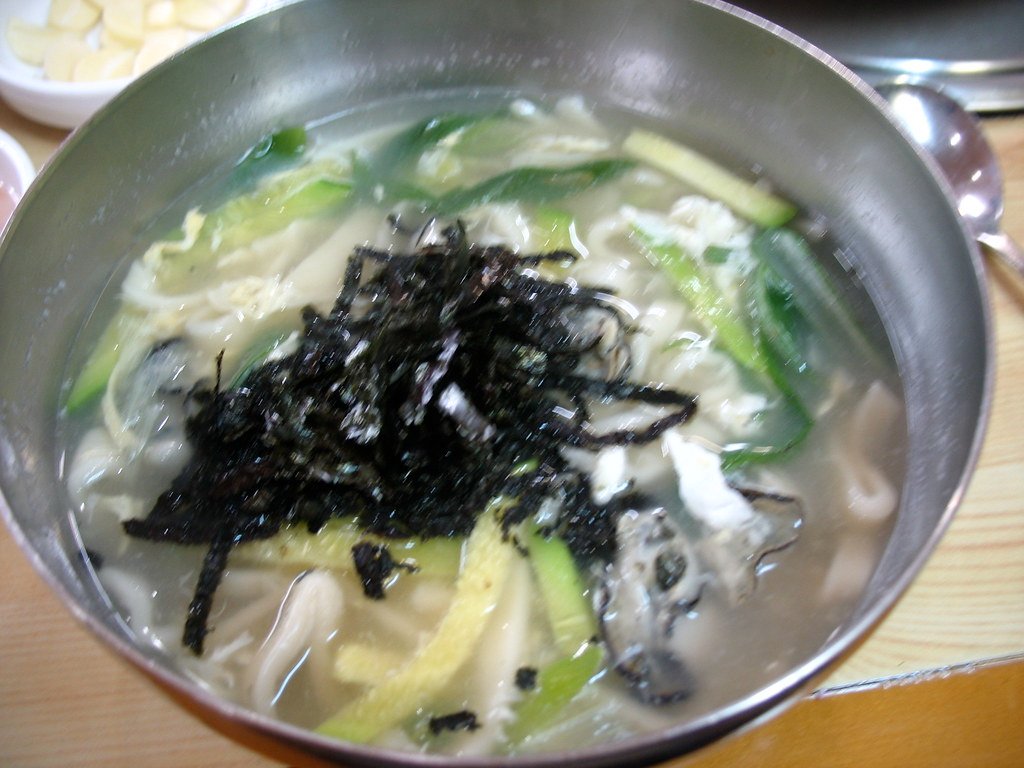
Kalguksu, celebrated for its rich flavor and heartwarming qualities, also boasts significant nutritional attributes. Central to this dish are the handmade noodles, which typically consist of wheat flour, water, and salt. These noodles provide a substantial source of carbohydrates, essential for energy, especially during colder months when the body requires more warmth and sustenance. The process of hand-rolling and cutting these noodles not only enhances their texture but also allows for the retention of important nutrients, contributing to a wholesome meal.
In addition to the noodles, kalguksu is often enriched with a variety of vegetables such as zucchini, potatoes, and green onions. These ingredients bring an array of vitamins and minerals to the dish. Zucchini, for instance, is low in calories yet rich in vitamins A and C, while providing dietary fiber that supports digestive health. Potatoes add carbohydrates and are a good source of potassium, which is vital for muscle function and overall health. Incorporating seasonal vegetables into kalguksu allows it to be tailored according to availability and personal preference, making it a versatile option for almost any diet.
The protein component of kalguksu is equally customizable, as it can include chicken, beef, or seafood, making it adaptable for various dietary needs. Proteins are essential for muscle repair and growth, thus, depending on the choice, kalguksu can cater to those looking to enhance their protein intake. When prepared with a wholesome broth—often made from simmered bone or vegetables—kalguksu delivers not only flavor but also a comforting warmth, reinforcing its status as a favorite dish in cold weather. Overall, the well-rounded balance of carbohydrates, proteins, and vitamins inherent in kalguksu positions it as a nutritious choice for diverse eating habits, contributing positively to one’s dietary repertoire.
Where to Enjoy Kalguksu: Best Places and Tips
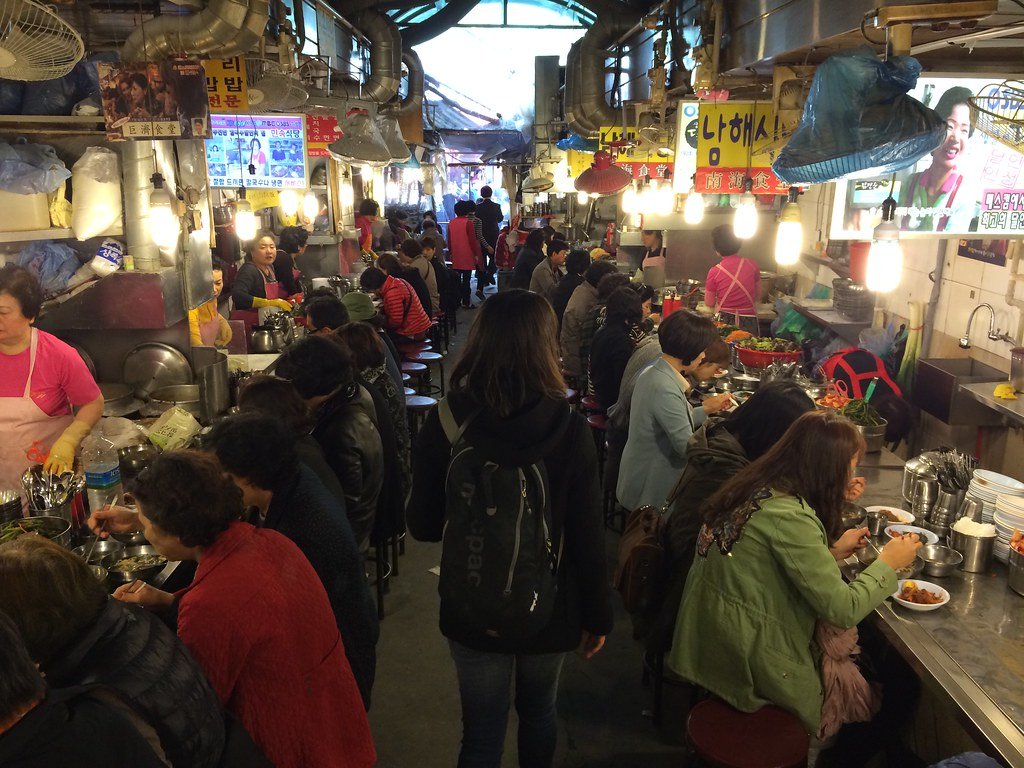
Kalguksu, the soul-warming Korean noodle soup, can be enjoyed in various settings, from bustling street vendors to high-end restaurants. In Korea, a few establishments are renowned for their exceptional kalguksu. One standout is Myeongdong Kalguksu, located in the heart of Seoul. This eatery excels in crafting their fresh handmade noodles and flavorful broth, attracting both locals and tourists. Another must-visit is Baekjeong, where the kalguksu is expertly prepared by skilled chefs dedicated to maintaining traditional flavors.
For those in Busan, a trip to the noted “Choryang Kalguksu” is essential. This eatery offers a unique version of kalguksu that incorporates seafood, giving a delightful twist to the classic dish. Further, “Kalguksu Jang” in Jeonju is famous for its bibimbap alongside its delicious kalguksu, providing a comprehensive taste experience of regional Korean cuisine.
For those beyond Korea’s borders, many cities across the globe have embraced kalguksu. Restaurants in areas with significant Korean populations, such as Los Angeles and New York, often serve authentic iterations. “Han Bat” in Los Angeles consistently garners acclaim for its rich broth and tender noodles, showcasing the dish’s true essence. Similarly, in New York’s Koreatown, “Koreatown Kalguksu” is cherished for its vibrant atmosphere and delicious offerings.
If you prefer to create this beloved dish at home, sourcing fresh ingredients is crucial. Locate an Asian grocery store or market that offers handmade wheat flour noodles, or consider making your own if you’re adventurous. For the broth, a combination of chicken or beef stock with vegetables and seafood enhances the flavor profile. Variation in preparation methods can include adding seasonal vegetables or experimenting with different proteins, ensuring a delightful experience every time you make kalguksu.