
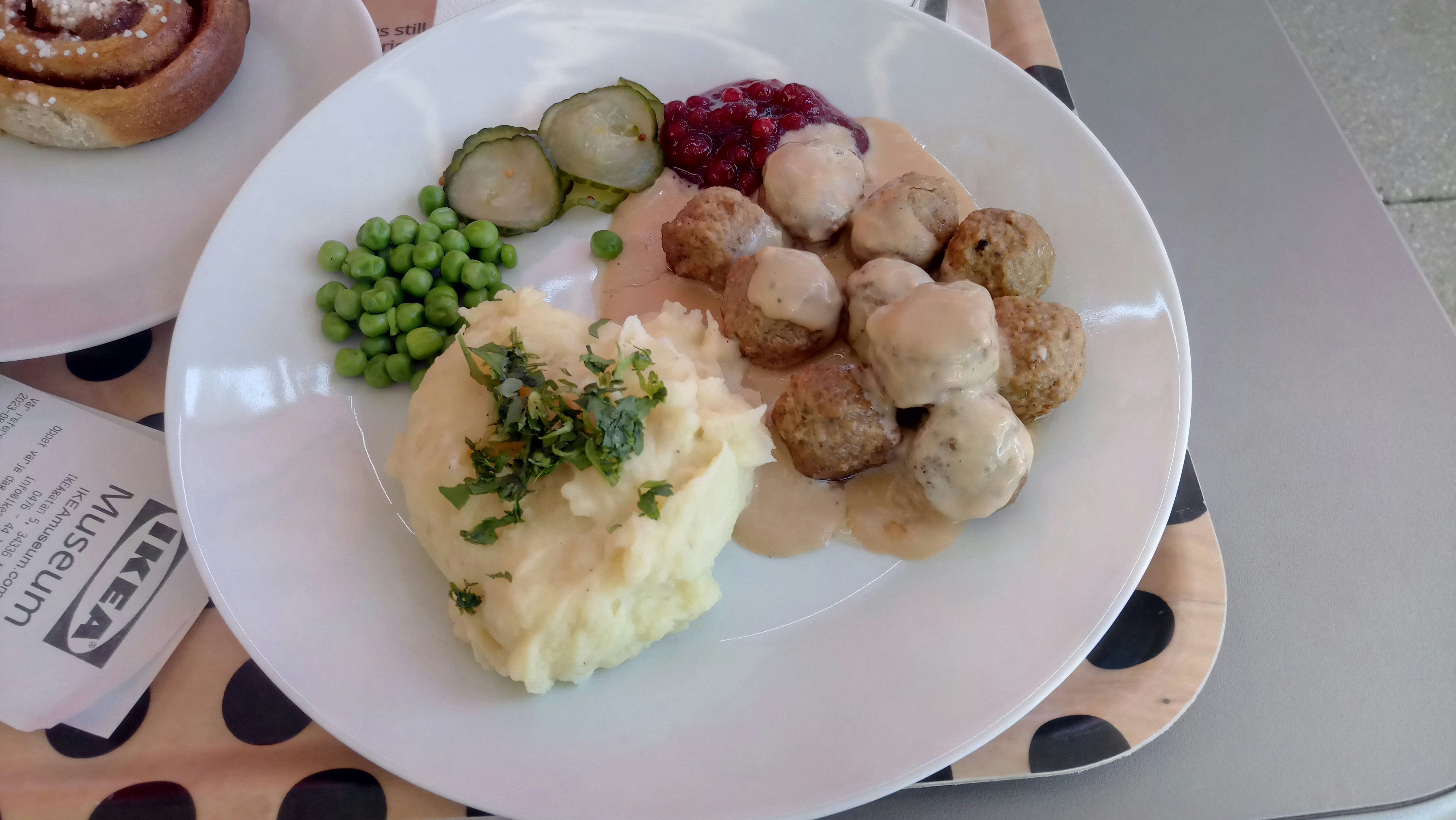
The Origin of Kottbullar
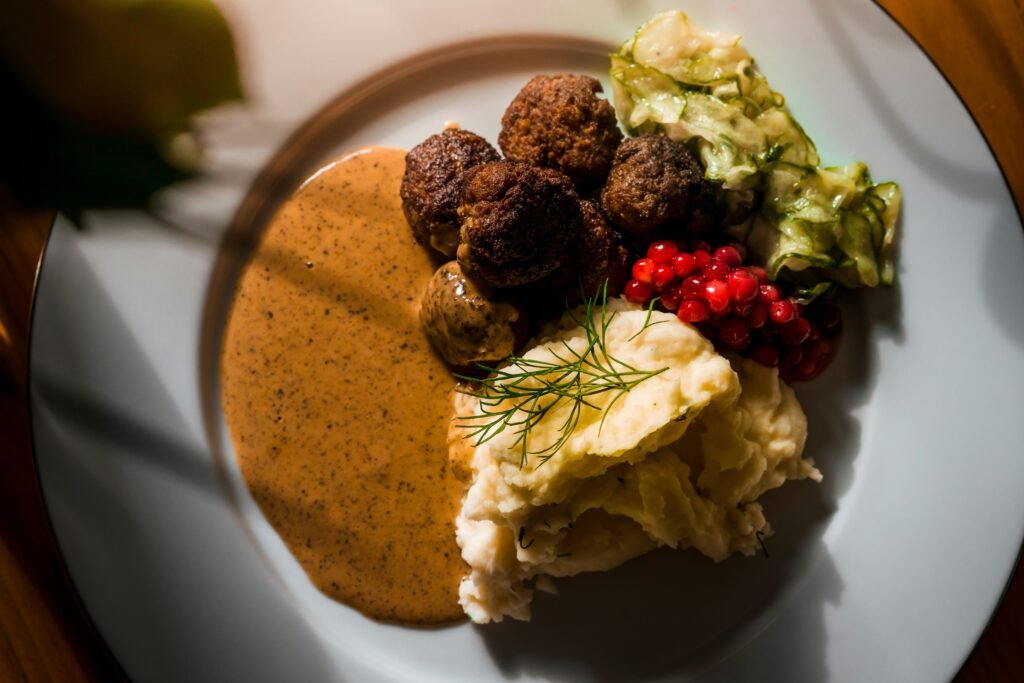
Köttbullar, commonly known as Swedish meatballs, has a rich history that traces back to the culinary traditions of Sweden. The origins of this beloved dish can be linked to the late 18th century, when it was first promoted in Swedish cookbooks, marking its formal introduction to the Swedish cuisine. Early recipes often varied in ingredients and preparation methods based on the regional availability of meat and spices. Typically, these meatballs were crafted from a combination of minced meat, breadcrumbs, and spices, showcasing the resourcefulness of Swedish households.
The evolution of köttbullar can be attributed to societal changes, particularly during the industrial revolution. As urbanization increased, families moved to cities, which prompted the need for faster, readily available meals. Consequently, köttbullar began to gain popularity in restaurants and homes alike, symbolizing comfort food during a time of societal upheaval. By the 20th century, these meatballs became a staple in Swedish culture and were often served with lingonberry sauce and creamy gravy, further enhancing their appeal.
Anecdotes from various regions of Sweden highlight the dish’s regional adaptation, with each area adding its local flair. For instance, some areas incorporated different meats, such as pork or veal, into their köttbullar recipes, while others included regional herbs that contributed unique flavors. These variations not only enriched the dish itself but also tied it directly to the heritage of each locality within Sweden. As Swedish immigrants spread across the globe, köttbullar carried their culinary traditions to new lands, helping to cement their status as an international emblem of Swedish cuisine. Today, köttbullar remains a popular dish both within Sweden and across the world, celebrating its historical roots while adapting to contemporary tastes.
Cultural Significance of Kottbullar
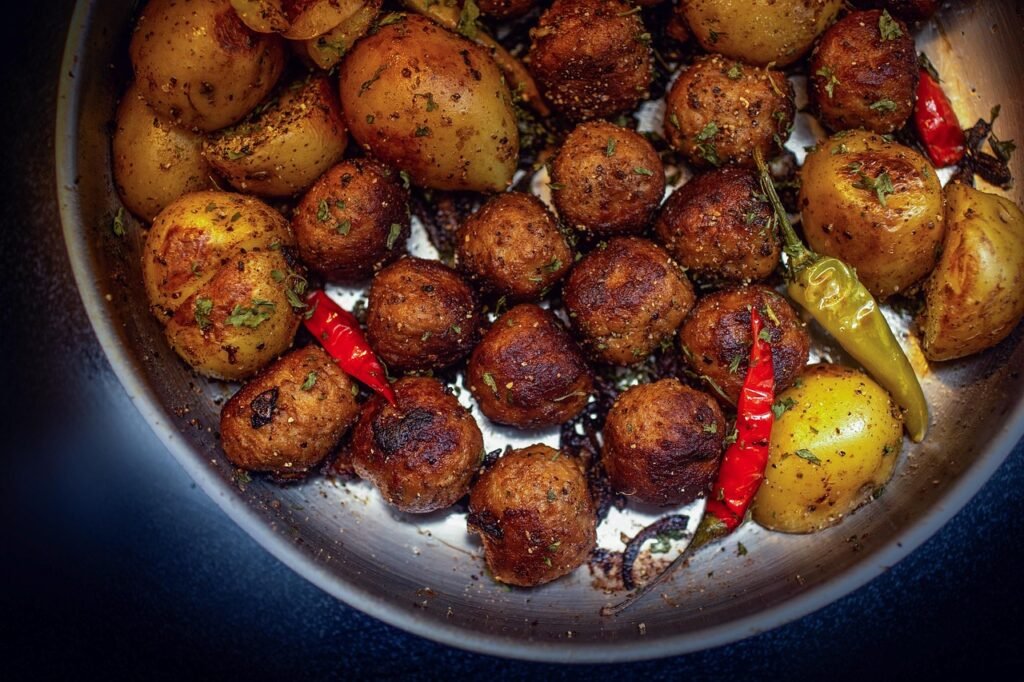
Kottbullar, or Swedish meatballs, hold a prominent place in the cultural tapestry of Sweden. These savory morsels are not merely an everyday meal; they are a symbol of tradition and a staple in various Swedish celebrations. Kottbullar often features in family gatherings and holiday feasts, particularly during festive occasions such as Christmas, Midsummer, and Easter. Its inclusion in these events underscores the dish’s role in bringing families and friends together, as well as creating lasting memories around the dining table.
The preparation and consumption of kottbullar foster a sense of community and shared heritage. Many Swedish families have their own unique recipes, often handed down through generations, which underpin the cultural identity associated with this dish. This personal touch in making kottbullar enhances the emotional connection individuals have with their cuisine, further solidifying its significance in their lives. For many, these meatballs evoke memories of childhood, familial bonds, and cultural stories that shape Swedish identity.
Moreover, the popularity of kottbullar transcends borders, as many cultures around the world have their own variations of meatballs. For instance, Italian polpette, Middle Eastern kofta, and Asian dumplings each offer a unique twist on the basic concept of ground meat shaped into balls. However, what sets kottbullar apart is the incorporation of ingredients like allspice and the serving style, usually accompanied by creamy gravy, lingonberry sauce, and mashed potatoes, which are distinctively Swedish. This characteristic combination highlights not only the culinary diversity in meatball traditions but also how kottbullar represents Swedish ingenuity and taste in global gastronomy.
Unique Flavors of Kottbullar
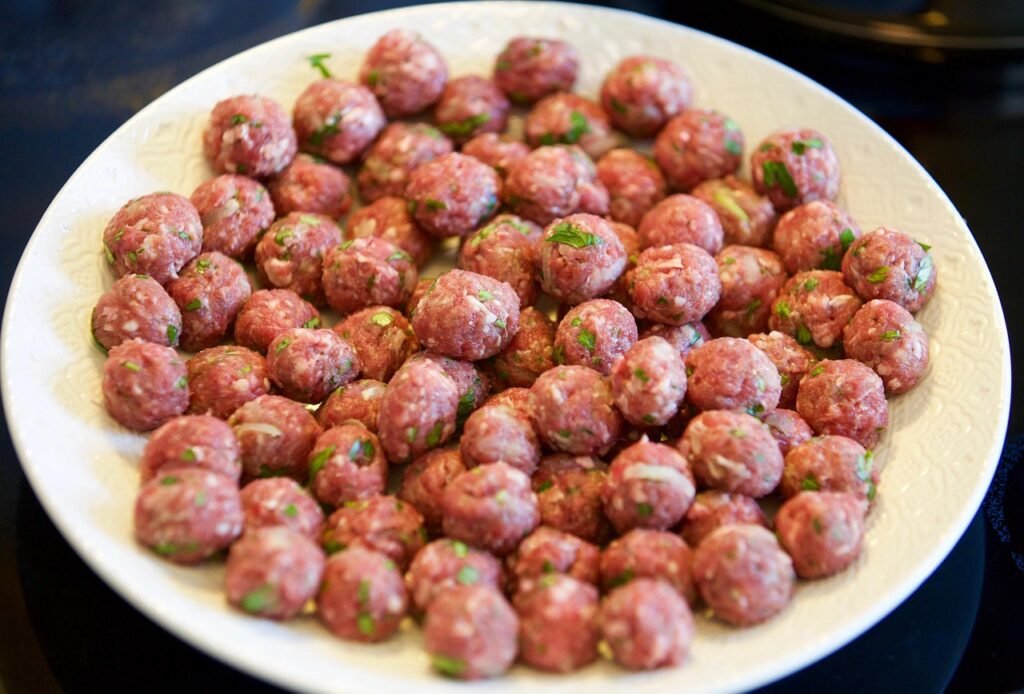
Kottbullar, the iconic Swedish meatballs, are renowned for their unique blend of flavors, making them a staple in Swedish cuisine. The traditional recipe primarily consists of ground beef or a mix of beef and pork, which adds richness and depth to the dish. The judicious use of spices, such as allspice and nutmeg, further enhances the meatball’s taste profile. These spices not only provide warmth and warmth but also reflect the Scandinavian culinary tradition of incorporating aromatic herbs.
In addition to the main protein ingredients, kottbullar often includes breadcrumbs soaked in milk, which impart moisture and tenderness to the meatballs. This combination ensures a beautifully textured bite that harmonizes with the deeper flavors of the meat. Certain regions in Sweden may also introduce variations by adding unique local ingredients or herbs, resulting in subtle differences in flavor that showcase the diversity within this beloved dish.
Accompaniments play an essential role in elevating the overall taste experience of kottbullar. A popular traditional side is lingonberry sauce, which provides a sweet and tangy contrast, cutting through the savory richness of the meatballs. The balance of flavors created by the sauce enhances the dish’s complexity and is fundamental in Swedish cuisine. Additionally, a creamy gravy, often made from beef stock and seasoned with pepper, is served alongside, adding an extra layer of savory goodness that complements the flavors of the kottbullar.
The interplay of spices, textures, and the accompanying sauces contribute to an exceptional culinary experience that celebrates the unique flavors of kottbullar. Each bite takes one on a journey through the heart of Swedish culinary tradition, revealing just how remarkable and varied this seemingly simple dish can be.
Textures of Kottbullar
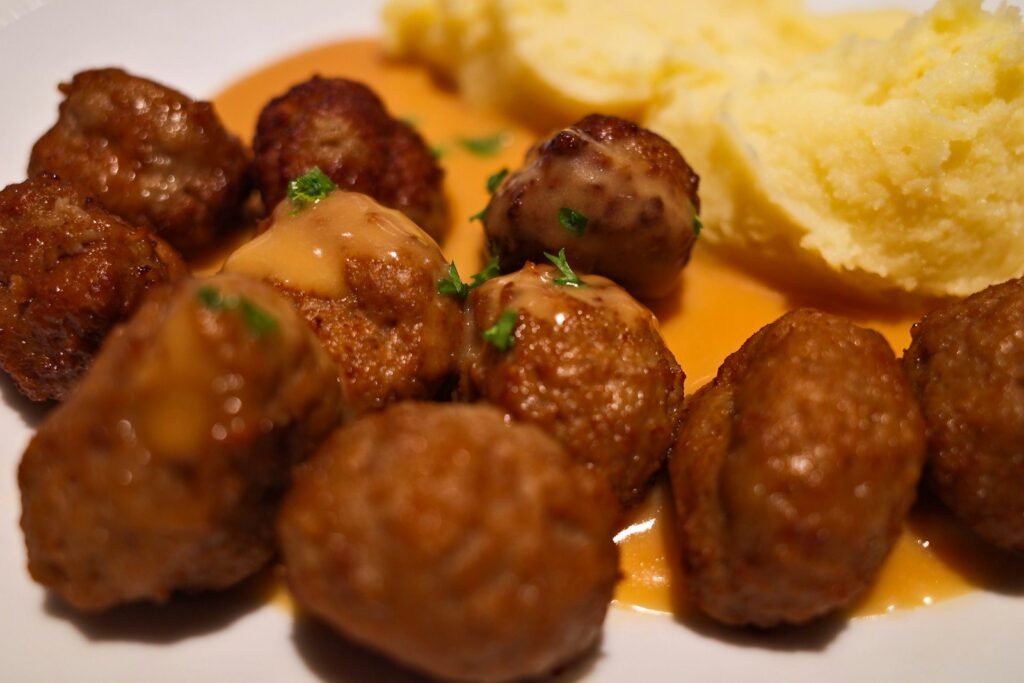
Kottbullar, the iconic Swedish meatballs, present a delightful array of textures that contribute to their overall appeal. One of the most prominent features of kottbullar is their tender and juicy interior. The careful selection of ground meat, often a blend of beef and pork, plays a crucial role in achieving this succulent consistency. When expertly prepared, each bite of these meatballs should evoke a sense of satisfaction and warmth, creating a comforting culinary experience.
The exterior of kottbullar, in contrast, is typically characterized by a crispy, golden-brown surface. This delightful crunch serves not only as a visual entice but also as a significant factor in the overall eating experience. The caramelization that occurs during the cooking process adds depth to the flavor profile, enhancing the savory notes that kottbullar are known for. This textural contrast between the crispy outside and the tender inside is what elevates the humble meatball to a beloved dish in Swedish cuisine.
Accompanying sauces are another integral component of kottbullar, contributing additional creaminess and richness to the dish. A classic Swedish kottbullar sauce, often made from a blend of stock and cream, brings a velvety smoothness that perfectly complements the meatballs. The creaminess of the sauce envelops the meatballs, allowing for a harmonious marriage of flavors and textures. This interaction not only enhances the overall taste but also provides a more rounded eating experience, as each bite combines the crispiness of the meatballs with the smoothness of the sauce.
In conclusion, the textures of kottbullar play a pivotal role in creating an enjoyable meal. From the tender meat encapsulated within a crispy shell to the creamy sauces that adorn them, the interplay of these elements forms a satisfying dish that continues to capture the hearts of many. The mastery of these textures is essential for anyone looking to experience authentic Swedish cuisine at its finest.
Visual Appeal of Kottbullar Dishes
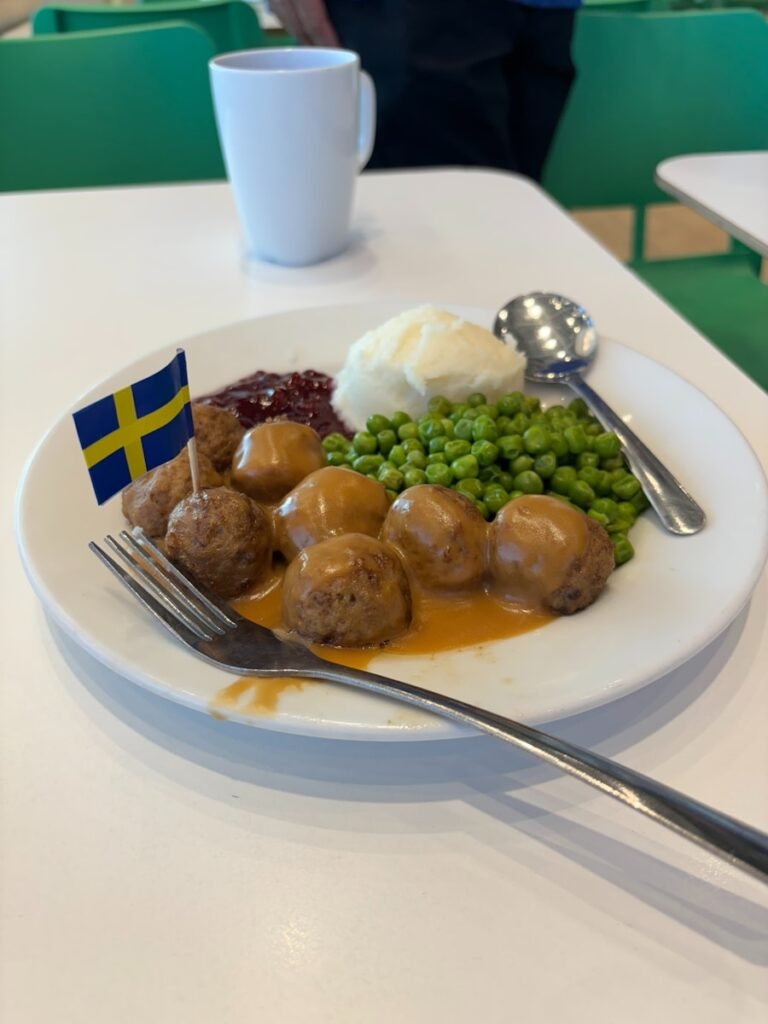
The visual appeal of kottbullar, or Swedish meatballs, plays a significant role in enhancing the overall dining experience. This dish, traditionally made from ground beef or a blend of meats, is often served with a rich gravy and accompanied by various sides, such as lingonberry sauce and creamy mashed potatoes. The careful presentation of these components contributes to the dish’s allure, making it not only a comforting meal but also a feast for the eyes.
Plating techniques are essential in showcasing kottbullar attractively. A common approach is to arrange the meatballs in a circular formation on the plate, allowing the rich, brown gravy to cascade over the top, creating a gleaming, inviting sheen. Utilizing a clean plate with a contrasting color can further emphasize the dish, making the meatballs the focal point. The addition of vibrant, colorful sides like lingonberries or fresh parsley not only boosts the aesthetic appeal but also introduces an element of freshness and vitality to the dish.
Garnishing ideas also play a crucial role in elevating the visual presentation of kottbullar. Sprinkling finely chopped chives or dill over the dish adds a touch of green, creating a pleasing contrast against the dark meatballs and gravy. Edible flowers or microgreens can be employed for those looking to push creative boundaries in presentation, adding texture and delicacy. Furthermore, serving kottbullar in traditional Swedish crockery or rustic wooden boards can draw on cultural influences, enhancing the overall experience, as it connects diners to the heritage of this cherished comfort food.
In essence, the visual appeal of kottbullar goes beyond mere appearance; it engages the senses and heightens the anticipation of a flavorful meal. By embracing thoughtful plating techniques and creative garnishing ideas, this dish not only tastes delightful but also captivates diners from the very first glance.
Plating and Presentation Techniques
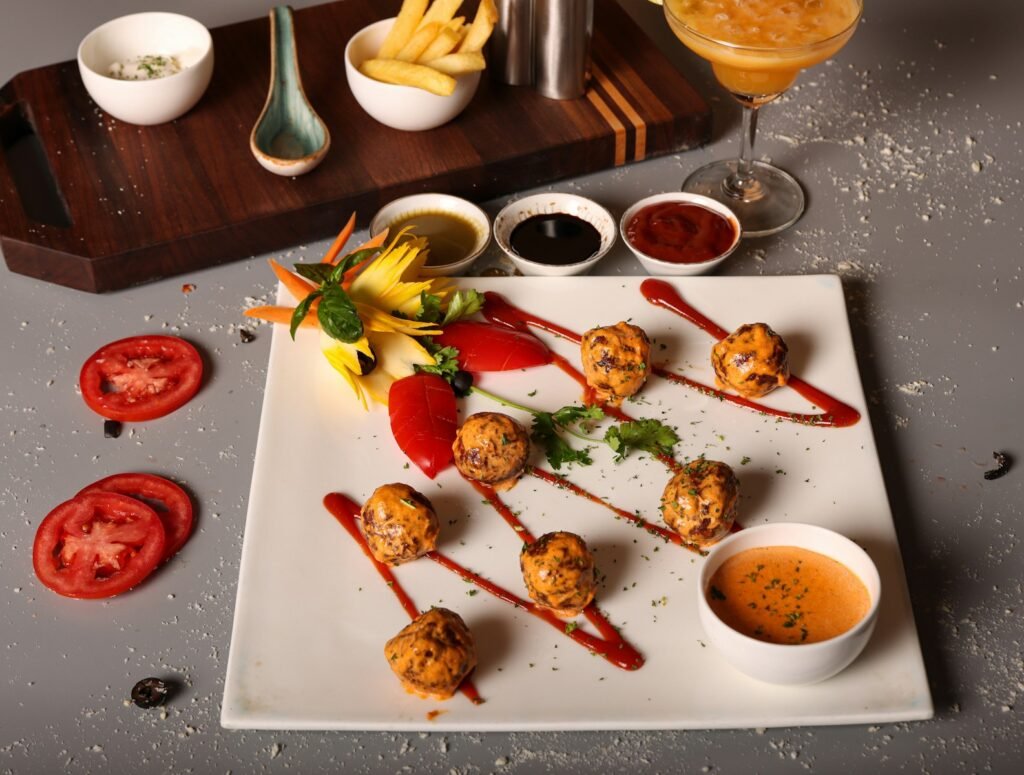
The artistic aspect of plating kottbullar plays a pivotal role in enhancing the dining experience. Swedish meatballs, known for their rich flavors and comforting texture, can be further elevated through thoughtful presentation. Various styles of plating reflect both tradition and modernity in Swedish households and restaurants, making the dishes visually appealing and inviting. One effective technique involves arranging the kottbullar in a circular formation, allowing each meatball to be a focal point on the plate. This method not only highlights the inviting aroma but also encourages diners to engage directly with the dish.
Incorporating sauces into the plating is equally important. For instance, a drizzle of creamy gravy over the meatballs can create a beautiful contrast against the golden-brown color of the kottbullar. The use of a squeeze bottle can assist in achieving precise lines or patterns, which can result in a professional finish. Moreover, garnishes such as finely chopped parsley or lingonberry sauce add vibrant color and flavor, enhancing the overall aesthetic of the dish. A scattering of microgreens can also introduce an element of sophistication, making the plate look fresh and contemporary.
The choice of plate ware is another vital consideration in the presentation of kottbullar. White plates are commonly favored for their ability to emphasize the colors of the food, allowing the meatballs to stand out. Alternatively, rustic ceramic plates might evoke a traditional Swedish dining atmosphere, merging both comfort and style. The juxtaposition of textures and colors can transform the simple act of serving kottbullar into an unforgettable sensory experience. By employing these plating techniques thoughtfully, one can elevate the presentation of kottbullar and impress guests, showcasing not just the dish itself but the essence of Swedish culinary art.
Kottbullar in Modern Cuisine
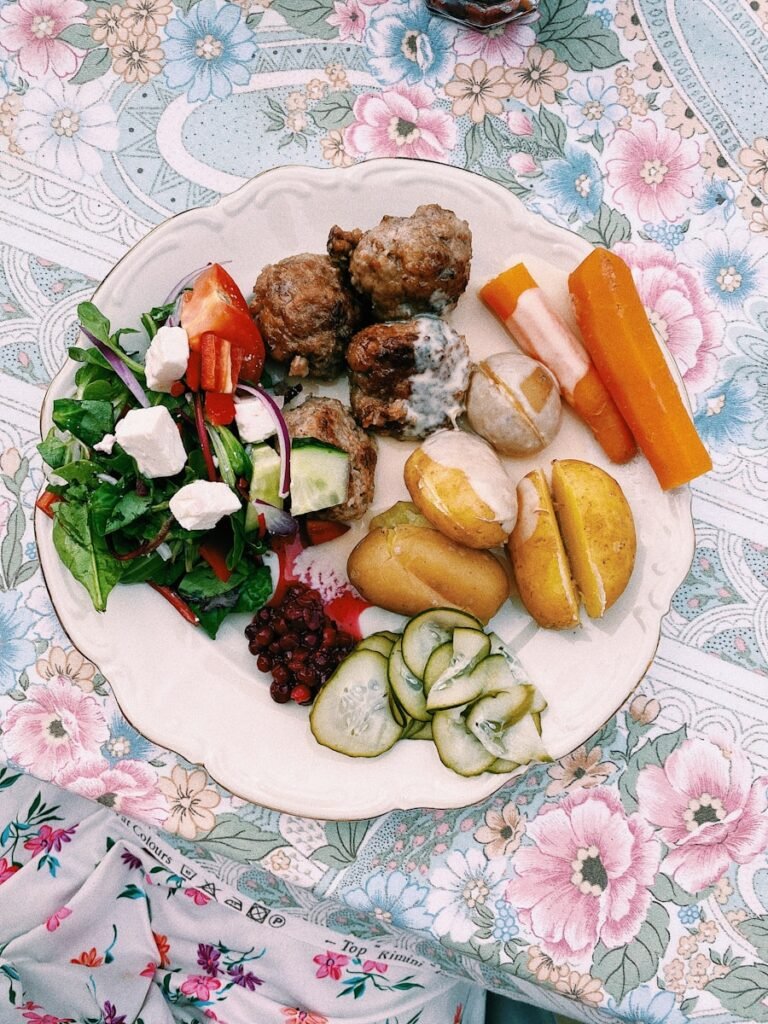
Kottbullar, the iconic Swedish meatballs, have increasingly adapted to the evolving landscape of modern cuisine, reflecting changes in consumer preferences and culinary innovations. Traditionally made from a mixture of minced meat, breadcrumbs, and spices, these delights have successfully transitioned into the realm of fusion cuisine. Restaurants worldwide are reinterpreting kottbullar, combining it with diverse cultural influences. For instance, you might find kottbullar served in Asian-inspired wraps or topped with Middle Eastern spices, which illustrates its versatility and widespread appeal.
The rise of vegetarian and vegan diets has also compelled chefs to craft innovative alternatives to traditional kottbullar. Nowadays, plant-based versions are on the menu, utilizing ingredients such as lentils, chickpeas, and various grains. These alternatives not only capture the essence of kottbullar but also cater to health-conscious consumers seeking satisfying meals without meat. As sustainability becomes a more prominent concern, these adaptations resonate well with individuals looking for eco-friendly dining options.
Furthermore, kottbullar’s presence in international menus signifies its growing popularity beyond Sweden. Many restaurants feature kottbullar as a comfort food staple, with variations showcasing local ingredients and culinary traditions. In fact, some establishments have even created signature sauces to accompany their meatballs, enriching the dining experience further. The integration of kottbullar into diverse culinary contexts demonstrates its adaptability and appeal. This adaptability ensures kottbullar remains relevant in modern cuisine, as food enthusiasts eagerly embrace both traditional and contemporary interpretations of this beloved dish.
Where to Enjoy Authentic Kottbullar
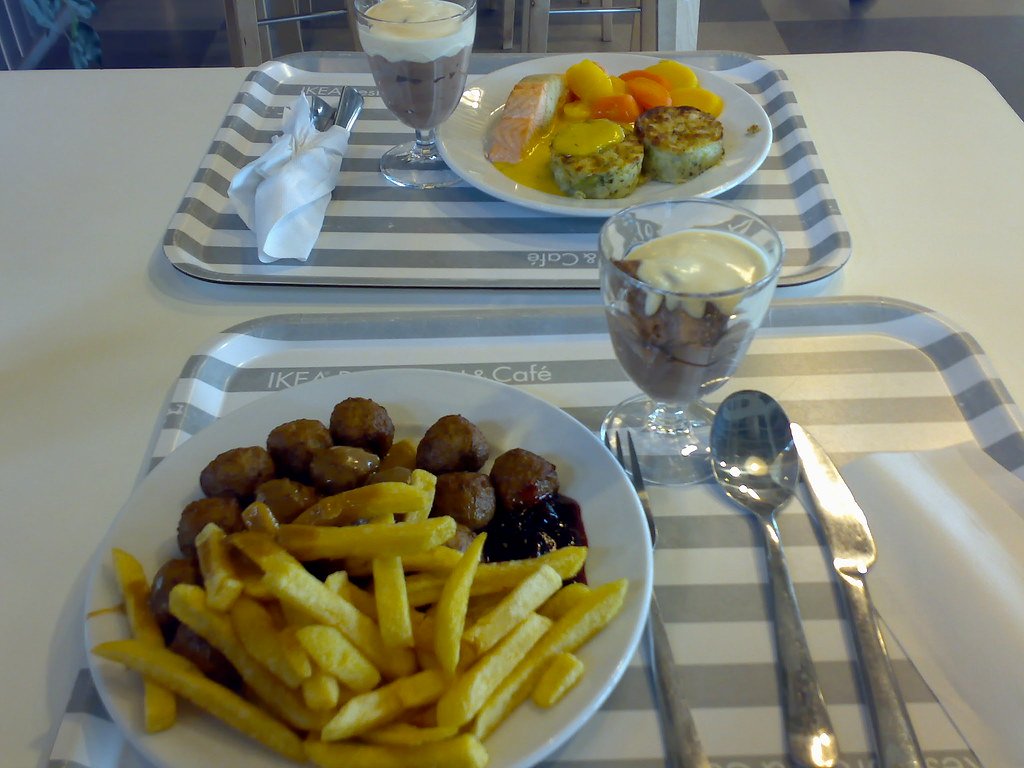
For those eager to experience authentic kottbullar, Sweden boasts numerous establishments that exemplify traditional practices while offering a delightful culinary experience. One prominent destination is Meatballs for the People in Stockholm. This charming eatery specializes in various meatball recipes, providing visitors with a taste of classic Swedish kottbullar served with lingonberry sauce and creamy mashed potatoes. The cozy atmosphere and emphasis on quality ingredients make it a must-visit for both locals and travelers alike.
Another noteworthy establishment is the Tradition restaurant, also located in Stockholm. Known for its commitment to preserving Swedish culinary heritage, Tradition serves their kottbullar alongside seasonal vegetables and rich gravy. The restaurant takes pride in using ingredients sourced from local producers, ensuring an authentic experience that reflects the richness of Swedish cuisine.
For those outside Sweden seeking to indulge in kottbullar, several reputable establishments across the globe are committed to serving this iconic dish. In New York City, Swedish Meatballs at the iconic IKEA store offers a convenient opportunity for diners to enjoy kottbullar, along with traditional sides. This international furniture chain has successfully integrated the taste of Sweden into its dining experience, making it a popular spot for those craving authentic Swedish flavors.
In addition, food festivals such as the annual Swedish Midwinter Festival in California celebrate kottbullar alongside other traditional dishes. These events are fantastic opportunities for enthusiasts to sample various preparations of meatballs, typically crafted by local Swedish chefs. Visitors often share personal anecdotes about their love for kottbullar, recounting experiences of family gatherings centered around this beloved dish.
Whether in Sweden or abroad, those passionate about kottbullar will find no shortage of dedicated establishments and events celebrating this timeless dish. The experience of savoring these meatballs, accompanied by authentic Swedish flavors, is truly memorable and can be enjoyed worldwide.
Conclusion: The Timeless Appeal of Kottbullar
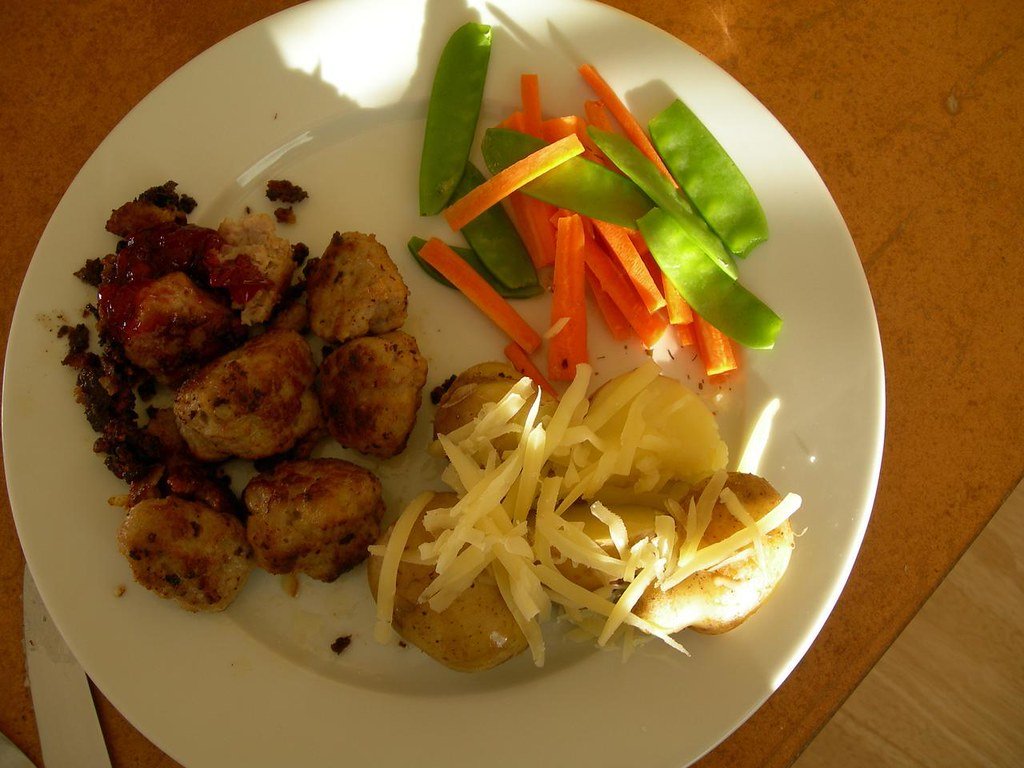
In reflecting upon kottbullar, or Swedish meatballs, one can truly appreciate their multifaceted appeal that transcends time and geography. This beloved dish, steeped in rich history and cultural significance, has captured the hearts—and palates—of many around the world. Traditionally served alongside creamy gravy and lingonberry sauce, kottbullar represents a balance of flavors that speaks to the essence of Swedish cuisine.
Throughout the years, kottbullar has evolved in presentation, adapting to modern culinary trends while maintaining its nostalgic connection to home-cooked meals. Restaurants and home kitchens alike showcase this comforting dish, offering various interpretations that cater to diverse dietary preferences, including vegan and gluten-free alternatives. Such adaptability exemplifies the universality of kottbullar, rendering it a staple comfort food that resonates across different cultures.
This dish not only tantalizes the taste buds but also serves as a medium for social connection. Gathering around the table to enjoy a meal of kottbullar fosters camaraderie and shared experiences among family and friends. In many ways, it serves as a symbol of comfort and togetherness, a dish that invites conversation and warmth. Whether it is during festive celebrations or a simple weekday dinner, kottbullar continues to evoke feelings of nostalgia and satisfaction.
Ultimately, the charm of kottbullar lies in its rich flavors, historical roots, and cultural significance. It stands as a testament to Sweden’s gastronomic heritage, and its ability to cross cultural boundaries ensures that this dish remains a cherished favorite for generations to come. Embracing kottbullar means embracing a slice of history, flavor, and community—a timeless experience that merits recognition and appreciation.