
What is Lefse? History and Tradition
Lefse is a traditional Norwegian flatbread that holds a cherished place in the culinary heritage of Norway. Its origins can be traced back to the early Viking era, where it served as a practical staple for sustaining the diet of Norse people during their extensive travels and explorations. Historically, lefse was made primarily from leftover potatoes, flour, butter, and milk, reflecting the resourcefulness of rural communities in a land where harsh climates dictated food preservation methods. Over time, this simple yet versatile bread has evolved, incorporating regional variations that showcase the unique agricultural products and cultural practices of different Norwegian areas.

The significance of lefse in Norwegian culture extends beyond mere sustenance. It is customarily prepared during special occasions such as Christmas, Easter, and family gatherings, embodying the spirit of celebration and togetherness. Traditionally, members of families would gather to make lefse, ensuring that the process remained a community activity passed down through generations. This practice has solidified lefse’s role not just as a dish but as a symbol of familial bonds and heritage.
Throughout Norway, various types of lefse can be found, each varying in terms of ingredients, preparation, and even presentation. For instance, some regions favor a thicker version of the flatbread, while others produce a thinner, crisper variant. Some may incorporate additives like cinnamon or sugar, transforming lefse into a dessert-like treat rather than a savory accompaniment. Despite these differences, the core essence remains—lefse represents the warmth of home and the nostalgia tied to traditional cooking methods.
In contemporary times, lefse is still prevalent in Norwegian households and has gained recognition beyond Norway’s borders. Its deep-rooted history and cultural significance highlight not only the adaptability of this flatbread but also its enduring legacy in Norway’s culinary landscape.
Lefse Varieties: Types and Ingredients
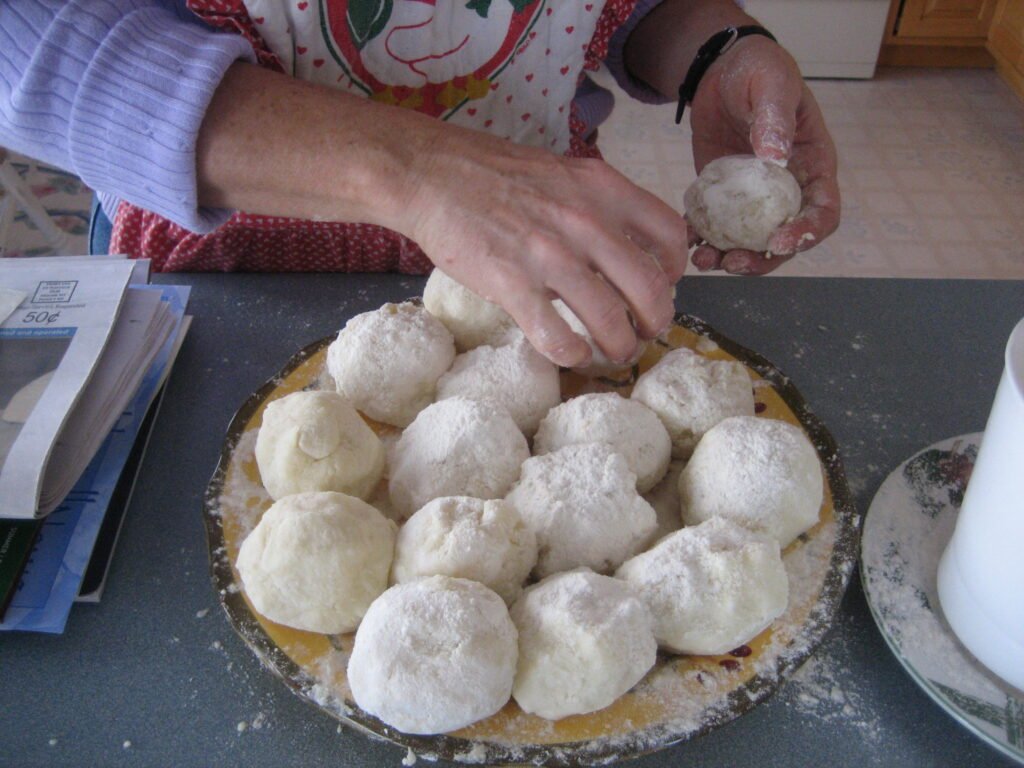
Lefse, a traditional Norwegian flatbread, presents an intriguing array of varieties that cater to diverse culinary preferences. The primary types of lefse include potato lefse, flatbread lefse, and sweet lefse, each possessing unique characteristics defined by their core ingredients and preparation methods.
Potato lefse is arguably the most recognized variety, celebrated for its distinctive texture that results from a rich blend of mashed potatoes, flour, cream, and butter. This combination yields a soft, pliable flatbread that is often enjoyed with a variety of fillings such as sugar or cinnamon, making it a versatile option for both savory and sweet dishes. The subtle taste of the potatoes enhances the overall flavor profile, creating a comfort food that resonates with many.
On the other hand, flatbread lefse, also known as flatkake, typically features a simpler array of ingredients, relying on a mix of flour, water, and salt. This results in a denser texture, which can be enjoyed fresh or dried for longer storage. Flatbread lefse serves as an excellent accompaniment to hearty dishes, often used in place of standard bread. Its robust consistency allows it to hold up against various toppings and spreads, making it suitable for a range of palates.
Lastly, sweet lefse, as the name implies, emphasizes sweeter flavors, often incorporating sweeteners such as sugar, and sometimes flavored with extracts or spices. This variety tends to showcase a softer texture and is perfect for dessert, particularly when paired with toppings like fruit preserves or whipped cream. The highlighted sweetness complements its overall taste, appealing to those who prefer a dessert-like flatbread experience.
In conclusion, the myriad types of lefse demonstrate the adaptability of this traditional Norwegian flatbread, illustrating how ingredients significantly shape its texture and flavor, thus offering something for everyone to enjoy.
Tasting Lefse: Flavor Profile and Pairings

Lefse, a traditional Norwegian flatbread, offers a unique sensory experience that has captivated many over generations. Its delicate texture and mild flavor serve as the perfect canvas for a variety of toppings and fillings. The initial bite of lefse reveals a soft, pliable consistency, reminiscent of a light tortilla or crepe, which allows for versatile culinary applications. The subtle taste is often described as slightly sweet with earthy undertones, making it ideal for both sweet and savory pairings.
The aroma of freshly made lefse is inviting, often featuring notes of freshly cooked potatoes and a hint of warm, toasted flour. This enticing fragrance enhances the overall eating experience, making it even more enjoyable. The traditional lefse is typically prepared using a mixture of potatoes, flour, salt, and butter, which contribute to its signature flavor and texture.
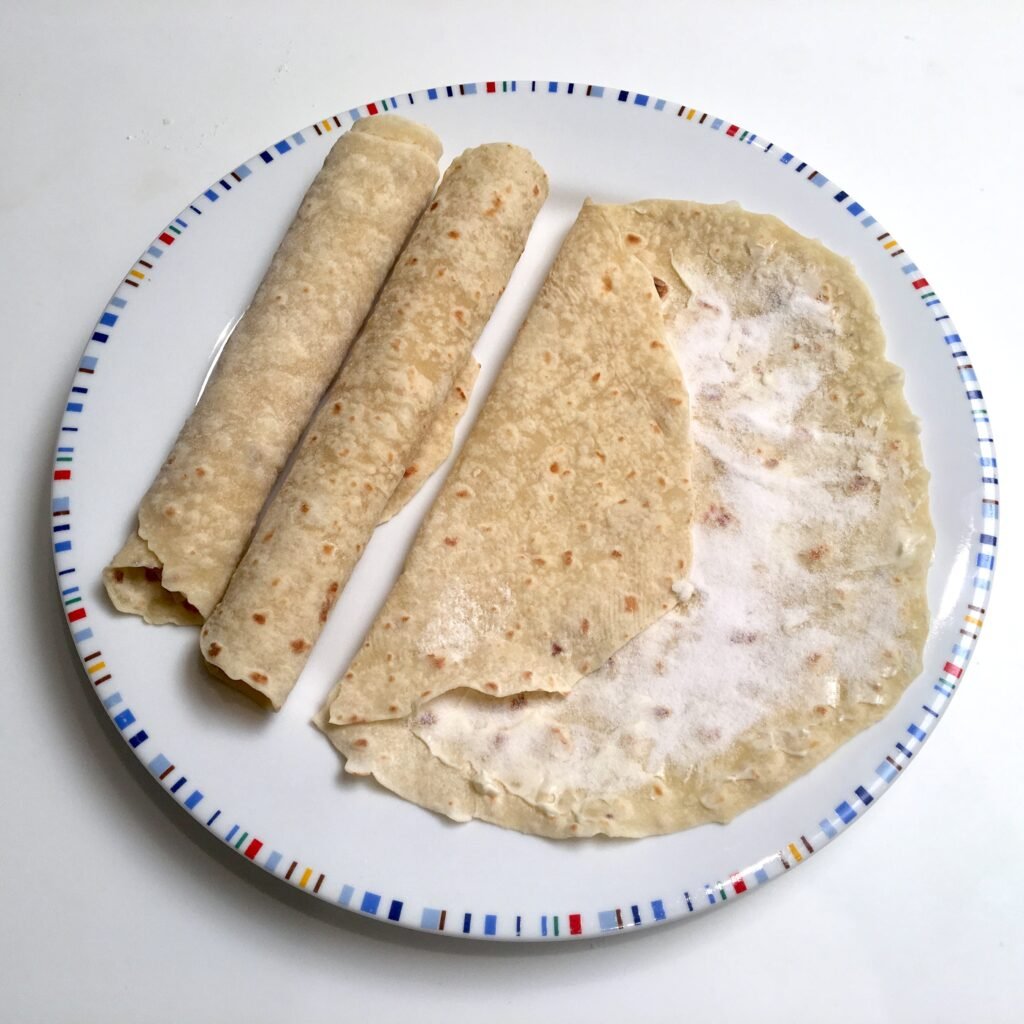
When it comes to accompanying lefse, the possibilities are nearly endless. A common and beloved way to enjoy lefse is by spreading a pat of butter over its surface and sprinkling sugar and cinnamon for a delightful sweet treat. This combination highlights the mild sweetness of the flatbread while contrasting with the rich, creamy texture of the butter.
For those who prefer savory options, lefse can be filled with various ingredients such as meats, cheeses, or vegetables, creating a delicious wrap or sandwich. It also functions well as a versatile side dish, complementing hearty meals or soups. Alternatively, lefse can be enjoyed as a snack on its own or used to scoop up dips, enhancing the overall dining experience.
Ultimately, the flavor profile and adaptable nature of lefse make it a cherished dish in Norwegian cuisine, providing endless ways to indulge in its delightful characteristics.
Where to Find Lefse: Making and Buying Lefse
Finding authentic lefse is an endeavor that can lead to delightful culinary experiences, whether through purchasing from local bakeries, visiting Norwegian festivals, or making it at home. Local bakeries, especially those with Scandinavian roots, often produce fresh lefse using traditional recipes. These establishments typically emphasize quality ingredients, ensuring that the lefse is made with care and authenticity. It is advisable to visit these bakeries during holiday seasons when lefse production tends to peak, as this is when they may offer their finest selections.
In addition to bakeries, Norwegian cultural festivals serve as excellent venues to discover lefse. Many of these events feature food stalls where local artisans sell homemade lefse alongside other traditional Norwegian dishes. Attending these festivals not only allows for tasting authentic lefse but also supports local communities and preserves culinary traditions. Moreover, participating in workshops often available at these events can provide visitors with hands-on experience in making this beloved flatbread.
For those who wish to try their hand at making lefse at home, it can be a rewarding process. Beginners should start with a simple recipe and essential ingredients such as potatoes, flour, butter, and salt. It is beneficial to source high-quality ingredients, as they significantly impact the overall flavor and texture of the final product. Experienced bakers might experiment with additional flavors or variations, such as adding spices or incorporating whole-grain flour for a different texture. Emphasizing traditional methods, like using a wooden lefse board and a proper lefse grill, can further enhance the authenticity of the homemade lefse.
By exploring local bakeries, attending Norwegian festivals, and mastering homemade recipes, anyone can enjoy the delightful experience that lefse has to offer, fostering appreciation for this traditional delicacy.