
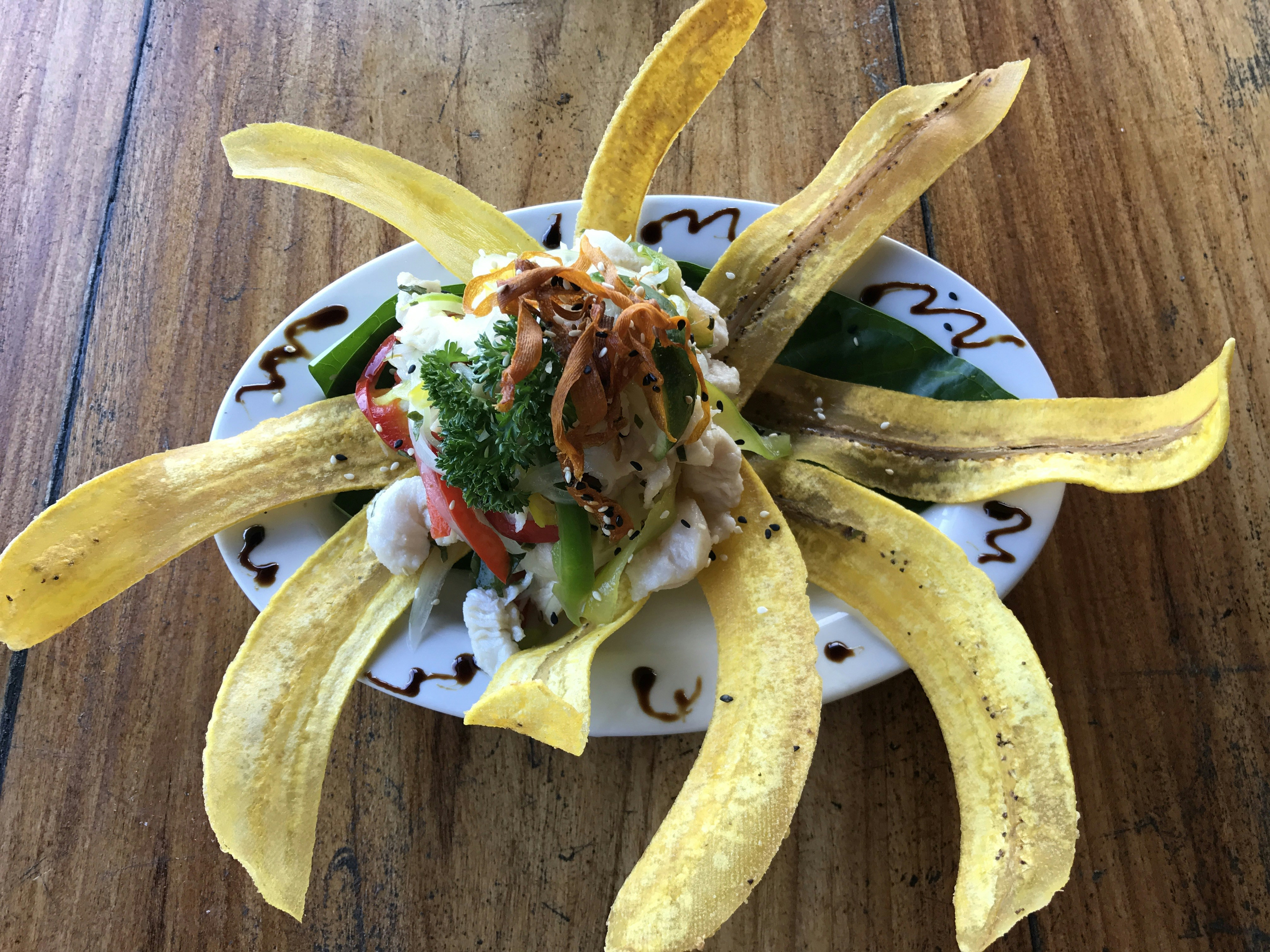
What is Mofongo? A Brief Introduction
Mofongo is a quintessential dish of Puerto Rican cuisine, known for its rich flavors and cultural significance. The origins of mofongo can be traced back to African and Spanish influences, reflecting the island’s diverse heritage. Traditionally, this dish is composed of three primary ingredients: green plantains, garlic, and pork cracklings. The green plantains, which are firm and starchy, are first fried and then mashed into a smooth paste, often accompanied by garlic, which adds a robust flavor that is characteristic of many Caribbean dishes. Pork cracklings, or chicharrón, contribute a savory crunch that enhances the overall texture of mofongo.
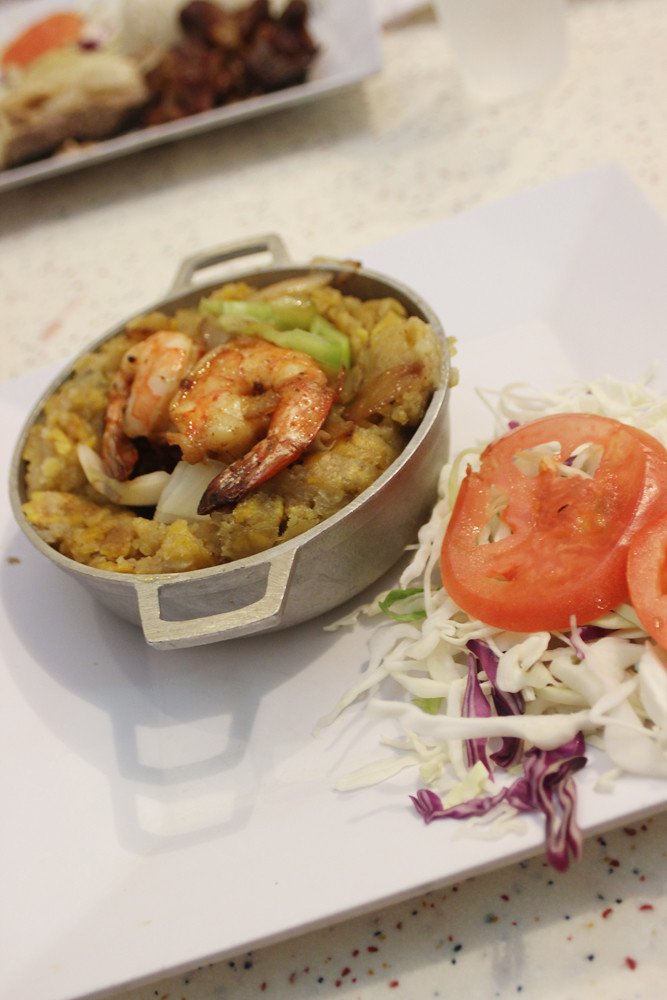
Over the years, mofongo has evolved to become a versatile dish, with various regional interpretations across Puerto Rico. While the traditional preparation often sees it served as a side dish to accompany meats such as chicken or shrimp, modern chefs have taken creative liberties, adding other ingredients such as seafood, vegetables, or sauces to cater to a wider array of palates. Variations such as “mofongo relleno,” where the mashed plantains are stuffed with fillings like shrimp, beef, or vegetables, exemplify the adaptability of this dish.
Mofongo holds a special place in Puerto Rican culture, often being served during festive gatherings and family celebrations. It is frequently enjoyed during special occasions, highlighting its role as a comfort food and a symbol of Puerto Rican heritage. In essence, mofongo not only serves as a delicious culinary treat but also as a testament to the island’s rich history and the fusion of cultural influences that have shaped its unique gastronomic landscape.
The Preparation Process: Crafting the Perfect Mofongo
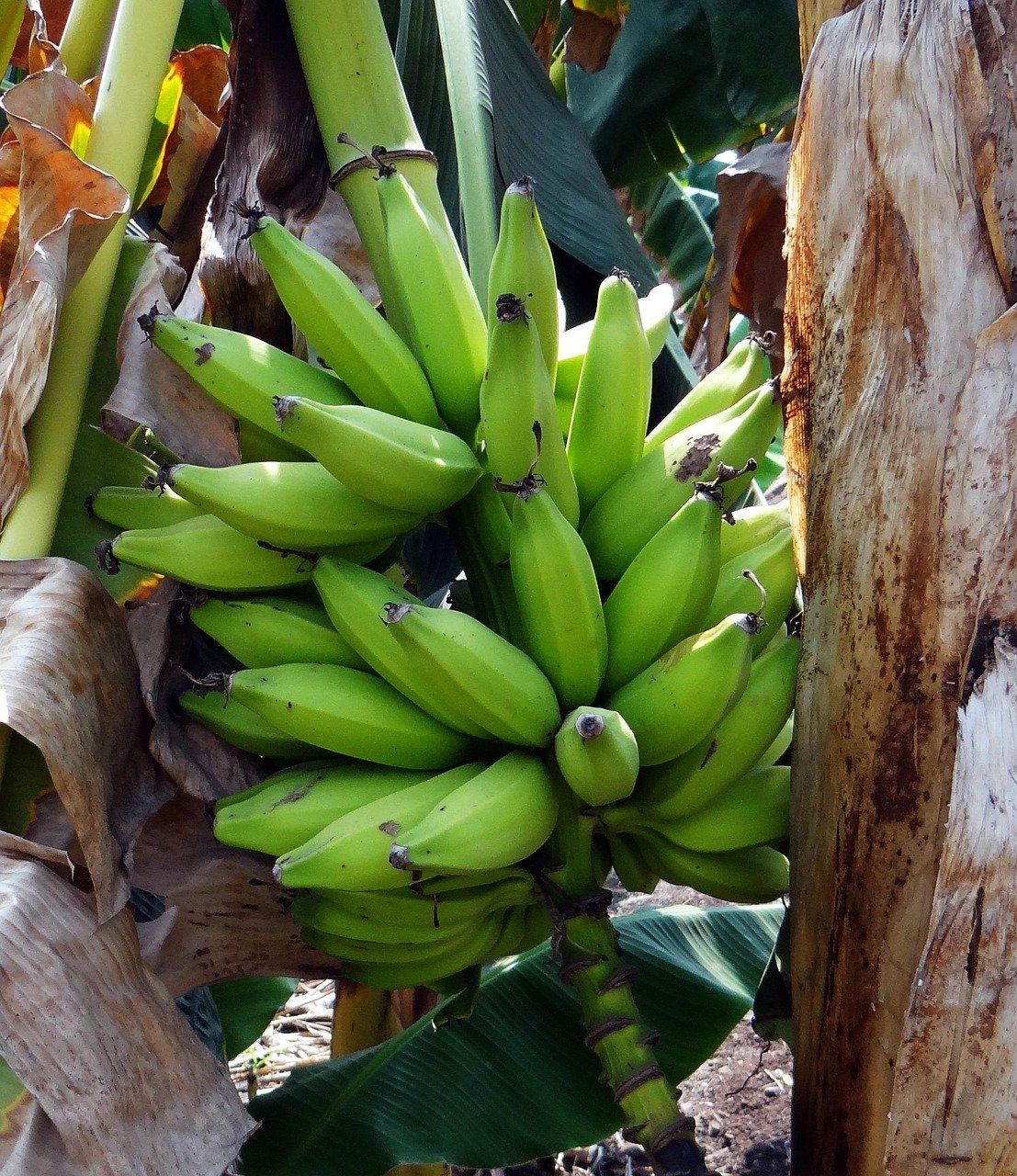
Creating an authentic mofongo begins with the careful selection of green plantains. The quality of the plantains is crucial as they form the basis of this beloved Puerto Rican dish. Fresh, firm plantains offer the best flavor and texture. The preparation starts with peeling the plantains and cutting them into thick slices, typically about one to two inches in width. They are then boiled in salted water until they become tender, a process that usually takes around 20 to 30 minutes. Once cooked, the plantains require proper mashing, which is key to achieving the renowned consistency of mofongo.
The use of a pilón, a traditional mortar and pestle, is fundamental in this process. This essential tool allows for a thorough mashing that brings about the perfect blend of the plantains and enhances their flavor. As the plantains are mashed, it is customary to gradually incorporate garlic, olive oil, and chicharrón (crispy pork skin), which adds depth and richness to the dish. The combination of these ingredients creates a harmonious balance, exemplifying the versatility of mofongo. The mashing technique can vary depending on regional preferences, as some may prefer a chunkier texture while others may opt for a smoother finish.
Variations on the classic recipe abound, allowing for customization based on individual tastes. Common additions include seafood, chicken, or vegetables, which can be mixed in with the plantains to create a more robust dish. Moreover, mofongo is frequently paired with rich sauces, such as a garlicky mojo or a savory broth, to enhance its flavor profile. Side dishes like fried cheese or avocado may also accompany mofongo, offering a delightful contrast in texture and taste. Each component of the dish contributes to the overall experience, reflecting the culinary traditions of Puerto Rico.
Taste Test: Flavor Profile and Texture Experience
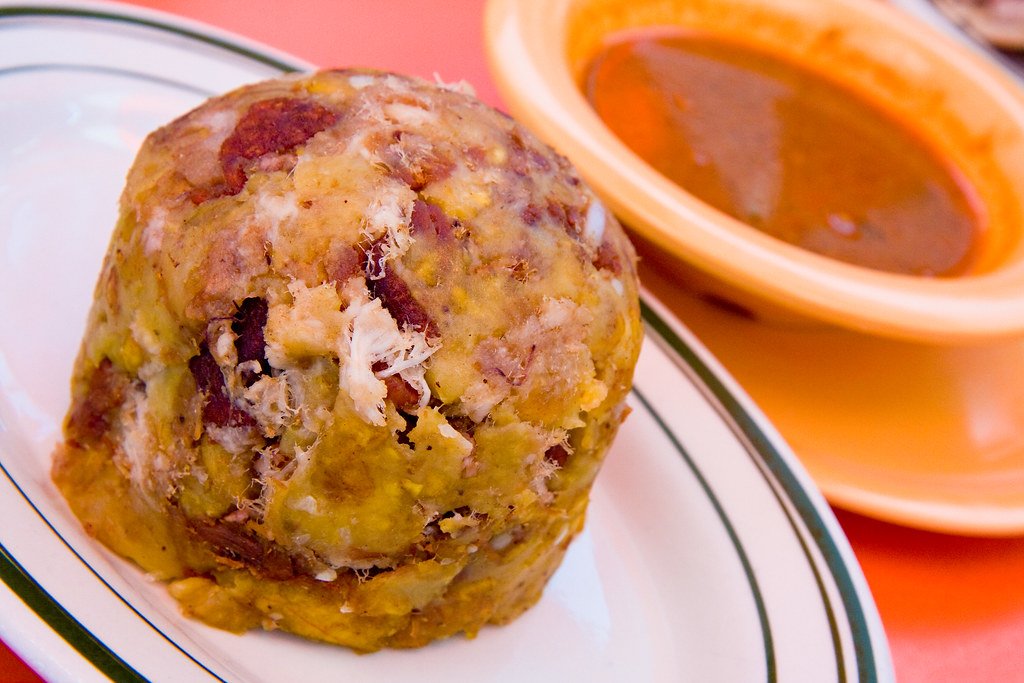
Mofongo, a beloved dish from Puerto Rico, presents a remarkable flavor profile that is intricately balanced, offering a delightful experience for the palate. This culinary creation primarily features green plantains, which are fried and then mashed, resulting in a unique base that serves as a canvas for various flavors. The initial experience is characterized by a crunchy exterior that effortlessly gives way to a smooth, buttery interior, creating a pleasurable contrast in texture.
The savory and slightly salty notes of mofongo are further enhanced by the generous use of garlic, which lends an aromatic quality that elevates the overall taste. This garlicky essence is integral, as it infuses the dish with a warmth that complements the inherent starchiness of the plantains. Additionally, the potential incorporation of various proteins, such as shrimp, chicken, or beef, adds layers of complexity and satisfaction to the dish. Each bite delivers a harmony of flavors, as the salty elements from the broth or seasoning meld beautifully with the earthy sweetness of the plantains.
Seafood or chicken broth can be added to mofongo, providing moisture and further enriching the dish’s flavor spectrum. The interplay between the tender, mashed plantains and the broth creates a depth of taste that is both hearty and comforting. Overall, the taste experience of mofongo is distinctive and multifaceted, showcasing the vibrant culinary heritage of Puerto Rico. Whether enjoyed as a standalone dish or accompanied by an array of toppings, mofongo offers an immersive journey into the rich tapestry of Caribbean cuisine, making it a must-try for any food enthusiast. The combination of textures and flavors found in every serving ensures that mofongo remains a treasured dish among many.
Top Recommendations for the Best Mofongo
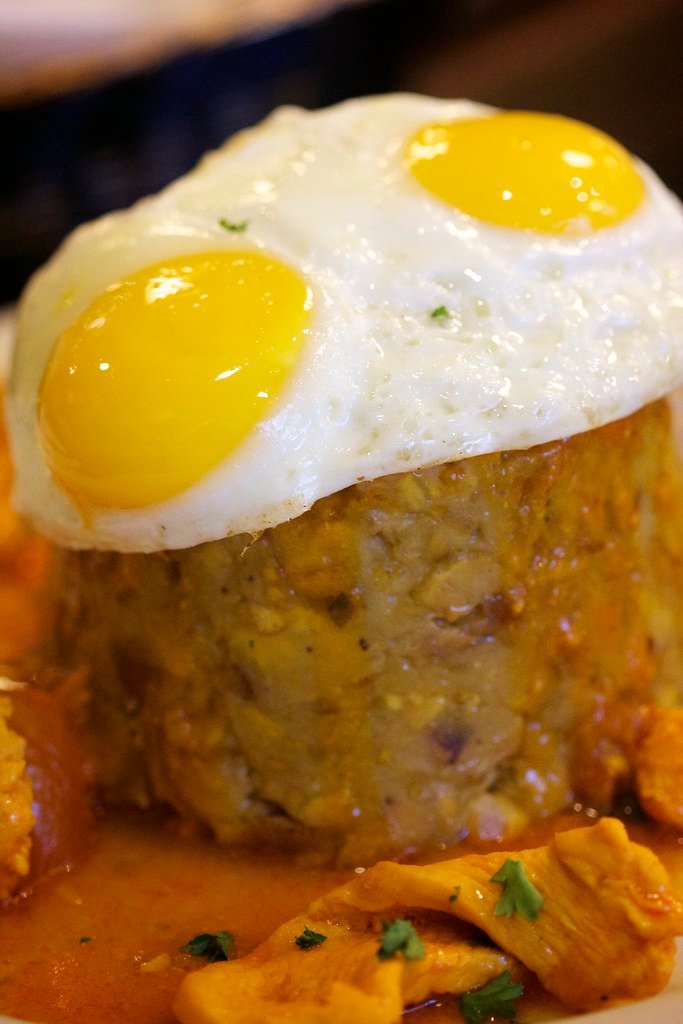
When it comes to savoring authentic mofongo, several establishments stand out across Puerto Rico and in places with a strong Puerto Rican community. Here are some top recommendations that are celebrated for their exceptional mofongo offerings.
One of the premier spots is “La Fonda del Jibarito,” located in San Juan. This restaurant is renowned for its rustic charm and commitment to traditional cuisine. Their mofongo is made using a time-honored recipe featuring perfectly seasoned plantains and a rich garlic sauce. Customers rave about the ambiance, which evokes a warm, inviting atmosphere, perfect for enjoying their flavorful dishes.
Next on the list is “Mofongo King,” a celebrated eatery in Ponce. Patrons adore their variation of mofongo, which they pair with an extensive selection of meats and seafood. What sets Mofongo King apart is its innovative approach to this classic dish, offering unique toppings like shrimp in garlic sauce and grilled steak. Diners appreciate the casual environment and prompt service, making this a favorite spot for both locals and tourists.
In New York, “El Taller” is a must-visit for those craving a taste of Puerto Rico. This restaurant combines tradition with modern flair, serving mofongo that is not just delicious but also artistically presented. Here, guests enjoy a vibrant atmosphere complemented by live music and art, elevating the dining experience. Their signature dish includes a mix of chicken and chicharrón, which has become a crowd favorite.
To identify authentic mofongo, look for establishments that prioritize quality ingredients and traditional preparation methods. Engaging with staff to understand their recipes can also provide insight into the authenticity of the dish. By choosing these recommended venues, diners are sure to enjoy a memorable mofongo experience that highlights the best of Puerto Rican culinary traditions.