

Introduction to Oxtail
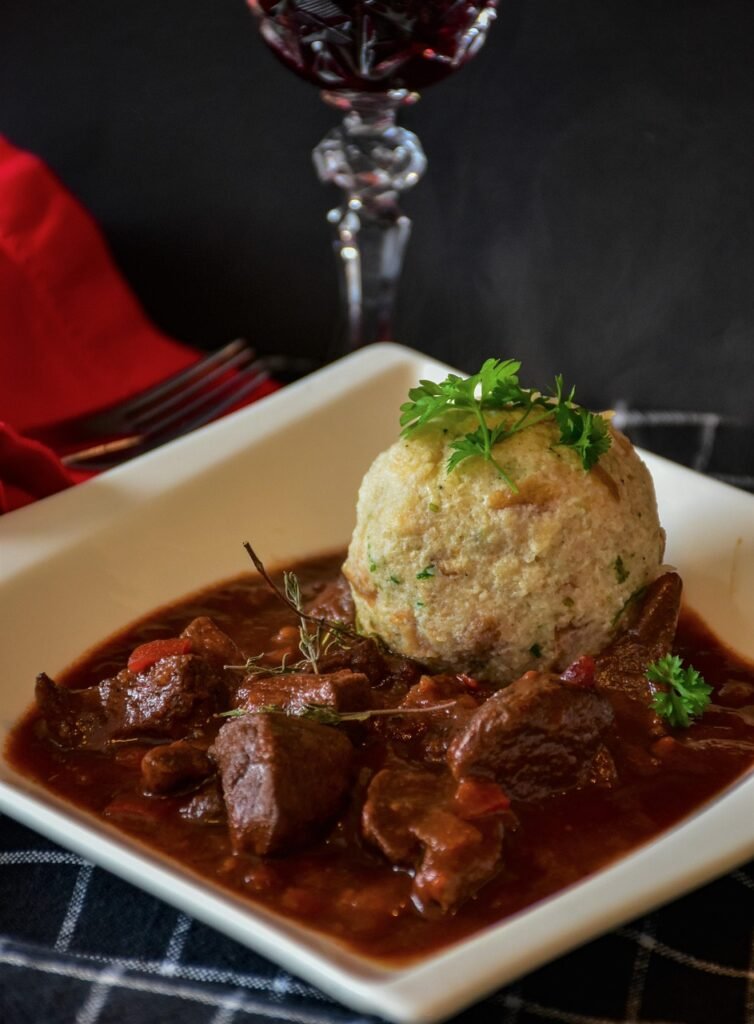
Oxtail, the culinary term for the tail of cattle, has a rich history that intertwines with various cultures and cuisines across the globe. Traditionally, this ingredient was considered a byproduct of the meat industry, often utilized by less affluent households. However, over time, oxtail has transformed into a sought-after delicacy, recognized for its unique flavor and versatility in a variety of dishes. Historical records indicate that oxtail has been used in cooking since the 17th century, particularly in European cuisines such as British and French, where it was often featured in stews and soups due to its gelatinous properties that impart depth to broths.
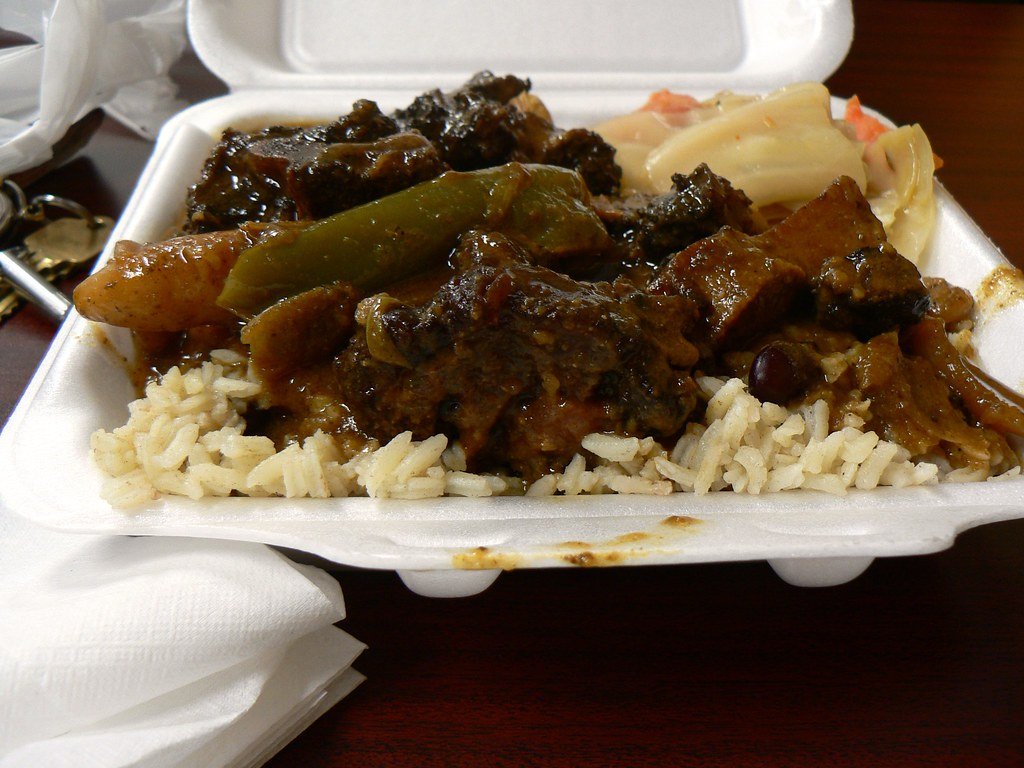
Oxtail is particularly valued in Caribbean, Asian, and African culinary traditions, where it plays a significant role in classic dishes. For instance, Jamaican oxtail stew, characterized by its rich, hearty flavors, has gained international acclaim, while Korean cuisine has embraced oxtail in soups such as “kkori gomtang.” The ingredient’s ability to absorb flavors makes it ideal for slow cooking, which allows for the melding of spices and herbs, enhancing the overall taste profile of many recipes.
In contemporary cooking, there has been a noticeable resurgence in the popularity of oxtail dishes. As food enthusiasts and chefs alike explore traditional recipes and innovative adaptations, oxtail has garnered attention in fine dining establishments as well as home kitchens. This renewed interest is partly fueled by a growing trend towards nose-to-tail cooking, which emphasizes utilizing every part of the animal, thereby reducing waste and promoting sustainability. With its rich flavor, cultural significance, and diverse preparation methods—from braising to grilling—oxtail stands out as a remarkable ingredient in today’s culinary landscape.
Flavor Profile and Texture
Oxtail, once considered a humble cut, has gained recognition for its distinct flavor profile and texture, making it a sought-after ingredient in various culinary traditions. The flavor of oxtail is rich and hearty, resulting from the unique combination of meat and bone that comprises this cut. When prepared, the meat becomes tender and flavorful, while the bones contribute depth through their marrow and connective tissues during the cooking process.
One of the defining characteristics of oxtail is its gelatinous quality, which is derived from the collagen in the connective tissues. When oxtail is slow-cooked, a significant amount of this collagen breaks down, resulting in a luxurious, almost creamy mouthfeel. This texture not only enhances the overall eating experience but also allows the dish to carry flavors exceptionally well, making it ideal for stews, soups, and braised dishes. The gelatinous nature also contributes to a rich body in sauces, providing a satisfying consistency that complements various side dishes.
When compared to similar cuts of meat, such as beef shanks or short ribs, oxtail offers a unique eating experience. While these cuts share some similarities, the specific preparation methods often highlight oxtail’s gelatinous nature and robust flavor. Slow cooking techniques, such as braising or stewing, are particularly beneficial, as they allow for the meat to break down and absorb surrounding spices, aromatics, and textures, enriching the dish’s overall flavor. In contrast, other cuts like brisket or flank may provide a more fibrous texture and a different cooking dynamic.
Cooking Techniques and Recipes

When it comes to preparing oxtail, various cooking methods can significantly influence the final dish’s flavor and texture. Among the most effective techniques are braising, stewing, and pressure cooking. Each method brings out different aspects of this richly flavored meat, allowing home cooks to find the best approach for their culinary preferences.
Braising is a traditional technique that involves first searing the oxtail in a hot pan to develop a crust, followed by slow cooking in liquid. This method allows the connective tissue in the oxtail to break down, resulting in tender, succulent pieces. A classic oxtail soup can be made using this technique, where the meat is simmered gently with vegetables such as carrots, onions, and celery, enhancing the broth’s flavor.
Stewing is another popular technique, ideal for creating hearty dishes. In a typical oxtail stew, the meat is slow-cooked with a combination of spices, tomatoes, and aromatic herbs. This method not only infuses the meat with flavor but also thickens the sauce, creating a satisfying, rich dish. Jamaican oxtail stew, known for its use of browning sauce and unique spices, is a flavorful representation of this technique.
For those looking for a quicker solution, pressure cooking significantly reduces the time needed to achieve that tender texture, while still allowing the flavors to meld beautifully. Utilizing a pressure cooker, one can prepare oxtail stew in under an hour, making it a convenient option without compromising on taste.
To complement these dishes, consider pairing oxtail with sides like rice and peas, mashed potatoes, or crusty bread. These pairings not only enhance the meal but also provide a delicious vehicle for the rich sauces typically served alongside oxtail dishes. By selecting the right cooking technique, one can create delectable oxtail recipes that will surely impress family and friends.
Where to Find and How to Choose Oxtail
Oxtail is increasingly becoming a sought-after ingredient for many home cooks and professional chefs alike. To obtain the best quality oxtail, consumers can explore various purchasing avenues including supermarkets, butcher shops, and online retailers. Each option presents unique benefits and considerations. Supermarkets often carry pre-packaged oxtail, which provides convenience and accessibility; however, the quality may vary significantly between brands. Butcher shops, on the other hand, typically source fresher, higher-quality cuts. Staff at these establishments can provide insight into the best ways to prepare the oxtail and may even offer tips on how different cuts affect flavor and texture.
For those choosing to shop online, various meat delivery services now specialize in providing high-quality oxtail sourced from sustainable farms. This option also allows consumers to conveniently conduct research on their sourcing practices to ensure ethical standards are met.
When selecting oxtail, several factors should be evaluated to guarantee quality and flavor. The color of the meat is a critical indicator; fresh oxtail should appear bright red, while any brownish or gray hues can indicate aging or spoilage. Additionally, inspecting the fat content is essential; an equal ratio of meat to fat ensures a more succulent and flavorful result when cooked. Attention should also be given to the bone structure; bone marrow is a prized component of oxtail, contributing rich flavor and texture to dishes like stews and soups.
Ethical sourcing is another vital aspect to consider while purchasing oxtail. Consumers are encouraged to inquire about the origins of the meat, choosing farms that prioritize humane treatment of animals and sustainable farming practices. By making informed choices about where and how to purchase oxtail, consumers can enjoy this flavorful ingredient while supporting responsible practices in the meat industry.