
Understanding Porco Preto: The Heritage of Iberian Black Pigs
Porco Preto, or Iberian black pig, holds a significant place in the culinary history of Spain and Portugal, revered not only for its exceptional flavor but also for its rich heritage. The origins of this unique breed can be traced back to ancient times, where the Iberian Peninsula’s diverse landscapes provided an ideal habitat for their natural breeding. The indigenous pigs thrive in specific environmental conditions that contribute to their distinct characteristics, setting them apart from conventional swine.
The exceptional flavor profile of Porco Preto is largely attributed to traditional farming methods that have been passed down through generations. Farmers employ extensive pastureland, often known as “dehesas,” which are oak and cork woodlands where these pigs graze freely. This allows them to forage for acorns and a variety of natural vegetation, ensuring a diet that plays a crucial role in developing their unique marbling and rich, nutty taste.
Breeding practices also hold importance in maintaining the integrity of the Porco Preto lineage. Careful selection ensures that only the best specimens are bred, allowing for the preservation of the breed’s distinctive qualities. Farmers often raise these pigs for a minimum of 12 months, allowing them to reach maturity while developing the prized Iberico ham, known for its intense flavor and buttery texture.
The cultural significance of Porco Preto extends beyond its culinary appeal; it is emblematic of regional traditions and the strong connection that local communities have with their land. In both Spain and Portugal, festivals and culinary events celebrate this remarkable heritage, emphasizing the pride associated with the sustainable practices that define the farming of Iberian black pigs. This appreciation for the art of pork production ensures that Porco Preto remains a cornerstone of Iberian cuisine.
The Culinary Experience: Cooking Techniques and Flavor Profile
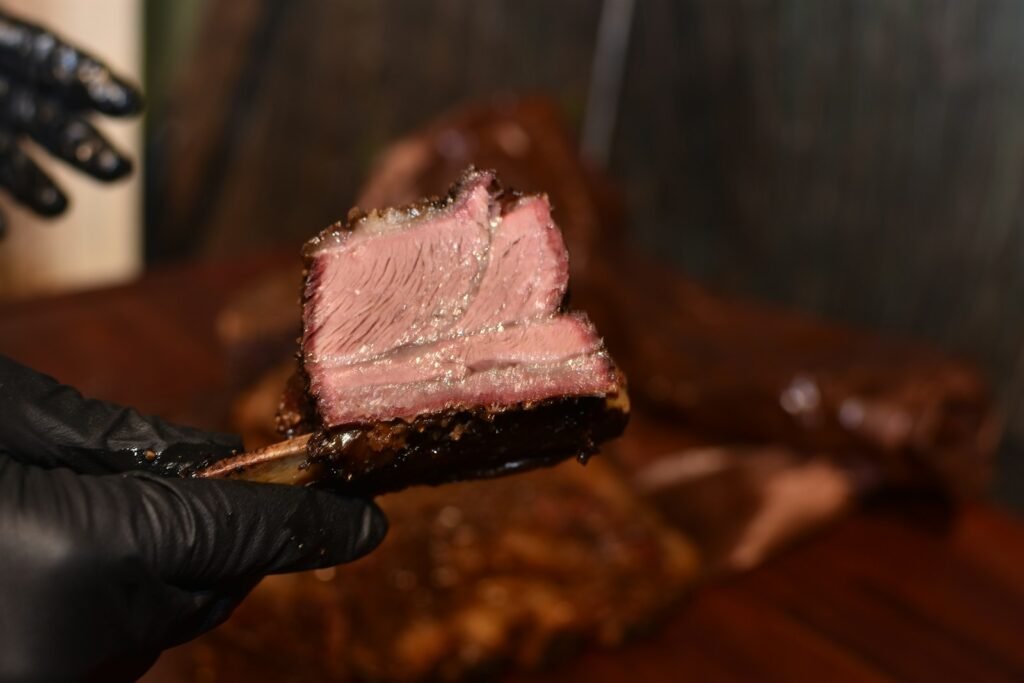
The culinary experience of Porco Preto, or Black Iberian Pork, is distinguished by its traditional and modern cooking techniques that enhance its exquisite flavor profile. One of the most revered methods is slow-roasting, which allows the meat to develop a rich depth of flavor while retaining its natural moisture. This technique often involves cooking the pork at a low temperature for an extended period, allowing the marbling of fat to render beautifully, resulting in a tender and succulent final product.
Grilling is another popular technique that accentuates the distinctive characteristics of Black Iberian Pork. When grilled, the meat acquires a smoky, charred exterior that complements its rich, savory taste. The fat content in Porco Preto creates a juicy texture, making each bite an indulgent experience. Compared to conventional pork varieties, Black Iberian Pork is renowned for its unique marbling, which significantly contributes to its tenderness and flavor complexity.
Modern adaptations of cooking Porco Preto have emerged, wherein techniques such as sous-vide cooking have gained popularity. By immersing the pork in a temperature-controlled water bath, cooks can achieve precise doneness and retain maximum juiciness. This method can be coupled with a final searing on a hot grill or pan to lock in flavors and provide a satisfying crust.
To elevate the overall dining experience of Porco Preto, thoughtful pairing with sides and wines is essential. Complementary side dishes such as roasted seasonal vegetables or creamy polenta can enhance the richness of the pork. Additionally, wines with good acidity, like a Tempranillo or a young Pinot Noir, balance the meaty flavors, making for a well-rounded meal. Ultimately, the culinary experience of Porco Preto is a celebration of techniques and flavors that distinguish it from other pork varieties, promising a memorable dining occasion.
Porco Preto in the Gourmet Scene: Restaurants and Dishes to Try
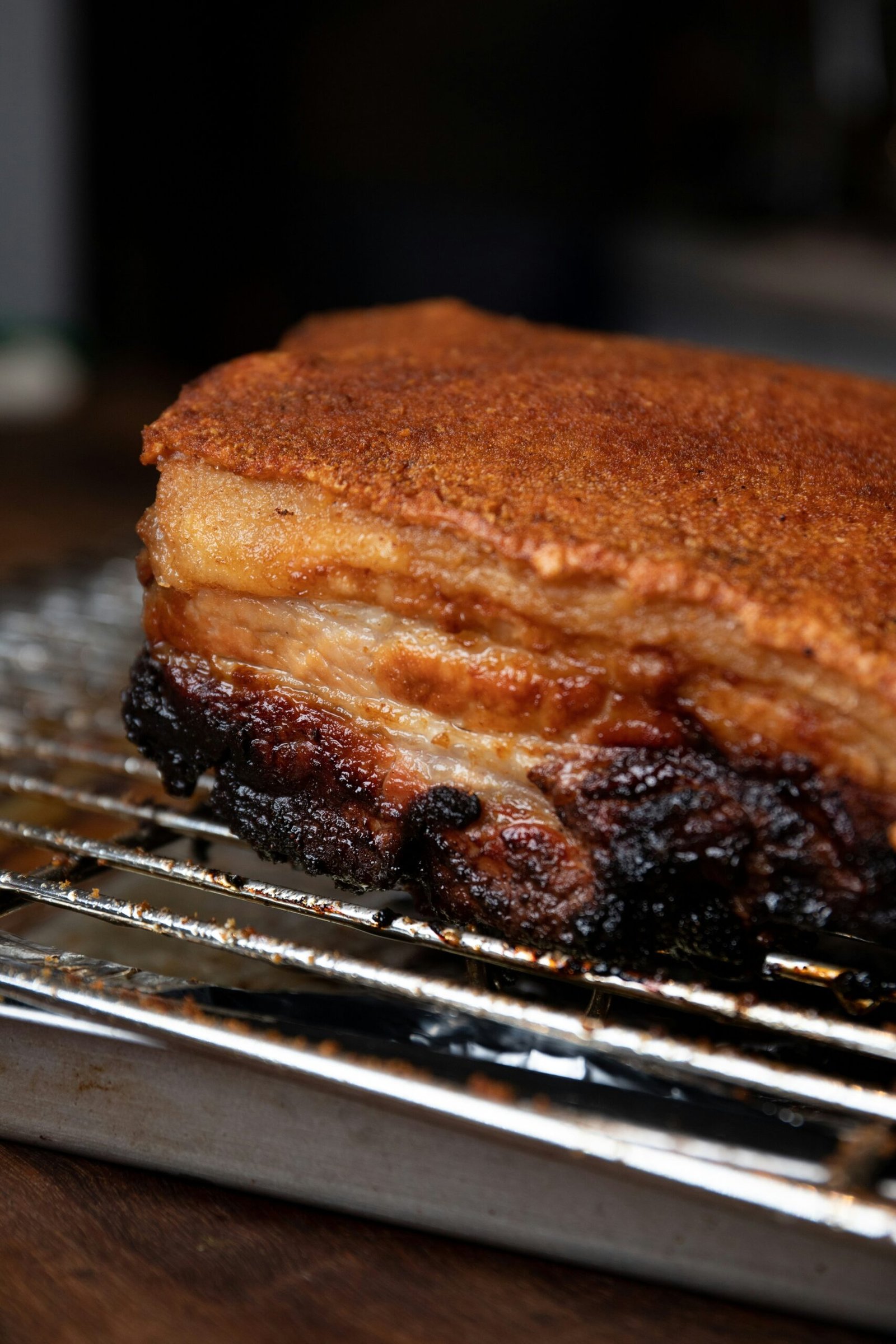
Porco Preto, or Black Iberian pork, has gained significant traction within the gourmet food scene, celebrated for its exquisite flavor and unique culinary applications. Numerous restaurants and chefs have embraced this delicacy, crafting dishes that highlight its rich, nutty taste while also integrating innovative cooking techniques that elevate traditional preparations. Noteworthy establishments such as Hotel Ritz in Madrid and Taberna del Alabardero have curated special menus that celebrate the versatility of Porco Preto, featuring everything from expertly grilled chops to slow-cooked stews.
For an exceptional dining experience, the classic ‘Secretos de Cerdo Ibérico’ at Cota 800 in the heart of Seville should not be overlooked. This dish showcases thinly sliced pork marinated and grilled to perfection, retaining a succulent texture that melts in the mouth. Chefs have also begun adding their unique interpretations, like the Porco Preto sushi rolls at upscale fusion restaurants, incorporating various ingredients to create an entirely new culinary experience while still paying homage to traditional flavors.
Local eateries also offer superb versions of Porco Preto dishes, allowing patrons to indulge in authentic flavors without the formality of fine dining. For instance, the popular ‘Pluma Ibérica’ – a tender cut revered for its marbling – is often featured in tapas bars across Spain, served alongside artisan breads and local wines. Searching for these dishes in family-owned establishments can lead to remarkable, unpretentious preparations that showcase the sincere craftsmanship inherent in cooking with high-quality ingredients like Porco Preto.
In essence, whether in a sophisticated restaurant or a charming local tavern, the culinary prowess surrounding Porco Preto continues to evolve. Diners are encouraged to explore various offerings, as each chef brings a distinctive touch to this remarkable ingredient, celebrating its rich heritage while crafting memorable dishes that delight the palate.
Sourcing and Buying Porco Preto: What to Look For

When it comes to sourcing high-quality Porco Preto, particular attention must be paid to grading, marbling, and labeling. Authentic Porco Preto, which comes from the rare Iberian black pig, should be well-marbled with fat interspersed throughout the meat. This marbling not only enhances the flavor but also contributes to a tender texture when cooked. Look for a reddish or dark hue, indicative of the diet these pigs are raised on, which consists largely of acorns. The fat should possess a creamy white color and have a distinctive buttery quality.
To ensure authenticity, always check for labeling that confirms the product originates from the Iberian breed. Certifications such as “Dehesa” or “Bellota” can indicate that the pigs have been raised in a free-range environment, allowing them to roam and feed on acorns. These labels are crucial because they signify the quality and depth of flavor you can expect from the meat. Additionally, it is beneficial to familiarize yourself with reputable brands or farms that specialize in Porco Preto, as this can streamline your buying process.
When looking to purchase Porco Preto, local markets and specialty butchers are often excellent sources. These establishments typically have knowledgeable staff who can provide guidance on selecting the best cuts and may offer samples to help you make your decision. Online retailers also present a viable option for sourcing this specialty meat, particularly if you live in an area with fewer local suppliers. When preparing Porco Preto at home, beginner cooks should focus on simplicity to let the natural flavors shine. Techniques such as slow roasting or grilling will allow the distinct characteristics of the meat to stand out while maintaining its juiciness and tenderness.