
The Origins of Risotto
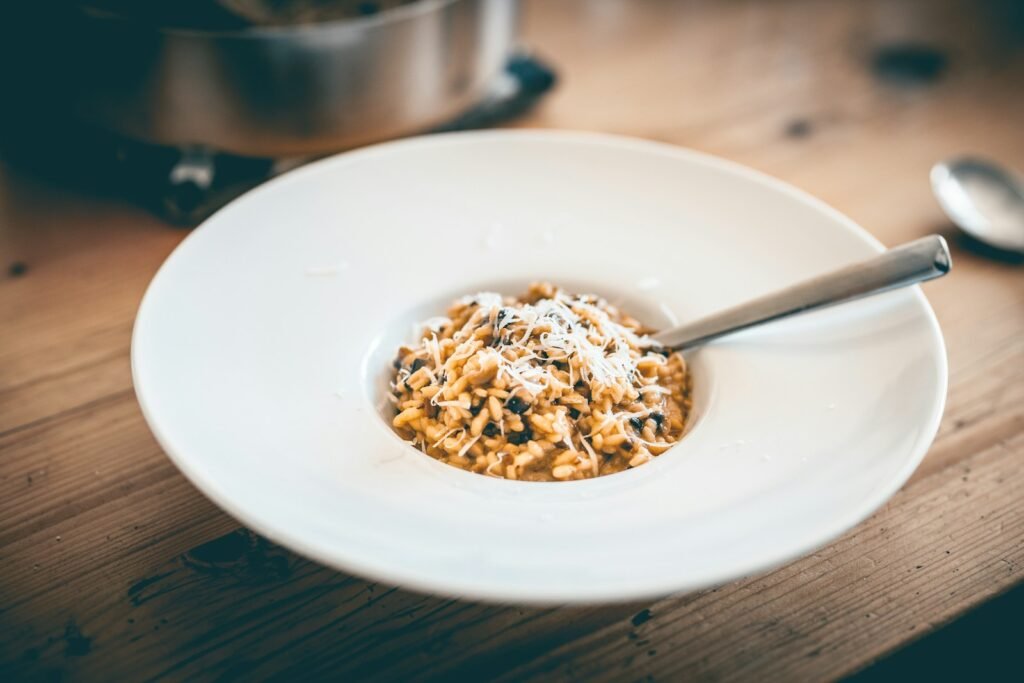
Risotto, a quintessential Italian dish, finds its roots deeply embedded in the fertile plains of Northern Italy, particularly in the Lombardy region. The cultivation of rice in Italy can be traced back to the 14th century, marking the beginning of an agricultural transformation that would contribute immensely to Italian culinary traditions. Initially, rice was introduced as a crop from the east, and over time, it adapted well to the marshy conditions of the Po Valley, where it flourished. This adaptability laid the groundwork for risotto, a dish that would elevate rice to new gastronomic heights.
The evolution of risotto is closely linked to the types of rice cultivated in Italy. Among the various varieties, Arborio, Carnaroli, and Vialone Nano stand out as the most suitable for creating the perfect risotto. Arborio rice, known for its high starch content, provides a creamy texture that is characteristic of risotto. Carnaroli, often referred to as the “king of rices,” is prized for its ability to maintain firmness while absorbing flavors, making it a favorite among chefs. Vialone Nano, on the other hand, is celebrated for its smaller grains and balanced texture, which are ideal for a rich and hearty risotto.
As rice cultivation expanded across Northern Italy, the dish began to evolve. The cooking technique, which involves slowly adding broth to the rice and stirring frequently, helps release the starches, resulting in the creamy consistency that defines risotto. Through generations, various regions added their own local ingredients, which led to the development of diverse versions of risotto, each reflecting the unique agricultural produce and traditions of its area.
In conclusion, the origins of risotto are deeply rooted in Northern Italy, with rice cultivation providing the foundation for its development. Understanding these historical and agricultural contexts enhances appreciation for this beloved Italian dish, which remains a staple in kitchens worldwide.
A Brief History of Risotto
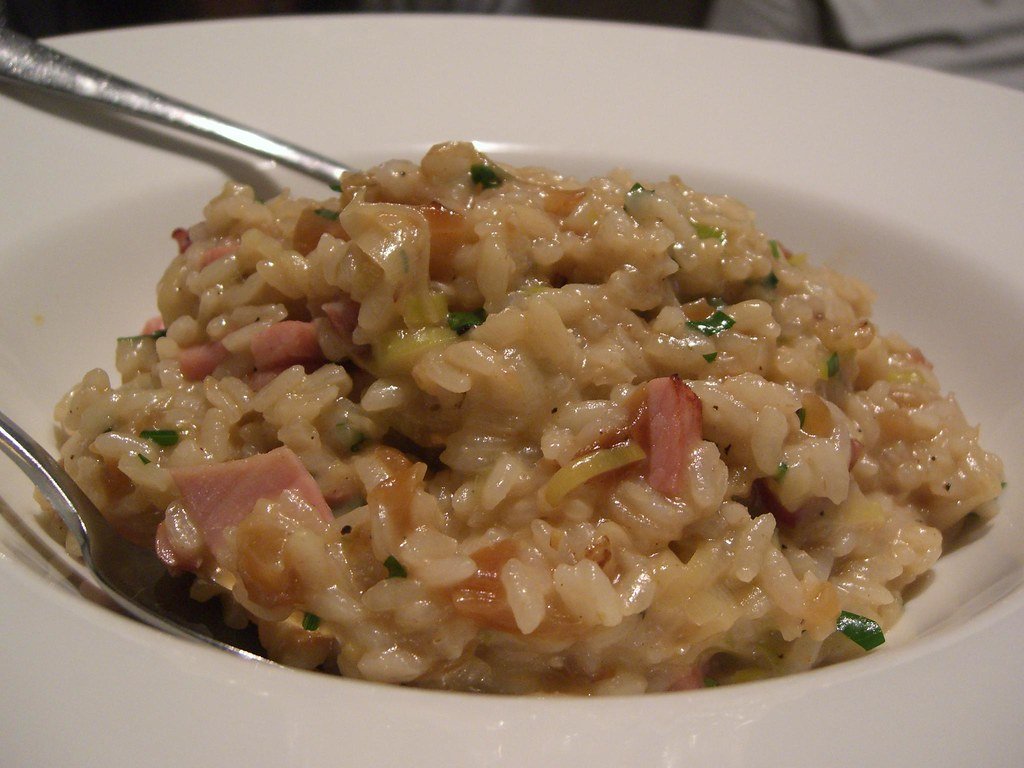
The history of risotto is deeply intertwined with Italian culture and its agricultural practices. It is widely believed that the origins of risotto can be traced back to the introduction of rice cultivation in Italy, which commenced in the 8th century. The cultivation largely took place in the northern regions of Italy, particularly in Lombardy and Piedmont, which subsequently became the epicenter of risotto production. Initially, the dish was a simple peasant’s meal, crafted from readily available local ingredients. Early versions of risotto were often prepared with modest seasonings and paired with herbs and vegetables grown in local gardens.
As rice became more popular, particularly Arborio and Carnaroli varieties, risotto began to evolve, transitioning from a basic sustenance food to a staple of Italian cuisine. The 19th century marked a pivotal moment in the dish’s history with its emergence in fine dining. Influential chefs began to experiment with cooking techniques, incorporating butter, cheese, and various stocks, which added depth and complexity to the flavor. The iconic dish, Risotto alla Milanese, imbued with saffron, is an exemplary representation of this refined taste, showcasing how risotto adapted and flourished within Italian culinary traditions.
Throughout the years, risotto recipes have been preserved and passed down from generation to generation, each family adding its unique twist while paying homage to traditional elements. The dish has transcended its humble beginnings, becoming a versatile canvas for chefs worldwide who incorporate diverse ingredients ranging from seafood to seasonal vegetables. The evolution of risotto reflects not only changes in culinary practices but also Italy’s rich cultural tapestry, making it a cherished symbol of culinary heritage. As risotto continues to captivate food enthusiasts globally, it remains a testament to the enduring legacy of Italian cuisine.
The Meaning Behind Risotto
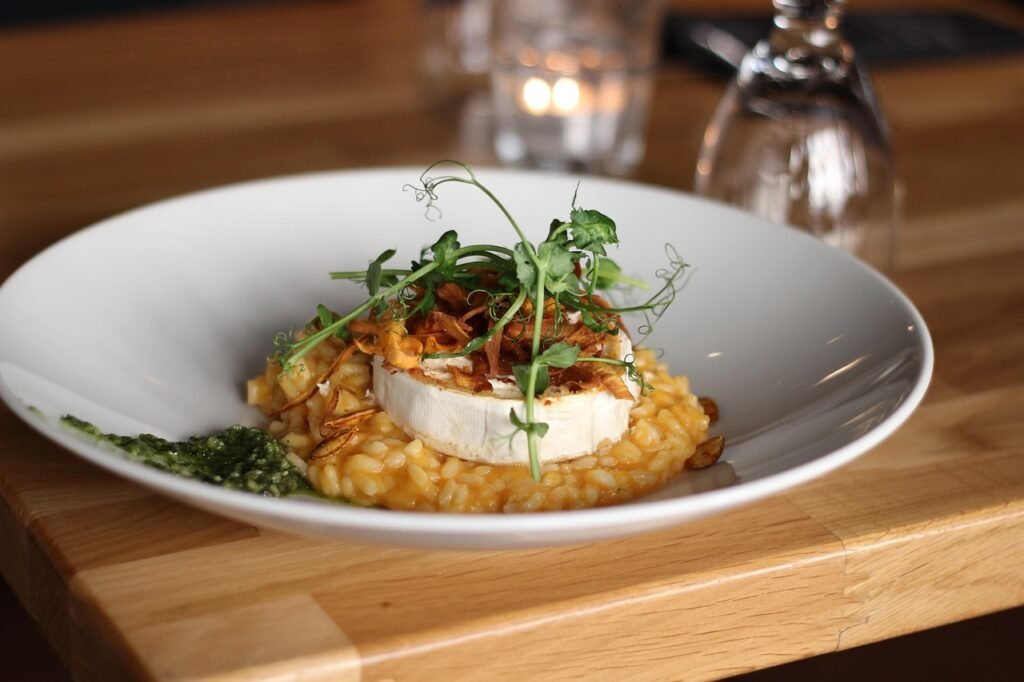
Risotto serves not merely as a dish but as a meaningful culinary tradition deeply rooted in Italian culture. It represents more than just a blend of rice and broth; it embodies the essence of togetherness, familial bonds, and the rich tapestry of Italian heritage. In households across Italy, risotto is often associated with gatherings, celebrations, and comfort. The process of making risotto, which requires patience and precision, creates opportunities for family members to engage and bond in the kitchen. Children learn from their parents, and friends come together to share in the joy of cooking, making each serving a testament to cherished memories.
The preparation of risotto involves an active participation that transforms the simple act of cooking into a communal experience. As the rice absorbs the broth, transforming into a creamy dish, it draws people closer, both physically and emotionally. This nurturing aspect of risotto signifies a deep-rooted tradition where the kitchen becomes the heart of the home. Sharing risotto at the table often prompts affectionate conversations, laughter, and the rekindling of old stories, revealing how food can act as a powerful connector between generations.
Culturally, risotto is celebrated in various regional variations, reflecting local ingredients and flavors. From the iconic Risotto alla Milanese, infused with saffron, to the seafood-rich Risotto al Nero di Seppia, each variant tells a story of its origin, further reinforcing the significance of place in Italian cuisine. Such dishes are often prepared during notable events, underscoring risotto’s role not just as sustenance, but as a symbol of celebration, hospitality, and love. By bringing people together, risotto encapsulates the very spirit of Italian culture, making it a cherished dish that transcends generations.
Cultural Significance of Risotto
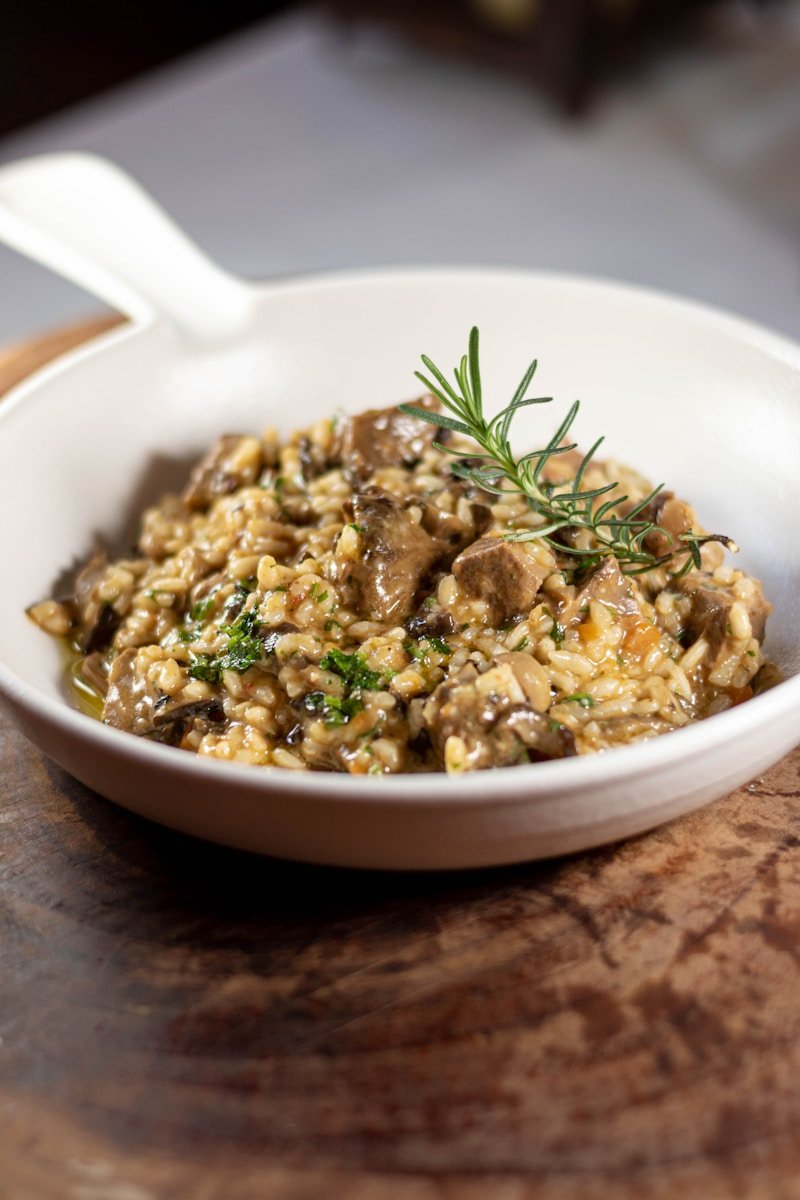
Risotto holds a prominent place not only within Italian cuisine but also in the broader spectrum of global culinary practices. Traditionally, risotto hails from Northern Italy, with its roots deeply embedded in regions such as Lombardy and Piedmont. The dish is characterized by its creamy, rich texture, obtained through the meticulous cooking of Arborio or Carnaroli rice, which releases starch during the cooking process. As chefs worldwide discover the allure of risotto, they begin to experiment with various ingredients, flavor profiles, and techniques, leading to a significant culinary evolution.
Outside of Italy, risotto has experienced a remarkable adaptation, showcasing its versatility as a canvas for regional ingredients and flavors. In Spain, for instance, chefs may incorporate saffron and seafood, creating a dish reminiscent of paella while still maintaining the essence of traditional risotto. Similarly, in the United States, risotto serves as a foundation for a plethora of local ingredients, ranging from truffle oil to seasonal vegetables, reflecting the growing trend of farm-to-table dining.
This cultural adaptation of risotto signifies not only a culinary transformation but also illustrates how food can forge connections across diverse cultures. As chefs from different backgrounds embrace risotto, they weave their unique culinary narratives into the dish while paying homage to its Italian origins. Restaurants worldwide increasingly feature risotto on their menus, attesting to its rising popularity and its capacity to unite different culinary traditions.
The global embrace of risotto reinforces its status as a dish that transcends borders. By incorporating local and seasonal ingredients, chefs not only highlight regional culinary identities but also contribute to the collective heritage of this iconic dish. As risotto continues to evolve, it highlights the importance of cultural exchange within gastronomy and the enduring legacy of traditional dishes. The culinary journey of risotto exemplifies how a simple concept can adapt and thrive in numerous contexts, further enriching the global culinary landscape.
Taste Profile of Risotto
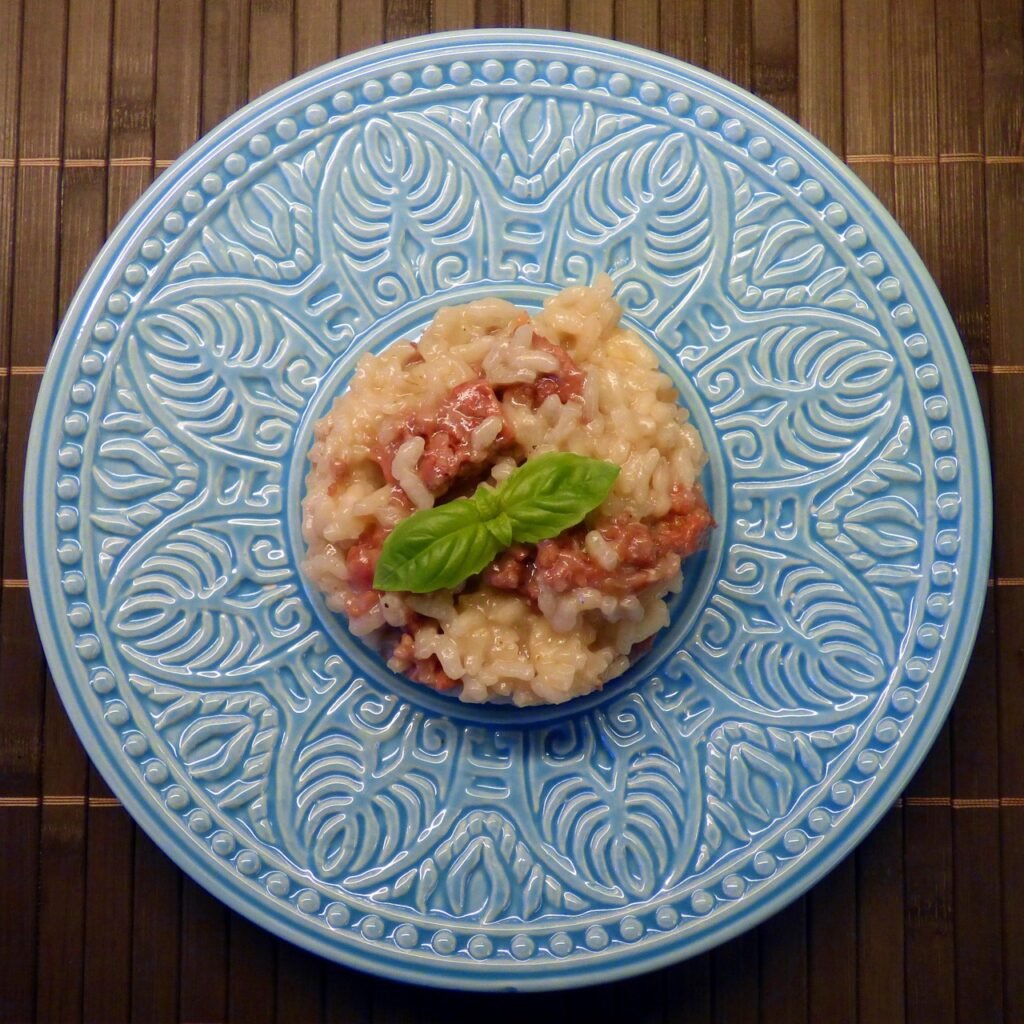
Risotto is renowned for its creamy texture and rich flavor profile, which is the result of a meticulous cooking process that highlights its core ingredients. The foundation of risotto typically comprises Arborio rice, which is high in starch, allowing it to absorb liquids and release a creamy consistency as it cooks. The inclusion of broth is essential, as it infuses the dish with depth, while the type of broth used—whether chicken, vegetable, or fish—can significantly alter the overall taste experience. Broths provide a savory base that balances the creamy richness of the rice.
Onions, often sautéed at the beginning, contribute a subtle sweetness and aromatic quality, enhancing the overall flavor complexity. The addition of wine during the cooking process introduces acidity, which acts to brighten the dish and helps to round out the flavors. The careful integration of cheese, particularly Parmigiano-Reggiano, adds a salty, umami dimension, making every bite decadently satisfying.
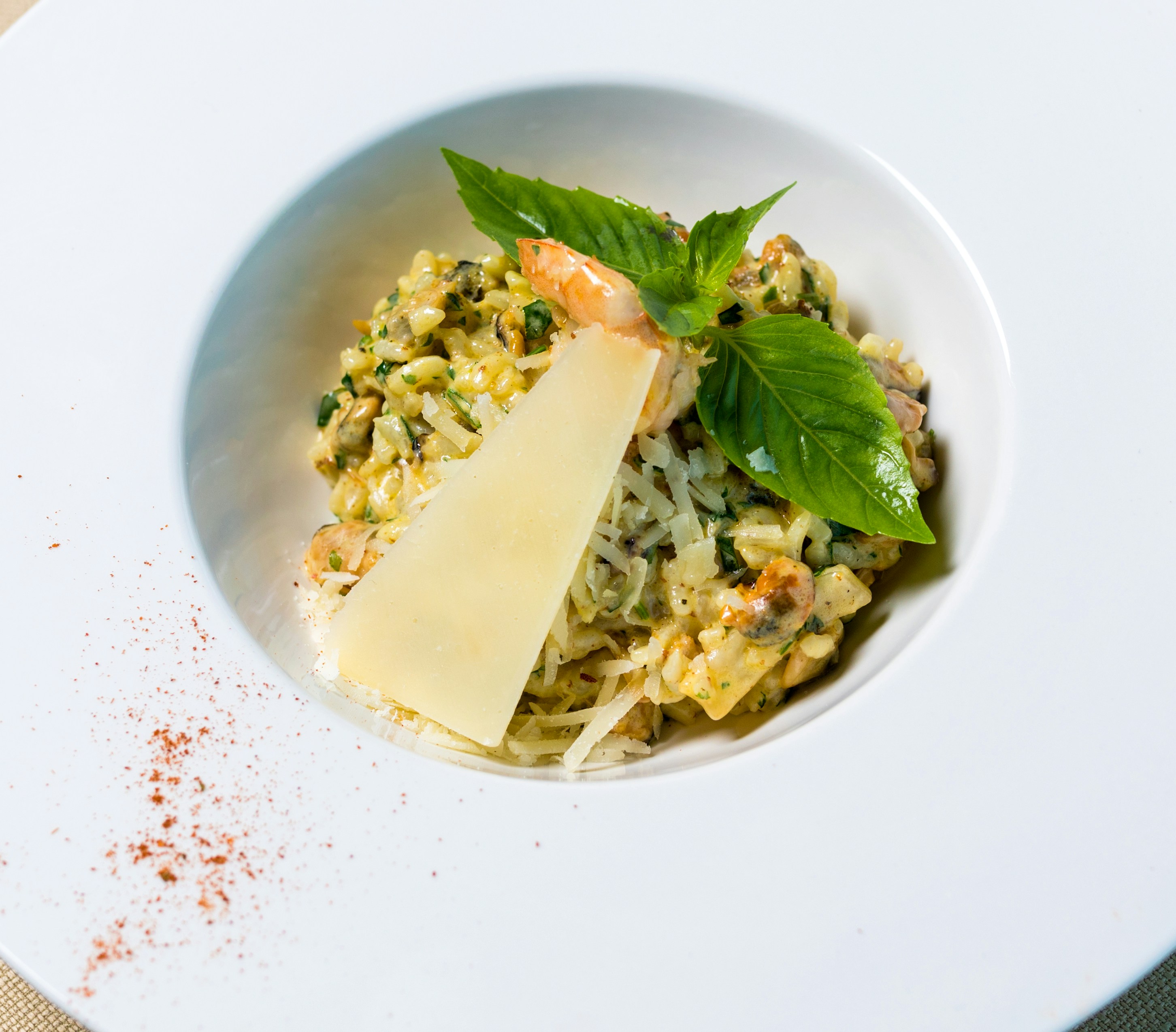
Variations of risotto further expand its taste profile. For instance, when prepared with seafood, one can expect a briny depth that pairs beautifully with delicate herbs like parsley and chives. Mushroom risotto introduces earthy undertones that complement the creamy base and can be accentuated by truffles or wild mushrooms. Saffron-infused risotto, such as Risotto alla Milanese, features a luxurious golden hue and a unique, slightly floral flavor that captivates the palate.
Each variation of risotto serves to showcase the versatility of this delightful dish, offering combinations that appeal to different taste preferences. Garlic and herbs can elevate certain profiles, while seasonal vegetables can add freshness and vibrancy. This adaptability underscores risotto’s significance not only in Italian cuisine but as a beloved dish worldwide, offering countless interpretations while maintaining its culinary essence.
Texture Exploration: The Creaminess Factor
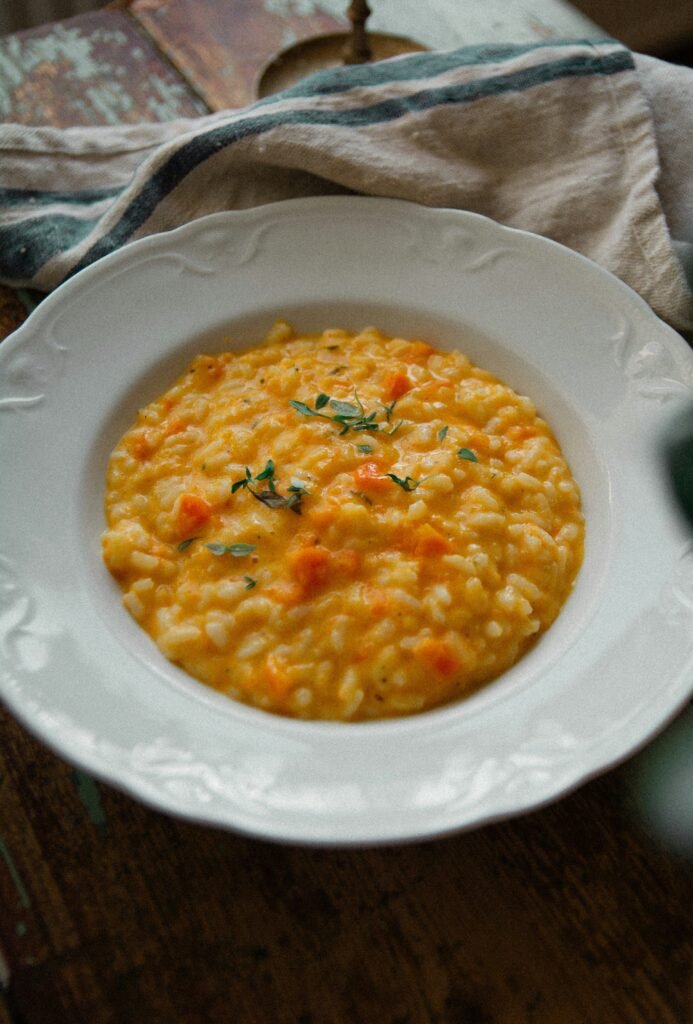
The distinguishing feature of risotto is its renowned creamy texture, achieved through a careful cooking process that is as much about method as it is about ingredients. A key component in this velvety mouthfeel comes from the starch released by the rice during cooking. Arborio, Carnaroli, and Vialone Nano are the most commonly used varieties for risotto, each known for their unique starch content. When these types of rice are subjected to heat and moisture, they release amylose and amylopectin, two types of starch that contribute significantly to the dish’s creamy consistency.
The ratio of liquid to rice is crucial in crafting the ideal risotto. Typically, a standard measurement involves three to four parts liquid for every one part rice. This liquid can comprise a variety of options, including broth, stock, or even wine, adding depth to the flavor profile. However, simply adhering to a ratio is not enough; the quality of the liquid and the gradual addition of it are equally essential for achieving the desired creaminess. By adding the liquid incrementally, the rice can absorb it slowly, allowing the starch to interact with the moisture, creating that sought-after creaminess without becoming overly mushy.
Additionally, the technique of stirring plays a vital role in achieving the perfect risotto texture. Continuous stirring helps to release more starch from the rice, promoting an even creamier consistency while also preventing the grains from sticking together. This stirring also facilitates a balance between achieving the al dente bite that characterizes a good risotto and the luxurious texture that diners crave. Ultimately, mastering these elements—the choice of rice, liquid ratio, and stirring technique—can elevate a risotto dish from simple to sublime, exemplifying the importance of texture in this beloved Italian staple.
Risotto in Contemporary Cuisine
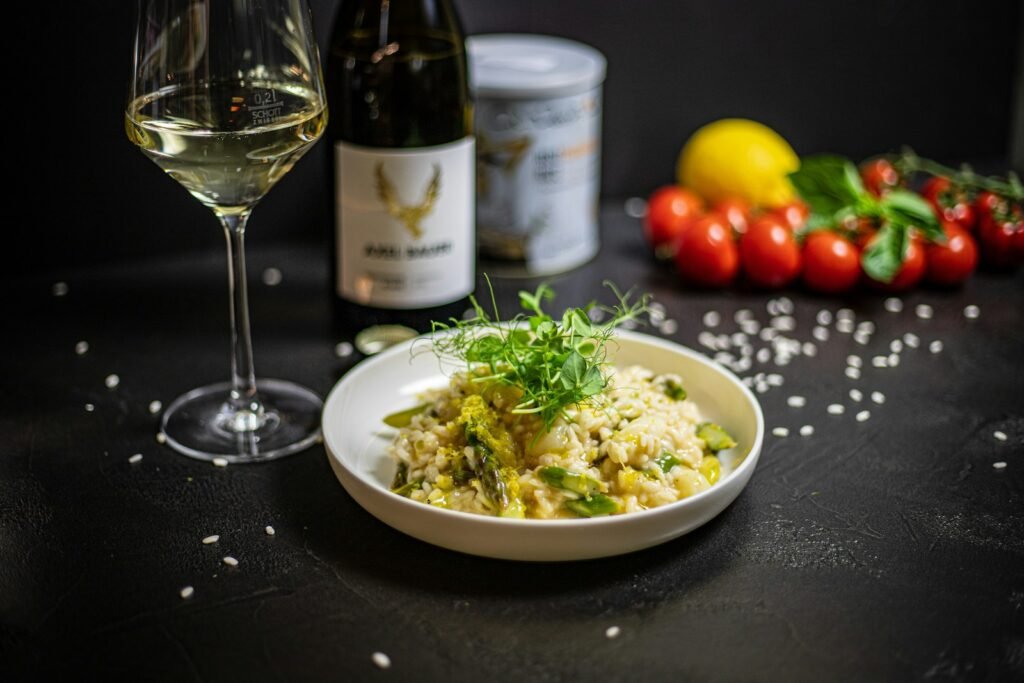
In recent years, risotto has undergone a remarkable transformation within the realm of contemporary cuisine. Traditionally Italy’s beloved dish, risotto has evolved from its classic roots into a versatile canvas for culinary creativity. Modern chefs are reimagining this iconic staple by incorporating a diverse array of ingredients that reflect global culinary trends. From Asian-inspired flavors to Mediterranean influences, the traditional arborio rice is no longer the sole component. This evolution underscores risotto’s adaptability to various cultural influences and flavor profiles.
Risotto is now widely known for its ability to absorb and harmonize a myriad of international flavors. Chefs are experimenting with ingredients such as miso, coconut milk, or saffron, infusing the dish with newfound vibrancy and appeal. This fusion approach not only showcases culinary innovation but also attracts a broader audience, appealing to adventurous diners looking for unique dining experiences. Furthermore, risotto’s inherent versatility allows it to cater to palate preferences ranging from the simplicity of a mushroom risotto to more elaborate combinations like lobster and tarragon.
The rise of dietary modifications has also influenced the evolution of risotto, leading to the emergence of vegan and gluten-free options. Contemporary chefs are harnessing the creamy texture traditionally achieved through butter and cheese, opting for plant-based alternatives such as cashew cream or nutritional yeast. This commitment to inclusivity enables a wider demographic to enjoy risotto without compromising on flavor or texture. As diners increasingly seek healthier and sustainable choices, the adaptation of risotto into vegan and gluten-free varieties exemplifies how culinary traditions can evolve while preserving their essence.
In summary, the contemporary reinterpretation of risotto reflects both innovation and tradition. By embracing a global palate and accommodating dietary preferences, risotto continues to thrive as a beloved dish that resonates with both traditional and modern sensibilities.
Cooking Tips for the Perfect Risotto

Creating the perfect risotto involves careful attention to detail, the right techniques, and high-quality ingredients. To begin with, selecting the appropriate rice is crucial. Arborio, Carnaroli, and Vialone Nano are the preferred varieties due to their high starch content, which helps to achieve that creamy texture characteristic of a well-made risotto. Avoid using long-grain rice, as it lacks the necessary starch and will not yield the desired consistency.
Preparation is equally important. Start by gathering your ingredients and tools. A heavy-bottomed saucepan or a Dutch oven is ideal for cooking risotto evenly. Additionally, having a ladle, a wooden spoon, and a measuring cup on hand will facilitate the cooking process. Always use high-quality broth—whether vegetable or chicken—because this will significantly impact the flavor of the final dish. Heating the broth in a separate pot ensures that it remains warm throughout the cooking process, allowing for a seamless incorporation into the rice.
When cooking risotto, patience is key. Begin by sautéing your aromatics such as onions or shallots in olive oil or butter until they are translucent. Then, add the rice, stirring it gently to coat each grain, before gradually incorporating the warm broth one ladle at a time. This method allows the rice to absorb the liquid slowly, releasing its starch and creating that trademark creaminess. Monitor the heat closely; it should be kept at a medium setting, as excessive heat can lead to uneven cooking.
Common mistakes to avoid include adding too much liquid at once or cooking the risotto for too long, which can result in a mushy texture. Instead, taste frequently to check for doneness, as the ideal risotto should be creamy yet al dente. Finally, finish your risotto with a touch of butter and freshly grated cheese for enhanced richness and flavor. Following these tips will ensure a perfect risotto every time, enabling you to enjoy this traditional dish in your own home.
Conclusion: The Timeless Appeal of Risotto

Risotto, a dish that originates from the northern regions of Italy, has proved to be a remarkable culinary masterpiece that transcends time and cultural boundaries. Its versatility and adaptability make it a staple in both traditional Italian cuisine and contemporary gastronomy. The journey of risotto has seen it evolve from humble beginnings into a globally celebrated dish, cherished in varied forms across different cultures. This adaptability is largely due to the fundamental nature of risotto, which allows for extensive customization with local ingredients and flavors, thus enhancing its appeal to diverse palates.
Throughout its history, risotto has maintained a relationship with the seasons and local produce, reflecting the agricultural heritage of the regions in which it is prepared. Whether it’s a classic risotto alla Milanese with saffron or a modern interpretation featuring unusual ingredients, risotto embodies the spirit of culinary experimentation and creativity. This dish has managed to hold its ground in both rustic trattorias and Michelin-starred restaurants, showcasing its relevance across culinary contexts.
The cultural significance of risotto extends beyond just its taste; it carries with it traditions of family gatherings and communal meals. The ritual of stirring the rice to achieve that perfectly creamy texture serves not just as a cooking technique, but as a metaphor for care and attention in the kitchen. As food cultures continue to evolve, risotto maintains a timeless charm that resonates with chefs and home cooks alike, reminding us of the importance of savoring each moment spent creating a meal. This enduring quality reinforces risotto’s status as a beloved staple in the culinary world, ensuring its place in kitchens around the globe for generations to come.