
Introduction to Saganaki

Saganaki, a delectable and iconic dish hailing from Greece, stands as a testament to the country’s rich culinary heritage. Traditionally, this dish refers to various types of pan-fried cheese, with its name originating from the small frying pan, known as “saganaki,” in which it is often prepared. The roots of saganaki can be traced back to ancient Greece, where cheese-making was an integral component of local culture and lifestyle. Over centuries, this simple yet savory dish has evolved, becoming a popular appetizer found in numerous Mediterranean restaurants across the globe.
Typically made with cheeses such as graviera, kefalotyri, or halloumi, saganaki is characterized by its crispy outer crust and a warm, gooey center. These cheeses, known for their rich flavors and unique textures, are often sourced from local dairies, ensuring authenticity and quality. The cooking methods utilized may vary, but the most common approach involves pan-frying the cheese in olive oil until it reaches a golden-brown hue. Some variations even incorporate a light dusting of flour to enhance the texture, while others opt for a simple, unadorned preparation that highlights the cheese’s natural taste.
The popularity of saganaki has transformed it from a regional specialty into a beloved dish enjoyed by many, further intertwining it with Greek culture and social gatherings. Often served with a squeeze of fresh lemon and accompanied by crusty bread, saganaki embodies the essence of Mediterranean dining, symbolizing hospitality and sharing. This dish not only satisfies the palate but also acts as a bridge connecting diners to Greece’s vibrant culinary traditions. As saganaki continues to gain appreciation beyond its homeland, it remains a cherished icon of Greece’s gastronomic landscape.
Saganaki Variations and Preparations
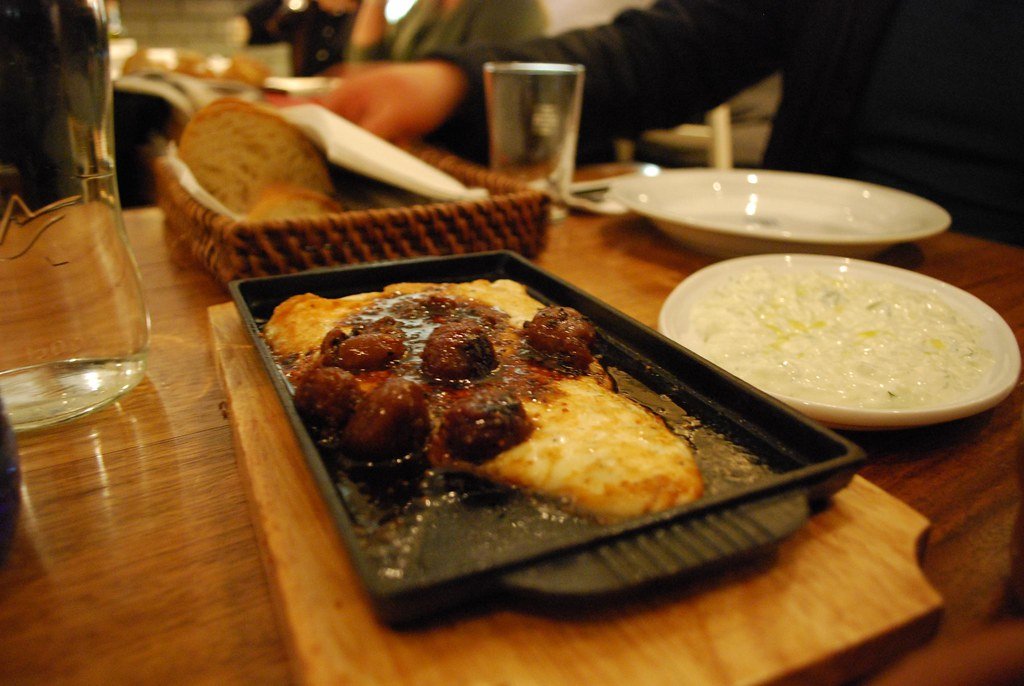
Saganaki is a beloved Greek dish that showcases the versatility of cheese, offering a delightful experience through its myriad variations and preparation methods. At the heart of saganaki are the cheeses traditionally used, each imparting a unique flavor profile. Popular choices include kasseri, a semi-hard cheese known for its rich taste; kefalotyri, a hard cheese that is slightly salty; and manouri, a soft cheese that adds a creamy texture. These cheeses can be chosen based on personal preference or regional availability, with each variety contributing to the overall character of the dish.
Preparation methods also significantly influence the final presentation and taste of saganaki. The most common technique involves pan-frying the cheese until it develops a crispy, golden crust while maintaining a warm, gooey center. This method is particularly popular in many tavernas across Greece, often served with a squeeze of lemon to heighten the flavors. Alternatively, oven-baking saganaki offers a different texture and an opportunity to incorporate additional ingredients such as herbs or vegetables, enhancing the depth of flavor.
Regional differences across Greece further enrich the saganaki experience. In areas like Crete, local variations may include the addition of local olive oil or spices, reflecting the culinary traditions of the region. Similarly, islands may offer distinct presentations, with fresh seafood paired alongside the cheese, showcasing the diverse Greek landscape. For home cooks eager to recreate this dish, sourcing high-quality cheeses and experimenting with both pan-frying and baking techniques will yield the best results. Moreover, adding excess flavor through accompaniments such as bread or fresh salads can elevate a simple saganaki into a memorable culinary experience.
Tasting Experience: What to Expect
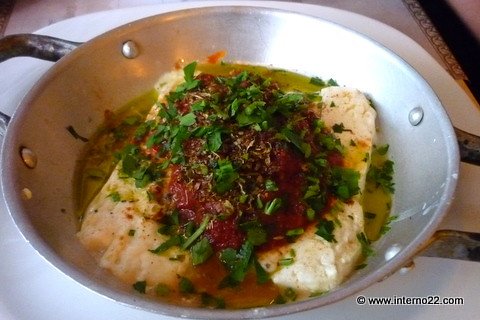
The tasting experience of saganaki is a delightful journey through rich flavors and various textures. Traditionally, this dish features a generous slice of cheese, often kasseri or graviera, which is pan-fried until the outer layer achieves a golden-brown crust while maintaining a soft, melty interior. Upon the first bite, the contrasting sensations are noteworthy: the crunchy exterior gives way to a sumptuous, creamy center that envelops the palate with its sumptuousness.
The flavor profile of saganaki can be described as savory and slightly tangy. The frying process intensifies the cheese’s natural flavors, while hints of saltiness awaken the taste buds. Additionally, garnishing with fresh lemon juice adds a citrusy brightness that balances the richness of the cheese, elevating the overall tasting experience. The aroma is equally compelling; the warm, toasted cheese emits a comforting fragrance that invites one to indulge in its charm.
Saganaki is typically served hot, often accompanied by a fresh squeeze of lemon and sprigs of herbs such as dill or parsley. Such presentations not only enhance the visual appeal but also infuse the dish with aromatic layers, enhancing the overall dining experience. Pairing saganaki with a light white wine, like Assyrtiko, or crusty bread can create a harmonious balance that accentuates its unique flavors.
It is crucial to appreciate the aesthetics of saganaki—it is more than just a dish; it is an experience. The visual presentation, combined with its delightful aroma and the interplay of textures, culminates in a meal that is both satisfying and memorable. Each element, from the choice of cheese to the accompaniments, contributes to the joy of savoring saganaki, making it a staple of Greek culinary tradition.
Where to Find the Best Saganaki
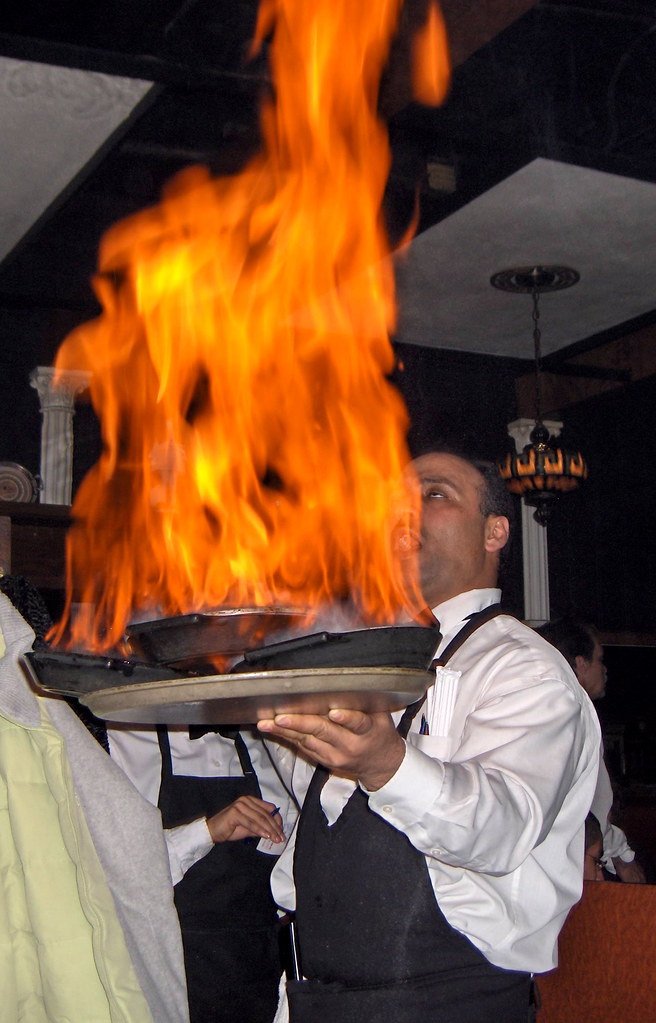
Finding the best saganaki can be an enjoyable quest for both locals and travelers in Greece. This delectable dish, characterized by its crispy exterior and gooey, melted cheese interior, is prominently featured in numerous restaurants and tavernas across the country. A visit to traditional Greek establishments, especially in regions known for their cheese production, will likely yield some of the most authentic and savory saganaki experiences. In Athens, places like “Kavouras” and “Kouzzina” are lauded for their exceptional saganaki, often prepared with local ingredients that enhance its flavor. In Thessaloniki, “Molyvos” presents a unique take on the dish, with a perfect blend of spices that captivates the palate.
Apart from these larger cities, smaller towns and coastal villages in Greece have their hidden gems. Culinary hotspots near the Peloponnese, such as “Kalamata’s Castle,” serve saganaki that captures the essence of the region’s rich traditions. Another must-visit for saganaki lovers is any local taverna along the shores of the Aegean Sea, where the dish can be enjoyed fresh from the grill, often accompanied by a picturesque view of the ocean.
Interestingly, saganaki has also made its mark internationally. Many Greek restaurants around the globe have adopted this dish, introducing variations that incorporate local cheeses and styles. In the United States, for example, several diners are well-known for their interpretations of saganaki, showcasing the dish’s versatility and the universal appeal of Greek cuisine.
Ultimately, the experience of savoring saganaki goes beyond the dish itself. Readers are encouraged to share their own saganaki experiences and recommend their favorite places for this delightful cheese dish, fostering a community where culinary memories can be exchanged and explored. Whether in Greece or elsewhere, saganaki continues to inspire food lovers everywhere.