
The Origins of Satay: A Culinary Journey
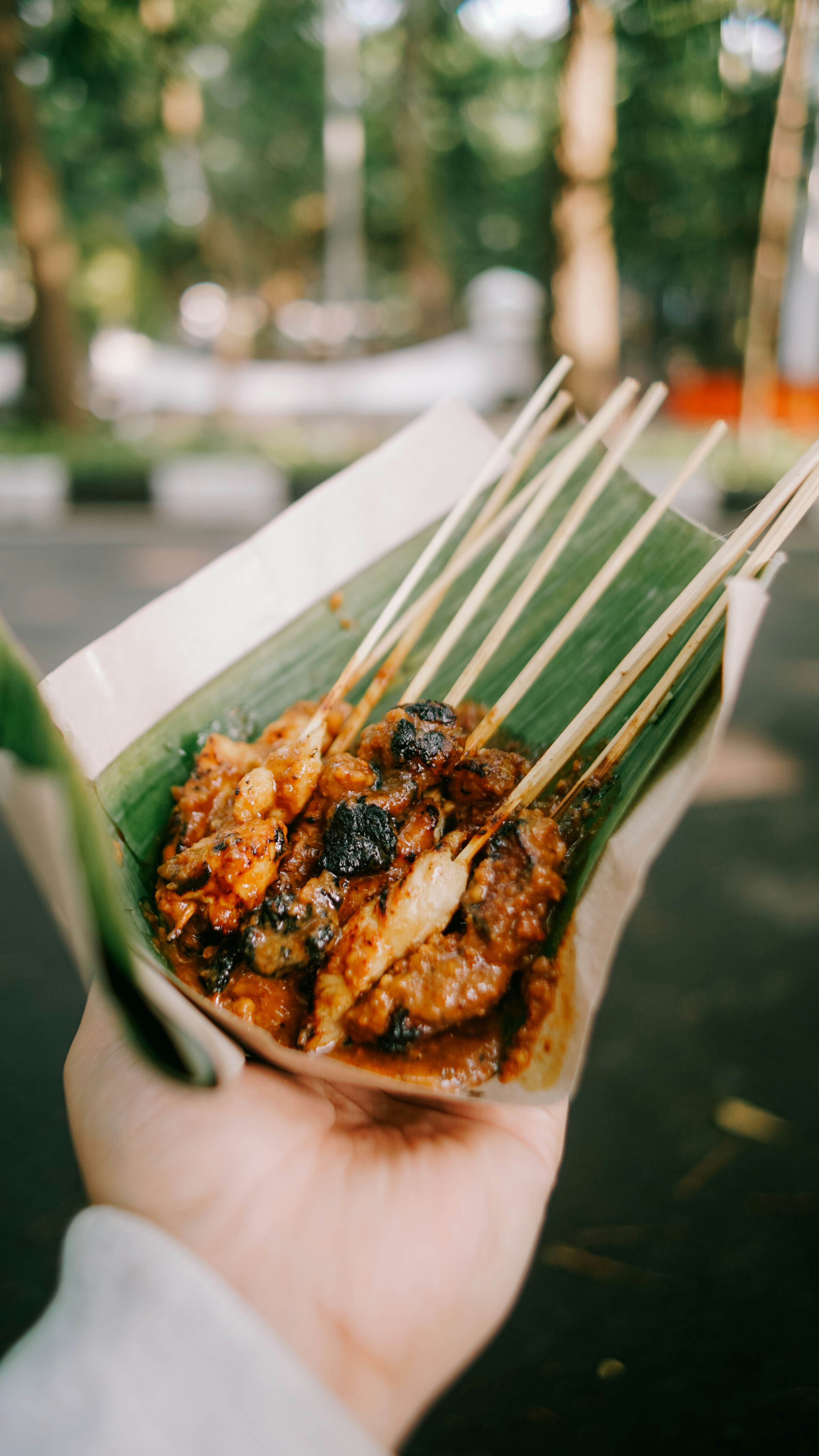
Satay, a culinary gem of Indonesian cuisine, boasts a rich history that reflects its cultural significance. Its origins can be traced back to Java, where the dish is believed to have been influenced by the diverse cultures that have permeated the archipelago over centuries. Initially crafted as a simple method for grilling meat, satay has evolved, gradually becoming a beloved delicacy throughout Indonesia and beyond.

The traditional preparation of satay involves marinating pieces of meat — commonly chicken, beef, or lamb — in a mixture of spices and sauces, then skewering them on bamboo sticks before grilling over charcoal. This cooking method imbues the skewers with a delightful smoky flavor while preserving the juiciness of the meat. Various regional spices contribute to the distinctive taste of satay, showcasing the diverse culinary practices across Indonesia. The beloved peanut sauce, typically served alongside the skewers, further accentuates the dish’s appeal.
Satay holds a ceremonious place in Indonesian gatherings and celebrations, often served at family gatherings, festivals, and street food markets. It serves not only as a meal but also as a beacon of cultural unity, bringing people together from various backgrounds to savor its exquisite flavors. Each region of Indonesia has developed its unique variations of satay, reflecting local ingredients and taste preferences. For instance, Balinese satay often features spiced meat marinated in a rich combination of herbs while Javanese satay tends to be sweeter with a thicker peanut sauce.
In essence, the evolution of satay transcends mere cooking practices; it portrays the heart of Indonesian culture and hospitality. As satay continues to be enjoyed worldwide, its origins remind us of the rich tapestry of influences that shape its delectable presentation.
Ingredients and Preparation Techniques
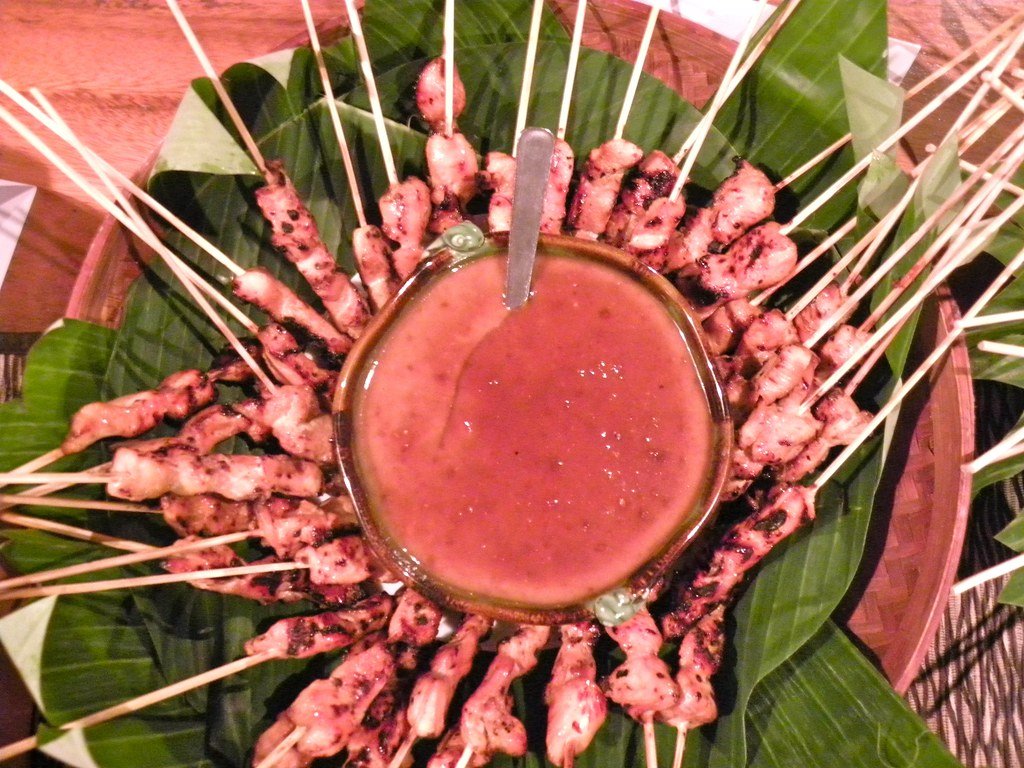
Satay is a beloved Indonesian dish known for its deliciously grilled skewers, which can be made with a variety of proteins and seasonings. The key to authentic satay lies in its thoughtfully chosen ingredients, starting with the skewers themselves. Traditional satay is typically made using bamboo skewers, which are inexpensive and readily available. However, metal skewers are also an option and can be reused, providing a more sustainable alternative.
The marinade is another critical element in preparing satay. It usually contains a combination of ingredients such as garlic, shallots, ginger, turmeric, and lemongrass, creating a rich and aromatic flavor profile. The incorporation of soy sauce and palm sugar adds depth, providing a balance of savory and sweet notes. This marinade not only imbues the meat with flavor but also ensures tenderness when it is grilled. The marination process typically lasts for several hours or overnight, allowing the ingredients to penetrate deeply into the meat.
Grilling techniques significantly influence the outcome of satay. It is traditionally cooked over charcoal to achieve that sought-after smoky flavor. The skewers should be placed over medium heat, allowing for even cooking and preventing the meat from drying out. Basting the skewers with a mixture of coconut milk and leftover marinade during the grilling process keeps the meat juicy and enhances its flavor.
For those seeking vegetarian options, various alternatives can be employed. Tofu, tempeh, or an array of seasonal vegetables may be used as substitutes for meat. These options can also be marinated similarly to achieve a depth of flavor comparable to traditional satay. By utilizing diverse ingredients and preparation techniques, satay can cater to a wide range of dietary preferences, ensuring that this cherished dish remains accessible to all.
A Taste Test: Satay Varieties and Pairings
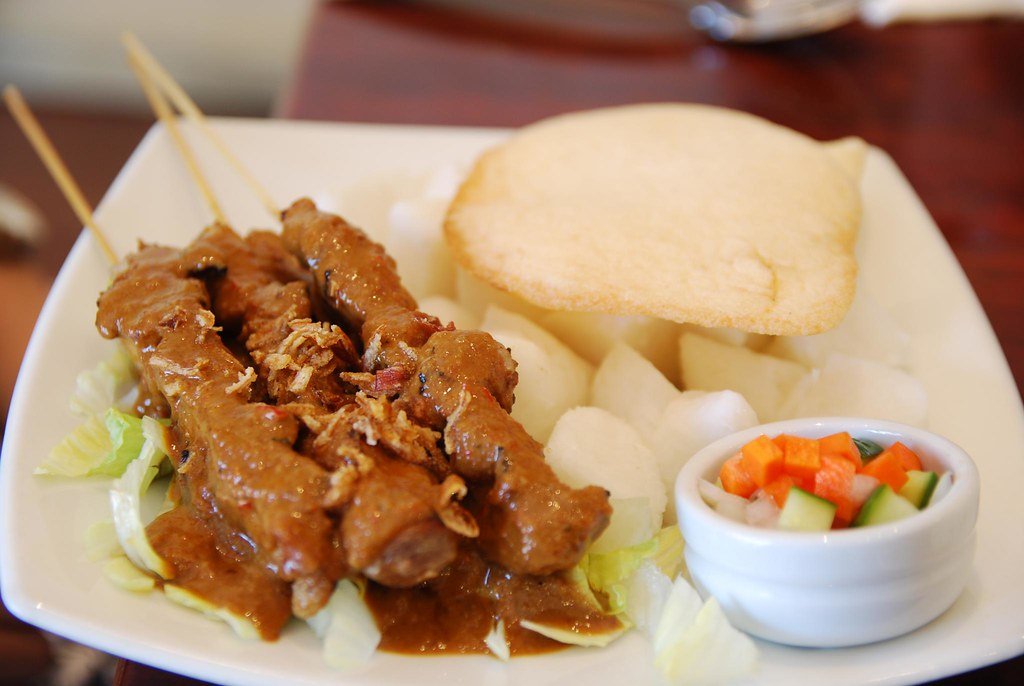
Satay, a quintessential Indonesian dish, features skewered and grilled meat, accompanied by an array of flavors that make it truly unique. The most popular varieties include beef, chicken, lamb, fish, and vegetarian options. Each type presents its distinct flavor profile, texture, and aroma that appeal to a wide range of palates.
Starting with beef satay, it is renowned for its rich and savory flavor. The marbling in the meat adds to its tender texture, allowing it to absorb marinades well. The grilling process enhances its smoky aroma, which complements the sweetness of the soy sauce typically used in the marinade. Alternatively, chicken satay provides a milder taste that easily absorbs spices from the marinade, resulting in a delightful blend of sweet and tangy flavors with a slightly chewy texture.
For those inclined towards a more robust option, lamb satay presents an intense flavor coupled with a juicy texture. Its aroma, often infused with aromatic herbs, makes it a standout in any satay platter. Fish satay, on the other hand, offers a lighter, flaky alternative with a briny edge, making it an excellent option for seafood enthusiasts. Finally, the vegetarian version provides a refreshing twist, often incorporating tofu or tempeh marinated in spices, yielding a satisfying texture paired with tantalizing flavors.
A traditional dipping sauce, such as peanut sauce, elevates the satay experience further. Its creamy texture and nutty flavor harmonize beautifully with the skewers. Soy sauce is another popular choice, adding a salty contrast to the dish. To enhance the flavors of satay, pairing it with beverages like iced tea or coconut water can provide a refreshing balance, making for a memorable dining experience.
Where to Find the Best Satay: A Guide to Eating Out

For those eager to enjoy the authentic experience of satay, Indonesia is home to myriad dining options, ranging from bustling street food stalls to elegant gourmet restaurants. To locate the best satay, it is essential to know where to look and what to expect in each setting.
Street food stalls are arguably one of the most popular venues to sample this beloved delicacy. Features such as smoky grilling, enticing aromas, and vibrant crowds create an authentic atmosphere. In major cities like Jakarta or Bali, seek out food vendors who specialize in satay, often indicated by long lines of eager customers. These stalls typically serve skewers of chicken, lamb, or beef that are marinated with a blend of spices and served with peanut sauce or sweet soy sauce. Look for vendors that prepare their skewers on-site, as freshness is a crucial aspect that enhances flavor.
For a more upscale experience, numerous restaurants across Indonesia boast menus that include delectable satay options. Establishments like Sate Khas Senayan or Sate Taichan Bang Oc in Jakarta are renowned for their authentic preparations and attention to detail. Dining in a restaurant allows for a leisurely atmosphere where patrons can appreciate the nuances of satay, complemented by side dishes like nasi goreng (fried rice) or ketupat (rice cakes).
As satay gains international popularity, many global food festivals showcase this delightful dish, allowing food lovers to explore various adaptations. Attending these festivals can provide an excellent opportunity to taste diverse satay styles, from traditional Indonesian versions to modern interpretations by chefs worldwide. Additionally, international restaurants specializing in Southeast Asian cuisine often feature satay on their menus, allowing diners to enjoy this skewered delight, regardless of their location.
Whether indulging in the casual street food scene or relishing in a fine dining experience, there are many ways to enjoy this iconic dish. Understanding where to find authentic satay is crucial to savor the rich flavors that Indonesia has to offer.