
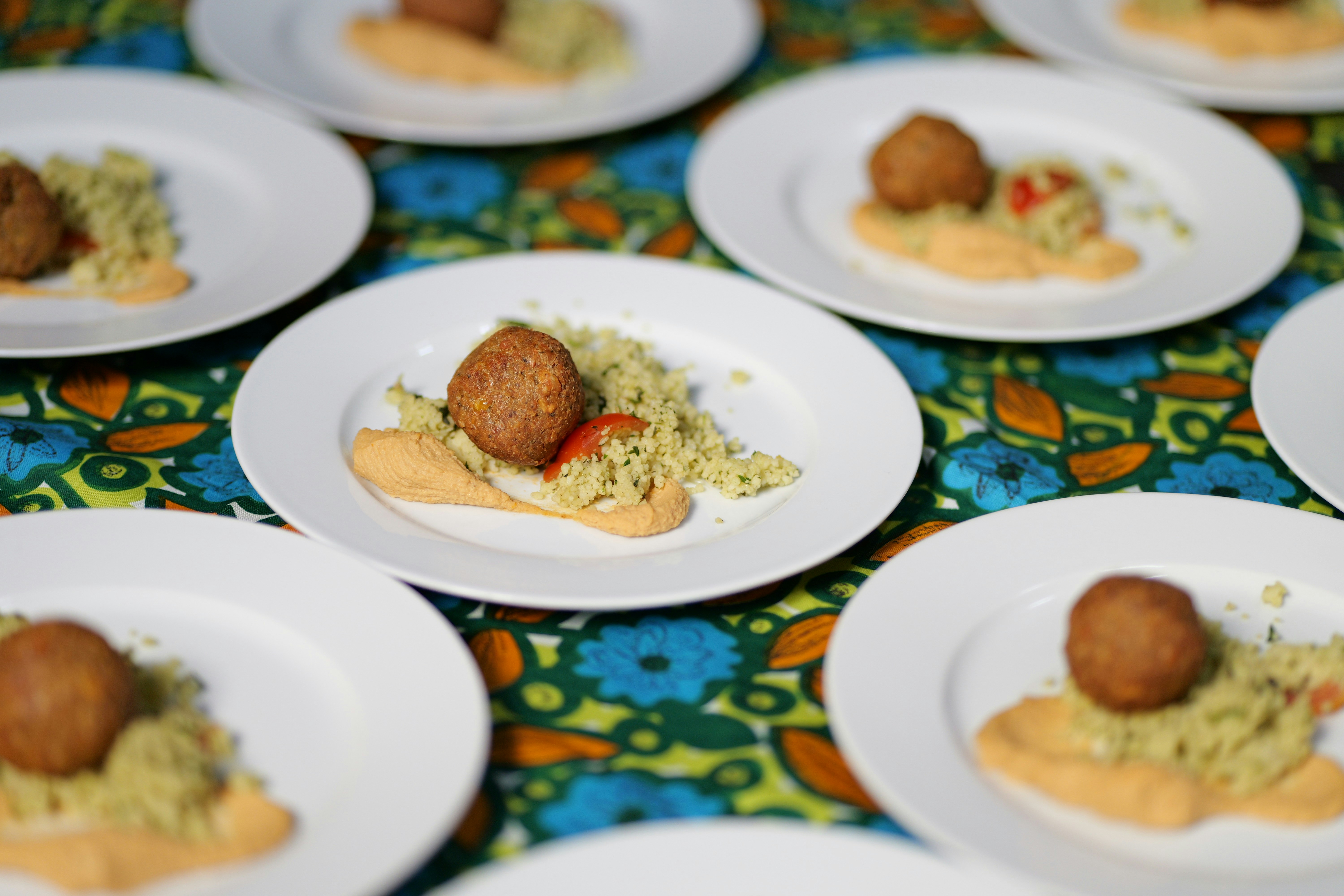
Introduction to Tabbouleh: A Cultural Delight
Tabbouleh is a traditional dish rooted deeply in Middle Eastern cuisine, particularly celebrated within Lebanese culinary heritage. This refreshing salad is not merely a side dish; it holds a prominent place at dining tables, embodying the essence of the region’s agricultural bounty and communal dining practices. Typically made with a finely chopped blend of parsley, bulgur wheat, tomatoes, and mint, tabbouleh showcases an assembly of fresh ingredients that reflect the vibrancy of the culture.
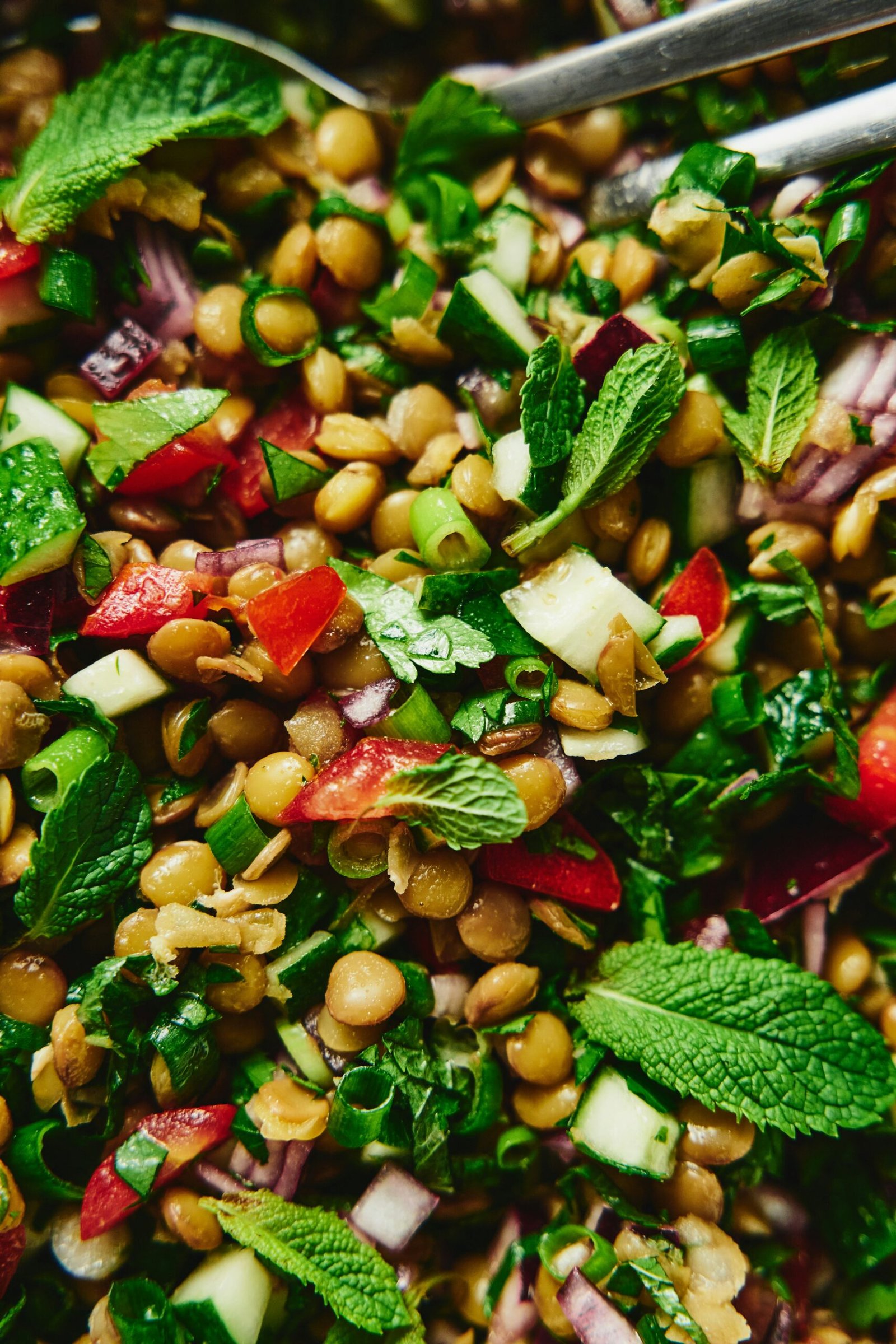
The origin of tabbouleh can be traced back to the Levant region, with each variation offering its unique twist based on local customs and available produce. For instance, while Lebanese tabbouleh is known for its heavy use of parsley, other versions may incorporate different vegetables or grains. This variation highlights not only the adaptability of the dish but also its significance in regional identity. In many Middle Eastern countries, tabbouleh is served as part of a mezze platter, an assortment of small dishes that allows diners to engage in a shared dining experience, fostering a sense of community.
Beyond its delightful flavor profile, tabbouleh carries cultural significance. It is often enjoyed during festive occasions and family gatherings, uniting people through the preparation and enjoyment of food. The careful chopping of parsley and the mixing of ingredients is often a communal activity, emphasizing the importance of food as a medium for connection. Tabbouleh serves as a bridge between culinary art and cultural identity, appealing to food lovers around the globe. This widely appreciated dish is a testament to the rich traditions and flavors shared across generations, making it a beloved staple in Middle Eastern cuisine and beyond.
The Ingredients Breakdown: Quality Makes a Difference
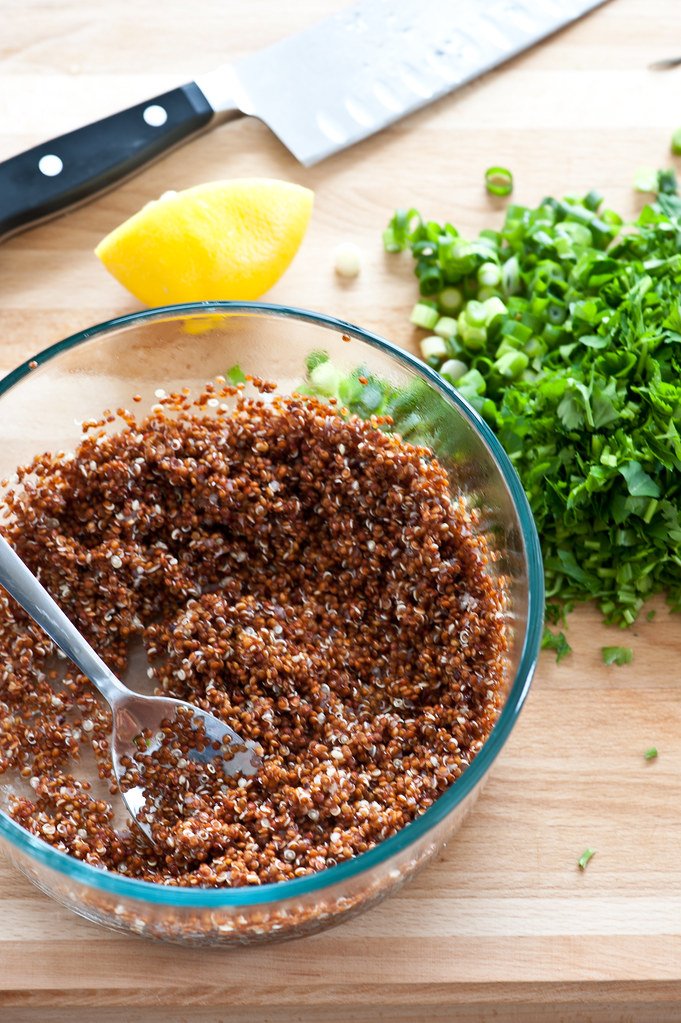
Authentic tabbouleh is a refreshing Middle Eastern salad that showcases the significance of high-quality, fresh ingredients. Each component contributes to the overall flavor and texture, making the choice of ingredients paramount in preparing this beloved dish. Key constituents include parsley, bulgur, tomatoes, and mint, each offering distinct qualities that elevate the dish.
Freshly chopped parsley is the cornerstone of any tabbouleh recipe. It is critical to select flat-leaf parsley rather than curly, as the former has a more vibrant flavor and a more appealing texture. The freshness of the parsley plays a significant role; ideally, it should be harvested just before preparation, ensuring that its flavor remains lively and crisp. When assessing parsley, look for leaves that are deep green and free of wilting or yellowing.
The choice of bulgur is equally essential. Bulgur carries a nutty flavor and serves as the grain base of tabbouleh. Opting for fine or medium bulgur promotes a delicate texture, allowing it to absorb the flavors of the other ingredients without overwhelming them. For those seeking a gluten-free alternative, variations using quinoa or other grains have become popular. While these substitutions can modify the texture and taste profile, they require proper preparation techniques to ensure they blend harmoniously with the traditional flavors.
Vine-ripened tomatoes add a burst of acidity and sweetness, complementing the parsley and bulgur. When possible, select tomatoes that are in season and bursting with flavor; this will significantly impact the overall taste. Fresh mint also contributes a unique aromatic quality, adding freshness that enhances the dish. When it comes to sourcing these ingredients, visiting local markets or selecting organic options will often yield superior quality, thereby enriching the experience of enjoying tabbouleh. Understanding these key ingredients will ensure that your tabbouleh is not only authentic but also a true representation of vibrant Middle Eastern cuisine.
Taste Test: Evaluating Flavors and Textures
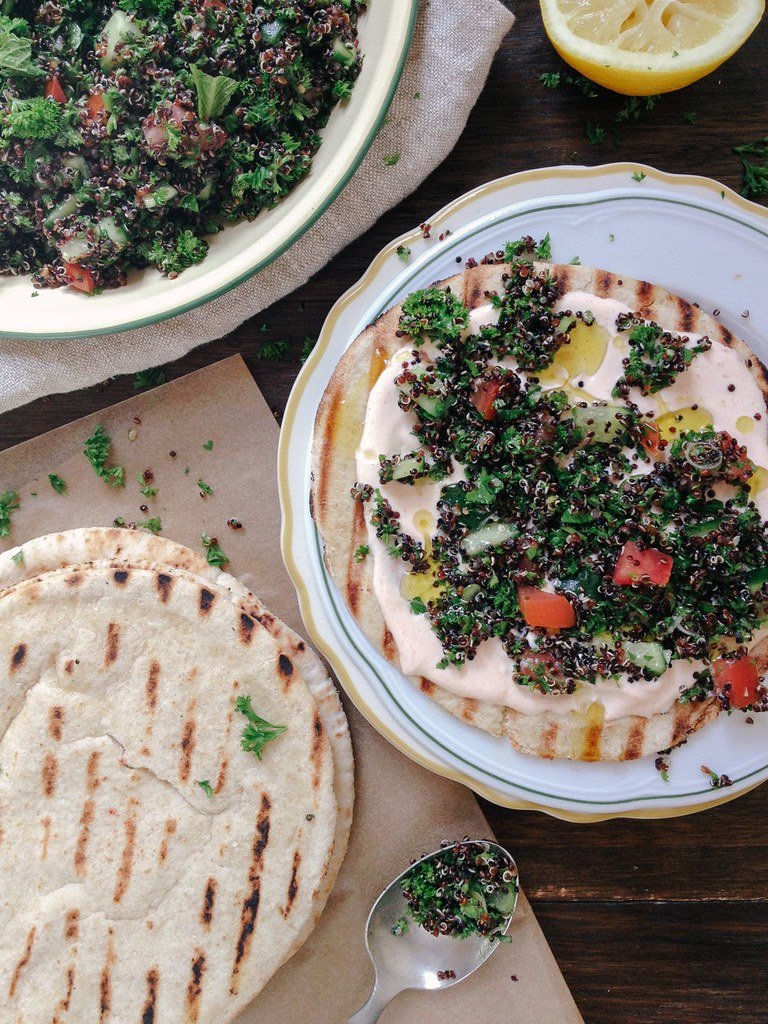
Tabbouleh is a vibrant and refreshing salad that offers a sensory experience characterized by a balance of flavors and textures. When visually inspecting a serving of tabbouleh, the attention is immediately drawn to the contrast of colors. The bright green parsley, the glistening red tomatoes, and the subtle brown hues of bulgur create an inviting presentation that is both appealing and appetizing. Each ingredient is thoughtfully arranged, contributing to not only the aesthetic quality but also setting the stage for a diverse flavor exploration.
The initial taste experience of tabbouleh is dominated by the freshness of the herbs. Parsley is the star of the show, providing a lush, earthy profile that is brightened by the zesty acidity of lemon juice. This acidity serves as a perfect counterbalance, accentuating the herbal notes and enhancing the overall experience. The addition of mint, often present in authentic recipes, brings an additional layer of freshness, elevating the dish’s complexity. Integral to the flavor profile is the nutty depth imparted by bulgur, which serves not only as a base but also integrates seamlessly with the vibrant ingredients around it.
Texture is another crucial component of a well-prepared tabbouleh. The crunchiness of freshly diced cucumbers and tomatoes provides a delightful contrast to the chewiness of the bulgur. This combination creates an enjoyable mouthfeel that sustains interest with every bite. Comparing homemade versions of tabbouleh to those found in various restaurants or markets reveals substantial differences in preparation. Often, homemade tabbouleh is noted for its vibrant taste and freshness, as the ingredients are typically chopped just before serving. In contrast, restaurant offerings may vary significantly; some maintain the traditional integrity while others may add extraneous ingredients, which can significantly alter the dish’s signature texture and flavor. Such comparisons shed light on how variations in preparation affect the authenticity and overall enjoyment of tabbouleh.
Serving Suggestions and Pairing Tabbouleh
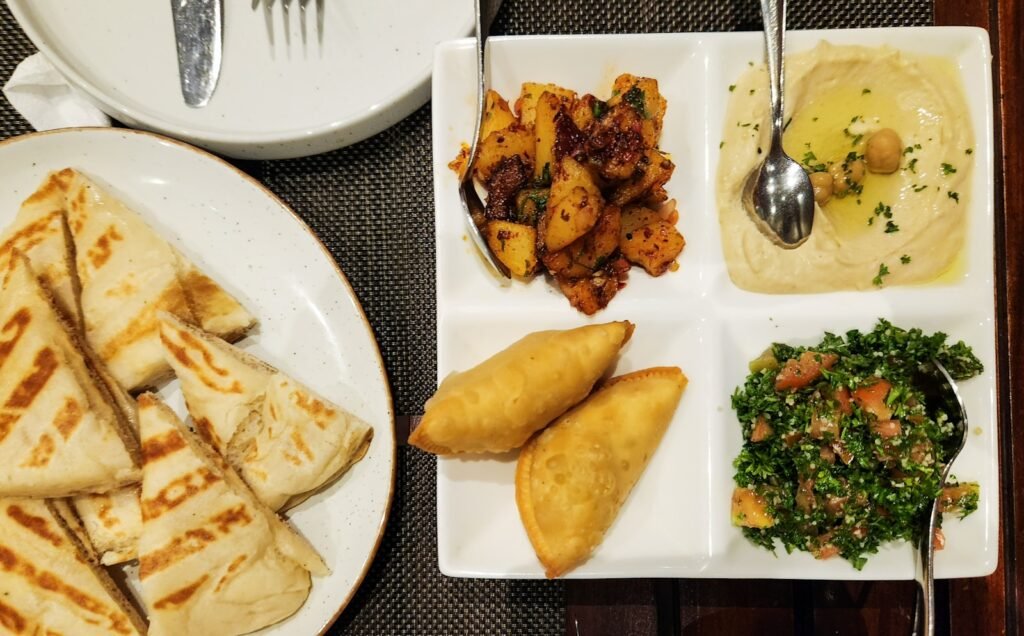
To fully appreciate the vibrant flavors of tabbouleh, it is vital to consider appropriate serving suggestions and complementary food pairings. Traditionally, tabbouleh is often served as part of a larger mezze platter, which may include items such as hummus, baba ghanoush, and labneh. These spreads enhance the meal’s variety and allow diners to mix and match flavors, making each bite a unique experience. Additionally, crispy pita bread offers a delightful crunch and serves as an ideal vehicle for scooping up the fresh salad, further augmenting the dish’s texture.
In a more modern twist, tabbouleh can also stand alone as a light meal, particularly during warmer months. It pairs exceptionally well with grilled meats, such as chicken, lamb, or beef, which add a savory contrast to the salad’s fresh ingredients. For those who prefer vegetarian options, roasted vegetables or grilled halloumi provide hearty accompaniments that complement the dish’s lively, herbaceous notes. Moreover, tabbouleh can be incorporated into wraps or sandwiches, offering an innovative way to enjoy this classic dish while also providing a refreshing, healthy option.
When preparing tabbouleh in advance, proper storage is crucial to maintain its freshness. It is advisable to store leftovers in an airtight container in the refrigerator, where it can stay fresh for up to three days. However, for optimal texture and taste, it is recommended to add the tomatoes, cucumbers, and herbs just before serving, as these ingredients can become mushy when mixed with the dressing for extended periods. To enhance the overall dining experience, consider serving tabbouleh with beverages like chilled white wine or sparkling water infused with mint and lemon, which will complement the salad’s refreshing quality. By following these suggestions, diners can enjoy tabbouleh in various settings, elevating their meals while embracing this delightful dish’s authenticity.