
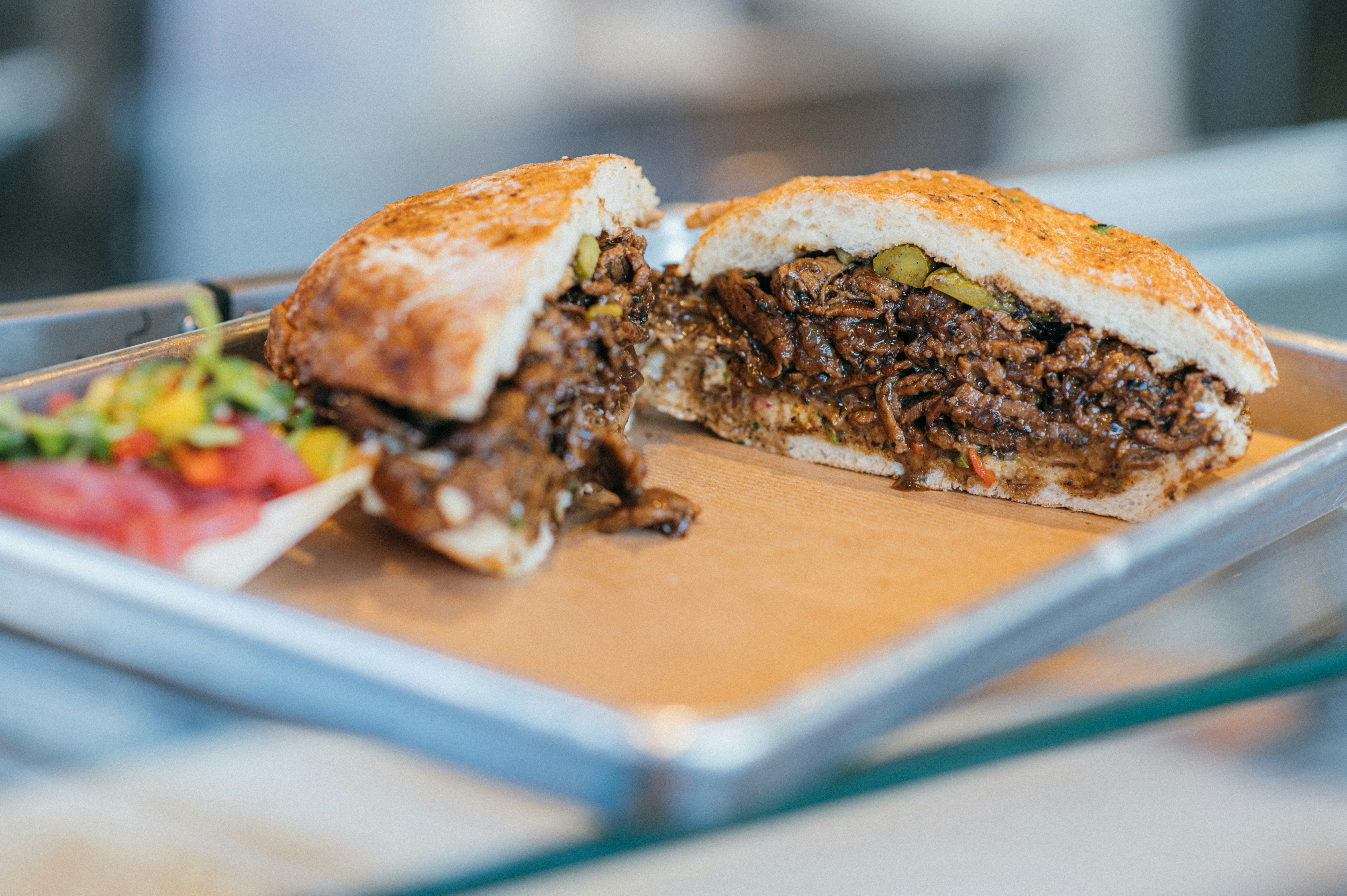
Origin of the Cuban Sandwich

The Cuban sandwich, a culinary delight beloved in various regions, particularly Florida, has its roots firmly planted in Cuba. The creation of this sandwich is believed to have emerged in the late 19th century, primarily among Cuban workers in Key West and later in Tampa. These laborers, influenced by their culinary traditions and the cultural melting pot of the region, sought to create a filling and affordable meal that mirrored their heritage. The sandwich is a testament to the interplay of cultural influences, showcasing elements from Cuban, Spanish, and Italian cuisines.
Traditionally, the Cuban sandwich consists of several key ingredients that contribute to its unique flavor profile. The base of the sandwich typically features Cuban bread, which is characterized by its slightly crispy exterior and soft interior. This choice of bread is significant, reflecting the Spanish influence on Cuban cuisine. The staple meats within the sandwich include roast pork, ham, and sometimes salami, each representing different cultural contributions. Roast pork, often marinated in a citrus-garlic marinade known as “mojo,” is a quintessential element that underscores the Cuban essence of the dish.
Additionally, the inclusion of pickles and mustard gives the Cuban sandwich a distinct tanginess, while Swiss cheese adds a creamy texture that balances the savory meats. The layering of ingredients and the method of preparation, which typically involves pressing the sandwich to meld the flavors together, highlight the Italian influence—a cooking technique rooted in Italian panini. As the Cuban sandwich made its way to the United States, especially to Florida, it evolved, adapting to local tastes and ingredients while retaining its core identity. Its journey encapsulates a blend of historical migrations and interactions, reflecting the rich tapestry of cultures in both Cuba and the United States.
Historical Context
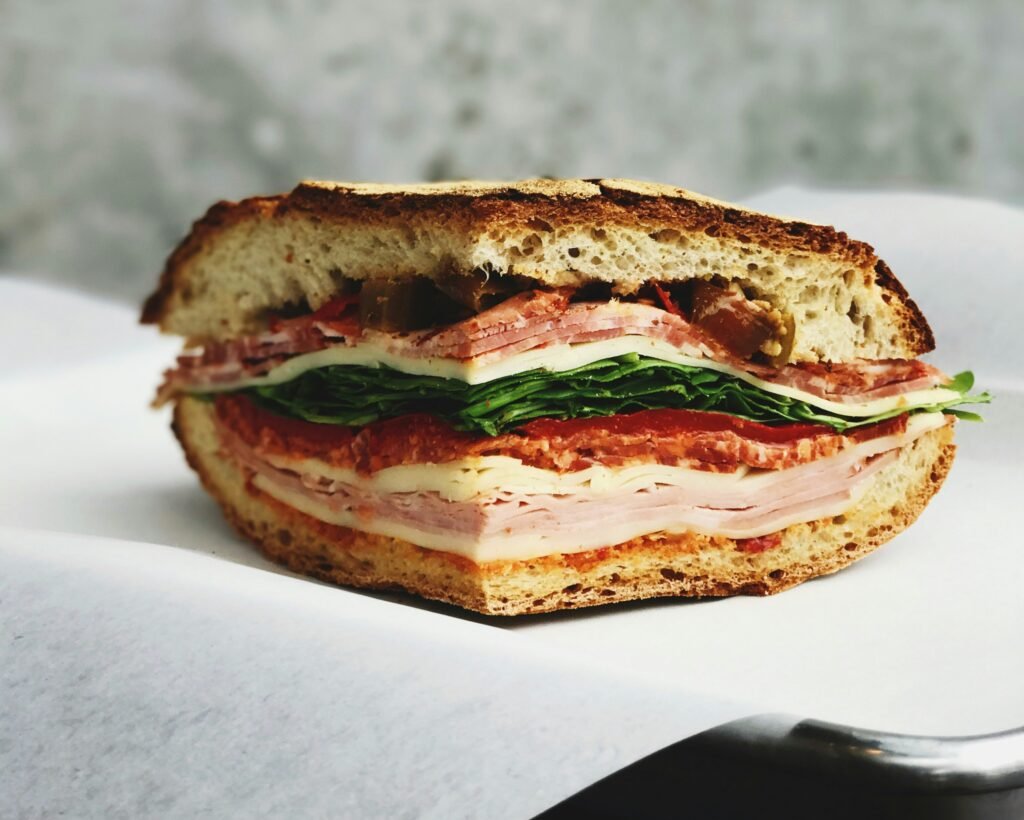
The Cuban sandwich, a beloved culinary staple, has a rich historical backdrop that intertwines with the journeys and experiences of Cuban immigrants, particularly in the United States. Traditionally made with Cuban bread, roasted pork, ham, Swiss cheese, pickles, and mustard, this sandwich reflects the diverse cultural influences that have shaped Cuban-American cuisine. Its roots can be traced back to the mid-19th century, when Cuban immigrants began to populate areas like Florida, bringing with them their flavors and cooking techniques.
The sandwich gained significant popularity in the early 20th century, especially in Tampa and Miami, as it became a dietary staple for working-class Cuban laborers. The socio-economic conditions at the time led to a fusion of flavors, resulting in a culinary creation that resonated deeply within the community. Additionally, the Cuban Revolution in the late 1950s marked a pivotal moment in Cuban history, catalyzing migration waves to the United States. The sandwich evolved during this period, symbolizing the resilience and adaptability of Cuban culture amidst political turmoil.
As Cuban communities established themselves in various U.S. cities, the Cuban sandwich began to thrive as not just a meal, but a cultural emblem. Restaurants and cafes started offering their unique takes, further popularizing the dish. This evolution highlighted the importance of food in preserving cultural identity, particularly for immigrant populations. Once relegated to local diners, the Cuban sandwich has since garnered recognition on national platforms, contributing to its status as an iconic representation of Cuban-American heritage. Today, its legacy continues to thrive, bridging generations and celebrating the fusion of flavors that embodies the Cuban experience both in Cuba and abroad.
Cultural Significance
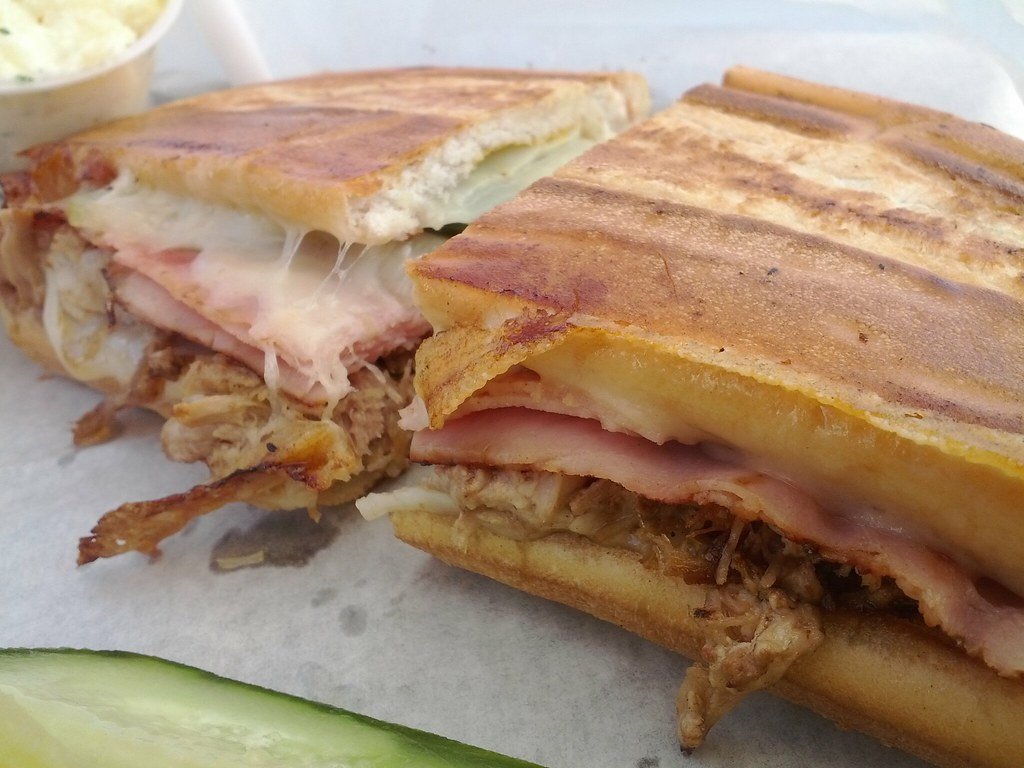
The Cuban sandwich, a culinary delight that combines the flavors of pork, ham, Swiss cheese, pickles, and mustard between Cuban bread, transcends mere sustenance to embody significant cultural value. This sandwich is not just a popular food item; it is a cultural symbol deeply rooted in Cuban identity. Originating in the cafes and lunch counters frequented by Cuban workers in Key West and later Havana, the Cuban sandwich represents more than a gastronomic preference; it encapsulates the collective memory and heritage of the Cuban people.
Among the Cuban-American community, the Cuban sandwich holds a special place. It serves as a reminder of home for those who may have been displaced or separated from their homeland. Through its distinctive flavors and preparation methods, it fosters a sense of unity and belonging, bridging generations. Traditional recipes are often passed down, creating a culinary narrative that connects past and present. During family gatherings, festivals, and cultural events, the Cuban sandwich takes center stage, celebrated not just for its taste but also for what it represents: resilience, camaraderie, and cultural pride.
The significance of the Cuban sandwich extends to various media representations as well. It has been featured in culinary shows, documentaries, and social media, showcasing its popularity and making it recognizable even beyond the Cuban community. This exposure emphasizes its role as a culinary ambassador of Cuban culture, inviting others to appreciate the flavors and stories that accompany this beloved dish. Overall, the Cuban sandwich plays a vital role in fostering connections, encouraging conversations, and nurturing community ties among Cuban people, both domestically and abroad. Its cultural importance cannot be understated, as it is emblematic of the shared heritage and identity that defines the Cuban experience.
Ingredients Breakdown
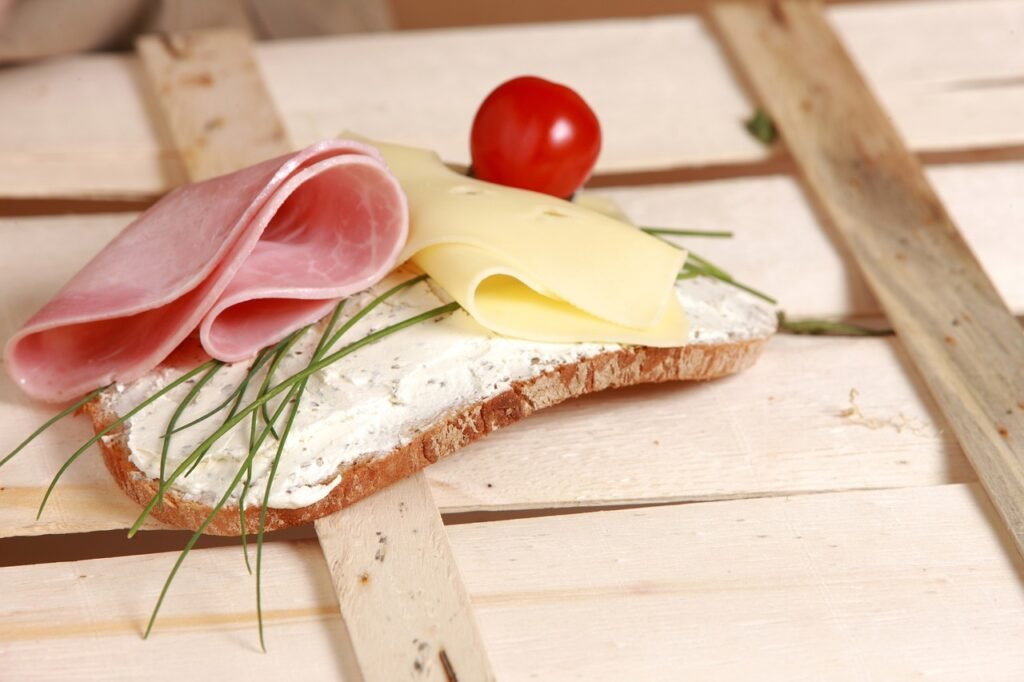
The Cuban sandwich, a beloved culinary staple, is a harmonious blend of various ingredients, each contributing distinct flavors and textures that define the dish. At the heart of any traditional Cuban sandwich is Cuban bread, which is essential for creating the proper structure and mouthfeel. This bread, characterized by its crisp crust and soft interior, is typically made using a combination of flour, yeast, and lard, giving it a unique taste that differentiates it from other bread varieties.
Next, we have roasted pork, known in Spanish as “lechón.” This ingredient is often marinated with a blend of spices such as garlic, cumin, and sour orange juice, which infuse the meat with a rich flavor. The inclusion of roasted pork is crucial, as it adds a juicy, savory component that balances the sandwich’s other elements. Alongside the pork, slices of ham provide additional saltiness and a contrasting texture. Traditionally, sweet ham is used, which complements the flavor profile of the pork, though some variations may utilize smoked ham for a different taste experience.
Swiss cheese is another key ingredient, contributing a creamy texture that melts beautifully when pressed. The cheese not only adds richness but also helps to bind the sandwich together when heated. Additionally, pickles offer a tangy contrast that cuts through the richness of the meat and cheese, enhancing the overall flavor. Lastly, mustard is spread inside the sandwich, providing a slight kick and brightness that elevates the other flavors.
While these ingredients are foundational to a traditional Cuban sandwich, regional variations exist. For instance, in some areas, the inclusion of salami reflects influences from the Italian immigrant community in Florida. Substitutions can include different types of bread, such as bolillo or baguette, ensuring that while the essence of the Cuban sandwich remains intact, individual preferences can also be catered to.
Taste Profile
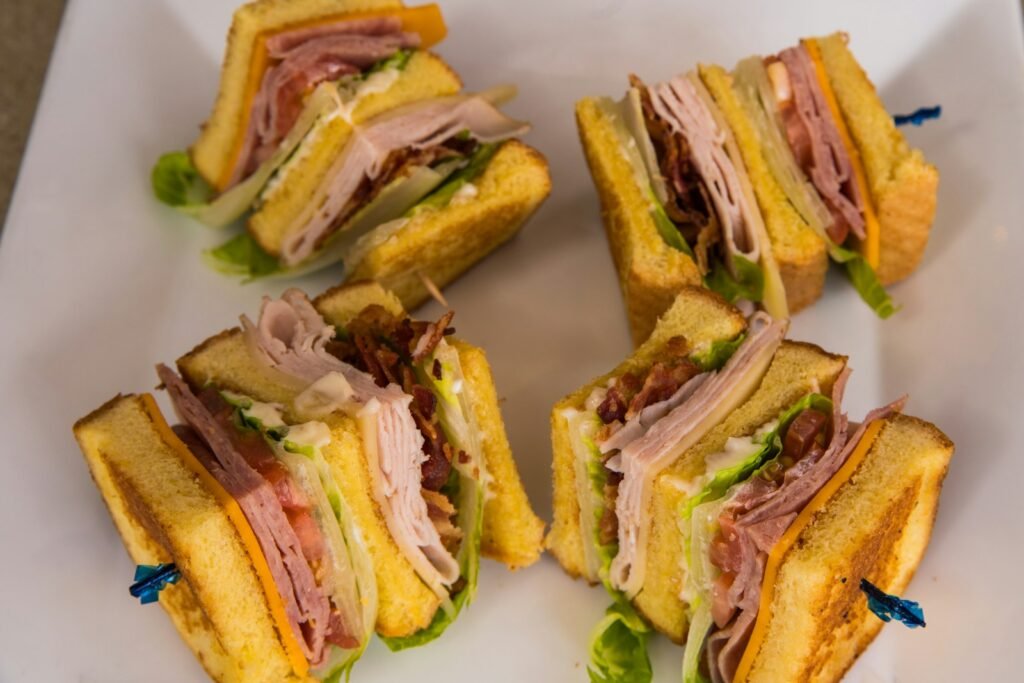
The Cuban sandwich is celebrated not only for its historical significance but also for its distinct and harmonious blend of flavors. At the heart of this culinary masterpiece is the marinated pork, typically seasoned with a mix of garlic, cumin, and oregano. These spices infuse the meat with a rich and aromatic depth, setting the stage for a flavor profile that is both savory and exciting. The careful preparation of the pork is crucial, as it is often slow-roasted, allowing the spices to permeate the meat, resulting in a tender and juicy bite that delights the palate.
Complementing the pork is the creamy Swiss cheese, which adds a layer of indulgence to the sandwich. This cheese melts beautifully, enveloping the succulent meat in a smooth, velvety texture that enhances the overall experience. The richness of the cheese contrasts with the other flavors, making each bite a balanced encounter between creamy and savory.
Equally important to the taste are the tart pickles, which introduce a zesty element that cuts through the richness of the cheese and pork. The pickles provide a refreshing crunch, and their acidity offers a delightful contrast to the heavier components of the sandwich. Additionally, the tangy mustard plays a pivotal role in achieving harmony among the flavors, injecting a spicy kick that ties all the elements together. Together, these components create a symphony of taste that is distinctly Cuban, combining savory, creamy, tart, and spicy notes in perfect proportion.
The Cuban sandwich exemplifies how diverse ingredients can converge to create a singular experience that is both complex and satisfying. Its robust taste profile not only appeals to the senses but also reflects the culture and history that this beloved dish embodies, making it a culinary treasure.
Texture Analysis
The Cuban sandwich is a culinary delight that presents a harmonious interplay of textures, making it a memorable experience for the palate. At the forefront is the crispy exterior of the toasted bread. Traditionally made with Cuban bread, which is characterized by its light, airy, and slightly sweet nature, the bread is pressed during cooking, resulting in a golden-brown crust that adds an appealing crunch. This texture not only enhances the visual appeal but also serves as a perfect contrast to the softer components within the sandwich.
Inside, the tender roasted pork is the star of the show. Slow-roasting the pork allows it to become incredibly juicy and succulent, providing a texture that is both tender and melt-in-the-mouth. This contrast between the crunchy outer layer and the soft filling creates a delightful mouthfeel that captures the essence of this iconic sandwich. The pork’s richness is balanced by the inclusion of layers of ham, which contribute their own unique texture. When properly prepared, the ham is moist and slightly firm, adding another dimension to the overall experience.
Furthermore, the inclusion of pickles introduces a distinct crunch that elevates the Cuban sandwich experience. Their sharp acidity cuts through the richness of the meats, while also providing a textural contrast that wakes up the senses. The process of pressing the sandwich amplifies this complexity, allowing the flavors and textures to meld together beautifully. This technique not only heats the ingredients evenly but also encourages the juices from the meats to seep into the bread, enhancing the overall flavor profile while ensuring each bite offers a delightful combination of crunchy, tender, and juicy textures. Ultimately, the careful attention to texture in the Cuban sandwich plays a vital role in its appeal, making it a quintessential dish that delights food enthusiasts.
The Modern Cuban Sandwich

The Cuban sandwich, traditionally composed of layers of roasted pork, ham, Swiss cheese, pickles, and mustard, has undergone significant transformations in modern cuisine. Over recent years, this beloved dish has seen a resurgence as chefs and food enthusiasts explore and expand upon its classic framework, resulting in gourmet interpretations and fusion variations that cater to diverse palates.
Contemporary chefs often take the initiative to elevate the Cuban sandwich by incorporating artisanal breads and high-quality ingredients, creating a richer dining experience. Some establishments experiment by adding unique elements such as avocado, house-made sauces, or even kimchi, contributing to the rise of fusion variations. These innovative tweaks not only honor the traditional roots of the Cuban sandwich but also infuse it with exciting flavors that appeal to a broader audience.
The influence of food trucks and pop-up restaurants has also played a crucial role in the modern Cuban sandwich revolution. Gourmet food trucks featuring Cuban sandwiches have gained popularity in urban settings, making these delightful creations more accessible to the masses. The casual atmosphere of food trucks allows for creative freedom, encouraging chefs to develop unique recipes that capture contemporary tastes while still paying homage to the original sandwich.
Moreover, the power of social media cannot be overlooked in this evolution. Platforms such as Instagram and TikTok offer a space for food lovers to share their culinary experiences, leading to trending dishes that can ignite interest in items like the modern Cuban sandwich. This visibility helps restaurants and food trucks alike to showcase their innovative takes on this classic, driving customer curiosity and demand.
As the Cuban sandwich continues to adapt and evolve, it remains a cherished symbol of culinary tradition, showcasing how it can embrace modern trends and preferences while still reflecting its rich history.
Where to Find Authentic Cuban Sandwiches
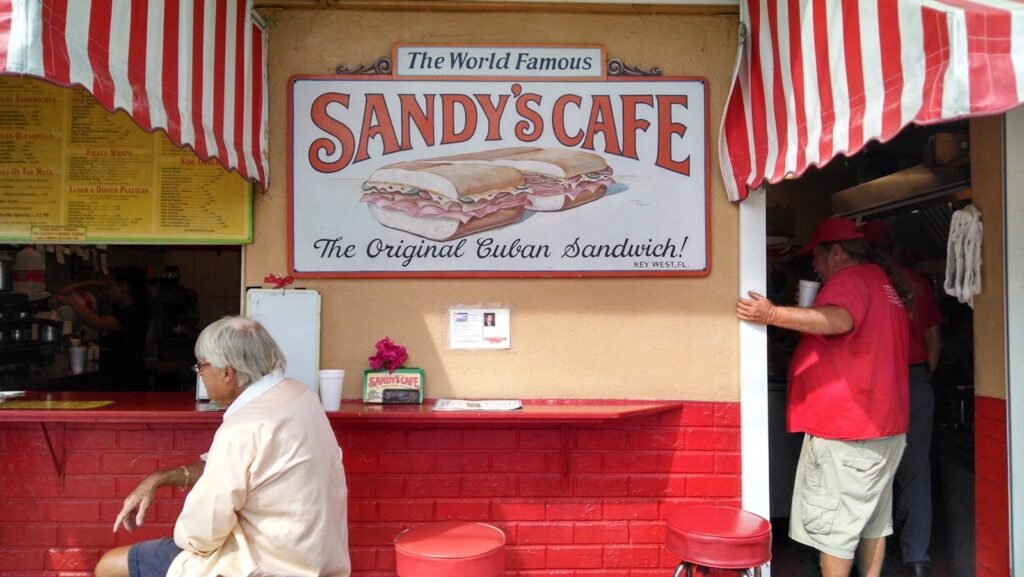
Finding an authentic Cuban sandwich requires a discerning palate and knowledge of the culinary landscape where this delicacy thrives. Traditionally, a Cuban sandwich consists of Cuban bread, roast pork, ham, Swiss cheese, pickles, and mustard, pressed until warm and crispy. To truly enjoy an authentic version, one might want to seek out establishments in areas known for their Cuban cuisine, primarily in regions with a rich Cuban heritage such as Miami, Tampa, or even parts of New Jersey.
In Miami, notable eateries such as Pío Pío and Versailles are well-regarded for their traditional takes on the Cuban sandwich. These establishments emphasize the use of quality, locally sourced ingredients and adhere to classic recipes, ensuring a taste that honors the authentic flavors of Cuba. In Tampa, where the Cuban sandwich has strong historical roots, places like Cubalito’s and Columbia Restaurant offer their unique blends of flavors, often integrating local variations that keep the spirit of the original alive while appealing to current tastes.
When searching for authentic Cuban sandwiches, it is essential to look for a few key elements. The bread should be fresh, soft on the inside, and crispy on the outside, ideally made according to traditional recipes. The pork should be marinated and slow-roasted, bringing out the depth of flavor characteristic of Cuban cuisine. Furthermore, local businesses that prioritize these practices not only provide authentic experiences but also contribute to the community by preserving culinary traditions. Supporting such establishments sustains the vibrant culture behind the Cuban sandwich and encourages a deeper appreciation for this iconic dish.
Conclusion: The Legacy of the Cuban Sandwich
The Cuban sandwich stands as a testament to the collective cultural influences that shape culinary traditions. Characterized by its layers of savory roasted pork, delectable ham, Swiss cheese, pickles, and mustard, all encapsulated between slices of crusty Cuban bread, this sandwich serves as more than just a meal; it is a symbol of identity and community. Originating from the blend of Spanish, African, and Caribbean flavors, the Cuban sandwich reflects the rich history of Cuba and its diaspora, making it a culinary icon that resonates with many.
What enhances its appeal is not merely the plethora of flavors but also the communal experience it fosters. Whether enjoyed at a family gathering or shared in a bustling café, the act of eating a Cuban sandwich often brings people together, creating bonds over a shared love for this iconic dish. Additionally, the ongoing globalization of cuisine has led to the Cuban sandwich being embraced in diverse regions, further solidifying its place within the pantheon of beloved sandwiches.
The sandwich’s versatility adds to its allure; it can be modified to suit a variety of dietary preferences, making it accessible to a broader audience. Chefs and home cooks alike showcase creativity by experimenting with different ingredients, all while honoring its traditional roots. This adaptability, combined with the sandwich’s sturdy reputation as a comfort food, ensures that it remains a favorite for generations.
In conclusion, the legacy of the Cuban sandwich is encapsulated in its ability to convey a rich tapestry of culture, flavor, and togetherness. As it continues to evolve and adapt, this beloved dish holds a special place in the hearts of many, serving not only as sustenance but as a symbol of shared heritage and community spirit.