
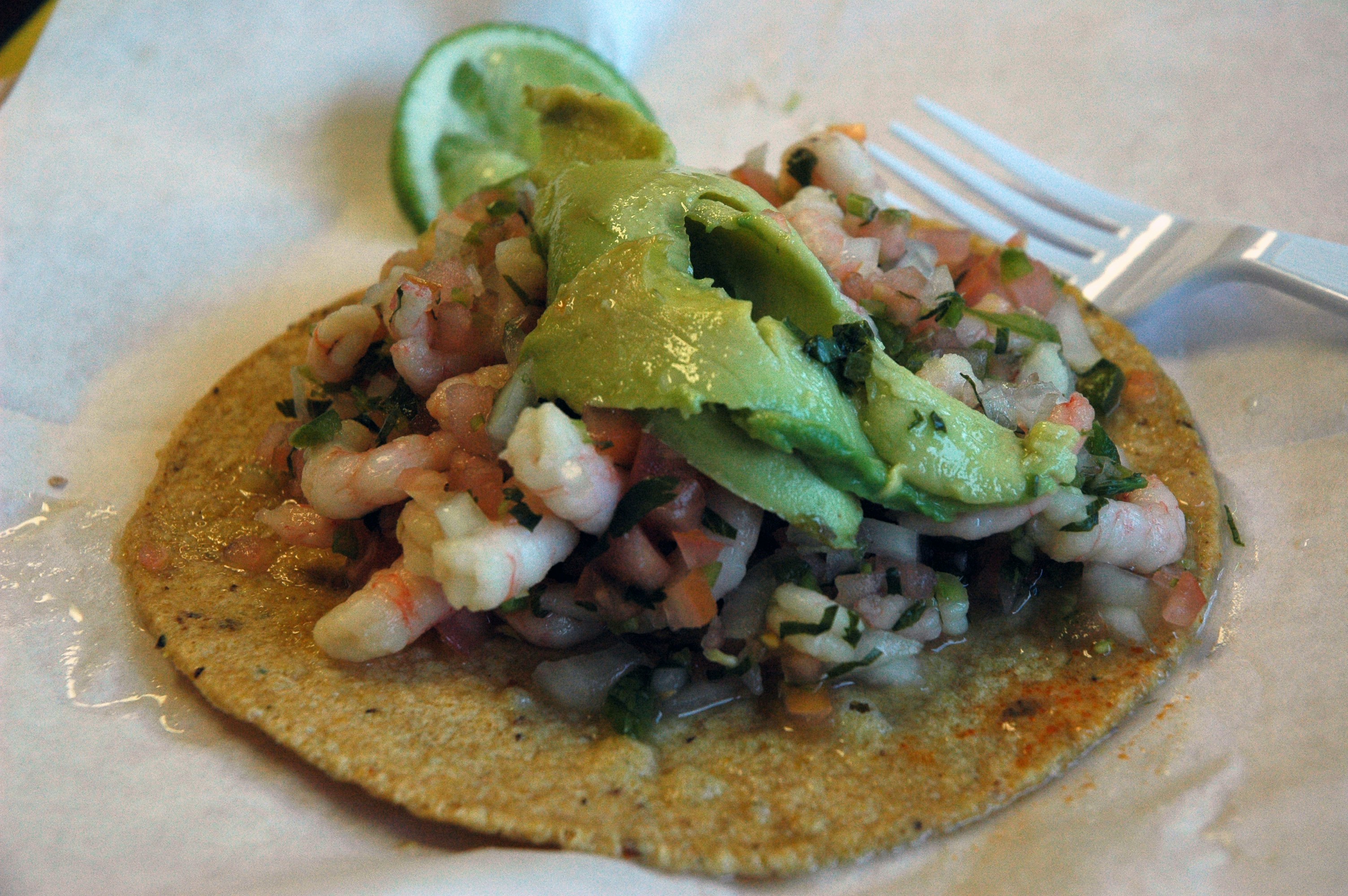
Introduction to Tostadas
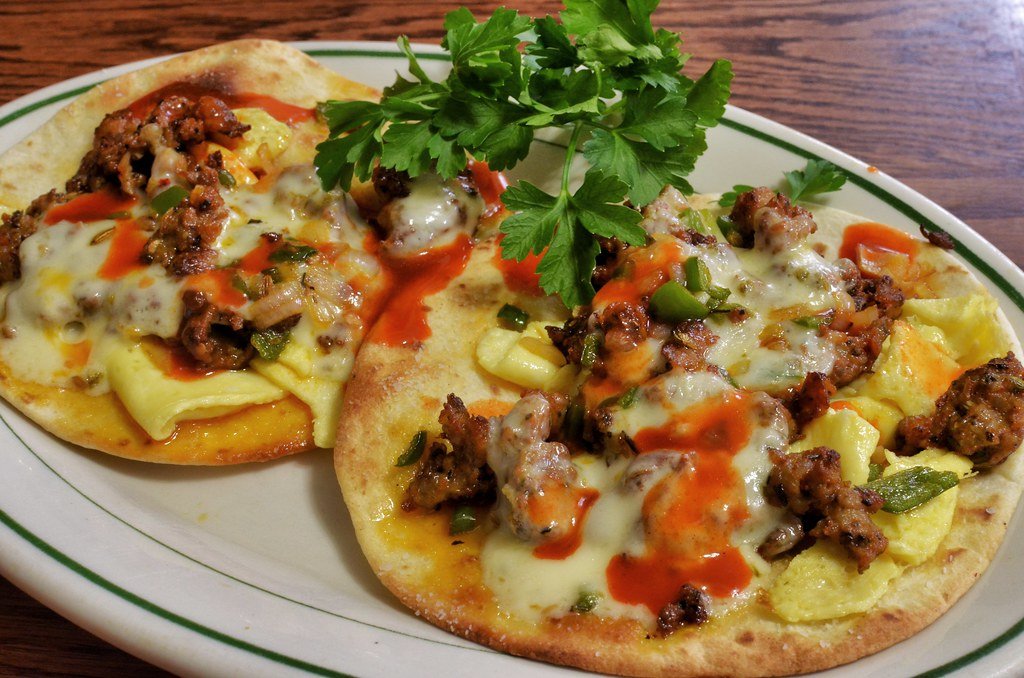
Tostadas are a traditional Mexican dish that consists of flat, crispy tortillas typically made from corn, which are toasted or fried until they reach a desired crunchiness. The origins of tostadas can be traced back to ancient Mesoamerican civilizations, where corn was a staple in their diet. Over the centuries, this simple yet versatile dish has evolved, allowing it to maintain cultural significance while adapting to contemporary culinary practices. Tostadas serve as a distinctive base for a variety of toppings, making them a favorite not just in Mexico but also in several regions around the globe.
Historically, tostadas were created as a way to extend the shelf life of tortillas and utilize leftover foods. This ingenious method of preservation has allowed the dish to flourish through different eras. In modern times, tostadas have become an integral part of festive celebrations, family gatherings, and everyday meals. Their significance extends beyond just nourishment; they embody a culinary tradition that showcases the diversity of Mexican cuisine.
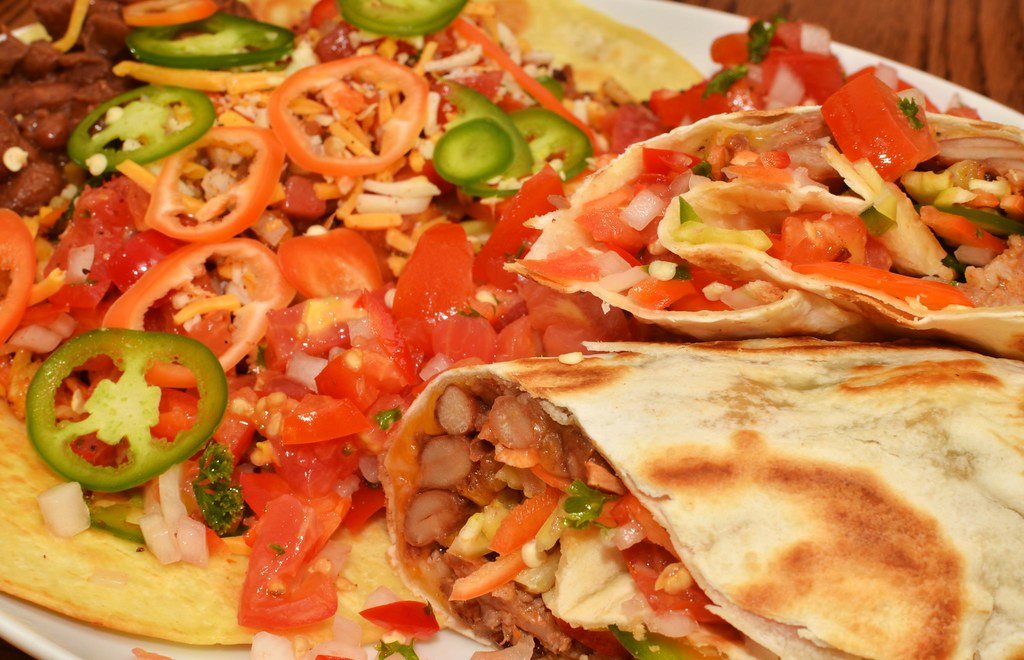
When it comes to the basic components of tostadas, they typically include a crispy tortilla topped with various ingredients such as refried beans, meats, seafood, vegetables, and an array of garnishes including salsa, avocado, cheese, and fresh herbs. The types of tostadas can vary widely across different Mexican regions. For instance, coastal areas may favor seafood tostadas, while inland regions may focus on meat-based options. Each variation of tostadas not only represents local ingredients but also highlights unique culinary styles and preferences.
In essence, tostadas are more than just a dish; they encapsulate a rich history and a celebration of the diverse flavors found across Mexico. Their ability to adapt and evolve while maintaining authenticity makes them an enduring favorite in both traditional and contemporary contexts.
The Perfect Crunch: Selecting the Right Tostada
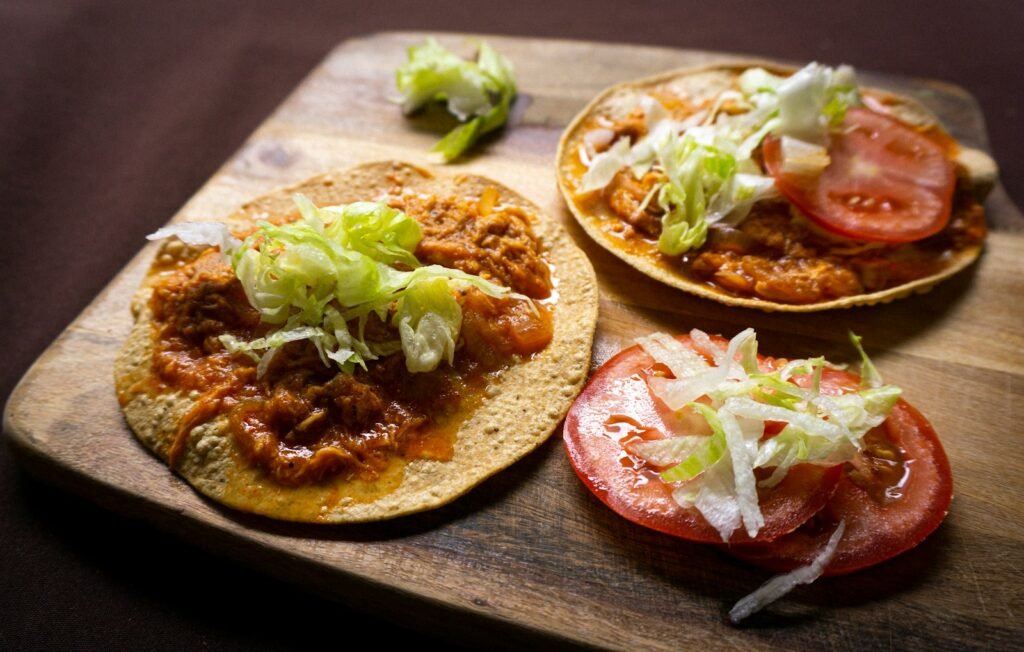
The ideal tostada serves as a delightful base for various toppings, and selecting the right one is crucial in achieving the perfect crunch. At the heart of this crunchy delight lies the tortilla, which is traditionally made from either corn or flour. Corn tortillas are the most commonly used base for tostadas, as they provide an authentic flavor and a satisfying crunch. When selecting corn tortillas, it is important to choose those made from whole, stone-ground corn, as they offer superior taste and texture.
Cooking methods significantly influence the tostada’s crispness. To prepare a tostada, tortillas can be baked, fried, or toasted, each method rendering a distinct result. Frying tortillas in hot oil yields a wonderfully crunchy texture, but one must ensure not to over-fry them to avoid greasiness. Baking tortillas is a healthier alternative that produces a less oily result while still achieving a satisfying crunch. Simply brushing the tortillas with a bit of oil and placing them in a hot oven allows for a delightful crisp without excessive fat.
Freshness is an essential aspect of selecting high-quality tortillas. Ideally, tortillas should be consumed within a few days of production to enhance both taste and texture. Checking the expiration date is a vital step when purchasing tortillas, whether from a store or a local tortilleria. In addition, the choice of tortilla can impact nutritional value; corn tortillas typically contain fewer calories and carbohydrates compared to flour tortillas, making them a healthier option for many consumers.
When considering personal dietary preferences, it is helpful to explore options available in health food stores, including gluten-free tortillas made from alternative grains. Ultimately, the process of selecting the right tostada mirrors a broader appreciation for the ingredients that contribute to the culinary experience, culminating in a perfect crunch that elevates any dish.
Tostada Toppings: A Flavorful Exploration
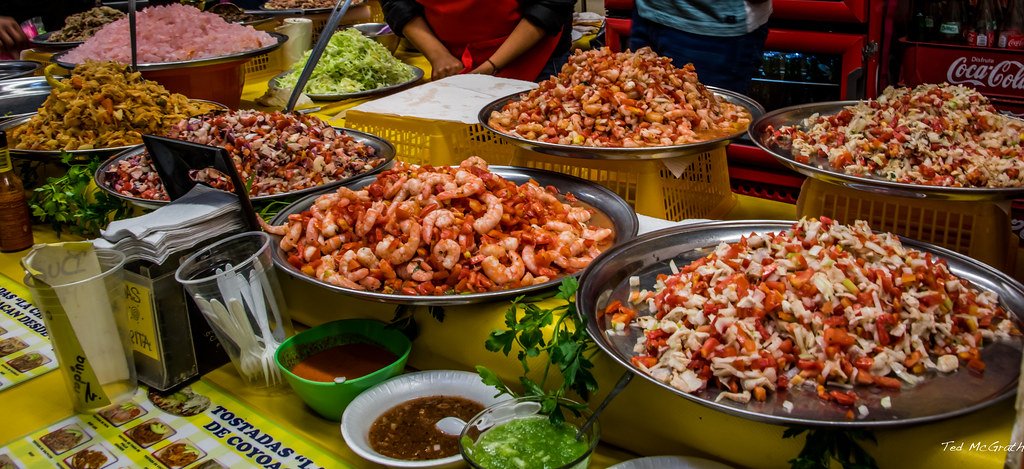
Tostadas serve as a versatile canvas, allowing a diverse array of toppings to create an enticing and flavorful meal. Traditionally, refried beans are often used as a base, providing a creamy texture that complements the crunch of the tostada shell. This foundational layer can be topped with an assortment of shredded meats, such as pollo (chicken), carne asada (grilled beef), or carnitas (pulled pork), each contributing its unique flavor profile and richness.
Vegetables also play a pivotal role in enhancing the tostada experience. Fresh ingredients like lettuce, diced tomatoes, avocados, and radishes not only add vibrant colors but also introduce an assortment of textures and tastes. For those who appreciate bold flavors, various salsas offer an excellent opportunity to amplify the dish further. From tangy tomatillo salsa to spicy habanero blends, these sauces can transform each bite into a flavor explosion.
As culinary preferences evolve, regions across Latin America have introduced their own unique toppings, showcasing local ingredients and traditions. For instance, a Oaxaca-style tostada might feature earthy black beans, quesillo cheese, and a drizzle of mole sauce. Additionally, modern interpretations have led to innovative toppings such as quinoa, roasted chickpeas, or even fusion options like Thai peanut sauce. These variations cater to various dietary preferences, including the rising demand for vegetarian and vegan alternatives.
When crafting the perfect tostada, balance is key. Layering toppings thoughtfully can prevent any one flavor from overpowering the others. For optimal taste, it is advisable to mix textures and flavors, ensuring a delightful eating experience with each bite. The beauty of tostadas lies in their adaptability; thus, encouraging experimentation will lead to personalized creations that highlight individual tastes and preferences.
Wrapping Up: Enjoying Tostadas in Different Settings
Tostadas are not just a delicious meal but also a versatile dish that can elevate the dining experience across various occasions. Whether you are hosting a casual family dinner or an upscale gathering, tostadas can be customized to suit the setting perfectly. For a laid-back atmosphere, consider setting up a tostada bar where family and friends can create their own masterpieces. This encourages interaction and allows guests to personalize their choices based on individual tastes, fostering a communal spirit that is synonymous with food culture.
When it comes to upscale gatherings, presentation is key. Elevate your tostada game by using elegant serving dishes and garnishing them with fresh herbs, edible flowers, or vibrant sauces. Pairing tostadas with appropriate beverages is another way to enhance the experience. For traditional tostadas topped with meats or beans, consider serving refreshing cocktails, such as margaritas or a light wine. For vegetarian options, sparkling water infused with citrus or herbal teas can complement the flavors beautifully.
Tostadas also make for an excellent appetizer or small plate option at larger events. By cutting them into smaller pieces, you can allow guests to enjoy them as finger food, facilitating mingling and conversation. Sharing these crunchy delights encourages bonding over shared experiences and culinary creativity; encourage your guests to bring their unique toppings to the table. This not only makes the meal interactive but also invites everyone to partake in the joy of flavor exploration.
In conclusion, whether you are hosting a cozy night in or an elegant celebration, tostadas offer a unique and delightful culinary experience that can adapt to any environment. Their versatility and ability to be tailored to personal preferences truly make them a dish worth celebrating. Feel free to share your own tostada creations and experiences, adding to the communal aspect of enjoying food together.