
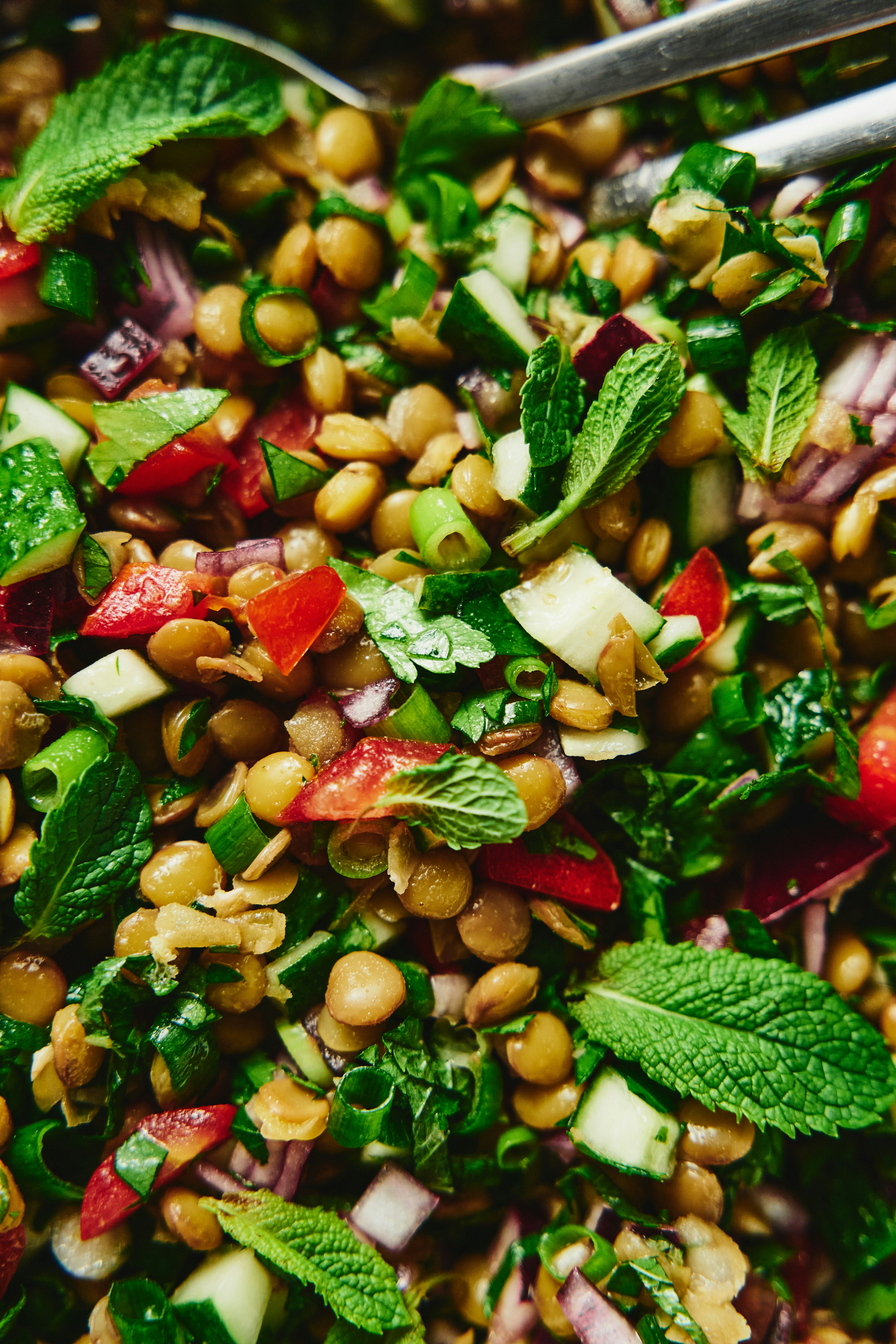
Introduction to Greek Lentil Salad

Greek lentil salad, a vibrant and nutritious dish, has its roots deeply embedded in Mediterranean cuisine. This culinary staple showcases the importance of lentils as a key ingredient across various traditional Greek recipes. As a part of the broader Mediterranean diet, it emphasizes the use of fresh, wholesome ingredients, which are beneficial for overall health and well-being. The Mediterranean diet is celebrated for its balance of nutrient-rich foods, and lentils serve as a quintessential example, providing a rich source of protein, fiber, and essential vitamins.
The origins of Greek lentil salad can be traced back to rural cooking practices, where the abundance of legumes was utilized to create hearty meals. Traditionally, lentils were cultivated in the fertile soils of Greece and have played a significant role in the local diet for centuries. The dish not only reflects the simplicity and resourcefulness of Greek food culture but also highlights the communal aspect of dining, often prepared for family gatherings or local feasts.
In summary, the Greek lentil salad encapsulates the essence of Greek culinary traditions, showcasing a harmonious blend of flavors while promoting health-conscious eating. Its growing popularity around the globe can be attributed to its adaptability, nutritional value, and the vibrant freshness of its ingredients, making it a beloved dish on tables worldwide.
Key Ingredients and Their Health Benefits

Greek lentil salad is not only a delicious dish but also a nutrient-dense option that provides a variety of health benefits. The primary ingredient, lentils, are rich in protein and fiber. One cup of cooked lentils contains approximately 18 grams of protein and over 15 grams of dietary fiber, supporting muscle health and promoting digestive wellness. Additionally, they are an excellent source of essential minerals such as iron, magnesium, and potassium, which contribute to overall bodily functions including muscle contraction and blood pressure regulation.
Another critical component of this salad is the assortment of vegetables commonly used, such as tomatoes, bell peppers, and cucumbers. Tomatoes, which are packed with vitamins A and C, also contain lycopene, a powerful antioxidant known to reduce inflammation and protect against chronic diseases. Bell peppers, particularly the red variety, are high in vitamins A, C, and B6, promoting a healthy immune system and improving skin health. Cucumbers add hydration owing to their high water content, making them a refreshing addition while providing low calories.
The incorporation of fresh herbs is also vital in Greek lentil salad. Ingredients like parsley and dill not only enhance flavor but offer additional health benefits. Parsley, for instance, is rich in vitamin K and can aid in brain health and bone strength. Olive oil, often used as a dressing, is another noteworthy ingredient; it is high in monounsaturated fats, particularly oleic acid, and is associated with decreasing inflammation and lowering the risk of heart disease. For those with dietary restrictions, variations can include the use of quinoa instead of lentils for a gluten-free option and the incorporation of seasonal vegetables to tailor the salad to personal taste preferences. This adaptability underscores the versatility and healthfulness of Greek lentil salad.
Preparation and Cooking Tips
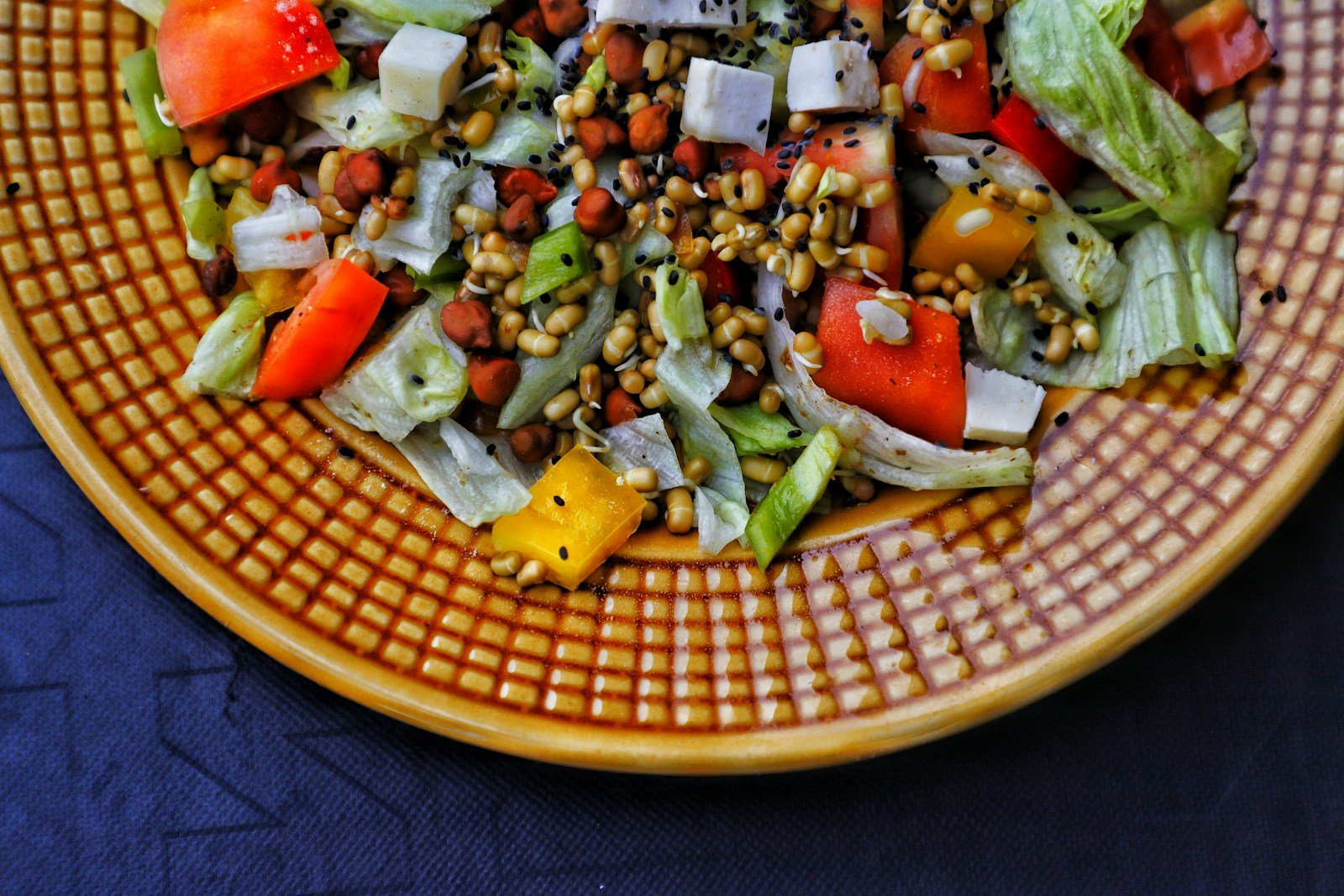
To prepare a classic Greek lentil salad, start by selecting high-quality lentils, ideally green or brown, which hold their shape well after cooking. Begin by rinsing one cup of lentils under cold water to eliminate any debris. Place the rinsed lentils in a pot and cover them with approximately three cups of water. Bring the mixture to a boil, then lower the heat and let them simmer for about 20-30 minutes until they are tender but not mushy. It is advisable to check the lentils periodically to prevent overcooking, which can compromise the salad’s texture.
While the lentils are cooking, prepare the vegetables. Common ingredients in Greek lentil salad include diced cucumber, chopped tomatoes, red onion, bell peppers, and fresh herbs such as parsley and mint. For an optimal flavor profile, consider using ripe, in-season produce, as this will significantly enhance the overall taste of the salad. A good tip is to chop the vegetables into uniform small pieces to ensure even distribution throughout the dish.
Once the lentils are cooked and drained, allow them to cool. In a large mixing bowl, combine the lentils with the prepared vegetables. For the dressing, whisk together olive oil, red wine vinegar, salt, pepper, and a squeeze of lemon juice, which brings brightness to the dish. Pour the dressing over the salad and gently toss to ensure every component is evenly coated.
For storage, keep the Greek lentil salad in an airtight container in the refrigerator for up to three days, allowing the flavors to meld together. Serve it chilled or at room temperature. This salad pairs beautifully with grilled meats or can serve as a light lunch on its own, making it a versatile addition to your meal planning.
Variations and Creative Twists on Greek Lentil Salad
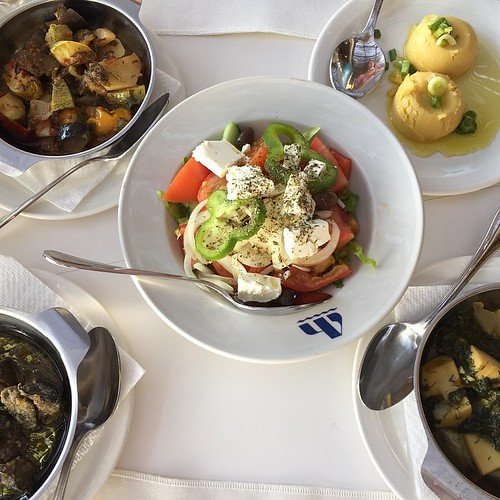
Greek lentil salad is a versatile dish that lends itself well to a variety of adaptations and creative interpretations. While the traditional recipe centers on ingredients such as green or brown lentils, tomatoes, cucumbers, onions, and a zesty dressing, there are numerous ways to enhance its nutritional profile and flavor complexity. Adding different proteins can transform the salad from a side dish into a hearty main course. For instance, incorporating grilled chicken or feta cheese can provide additional protein while complementing the existing flavors. Alternatively, for a vegetarian or vegan option, chickpeas or edamame can be excellent substitutes.
In addition to proteins, introducing different grains can offer an interesting texture and boost the dish’s fiber content. Quinoa or farro, for example, can create a more substantial salad that enhances its satiety factor. These grains can be prepared alongside the lentils or swapped in to create a unique twist on the classic Greek lentil salad.
Vegetables are another area where creativity can flourish. Consider the seasonality of ingredients for the freshest taste—springtime may call for asparagus and radishes, while autumn can inspire the addition of roasted butternut squash or sweet potatoes. You might also experiment with flavors from international cuisines: a splash of soy sauce and sesame oil can yield an Asian-inspired twist, while adding olives and capers can introduce Mediterranean flair beyond Greece.
Ultimately, the key to these variations lies in balancing flavors while maintaining the essence of a Greek lentil salad. Emphasizing customization allows individuals to engage with the dish creatively, making it their own. As different textures and tastes are brought into the mix, the possibilities for innovation are boundless, offering a delightful culinary experience that honors the spirit of this nutritious salad.