
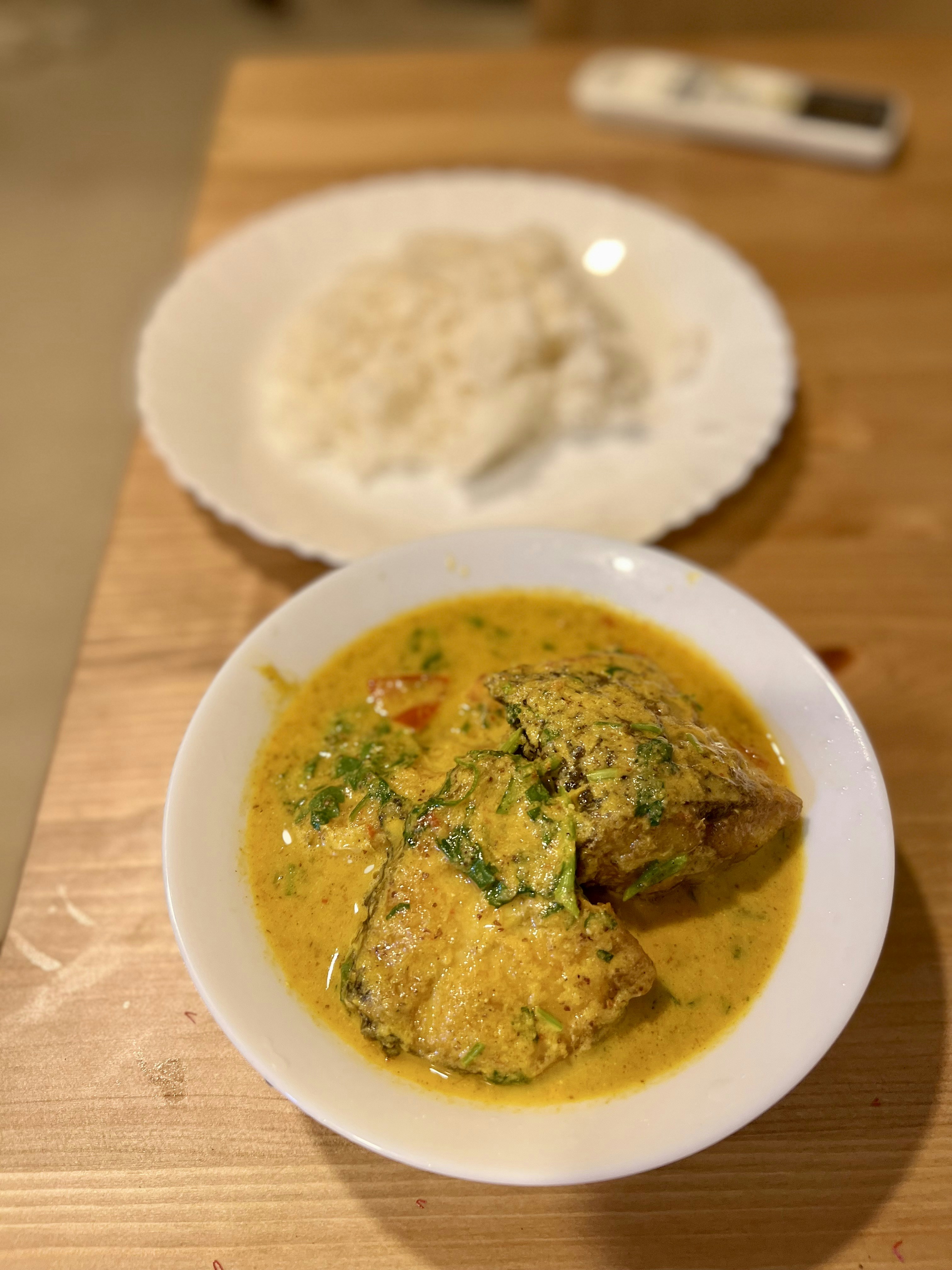
Introduction to Amok Trei
Amok Trei, a celebrated dish in Cambodian cuisine, embodies the rich cultural heritage and culinary traditions of the region. This traditional fish curry is recognized for its fragrant and creamy coconut milk base, typically combined with the delicate flavors of freshwater fish, most commonly mackerel or catfish. Its roots trace back to the Khmer Empire, where the harmonious marriage of spices and local ingredients contributed to the development of a unique gastronomic identity.
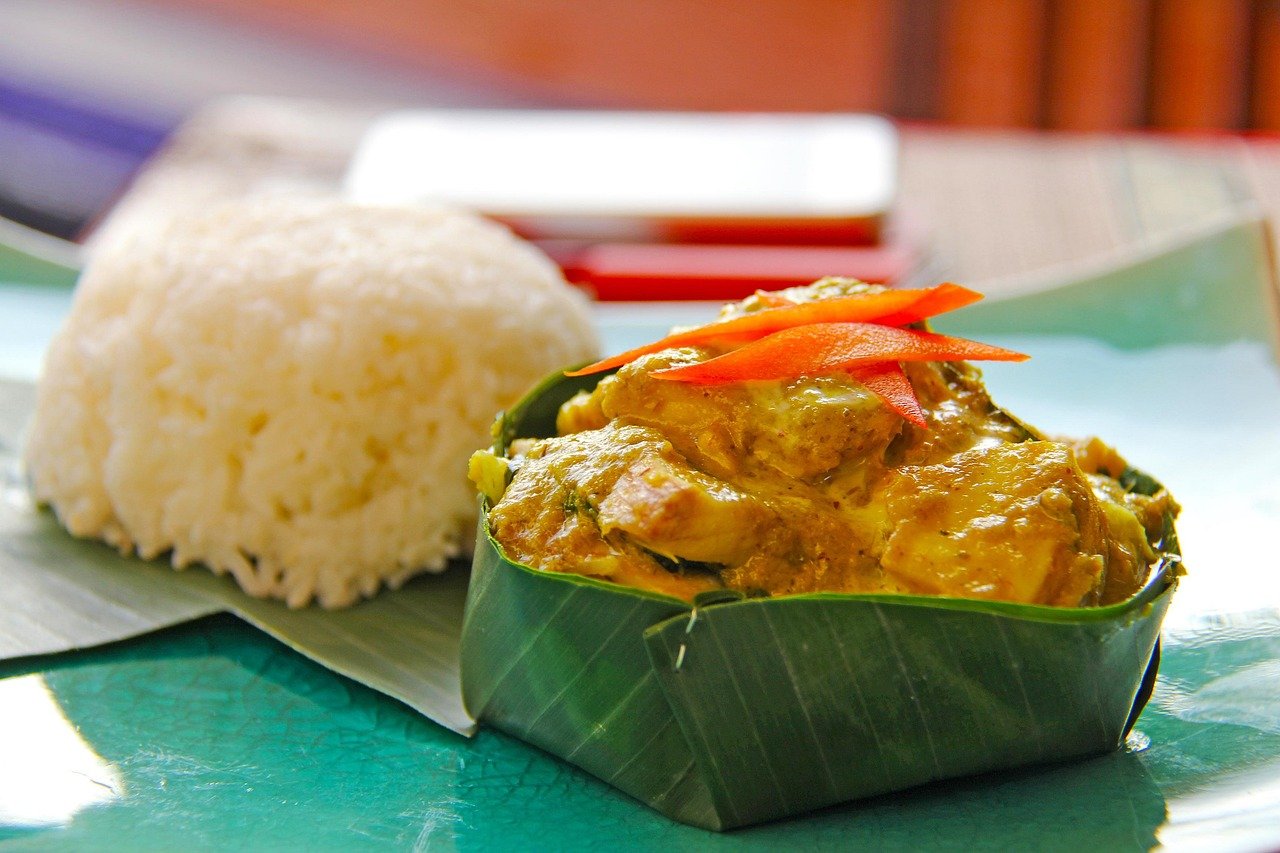
The preparation of Amok Trei reflects the communal nature of Cambodian dining, where families and friends gather to share not only food but also stories and experiences. Traditionally, this dish is steamed in banana leaves, which infuse the curry with a subtle earthy aroma, enhancing the overall flavor profile. Every bite of Amok Trei offers a taste of history, as it incorporates indigenous herbs, spices, and culinary techniques passed down through generations. This connection to the past reinforces its significance within the Cambodian culture.
Over the years, Amok Trei has evolved, influenced by regional variations and global culinary trends. While it retains its core ingredients, variations may include different types of fish or adjustments to the spice blend, showcasing the adaptability of this beloved dish. Even as it gains popularity beyond Cambodian borders, Amok Trei continues to symbolize the essence of Cambodian gastronomy, representing not just sustenance but also a deep sense of belonging and cultural pride. As we explore this dish further, one can appreciate why it remains a favored choice among locals and food enthusiasts alike.
Ingredients and Preparation
Amok Trei, known for its rich and fragrant flavors, primarily revolves around several key ingredients that are quintessential to the dish. The most important element is the fish itself; commonly utilized varieties include catfish and tilapia, both of which are favored for their delicate texture and ability to absorb flavors. For a traditional taste, it is vital to choose fresh fish, as this directly influences the curry’s overall quality.
Coconut milk serves as the base of the Amok Trei, lending a creamy consistency and a subtle sweetness that balances the spices. The addition of Khmer curry paste is critical, as it infuses the dish with a robust aroma and depth of flavor. The paste typically contains a blend of lemongrass, galangal, turmeric, and kaffir lime leaves, finely ground together to form a fragrant mixture essential to the dish’s identity. Fresh herbs, such as cilantro and basil, are often included to enhance the aroma and provide a fresh contrast to the richness of the coconut milk.
The preparation process begins with the creation of the curry paste. Start by combining the aforementioned ingredients in a mortar and pestle or a food processor, grinding them into a smooth consistency. Once the curry paste is ready, the fish is cut into bite-sized pieces and marinated lightly with the paste to allow for enhanced absorption of flavors. Next, the coconut milk is gently heated in a pot, where the marinated fish is added along with the rest of the curry paste, cooking until the fish is tender.
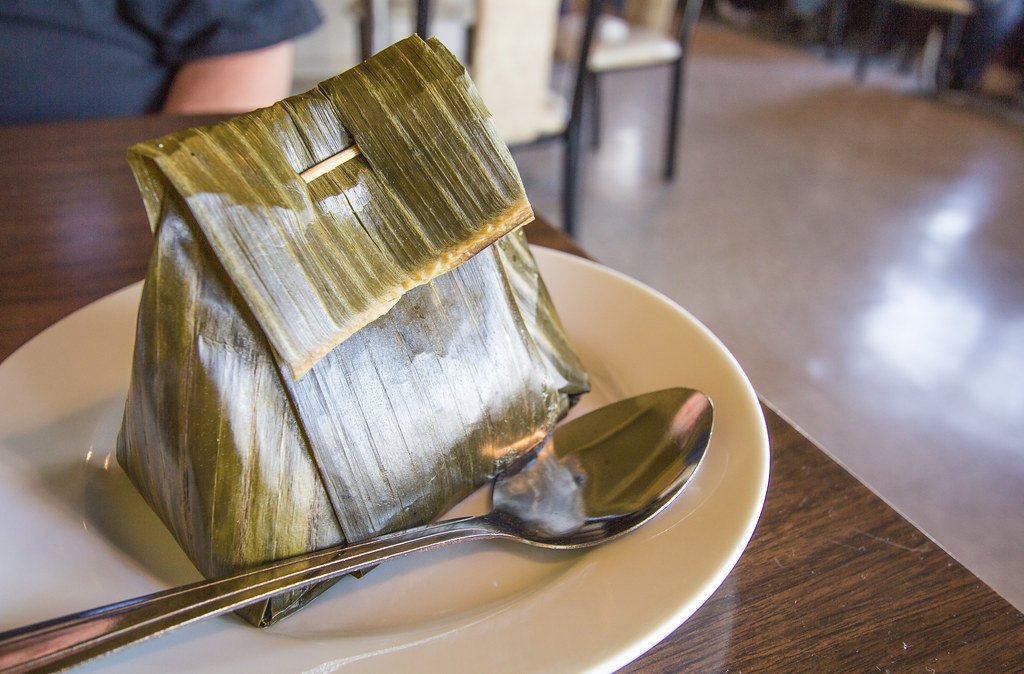
Traditionally, Amok Trei is steamed in banana leaves, which not only adds a subtle aroma but also gives the dish an authentic presentation. To serve, the mixture is carefully wrapped in banana leaves and placed in a steamer, allowing it to cook until the curry is fragrant and set. Each step, from ingredient selection to preparation, contributes to the unique flavor profile that defines this beloved Cambodian dish.
Tasting Experience: Flavor Profile and Presentation
The tasting experience of Amok Trei is a delightful journey that engages multiple senses, showcasing the rich culinary heritage of Cambodia. The dish is highly regarded for its unique flavor profile, which is predominantly characterized by the creamy texture of coconut milk blended with an array of spices and fresh herbs. The coconut milk serves as a rich base, delivering a smooth and luscious mouthfeel that complements the delicate flavor of the fish. Typically, snakehead fish is utilized, a choice that not only holds up well to cooking but also imparts a mild sweetness that pairs harmoniously with the aromatic ingredients.
Spices such as turmeric, garlic, and lemongrass add distinctive layers to the dish, contributing both to its flavor and color. The turmeric lends a warm, golden hue, while lemongrass introduces a bright and citrusy note. Additionally, the incorporation of kaffir lime leaves and galangal imparts complex, herbal undertones that elevate the overall profile of Amok Trei. The careful balance of these flavors results in a dish that is both savory and subtly sweet, making it an exemplary representation of Cambodian cuisine.
Presentation plays a significant role in the enjoyment of Amok Trei as well. Traditionally served in banana leaves, the dish not only exudes an inviting aroma but also engages diners visually. The use of banana leaves showcases the vibrant colors of the curry, providing a striking contrast to the natural green of the leaves. This traditional method of serving includes folding the leaves to create a small bowl-like vessel, enhancing the rustic charm and authenticity of the dining experience. Ultimately, the interplay of flavor and presentation makes Amok Trei a memorable dish that reflects the rich cultural essence of Cambodia.
Amok Trei in Modern Cuisine: Variations and Where to Find It
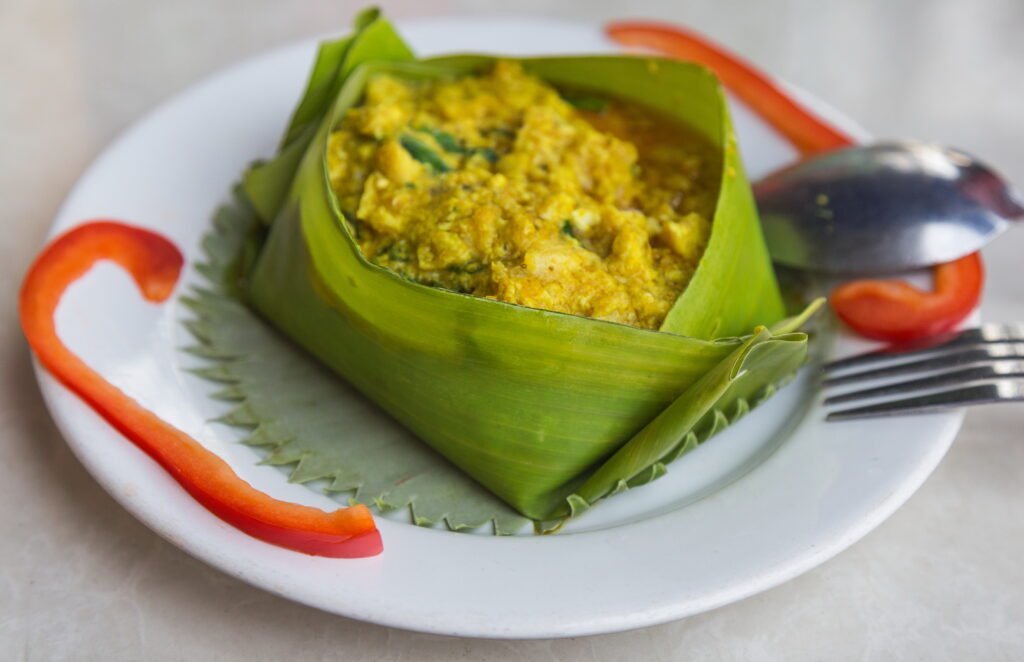
Amok Trei, a quintessential Cambodian dish, has evolved in modern cuisine while retaining its traditional essence. Today, variations of this creamy coconut fish curry can be found across different regions, with chefs experimenting with various fish types and additional ingredients, broadening the dish’s appeal. While the classic recipe typically features snakehead fish, contemporary interpretations may include salmon, tilapia, and even shrimp, catering to diverse palates and ensuring the dish remains relevant in modern culinary practices.
Modern chefs often infuse Amok Trei with innovative elements, such as the incorporation of vegetables like bell peppers, broccoli, or even eggplant, introducing an additional layer of flavor and texture. Additionally, some variations may feature non-traditional herbs and spices that enhance the dish’s aroma and taste, pleasing both traditionalists and those looking for a new twist on the classic. This adaptability illustrates the culinary creativity surrounding Amok Trei while highlighting its potential for mainstream popularity.
For those eager to experience authentic Amok Trei, numerous restaurants in Cambodia serve this delightful dish with great authenticity. Renowned establishments such as Romdeng in Phnom Penh and Malis offer not only Amok Trei but also a full range of traditional Cambodian dishes within a vibrant atmosphere. Outside Cambodia, restaurants like Phnom Penh Restaurant in the United States and Laang Restaurant in Australia have begun to embrace Cambodian cuisine, helping to showcase the delicate flavors of Amok Trei on an international scale.
As global interest in Southeast Asian cuisine grows, Cambodian dishes like Amok Trei are gradually gaining recognition. The unique combination of coconut cream, fish, and aromatic spices continues to captivate food lovers worldwide, marking the dish not just as a national treasure of Cambodia but as a rising star in modern cuisine. This evolution assures that Amok Trei will not only endure but thrive, bridging the gap between traditional and contemporary culinary landscapes.