
The History of Apple Pie
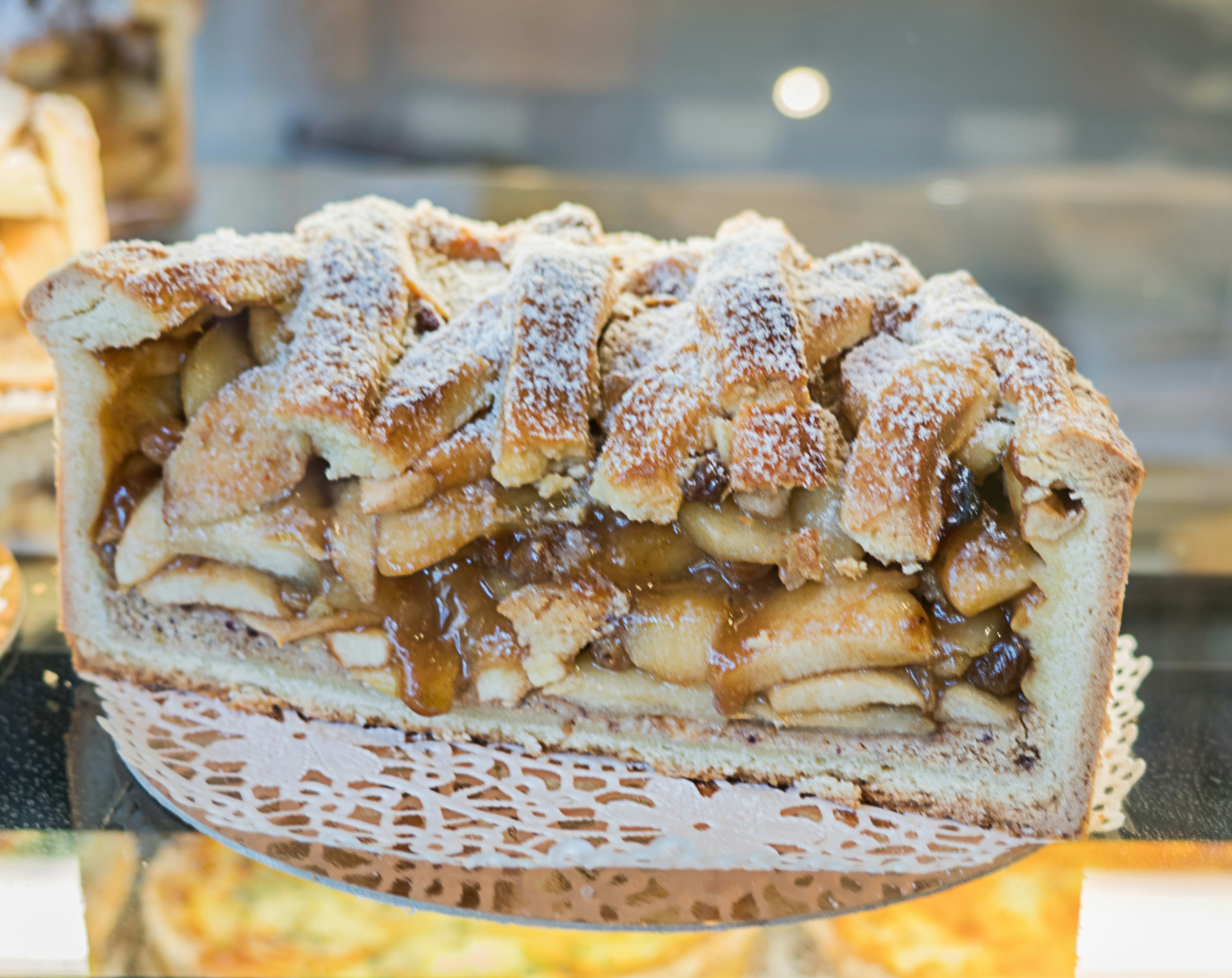
Apple pie is a dessert with a rich history that can be traced back to medieval Europe, long before it became an iconic dish in American cuisine. The earliest known recipe for apple pie dates from the 1381 in England, where it was prepared with apples, figs, raisins, and spices, encased in a pastry crust. These early iterations of apple pies were not sweetened like the modern versions we enjoy today. Instead, they focused more on the natural flavors of the ingredients, reflecting the culinary practices of the time.
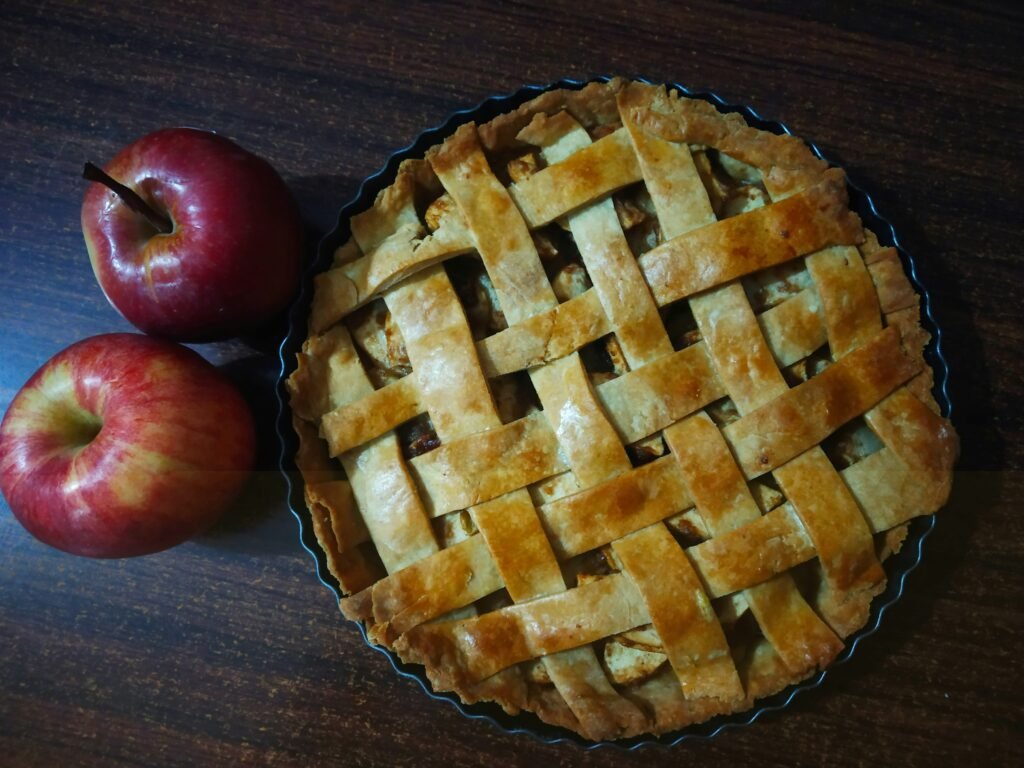
As the centuries progressed, apple pie recipes began to differ across cultures, incorporating regional ingredients and influences. By the 17th century, apple pie had made its way to America with European settlers, who brought their baking traditions with them. The fruit was abundantly available in the New World, and settlers cultivated various apple species. During this period, pie-making evolved, as sweeteners like sugar became more accessible and affordable. This led to the introduction of the sweet apple pie that became widely consumed in American households.
The phrase “as American as apple pie” underscores the dessert’s significance in American culture. Throughout history, apple pie has been portrayed as a symbol of comfort and home, often associated with family gatherings and celebrations. Whether shared during Thanksgiving or served at a summer picnic, this beloved dessert evokes a sense of nostalgia and warmth.
Moreover, numerous variations of apple pie have emerged globally, showcasing local ingredients and culinary traditions. For instance, the French tarte Tatin is a caramelized upside-down apple pie, while the Dutch version incorporates a crumbly topping. Each variation enriches the broad tapestry of apple pie’s history, demonstrating its versatility and appeal across cultures.
Ingredients That Make the Perfect Apple Pie
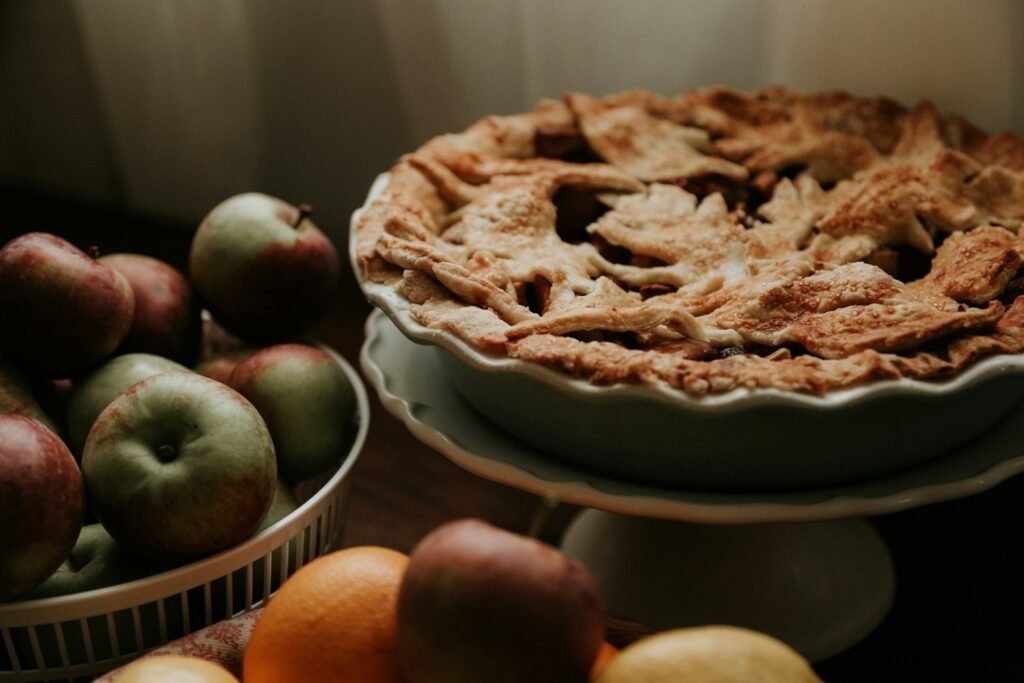
Crafting a truly exceptional apple pie hinges on selecting the right ingredients, each contributing to the classic dessert’s unique flavors and textures. The foundation of any apple pie is undoubtedly the apples themselves. Varieties such as Granny Smith, Honeycrisp, or Braeburn are often recommended for their perfect balance of sweetness and tartness. These apples retain their shape during baking, ensuring a pleasantly firm bite rather than a mushy filling.
In addition to the apples, the spices play an essential role in enhancing the pie’s flavor profile. Cinnamon is a staple spice in apple pie, lending warmth and depth that complements the fruit’s natural sweetness. Nutmeg, with its distinct aromatic quality, adds another layer of complexity. Depending on personal taste and regional preferences, some bakers might also include cloves or allspice to give their apple pie a distinctive twist. The careful balance of these spices can transform a standard recipe into a comforting and memorable dessert.
Equally important is the pie crust, which serves as the vehicle for the filling. A well-made crust provides a flaky, buttery layer that contrasts beautifully with the tender apples. Traditional recipes often call for a combination of all-purpose flour, unsalted butter, cold water, and a pinch of salt. Variations abound, with some bakers experimenting with alternatives such as whole wheat flour or adding a hint of sugar for sweetness. The type of crust—whether a classic, lattice, or crumb topping—can significantly influence the eating experience. The artistry of pie-making allows bakeries and home cooks alike to experiment with different ingredients, ultimately crafting an apple pie that can be both classic and innovative.
The Baking Process: Tips and Tricks
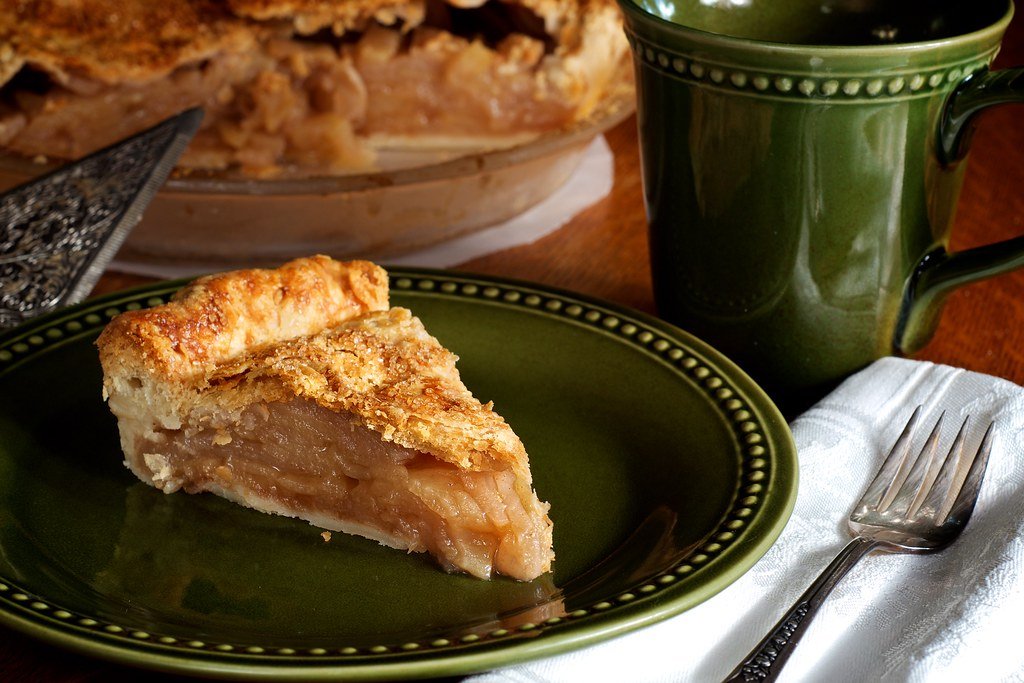
Creating the perfect apple pie involves a series of meticulously executed steps that contribute to its overall flavor and texture. To start with, one must pay close attention to the crust. It is advisable to chill the pie crust ingredients before mixing them together; this enhances the flakiness that is often sought in a traditional apple pie. When preparing the dough, ensure it is rolled out evenly, avoiding any overly thin areas that can lead to tearing. Additionally, pre-baking the crust for about 10 minutes before adding the filling can prevent a soggy bottom, which is a common concern among bakers.
When it comes to layering the apple slices within the pie, variety is crucial. Using a combination of different apple types, such as Granny Smith, Honeycrisp, or Fuji, allows for a complex flavor profile. Slice the apples uniformly to ensure even cooking, and consider tossing them with sugar, cinnamon, and a hint of lemon juice before layering. This not only elevates the flavor but also aids in moisture management during baking.
Baking time and temperature play significant roles in the pie-making process. A generally recommended temperature for baking an apple pie is 425°F (220°C) for the first 20 minutes, followed by reducing to 350°F (175°C) for an additional 30 to 40 minutes. This method encourages a beautiful golden crust while ensuring that the apples are fully cooked and tender. Throughout this process, keep an eye on the pie. If the edges of the crust begin to brown too quickly, cover them with foil to prevent burning.
Finally, some potential pitfalls include overfilling the pie with apples, which can cause the filling to overflow, and not allowing the pie to cool before slicing, which can displace the filling. By adhering to these tips and implementing a thoughtful approach to each step, baking an exceptional apple pie becomes an achievable endeavor.
Tasting Notes: A Critique of Popular Apple Pies
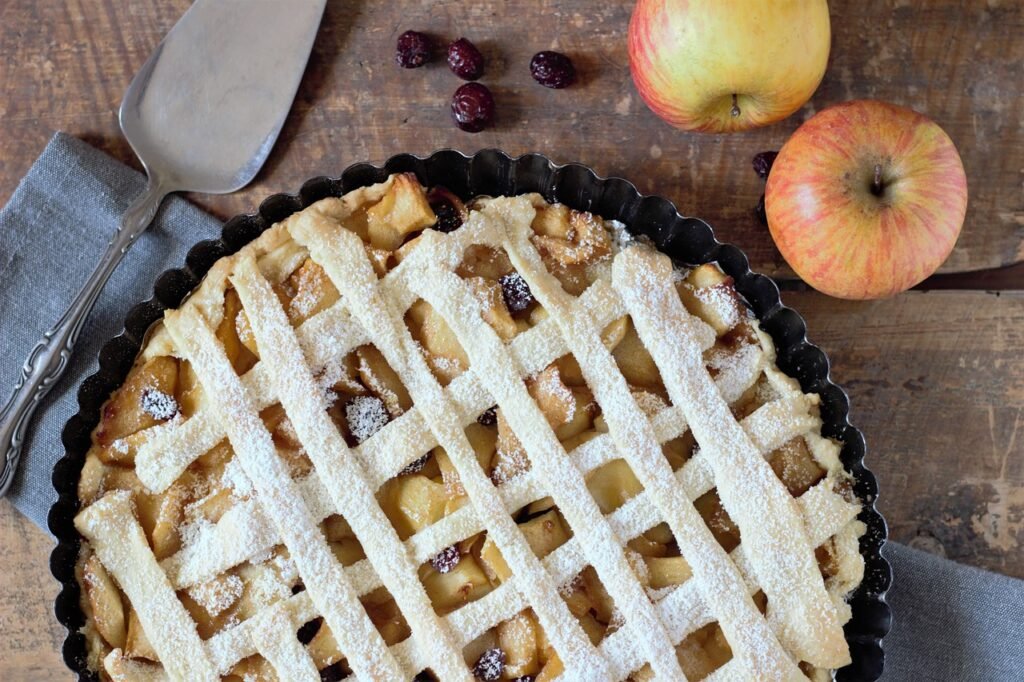
Apple pies, a beloved classic dessert, exhibit a remarkable range of flavors, textures, and presentation styles, each contributing to a unique tasting experience. In reviewing various apple pies from both popular bakeries and homemade versions, several distinct characteristics emerge that are worth noting. Traditional apple pie typically features a flaky, buttery crust enveloping a spiced filling of tender apples. The balance of sweetness and tartness in the filling is critical; the incorporation of spices such as cinnamon, nutmeg, and allspice enhances the overall flavor profile.
One notable contender in the apple pie arena is the version from B bakery, renowned for its deep-dish style. Upon tasting, one can appreciate the generous apple filling, which boasts a delightful mix of Granny Smith and Honeycrisp apples providing both tartness and sweetness. The crust, however, tends to be more cake-like than traditional, straying from the typical flaky texture that purists may seek. This divergence opens up discussions on modern interpretations of the classic apple pie, where variations often seek to innovate rather than adhere strictly to traditional methods.
Another example can be drawn from H bakery, which fuses European techniques with the classic recipe. The use of a galette-style crust presents a rustic and visually appealing approach, while the filling utilizes a lesser-known variety of apples, yielding a surprising depth of flavor. The presentation of the pie, with its beautifully arranged apple slices, creates an inspiring visual feast. Yet, those who favor the deeply comforting qualities of a homestyle apple pie may find this interpretation too delicate.
Through this critique of popular apple pies, one can appreciate the nuances that distinguish exceptional options. From the balance of sweetness to the interplay of textures, selecting an apple pie ultimately becomes a subjective adventure based on individual preference. For those in pursuit of the best varieties to try, visiting local bakeries or experimenting with homemade recipes can yield delightful results that resonate with one’s palate, showcasing the enduring charm of this iconic dessert.