
Introduction to Bobotie
Bobotie is a quintessential dish emblematic of South African cuisine, steeped in a rich tapestry of cultural influences and historical significance. It is particularly revered as the nation’s national dish, showcasing a delightful fusion of flavors that encapsulates the essence of South African culinary tradition. The preparation of bobotie typically involves ground meat, generally lamb or beef, which is seasoned with a variety of spices, including curry powder, turmeric, and allspice, then mixed with fruits like sultanas or apricots. The dish is often topped with an egg custard, lending it a unique texture and flavor profile.

The origins of bobotie can be traced back to the early colonial period in South Africa, reflecting a diverse cultural interplay between indigenous African, Dutch, and Indian influences. Its name is derived from the Indonesian dish “Bobotok,” demonstrating the spice trade’s impact on local cuisine. Over the centuries, bobotie has evolved, with each community adding its own unique twist, thereby enriching the dish’s complexity and depth. This adaptability highlights the dish’s significance not only as a family meal but also as an integral part of festive gatherings and celebrations within South African culture.
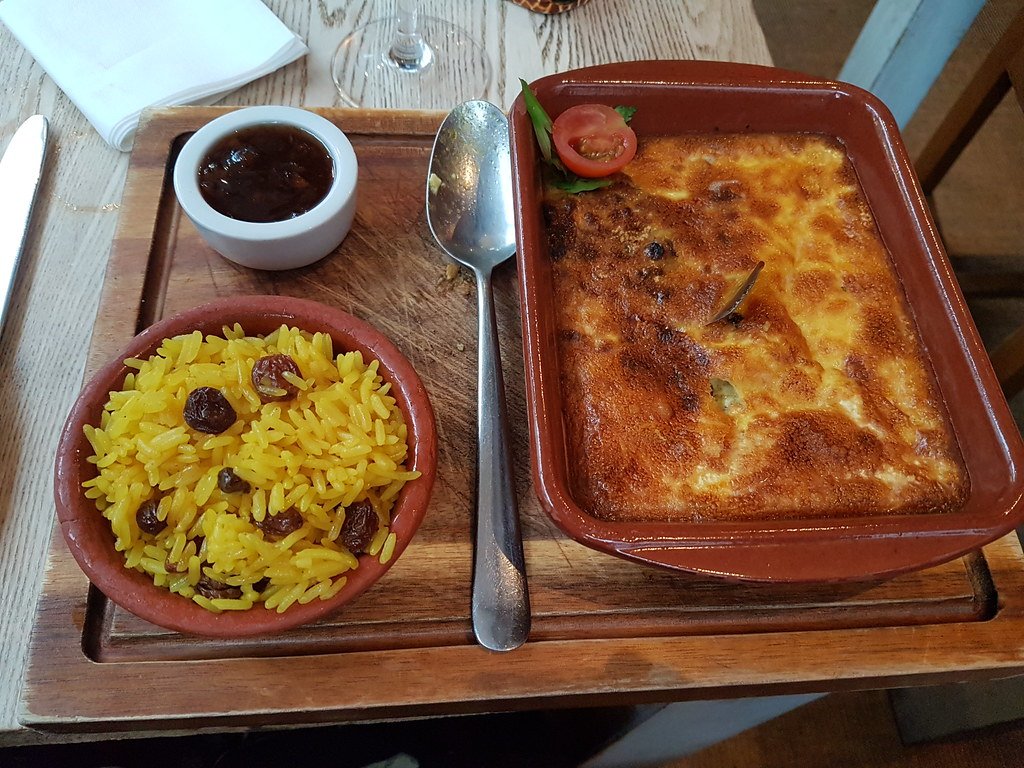
Presentation plays a vital role in bobotie’s appeal. Typically served alongside fragrant yellow rice, sambal, and chutney, it becomes a colorful and flavorful centerpiece, inviting diners to experience a taste of South Africa’s diverse culinary heritage. Moreover, the balance of savory meat and sweet elements exemplifies the country’s distinctive approach to flavor combination, making bobotie a true representation of South African identity. Through its rich flavors, comforting qualities, and cultural importance, bobotie stands as a celebration of the nation’s heritage and gastronomic prowess.
The Origin of Bobotie
Bobotie, a dish renowned for its unique flavor and cultural significance, has its roots deeply embedded in the Cape Malay community of South Africa. The origins of bobotie can be traced back to the 17th century when the Dutch East India Company established a colony at the Cape of Good Hope. The convergence of different cultures during this period laid the groundwork for the development of this iconic dish. The Malay people, brought as slaves from the Indonesian archipelago, introduced many spices and culinary traditions that are integral to South African cuisine today.
As the spice trade flourished, ingredients such as curry spices, dried fruits, and herbs became more accessible. The infusion of these flavors into traditional recipes not only enriched the local palate but also gave rise to a cuisine that reflects the diverse cultural landscape of South Africa. Bobotie itself is characterized by its combination of minced meat, typically beef or lamb, infused with a variety of spices, and often topped with a custard-like mixture made from eggs and milk. This complex layering of flavors exemplifies the significant influence of the Cape Malay community on South African cooking.
Furthermore, historical factors such as colonialism played a pivotal role in shaping bobotie. The dish symbolizes the blending of cultures, as it incorporates elements from various culinary traditions including Dutch, Malay, and indigenous African cuisines. This interplay highlights how historical migrations and settlements have contributed to the modern understanding of South African identity. Today, bobotie is not merely a meal; it represents a rich tapestry of social history, serving as a reminder of the robust interrelations that have characterized the region.
History of Bobotie
Bobotie, recognized as South Africa’s national dish, boasts a rich and varied history that reflects the cultural tapestry of the nation. Its origins are often traced back to the Cape Malay community during the 17th century when Indonesian slaves were brought to the Cape of Good Hope. They introduced their culinary practices, which melded with local ingredients, leading to the creation of what is now known as bobotie. The dish fundamentally consists of spiced minced meat, typically beef or lamb, topped with a creamy custard of egg and milk, a combination that speaks to both its diversity and adaptability.
Evidence of bobotie’s historical significance can be found in various cookbooks from the 19th and early 20th centuries, where it appears under different names and slightly varied recipes. For instance, in Elizabeth M. F. de Villiers’ cookbook from the 1930s, bobotie features alongside other traditional dishes, showcasing its prominence in South African households. This historical documentation provides vital insight into how the dish evolved, adapting to the available ingredients and changing taste preferences over time.
As South Africa navigated through turbulent eras, bobotie maintained its standing as a cherished comfort food, transcending mere sustenance to become a symbol of home and hospitality. Within various cultural landscapes, it has bridged communities, particularly among the Capetonians who celebrate its unique flavors during gatherings. Today, bobotie continues to thrive as a beloved dish, served in restaurants and homes alike, where it evokes nostalgia and pays homage to South Africa’s diverse culinary heritage.
Meaning and Cultural Significance

Bobotie, widely recognized as South Africa’s national dish, embodies the rich tapestry of the country’s diverse culinary heritage. This savory meal, comprising spiced minced meat combined with eggs and milk, is often served with yellow rice and chutney, reflecting various cultural influences, including Malay, Dutch, and indigenous African traditions. The intricate preparation and unique flavor profile of bobotie not only highlight its gastronomic appeal but also signify deeper meanings within the South African context.
The dish plays a significant role during family gatherings and festive occasions. It often graces tables during special events such as birthdays, holidays, and Sunday family dinners, reinforcing the values of togetherness and sharing. In many households, bobotie is a symbol of comfort, evoking memories of family recipes passed down through generations. This communal aspect of dining fosters connections among family members, regardless of the diverse cultural backgrounds that contribute to the South African mosaic.
Bobotie’s cultural significance extends beyond mere sustenance; it encapsulates the societal narratives of resilience and adaptation. The evolution of this dish speaks to the blending of various ethnic identities as communities have historically exchanged culinary practices, resulting in a unique fusion that is both nourishing and celebratory. By engaging with bobotie, one not only experiences a culinary delight but also participates in a storytelling process that highlights South Africa’s journey through colonization, migration, and cultural exchange.
In understanding bobotie’s place within South African society, it becomes evident that this dish is more than a meal; it serves as a vehicle for cultural expression, identity affirmation, and social cohesion, making it an integral part of national pride and heritage.
Taste Profile of Bobotie

Bobotie is celebrated for its robust and complex flavor profile, which reflects a rich blend of sweet and savory elements that come together harmoniously. The dish’s foundation lies primarily in its spiced meat mixture, typically made from minced beef or lamb, which is infused with an array of spices. Among the most prominent is curry powder, a key ingredient that imparts warmth and depth. This spice not only enhances the dish’s overall flavor but also pays homage to the historical influences of Indian cuisine in South Africa.
In addition to curry powder, turmeric is another essential spice in bobotie. It contributes a subtle earthiness and a vibrant golden hue to the dish. Furthermore, garlic plays a significant role in rounding out the flavor, adding a pungent aroma that complements the richness of the meat. These spices work in synergy to create a distinctive taste that differentiates bobotie from other meat dishes.
One of the most intriguing aspects of bobotie is the balance of sweetness that plays a crucial role in its overall appeal. The inclusion of dried fruits, such as raisins or apricots, adds a surprising contrast to the dish. This sweetness is often enhanced by the addition of sugar or even a splash of vinegar, which serves to balance the rich and spiced elements, creating a layered palate experience.
Moreover, the topping of custard made from egg and milk gives bobotie its signature finish, providing a creamy and slightly savory layer that ties together the flavors. The textural contrast between the spiced meat and the soft custard elevates the dish to a unique culinary experience, making bobotie a true representation of South African cuisine. The complexity of its taste profile not only delights the palate but also invites diners to appreciate the cultural richness embodied in this iconic national dish.
Texture and Presentation
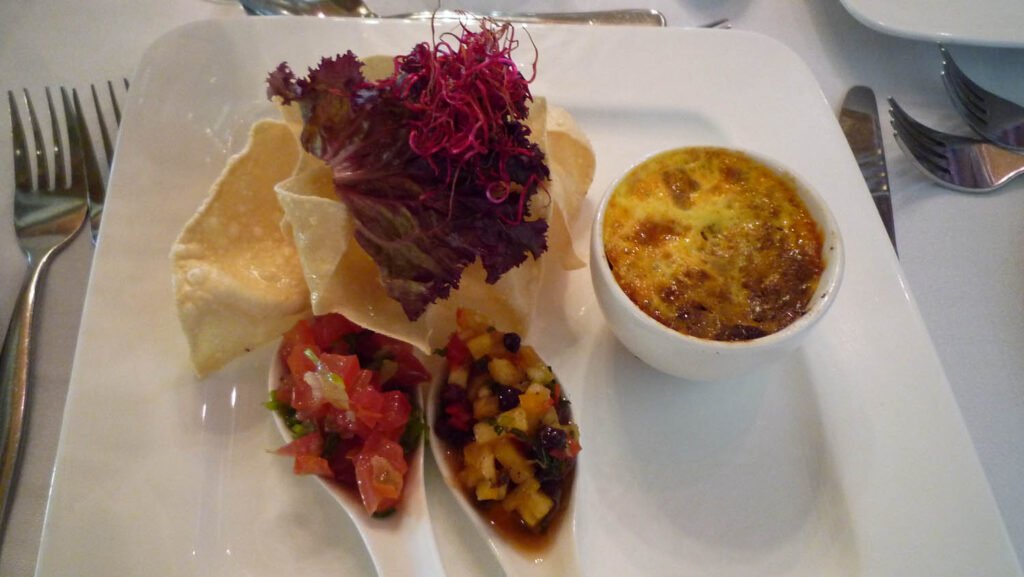
Bobotie, a beloved South African dish, is renowned for its intriguing texture, which arises from a harmonious blend of its core ingredients. The dish primarily consists of minced meat, typically lamb or beef, that is seasoned with a medley of spices, fruits, and vegetables. This minced meat is cooked to perfection, resulting in a tender and flavorful base. The contrasting texture of the bobotie comes from the baked custard topping, made with eggs and milk, which creates a smooth, creamy layer when browned. This delightful juxtaposition of the moist and savory filling beneath the firm yet soft custard layer offers a unique sensory experience.
When presented, bobotie is often served in a traditional baking dish, which enhances its rustic aesthetic. The custard topping is usually adorned with golden brown patches, indicating that the dish has been baked to a desirable crust. Following its take from the oven, it is essential to allow the bobotie to rest for a few minutes, as this helps set the custard and makes serving easier. It is typically garnished with a sprig of fresh parsley or sliced almonds, adding an extra layer of visual appeal while complementing the dish’s flavor profile.
Bobotie is customarily accompanied by fragrant yellow rice, often infused with raisins or curry for an added layer of complexity. This context enhances not only the visual presentation of the meal but also the overall dining experience, as diners can enjoy contrasting flavors and textures in each bite. The combination of textures—from the moist minced meat to the creamy custard and fragrant rice—invites diners to savor every element of this iconic dish. Overall, the thoughtful presentation of bobotie plays a significant role in its enjoyment, making it a feast for both the eyes and the palate.
Pairings and Accompaniments
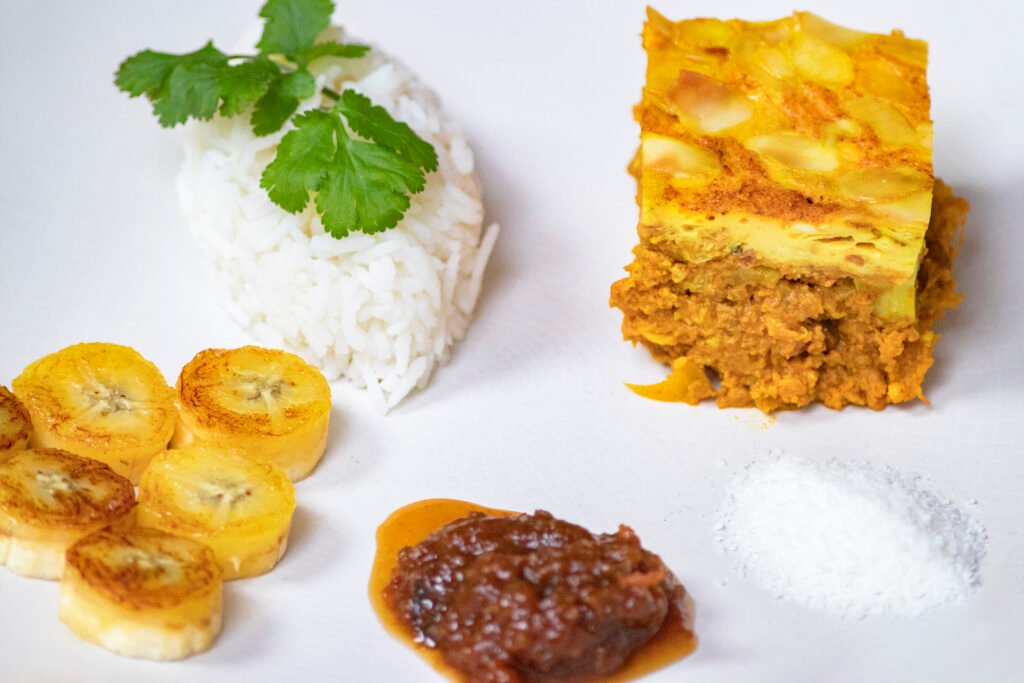
Bobotie, which is acclaimed as South Africa’s national dish, presents a rich and flavorful experience that is beautifully complemented by a variety of sides and beverages. To create a well-rounded meal, traditional South African accompaniments play an essential role in highlighting the dish’s unique qualities. Among the most popular pairings is yellow rice, which is often infused with spices such as turmeric, giving it a brightly colored hue that is visually appealing. This fragrant rice serves as a perfect contrast to the savory and slightly sweet flavors of the bobotie, enhancing the overall dining experience.
In addition to yellow rice, sambals are commonly served alongside bobotie. These fresh, tangy side dishes provide a burst of flavor and texture that cuts through the richness of the main dish. Typical sambals may include finely chopped tomatoes, onions, and chili, which together create a refreshing accompaniment. Another traditional favorite is fruit chutney, often made from apricots or peaches, which offers a delightful sweetness that further complements the spiced meat filling of the bobotie.
For those looking to elevate their dining experience, consider offering a selection of beverages that pair well with bobotie. A chilled glass of white wine, such as Chenin Blanc or Sauvignon Blanc, can bring out the complex flavors of the dish. Alternatively, for a non-alcoholic option, a fruity rooibos iced tea can provide a refreshing contrast to the savory notes of the bobotie.
In conclusion, serving bobotie with traditional sides such as yellow rice, sambals, and chutneys, along with thoughtfully selected beverages, can create a delightful and memorable meal that truly celebrates South African culinary culture. By thoughtfully considering these pairings, one can elevate the experience of enjoying one of South Africa’s most beloved dishes.
Bobotie in Modern Cuisine

Bobotie, a traditional South African dish, has increasingly found its place in modern cuisine, transcending its geographical origins to become a favorite in diverse culinary scenes around the world. This savory baked dish, typically made with spiced minced meat and a distinctive egg-based topping, has undergone various reinterpretations that showcase its versatility and adaptability.
In restaurants beyond South Africa, chefs are not only preserving the authentic essence of bobotie but also creatively reimagining it. Many establishments highlight the dish on their menus by incorporating local ingredients or unique preparation techniques that cater to regional tastes. For instance, chefs may use lamb or chicken instead of the traditional beef or incorporate unexpected spices such as cumin or paprika to add depth to the flavor profile. This fusion of flavors not only honors the original recipe but also invites a new audience to experience the dish in an innovative light.
Furthermore, bobotie has made its way into modern dining experiences such as food festivals, pop-up restaurants, and online cooking classes, where culinary enthusiasts are encouraged to create their versions at home. The dish’s adaptability allows home cooks and professionals alike to experiment, from gluten-free alternatives with quinoa to plant-based variations that utilize lentils or tofu as substitutes for meat. Such innovations resonate with contemporary dining trends, where there is a growing pursuit of sustainability and health-consciousness in meals.
As Bobotie continues to evolve through these modern interpretations, it reinforces the idea that traditional dishes can thrive and adapt in today’s culinary landscape. This ongoing transformation speaks to not only the dish’s rich historical significance but also its potential to captivate new generations of food lovers across the globe.
Conclusion: The Enduring Legacy of Bobotie

Bobotie, often heralded as South Africa’s national dish, has woven itself into the fabric of the nation’s culinary and cultural identity. This unique dish, which melds aromatic spices, fruity accents, and a savory topping, has transcended its simple origins to become a symbol of South African heritage. The journey of bobotie reflects the diverse influences that have shaped the country, including the Cape Malay community, which is credited with its popularization. Through its various iterations, bobotie has maintained its status as a cherished comfort food that continues to resonate with generations of South Africans.
The enduring popularity of bobotie can be attributed to its versatility and the way it brings people together. Traditionally enjoyed during festive occasions or family gatherings, this dish fosters connections and evokes feelings of nostalgia. It serves as a reminder of home, unity, and shared history, encouraging individuals to pass down their recipes and stories. As a culinary staple, bobotie invites not just consumption, but also appreciation of the memories and narratives entwined in every recipe. From the fragrant spices to the hearty texture, each serving tells the story of a culture rich in diversity and resilience.
Moreover, bobotie’s adaptability ensures its relevance in contemporary cuisine. Chefs and home cooks alike experiment with innovative variations, incorporating local ingredients while respecting traditional methods. This evolution highlights bobotie’s significance as a living dish, one that continues to adapt while staying true to its roots. It is essential to recognize that, while bobotie delights the palate with its rich flavors, it also represents a cultural touchstone—a bridge connecting the past with the present. As we savor each bite, we are not just enjoying a meal; we are engaging in a time-honored tradition that embodies the spirit of South Africa.