
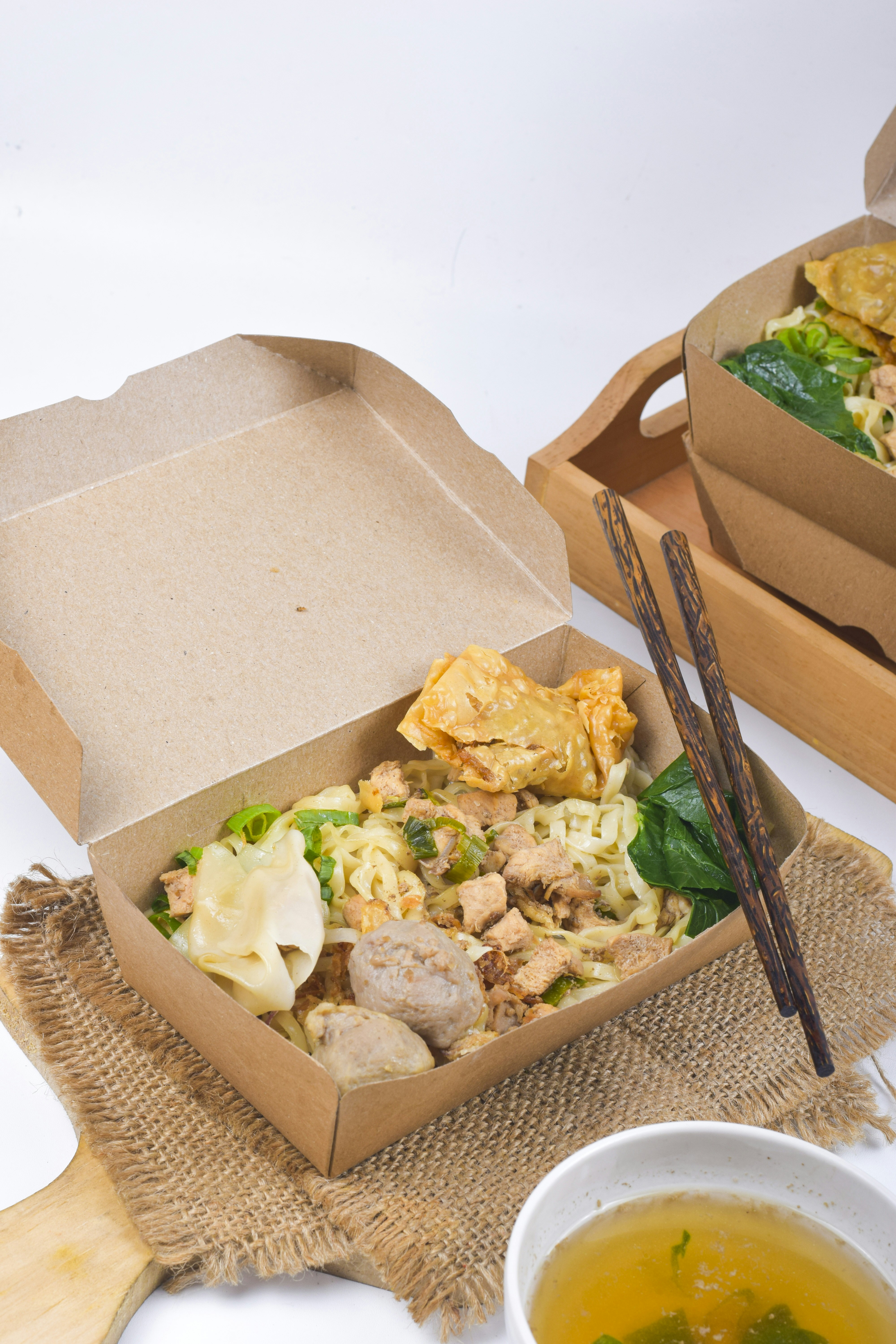
The Origins and Evolution of Chow Mein

Chow Mein, a culinary staple that captures a myriad of flavors, has its roots deeply embedded in Chinese cuisine. Emerging from the culinary traditions of the southern regions of China, particularly Canton, its name translates to “stir-fried noodles.” Historically, the dish was created as a way to utilize leftover ingredients, demonstrating resourcefulness among various communities. Over centuries, Chow Mein has evolved significantly, adapting to local ingredients and culinary practices, leading to a spectrum of regional variations.
In China, two predominant styles of Chow Mein exist, namely the Cantonese version and the Northern style. The Cantonese variant typically features thin egg noodles stir-fried with an assortment of vegetables, meat, or seafood, often doused in a savory soy sauce-based mixture. Conversely, Northern-style Chow Mein utilizes thicker, wheat-based noodles that are typically boiled or steamed before stir-frying. This difference in noodle preparation and ingredient choices highlights the diversity of Chinese regional cuisines.
The migration of Chinese communities worldwide, particularly during the 19th century, played a critical role in the globalization of Chow Mein. As Chinese immigrants settled in various regions, they adapted traditional dishes to incorporate local ingredients. This culinary fusion gave rise to numerous interpretations of Chow Mein, particularly within western countries. In the United States, for example, the dish is often presented with softer noodles and a variety of sauces, attracting a diverse audience eager to experience this subtle blend of tradition and innovation.
Understanding the origins and evolution of Chow Mein reveals not only its significance in Chinese culture but also its adaptability in a global context. The journey from its humble beginnings in China to its widespread popularity underscores the dynamic nature of culinary traditions, illustrating how food can serve as both a cultural expression and a uniting force across different societies.
Understanding the Ingredients of Chow Mein
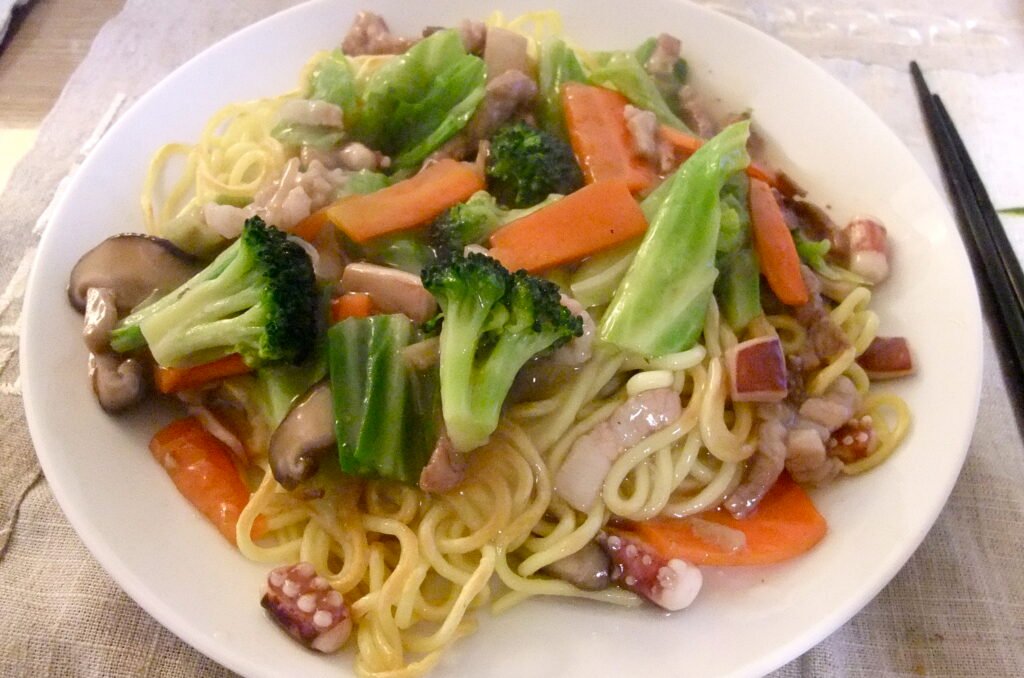
Chow mein is a beloved dish in various cuisines, particularly within Chinese culinary traditions. At the heart of chow mein lies its primary ingredient: noodles. The two most common types used are egg noodles and rice noodles. Egg noodles are made from wheat flour and eggs, lending a rich, slightly chewy texture that is essential for the classic fried or stir-fried preparation of chow mein. These noodles absorb flavors effectively while providing the dish with a satisfying bite. On the other hand, rice noodles, which are gluten-free, offer a distinct texture and are often employed in various dishes across Southeast Asia. Choosing the right noodles is crucial as it dictates the overall taste and texture of the final dish.
Aside from noodles, a variety of vegetables play a significant role in creating the vibrant and colorful appearance of chow mein. Common vegetables include julienned carrots, bell peppers, bean sprouts, and bok choy. These ingredients not only contribute to the visual appeal but also enhance the flavor and nutritional value of the dish. Incorporating a mix of fresh and crisp vegetables ensures that each bite provides a balance of taste and texture, offering a delightful crunch in contrast to the softness of the noodles.
Proteins are another vital aspect of chow mein, with options ranging from chicken, beef, shrimp, to tofu for vegetarian variations. Each protein brings its unique flavor profile and texture, allowing for customization based on personal preference. Also, seasonings such as soy sauce, garlic, and ginger are critical for enriching the overall aromatic experience of the dish. Furthermore, dietary variations like gluten-free or vegetarian chow mein can easily be achieved through thoughtful ingredient substitutions, ensuring that this versatile dish can cater to diverse dietary needs while maintaining its essential characteristics.
The Art of Cooking Chow Mein
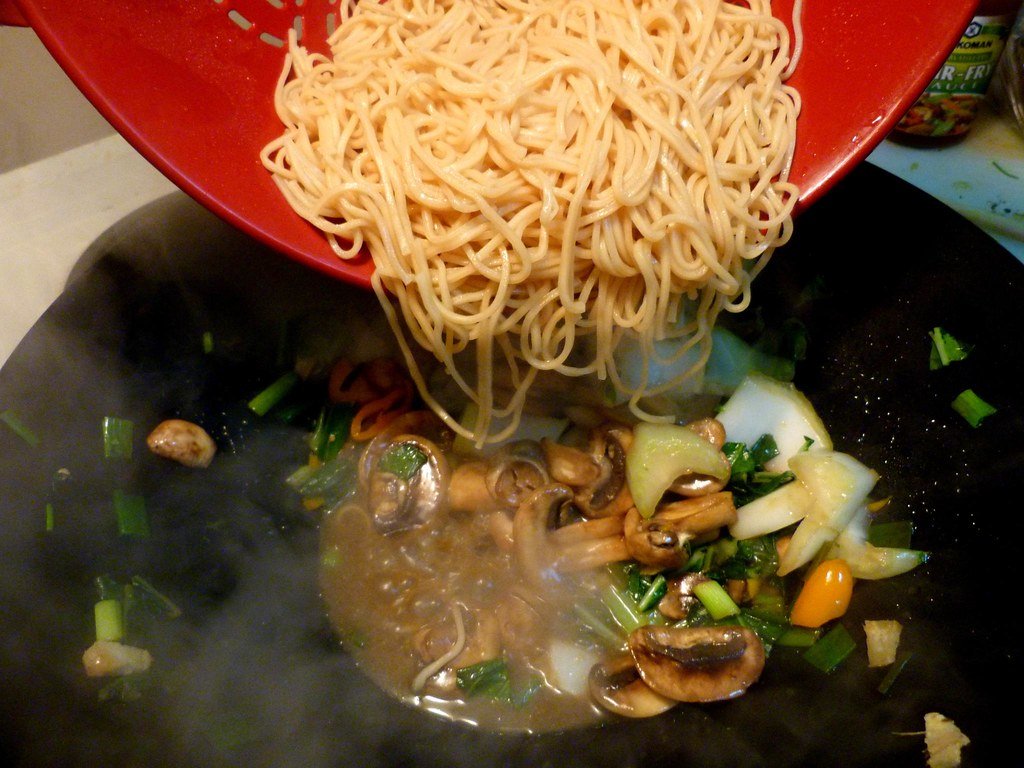
Cooking chow mein requires a delicate balance of technique, timing, and high heat to achieve the desired taste and texture. The process begins with selecting the right noodles, which are typically made from wheat flour and water. For an authentic chow mein experience, it is crucial to choose fresh or dried egg noodles, as they provide an ideal base for absorption of flavors.
Stir-frying is the primary cooking method used for chow mein. This technique involves cooking ingredients quickly over high heat, allowing for a crispy texture and vibrant flavors. To start, prepare a hot wok or non-stick skillet, ensuring it reaches a sufficient temperature before adding oil. Using oils with a high smoke point, such as peanut or vegetable oil, is essential for preventing burning. Once the oil is shimmering, add your protein and allow it to sear before introducing vegetables.
Blanching the vegetables beforehand can help retain their color, crispness, and nutritional value. To do this, simply immerse them in boiling water for a brief period before quickly transferring them into ice water to stop the cooking process. This method locks in flavors and ensures that every bite of chow mein offers a delightful crunch.
Timing plays a crucial role when combining ingredients. It is important to stir-fry each component just long enough for it to cook through while preserving its integrity. Overcooking can lead to mushy textures, which detracts from the dish’s appeal. Achieving the perfect noodle consistency is equally vital; noodles should have a firm bite without being overly soft or soggy. Rinsing cooked noodles under cold water before frying can help maintain their texture.
The role of sauce in chow mein cannot be understated; it acts as the binding element that ties all flavors together. A balanced sauce, typically comprising soy sauce, oyster sauce, and a dash of sesame oil, infuses the dish with depth while complementing the natural tastes of the ingredients. Careful attention to each step in the process will enhance the overall quality and elevate the cooking of chow mein to an art form.
Taste Test: A Comparison of Chow Mein Across Different Regions
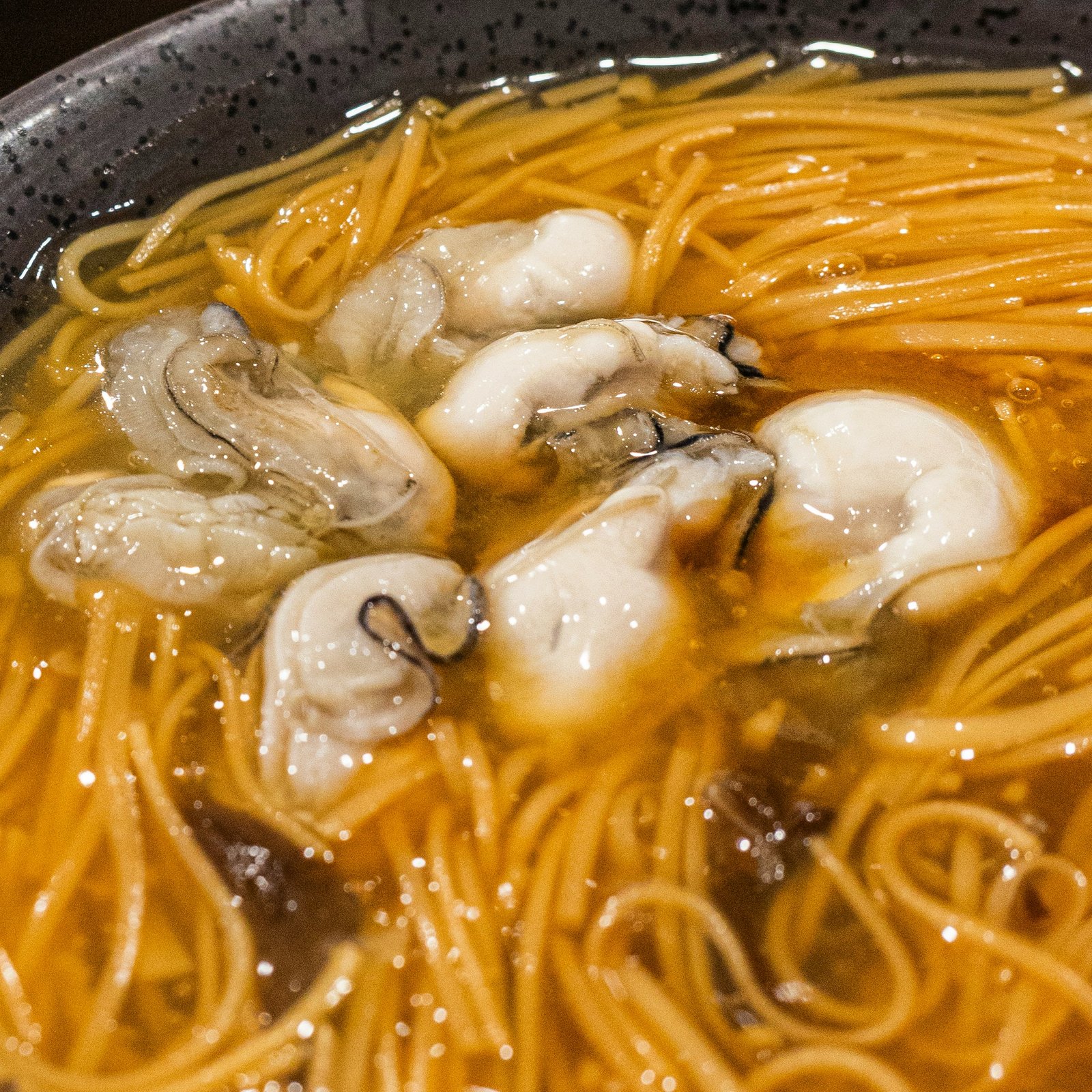
The experience of tasting chow mein can significantly differ depending on its geographical origin and the culinary traditions of the region. Each location brings its unique flair to this beloved dish, resulting in a delightful array of flavors, textures, and presentation styles. Our taste test focused on three interpretations: authentic Chinese chow mein, Americanized versions, and innovative fusion takes.
Starting with authentic Chinese chow mein, it is characterized by its delicate balance of flavors and the precise cooking techniques used in its preparation. For instance, at a traditional eatery in Beijing, the chow mein presented featured thinly sliced vegetables stir-fried with egg noodles. The addition of regional spices, such as Sichuan pepper, lent a unique zing that was both refreshing and invigorating. Additionally, the noodles were slightly crisp on the edges, providing a textural contrast to the tender vegetables, showcasing the authentic Chinese culinary approach.
In comparison, the Americanized version of chow mein often varies greatly in flavor profile and presentation. A popular restaurant in New York served a highly sauced chow mein that leaned heavily on soy sauce, giving it a sweeter and thicker consistency. The vegetables, while colorful, lacked the crunch that one would anticipate in traditional chow mein, drawing from a more comfort-food approach that appeals to local tastes. Diners looking for hearty, familiar flavors often prefer this variant.
Lastly, we sampled a fusion interpretation at a trendy California eatery. This version combined elements from Thai cuisine, featuring curried noodles topped with fresh herbs and an array of colorful veggies. While it deviated from traditional chow mein, the dish brought an exciting twist to the classic, displaying how diverse influences can enhance the traditional flavors.
These experiences illuminate the diverse world of chow mein, where regional spices and cooking styles play pivotal roles in shaping the flavor profile, texture, and overall dining experience. Ultimately, where you enjoy your chow mein can lead to significantly different culinary adventures.