
Introduction to Coddle: A Taste of Tradition
Coddle is a traditional Irish dish that embodies the essence of comfort food, showcasing the simplicity and heartiness characteristic of Irish cuisine. This hearty stew, primarily composed of sausages and bacon, has been a cherished staple in Irish households for generations, with strong ties to Dublin’s working-class heritage. While its origins are somewhat murky, coddle is often believed to have emerged as a practical way to utilize leftover ingredients, allowing families to create a nourishing meal from what was readily available.
The cultural significance of coddle goes beyond mere sustenance. It has become ingrained in the fabric of Irish society, often associated with the warmth of home-cooked meals. Traditionally, coddle was prepared by mothers and grandmothers, representing a familial bond that transcends time. It is not unusual for these recipes to be passed down through generations, with each family adding their unique touch to the dish. This collective memory has contributed to coddle’s enduring popularity, making it a beloved dish in both homes and pubs across Ireland.
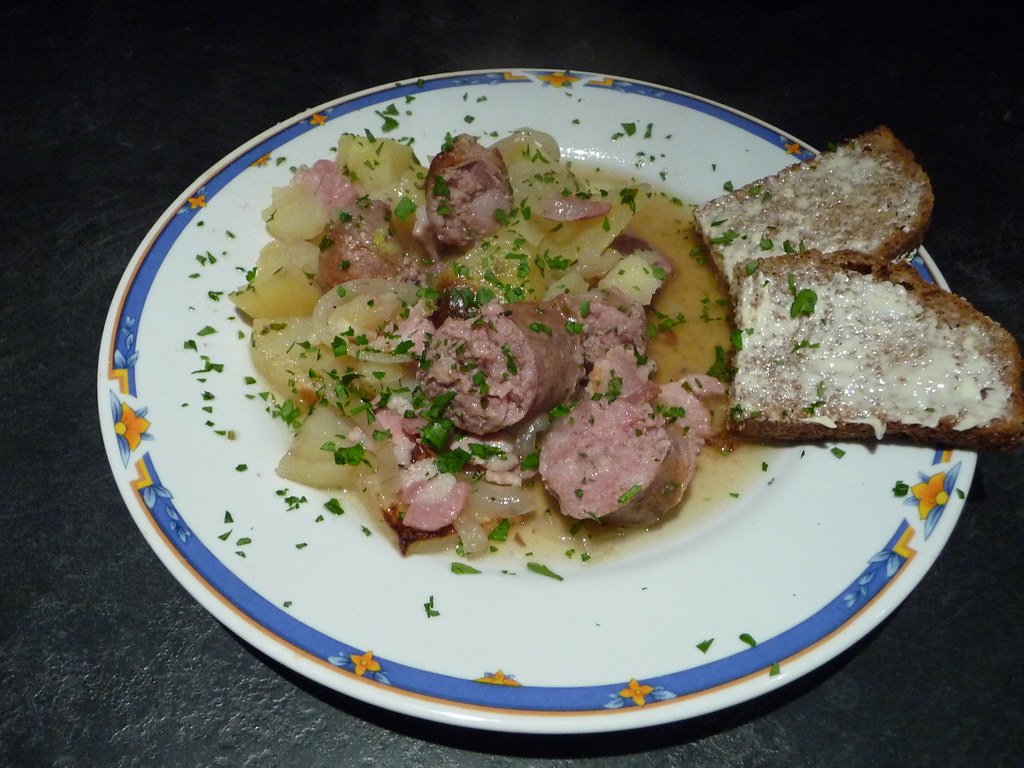
Typical ingredients in a coddle include pork sausages, bacon, potatoes, onions, and sometimes carrots, all slowly simmered together to develop a rich and delectable flavor. The beauty of coddle lies in its versatility; while the fundamental components remain constant, cooks often adjust the recipe according to personal preference or regional variations. This adaptability not only highlights the creativity inherent in Irish cooking but also reflects the practicality of using available resources to create a fulfilling meal.
In examining this cherished dish, one gains a deeper understanding of Irish heritage and the role of food in fostering community and continuity. Coddle stands as a testament to the richness of Irish culture, remaining a beloved representation of comfort and tradition. As one embraces this dish, it becomes clear that each bowl of coddle is not just a meal but a narrative woven into the history of Ireland.
Ingredients and Preparation: What Makes Coddle Special
Coddle, a quintessential dish from Dublin, is celebrated for its simplicity and hearty nature, primarily relying on a select few key ingredients that come together to create an unforgettable experience. The foundational components of coddle include sausages, bacon, onions, potatoes, and broth. Each ingredient plays a vital role in establishing the overall flavor profile and texture, contributing to the dish’s warm comforting qualities.
The sausages, typically pork-based, infuse the dish with a rich and savory flavor, while the addition of bacon introduces a smoky element that elevates the overall taste. The choice of sausages can vary, ranging from traditional Irish varieties to gourmet options, allowing for personalization according to preference. Onions, whether yellow or white, impart a natural sweetness as they caramelize during cooking, enhancing the dish’s depth. Potatoes serve as a creamy base that absorbs the flavors of the broth and meats, adding substance and making coddle a filling meal.
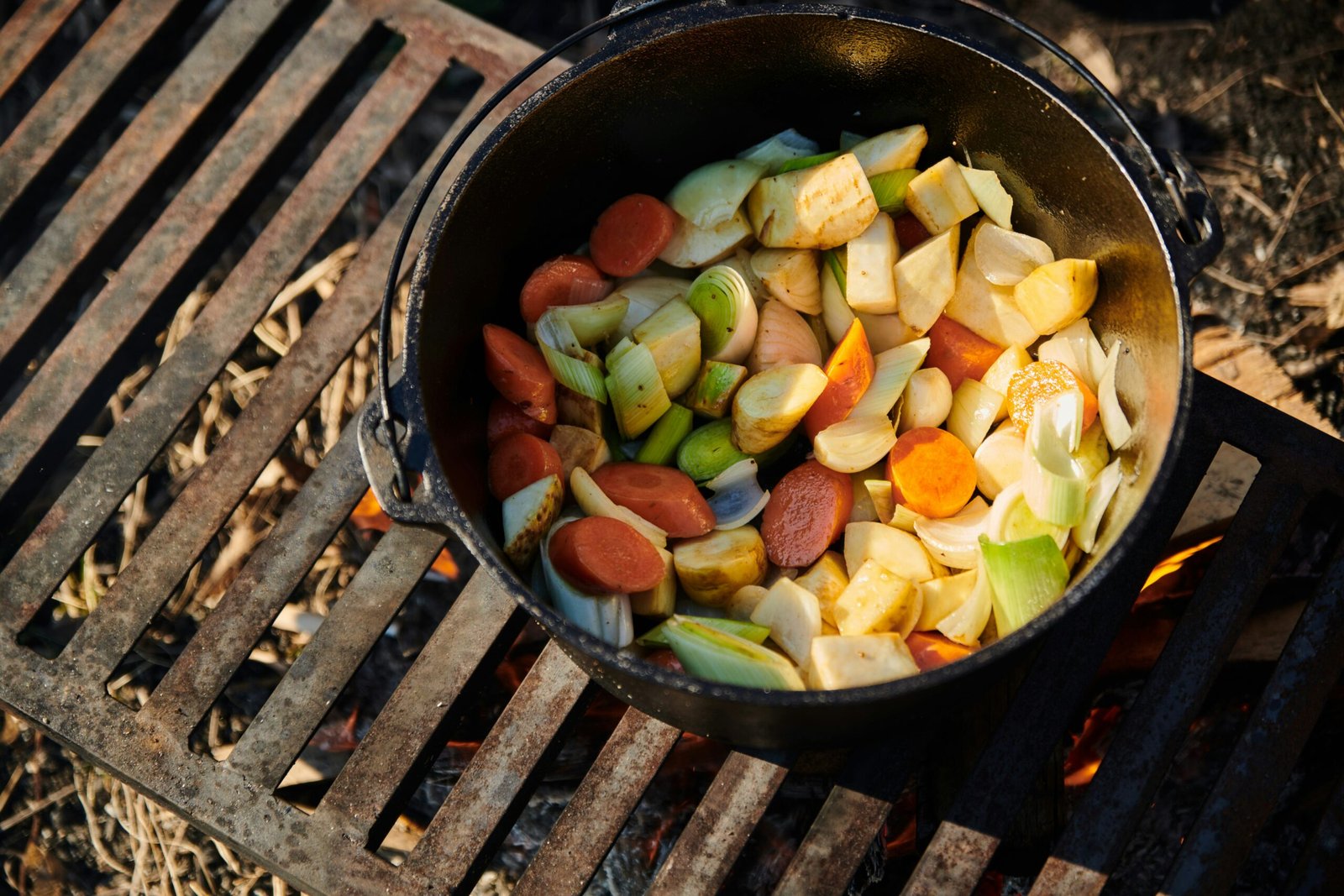
The broth, often a simple combination of water and seasoning, is crucial as it binds the ingredients and helps to create the comforting stew-like consistency. Variations may include stock for a more pronounced flavor. The preparation of coddle traditionally involves slow cooking, which allows the flavors to meld beautifully. Ingredients are often layered in a pot, beginning with bacon, followed by sausages, onions, and finally potatoes, before covering them with broth. This method reflects the essence of traditional Irish cooking, emphasizing warmth and comfort.
Modern adaptations of coddle include slight variations in the ingredients or methods, catering to contemporary tastes while maintaining the dish’s authenticity. For example, adding vegetables like carrots or celery can enhance both flavor and nutrition. This versatility enables cooks to recreate coddle in their homes, ensuring that the comforting spirit of this Irish dish endures.
Coddle Variations: Personal Touches and Regional Twists
Coddle, a dish recognized for its warm comfort and deep-rooted history in Irish cuisine, presents an array of variations that reflect personal preferences and regional influences. Across Ireland, families and communities have embraced this traditional dish by creatively adapting the core recipe. While the basic ingredients often include sausages, bacon, and potatoes, the multitude of variations showcases the versatility of coddle as a comfort food.
One of the most significant factors influencing these variations is the choice of sausages. Different regions might favor specific types, such as Dublin coddle typically featuring pork sausages, while others may incorporate beef or even locally produced artisanal sausages. This choice not only affects the flavor profile but also aligns with local culinary traditions, allowing families to put their unique stamp on the dish.
Moreover, the addition of vegetables further diversifies the interpretations of coddle. While the classic recipe often includes onions and perhaps some carrots, some families opt to enhance their coddle with root vegetables such as turnips or parsnips, enriching the dish with nuanced flavors. The incorporation of seasonal vegetables can also be seen as a means of ensuring freshness and reflecting the changing landscape of Irish produce throughout the year.
Furthermore, the cooking method plays a crucial role in the final product. While some prefer to cook their coddle slowly on the stovetop to achieve an amalgamation of flavors, others might choose a faster method, resulting in a starkly different texture and taste. Each method showcases the cooks’ preferences, whether they lean towards a more rustic or a refined culinary approach.
Lastly, garnishes such as parsley or a sprinkle of black pepper can subtly shift the dish’s presentation, allowing it to embody the personality of the cook. Ultimately, while coddle holds the essence of tradition, its variations encourage individuals to experiment and personalize their rendition, inviting diverse expressions of this beloved Irish comfort dish.
Serving Suggestions and Pairings
Coddle, with its rich and savory profile, is not only a dish to be savored on its own but also a meal best enjoyed with complementary sides and drinks that enhance its unique flavors. Serving coddle in deep, warm bowls is a practical approach, as it creates an inviting atmosphere, especially during colder months. A traditional accompaniment for coddle is a hearty brown soda bread or a crusty Irish loaf. The dense texture of the bread allows it to hold up well when scooping up the tender ingredients, such as sausages and potatoes, which are essential components of this dish.
For a well-rounded meal, consider side dishes that provide a contrast to the warmth and heft of coddle. A light, crisp salad with a citrus vinaigrette can refresh the palate and cut through the richness of the dish. Additionally, braised greens or steamed vegetables can add a vibrant color and nutritious element to the meal without overwhelming the primary flavors of the coddle. These choices reflect the meal’s comfort food status while promoting balance on the plate.
When it comes to beverage pairings, a good pint of Irish stout or a smooth ale complements coddle beautifully, enhancing its rustic charm. For those who prefer non-alcoholic options, a sparkling apple cider or Irish breakfast tea offers delightful alternatives that maintain the overall Irish theme. Furthermore, coddle can serve as a centerpiece for family gatherings, special occasions, or festive celebrations, reinforcing its role as a dish designed to bring people together. Whether it’s a cozy Sunday dinner or a lively celebration, coddle is a versatile comfort food that satisfies a range of tastes and occasions.