
Origin of Palak Paneer
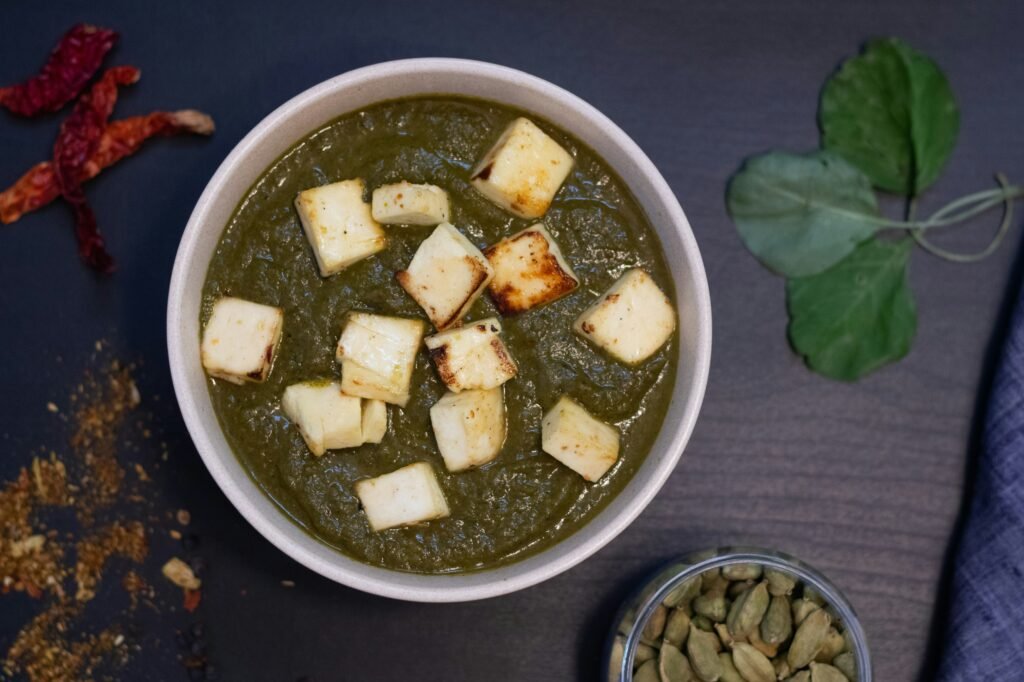
Palak paneer, a dish comprising spinach (palak) and Indian cottage cheese (paneer), boasts a rich historical background that intertwines with the cultural dietary habits of India. The origins of this versatile dish can be traced back to North India, where spinach has been cultivated for centuries. Notably, spinach’s introduction to Indian soil is attributed to ancient trade routes, transmitting the plant from its native Persia. As its prevalence spread across the Indian subcontinent, regional variations of spinach dishes emerged, eventually leading to the creation of palak paneer.
The dish gained prominence in the mid-20th century, becoming emblematic within Indian cuisine. Its roots are further embedded within the broader context of vegetarian cooking traditions in North India, where the use of green leafy vegetables is both celebrated and essential. Spinach, being highly nutritious, was historically regarded as a staple for rural Indian households, serving as a vital source of vitamins and minerals.
Moreover, palak paneer represents the intersection of agricultural practices and culinary evolution. In the fertile lands of Punjab, where both spinach and dairy farming thrive, the dish serves as a reflection of regional farming dynamics. Local farmers have long cultivated spinach, promoting seasonal consumption of greens, while paneer production complements this agricultural backdrop by providing a high-protein dairy alternative for vegetarians.
This dish has seamlessly integrated into various culinary practices across India, allowing it to evolve further while retaining its traditional roots. Its enduring popularity can be attributed to its adaptability, as palak paneer can be enjoyed across various dining settings, from everyday meals to festive occasions. Understanding the historical and geographical significance of palak paneer enriches the appreciation for this dish, highlighting its status as a heartwarming representation of Indian culinary heritage.
Cultural Significance
Palak paneer holds a revered position in Indian culture, transcending simple gastronomy to emerge as a symbol of nourishment and community. This vibrant dish made primarily from spinach (palak) and cottage cheese (paneer) is frequently featured in vegetarian diets, reflecting the country’s strong adherence to plant-based diets owing to cultural and religious beliefs. In many households across India, palak paneer is a staple meal, prized not only for its rich flavor but also for its nutritional benefits, making it an integral component of daily sustenance.
During festivals and community celebrations, palak paneer often takes center stage on the dining table, highlighting its importance in social gatherings. As families come together to share meals during pivotal celebrations such as Diwali, weddings, or regional harvest festivals, dishes like palak paneer symbolize unity and the essence of sharing food as an expression of love and hospitality. The preparation of this dish in larger quantities for such events signifies abundance and togetherness, reinforcing familial bonds and cultural ties.
Moreover, palak paneer is often found at communal feasts or ‘langars’, especially within Sikh communities, where everyone, regardless of their background, is welcome to partake in a vegetarian meal. This practice not only promotes the ethical treatment of animals but also fosters a sense of equality among diverse participants. The availability of palak paneer in such settings underscores its role as a nourishing dish that caters to the essential dietary preferences of many, while simultaneously symbolizing health, vitality, and a commitment to vegetarianism that is deeply rooted in Indian culture.
Unique Flavors of Palak Paneer
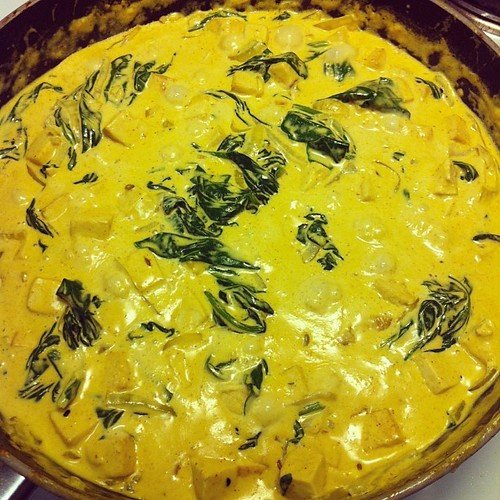
Palak paneer is renowned for its unique blend of flavors, which encapsulates the essence of Indian cuisine. At the forefront of this dish is spinach, or ‘palak’, which lends a distinct earthy taste. This leafy green is rich in iron and nutrients, contributing not only to the flavor but also to the health benefits associated with palak paneer. The freshness of the spinach is pivotal; it is traditionally blanched and pureed, preserving its vibrant green color and a subtly bitter undertone that balances the overall taste profile.
The second main ingredient, paneer, a type of Indian cheese, brings a creamy and soft texture that complements the leafy vegetable exceptionally well. Paneer does not overpower the dish but instead enhances the flavors of the spinach. Its mild taste allows it to absorb the aromatic spices used in the preparation, which are critical to creating the overall flavor tapestry of palak paneer.
Speaking of spices, the blend used in palak paneer typically includes cumin, garam masala, garlic, and ginger, among others. These spices contribute warmth and depth, elevating the dish beyond just a simple preparation of spinach and cheese. The careful balance of spices ensures that each bite is a delightful melding of flavors, making palak paneer appealing to a wide variety of palates. The combination of creamy paneer, earthy spinach, and fragrant spices creates a dish that is not only satisfying but also comforting, often enjoyed with rice or flatbreads. This diversity in taste and texture is what sets palak paneer apart and solidifies its status as a beloved staple in Indian cuisine.
Textures and Experience
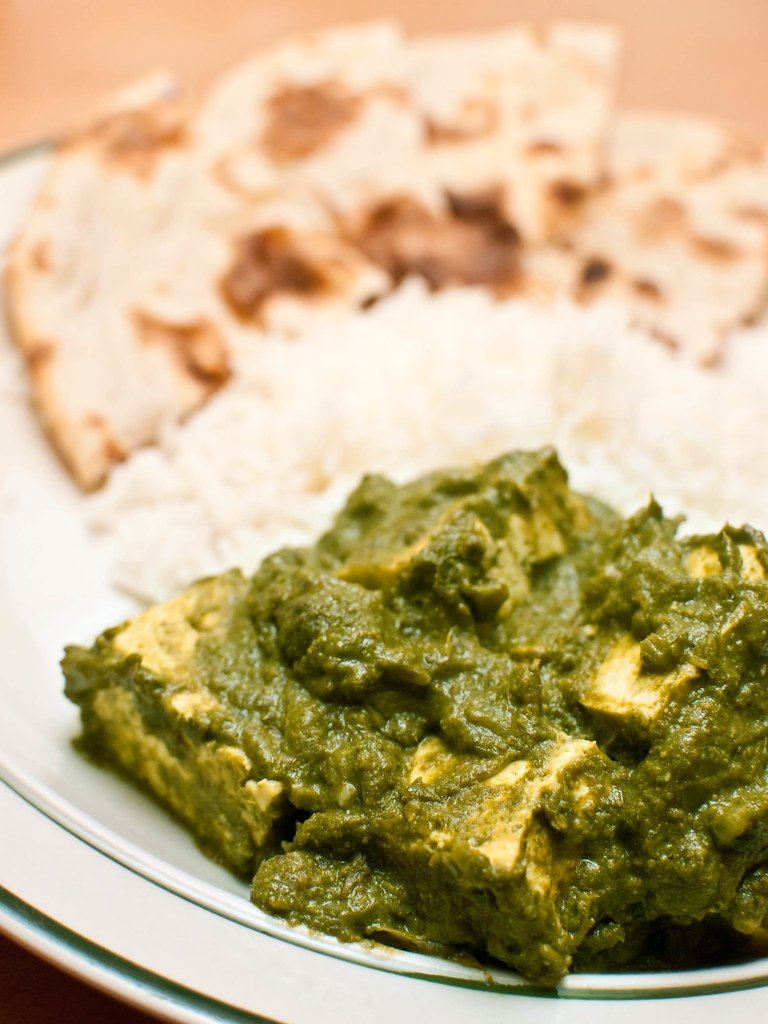
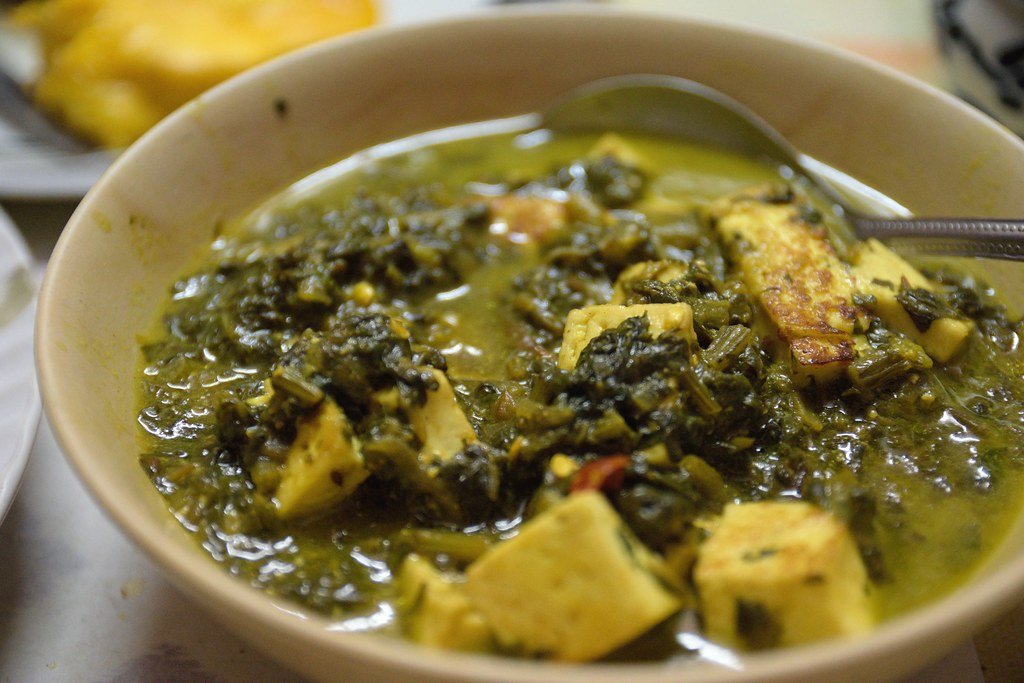
The culinary experience of palak paneer is largely defined by its diverse textures, which together create a delightful contrast that elevates this dish within Indian cuisine. At the core of this experience is the smooth, lush spinach gravy, often characterized by its vibrant green color and creamy consistency. This gravy, made primarily from fresh spinach, undergoes a meticulous cooking process that involves blanching, grinding, and tempering, ultimately resulting in a velvety sauce that is both rich and inviting. The smoothness of this spinach base serves as a perfect canvas for the other components of the dish, allowing for a harmonious flavor profile that is both satisfying and elegant.
Complementing the silky gravy is the paneer, a fresh cheese widely used in Indian cooking. Paneer is known for its soft yet slightly crumbly texture, which provides a textural juxtaposition to the smoothness of the spinach sauce. When cooked together with the palak, the paneer absorbs the flavors of the gravy while maintaining its structural integrity, allowing for a unique interplay of sensations. Each bite delivers a gentle resistance followed by a burst of creamy goodness, making the eating experience all the more pleasurable. The contrasting textures not only make palak paneer visually appealing but also enhance the overall dining satisfaction.
The interaction between the silky, lush spinach and the soft, crumbly paneer is an integral part of what makes palak paneer a quintessential dish in Indian cuisine. This combination of contrasting textures invites diners to savor each bite, prompting a sensory exploration that is both comforting and engaging. The dish’s ability to balance softness with a hint of chewiness results in a gratifying experience that resonates with both novice and seasoned enthusiasts of Indian food.
Visual Appeal and Presentation
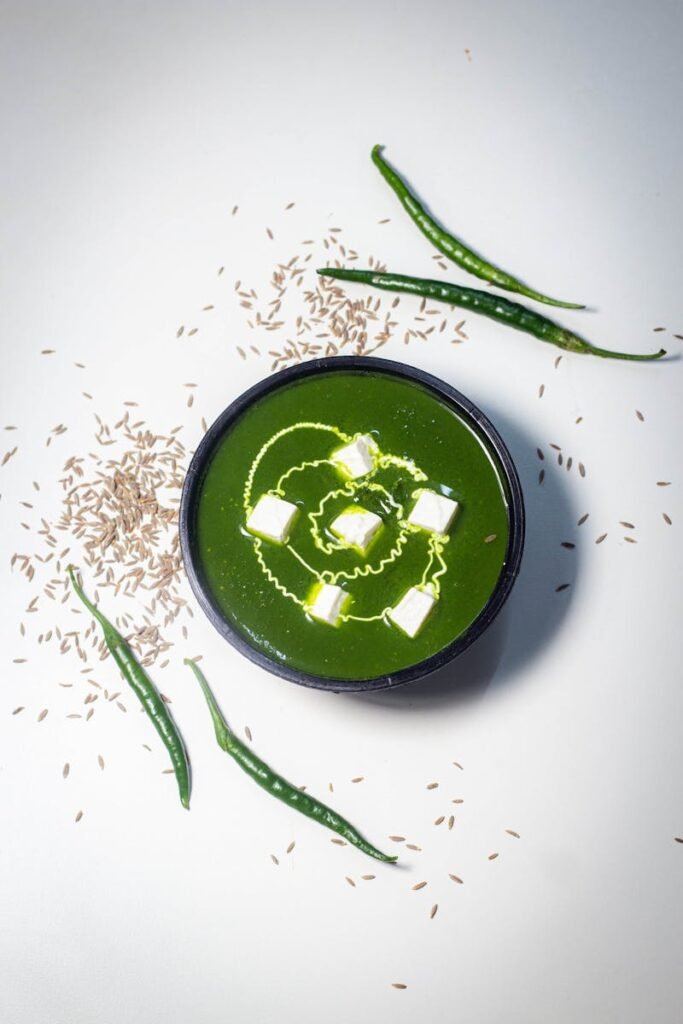
Palak paneer is renowned not only for its rich flavor but also for its striking visual appeal. The vibrant green hue of the spinach, particularly when freshly prepared, serves as a feast for the eyes. This color not only signifies the freshness of the ingredients but also stands out dramatically on a plate, making palak paneer an attractive centerpiece in Indian cuisine. The deep green of the spinach combined with the soft, creamy white of the paneer creates a beautiful contrast, enhancing the overall presentation of the dish.
When serving palak paneer, the presentation can be further elevated through various garnishing techniques. A drizzle of fresh cream on the surface adds not only a rich texture but also a glossy finish that invites diners to indulge. Additionally, a sprinkle of chopped cilantro can introduce an extra layer of color, as the bright green of the herb complements the dish beautifully. Spices such as red chili powder or garam masala can also be employed as garnishes, providing visual interest and hinting at the flavors contained within the dish.
The serving dish can contribute significantly to the overall aesthetic as well. Traditionally, palak paneer is served in deep bowls or on plates that allow the vibrant colors to shine. The use of earthenware or stainless-steel thalis can create a rustic charm, whereas contemporary serving options like elegant glassware can appeal to modern tastes. Furthermore, pairing palak paneer with saffron-infused rice or naan introduces additional colors and textures, preventing the plate from looking monotonous. This approach not only satisfies the eye but also heightens the anticipation of a flavorful dining experience.
Plating Techniques
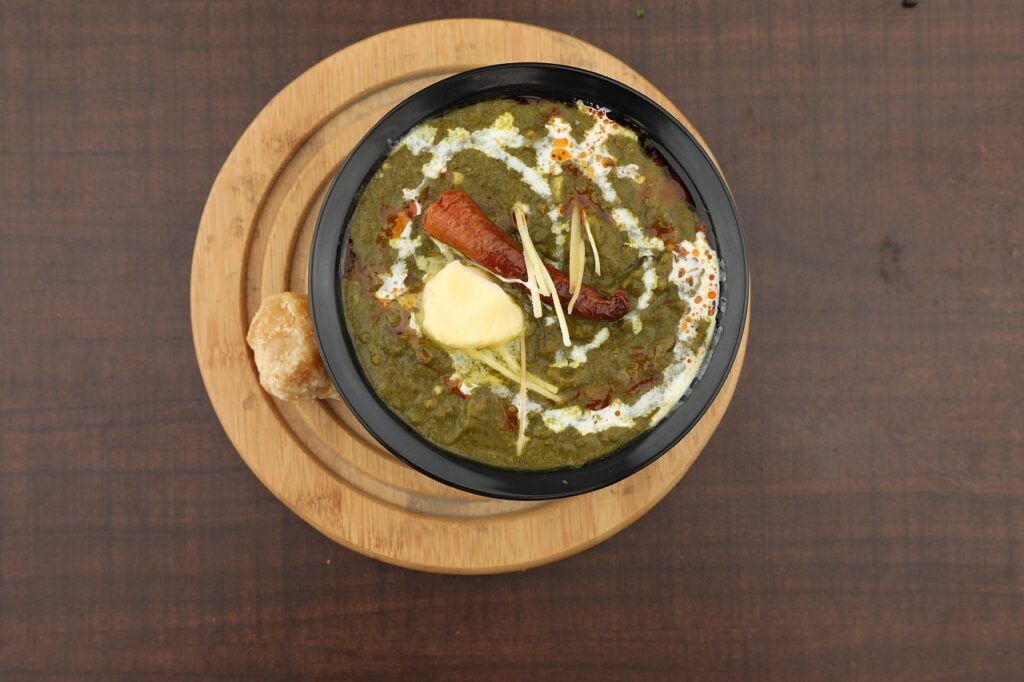
Plating is an essential component of culinary arts, transforming a delicious dish like palak paneer into an aesthetically pleasing presentation. The visual appeal of palak paneer can significantly enhance the dining experience, making it not only a meal but also a work of art. When it comes to plating this classic Indian dish, several techniques can be employed to maximize its visual and gastronomic impact.
One effective approach is to choose the right dishware. Opting for a contrasting plate color can make the vibrant green of the palak paneer stand out. For instance, a white or neutral-colored plate serves as an excellent backdrop, allowing the dish to take center stage. Additionally, using a shallow bowl can create an inviting and cozy presentation, making it easier for guests to savor the dish.
The arrangement of the components also plays a crucial role in the plating process. One way to enhance the appearance of palak paneer is by placing the paneer cubes artfully atop a bed of creamy spinach sauce. This technique allows diners to see the individual ingredients while highlighting their colors and textures. Drizzling a swirl of cream or yogurt around the edge of the plate adds a touch of elegance and sophistication.
Incorporating fresh garnishes is another vital element of plating palak paneer. Finely chopped cilantro or mint adds an appealing pop of color and an aromatic touch. A sprinkle of red chili powder or pomegranate seeds can introduce a splash of contrasting hues, contributing not only to visual interest but also to flavor enhancement. Remember that simplicity is key; a well-plated dish does not need excessive embellishments to stand out.
Experimenting with different plating techniques can help achieve a delightful presentation of palak paneer, ensuring it reflects the dish’s rich flavors and heritage while elevating it into a culinary masterpiece.
Serving Suggestions
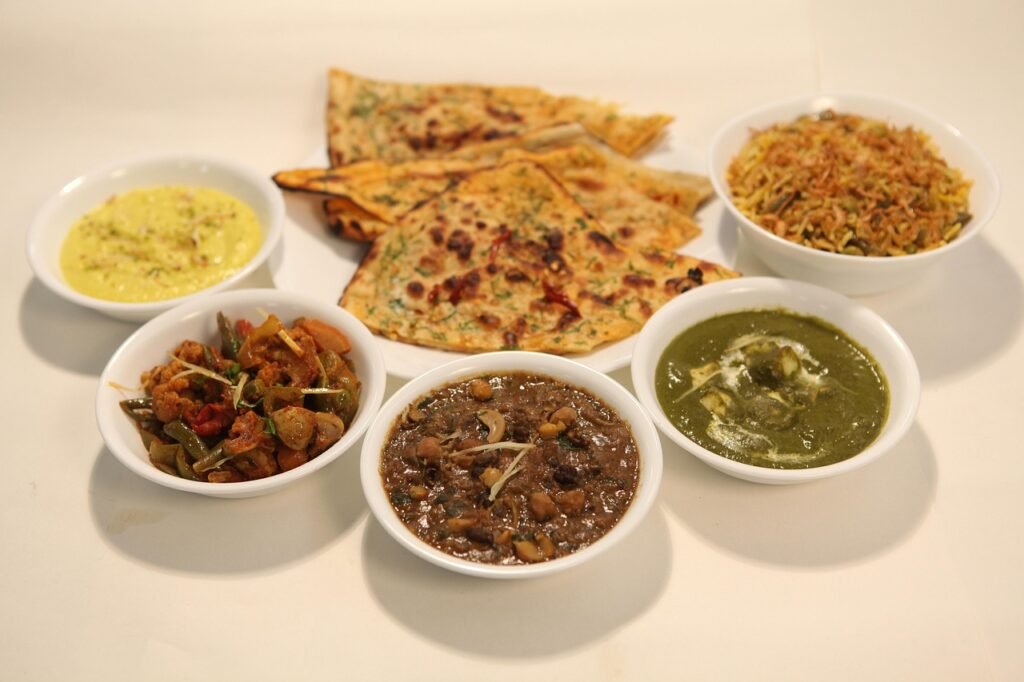
Palak paneer, a quintessential dish in Indian cuisine, is known for its rich flavors and creamy texture. To enhance the dining experience, it is essential to consider the right pairings that complement this dish. For an authentic experience, pairing palak paneer with various types of Indian bread can elevate the meal significantly. Naan, a soft and fluffy flatbread, is an excellent choice as it can be used to scoop up the paneer and spinach mixture, allowing for a delightful combination of flavors. Alternatively, roti, which is made from whole wheat flour, offers a more wholesome option that can provide a slightly chewy contrast to the dish’s smooth consistency.
Accompanying palak paneer with rice is another popular option. Basmati rice, known for its fragrant aroma and long grains, is particularly well-suited to soak up the rich gravy of the palak paneer, creating a delicious balance. For those desiring a little more texture, jeera rice, which is flavored with cumin seeds, can add a delightful earthiness that enhances the overall flavor profile of the meal. Additionally, serving a side salad made of cucumber, tomato, and onion can introduce a refreshing crunch that is beneficial in balancing the creaminess of the dish.
In terms of beverages, various options can complement palak paneer seamlessly. A lassi, which is a yogurt-based drink, particularly mango or salty lassi, can provide a cooling effect that contrasts the warmth of the spices in the dish. Another excellent pairing is masala chai, a spiced tea that offers comforting flavors and can cleanse the palate. Ultimately, the suggested combinations of breads, rice, salads, and beverages not only enhance the enjoyment of palak paneer but also make for a well-rounded meal that showcases the vibrant essence of Indian cuisine.
Health Benefits
Palak paneer, a beloved dish in Indian cuisine, offers a wealth of health benefits largely attributed to its two primary ingredients: spinach and paneer. Both components of this dish provide a variety of essential nutrients, contributing to a well-rounded vegetarian diet. Spinach, the main ingredient, is rich in vitamins A, C, and K, as well as several B vitamins, including folate. These vitamins play crucial roles in maintaining eye health, supporting the immune system, and promoting healthy blood clotting. Moreover, spinach is an excellent source of dietary fiber, which aids digestion and helps in maintaining a healthy weight.
In addition to vitamins, spinach is known for its high mineral content, including calcium, iron, and magnesium. Calcium is vital for bone health, while iron is essential for oxygen transport in the blood. The combination of these minerals makes palak paneer a particularly beneficial dish for individuals seeking to boost their nutrient intake, especially vegetarians and those who may be at risk of iron deficiency.
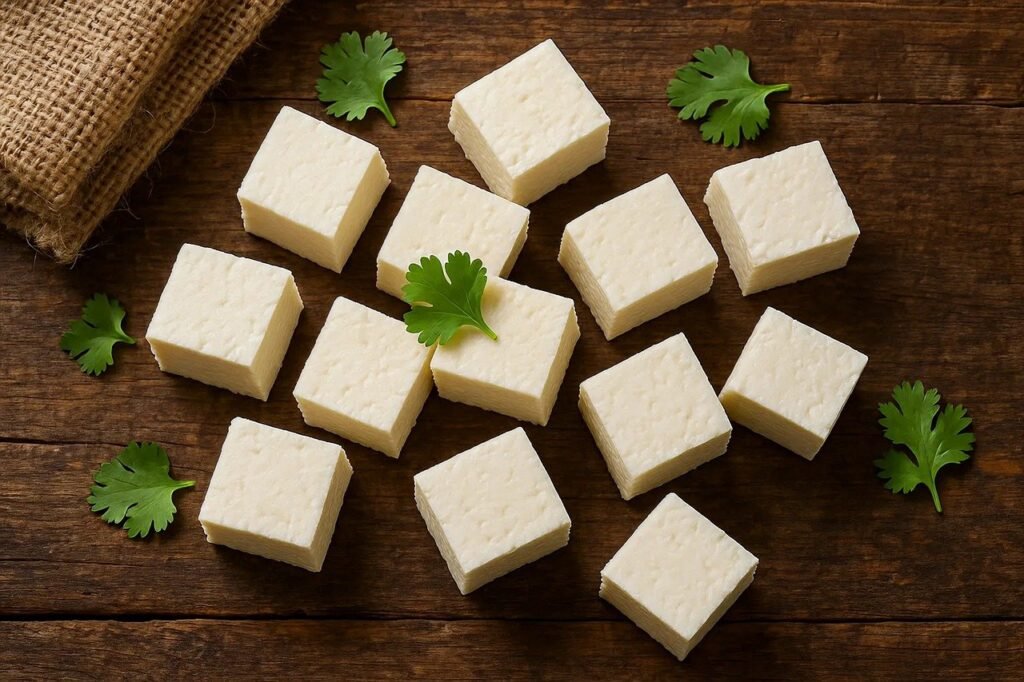
On the other hand, paneer, a type of fresh cheese, provides a good source of protein, which is critical for muscle repair and overall body function. The presence of protein can make palak paneer not only satisfying but also a valuable addition to a vegetarian meal plan. Additionally, paneer is lower in lactose compared to many dairy products, making it a suitable choice for individuals with lactose intolerance. Together, spinach and paneer create a harmonious blend of nutrients that enhance the overall nutritional profile of the dish.
By including palak paneer in their diet, health-conscious individuals can enjoy not only a delicious meal but also a powerhouse of nutrients that support overall well-being. The combination of vitamins, minerals, and protein makes this dish a great option for maintaining a balanced diet, further solidifying its status as a heart-healthy choice within Indian cuisine.
Conclusion: Why Palak Paneer is a Must-Try
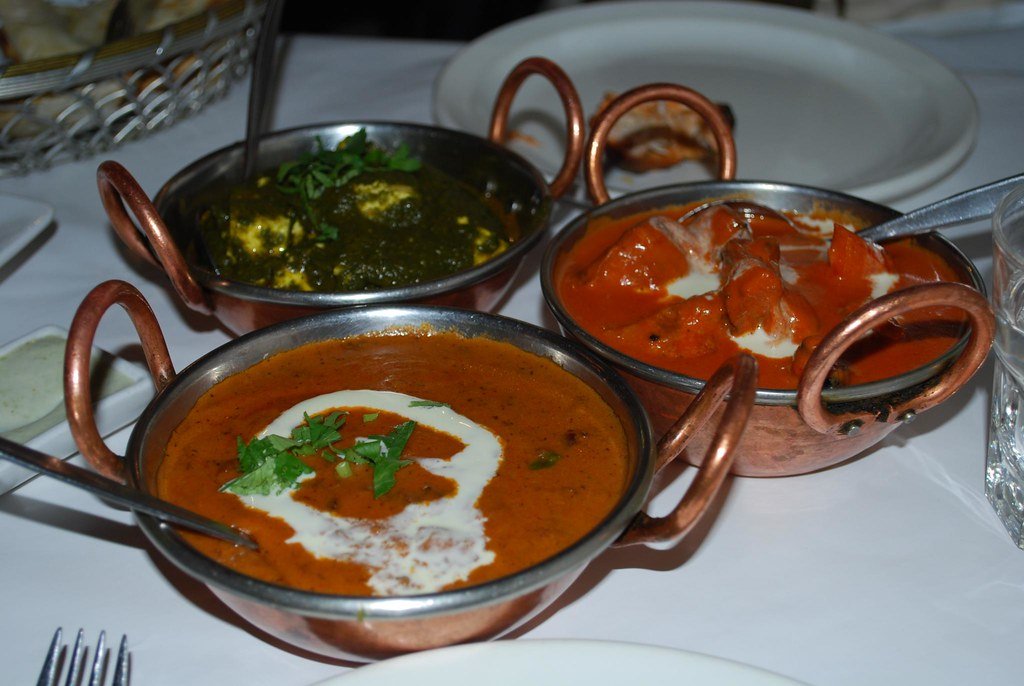
Palak Paneer, a quintessential dish in Indian cuisine, holds an esteemed position not only for its delicious flavor but also for its cultural significance and nutritional value. This vibrant preparation, combining spinach and paneer, showcases the delicate balance of spices and herbs characteristic of Indian cooking. Each bite is a celebration of culinary traditions passed down through generations, making it an essential part of festive occasions and everyday meals alike.
The rich, green color of Palak Paneer is not just visually appealing but also indicative of its health benefits. Spinach, the main ingredient, is packed with essential vitamins and minerals, such as iron and calcium, which contribute to overall well-being. Adding paneer enriches the dish further by providing a source of protein, making this meal both nutritious and satisfying. With its low-calorie content and high nutrient density, Palak Paneer is an excellent choice for those aiming to maintain a healthy lifestyle without compromising on taste.
Moreover, Palak Paneer’s versatility allows it to be paired with various Indian breads like naan, chapati, or paratha, enhancing the overall dining experience. This adaptability makes it appealing to a diverse range of palates, accommodating both vegetarians and those looking to explore vegetarian cuisine. The dish captivates not just through its flavor but also through the depth of its cultural roots, reflecting the diverse culinary heritage of India.
In summary, Palak Paneer is more than just a dish; it is a harmonious blend of taste, nutrition, and heritage. Its rich cultural history and health benefits present a compelling case for anyone to embrace this iconic dish. If you have yet to savor this delightful meal, it is a culinary experience worthy of your attention, urging you to taste the heart of Indian cuisine firsthand.