
Introduction to Pozole
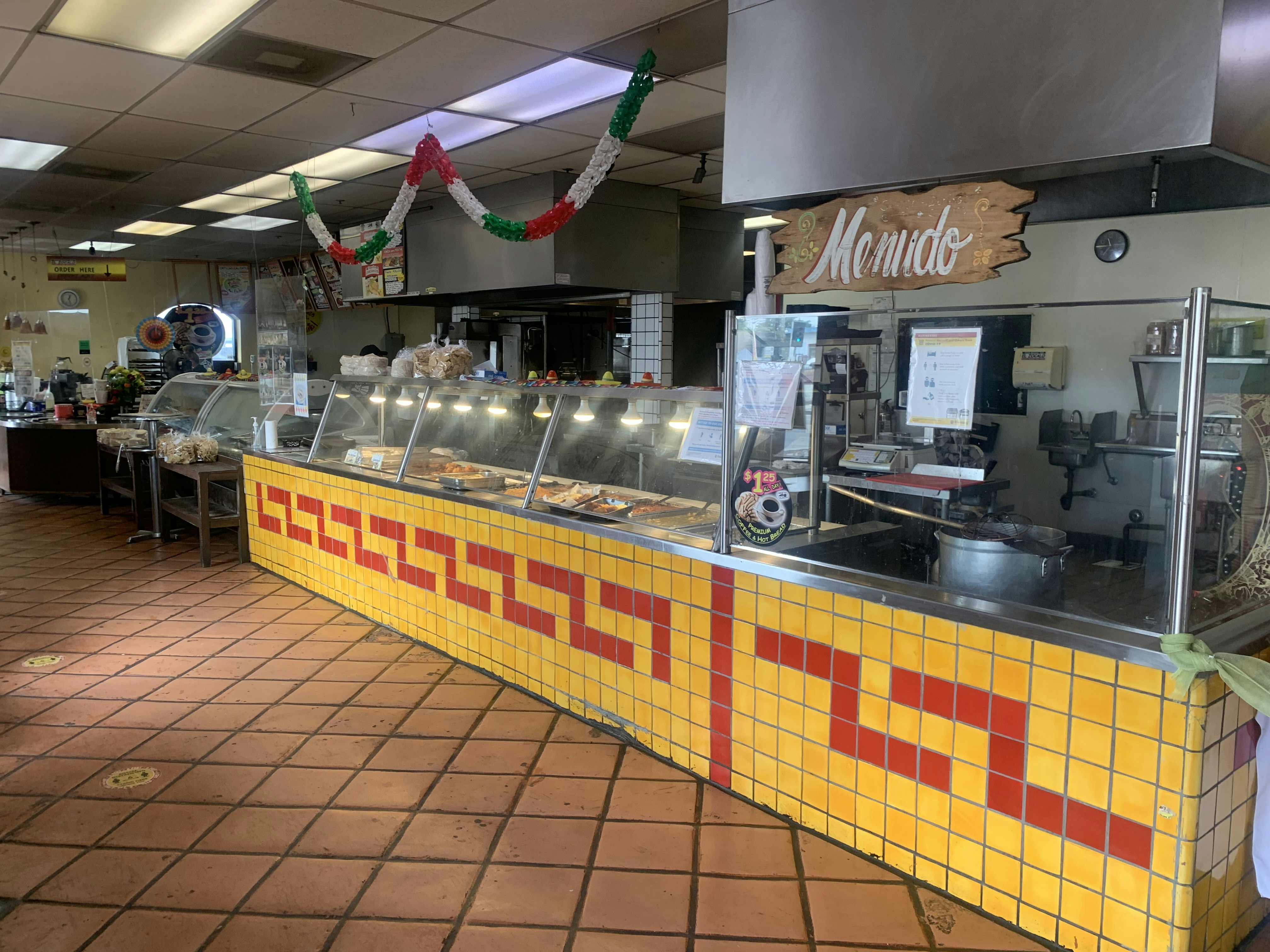
Pozole, a cherished dish within Mexican gastronomy, serves as a rich symbol of tradition and communal celebration. Its origins date back to pre-Columbian times, where it was prepared by various indigenous peoples, including the Nahua, in ceremonies that honored the gods. Historically, pozole has evolved from its ancient roots into a versatile dish cherished in contemporary Mexican kitchens, often associated with various festivities such as birthdays and Independence Day.
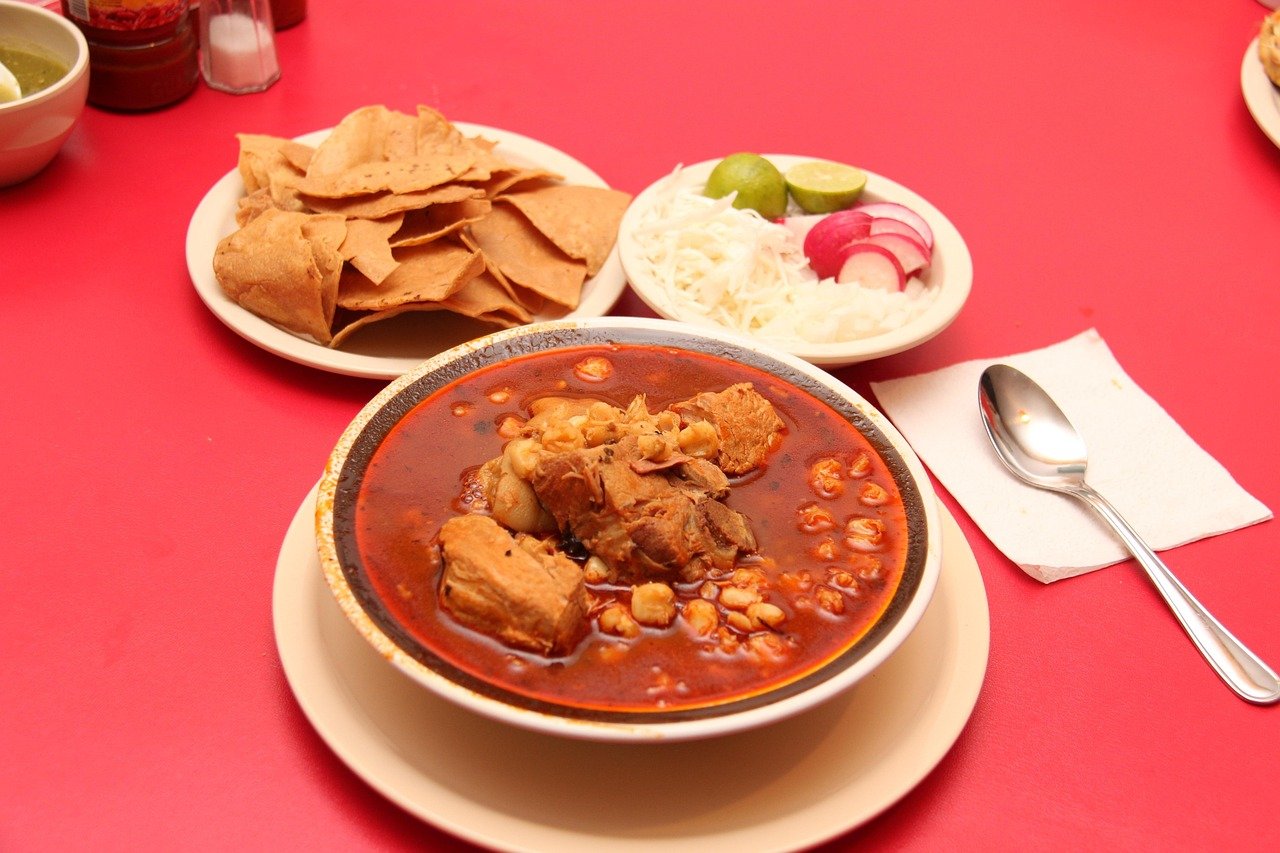
The significance of pozole in Mexican culture cannot be overstated. It represents unity and shared experiences, as families and friends gather around a pot of simmering pozole to partake in a meal that is both filling and flavorful. This traditional soup is characterized by its hominy, which is made from dried corn kernels soaked in limewater, a process known as nixtamalization. The hominy provides a unique texture, making it a standout feature of the dish.
Across Mexico, one can find diverse regional variations of pozole, each boasting distinct characteristics that cater to local tastes and preferences. The three primary types include red pozole, often made with chiles and typically flavored with pork; green pozole, which incorporates tomatillos and is often prepared with chicken; and white pozole, a more straightforward rendition that emphasizes the corn’s natural flavor. Each variation showcases the versatility of pozole, highlighting the ingredients that play a crucial role in its preparation.
Traditional toppings such as shredded lettuce, radishes, avocado, and lime juice further elevate the dish, adding layers of flavor and texture. These accompaniments not only enhance the overall experience of consuming pozole but also reflect the importance of presentation and personalization in Mexican cuisine. Through its rich history and cultural resonance, pozole remains a testament to the enduring culinary traditions of Mexico.
The Taste Test: What to Expect from Pozole
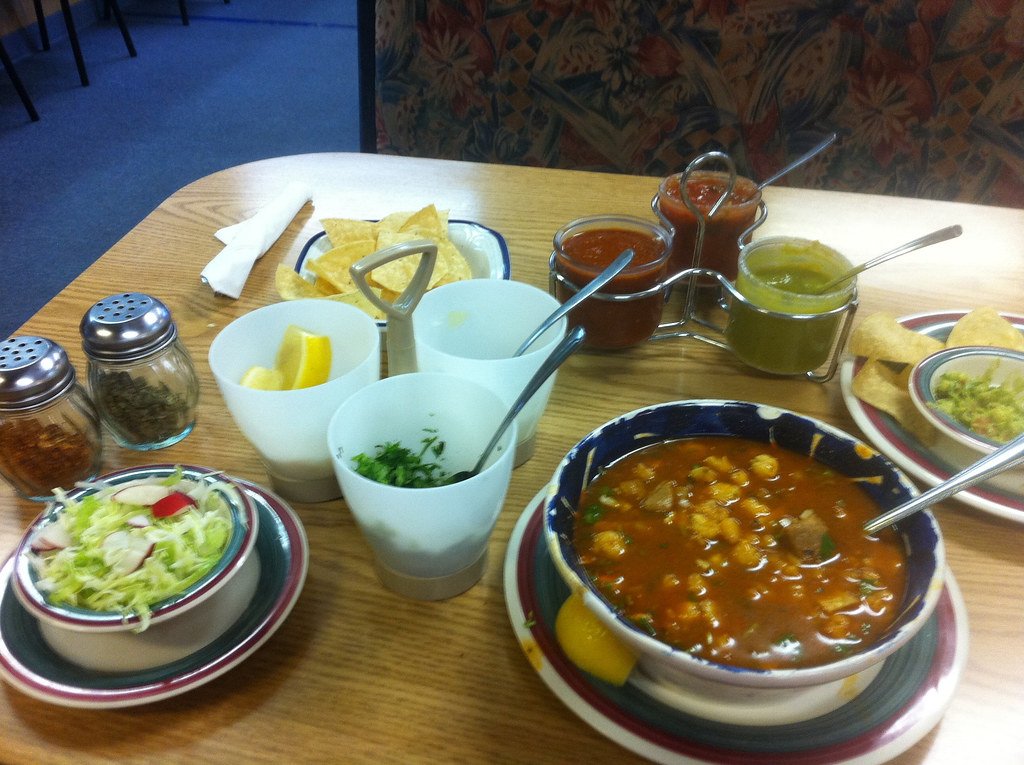
Pozole is a traditional Mexican dish that captivates both the palate and the senses with its rich combination of flavors and textures. At its core, pozole consists of hominy, which are corn kernels that have been treated with an alkali to enhance their texture and flavor. This staple ingredient provides a hearty, chewy base that contributes significantly to the overall experience of the dish. As you savor the pozole, you’ll notice that the hominy offers a delightful contrast to the tender meat, typically pork or chicken, which is simmered to perfection, allowing the flavors to meld beautifully.
One of the distinct features of pozole is its broth, infused with a medley of spices such as garlic, cumin, and oregano, giving it a warm, comforting depth. The choice of chilies—often guajillo or ancho—can also alter the flavor profile, adding a mild sweetness alongside the heat, which is essential for creating a well-balanced taste. When tasting pozole for the first time, one may appreciate how the broth envelops the other ingredients, creating a harmonious blend that warms the soul.
Furthermore, the toppings play a crucial role in elevating the dish. Fresh garnishes like shredded cabbage, diced onions, slivers of radishes, and a squeeze of lime provide a contrast to the savory broth. The crunch of the cabbage and the peppery brightness of the radishes enhance the overall texture, while the zesty lime adds a refreshing tartness that cuts through the richness of the meat and broth. For those experiencing pozole for the first time, paying attention to how these toppings interact with the base of the dish can enrich the tasting experience, making each spoonful both vibrant and satisfying.
Where to Find the Best Pozole
Finding authentic pozole can be an adventure in itself, as it reflects the rich traditions and flavors of Mexican cuisine. The best places to enjoy this hearty dish can be found both in Mexico and internationally. When searching for top-rated establishments, it is crucial to focus on those that prioritize authenticity. These often leverage time-honored techniques and family recipes that have been passed down through generations.
In Mexico City, one standout option is La Casa de Toño, renowned for its quality and dedication to the traditional preparation of pozole. Locals flock here to indulge in their rich, flavorful broths complemented by fresh garnishes such as cabbage, radishes, and lime. Another notable spot is El Pozole de la Abuela, where recipes are drawn from the owner’s family heritage, ensuring a unique and deeply rooted experience for all diners.
Outside Mexico, cities like Los Angeles and Chicago boast vibrant Mexican communities featuring outstanding pozole options. In Los Angeles, the historic Cacao Mexicatessen is a beloved establishment where the chef combines quality ingredients with authentic cooking methods. This results in a pozole that resonates with the spirit of Mexican culture. Meanwhile, in Chicago, Mi Tierra offers a cozy atmosphere along with their signature pozole that will transport you to a traditional Mexican kitchen.
When exploring places offering pozole, consider the preparation methods as indicators of quality. Authentic pozole demands the use of hominy, which enhances its texture and flavor. Additionally, cooking techniques that involve slow-braising meats and seasoning with traditional spices are essential for creating a rich and memorable broth. Personal anecdotes from food enthusiasts often highlight the joy of discovering a neighborhood gem that serves pozole prepared with love and expertise, further enriching the dining experience.
How to Make Pozole at Home: A Simple Recipe
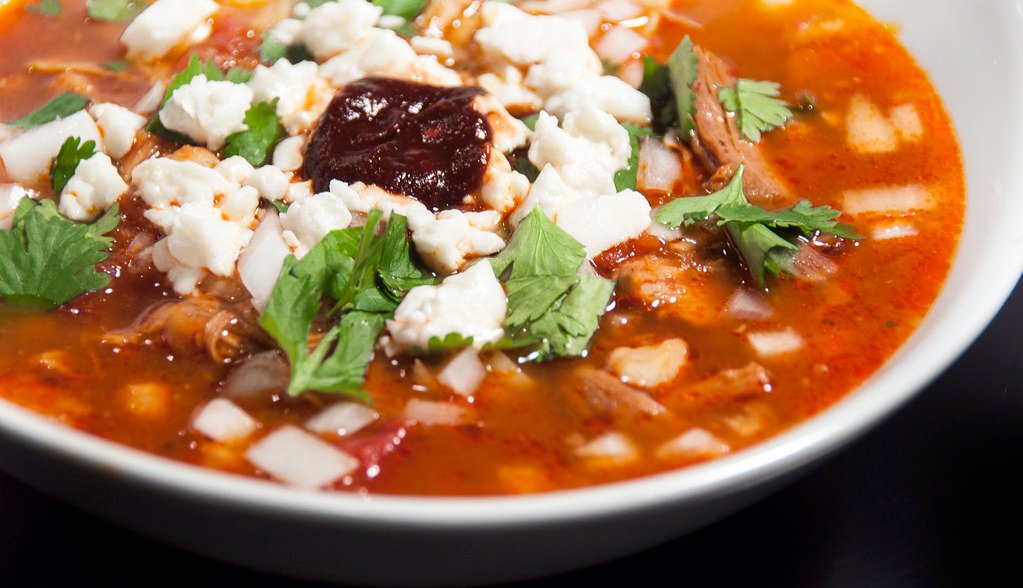
Preparing pozole at home is a rewarding culinary experience that allows you to savor a traditional Mexican dish in the comfort of your kitchen. To get started, you will need the following key ingredients: hominy (dried corn kernels), meat (typically pork or chicken), broth, and various spices. The beauty of this dish lies in its adaptability; you can adjust the recipe according to your dietary preferences.
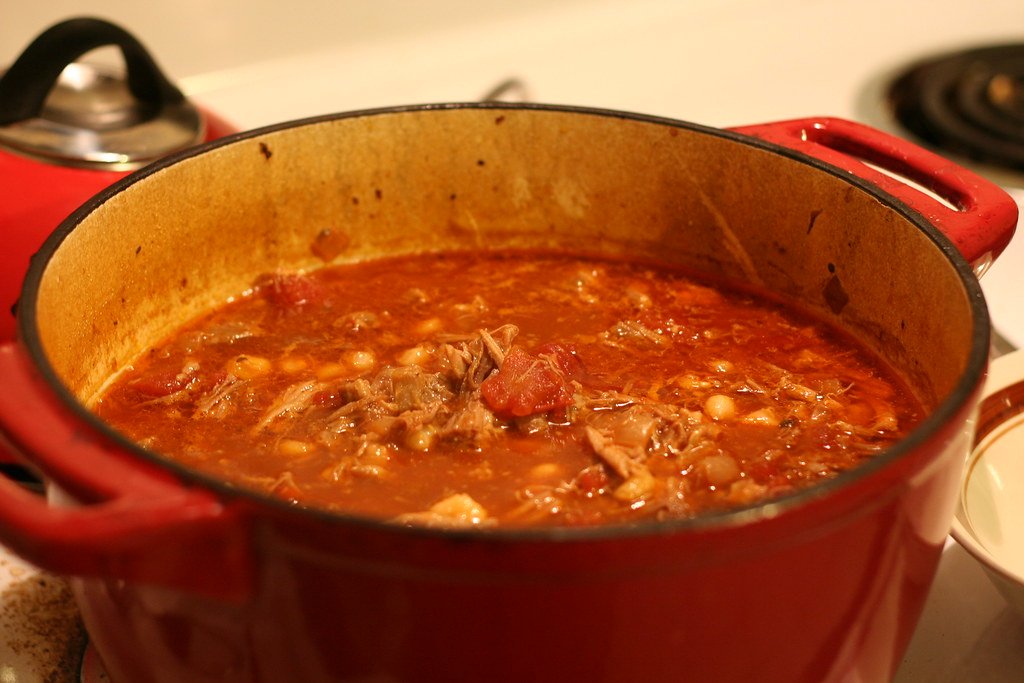
Begin by selecting high-quality corn hominy, which can be found in Latin markets or online. If you prefer a vegetarian version, consider using vegetable broth along with beans as a protein substitute. For the meat option, first, brown your choice of meat in a large pot. Once the meat is seared, add water or broth, along with your prepared hominy. This initial step is vital in building flavor.
Next, introduce spices such as garlic, onion, cumin, and oregano to enhance the taste. Allow the mixture to simmer gently for several hours, usually around two to three, until the meat becomes tender. While your pozole is cooking, it’s important to prepare an assortment of garnishes to serve alongside. Common accompaniments include shredded lettuce, diced radishes, sliced avocado, lime wedges, and chili powder.
Once your pozole has cooked to perfection, you can adjust its thickness by adding more broth as desired. The ultimate goal is to achieve a deliciously comforting bowl of pozole that you can customize to your liking. For an added twist, some families enjoy integrating additional toppings like corn tortillas or tortilla chips for a delightful crunch. This cherished dish embodies community and comfort and is perfect for sharing with friends and family during gatherings.
In conclusion, making pozole at home is an accessible endeavor that celebrates the intricate flavors of Mexican cuisine. By sourcing authentic ingredients and following a few straightforward steps, you can create a comforting meal that can be tailored to suit a variety of dietary needs, ensuring everyone can enjoy this classic dish.